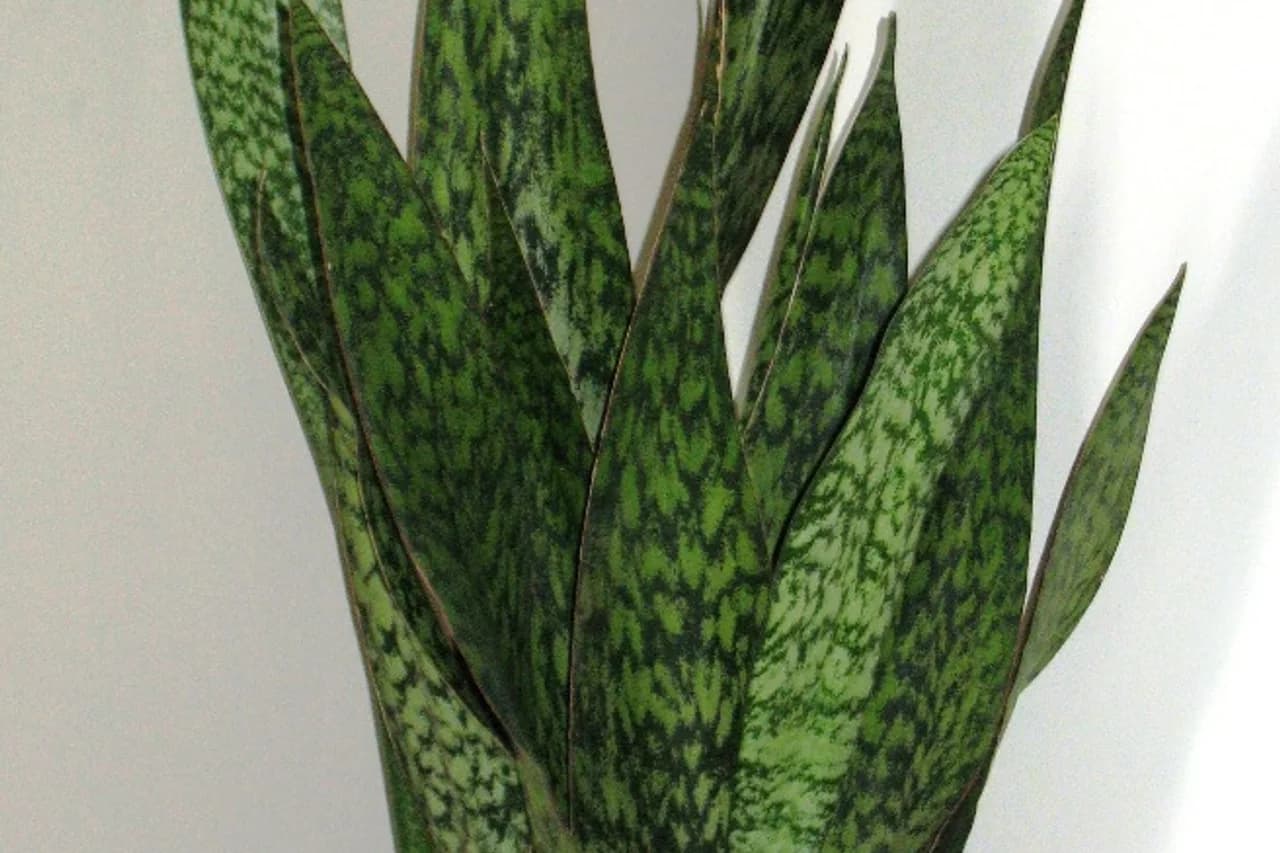
Image: Mokkie (Public domain) · Source
support
Snake plant
Dracaena trifasciata
Also known as Mother-in-law's tongue / Sansevieria (United States).
- sindh coast
- punjab plains
- pothohar
International hardiness
- USDA 9-12
- RHS H1b
- AU: Tropical, Subtropical, Arid / semi-arid
Where it grows — regional guide
| Zones / rating | Regional notes |
|---|---|
USDA 9-12 | USDA Zones 9b–12 outdoors; premier structural floor and bedroom plant nationwide thanks to 20–35% winter relative-humidity tolerance. |
| Zones / rating | Regional notes |
|---|---|
H1b (10 to 15C) | Protect indoors above 10°C (RHS H1b); reliable north-facing hall or glazed sill plant in terracotta pots. |
| Zones / rating | Regional notes |
|---|---|
Tropical, Subtropical, Arid / semi-arid | Resilient architectural courtyard planter across Perth, Adelaide, Sydney, and Brisbane; shield outdoor beds from frost in inland Victoria. |
| Zones / rating | Regional notes |
|---|---|
USDA 9-12 (USDA scale) Canada uses its own zone system; Canadian zones run roughly one lower than USDA. | No region-specific data yet |
| Zones / rating | Regional notes |
|---|---|
Sindh coast, Punjab plains, Pothohar | India:Thrives across humid coastal cities and hot dry North Indian interiors; protect outdoor tubs from monsoon puddle saturation. |
Grows alongside
Species that appear with Snake plant in 9 of our published guides — a starting list for a guild, not a planting plan.
Growing conditions and light
Botanically reclassified from Sansevieria trifasciata to *Dracaena trifasciata, snake plant bridges desert heat and dim apartment bedrooms cleanly through Crassulacean Acid Metabolism (CAM) stomata that limit daytime water loss. It endures 35–100 fc beside shaded north glass (growing steadily faster around 150–400+ fc* without leaf burn).
Pick cultivars by your room footprint: gold-edged 'Laurentii' and dark 'Zeylanica' reach 30–48 in tall inside an architectural 10–14 in footprint, whereas 'Hahnii' bird's nest stays a compact 6–8 in rosette for shelves. Both prefer 60–85°F (16–29°C), 20–35% winter air humidity, and soil pH 6.0–7.5. Compare tall and low-growing cultivars inside our best indoor plants for low light guide.
Watering, soil, and propagation
Thick succulent rhizomes rot rapidly if watered like tropical ferns. Let the entire rootball dry out deeply between waterings — every 14–24 days in dim rooms and only every 4–6 weeks during cool northern winters — using the weight-and-skewer test described in our watering houseplants guide.
Plant into unglazed terracotta pots filled with a sandy or gravelly aroid mix (one-third coarse perlite or pumice) so top-heavy swords stay anchored while moisture wicks cleanly out. Propagate by dividing creeping rhizomes with a clean blade — note that leaf cuttings from gold-margined `'Laurentii'` revert to solid green `'Zeylanica'` leaves on new pups.
Pests and common issues
Fleshy leaves repel most sap pests when kept dry, though mealybugs occasionally lodge tightly deep inside basal leaf sheaths and wet mushy orange-brown blades signal basal soft rot from chronic overwatering or chilly window drafts below 50°F.
For step-by-step division, terracotta container sizing, and root-rot recovery when blades collapse sideways, check our repotting pothos, monstera, and snake plant guide and root-rot rescue protocol.
Safety and toxicity
Snake plant is mildly toxic to cats and dogs if ingested, per ASPCA Animal Poison Control, because foliage contains saponins that irritate gastrointestinal linings and trigger nausea, vomiting, or diarrhea. Firm leathery blades deter casual nibblers better than grassy fronds, though playful puppies should still be kept separate from floor pots.
Sourcing notes
Widely available worldwide under both Dracaena trifasciata and its legacy name Sansevieria trifasciata; choose crisp upright blades with no soft brown basal blemishes or loose wobble in the pot.
Frequently asked questions
Why are snake plant leaves flopping over or turning mushy at the base?
Flopping, mushy-based snake plant leaves almost always trace back to basal rhizome rot triggered by watering before the bottom of the pot dried out — especially under low winter light. Unpot immediately, cut away black or foul-smelling roots, let stubs dry 24 hours, and replant into dry porous mix.
Does a snake plant keep its yellow stripes if propagated from a leaf cutting?
No. Gold-margined 'Laurentii' snake plant is a chimera whose edge variegation grows only from whole rhizome divisions or offsets (pups). Leaf cuttings taken from 'Laurentii' stay viable and root well, yet produce plain dark-green 'Zeylanica'-style foliage.
How low can winter bedroom humidity drop for Dracaena trifasciata?
Snake plant handles heated winter apartments down to 15–30% relative humidity cleanly with zero misting required. Waxy leaf cuticles and CAM nighttime transpiration make it far tougher in forced-air heat than thin-leaved palms or Calathea.
Is snake plant safe for apartments with cats or dogs?
ASPCA Poison Control lists Dracaena trifasciata as toxic to cats and dogs due to naturally occurring saponins that cause vomiting and stomach upset if chewed. Place dwarf 'Hahnii' pots on high bookshelves or choose cast iron plant for floor-level grazing pets.
References
- Penn State Extension — Succulent & Indoor Container Drainage Care Principles
- University of Illinois Extension — Houseplant Light Levels & Watering Frequency
- University of Georgia Cooperative Extension Bulletin 1318 — Growing Indoor Plants with Success
- ASPCA Animal Poison Control — Toxic & Non-Toxic Plants Database (Snake Plant Saponins)