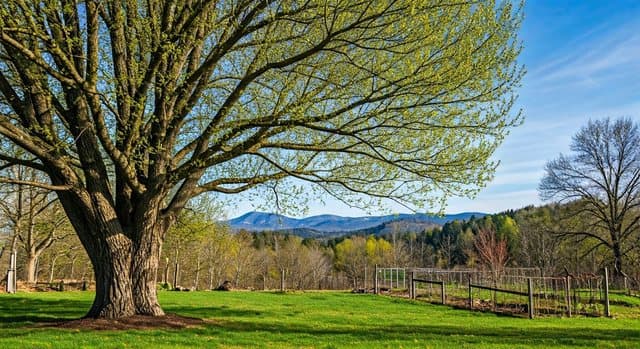
Nitrogen-fixing trees for cold US climates: black locust, alder
Black locust, alder, and Siberian pea shrub improve soil fertility in cold US climates. How to integrate these nitrogen-fixing trees into cold-climate permaculture designs.
Tag
22 articles in this tag on agripure.
Black locust, alder, and Siberian pea shrub improve soil fertility in cold US climates. How to integrate these nitrogen-fixing trees into cold-climate permaculture designs.
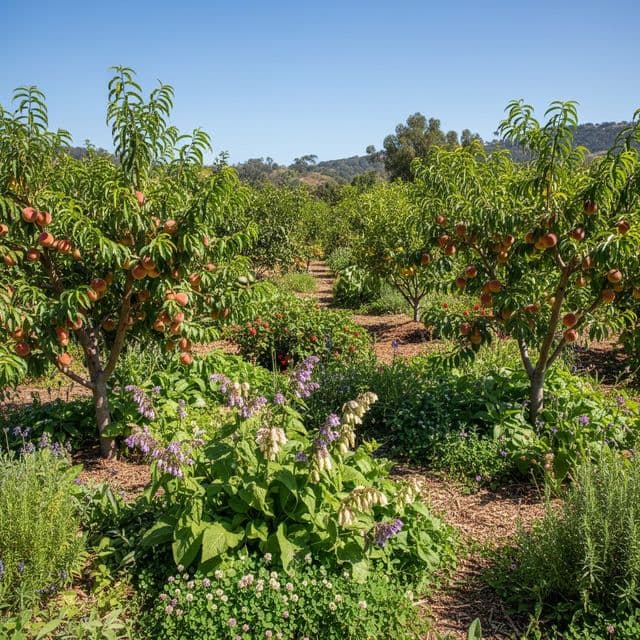
Learn to design a resilient peach and stone-fruit guild for USDA zones 8-10. Select low-chill varieties, incorporate nitrogen-fixers, and use swales to boost yields.
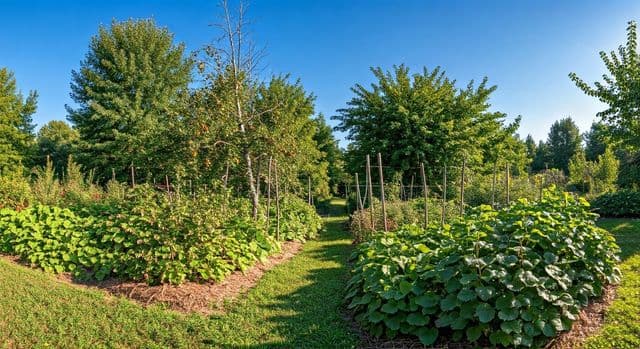
Design thriving cold climate food forests in USDA Zones 3-5 (Northeast & Upper Midwest). Learn species selection, water management with swales, and layering for resilient, productive systems.
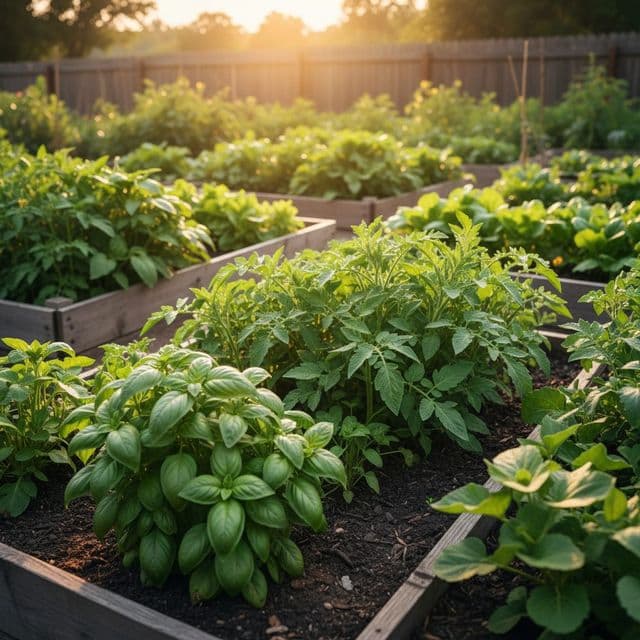
Discover how permaculture plant guilds create self-supporting ecosystems, reducing inputs and boosting productivity. Learn to design resilient guilds for your USDA Zone 6 homestead.
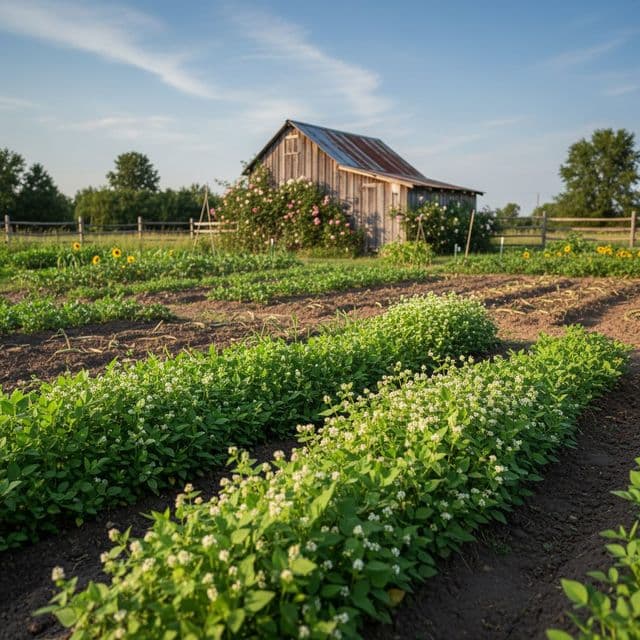
Boost garden soil health with summer cover crops like buckwheat and cowpeas. Learn how these plants prevent erosion, fix nitrogen, and improve organic matter in USDA zones 5-9.
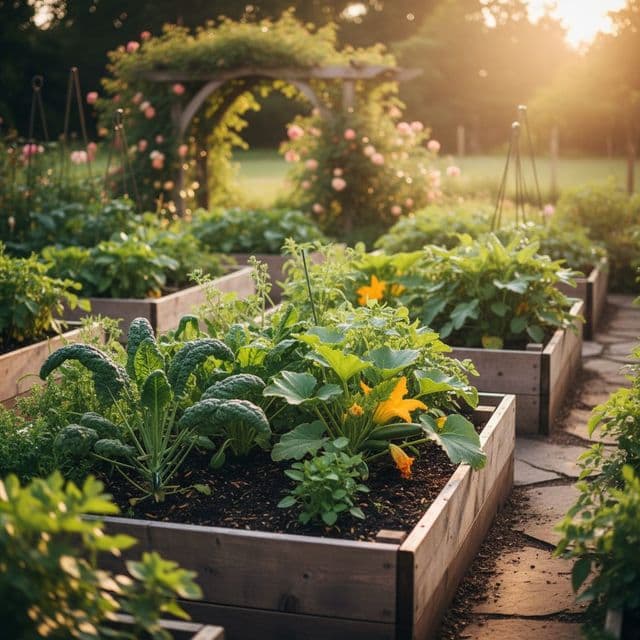
Master succession planting for continuous harvests of bush beans, radishes, and carrots. Learn to boost yields, improve soil health, and extend your growing season across USDA zones.
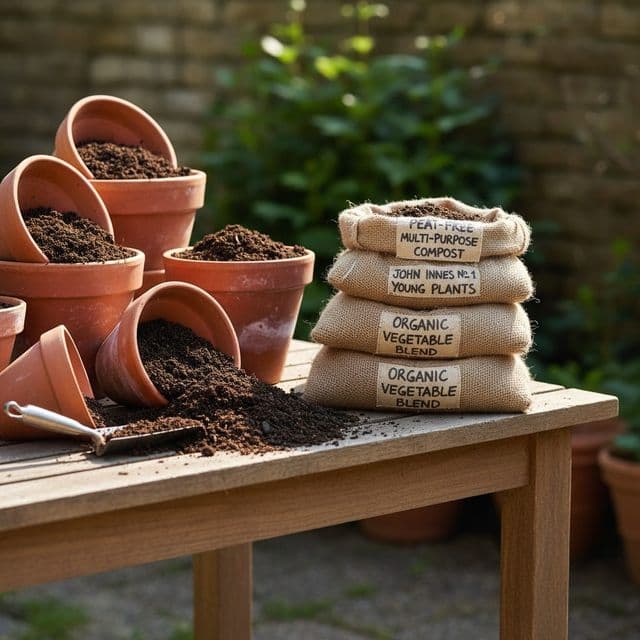
A guide to four-group crop rotation for USDA Zone 6 gardens, explaining how legumes, brassicas, alliums, and nightshades manage soil nutrients and reduce pests.
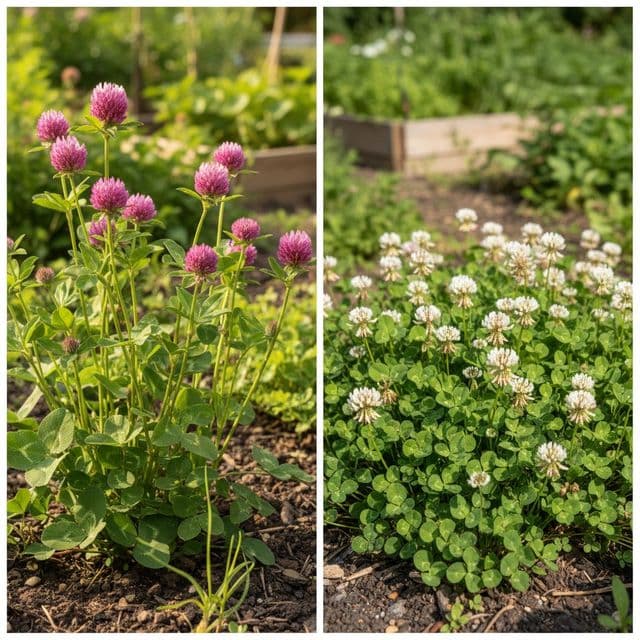
Compare red clover vs white clover: taproot vs stoloniferous habit, short-lived biennial vs perennial lifespan, living mulch, green manure, and bee forage.
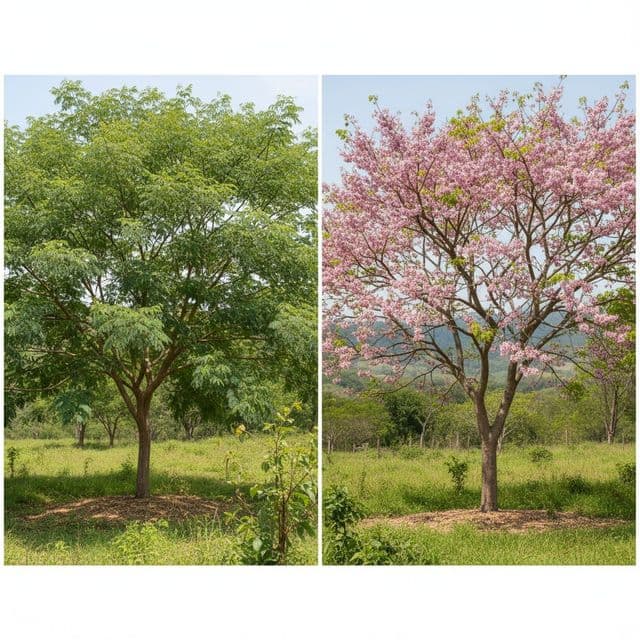
A detailed comparison of Leucaena vs Gliricidia for tropical agroforestry, covering protein fodder, mimosine toxicity, soil acidity, and living fences.
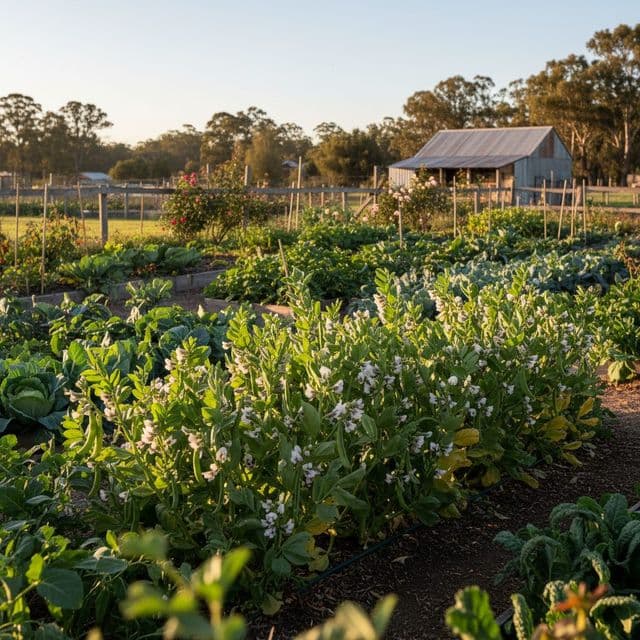
A complete guide to growing broad beans in Australia, covering autumn sowing across climate zones, varieties, troubleshooting pod set, and harvesting.
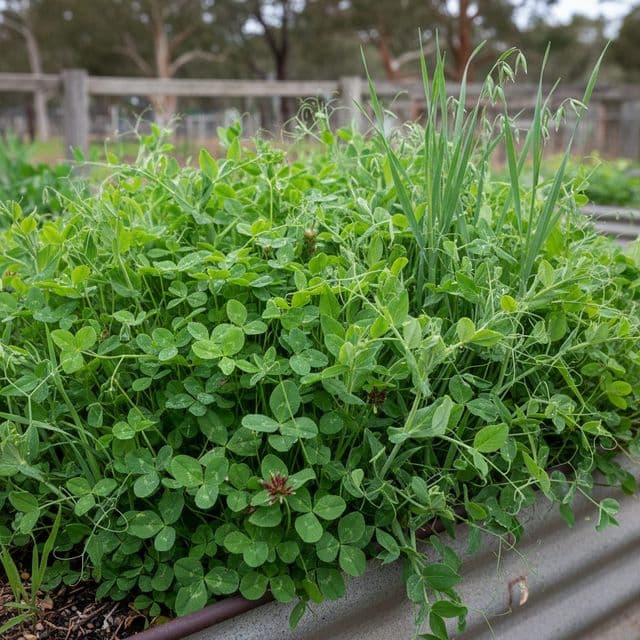
Learn how to sow, grow, and terminate green manure crops in Australia across autumn and spring seasons to rebuild soil organic matter and fix nitrogen.
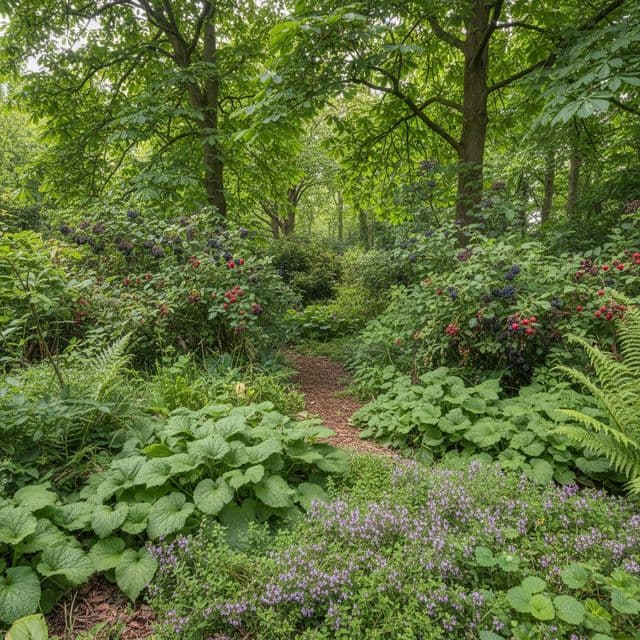
Discover the best food forest plants organized across all seven vertical canopy layers, from overstory nut trees to edible shrubs, ground covers, and roots.
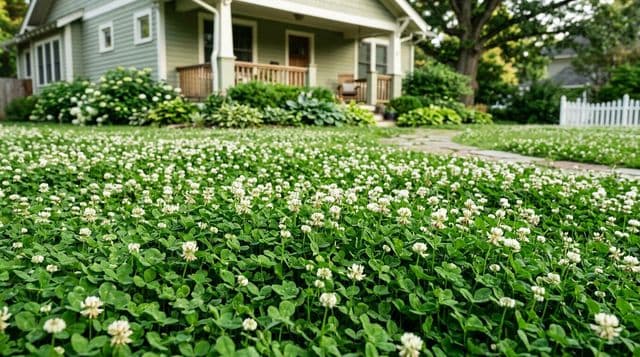
Learn how to plant and maintain a clover lawn with honest pros and cons, seeding steps, mowing tips, and overseeding strategies for turfgrass.
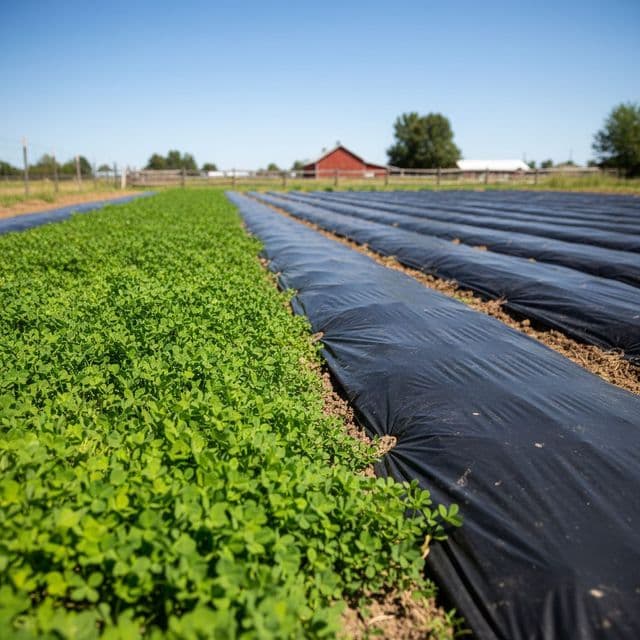
Discover how combining cover crops and occultation provides effective organic weed control, reducing weed biomass by 90% in organic cabbage. Improve soil health & cut labor.
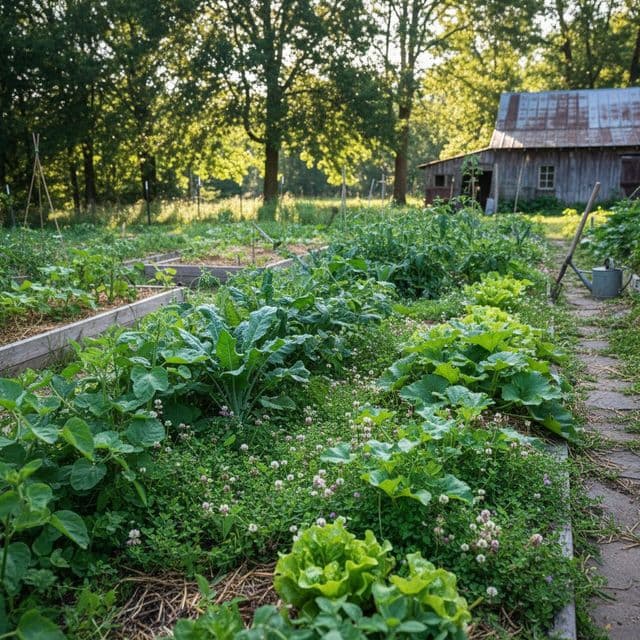
Discover how living mulches cool soil by 10-20°F, conserve water by 20-30%, and build soil health in hot US climates. Create resilient gardens with this natural solution.
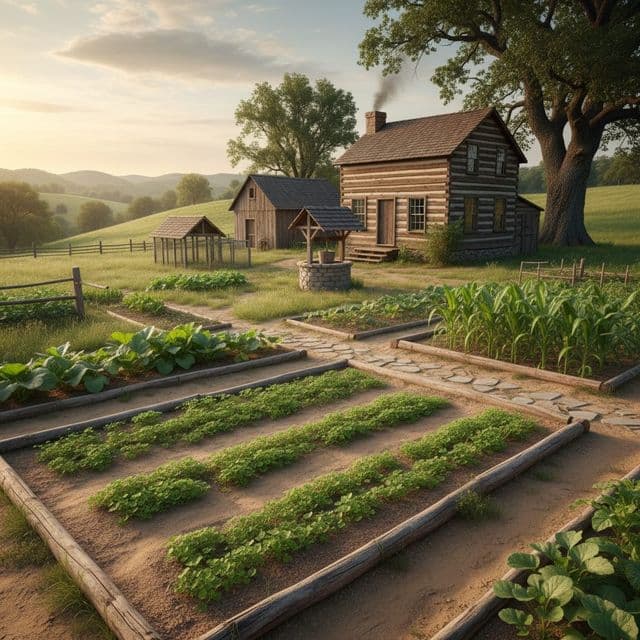
Transform sandy soil fast in US gardens with cowpeas, buckwheat, and daikon radish. Learn how these cover crops boost organic matter, water retention, and drought resilience for healthier plants. E…
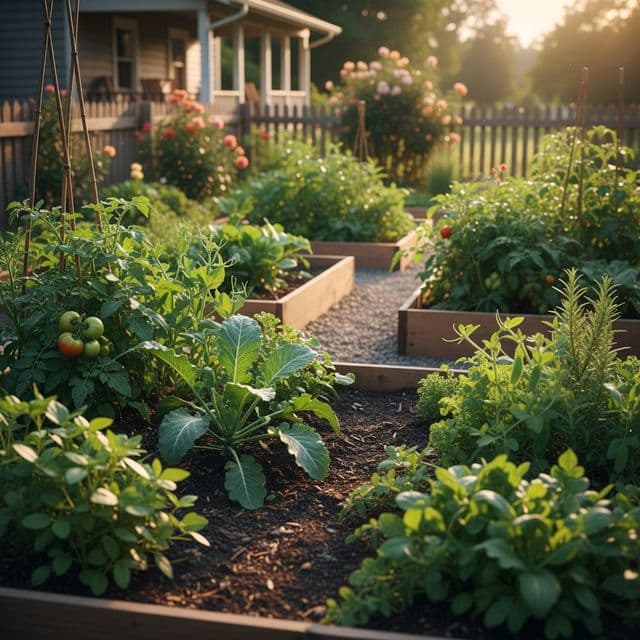
Discover nopal, tepary beans, chiltepin, and mesquite – resilient desert plants thriving in arid US climates. Reduce water use by 50-70% and build sustainable food systems.
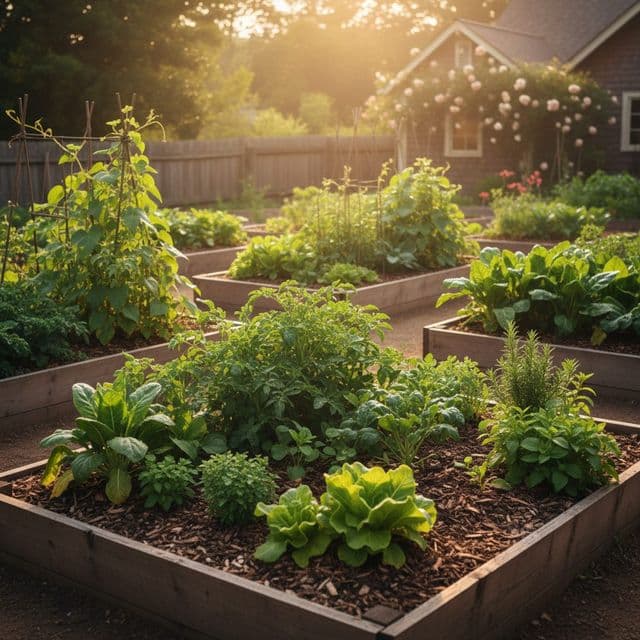
Planting on swale berms boosts water retention, enriches soil with nitrogen-fixers, and supports fruit trees in arid zones.
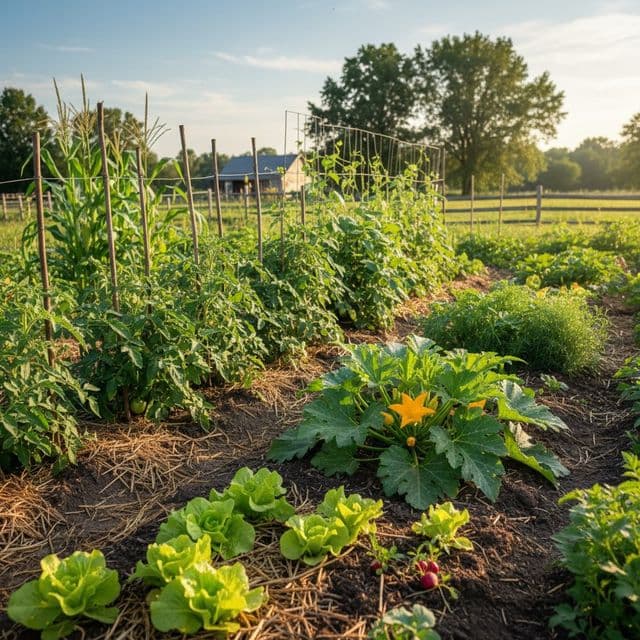
Master Succession Planting to maximize your garden space and enjoy continuous harvests in USDA Zone 6. Learn strategies for staggering crops, improving soil health, and extending your growing season.
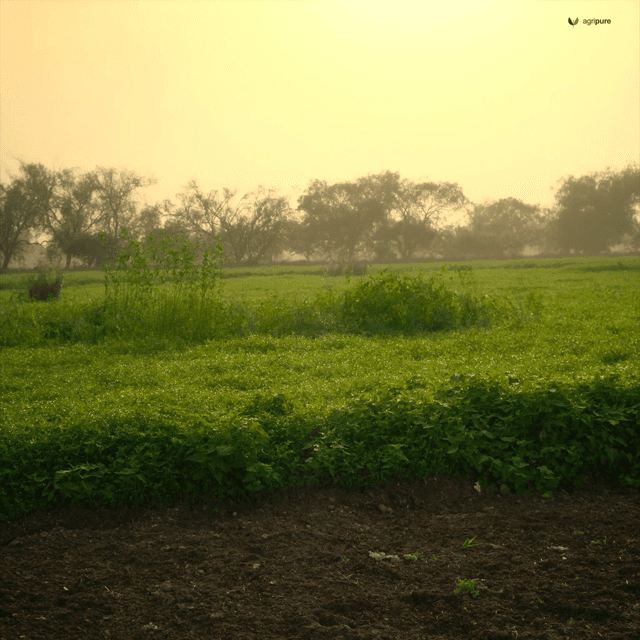
How growing dhaincha (Sesbania bispinosa) as green manure improves soil organic carbon, fixes nitrogen, and loosens compacted subsoil ahead of orchard planting in Punjab.
Leucaena is not a crop you harvest. It is a pump you operate. Leucaena leucocephala — ipil-ipil , river tamarind — exists in a syntropic system to convert sunlight and atmospheric nitrogen into bio…

On the Sindh coast, salt is the first thing a planting must survive and the last thing most planting guides take seriously. Beyond about 8 dS/m of soil salinity, the fruit trees and vegetables a fa…