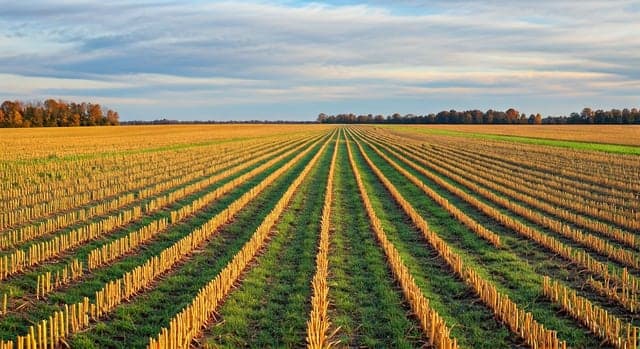
Quick cover crops: erosion control for US Midwest soil health
Discover the best quick cover crops for erosion control and soil health in the US Midwest. Learn about cereal rye, annual ryegrass, and legumes to protect your fields.
Tag
36 articles in this tag on agripure. — page 1 of 2
Discover the best quick cover crops for erosion control and soil health in the US Midwest. Learn about cereal rye, annual ryegrass, and legumes to protect your fields.

Compare microclover ('Pirouette', 'Pipolina'), Dutch white clover, strawberry clover, and creeping thyme for US gardens and orchards. Learn how Rhizobium nitrogen really transfers via chop-and-drop…
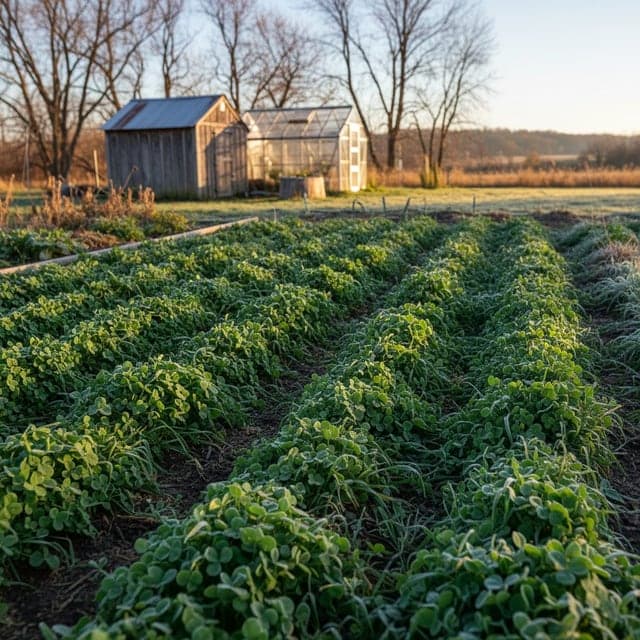
Discover how cover crops improve soil health, fix nitrogen, and boost yields in US gardens. Learn to choose and manage cover crops for a resilient, productive ecosystem.
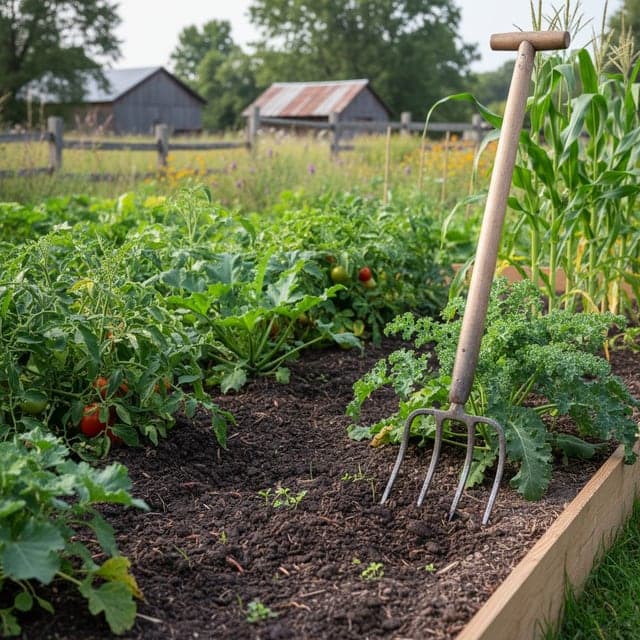
Diagnose root-stopping compaction with a 300 psi wire-flag penetrometer test, 444 mL infiltration ring, and 12-inch shovel slice, then rebuild soil porosity using 10–14 inch chromoly broadforking,…
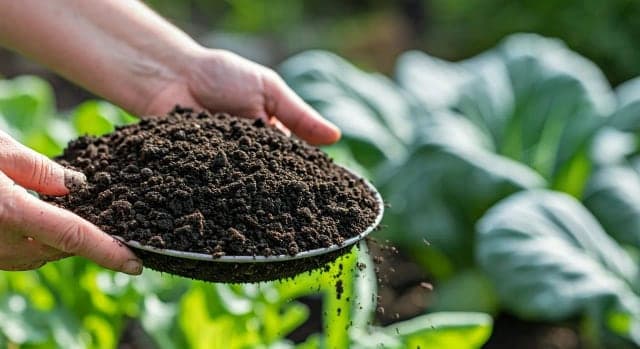
Skip concrete-forming sand and non-sodic gypsum myths. Learn the squeeze-drop wet-clay rule, compost and surface wood-chip depths, Daikon radish bio-drilling, and an honest 3-year clay soil timeline.
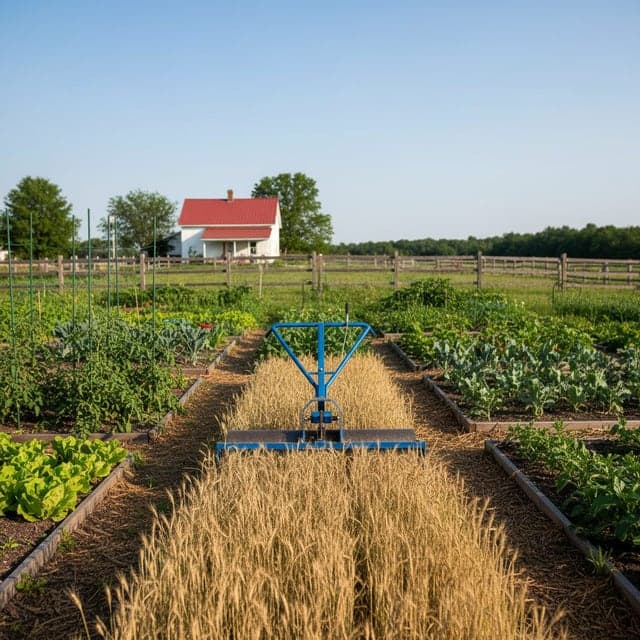
No-till cover crop termination methods including roller-crimping, tarping, and chop-and-drop to increase soil organic matter and improve soil health for US growers.
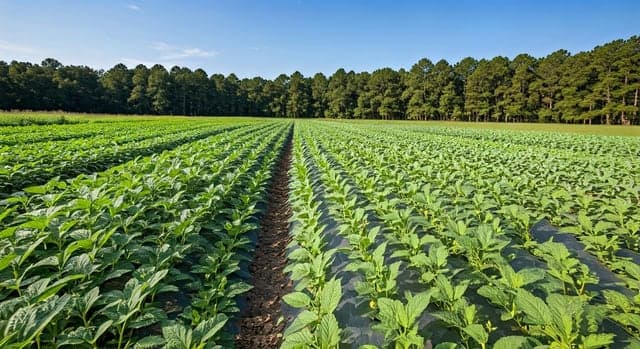
USDA SARE and Southern Extension blueprint for Zones 7–10: seeding rates (lb/1,000 sq ft and lb/acre), EL Rhizobium inoculants, C:N decay math, nematode suppression, and P0 pyrrolizidine alkaloid,…
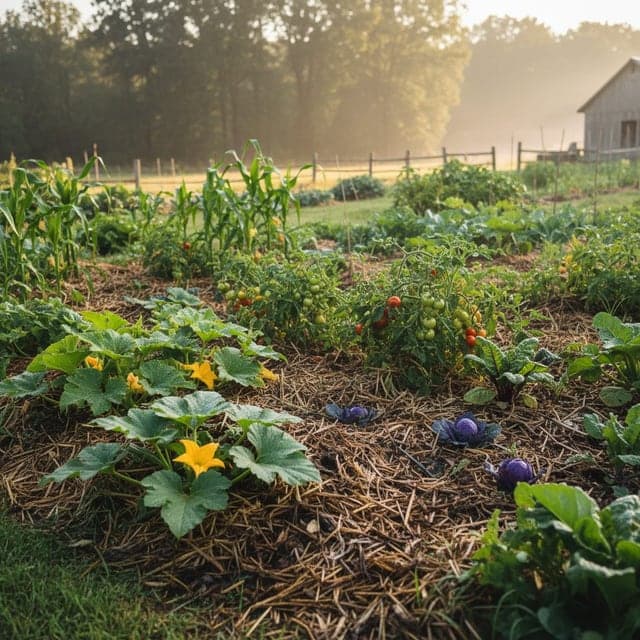
Learn how to transition your tilled garden to a no-till system, building soil organic matter in USDA Zone 6. Discover permaculture principles for a thriving, resilient garden.
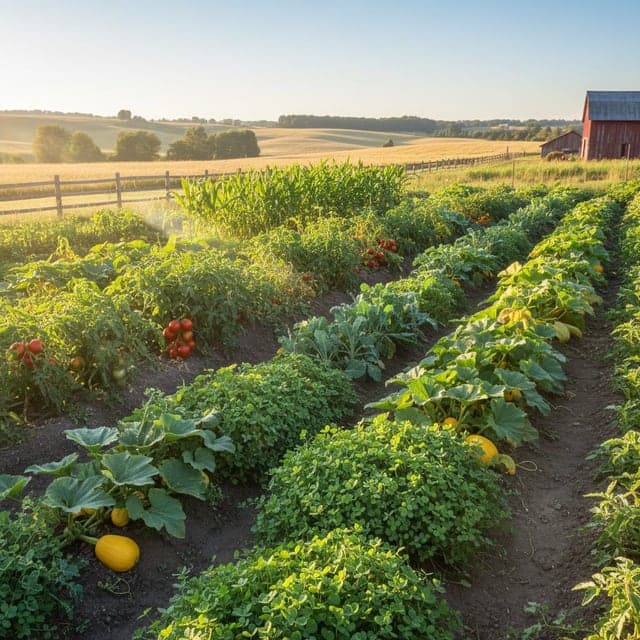
Improve your USDA zone 6 garden’s soil with green manures and cover crops. Improve fertility, structure, and water retention using permaculture principles for a resilient garden.
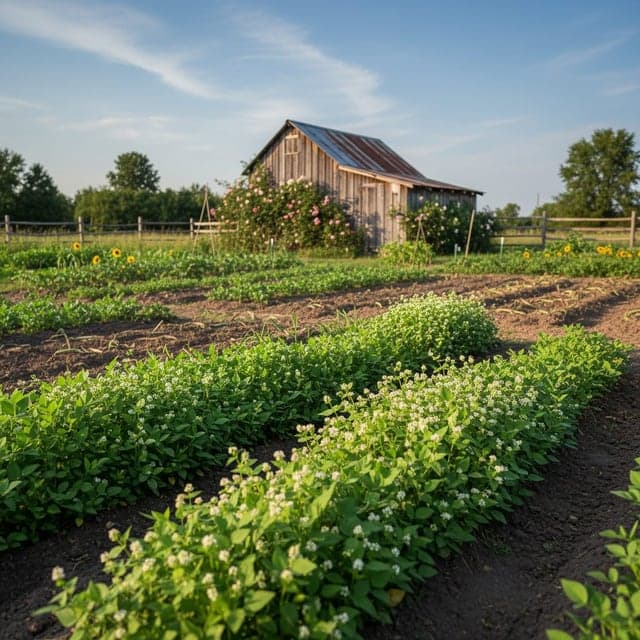
Boost garden soil health with summer cover crops like buckwheat and cowpeas. Learn how these plants prevent erosion, fix nitrogen, and improve organic matter in USDA zones 5-9.
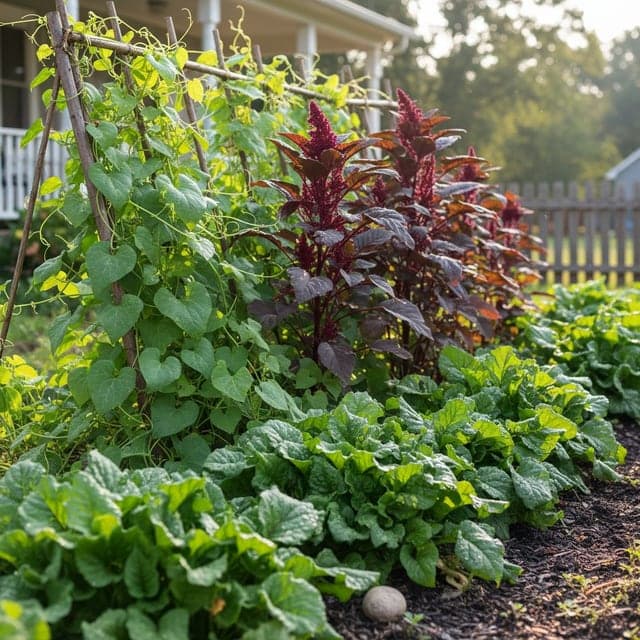
Extend your summer harvest in USDA zones 7-10 with resilient heat-tolerant greens like Malabar spinach, amaranth, and New Zealand spinach. Learn to grow them for continuous yields.
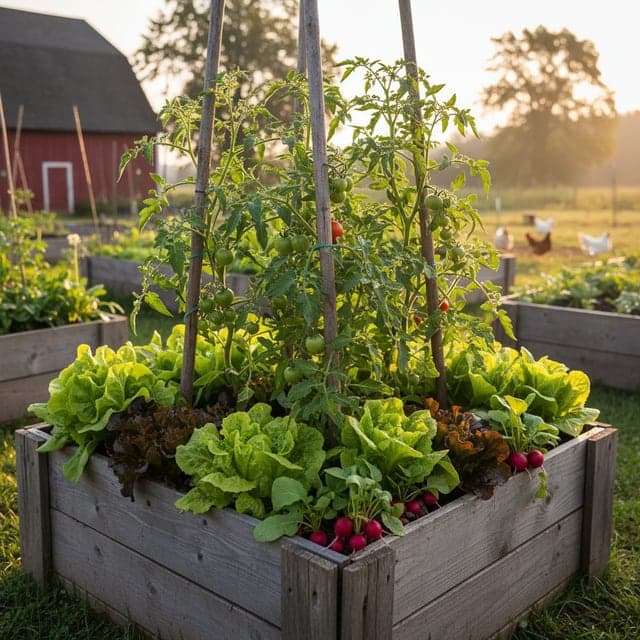
Learn how interplanting fast and slow crops can double your garden’s output. Discover strategic crop pairings, USDA zone planting calendars, and succession planting tips for maximum yield.
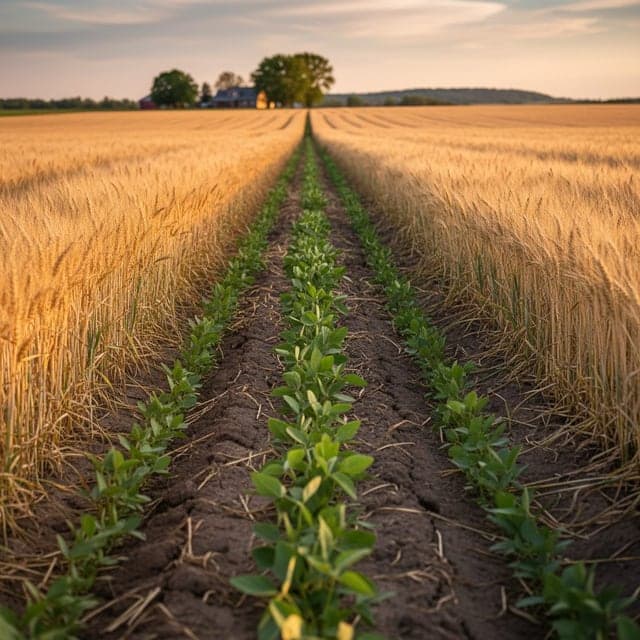
Use relay intercropping in US backyard beds to start your next vegetable crop 2–4 weeks before harvest clears: worked garlic, pea, brassica, and overwintered spinach calendars, crown-shearing to sa…
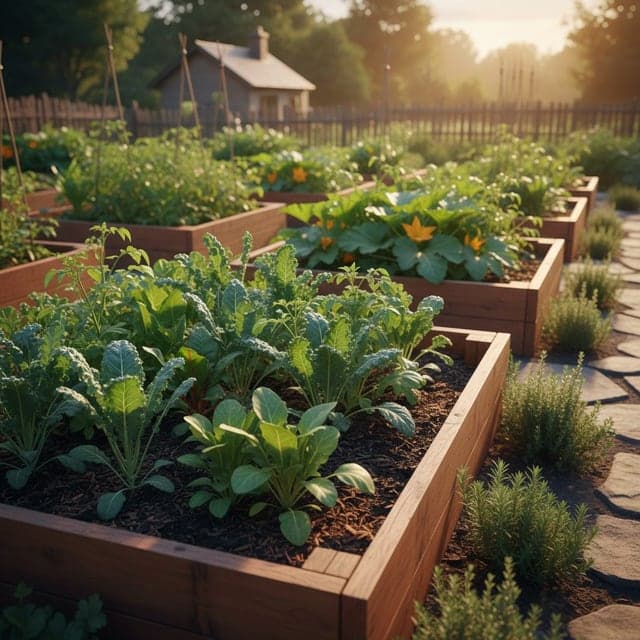
Optimize your homestead’s productivity with strategic crop rotation. Learn how to integrate perennials, cover crops, and heavy feeders for soil health, pest control, and higher yields in USDA zones…
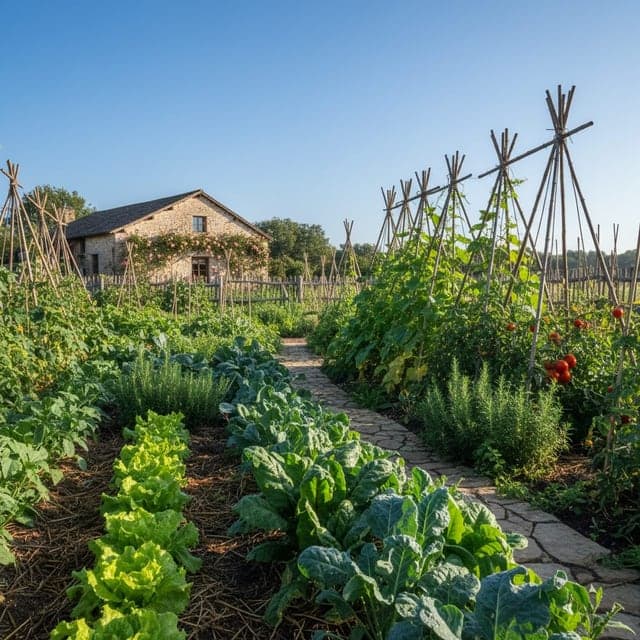
Invert the northern garden calendar for USDA Zones 9–10: run October–April as your main vegetable season, split Humid Florida from Arid California and Arizona windows, and use June–August solarizat…
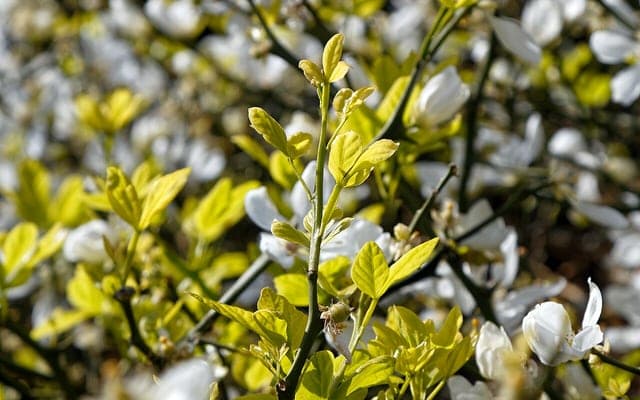
Diagnose yellow citrus leaves in your US orchard. Learn to identify nutrient deficiencies (nitrogen, iron, magnesium) and overwatering issues with practical solutions for healthy trees.
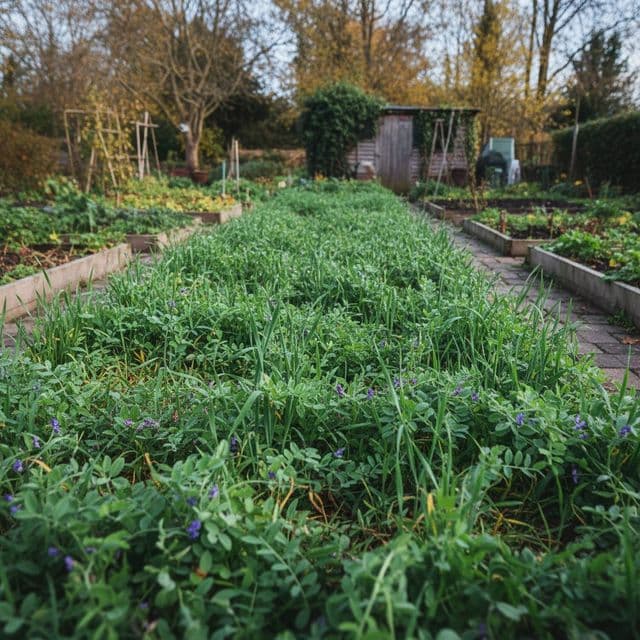
Choose, sow, and terminate winter green manures across UK gardens and allotments: RHS and AHDB species rules, £/10 m² broadcast seed rates, grazing rye's 3–4 week allelopathic gap, mustard clubroot…
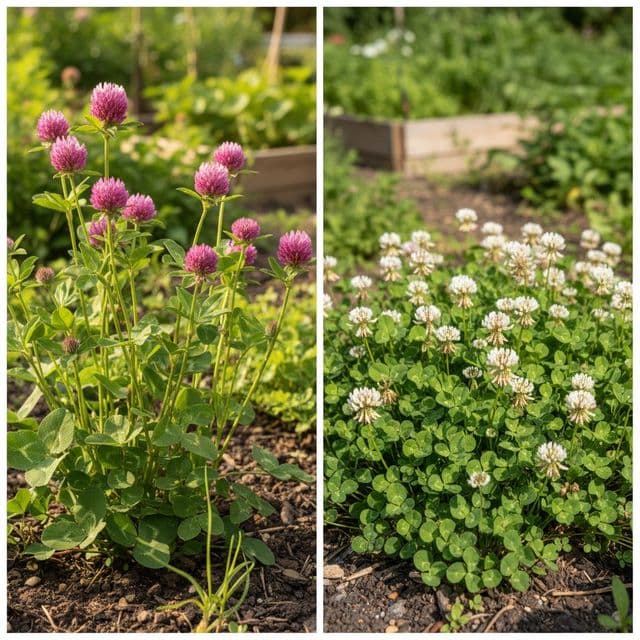
Compare red clover vs white clover: taproot vs stoloniferous habit, short-lived biennial vs perennial lifespan, living mulch, green manure, and bee forage.
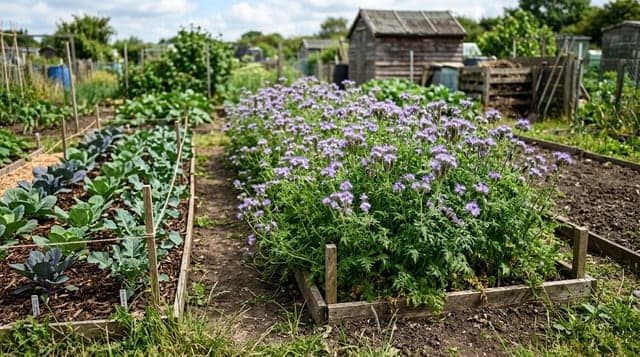
Discover how green manure improves UK garden and allotment soil, covering seasonal seed mixes, nitrogen fixation, weed suppression, and termination methods.
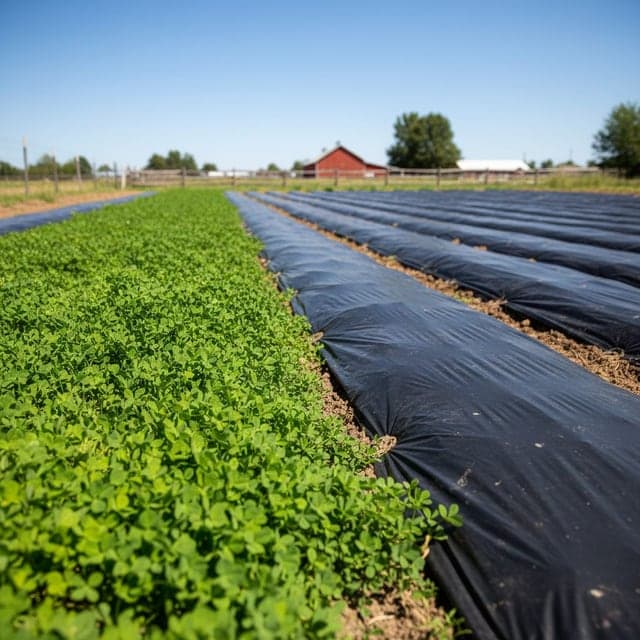
Discover how combining cover crops and occultation provides effective organic weed control, reducing weed biomass by 90% in organic cabbage. Improve soil health & cut labor.
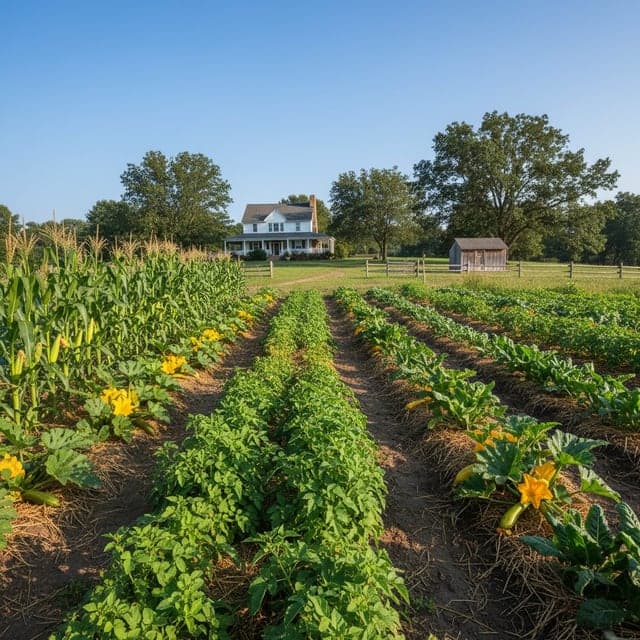
Understand US organic pesticide labels, OMRI certification, and IPM principles for effective pest control. Learn how to choose safe products and boost beneficial insects on your farm or garden.
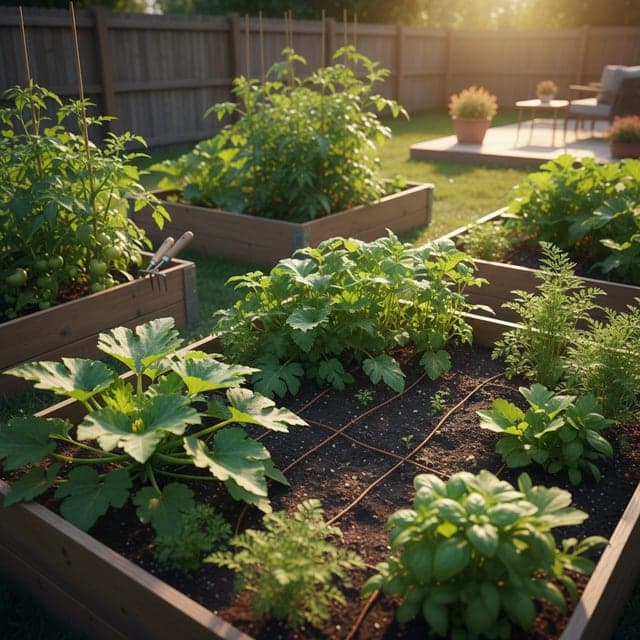
Master organic pest prevention in USDA Zone 5. Learn strategic crop rotation, sanitation, and resistant varieties to reduce garden pests and diseases by 50% or more. Grow a healthier, more producti…
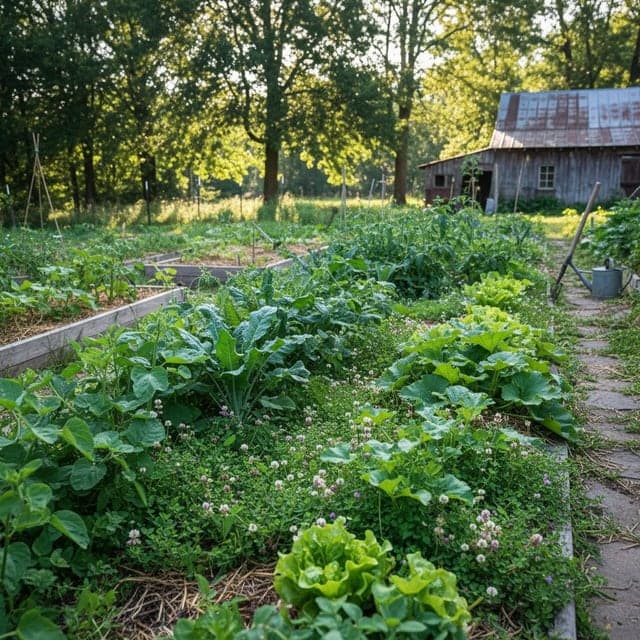
Discover how living mulches cool soil by 10-20°F, conserve water by 20-30%, and build soil health in hot US climates. Create resilient gardens with this natural solution.
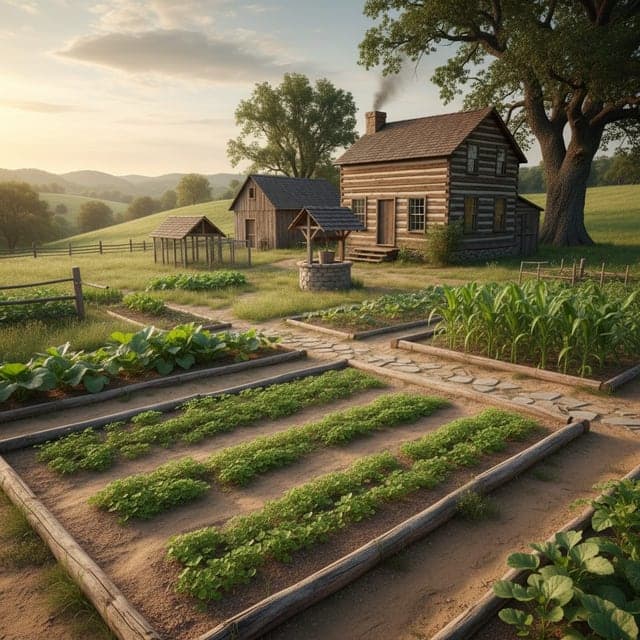
Transform sandy soil fast in US gardens with cowpeas, buckwheat, and daikon radish. Learn how these cover crops boost organic matter, water retention, and drought resilience for healthier plants. E…