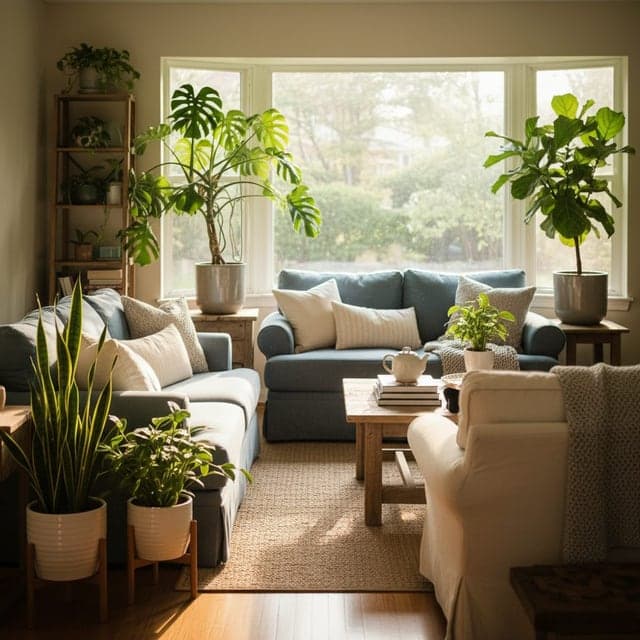
US Houseplants: Thrive in 60-75°F Indoor Conditions
Discover how to choose and care for US houseplants that thrive in typical 60-75°F indoor conditions. Learn about light, watering, and humidity for healthy plants.
Tag
135 articles in this tag on agripure. — page 3 of 6
Discover how to choose and care for US houseplants that thrive in typical 60-75°F indoor conditions. Learn about light, watering, and humidity for healthy plants.
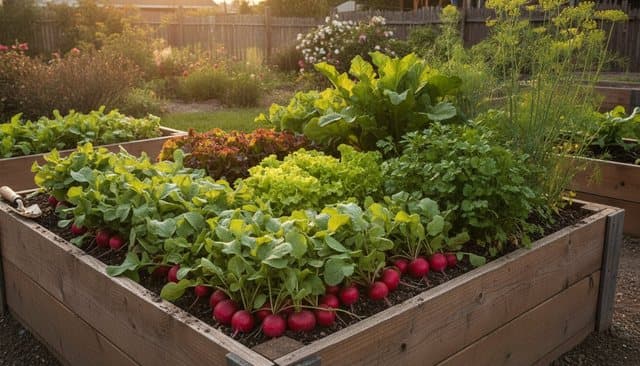
How to grow fast herbs and quick crops like okra, arugula, dill, parsley, and chives, with harvests in under 60 days across USDA zones 3-10.
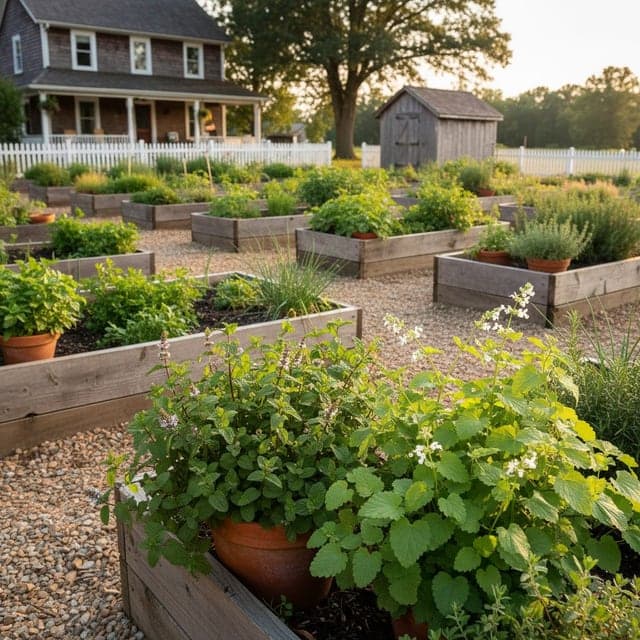
Prevent mint and lemon balm from taking over your US garden. Learn effective strategies for managing mint and lemon balm spread, including containers, root barriers, and strategic placement.
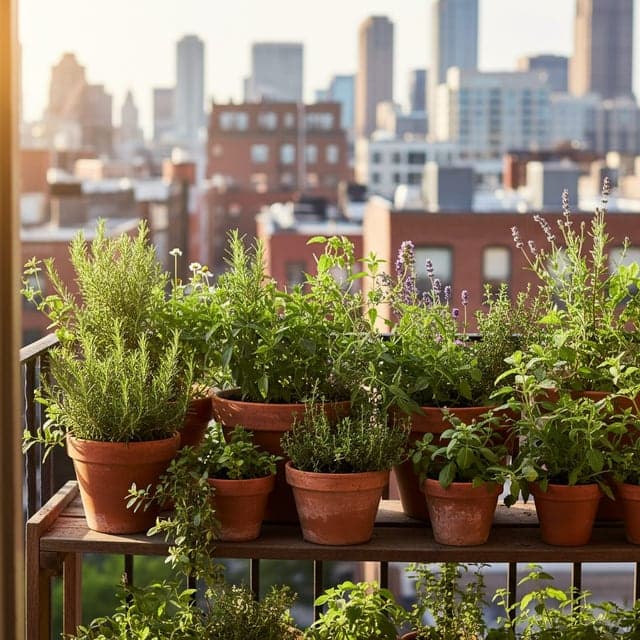
How to grow medicinal herbs in containers on balconies or patios, covering plant selection, potting mixes, light requirements, and seasonal care.
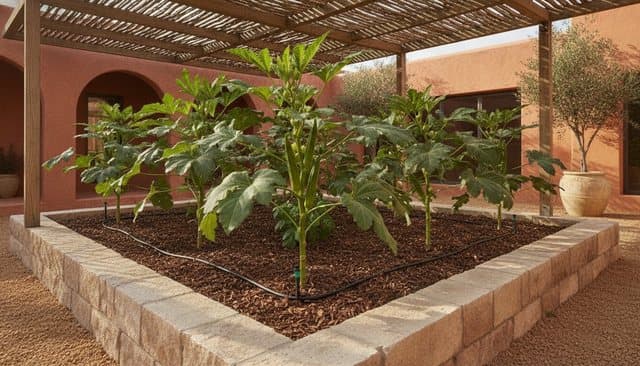
Gardening in the Arabian Gulf requires reversing traditional calendars to grow from October to April. Learn how to manage extreme heat, sandy soils, and salinity.
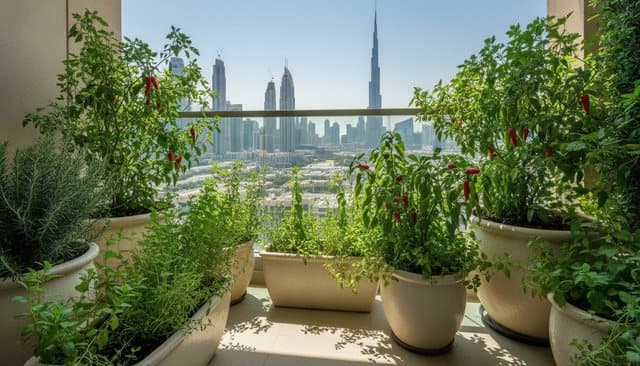
Grow food and flowers on your Gulf balcony. Learn how to select heat-resistant containers, manage intense winds, and cultivate crops like peppers and jasmine from October to April.
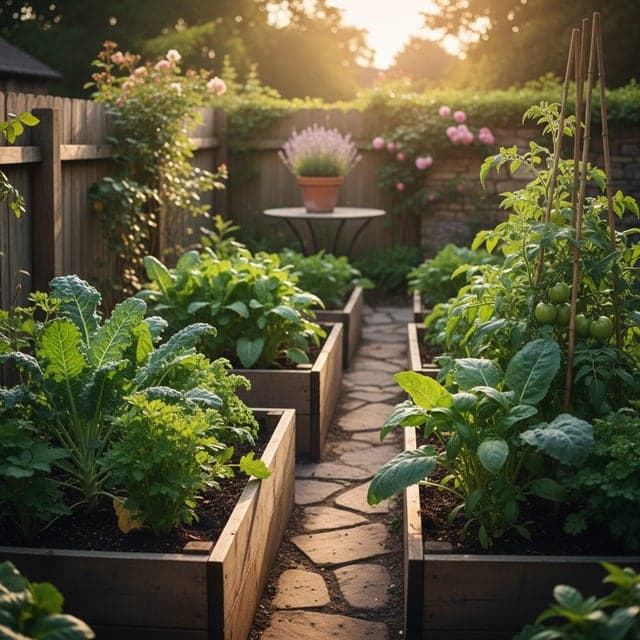
Revitalize container soil after winter’s harsh effects by assessing compaction, replenishing nutrients, and restoring microbial health for increased spring yields.
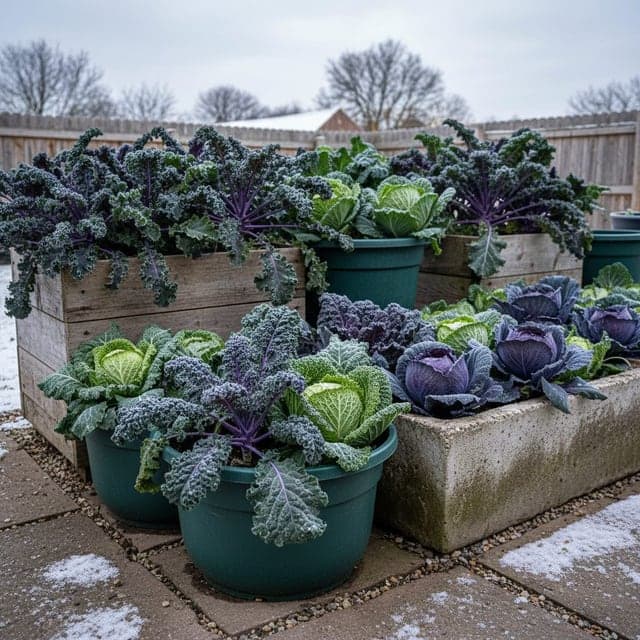
Select genuinely frost-proof outdoor planters for USDA Zones 3–8 using 9% water-to-ice expansion physics, an 8-material durability and US pricing matrix, rim geometry rules, 2-zone root hardiness m…
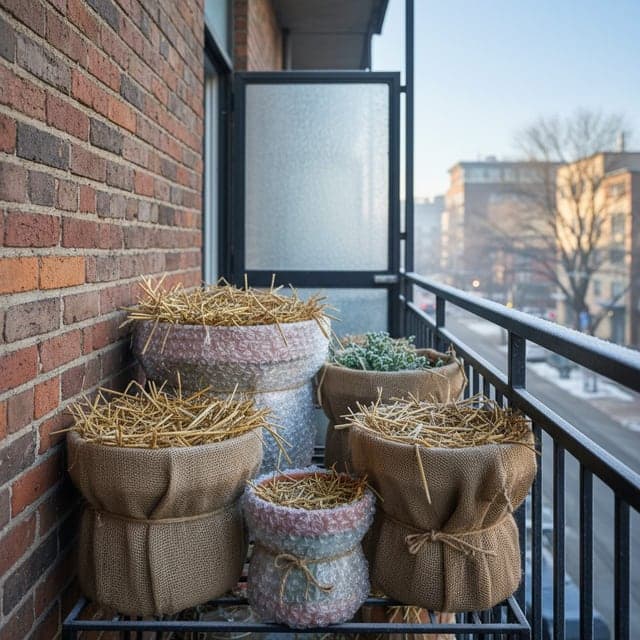
Overwinter potted perennials, herbs, shrubs, and tender plants across USDA Zones 3–9: apply the 2-zone hardiness rule, choose between in-ground plunging, 25–40°F garage storage, and pot-wall wrappi…
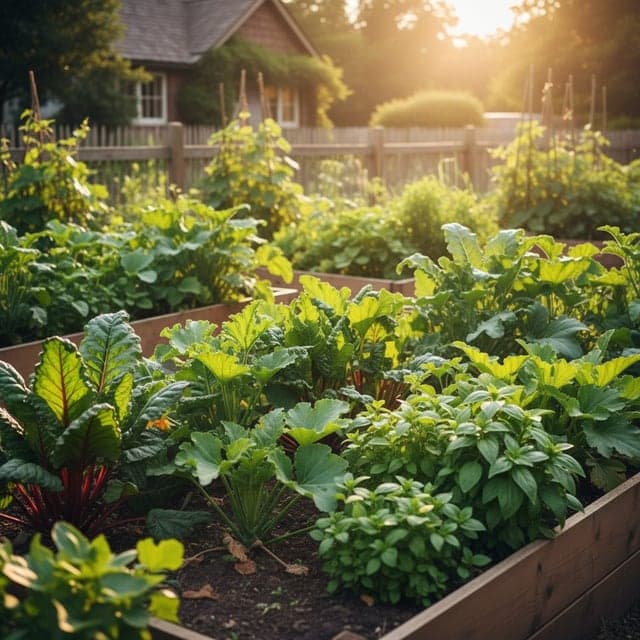
Keep potted perennial herbs alive through winter across USDA Zones 3–9 using the subtract-2-zones root-freeze rule, frost-proof containers, plunge-potting, thaw-day watering, and clean indoor grow-…
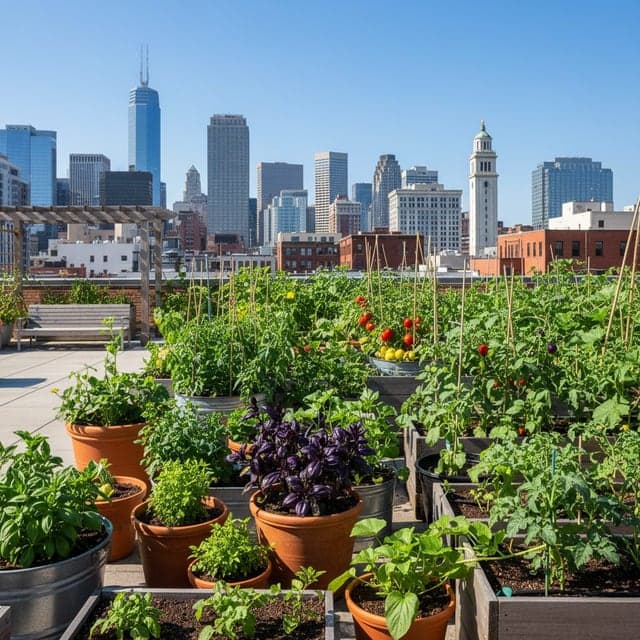
Self-pollinating crops for urban gardens in USDA Zone 7 allow growing tomatoes, peppers, and beans on balconies or rooftops without relying on bees.
Engineer a productive US balcony pollinator container garden across floors 1–10+: solve height and wind guild shifts, stop >110°F black-pot root bake, screen nursery neonicotinoids, avoid tropical…
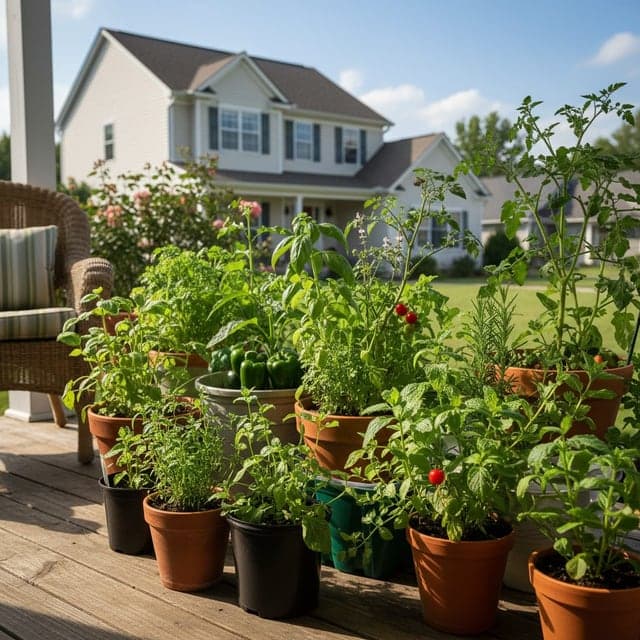
Master summer container gardening. Learn how to prevent overwatering, choose the right soil & containers, and protect plants from heat to ensure abundant harvests in challenging climates.
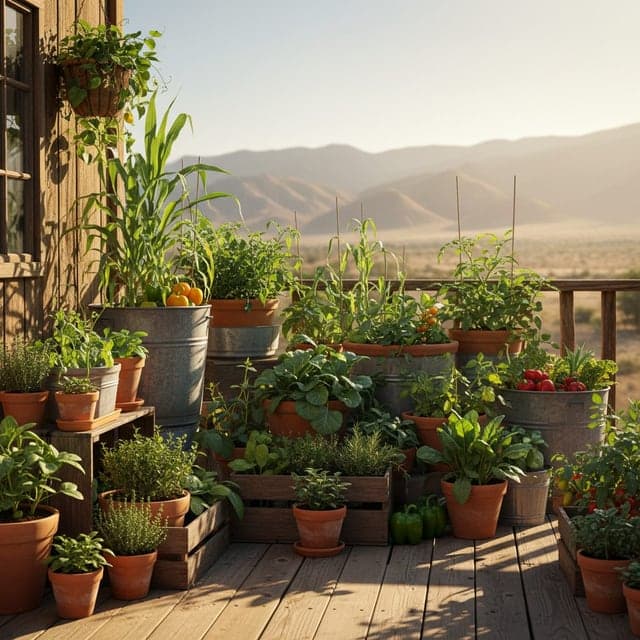
Cut container evaporation by 20–35% and drop rootzone temperatures 10–20°F using rim-to-rim pot grouping, sacrificial outer shields, pot-in-pot bark buffers, 1–2" foliage airflow gaps, drip manifol…
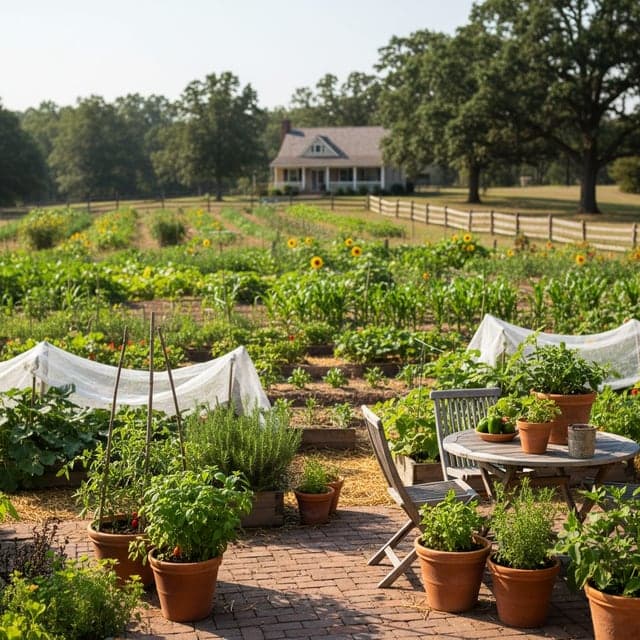
Grow productive patio vegetables past 95–100°F days and 85°F nights: heat-set tomatoes, true thermophilic crops, 10–25 gal light grow bags vs. >110°F black pots, 30–40% shade cloth, drip salt flush…
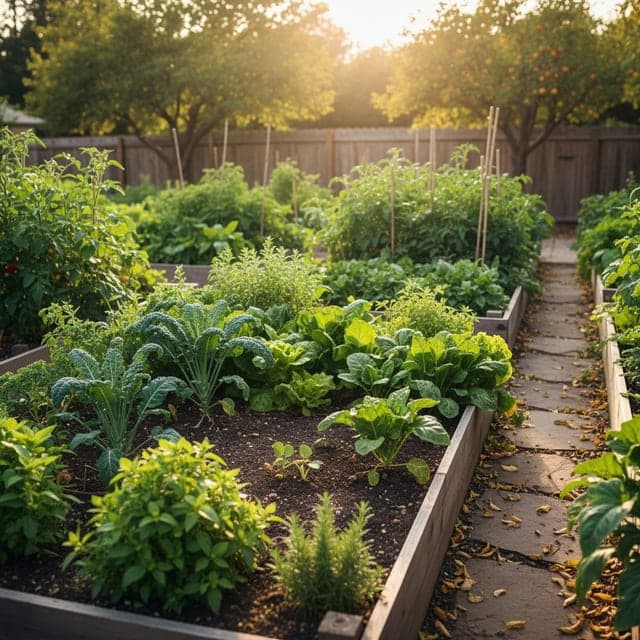
Learn how to revive sun-scorched container plants in USDA Zone 7 and beyond. This guide covers assessment, controlled rehydration, and preventing root rot.
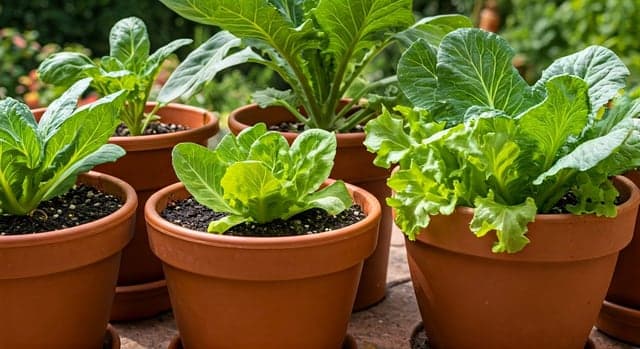
Keep container crops well-fed without salt burn: NCSU/UF bark-peat-coir leaching physics, polymer CRF 85–90°F heat-dump alerts, PourThru EC/pH testing, and the 3× non-softened leach rule.

Learn how to protect container plants from extreme heat (100°F+) in USDA Zones 8-10. Discover shade cloth tips, watering strategies, and placement for container plant heat protection.
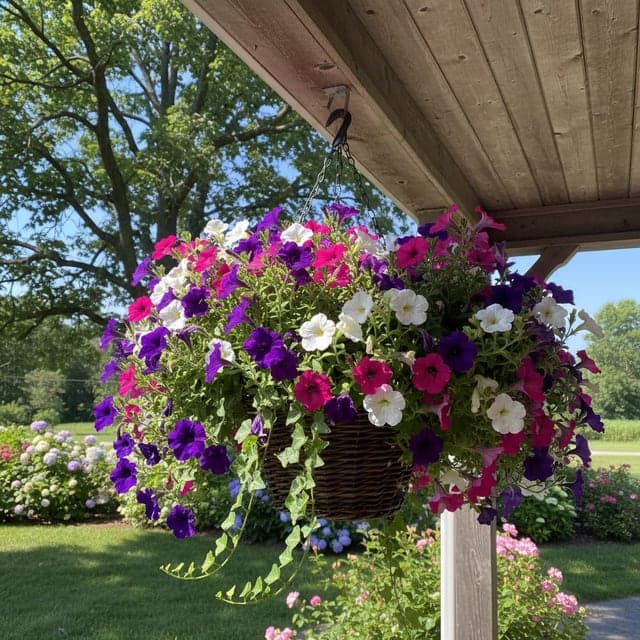
Hanging baskets dry out fast in hot climates like USDA Zone 7. Master hanging basket hydration with tips on soil, basket choice, and plants to reduce watering by 30% or more.
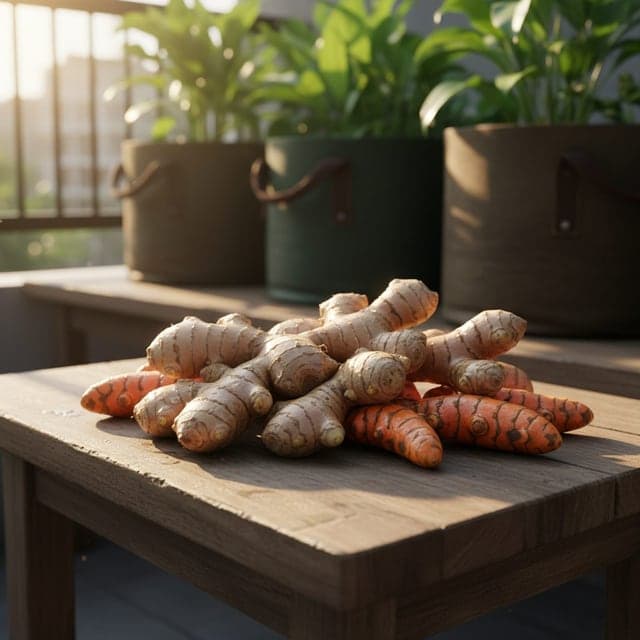
Harvest and cure container-grown ginger and turmeric cleanly: 8–10 month dieback cues, stain-proof handling, mother vs. finger sorting, 70–75°F curing, 55°F cellar storage vs. 45–60 min boiled powd…
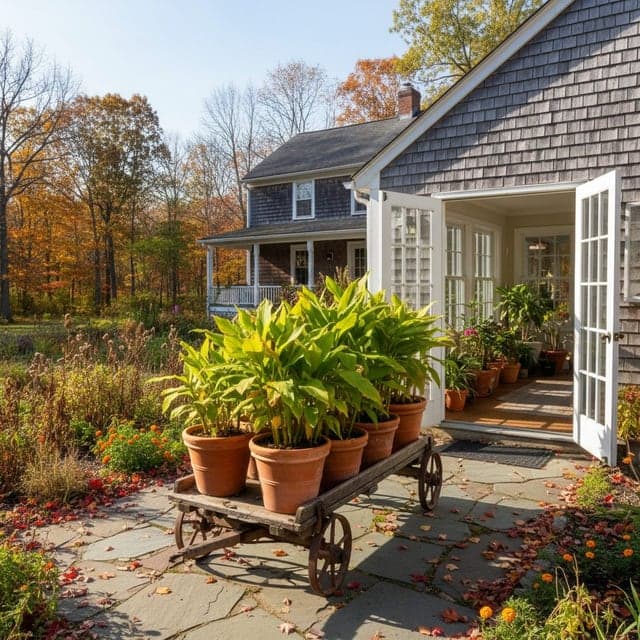
Move potted ginger, turmeric, galangal, banana, canna, Colocasia, Alocasia, and Caladium indoors before 45–50°F chilling injury—plus dry-pot, crate, LED tracks, Bti quarantine, and ASPCA pet alerts.
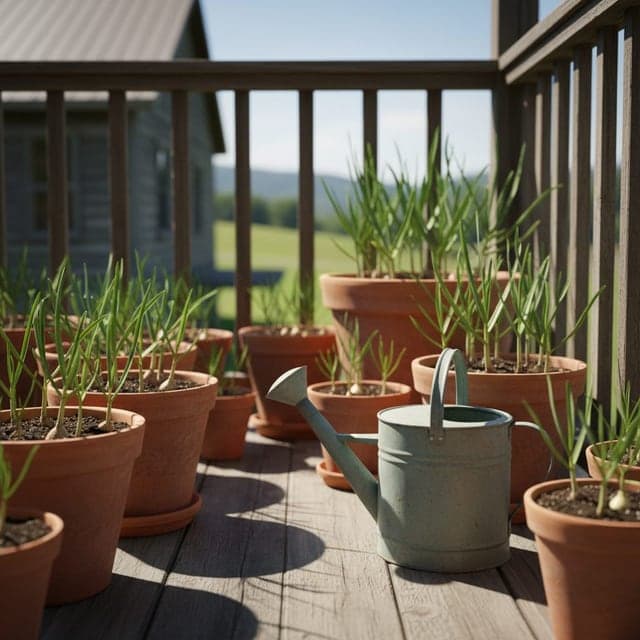
Grow full-sized garlic and multiplier shallots in 5-gallon pots across USDA Zones 4–9 with exact depths, spacing geometry, frost-proof containers, Zone 4–8 winter collars, and spring feeding.
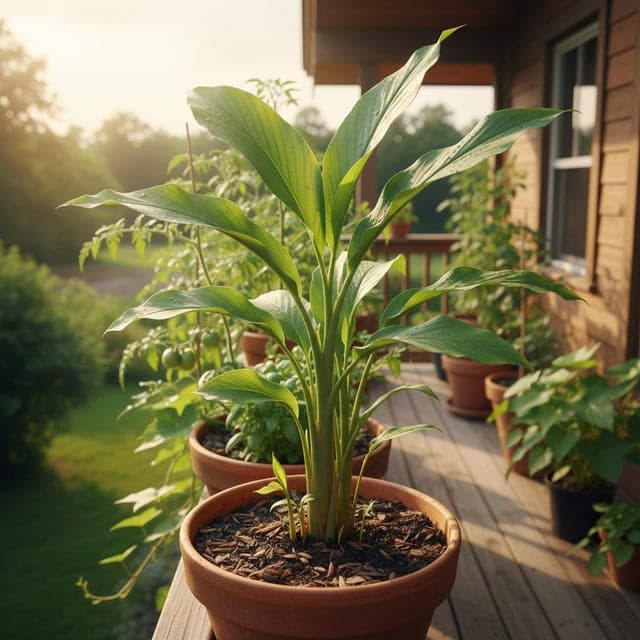
Grow plump turmeric rhizomes in pots across USDA Zones 3–9 with phase-by-phase watering schedules, indoor light and humidity care, Zone 8b–9a clay advice, and safe winter storage.
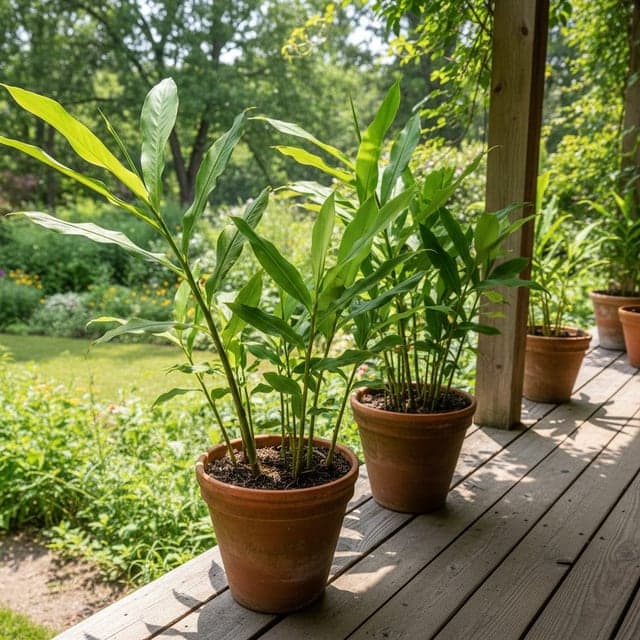
Master the 8–10 month container lifecycle of grocery-store Zingiber officinale: inhibitor soak, >=14–16 inch wide pots, bark-coir mix, 1–2 inch hilling, 30% shade >90°F, dormancy, and P0 bed quaran…