Key takeaways
- Container plant roots are more vulnerable to freezing than in-ground plants, often experiencing damage at 20°F.
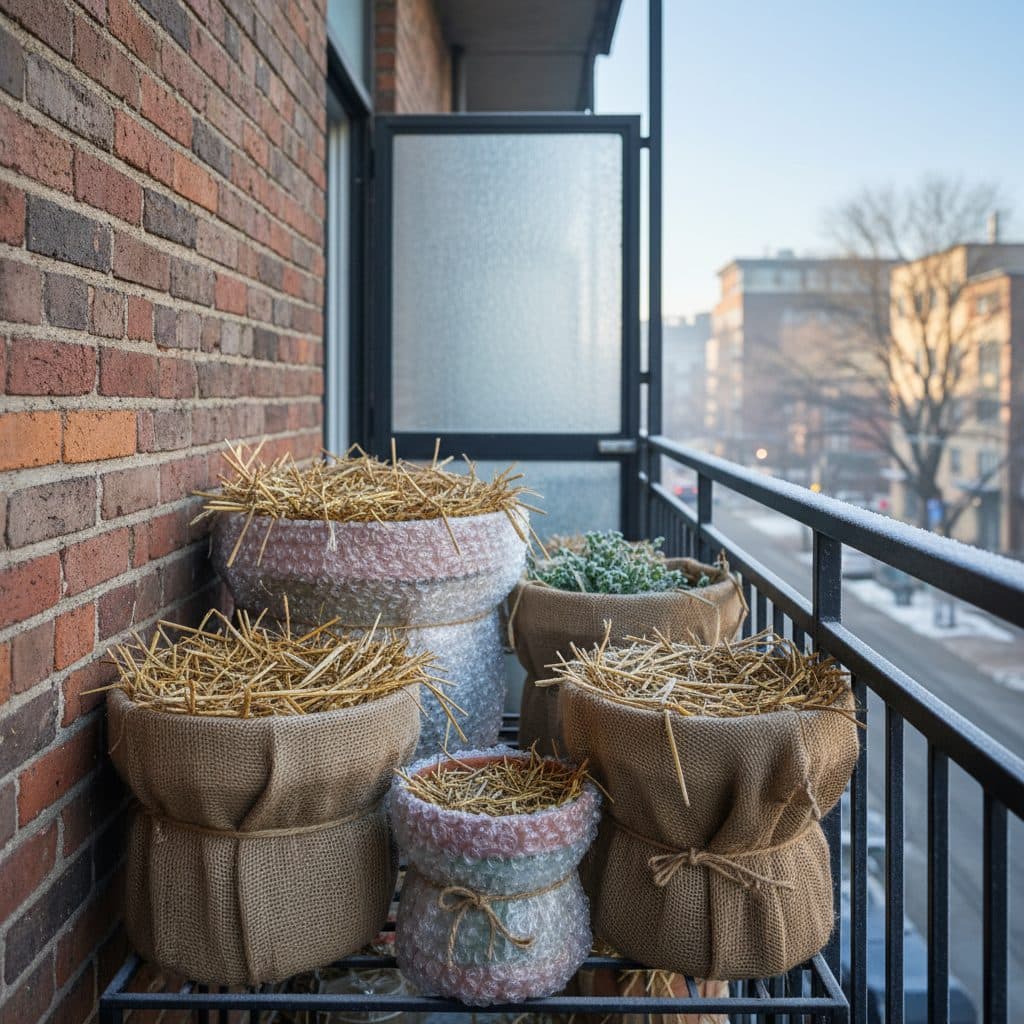
- Wrapping individual containers with materials like bubble wrap or burlap provides a critical insulating air gap.
- Clustering containers together significantly reduces heat loss, especially when placed against a south-facing wall.
- Applying a 4-6 inch layer of organic mulch helps insulate soil and retain moisture, preventing freeze-thaw cycles.
- Proper watering before winter and occasional checks during dormancy are essential for plant survival.
- Consider moving sensitive plants indoors or into unheated structures for temperatures below 20°F.
Quick answer: To protect container plants in USDA Zone 6, insulate roots by wrapping pots with bubble wrap or burlap, cluster containers together for collective warmth, and apply a 4-6 inch layer of organic mulch. Move sensitive plants indoors if temperatures drop below 20°F.
In places like upstate New York, where winter temperatures can drop to 0°F or lower, container gardening presents unique challenges for plant survival. Unlike plants rooted directly in the ground, those in pots have their root systems exposed to the elements from all sides. This exposure means that the soil in a container can freeze solid much faster and more deeply than garden beds, often reaching critical temperatures around 20°F for root damage.
Protecting these vulnerable root zones is essential for overwintering perennial vegetables, herbs, and even some hardy annuals. With careful planning and a few practical techniques—wrapping, clustering, and mulching—you can significantly increase the chances of your container plants thriving through the cold months, ready to produce again next spring. This guide will walk you through proven methods to safeguard your potted investments.
Understanding winter risks for container plants
The primary threat to container plants during winter is root damage from freezing temperatures. Unlike in-ground plants, container roots are exposed from all sides. In USDA zone 6, where winter lows can reach -10°F, an unprotected 10-gallon container can freeze solid within hours. Roots of many garden plants can be damaged once the root ball itself falls to around 20°F.
container material matters
Container material significantly impacts soil temperature drops. Terracotta pots are porous, allowing rapid heat loss, making them less insulating than plastic or glazed ceramic. No pot material is a substitute for wrapping and shelter, though a plastic or glazed pot will hold warmth a little longer than bare terracotta. Elevated pots lose heat faster. Understanding these factors helps prioritize protection. A soil moisture meter is useful, as dry soil freezes faster, potentially making a 5°F difference in root survival.
- Terracotta: Porous, poor insulator; unglazed pots soak up water and commonly crack or shatter in freeze-thaw, so empty and store them unless they are rated frost-proof.
- Plastic: Better insulation, retains moisture.
- Glazed Ceramic: Non-porous, fair insulation.
- Wood: Good insulator, can rot.
- Metal: Poor insulator, heats/cools rapidly.
Wrapping individual containers for insulation
Once risks are understood, provide direct insulation to container walls. Wrapping creates an air gap, slowing heat transfer from the soil. Bubble wrap works because the trapped air pockets slow heat moving out through the pot wall. The goal is to keep the root ball from freezing hard and staying frozen.
effective wrapping materials
Several materials work well. Bubble wrap is highly effective due to trapped air pockets; secure it with duct tape or twine, ensuring a 1-2 inch overlap. Burlap, wrapped in multiple layers, offers substantial protection, especially with straw or dried leaves packed between the burlap and container. Old blankets or towels can also be used for short, severe cold snaps. Ensure wrapping extends from the container bottom to just below the soil line. A lightweight garden hand trowel helps pack materials. This buys time before the root ball freezes through, but it does not change a plant’s hardiness rating.
- Bubble wrap: Excellent insulator, 1.0-1.5 R-value.
- Burlap: Good for layers, especially with straw.
- Straw or dried leaves: Inexpensive, effective filler.
- Foam insulation board: High R-value, cut to fit.
- Old blankets/towels: Temporary, severe cold protection.
Clustering and grouping for collective warmth
Individual wrapping is effective, but grouping containers together provides an additional layer of collective protection. Clustered tightly, pots create a microclimate where air between them acts as an insulator, reducing heat loss. This keeps the pots in the middle of the group noticeably warmer than an isolated pot through a cold spell. Grouping pots so they shelter one another cuts the surface each pot exposes to wind and cold air, which is the main way a container loses heat.
strategic placement for maximum benefit
Strategic placement is crucial. Position clusters against a south-facing wall of your house or garage. This wall absorbs solar radiation during the day and gives some of it back overnight, taking the edge off the coldest hours. In a balcony corner, push containers together to minimize wind exposure, which is the fastest way a pot gives up heat. Surround the cluster with bales of straw or bags of leaves to build an insulating perimeter. Leave a 1-2 inch gap between containers and walls so moisture does not collect against either surface. Read more about square-foot gardening for efficient space use.
- South-facing wall: Maximizes solar heat absorption.
- Sheltered corners: Reduces wind exposure.
- Straw bales/leaf bags: Creates insulating perimeter.
- Unheated garage/shed: Provides significant protection.
- Under evergreen trees: Offers some overhead frost protection.
Mulching container surfaces for root insulation
Beyond protecting container sides, insulating the soil surface is equally important. Mulching acts as a blanket, slowing heat escape and preventing rapid temperature fluctuations. This is crucial in regions like the Pacific Northwest, where frequent freeze-thaw cycles can cause soil heaving, pushing plants out of pots. A 4-6 inch layer of organic mulch stabilizes soil temperature and helps keep the top 2-3 inches — often the most vulnerable part of the root zone — from freezing solid.
choosing and applying mulch
Best mulches are readily available, inexpensive, and decompose slowly. Straw is excellent: lightweight, easy to apply, and provides superior insulation due to hollow stems. A thick straw layer noticeably damps the day-to-night swing in soil temperature. Dried leaves, especially oak, are another effective, often free option. Wood chips or bark mulch are denser and provide less air-trapping insulation. Apply mulch to the entire soil surface, extending to the pot rim. Leave a 1-inch gap around the plant stem to prevent rot. This also slows moisture loss from the soil surface, which matters in dry winter air. For deeper dives, explore vegetable gardening for beginners.
- Straw: Excellent insulation, lightweight.
- Dried leaves: Free, good insulation.
- Wood chips/bark mulch: Denser, moderate insulation.
- Pine needles: Acidifying, moderate insulation.
- Compost: Adds nutrients, moderate insulation.
Watering and ongoing care during winter dormancy
Even dormant plants need some moisture to survive winter. Many growers mistakenly assume dormant plants need no water. While needs are reduced, completely dry soil leads to root desiccation, especially in cold, dry winter air. Before the first hard freeze, typically below 30°F, thoroughly water containers. This helps soil retain heat—moist soil holds heat better—and provides a crucial moisture reservoir. In arid regions like Colorado, where winter air is particularly dry and humidity below 20%, this initial watering prevents roots from drying before temperatures drop below 25°F.
monitoring moisture and plant health
Throughout winter, especially during mild or dry spells, check soil moisture every two to four weeks. Stick your finger 2 inches into the soil; if dry, provide moderate watering. Avoid overwatering; soggy soil in cold conditions leads to root rot, which can kill a plant within a week. A soil moisture meter gives accurate readings. On average, container plants may need watering once a month during dormancy if no precipitation occurs. Periodically inspect for pests or disease. Remove dead foliage to prevent fungal issues. Consistent moisture and protection give plants the best chance of coming back strongly in spring.
- Pre-freeze watering: Ensures adequate moisture before deep cold.
- Monthly checks: Monitor soil moisture every 2-4 weeks.
- Avoid overwatering: Saturated soil in cold causes root rot.
- Use a moisture meter: Provides accurate moisture readings.
- Remove dead foliage: Reduces risk of fungal diseases.
Winter Protection Methods Compared for Container Plants
Method | Insulation Effectiveness | Effort Level | Cost (1-5, 5 being highest) |
|---|---|---|---|
Wrapping (Bubble Wrap) | High (R-value 1.0-1.5) | Medium | 2 |
Wrapping (Burlap + Straw) | Medium-High | Medium | 2 |
Clustering | Medium (5-10°F temp boost) | Low | 1 |
Mulching (Straw/Leaves) | Medium (4-6 in layer) | Low | 1 |
Moving Indoors/Garage | Very High (often above 25°F) | High | 3 |
Root Damage Threshold: Many container plant roots are susceptible to damage once soil temperature falls to around 20°F.
Heat Loss Reduction: Clustering pots reduces the surface each one exposes to wind and cold air.
Mulch Temperature Stability: A 6-inch layer of straw mulch damps the swing in soil temperature and keeps the vulnerable top few inches from freezing hard.
Frequently asked questions
What is the most critical temperature for container plant roots?
The most critical temperature for many container plant roots is around 20°F. Below this point, root cells can be damaged or killed even when the top growth still looks fine.
How deep should mulch be for winter container protection?
For effective winter container protection, apply a 4-6 inch layer of organic mulch, such as straw or dried leaves, over the soil surface. This depth can keep soil temperatures 5-10°F warmer.
Can I use plastic containers for winter protection?
Yes, plastic containers hold heat better than porous terracotta and are far less likely to crack in freeze-thaw. They are a good choice for winter, especially when combined with wrapping and mulching.
How often should I water container plants in winter?
During winter dormancy, container plants need significantly less water. Check the soil every two to four weeks and water only if the top 2 inches are dry, typically once a month.
Does clustering containers really help keep them warm?
Yes, clustering containers together creates a beneficial microclimate. This grouping shelters the pots in the middle of the cluster and cuts the surface each pot exposes to wind and cold air.
What is the best material to wrap containers with?
Bubble wrap is highly effective due to its trapped air pockets, providing an R-value of 1.0-1.5. Burlap combined with straw or leaves also offers substantial insulation.