Key takeaways
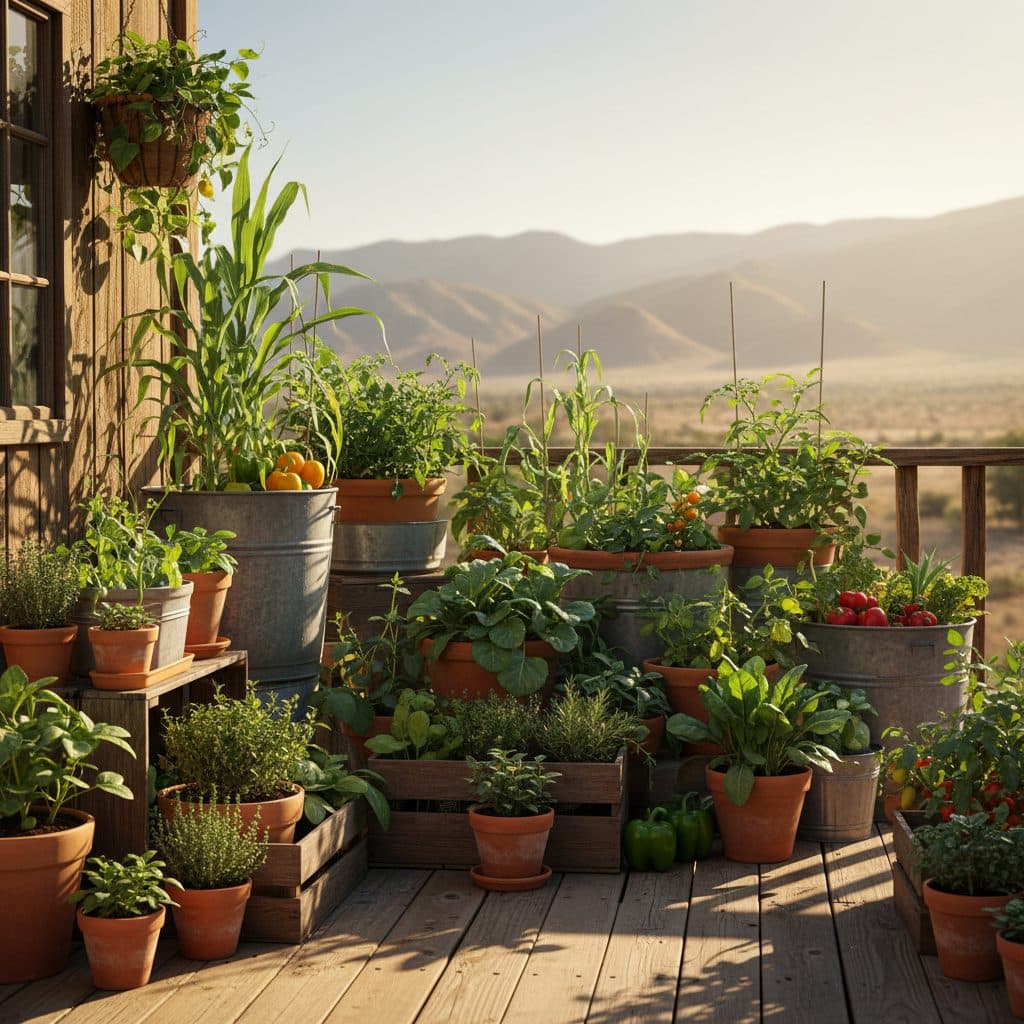
- Grouping container pots closely together slows soil evaporation by creating a shared microclimate.
- Strategic self-shading, using taller plants to protect shorter ones, lowers soil temperatures by several degrees Fahrenheit.
- Optimized layouts for container gardens, similar to those in building design, significantly improve water retention and plant vigor.
- Selecting appropriate container materials and applying a 1-inch to 2-inch layer of mulch further enhances moisture conservation.
- Regular monitoring with a soil moisture meter helps gardeners in USDA zones 7-9 maintain optimal hydration without overwatering.
- Planning plant placement based on sun exposure and mature size matters most for getting the benefits of grouping and shading.
Quick answer: Grouping container plants closely together creates a shared microclimate — foliage shades neighboring pots and soil surfaces, soil temperature drops, and pots dry out more slowly, so they need watering less often.
In the high desert of Arizona, where summer temperatures regularly exceed 100°F, container gardeners face a constant battle against water loss. Even in more temperate climates like USDA zone 6 in the Midwest, a hot, windy day can dry out a 5-gallon pot in just a few hours. Water is a precious resource, and for those of us growing vegetables on balconies, rooftops, or in small urban spaces, maximizing every drop is essential for a productive harvest.
We’ve all seen plants wilt despite regular watering, especially during peak summer heat. The good news is that simple, thoughtful layout strategies can make a significant difference. By understanding how grouping pots and utilizing self-shading principles work, you can slow water evaporation, keep your plants healthier, and cut down on your daily watering chores.
the science of grouping containers for moisture retention
When you place individual pots far apart, each container’s surface is fully exposed to sun and wind, accelerating water evaporation from the soil. This is particularly true for smaller pots: a 1-gallon container has far more surface area relative to its soil volume than a 5-gallon pot, so it dries out much faster. However, grouping pots closely together creates a shared microclimate. The foliage of one plant shades the soil of its neighbor, and the collective mass of soil and pots retains more humidity.
how a microclimate benefits your plants
This collective effect significantly reduces the surface area exposed to drying elements. In a container garden, this means less direct sun on the pot walls and soil surface, leading to lower soil temperatures—often by 5°F to 10°F—which directly translates to less water evaporating into the air. This practice is particularly beneficial in hot, dry climates, such as USDA zones 8 and 9 in California, where daily watering can be a burden.
- Reduced soil temperature by 5°F to 10°F.
- Increased local humidity around plant foliage.
- Protection from drying winds, especially for smaller plants.
- More consistent soil moisture levels, preventing rapid drying.
- Less frequent watering, because the soil surface dries out more slowly.
designing your grouped layout for maximum impact
Effective grouping isn’t just about pushing pots together; it requires thoughtful planning, especially concerning sun exposure and plant size. Consider the sun’s path across your balcony or rooftop throughout the day. In regions like the high plains of Colorado, with intense midday sun, a south-facing arrangement needs careful consideration. Taller plants should be positioned to cast beneficial shade on shorter, more sensitive plants during the hottest parts of the day, typically between 11 AM and 3 PM.
strategic placement for sun and shade
Start by identifying your garden’s primary sun exposure. For a west-facing balcony in USDA zone 7, where afternoon sun can be brutal, placing a large tomato plant or a trellised pole bean in a 15-gallon pot to the west of smaller herbs in 2-gallon pots can help a lot. Think of it as creating a living shade structure. You can also use a square-foot gardening approach within your grouped containers to maximize plant density and mutual shading.
- Map sun exposure patterns throughout the day.
- Place taller, sun-loving plants on the south or west side of shorter plants.
- Arrange pots in tight clusters, minimizing gaps between them.
- Consider using vertical elements to create additional shade.
- Rotate pots periodically to ensure even sun exposure for all plants.
strategic plant choices for effective self-shading
Choosing the right plants for your self-shading scheme is as important as their placement. Some plants are naturally better at providing shade, while others benefit greatly from it. For example, a vigorous indeterminate tomato variety in a 10-gallon pot can easily cast a 2-foot diameter shadow by mid-summer, protecting basil or lettuce in 1-gallon pots nearby. This strategy is particularly effective in hot climates like Florida’s USDA zone 9, where tender greens bolt quickly without some afternoon relief.
pairing plants for mutual benefit
Consider the mature size and growth habit of your chosen vegetables. Plants like corn, sunflowers, or pole beans, grown on a trellis, can reach heights of 6 feet or more, offering substantial shade. These can be paired with lower-growing, heat-sensitive crops such as spinach, cilantro, or bush beans. Even within the same pot, a larger plant can provide shade for a smaller companion. This kind of thoughtful pairing not only conserves water but can also increase overall garden productivity by extending the growing season for cool-weather crops into warmer months. For more general advice, check out Vegetable gardening for beginners: your questions answered.
- Tall plants: Tomatoes (indeterminate), corn, sunflowers, pole beans.
- Shade-benefiting plants: Lettuce, spinach, cilantro, basil, bush beans.
- Consider plant spacing to allow for mature growth and air circulation.
- Use trellises or stakes to encourage vertical growth for better shading.
- Experiment with different plant combinations to find what works best in your specific climate.
container selection and mulching for enhanced effect
The type of container you choose plays a significant role in how quickly soil moisture evaporates. Dark-colored plastic or metal pots absorb more solar radiation, increasing soil temperatures by up to 15°F compared to lighter-colored or terracotta pots. In a hot climate like southern California, that difference can add up to noticeably more watering over a week. Fabric grow bags, while excellent for root aeration, also allow for more evaporative cooling through their permeable walls, which can be a double-edged sword in very dry conditions.
the power of mulch in containers
Regardless of your container choice, applying a 1-inch to 2-inch layer of mulch on the soil surface is one of the most effective ways to reduce evaporation. Mulch acts as a barrier, shielding the soil from direct sun and wind. Shredded leaves, straw, or wood chips are all excellent choices for container gardens. A 2-inch layer of mulch keeps the soil surface shaded and out of the wind, so a mulched pot holds moisture noticeably longer than a bare one.
- Choose light-colored pots to reflect sunlight and reduce heat absorption.
- Consider glazed ceramic pots, which hold moisture far better than unglazed terracotta.
- Apply a 1-inch to 2-inch layer of organic mulch to all container surfaces.
- Avoid leaving bare soil exposed, especially in smaller pots.
- Use larger pots (5-gallon minimum for most vegetables) which retain moisture better.
monitoring and adjusting for sustained success
Even with the best grouping and mulching strategies, consistent monitoring helps ensure your plants receive adequate water. Visual cues like wilting leaves are often signs of severe stress, meaning the plant has already suffered. A more proactive approach involves checking soil moisture regularly. In a typical 5-gallon container in USDA zone 8, you might need to water every day or two during a heatwave, but with grouping, this could extend to every two or three days.
tools for precise watering
Using a soil moisture meter is a simple yet effective way to gauge the water content at root level. Insert the probe 3 inches to 6 inches deep into the soil. For most vegetables, you want the reading to be in the moist range (typically 4-7 on a 1-10 scale) before watering. This prevents both underwatering and overwatering, which can lead to root rot. Adjust your watering schedule based on weather conditions—a windy day at 90°F will dry out pots much faster than a calm, 70°F day. Regularly inspecting your grouped arrangement allows you to fine-tune the self-shading, perhaps by adding a temporary shade cloth during an extreme heat event above 95°F.
- Check soil moisture daily, especially during hot, dry periods.
- Use a soil moisture meter to assess moisture at root depth.
- Adjust watering frequency based on meter readings and weather.
- Observe plant health for early signs of stress, such as dull foliage.
- Periodically rearrange pots to optimize shade as plants grow.
Water Savings: Grouping containers slows evaporation from the soil surface, so pots need topping up less often.
Soil Temperature: Self-shaded soil can be 5°F to 10°F cooler than exposed soil, improving root health and reducing water demand.
Frequently asked questions
How much water can I realistically save by grouping my pots?
How much you save depends on your climate, your pot sizes and how tightly you group them, but grouped pots reliably need topping up less often. This adds up over a growing season, though what it is worth in dollars depends entirely on your local water rates and the size of your garden.
What’s the ideal spacing for grouped pots?
For optimal effect, pots should be placed as close as possible, ideally with less than 2 inches of space between their rims. This tight grouping helps create a consistent microclimate and maximizes the benefits of mutual shading, especially for 5-gallon pots and smaller.
Can self-shading harm plants that need full sun?
While some plants require 6-8 hours of direct sun, strategic self-shading aims to protect them during the most intense midday and afternoon heat, typically between 1 PM and 4 PM. This can prevent scorching and reduce water stress, particularly in USDA zones 7-10 where summer sun is very strong.
What types of mulch work best for container gardens?
Organic mulches like shredded leaves, straw, or wood chips are excellent, providing a 1-inch to 2-inch insulating layer. They break down over time, adding nutrients to the soil. Avoid heavy, dense mulches that might impede water penetration into smaller containers.
How often should I check soil moisture with a meter?
During peak growing season and hot weather (above 85°F), check daily. In cooler weather (below 70°F) or after significant rain, checking every two to three days is usually sufficient for most 3-gallon to 10-gallon containers.
References
- Optimizing Building Layouts for Proper Self-shading: A Computational Approach (2022). Optimizing Building Layouts for Proper Self-shading: A Computational Approach.
- USDA Natural Resources Conservation Service (2024). USDA Natural Resources Conservation Service.