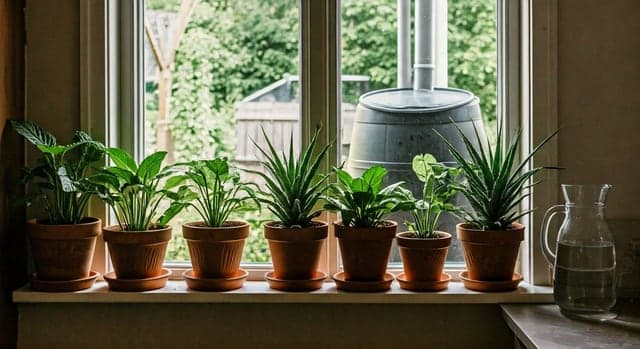
Tap Water, Softened Water, Chlorine: Houseplant Impact in US Homes
Understand how tap water, softened water, and chlorine affect your houseplants in US homes. Learn to manage water quality for thriving indoor plants. Get tips for sensitive species.
Tag
372 articles in this tag on agripure. — page 8 of 16
Understand how tap water, softened water, and chlorine affect your houseplants in US homes. Learn to manage water quality for thriving indoor plants. Get tips for sensitive species.
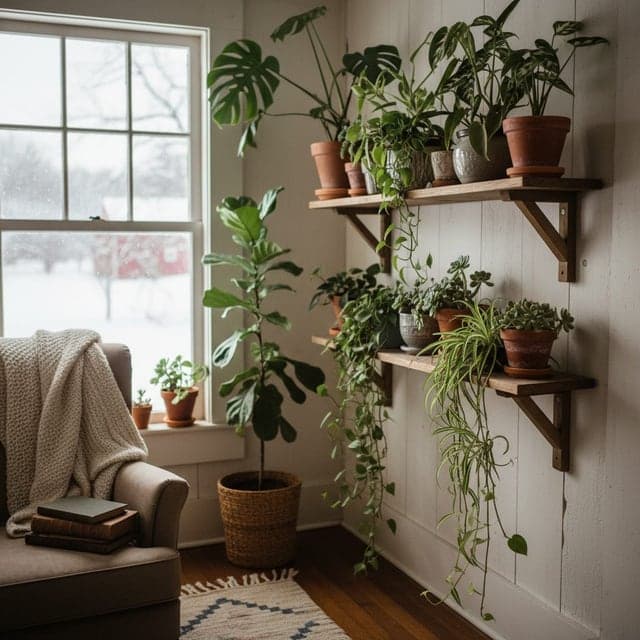
Learn why reducing winter houseplant watering by 30-50% is critical in US homes with central heating. Prevent root rot and keep plants healthy from November to March.
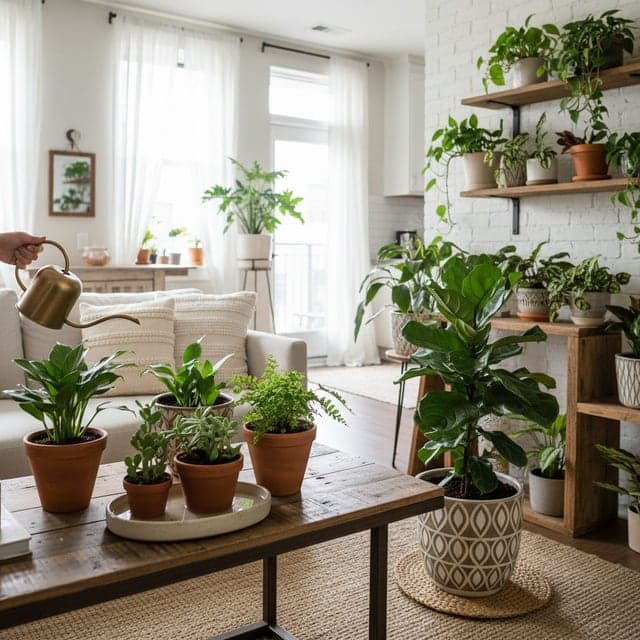
Master houseplant watering methods. Learn when to use bottom watering for strong roots and less fungus, or top watering to flush minerals. Improve plant health today.

Learn three reliable methods—finger test, moisture meter, and pot weight—to assess houseplant watering needs. Avoid root rot and wilting for thriving indoor plants in any US home.
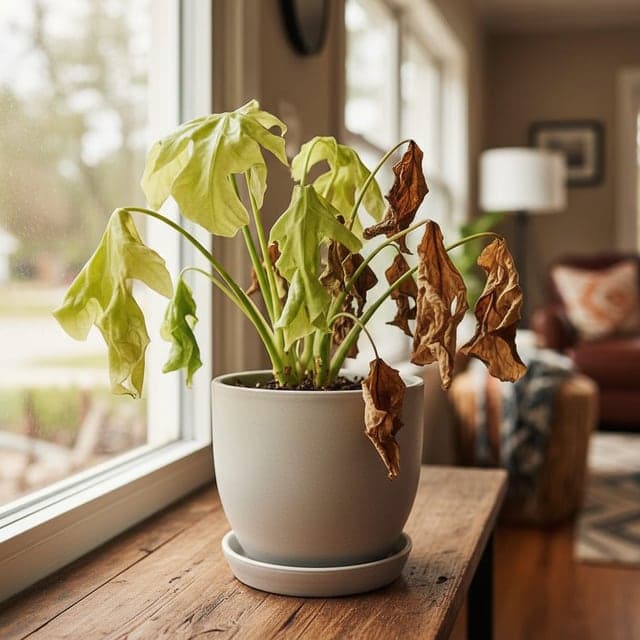
Struggling with plant stress? Learn to distinguish overwatering from underwatering in US homes. This guide helps diagnose yellowing leaves, wilting, and stunted growth for thriving houseplants.

Supplemental lighting for indoor plants during short winter days in northern US homes, covering LED setups, reflective surfaces, and light schedules.
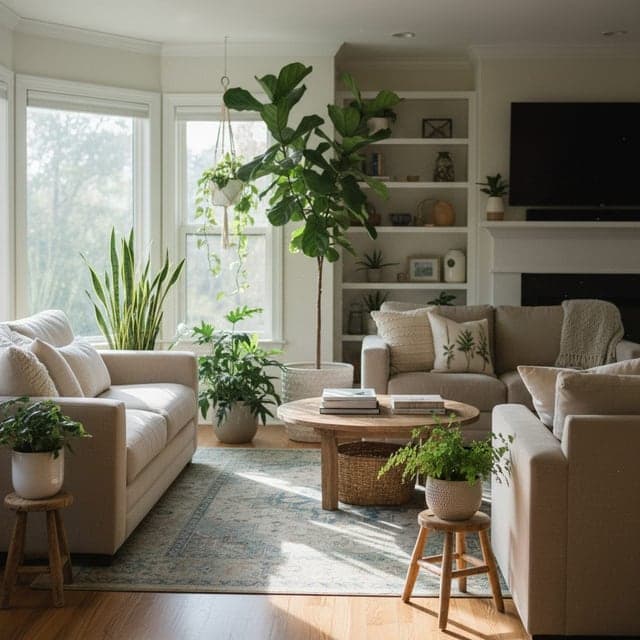
Identify houseplant light deficiency with key indicators like leggy growth, pale leaves, and leaning. Learn how to correct issues for thriving indoor plants in US homes.
Learn how affordable LED grow lights provide 12-16 hours of daily light for houseplants in dim indoor spaces for under $50.
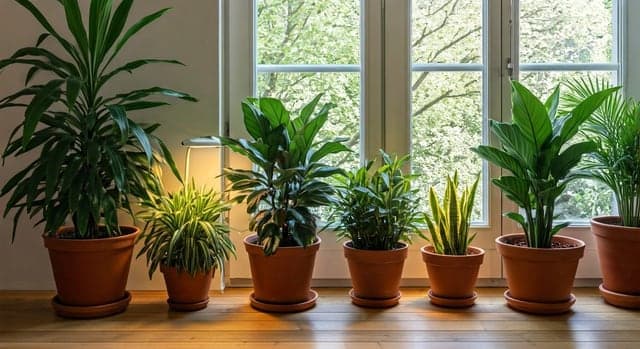
Discover if regular LED room lights provide enough lux for houseplants. Learn about PAR, DLI, and spectrum needs to help your indoor plants thrive in US homes.
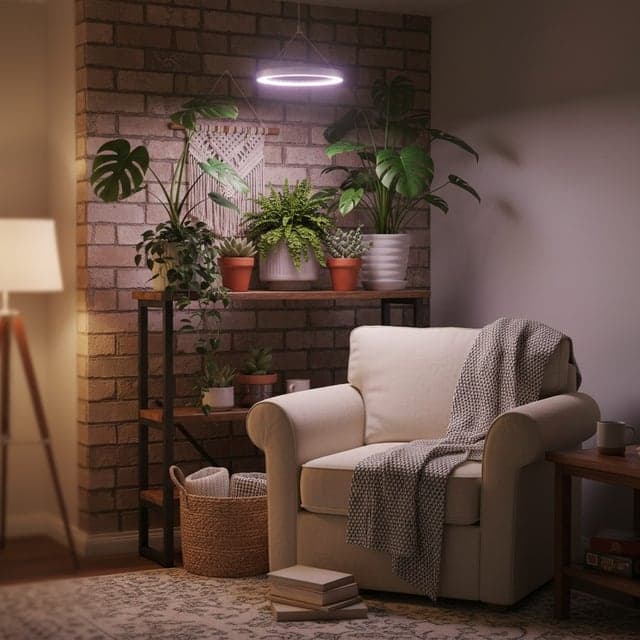
Transform dark basements & windowless bathrooms into green oases. Discover resilient low-light houseplants & learn to use artificial grow lights for thriving indoor plants.

Why new houseplants drop leaves during acclimation, covering light, humidity, and temperature adjustments to reduce environmental shock.
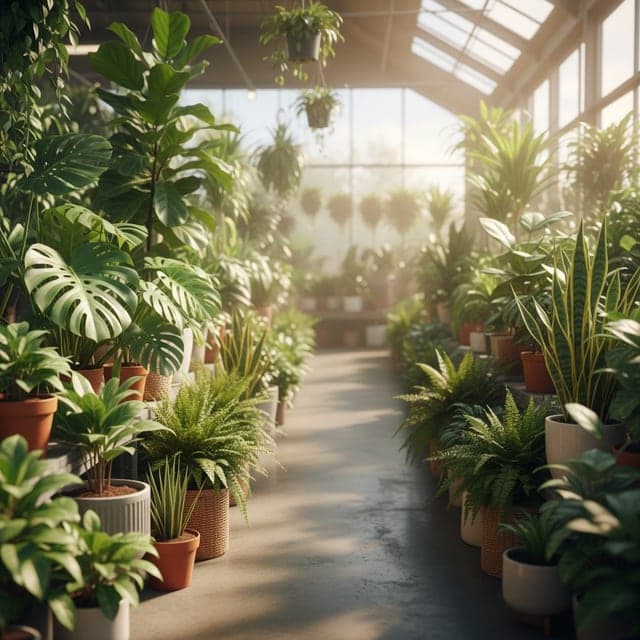
Learn how to inspect houseplants for pests and disease before buying. This 10-minute guide helps US growers choose healthy plants, avoiding common issues.

Demystify houseplant light needs for US homes & apartments. Learn foot-candles, placement, and grow light use to help 15+ indoor plant species thrive, from Brooklyn to USDA Zone 7.
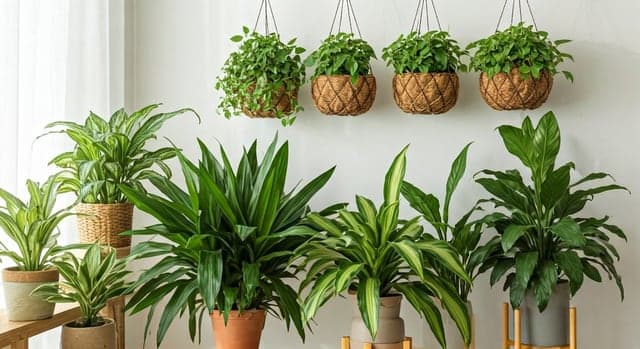
Discover over three dozen pet-safe houseplants for your US home. Protect your cats and dogs from toxic plants with our guide to non-toxic options, placement tips, and essential safety advice.
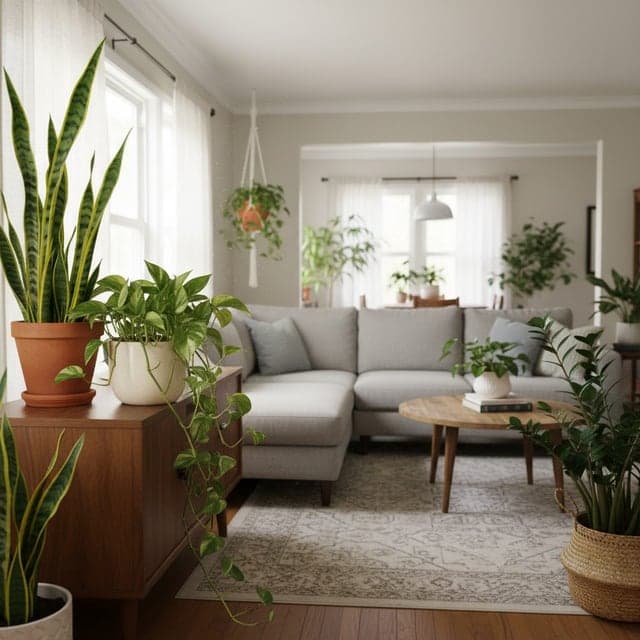
Match tough beginner houseplants—ZZ plant, snake plant, cast iron plant, parlor palm, pothos, spider plant, and more—to US indoor foot-candles, soil dry-down windows, and ASPCA pet toxicity rules.

Transform your Chicago apartment into a productive farm. Learn how hydroponics and aeroponics enable year-round indoor gardening, maximizing yield in small spaces.

Compare DIY PVC vertical hydroponic towers to commercial Tower Gardens for cost, yield, and practical considerations in USDA zone 7. Find the best vertical gardening solution for your budget.
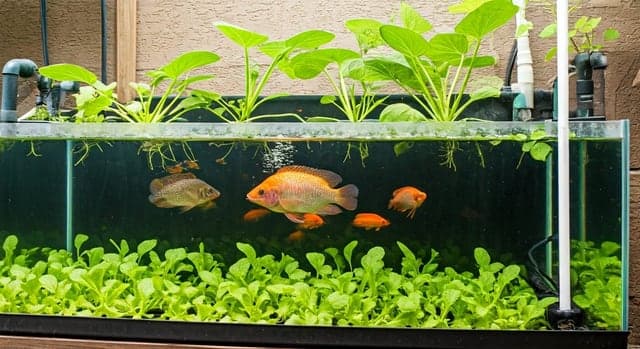
Learn humane tilapia harvest and processing techniques for backyard aquaponics or aquaculture. Minimize stress, improve meat quality, and ensure a sustainable protein source for your family.
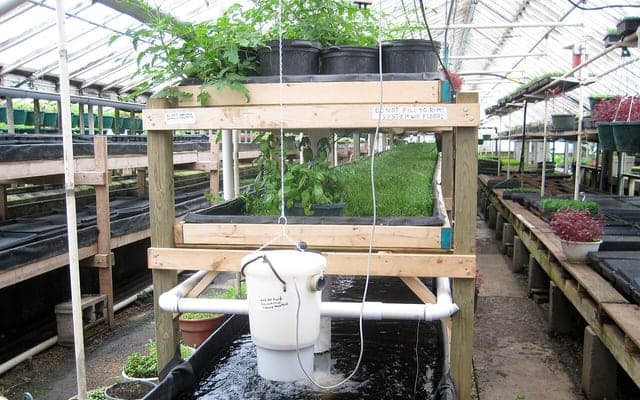
Ensure your aquaponics system survives power outages. Learn to size and implement reliable 72-hour backup aeration for tilapia, protecting your fish and investment with essential aquaponics backup…
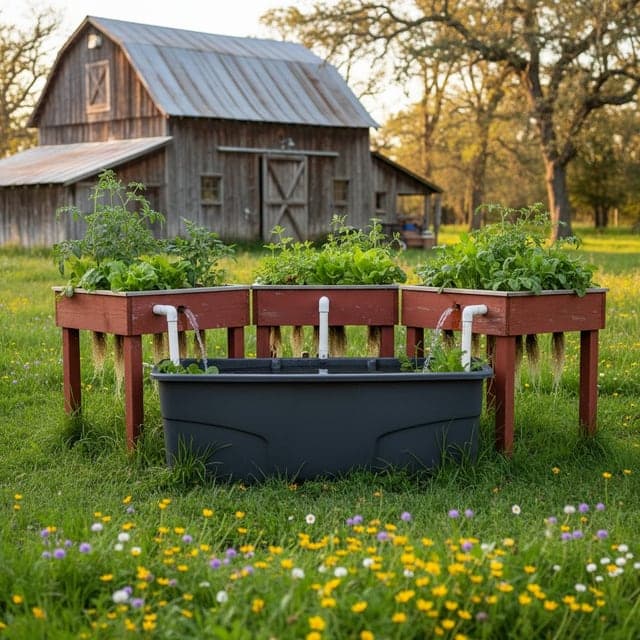
Build a safe, non-toxic aquaponics fish tank from a virgin #2 HDPE IBC tote or lined stock tank. Enforce UN chemical provenance bans, 45-mil EPDM or RPE zinc barriers, 40 psf slab load limits, Unis…
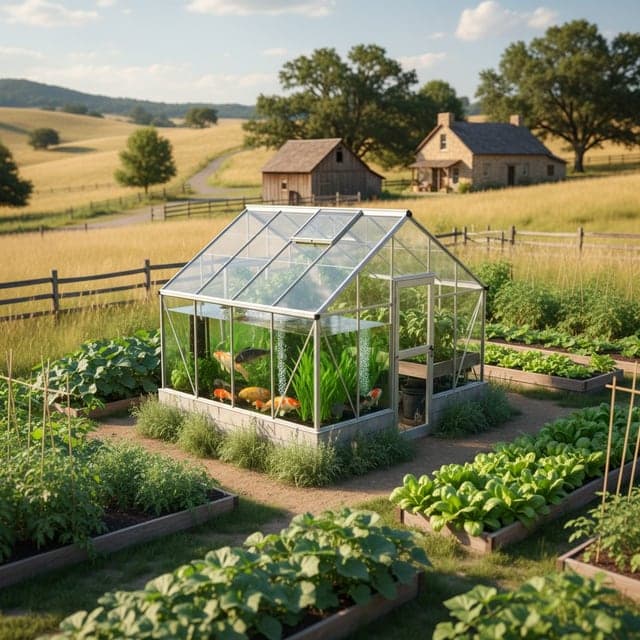
Verify US tilapia permits before stocking aquaponics tanks: species-level laws (Nile, Blue, Mozambique, Redbelly) across TX, FL, CA, HI, WA, OR, AZ, NV, ID, UT, and CO, plus EPA CAAP thresholds, US…
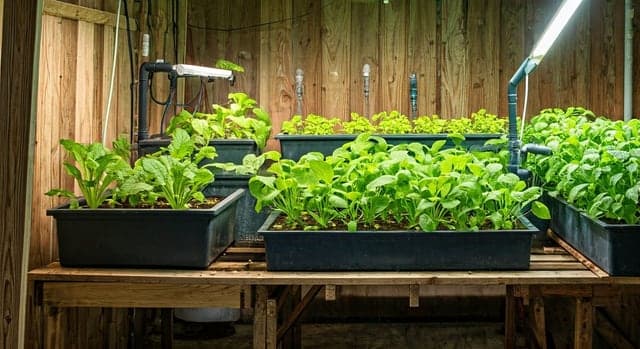
Raise tilapia in US aquaponics without cold shock or NH3 fish kills: compare Nile, Blue, and Mozambique lethal limits, calculate toxic unionized ammonia by pH and temperature, size staggered RAS st…

Compare Nile tilapia, channel catfish, bluegill, and goldfish for a 300-gallon US aquaponics system: realistic 0.15–0.25 lb/gal backyard stocking, NH3 pH-temperature limits, state permits, Class A…
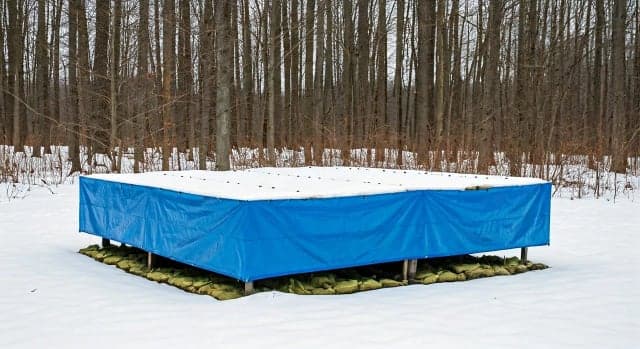
Engineer a cold-zone winter aquaponics system across USDA Zones 3–6: biofilter nitrification kinetics below 50°F, rainbow trout vs. tilapia, 2-inch XPS R-10 insulation, kWh heating costs ($), GFCI…