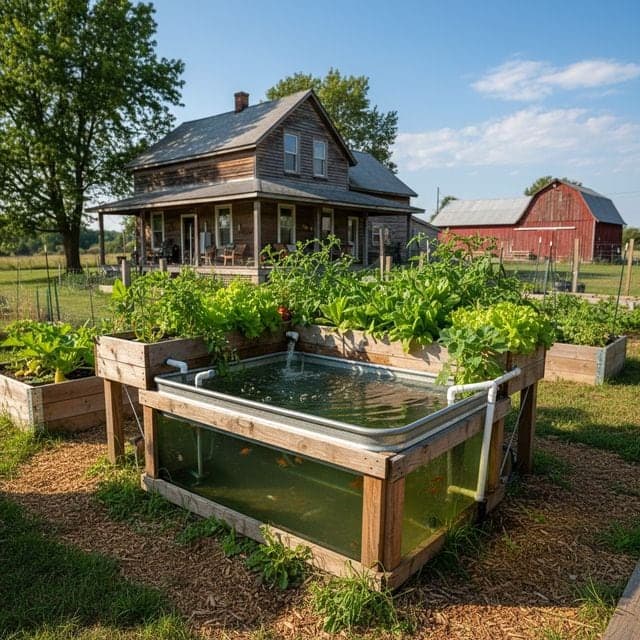
Aquaponics fish stocking & plant ratio for Zone 7 backyard
Backyard aquaponics guidance for USDA Zone 7: fish stocking densities (lbs/gallon) and fish-to-plant ratios for healthy fish and steady plant harvests.
Tag
372 articles in this tag on agripure. — page 9 of 16
Backyard aquaponics guidance for USDA Zone 7: fish stocking densities (lbs/gallon) and fish-to-plant ratios for healthy fish and steady plant harvests.
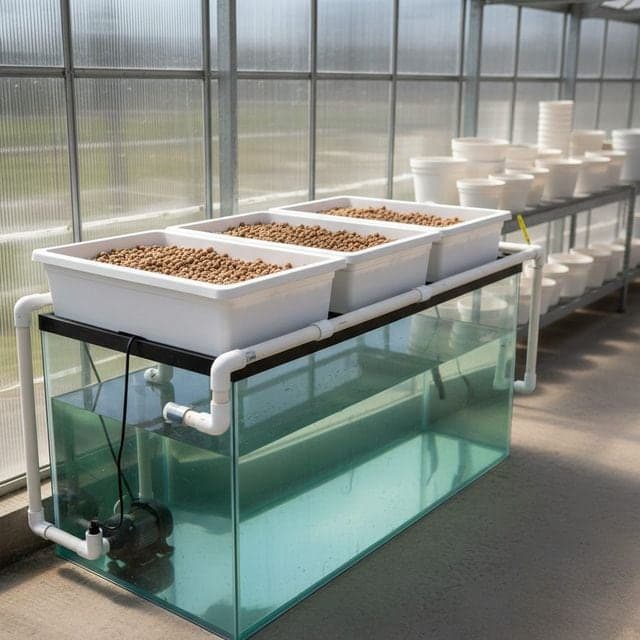
Learn to cycle your aquaponics system for a healthy, productive setup. Establish nitrifying bacteria, understand the nitrogen cycle, and ensure water quality for fish and plants.
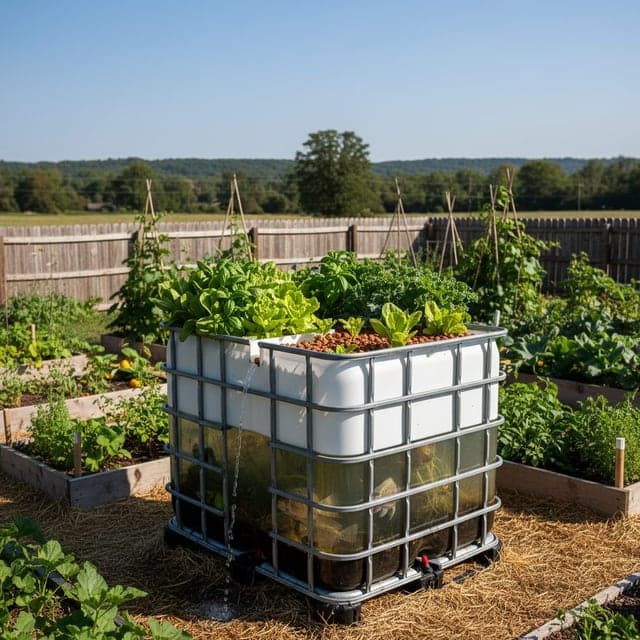
Learn to build a cost-effective IBC tote aquaponics system. Grow fish like tilapia and fresh produce using up to 90% less water. Ideal for home growers & arid regions.
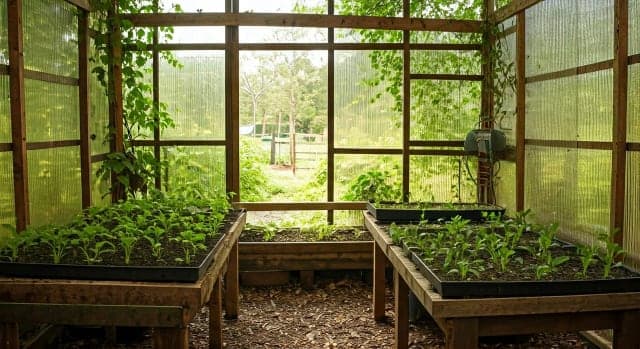
Run a stable US aquaponics nitrogen cycle from day one: fishless cycling with NH4Cl or NH4OH, Nitrosomonas and Nitrospira biofiltration, unionized NH3 spikes vs. pH and temperature, brown-blood chl…
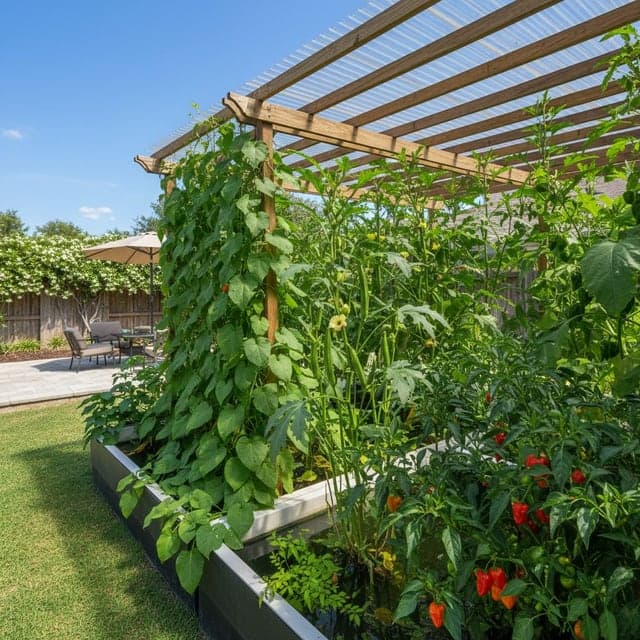
Discover how to grow heat-tolerant hydroponic crops like Malabar spinach, okra, and peppers in the US Sunbelt. Learn critical tips for managing nutrient solution temperatures and maximizing yields…
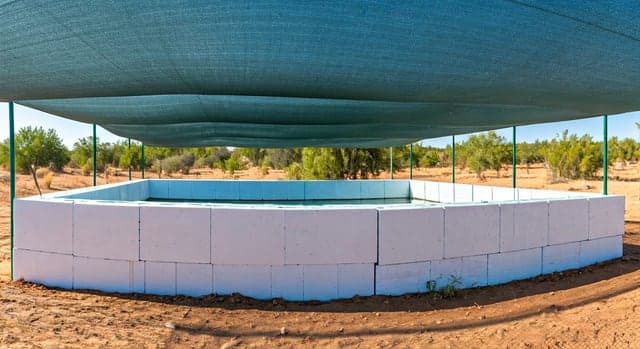
Engineer hot-climate hydroponic and aquaponic reservoirs: Henry's law dissolved oxygen physics, Pythium root-rot control, UV-cladded XPS foam, Reflectix air gaps, #2 HDPE tanks, and chiller sizing.

Learn expert strategies to prevent tip burn and bitterness in indoor lettuce. Optimize humidity, nutrients, and temperature to boost your hydroponic lettuce yields by up to 20%.

Compare whole-head and cut-and-come-again harvesting for hydroponic lettuce. Learn how each method impacts yield, labor, and plant life, optimizing your grow for maximum output.
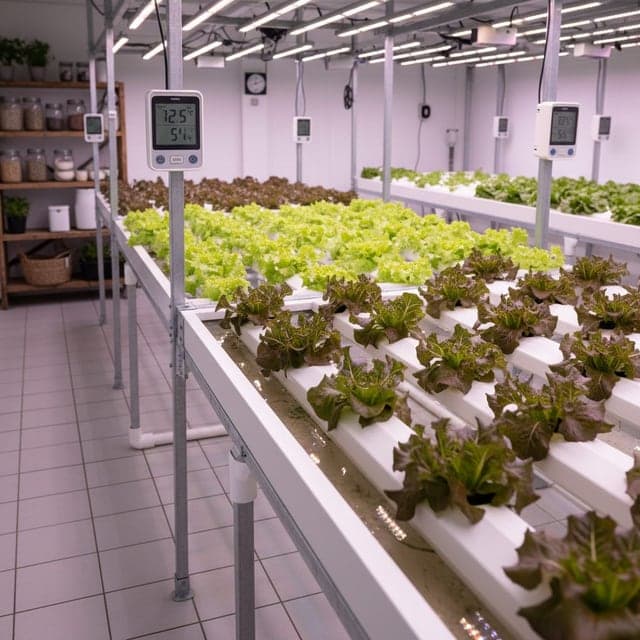
Master hydroponic lettuce temperature and humidity to prevent bolting. Learn ideal ranges (65-75°F, 60-70% RH) for crisp, flavorful greens and optimal growth.
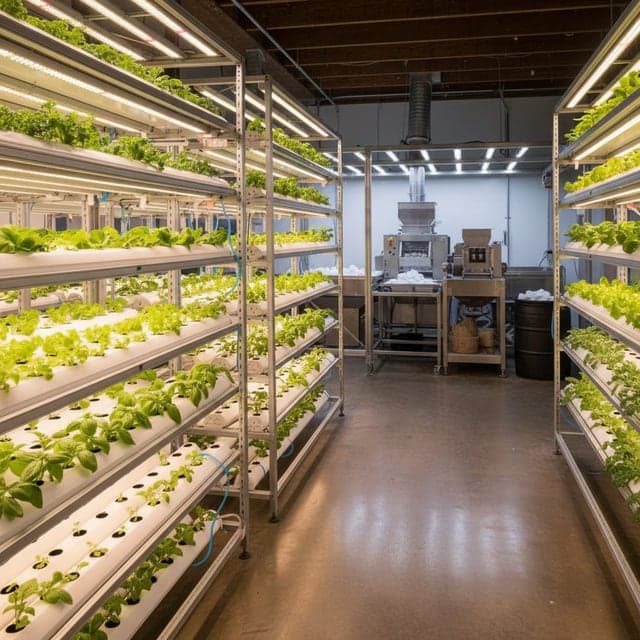
Learn how reusing growing media like coco coir and rockwool can cut greenhouse costs by 20-50%, reduce waste, and improve efficiency for hydroponic growers. Essential sterilization tips included.
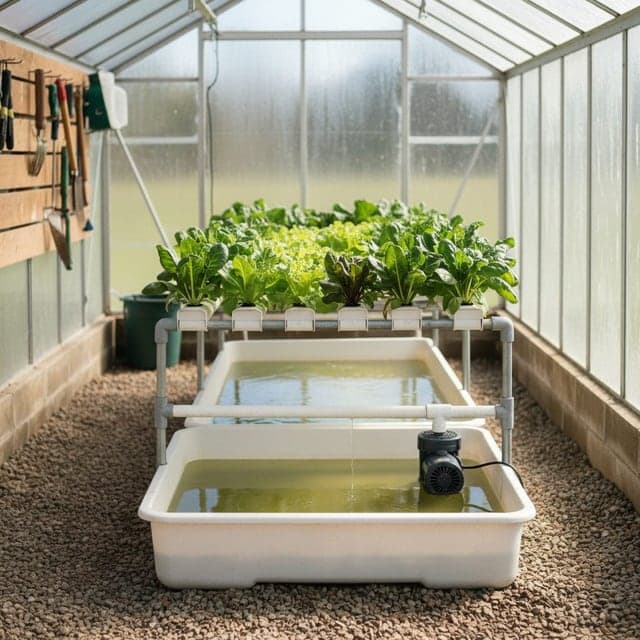
Master NFT pump maintenance to prevent failures, dry-out, and crop loss. Learn proactive strategies, monitoring, and design tips for reliable hydroponic systems and higher yields.
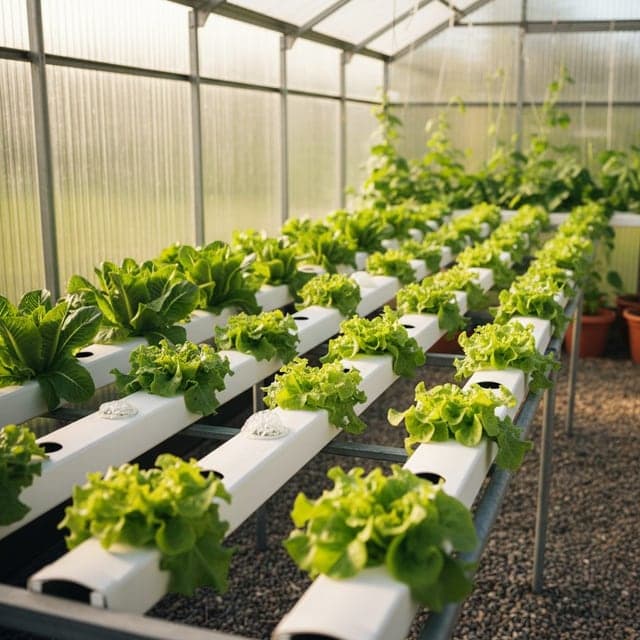
A DIY PVC NFT system for lettuce and leafy greens reduces water use by 70-90% compared to soil, offers faster growth, and suits USDA Zone 6 homesteads.
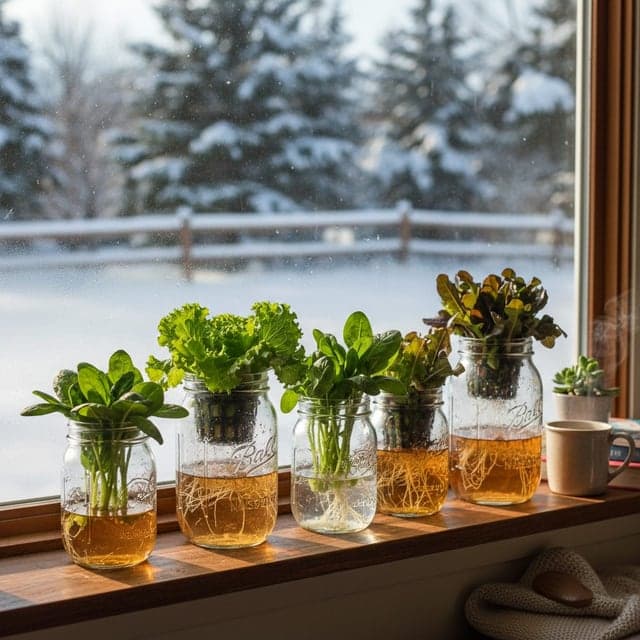
Grow crisp winter greens indoors with passive Kratky hydroponics: size 32 oz, 64 oz, and 5-gal reservoirs around 3–6 L head draw, keep a 2–3 cm starting dip and bottom-1/3 refills, pair 10–14 mol/m…
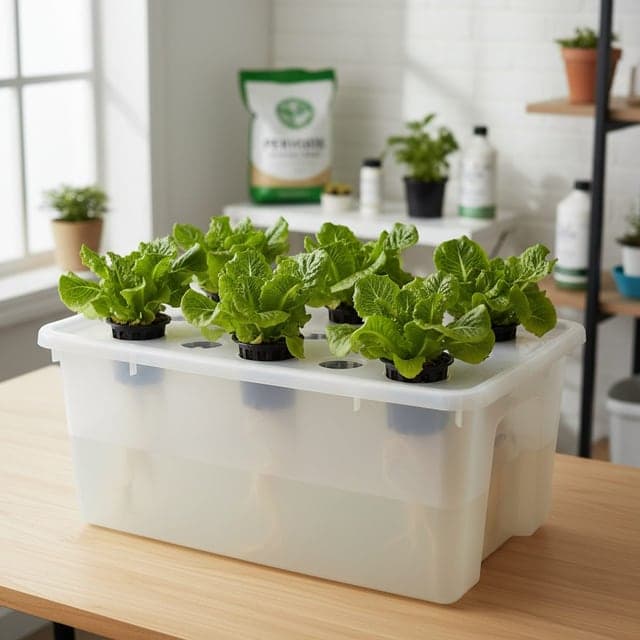
Scale passive Kratky hydroponics past buckets into 17-gal, 27-gal, and 55-gal food-grade #2 HDPE/#5 PP totes and 275-gal IBC reservoirs: 8.34 lb/gal deck load math, thermal sleeves against >75°F bl…

Grow crisp lettuce in wide-mouth Kratky mason jars without pumps: compare 32 oz vs. 64 oz refill math, keep EC at 0.8–1.4 mS/cm and pH 5.5–6.2, protect O₂ air roots during lower-1/3 top-offs, block…
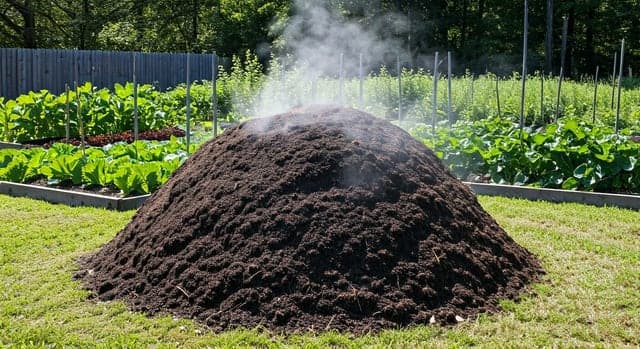
Learn how proper composting manure or aging prevents plant burn and pathogens in your garden. Essential tips for USDA Zone 6 gardeners to enrich soil safely.

Calibrate home garden manure rates in lb per 100 sq ft using Mehlich-3 phosphorus ceilings (50–100 ppm), soluble-salt EC limits, raw vs. dried poultry N-P-K, USDA NOP 90/120-day intervals, potato s…
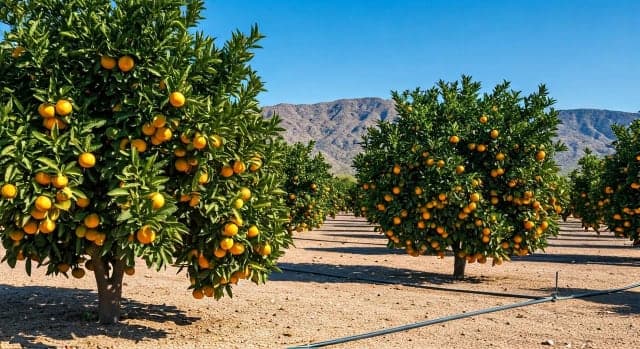
Fix iron chlorosis and alkaline water lockup on Southwest citrus in pH 7.8–8.5 caliche soils: why broadcast sulfur fails, localized auger acid-bands, Fe-EDDHA + spring Zn/Mn foliar sprays, meq/L wa…

Compare spent coffee grounds (~6.2–6.8 pH), aged pine duff (~6.0–6.5 pH), Sphagnum peat, aged pine bark, coconut coir, 90% elemental sulfur, and aluminum sulfate safely without burning roots or edi…
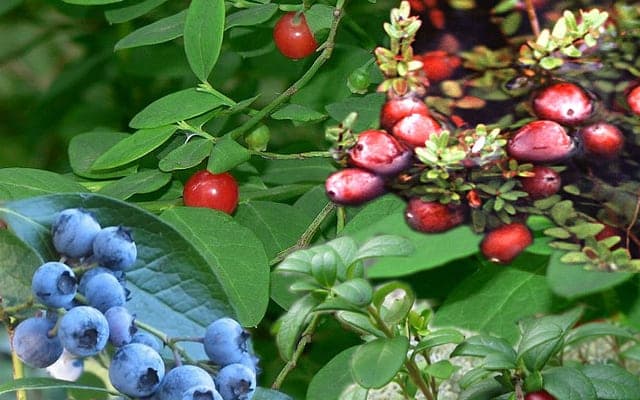
Grow blueberries across calcareous Western US yards: pass a 10% vinegar fizz check first, isolate roots in lined 12–18 in trenches or #2 HDPE barrels (50% peat + 50% aged pine/fir bark), acidify ir…
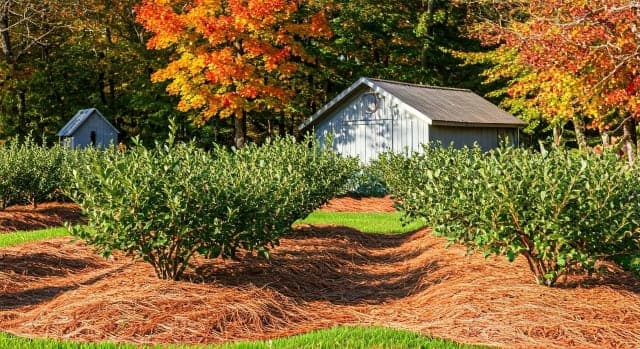
Acidifying soil for blueberries to pH 4.5-5.5 requires soil testing, elemental sulfur, peat moss, and regular pH monitoring in USDA zones 5-9.
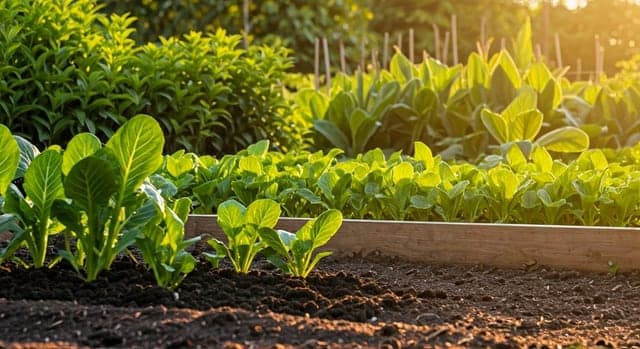
Learn to diagnose and correct potassium and magnesium deficiencies in your US home garden, especially in USDA Zone 6. Use soil testing for optimal yields and plant health.
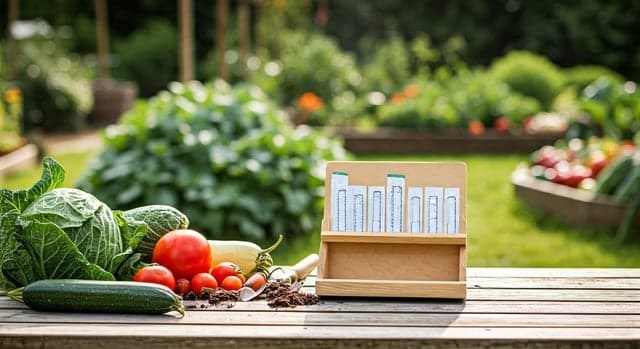
Understanding soil test results helps interpret NPK, pH, and micronutrient levels to apply amendments correctly for a garden in USDA Zone 6.
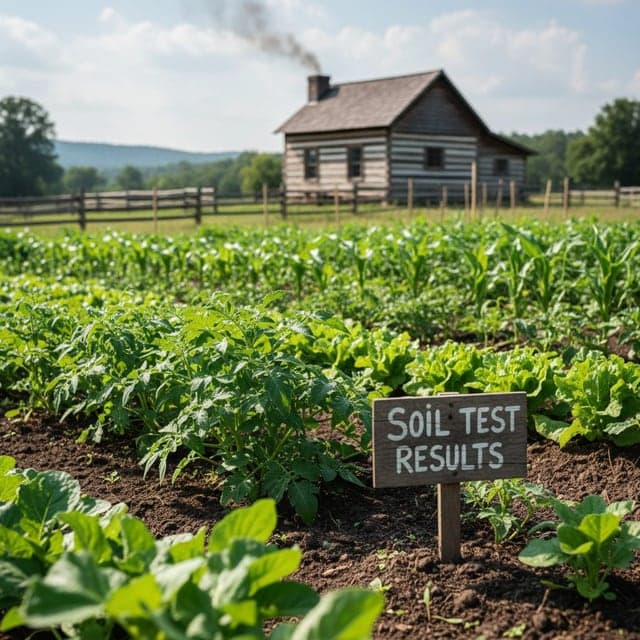
Decode US soil test reports accurately: Mehlich-3 vs. Bray P1 vs. Olsen phosphorus methods, active vs. Sikora buffer pH lime math, CEC textural tiers (3–25+ meq/100g), base saturation realism, the…