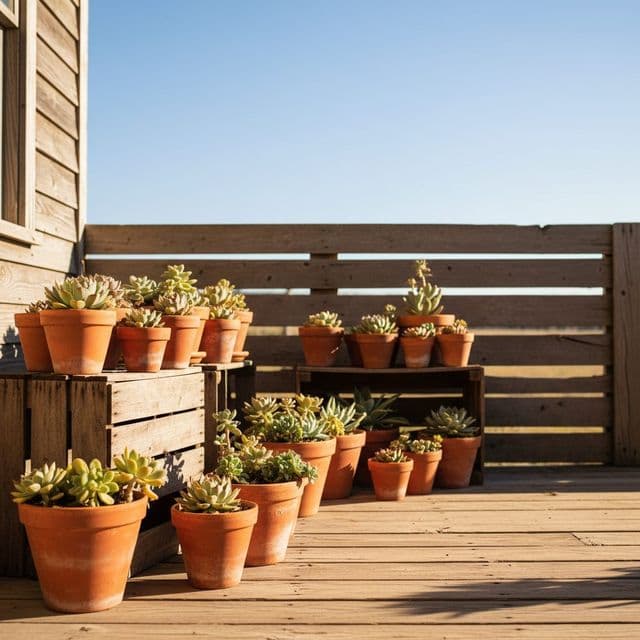
Propagating succulents in USDA Zone 8: 3 methods, 90% success
Learn to propagate succulents in USDA Zone 8 with three proven methods. Achieve a 90% success rate by selecting healthy material, proper callusing, and optimal care.
Tag
366 articles in this tag on agripure. — page 4 of 16
Learn to propagate succulents in USDA Zone 8 with three proven methods. Achieve a 90% success rate by selecting healthy material, proper callusing, and optimal care.
How to air layer fruit trees including figs, apples, citrus, and persimmons, covering branch preparation, rooting media, timing, and potting.
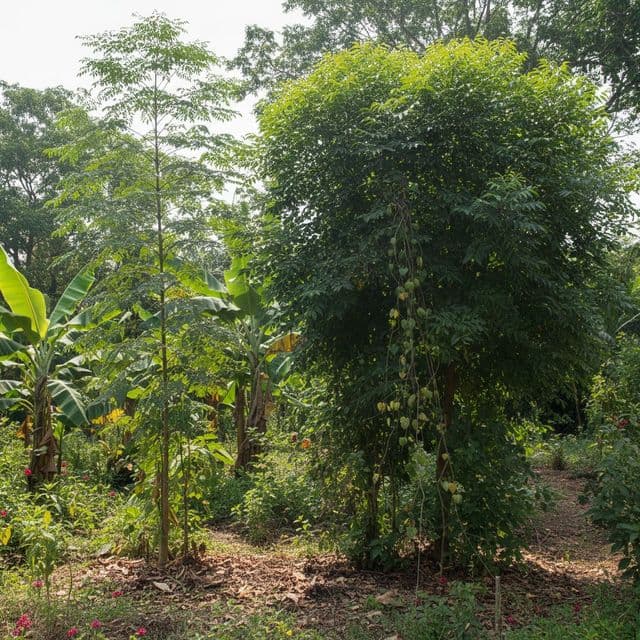
Learn how to air layer woody plants like fruit trees and shrubs using sphagnum moss. This reliable propagation method works well in USDA zones 6-10, yielding mature plants faster.
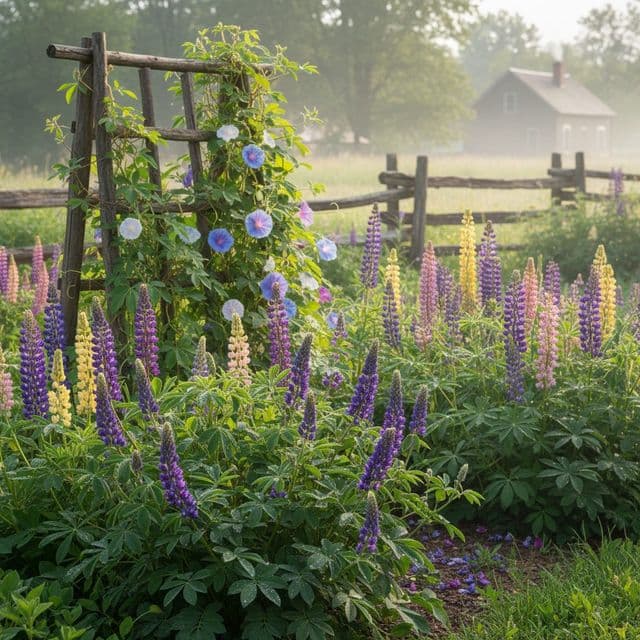
Learn how scarifying seeds like lupine, morning glory, and baptisia can dramatically boost germination rates from 20% to 90%. Discover mechanical and hot water methods for success.
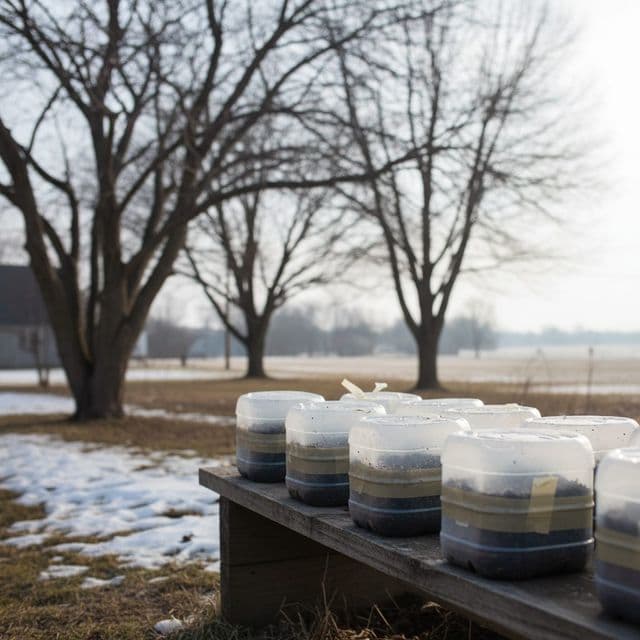
Master winter sowing with essential tips for optimal moisture and temperature. Prevent ‘cooking’ or ‘drowning’ seeds to boost germination rates by 20-30% for a successful spring garden.
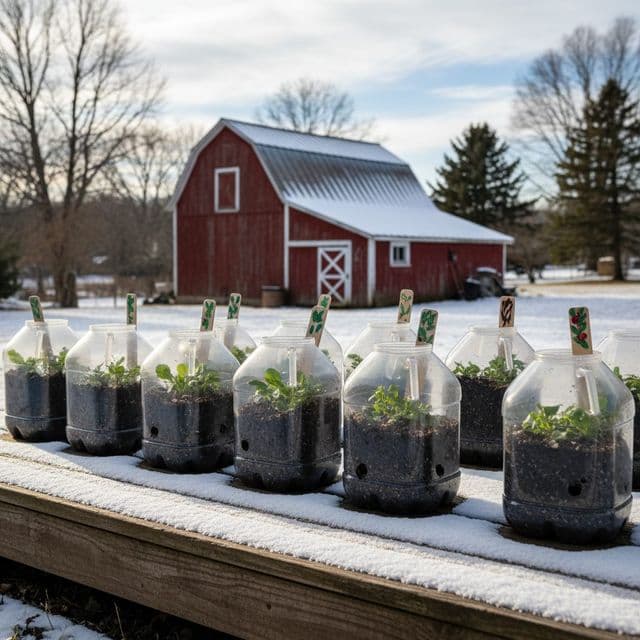
Learn how winter sowing extends your growing season by up to 30 days, reduces costs by eliminating grow lights, and produces stronger, naturally hardened-off plants for your garden.

Discover why perlite for cuttings consistently produces stronger, more vigorous roots than water or soil. Learn optimal methods for successful plant propagation and transplant.
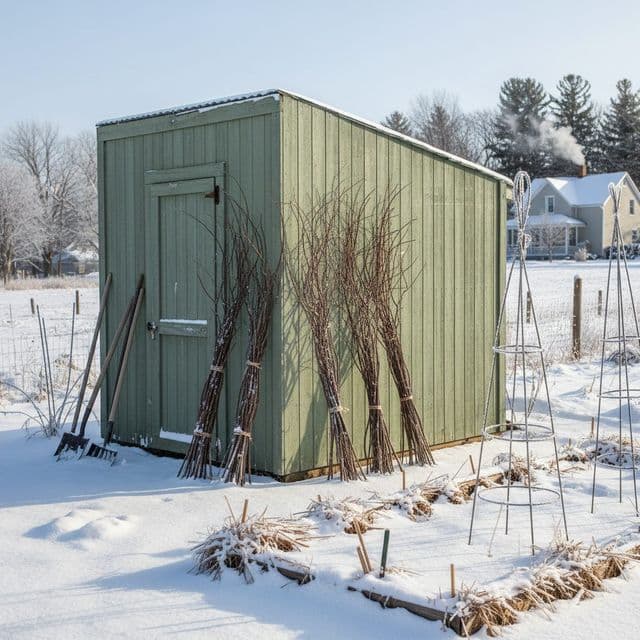
Learn to root fig, mulberry, currant, and grape hardwood cuttings in USDA zones 5-9. Achieve high success rates, save money, and expand your garden with this guide.
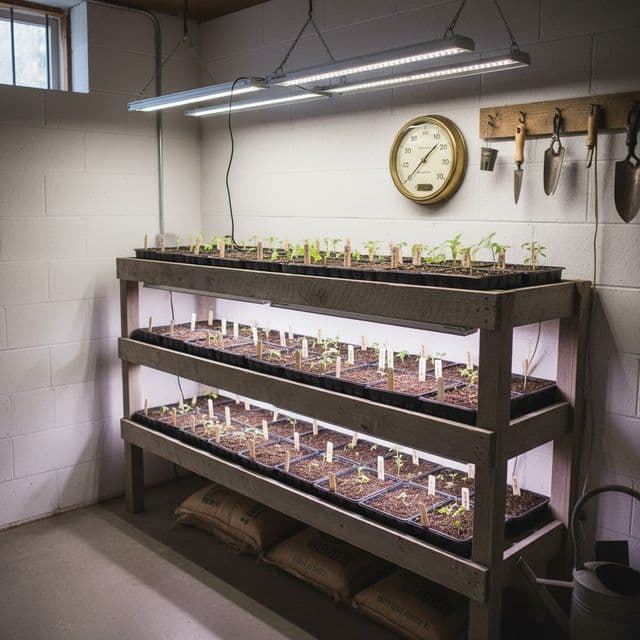
Master seed starting timing across US regions. Learn how cold basements in Maine differ from warm patios in Florida for successful germination and plant growth.
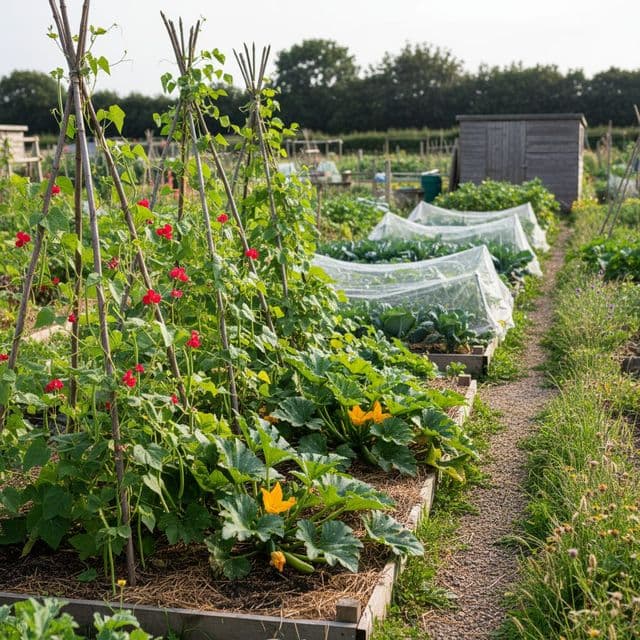
Learn effective strategies to protect your backyard berries in USDA Zone 6 from common pests like birds, spotted wing drosophila (SWD), and Japanese beetles. Implement netting, sanitation, and IPM…
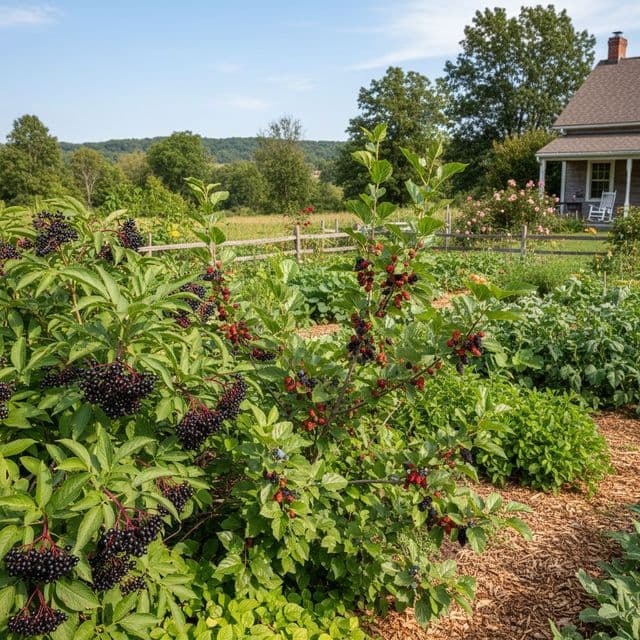
Discover how to easily grow native US berries like elderberry, serviceberry, and mulberry in USDA zones 3-9. Reduce maintenance, boost biodiversity, and enjoy abundant harvests.
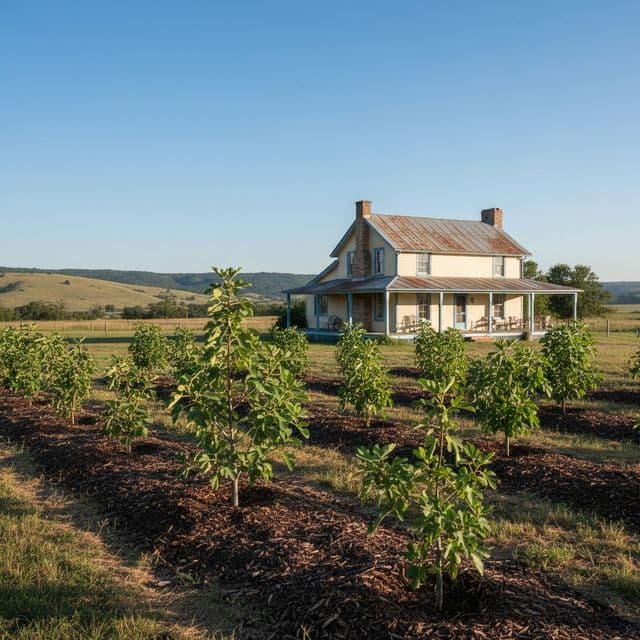
Cold-hardy fig and pomegranate varieties for USDA zones 6-7, with planting, care, and winter protection techniques for cooler climates.
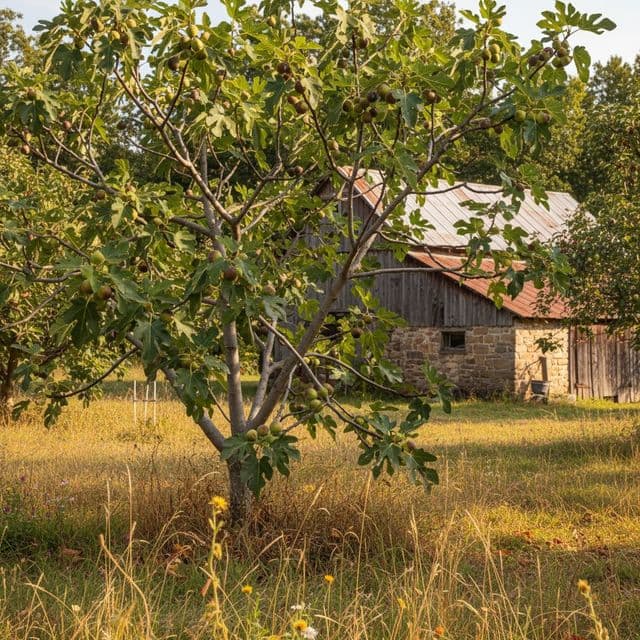
Prevent fig fruit drop in USDA Zone 7. Learn common causes like inconsistent watering, nutrient imbalances, and pests. Discover solutions for a bountiful fig harvest.
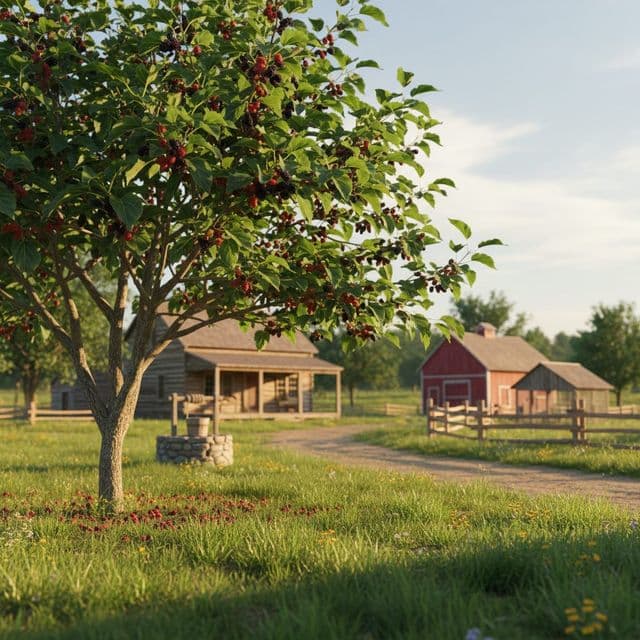
Growing multiple mulberry crops in USDA Zone 7 requires summer pruning, cultivar selection, and consistent watering to extend the harvest season and boost yields.
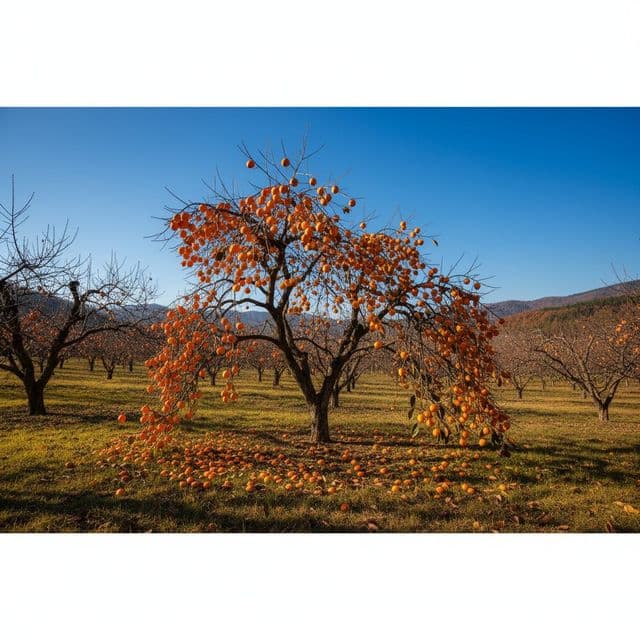
How to choose, plant, and grow astringent (‘Hachiya’) and non-astringent (‘Fuyu’) persimmon varieties in USDA zones 4-10.
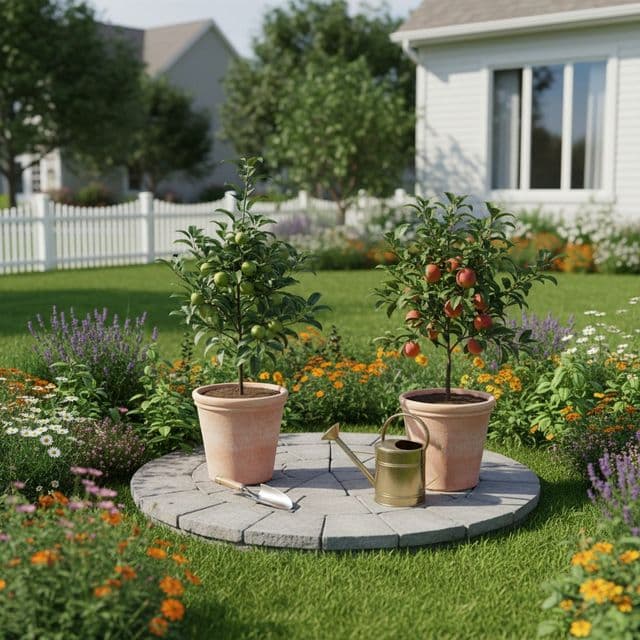
Grow fresh fruit in small spaces! Discover dwarf and columnar fruit trees perfect for patios & urban gardens in USDA Zones 5-9. Learn selection, care, & pruning.
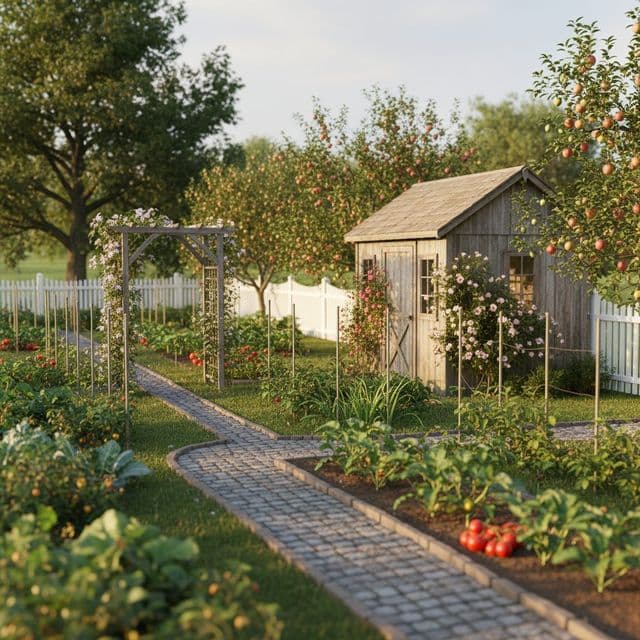
How to grow high-density hedgerow fruit trees on a 0.25-acre suburban lot in USDA Zone 7, covering spacing, rootstocks, and annual pruning.
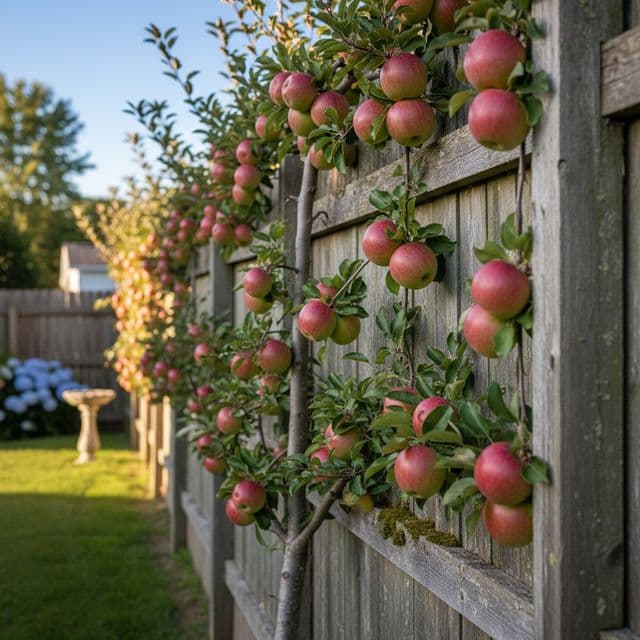
Learn how to espalier apples and pears to maximize fruit yield in small gardens. This guide covers selection, planting, and pruning for productive espalier fruit trees.
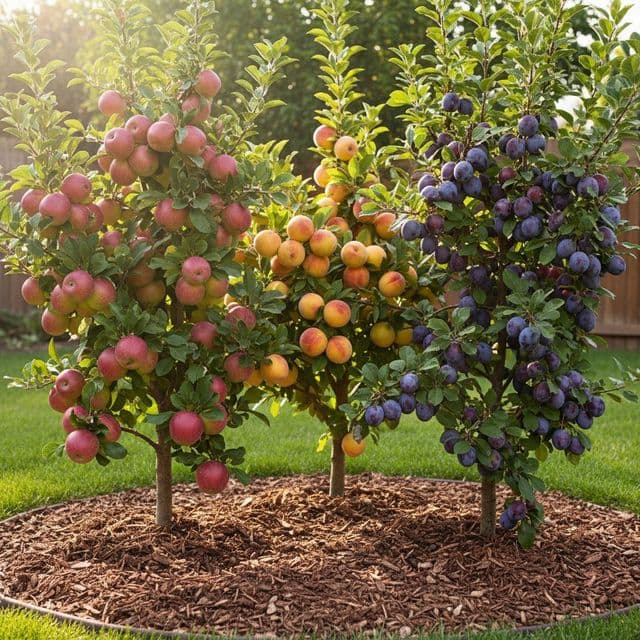
Planting 2-4 fruit trees in one hole extends the harvest by weeks and saves space in small backyards.
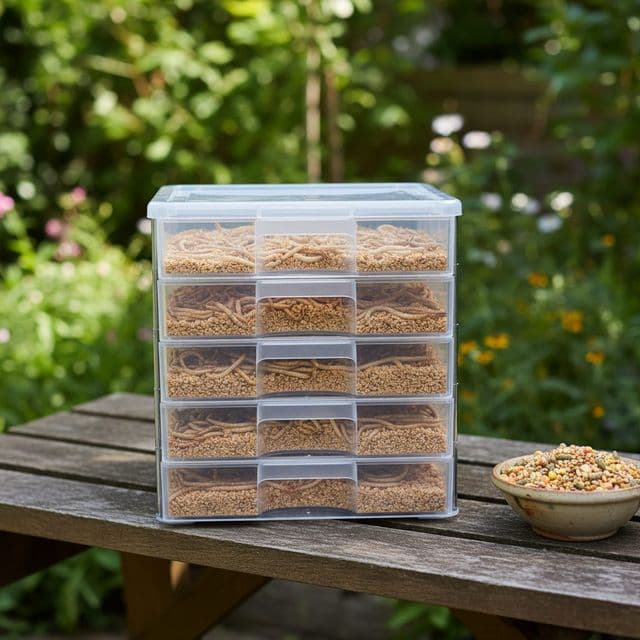
Master Backyard Orchard Culture to grow diverse, productive fruit trees in small spaces. Learn summer pruning techniques to keep trees 6-8 ft tall for continuous harvest in USDA Zone 7.
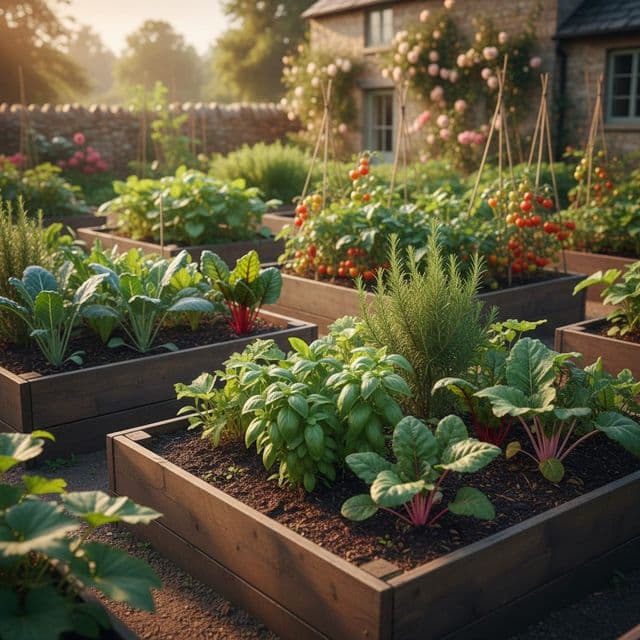
Master apple tree grafting for higher success rates. Learn crucial timing, cambium alignment, and compatibility tips to achieve 75%+ success in your homestead orchard.
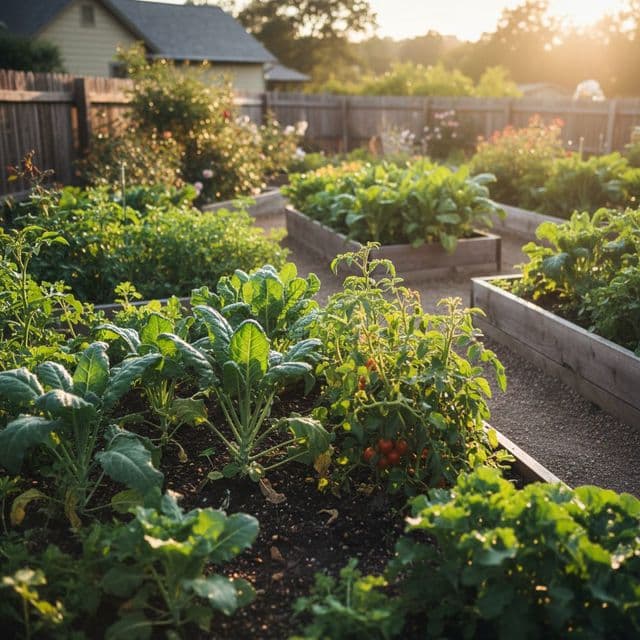
Master scionwood collection for successful fruit tree grafting. Learn when & how to select, store, & prepare dormant wood to expand your orchard & preserve heirloom varieties.
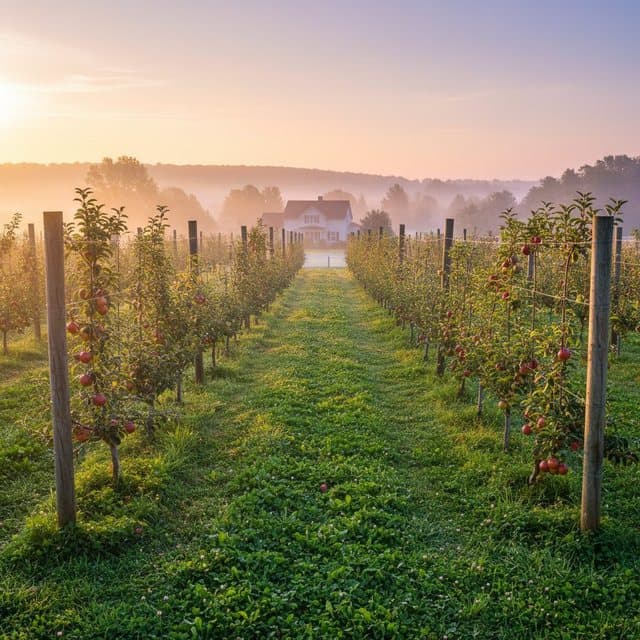
Unlock your orchard’s potential! Learn how choosing the right fruit tree rootstock impacts size, disease resistance, and yield. Master grafting for a thriving home garden.
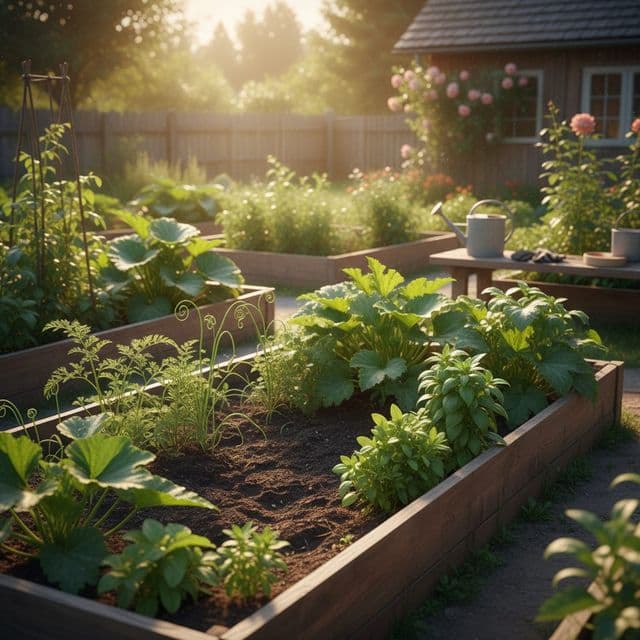
Cleft grafting top-works established fruit trees to improve fruit quality and yields, utilizing existing mature root systems across USDA zones 5 through 8.