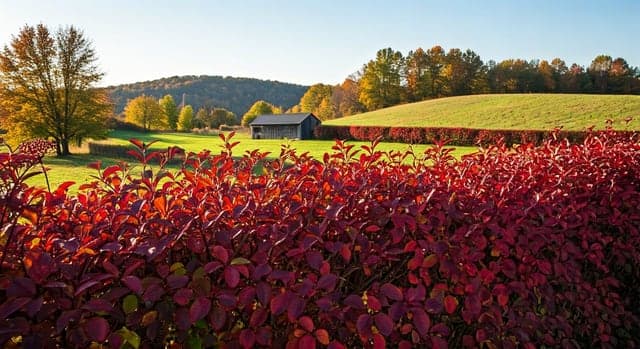
Cold-Hardy Edible Hedges: Elderberry, Hazelnut, Currant, Aronia
Discover the best cold-hardy edible hedges for US zones 3-9. Learn about elderberry, hazelnut, currant, and aronia, their yields, and how permaculture design improves your food forest.
Tag
491 articles in this tag on agripure. — page 5 of 21
Discover the best cold-hardy edible hedges for US zones 3-9. Learn about elderberry, hazelnut, currant, and aronia, their yields, and how permaculture design improves your food forest.

Transform your 1/10 acre city lot in USDA Zone 6 into a thriving permaculture system. Learn to design food forests, build soil, and harvest water for self-sufficiency.
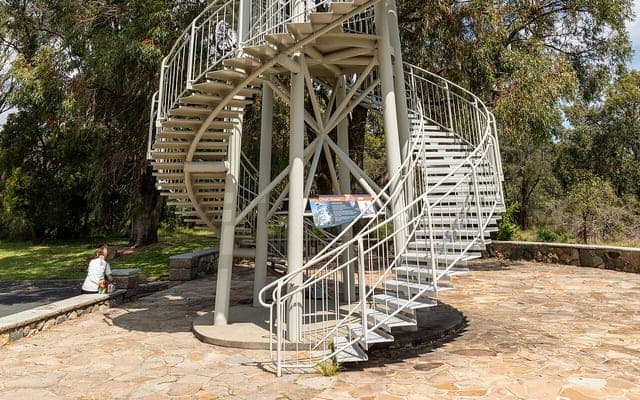
Learn how a year of permaculture site observation can save Midwest growers 25% on initial planting costs & reduce fertilizer needs by 15%. Essential for food forest design.
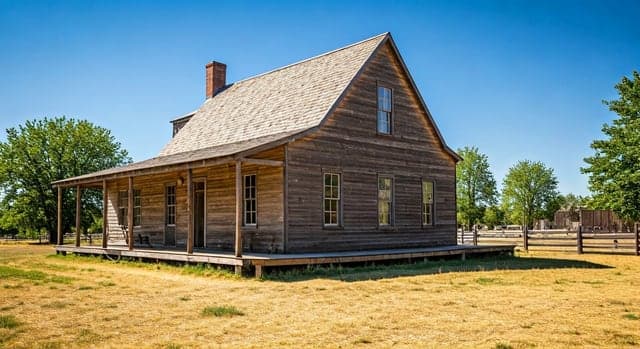
Master USDA zone 6 microclimates to boost yields. Learn to identify frost pockets, sun traps, and wind tunnels for strategic plant placement and a more resilient permaculture design.
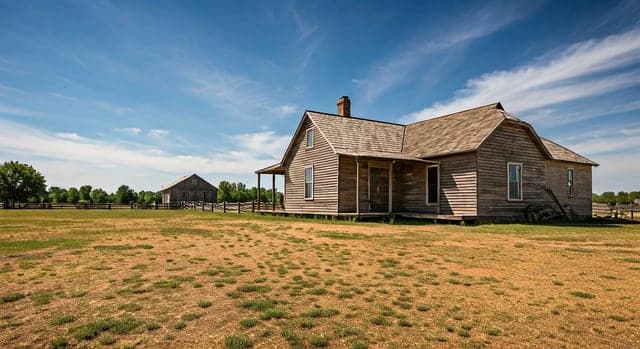
Optimize your homestead with permaculture zone design. Learn strategic placement for chickens, compost, and kitchen gardens in USDA Zone 6 to boost yield & reduce labor.
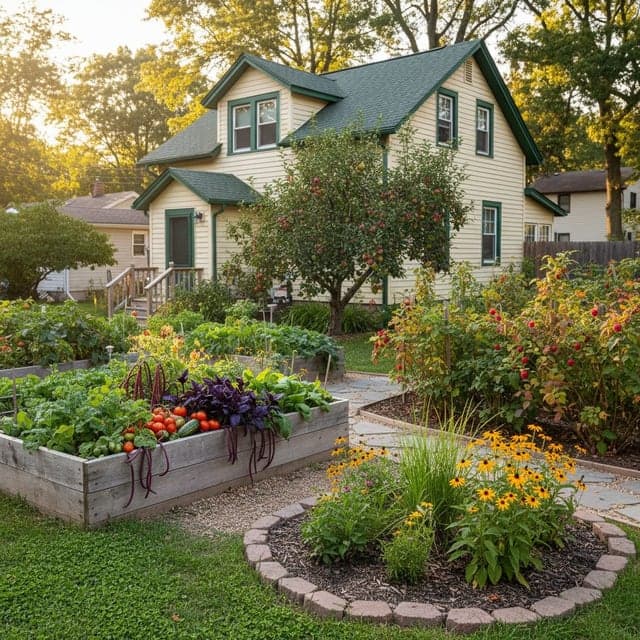
How to plan permaculture zones on a 0.25-acre suburban lot in USDA Zone 6. Design food forests, manage water, and boost food production efficiently.
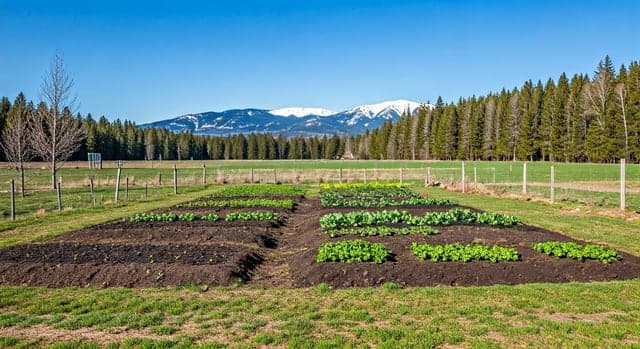
Build cold-climate hugelkultur beds in USDA Zones 2–6 without winter heating myths, April north-slope thaw delays, clay snowmelt sump flooding, C:N nitrogen lockup, meadow voles, or banned walnut,…
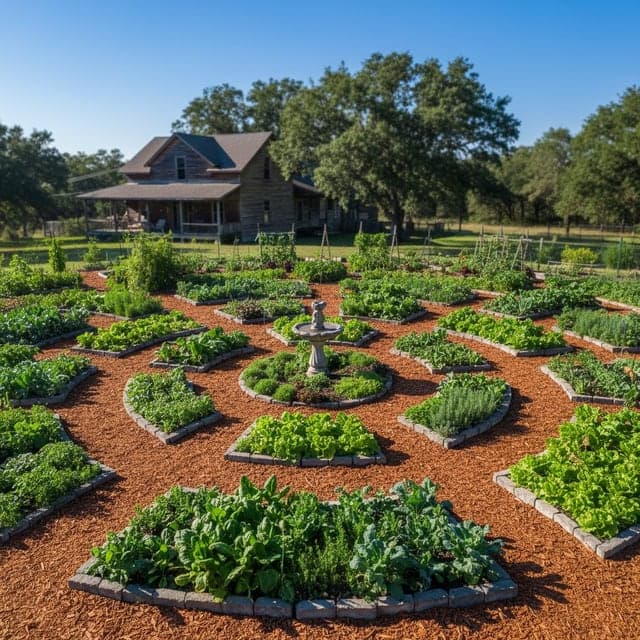
Lay out a 16–24 ft mandala garden with exact stake-and-string compass radii, 4 keyhole notches, north-arc tall trellises, honest rectangular trade-off math, curved poly drip rings, and no-dig sheet…
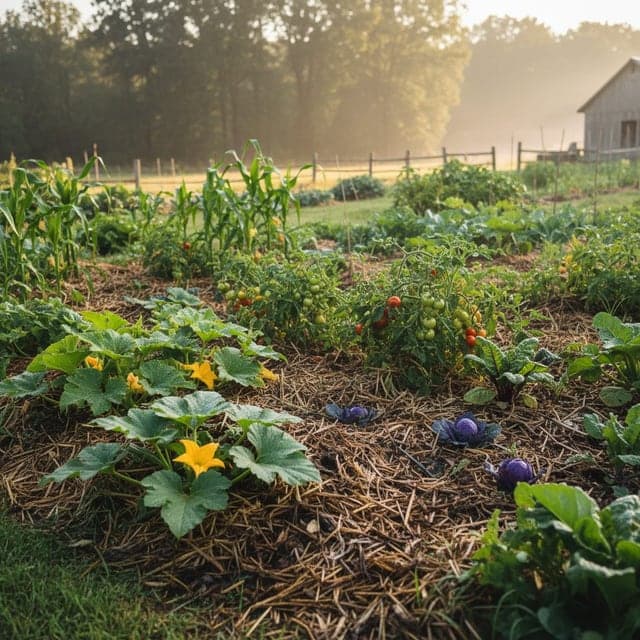
Learn how to transition your tilled garden to a no-till system, building soil organic matter in USDA Zone 6. Discover permaculture principles for a thriving, resilient garden.
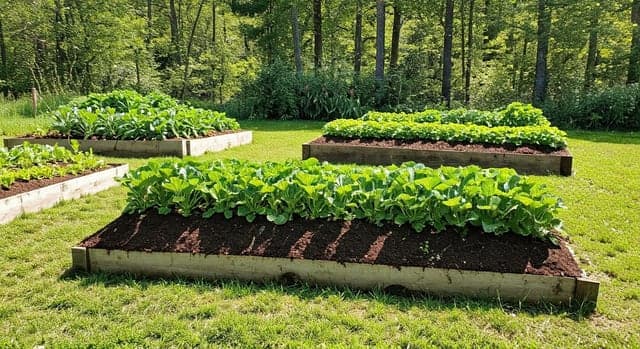
Master no-dig gardening for clay and sandy soils across the US. Learn tailored strategies for 6-inch beds, improving drainage, water retention, and soil health with permaculture principles.
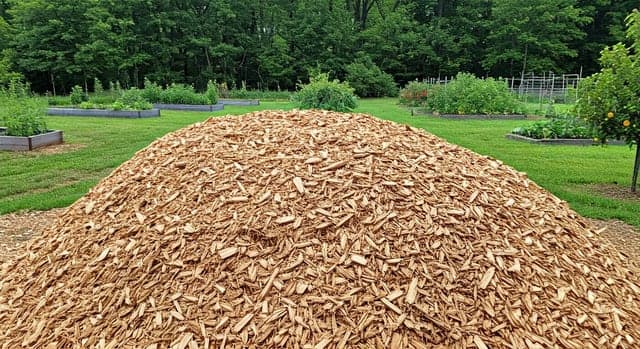
Safely intake 10–20 cu yd ChipDrop and arborist wood chip loads in US permaculture gardens: N95/P100 mold spore PPE, EAB and oak wilt quarantines, black walnut juglone aging (6–12 mo), pea/bean her…
Compare the best mulch materials for US no-dig gardens across USDA Zones 3–10: C:N ratios, depths, cubic-yard math, clopyralid bioassays, and regional trade-offs.
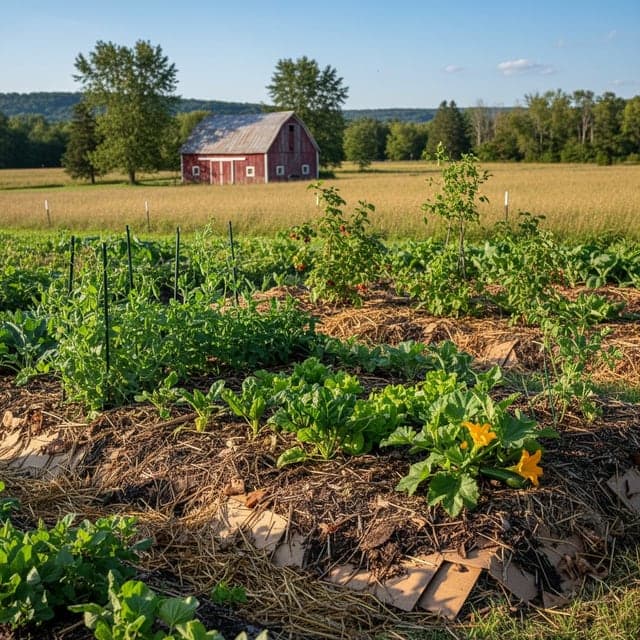
Convert turf into productive garden beds without digging: exact cardboard prep and contamination bans, vegetable vs. perennial tracks, WSU soil-science cautions around trees and clay, and silage ta…
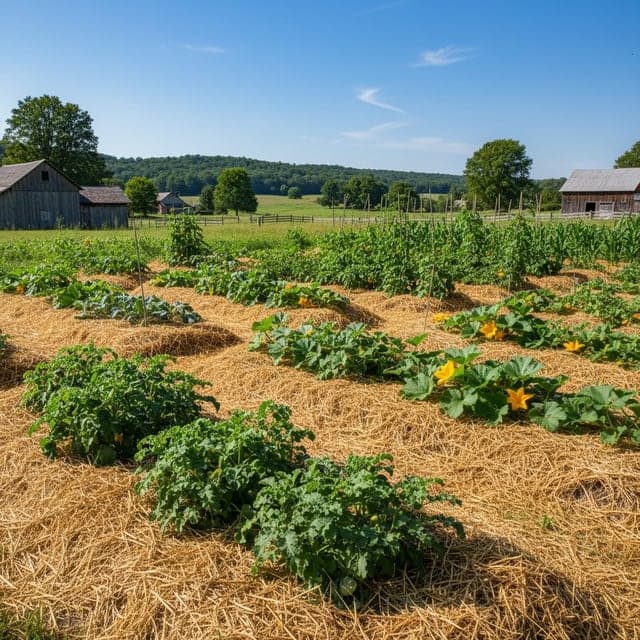
Master the Ruth Stout 8-inch hay mulch system in US gardens: pass a mandatory 3-week pea bioassay for aminopyralid carryover, plant no-dig potatoes, fix northern Zone 3–5 spring thaw lag, compare h…
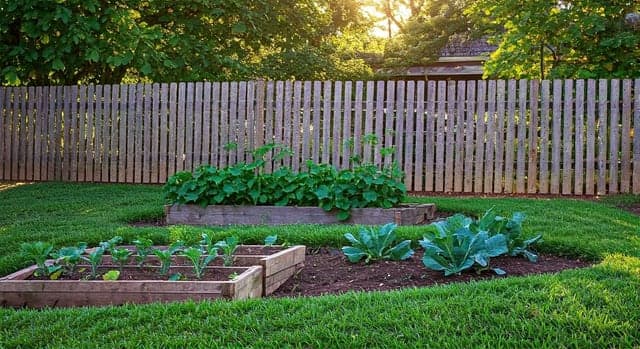
Adapt Charles Dowding's Homeacres no-dig method to US climates: verified 2–5 inch compost math, arid Southwest salt and hydrophobicity fixes, Pacific Northwest slug defense, humid Southeast decay s…
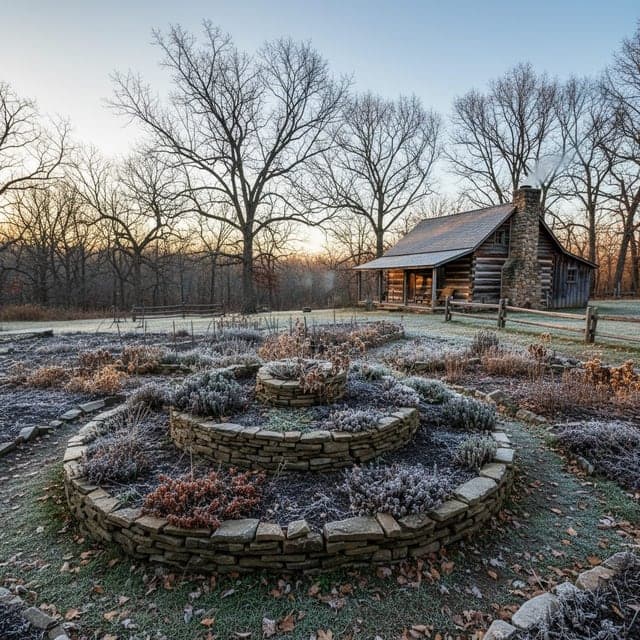
Master overwintering an herb spiral in USDA Zone 5. Learn plant selection, mulching, and microclimate design to keep your herbs thriving through cold winters.
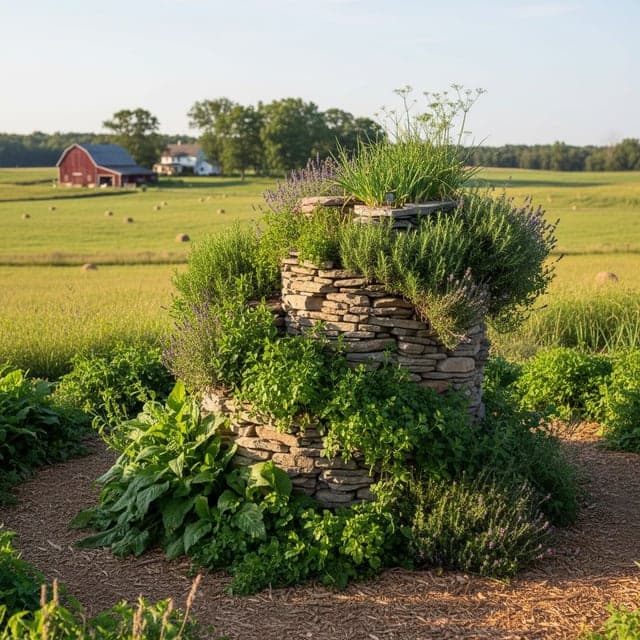
Learn how to create an herb spiral to grow diverse herbs in a small space. This permaculture technique creates microclimates for sun-loving Mediterranean and moisture-loving plants.

Build a freeze-thaw-safe 5–6 ft permaculture herb spiral (2.5–3 ft apex) with 1:6 inward wall batter, 2–4 inch gravel footings, 3-zone herb aspect placement, buried Mentha pots, Call 811 clearance,…
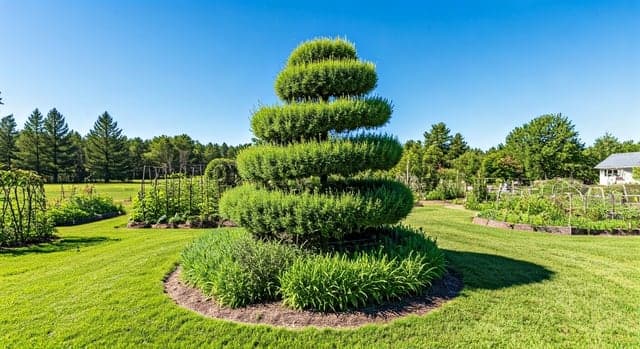
Discover how an herb spiral maximizes garden space, creates diverse microclimates, and extends your growing season. Learn to design and build a productive herb spiral for your homestead.
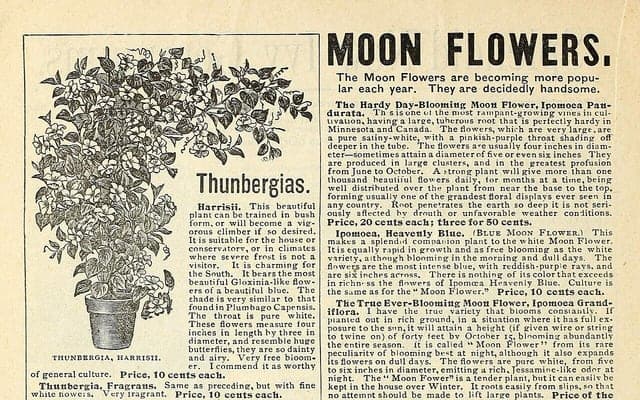
Cut through nursery hype on cold-hardy bananas across USDA Zones 5–9: separate inedible ornamental Musa basjoo from edible ABB/AAB cultivars (Orinoco, Dwarf Namwah, Raja Puri, Blue Java, Praying Ha…
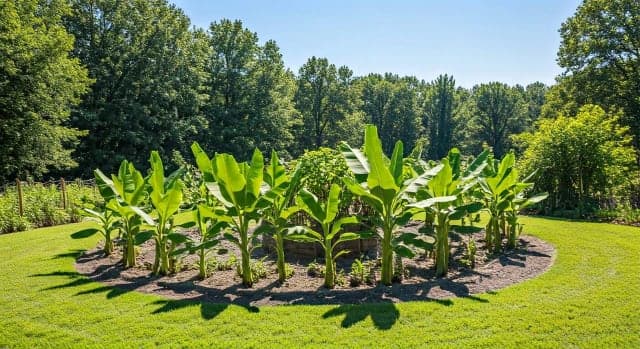
Build a mosquito-safe greywater banana circle in US Zones 8–11: 6 ft × 3 ft pit geometry, <24-hour drainage, CPC/ADEQ laundry-to-landscape setbacks, zero-boron soaps, Zone 8 Musa basjoo vs. fruitin…
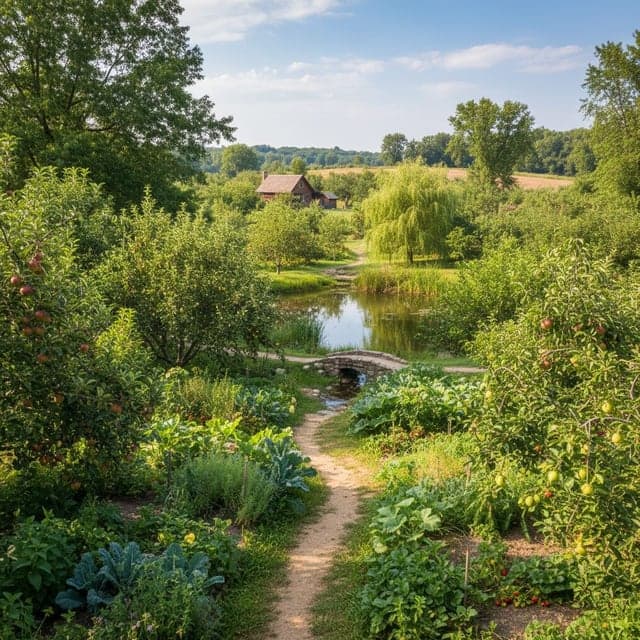
Coppicing and pollarding produce on-site biomass for homesteaders, regenerating trees from the stump or head to build soil and reduce external inputs.
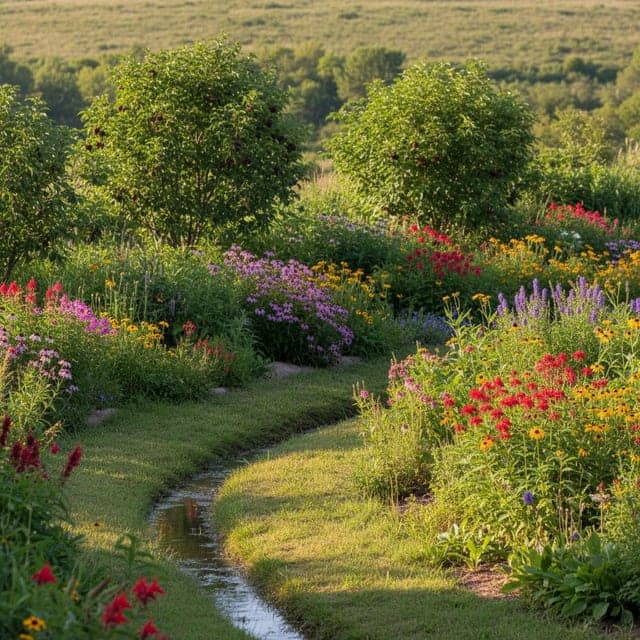
Build fertile North American permaculture guilds with native Rhizobial legumes and Frankia actinorhizal fixers, debunk redbud and honeylocust myths, ban invasive exotics, and verify active pink roo…
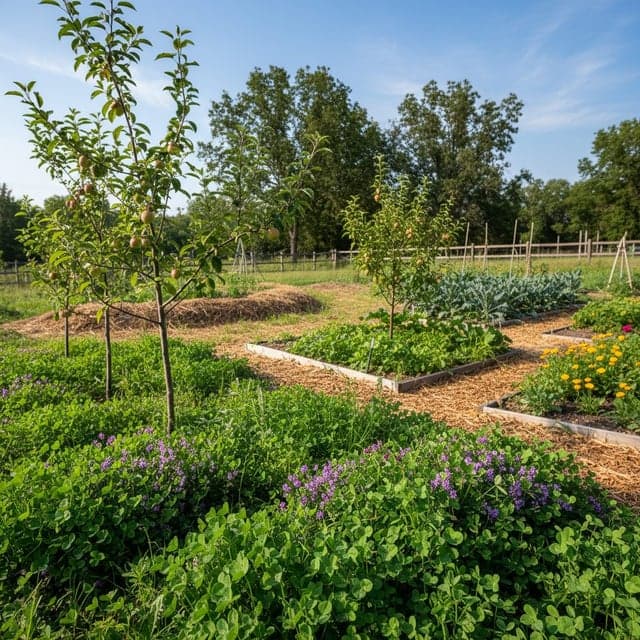
Nitrogen-fixing plants like clover and vetch improve soil fertility, suppress weeds, and reduce fertilizer needs in US permaculture gardens.