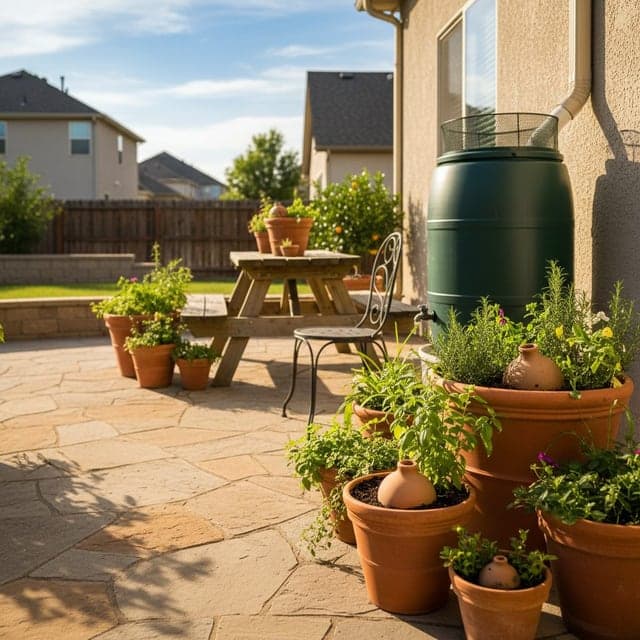
Container Tomato Watering: Arizona Heat & Smart Irrigation
Discover how much water container tomatoes need in Arizona’s 100°F heat. Learn about ollas, wicking beds, and rainwater harvesting to cut water use by 30-70% with smart irrigation methods.
Tag
554 articles in this tag on agripure. — page 17 of 24
Discover how much water container tomatoes need in Arizona’s 100°F heat. Learn about ollas, wicking beds, and rainwater harvesting to cut water use by 30-70% with smart irrigation methods.
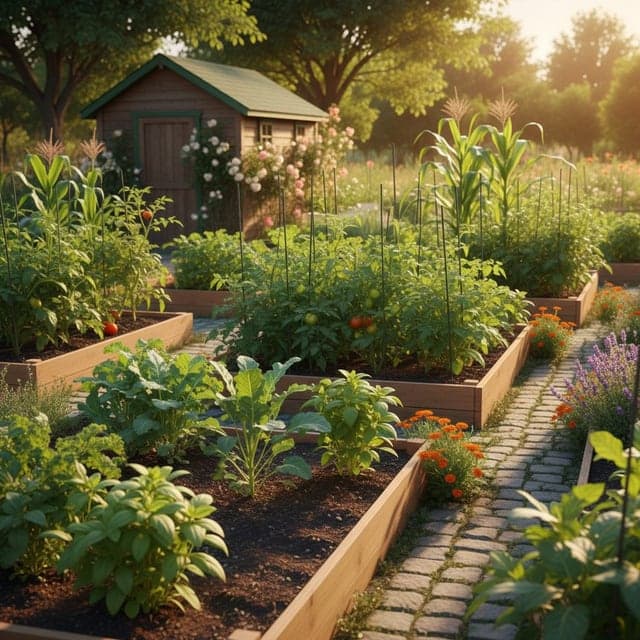
How to keep an Arizona garden watered for 30 days using a gravity drip system, battery timer, and rainwater harvesting in arid climates.
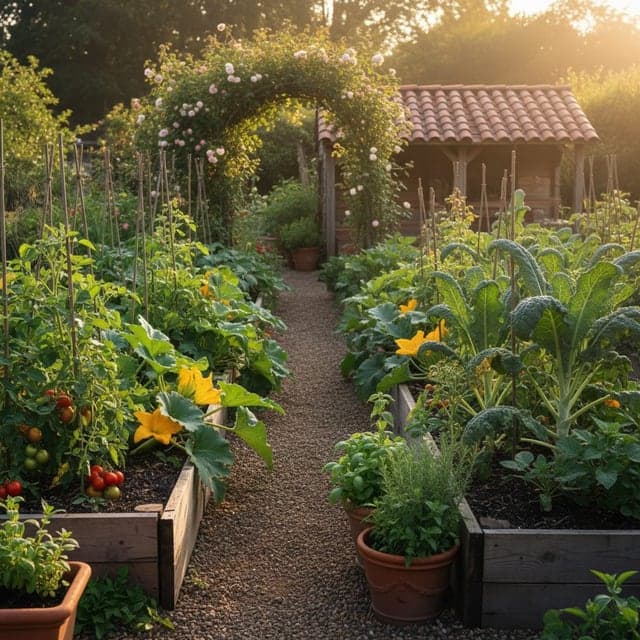
Learn effective strategies to slow water loss in your USDA zone 7 garden. Discover how grouping pots, mulching, and strategic shade can keep plants healthy, even when you’re away.
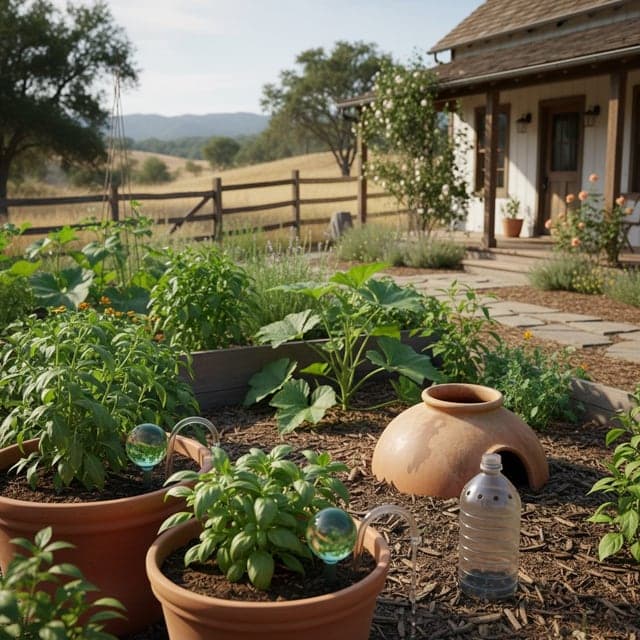
Explore passive irrigation methods like ollas, wicking beds, and DIY drip systems to save water in your garden. Reduce water use by up to 50% and build water resilience for US growers.
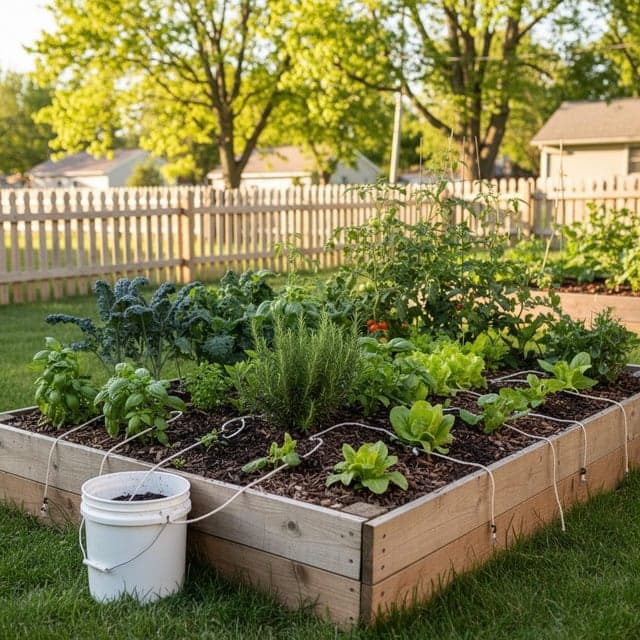
Learn how passive irrigation systems like wicking beds, ollas, and wicking ropes keep your garden hydrated for up to 7 days. Conserve water and reduce evaporation by 50-70%.
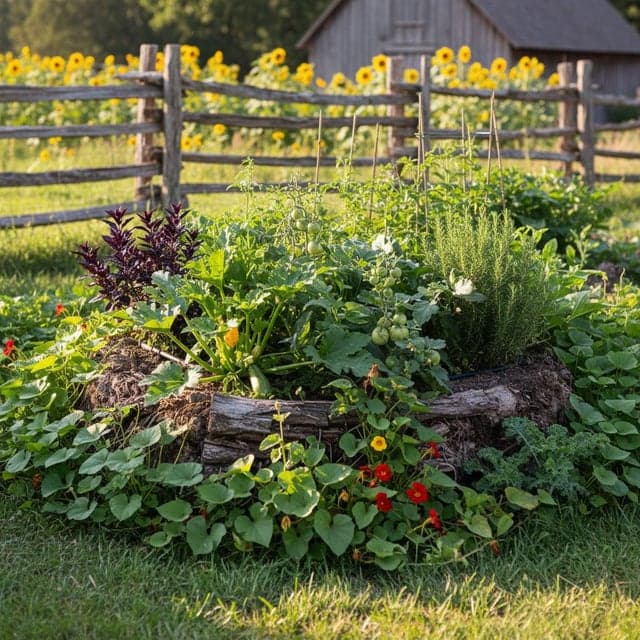
Discover how hugelkultur mounds reduce garden irrigation by up to 50%, build soil fertility for decades, and extend growing seasons. Learn to build water-efficient, self-sustaining garden beds.
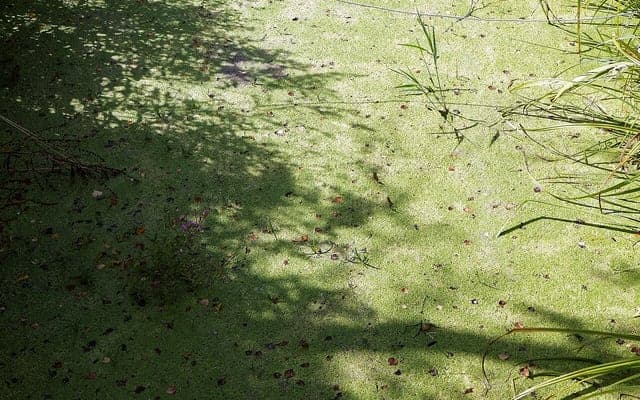
Learn to identify and manage string algae, single-celled algae, and duckweed in your homestead water systems. Reduce water loss and maintain clean, productive water for your plants.

Achieve clear pond water by balancing fish, feed, and plants. Learn how passive irrigation and strategic planting reduce nutrient loads by up to 80%, preventing algal blooms in US ponds.
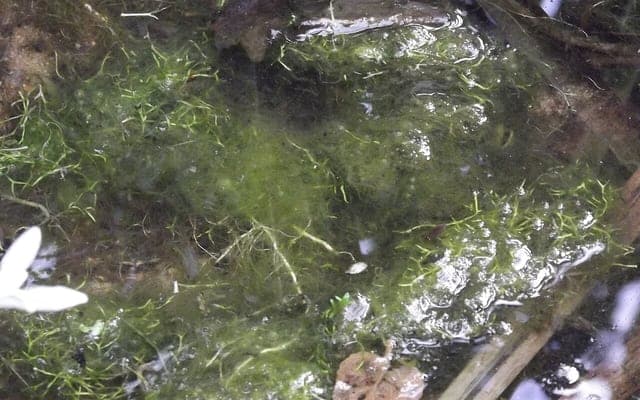
Discover natural algae control methods for ponds and water features in US climates. Learn how barley straw, shade plants, and beneficial bacteria reduce algae without chemicals.
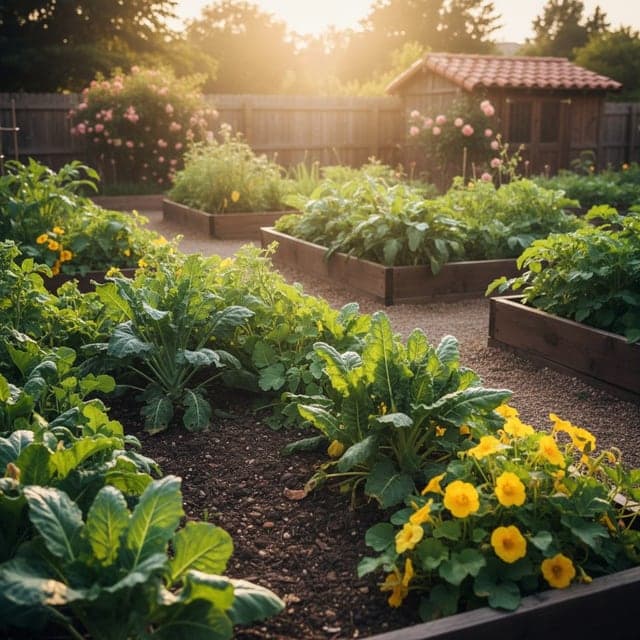
How native pond plants, combined with water harvesting, increase wildlife biodiversity by 25-50% in US ponds, with plant selection and water management tips across regions.
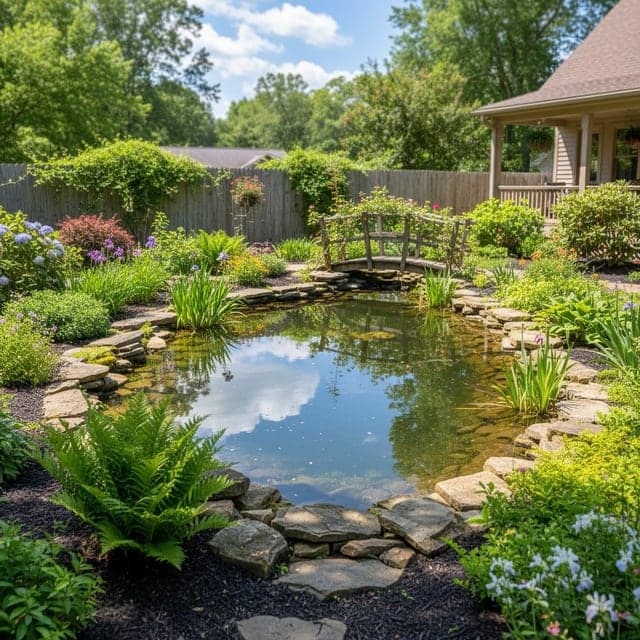
Explore EPDM, preformed, and natural clay pond bottom materials for your homestead in USDA Zone 7. Learn about durability, cost, and installation for water harvesting ponds.

Learn backyard pond sizing for arid regions. Calculate volume, select liners & pumps, and integrate passive irrigation. Maximize water resilience and support wildlife in the American West.
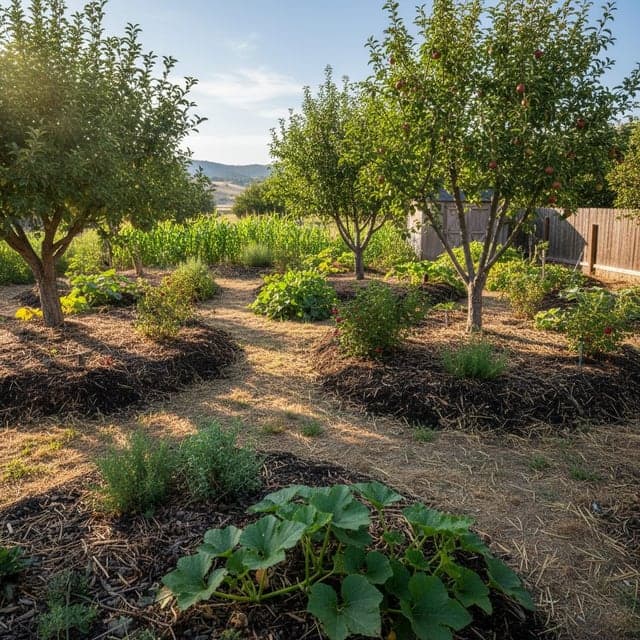
Learn how mulch basins efficiently distribute greywater in USDA Zone 8 gardens, reducing water use by up to 50%. Discover design tips, benefits for soil health, and maintenance for sustainable home…
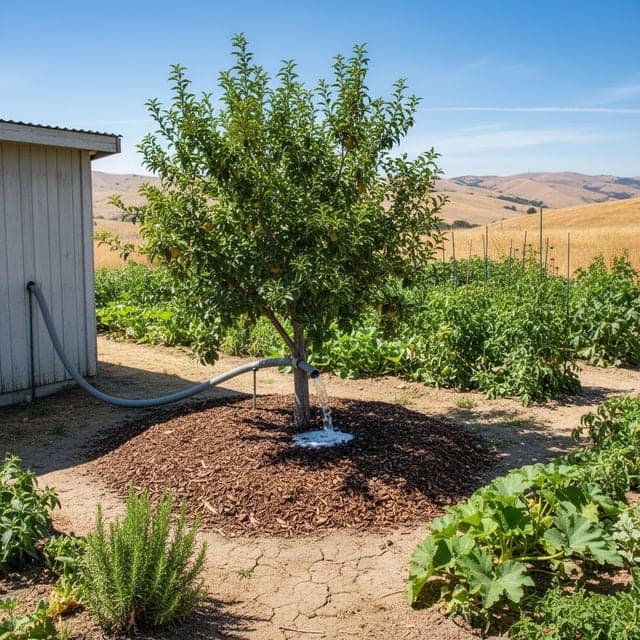
Understand greywater laws by state, including California, Arizona, and Texas. Learn how to legally reuse household water for irrigation and conserve resources.
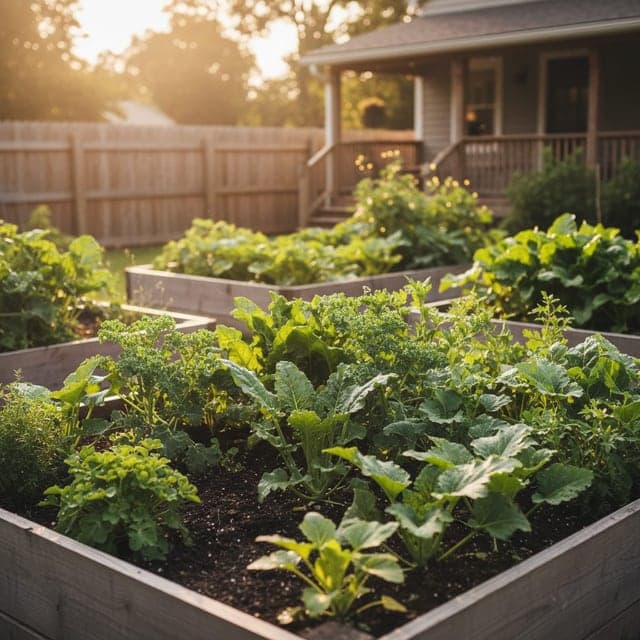
Match household greywater to deep-rooted trees and Mediterranean shrubs while protecting root crops, raw greens, and acid-lovers from pathogens, sodium, boron, and alkaline pH creep.
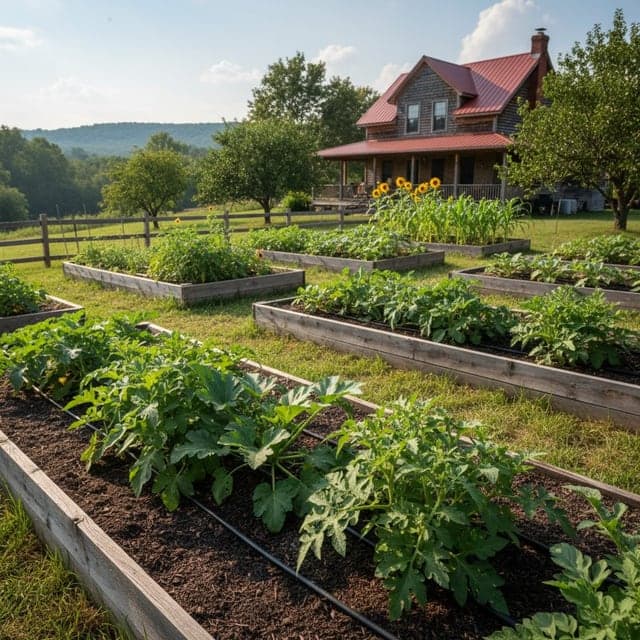
Learn to choose greywater-safe soaps for your California garden. Protect soil health, prevent sodium & boron toxicity, and conserve water effectively. Essential for sustainable homesteading.
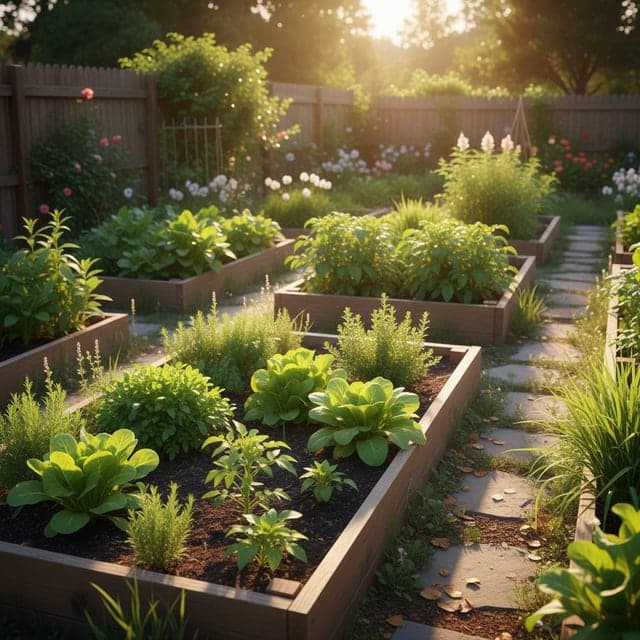
Learn how simple, legal laundry-to-landscape greywater systems can save US gardens up to 15,000 gallons annually, reduce water bills, and nourish plants.

Learn essential steps for cold-climate rainwater storage. Prevent freeze damage to barrels & systems in USDA Zone 5 by draining and protecting components before winter.
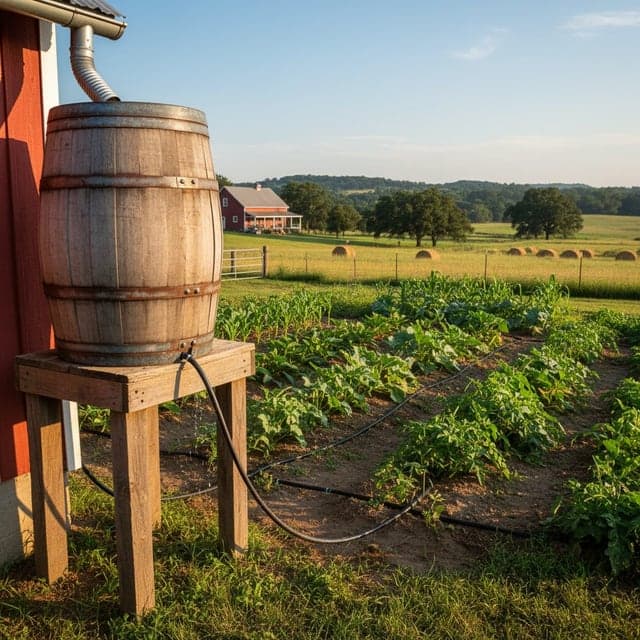
Gravity-fed drip irrigation from a 275-gallon rain barrel can water a 750 sq ft garden, reducing water use by 30-70%.
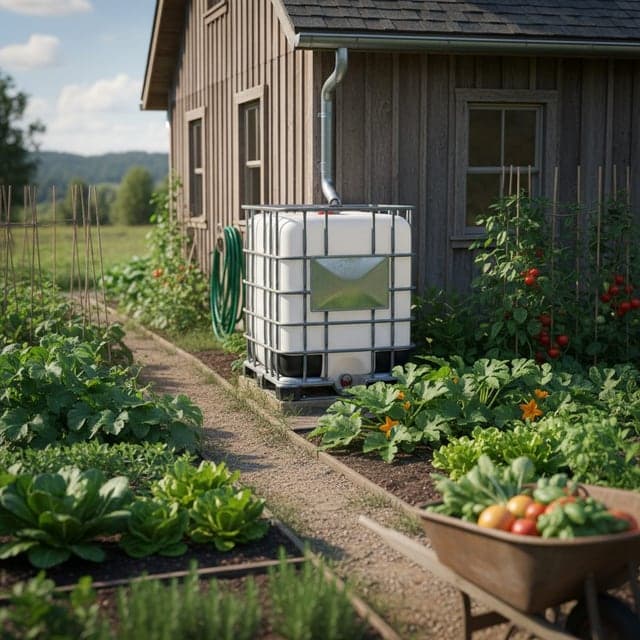
Engineer a safe 275 or 330 gallon IBC tote rainwater harvesting system: verify virgin 21 CFR 177.1520 #2 HDPE, build a 2,430–2,900 lb gravel-CMU pad, size 16–18 mesh screens and first-flush diverte…
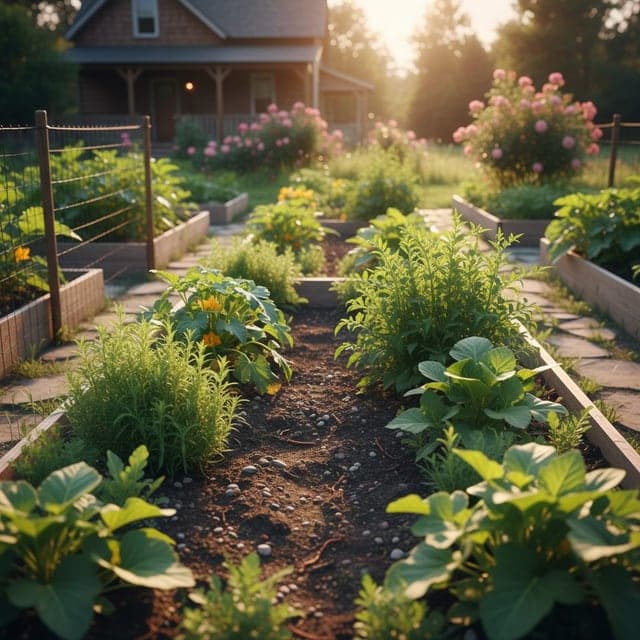
Understand US rainwater harvesting laws, including specific rules for Colorado, Utah, and Nevada. Learn about volume limits, permits, and efficient passive irrigation techniques like ollas to conse…
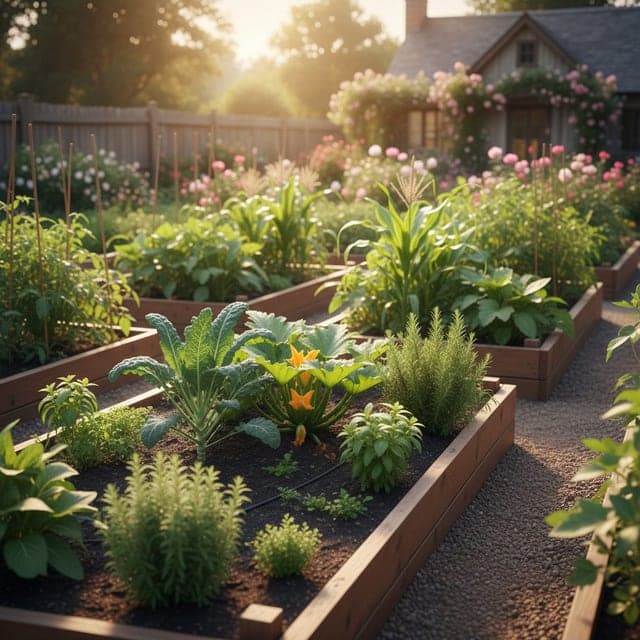
Achieve consistent water pressure for your 1,500 sq ft garden using linked rainwater tanks. Discover elevation, pipe sizing, and placement tips for effective gravity-fed irrigation.
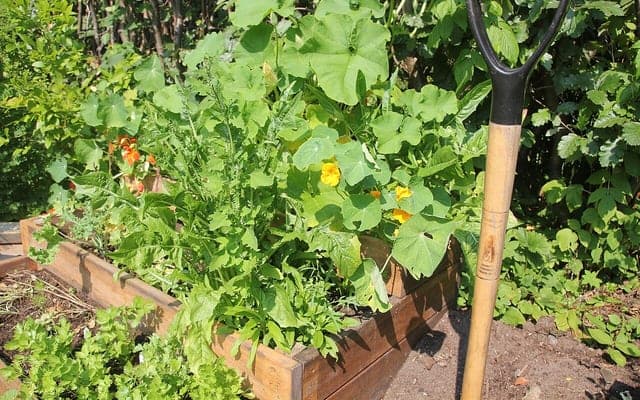
Learn to build a first-flush diverter to keep your harvested rainwater clean. Prevent debris, pollutants, and algae from entering storage tanks to ensure healthier plants and efficient irrigation.
Learn how to size rain barrels for your garden. Calculate potential water harvest from your roof, account for efficiency, and integrate passive irrigation methods like ollas and wicking beds.