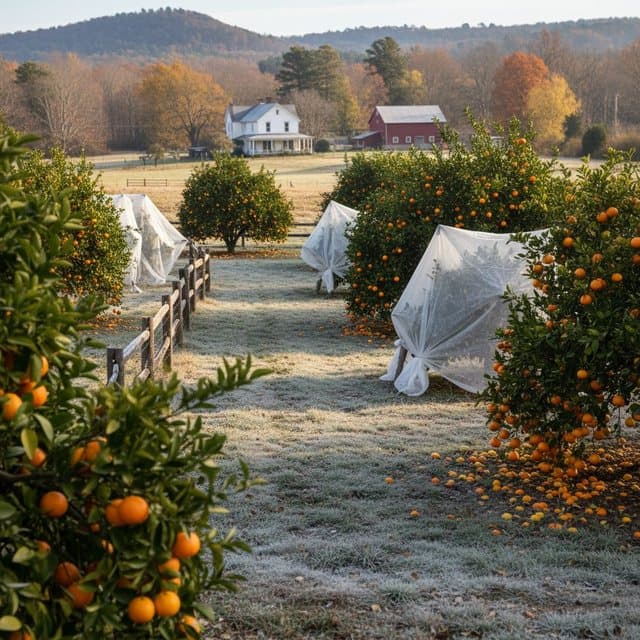
Grow Cold-Hardy Citrus in USDA Zones 7 & 8: Satsumas, Kumquats
Discover how to grow cold-hardy citrus like satsumas, kumquats, and yuzu in USDA zones 7 & 8. Learn about rootstock, protection, and optimal conditions.
Tag
479 articles in this tag on agripure. — page 9 of 20
Discover how to grow cold-hardy citrus like satsumas, kumquats, and yuzu in USDA zones 7 & 8. Learn about rootstock, protection, and optimal conditions.
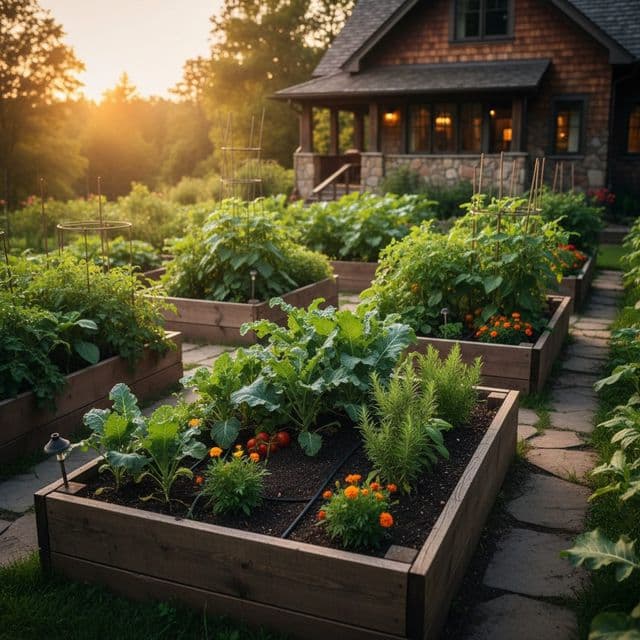
Learn to grow citrus indoors, including Meyer lemons & Bearss limes, even in USDA Zone 6. Master container care, light, humidity & overwintering for fresh fruit.
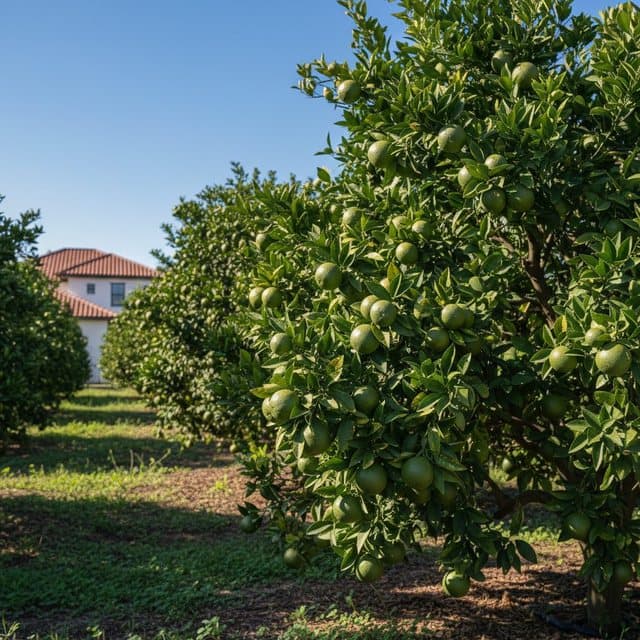
Learn to identify, report, and manage common citrus diseases in Florida like greasy spot, canker, and HLB. Protect your home citrus trees and prevent spread.
Discover how high-chill fruit trees like apples, pears, and cherries thrive with specific winter cold requirements. Learn about chill hours, ideal varieties for northern climates, and essential car…
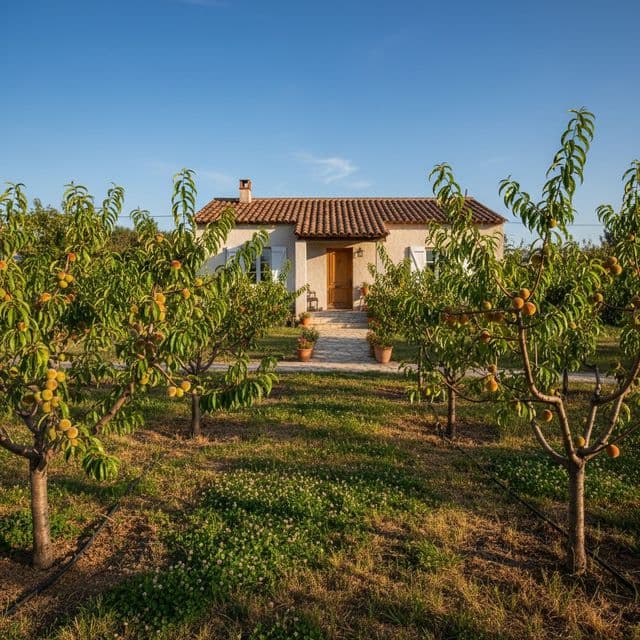
Learn to grow low-chill peaches and nectarines in USDA zones 8-10. This guide covers cultivar selection, chill hours, site prep, planting, and care for a bountiful harvest in warmer climates.
Low-chill apple varieties like Anna and Dorsett Golden produce reliable harvests in warm climates like the American South and coastal California with under 400 chill hours. Site selection, watering…
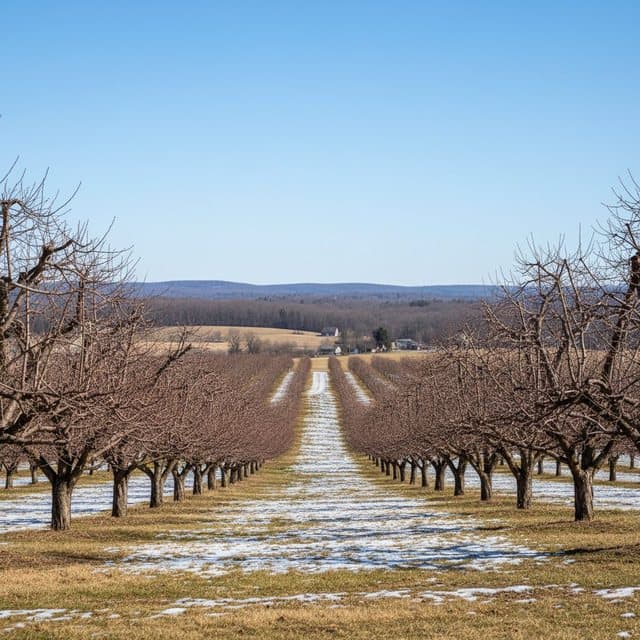
Unlock bountiful fruit harvests by understanding fruit tree chill hours. Learn how to calculate chill hours, choose the right varieties for your USDA zone, and ensure optimal production.
Learn how to renovate an overgrown apple tree over three dormant seasons in USDA Zone 6. This guide covers pruning, pest management, and care for fruit production.
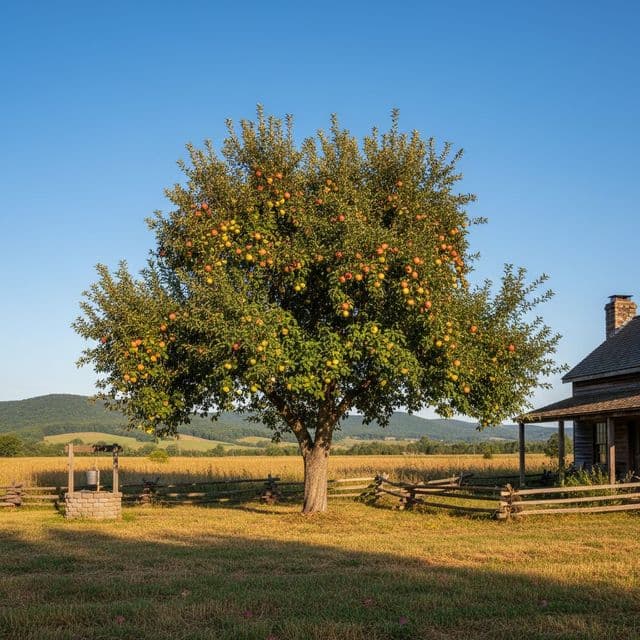
Learn to build a strong apple tree framework for decades of abundant fruit. Master scaffold selection, training, and pruning techniques for long-term health and productivity in USDA Zone 6.
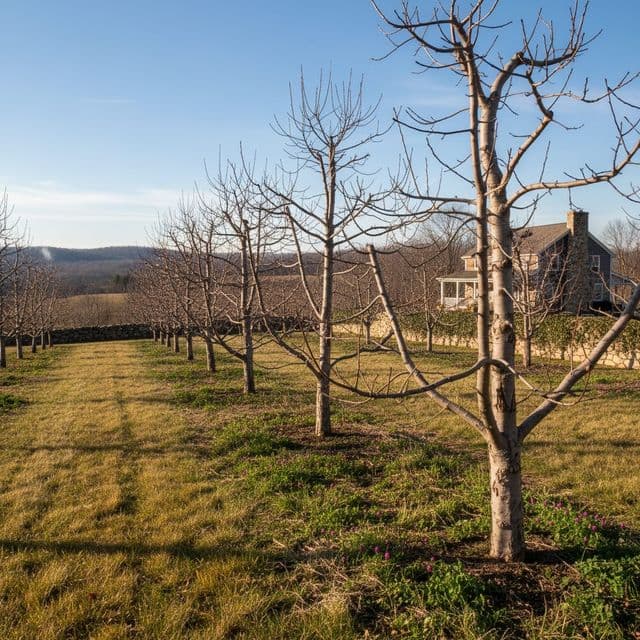
How dormant and summer pruning in USDA Zone 6 can boost yields, improve fruit quality, and manage tree size effectively.
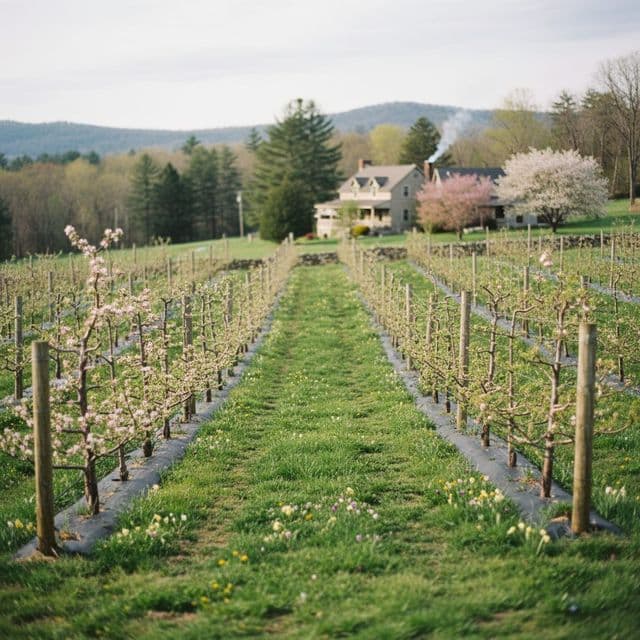
Learn how to prune fruit tree whips at planting for strong, productive branching in USDA Zone 6, establishing the first cuts for a healthy, long-lasting orchard.
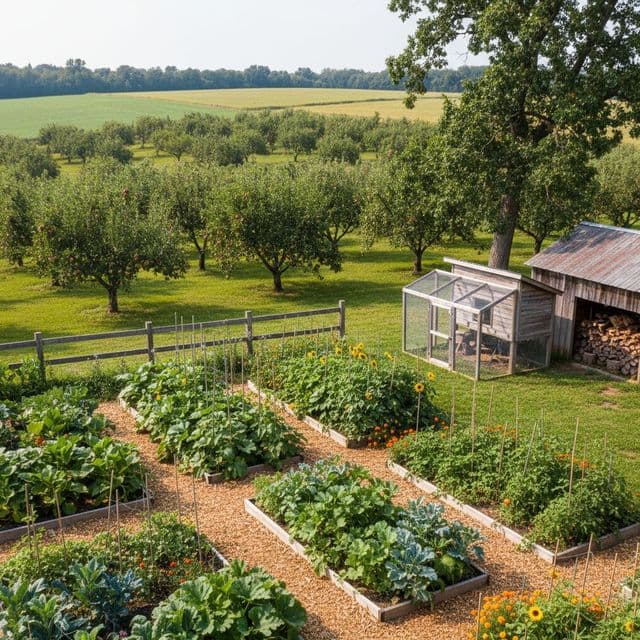
Master apple and pear tree training for abundant harvests in USDA zones 5-8. Learn central-leader & tall-spindle systems, rootstock selection, and pruning techniques.
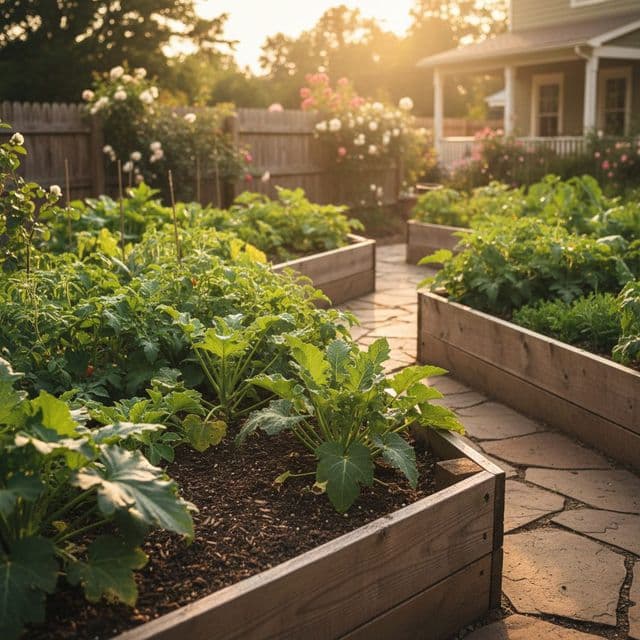
Master open-center pruning for peaches, plums, and apricots. Learn techniques to improve light, air circulation, and boost fruit yields by 20% in USDA Zones 5-9. Essential guide for home growers.
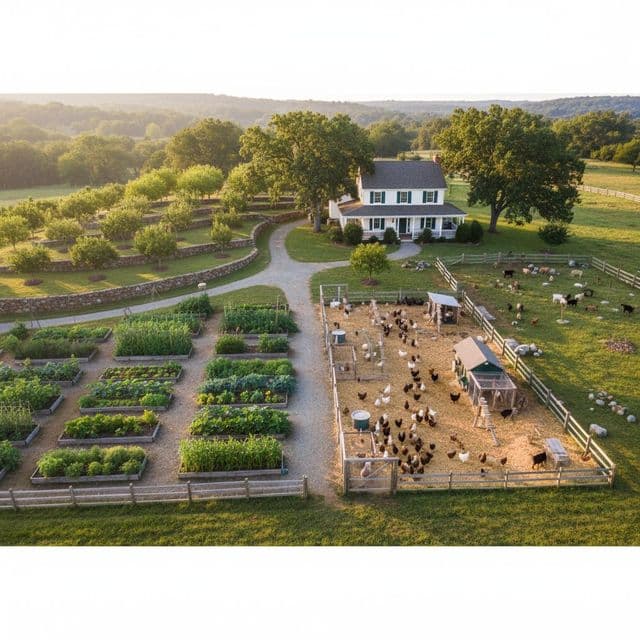
Determine how much land you need to homestead: 1/4-acre suburban plots vs 1, 2, 5, and 10+ acre properties for gardens, poultry, dairy, and woodlots.
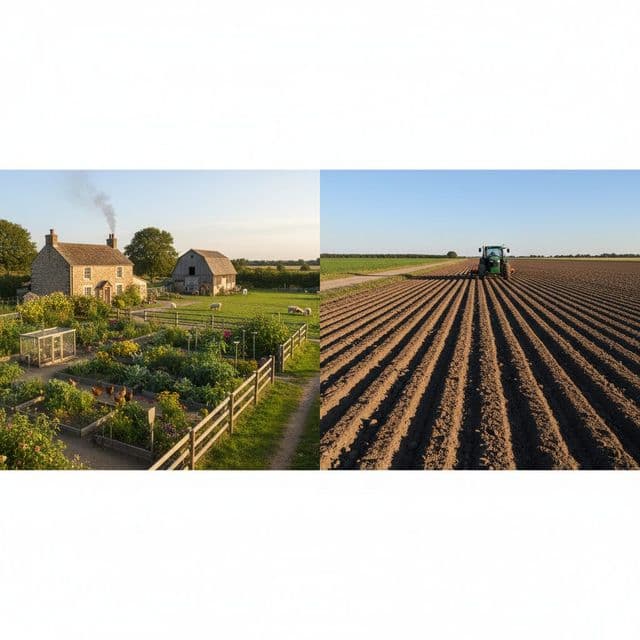
Explore the key differences between homesteading and farming, comparing goals of household self-reliance against commercial agricultural revenue models.

Discover the best homesteading books for beginners and seasoned growers, reviewing essential manuals on self-sufficiency, food storage, and livestock care.
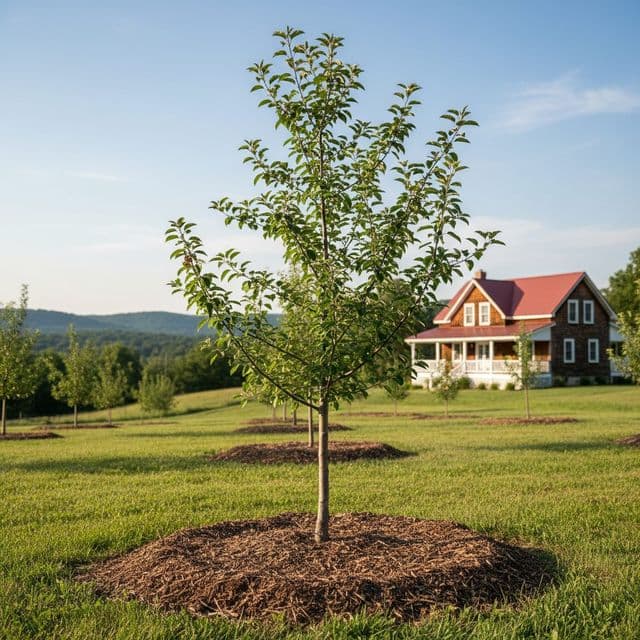
Learn when and how to properly stake new fruit trees in USDA Zone 6. Avoid common mistakes that weaken trees and ensure strong growth. Get expert tips for your orchard.
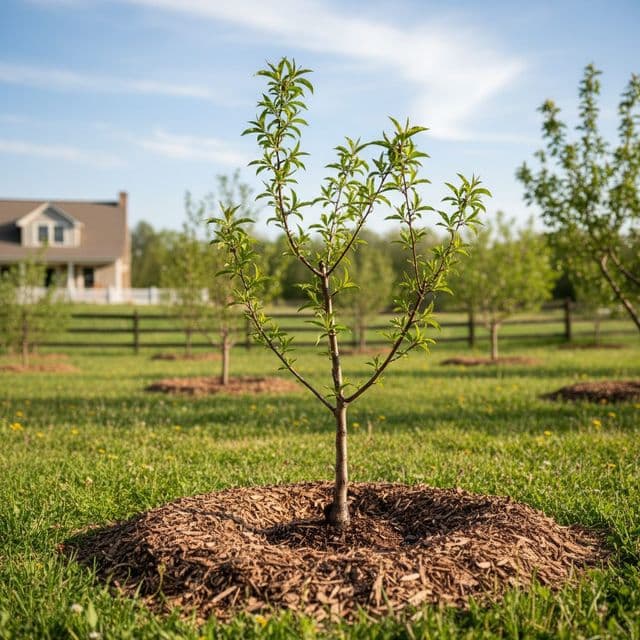
Learn why proper fruit tree planting depth is crucial for health and yield. Discover how to correctly plant fruit trees, ensuring the graft union and root flare are exposed. Avoid common mistakes.
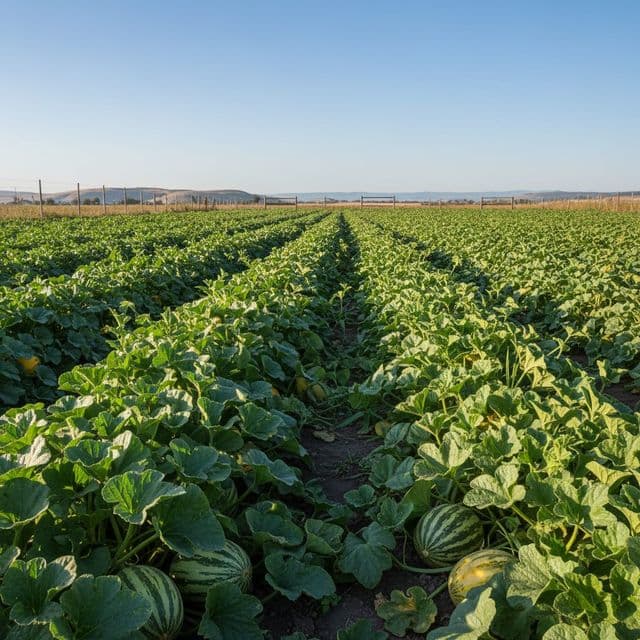
Master melon ripeness for watermelons, cantaloupes, and honeydews. Learn visual, tactile, and olfactory cues to harvest perfectly ripe fruit every time.
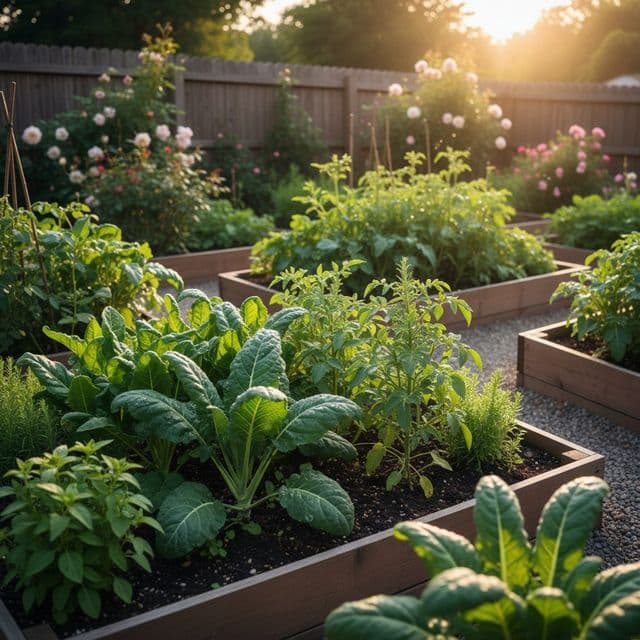
Understand how light, temperature, and nutrients trigger tomato plant flowering and fruit set. Optimize environmental cues for a bountiful harvest and increased yields.
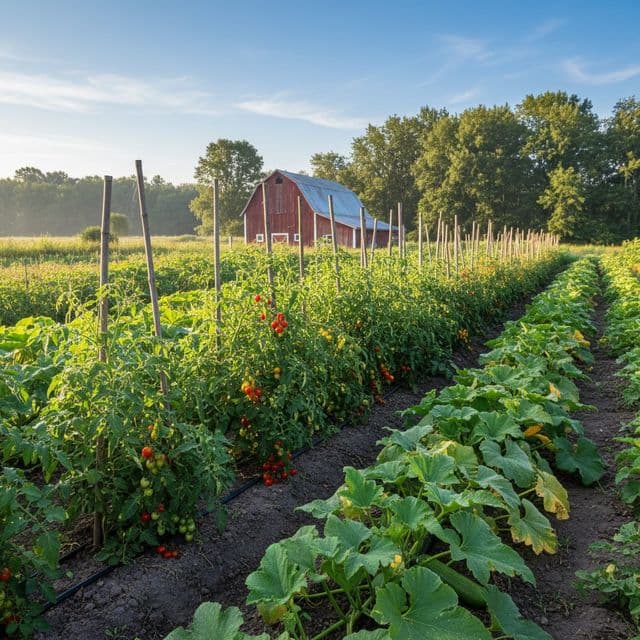
Understand why tomato and cucurbit days-to-maturity (DTM) varies up to 30 days in USDA zones 4-9. Learn how temperature, soil, and pollination impact harvest times.
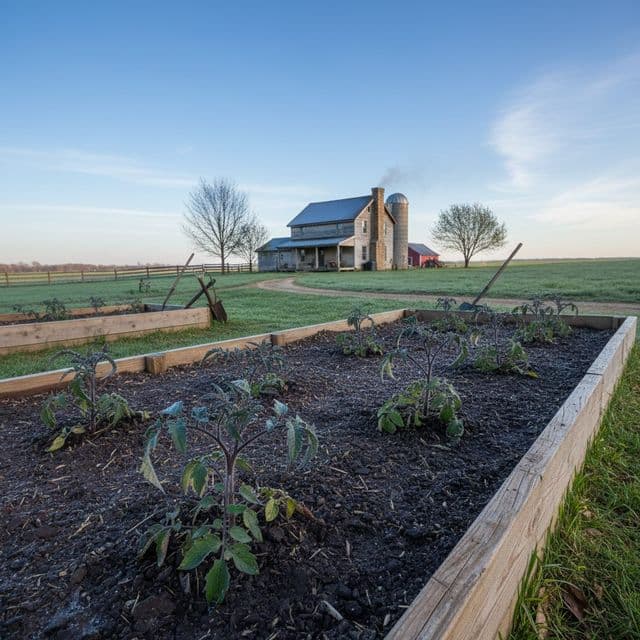
Why cold, wet spring soil in USDA Zone 6 hinders tomato and cucumber fruit set, and how soil temperature and moisture govern nutrient uptake even with ample soil fertility.
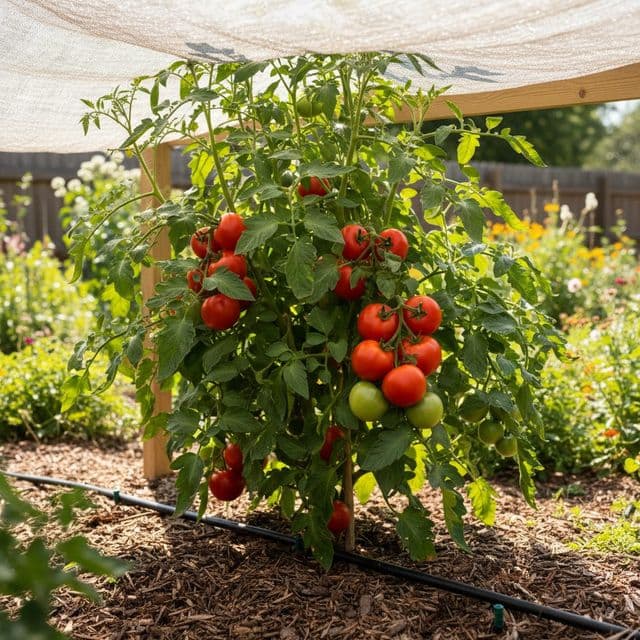
How to protect tomato and cucurbit blossoms from heatwave stress in USDA zone 7, covering morning watering, shade cloth, and nutrient management.
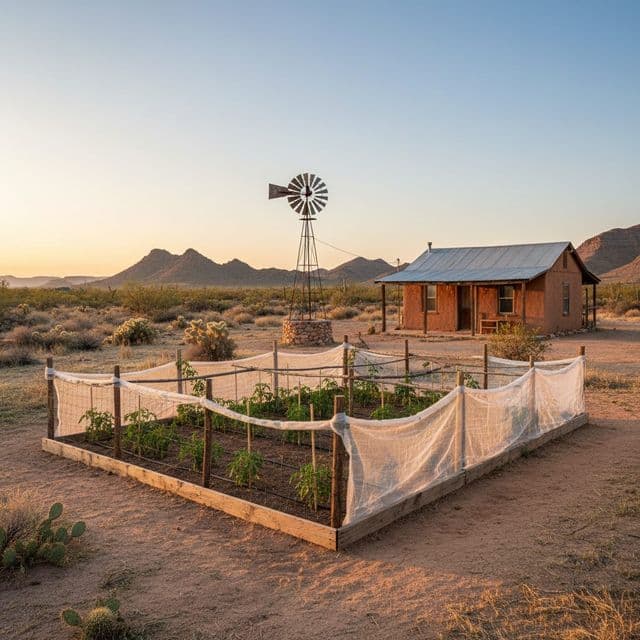
Master gardening in Southwest & Texas heat. Learn to use shade cloth, strategic planting times, and heat-set varieties to ensure fruit set and bountiful harvests above 90°F.