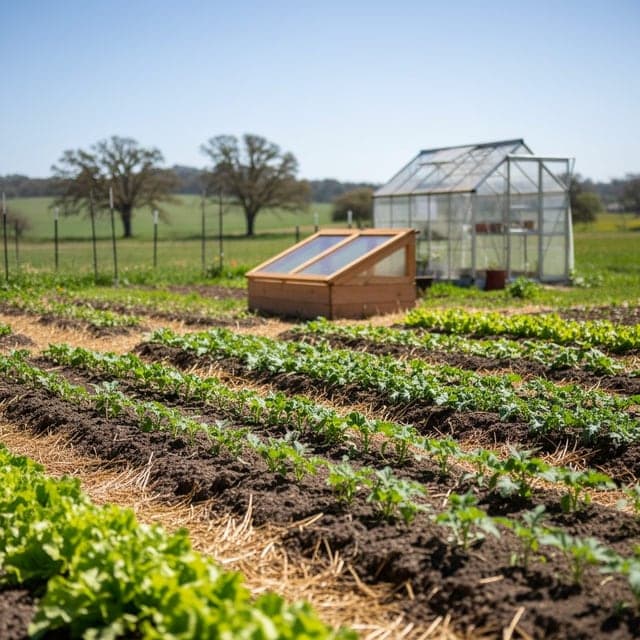
Optimizing Planting Windows Across USDA Zones for Harvest
Master continuous harvest with a USDA zone planting calendar. Learn succession planting, crop rotation, and season extension for year-round garden productivity in any US region.
Tag
554 articles in this tag on agripure. — page 10 of 24
Master continuous harvest with a USDA zone planting calendar. Learn succession planting, crop rotation, and season extension for year-round garden productivity in any US region.
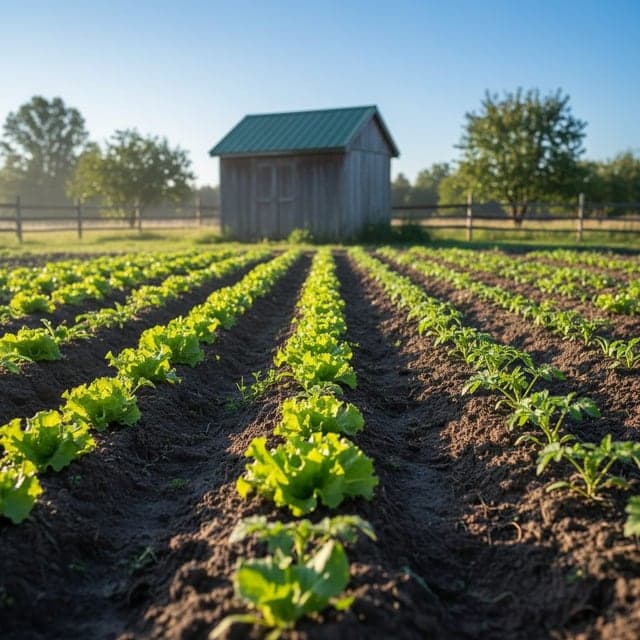
Master your USDA zone planting calendar by understanding frost dates & days to maturity. Learn to calculate optimal planting times for succession planting & crop rotation.
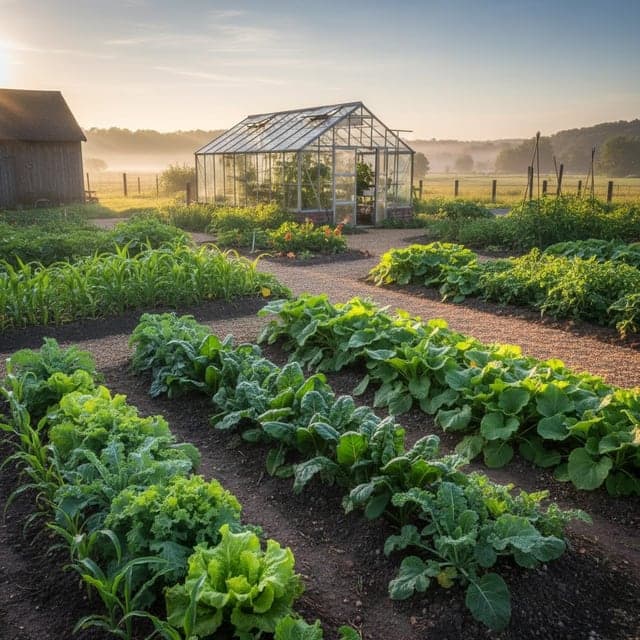
Time US cool-season and warm-season vegetables using local 50% frost dates and 4-inch morning soil temperature instead of USDA Hardiness Zones alone, with germination charts, regional windows, and…
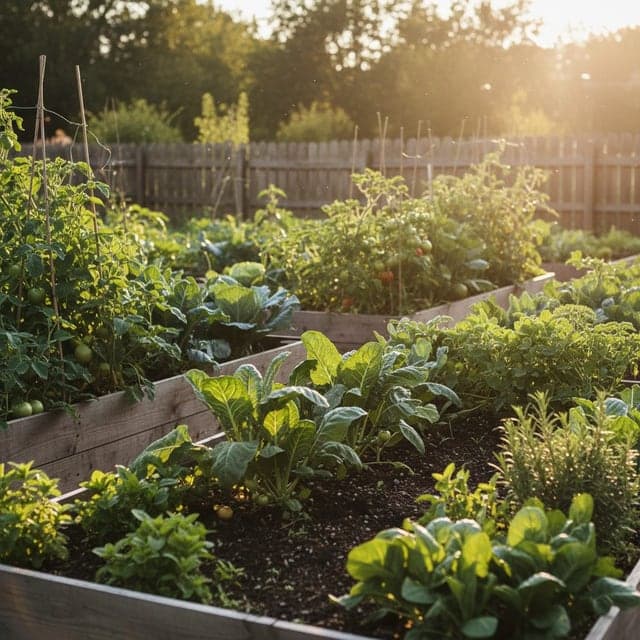
Master USDA Zones 3a–4b (-40°F to -20°F) gardening with exact frost-free windows, 2–4 inch soil-temperature germination gates, row-cover and cold-frame lift math, and winterkill vs. overwintering c…
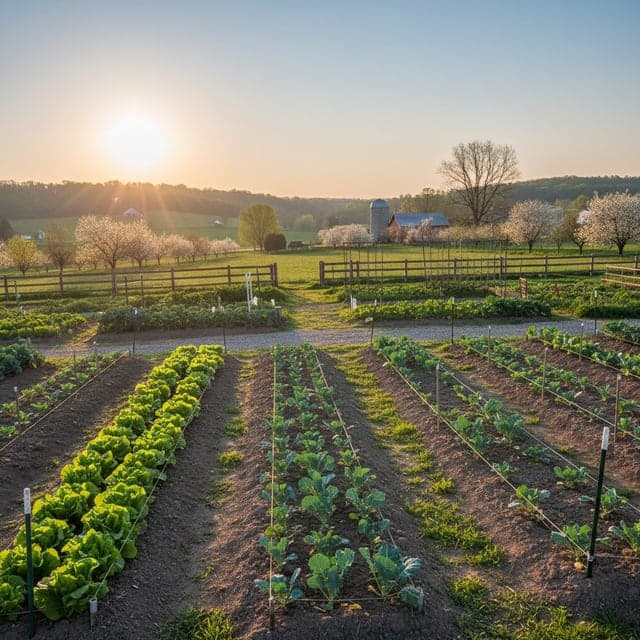
Find your average last and first frost dates to calculate growing season length in USDA Zone 6. Plan crop rotation and succession planting around your frost-free window.
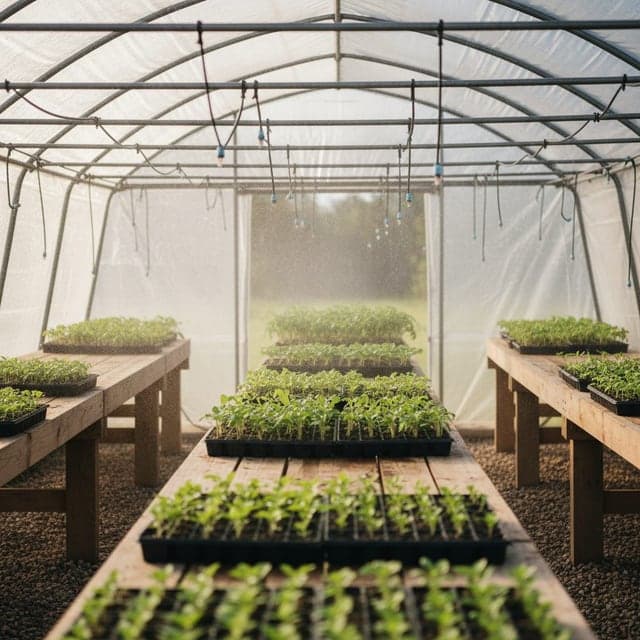
Scale your plant propagation with budget-friendly DIY benches, a simple hoop house, and an effective mist bed. Extend your growing season and boost success rates for seeds & cuttings in USDA Zone 6.

How to organize spring plant sales in USDA Zone 6, including pricing methods, container sizes, and seed starting schedules.
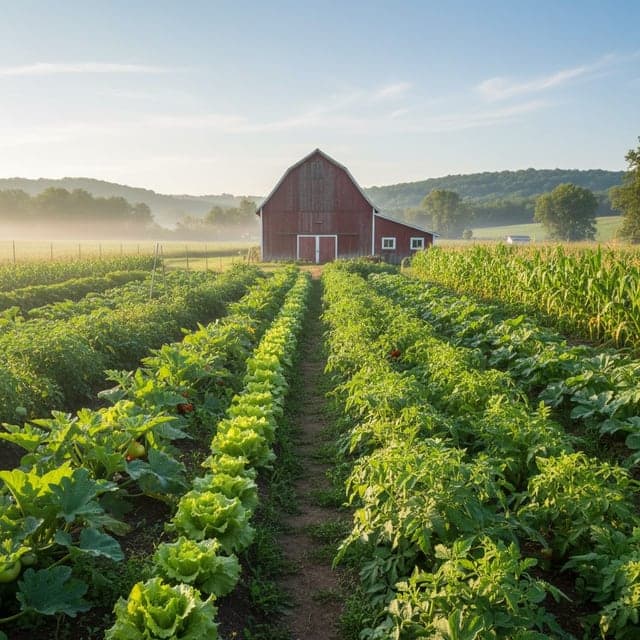
Master optimizing planting times for spring and fall across USDA zones. Learn how precise timing, soil prep, and microclimates boost yields for homesteaders.
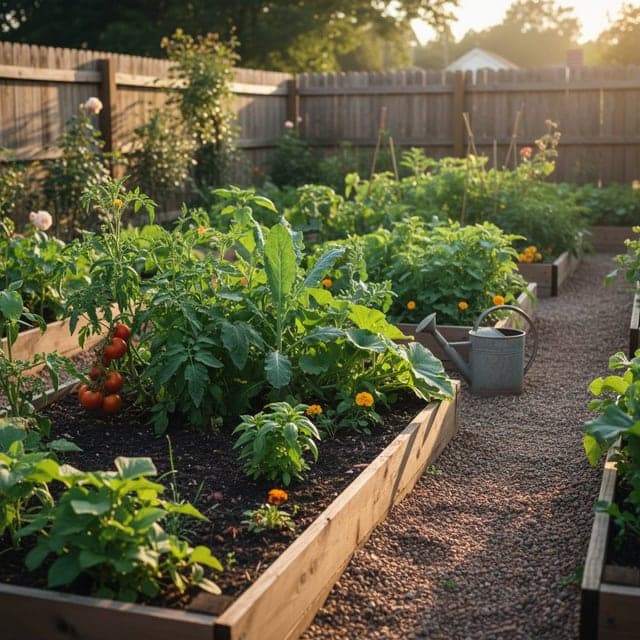
Dividing perennial edibles like rhubarb and asparagus rejuvenates plants, prevents overcrowding, and boosts garden productivity by 25% across USDA zones 4-8.
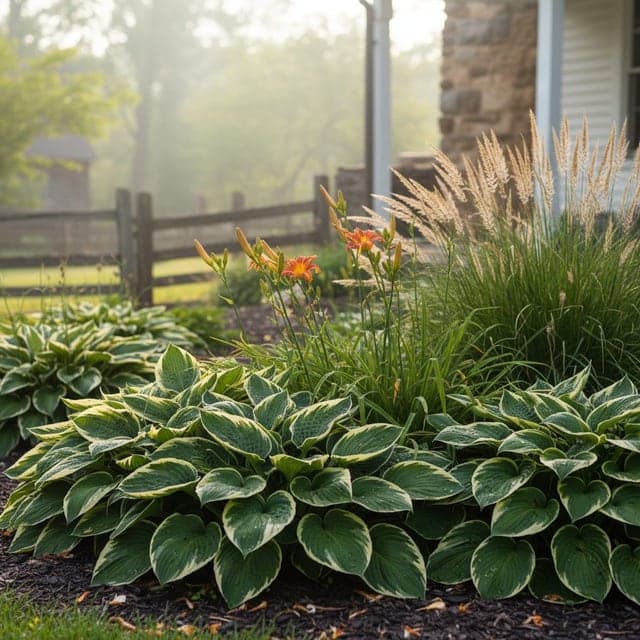
How to divide hostas, daylilies, irises, and ornamental grasses to multiply plant stock by 300%, covering timing, division methods, and replanting in USDA Zone 6.
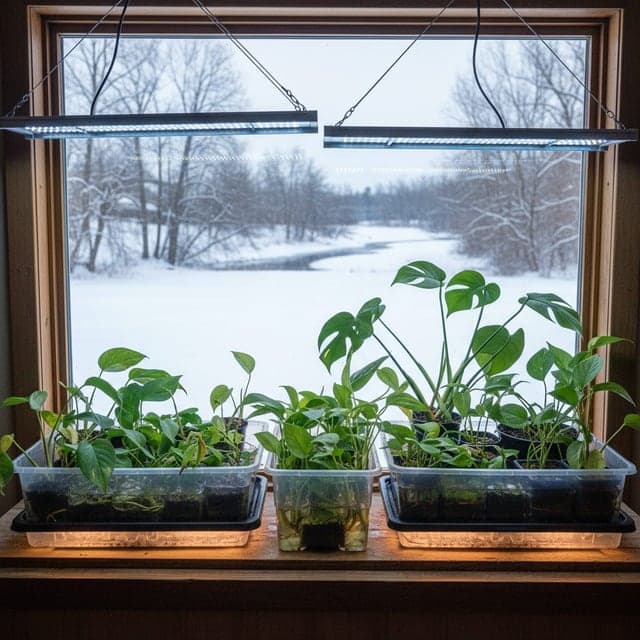
Master winter plant propagation. Learn how to prevent rot in cuttings by managing temperature, moisture, and light. Achieve 80%+ success rates even in cold weather with these expert tips.
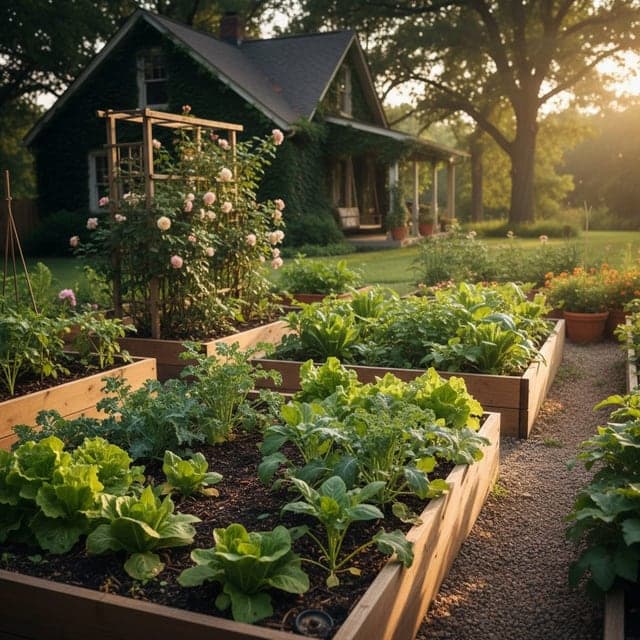
Master Ficus carica propagation. Learn key indicators for water root maturity, prevent transplant shock, and achieve high success rates when potting up fig cuttings in USDA Zone 7.
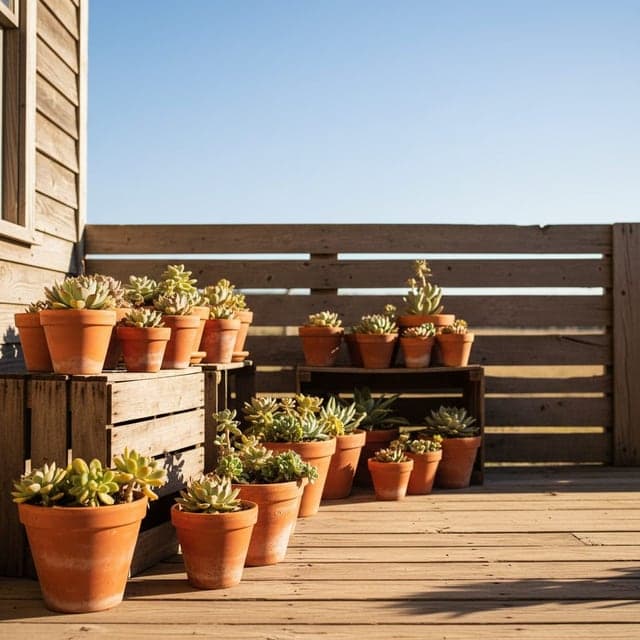
Learn to propagate succulents in USDA Zone 8 with three proven methods. Achieve a 90% success rate by selecting healthy material, proper callusing, and optimal care.
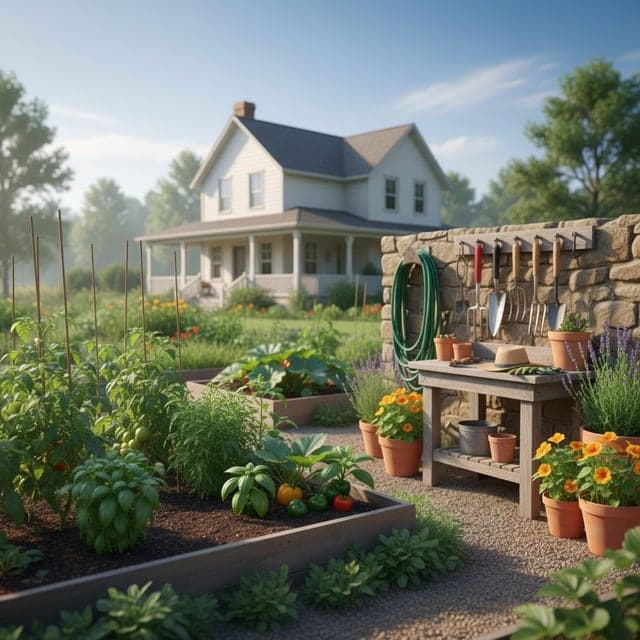
Master plant propagation methods for your garden. Learn about cuttings, air layering, and grafting to expand your plants, save money, and improve gardening skills in USDA Zone 7.
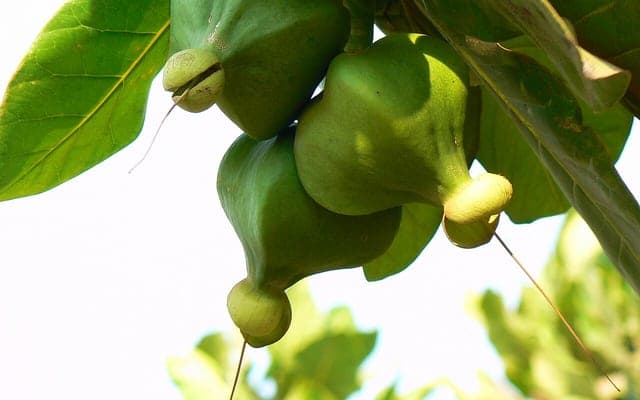
Clone true-to-type figs, pomegranates, mulberries, citrus, and subtropical fruit trees on the parent branch with clean cambium scraping, wrung-out sphagnum moss, aluminum-foil solar shielding, and…
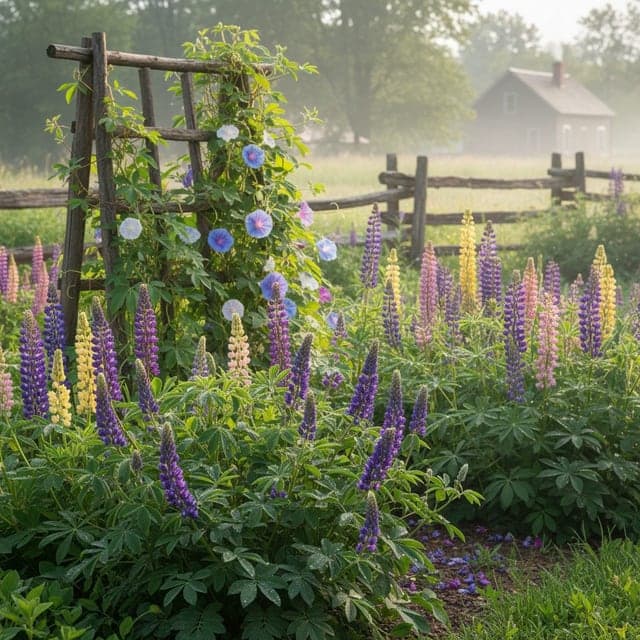
Learn how scarifying seeds like lupine, morning glory, and baptisia can dramatically boost germination rates from 20% to 90%. Discover mechanical and hot water methods for success.
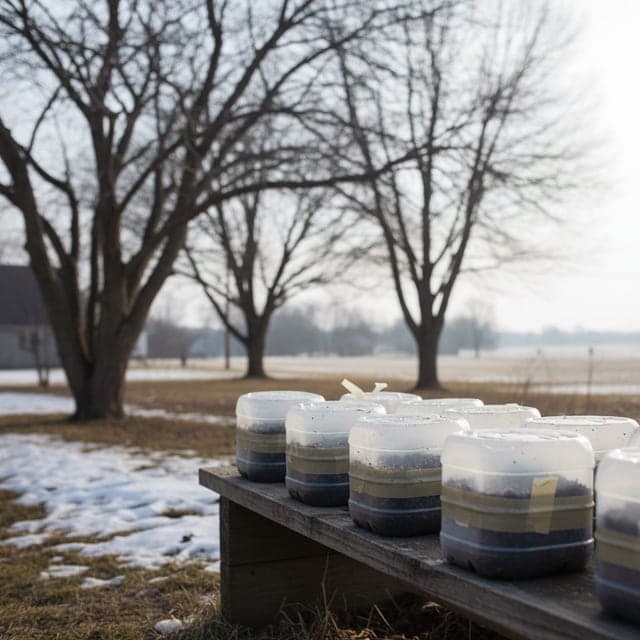
Master winter sowing with essential tips for optimal moisture and temperature. Prevent ‘cooking’ or ‘drowning’ seeds to boost germination rates by 20-30% for a successful spring garden.
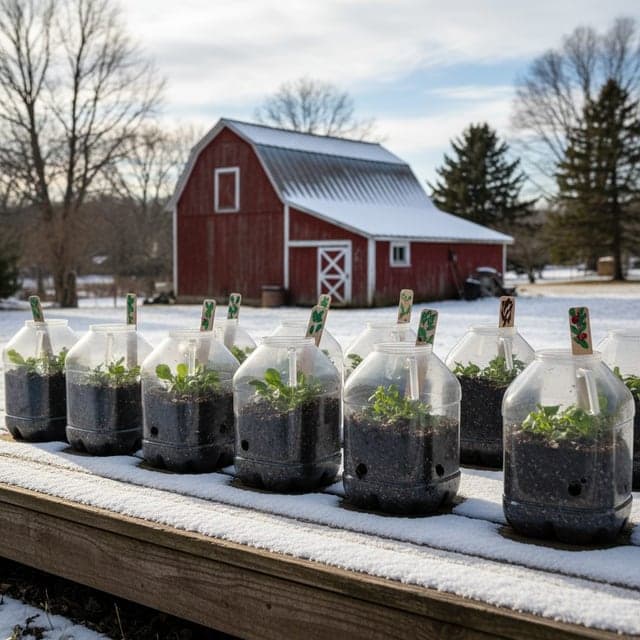
Learn how winter sowing extends your growing season by up to 30 days, reduces costs by eliminating grow lights, and produces stronger, naturally hardened-off plants for your garden.
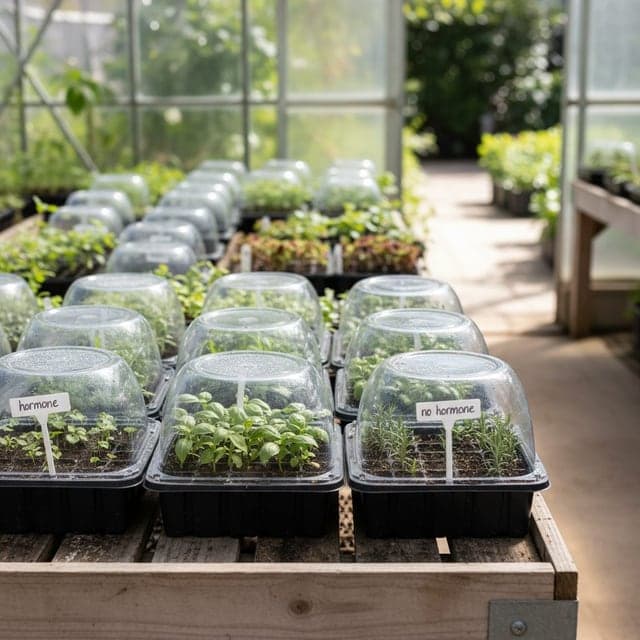
Match rooting hormone concentrations (0 to 8,000 ppm IBA and NAA) to softwood, semi-hardwood, and hardwood cuttings, compare talc powder vs. 5-second alcohol quick-dips vs. gels, stop cross-jar pat…
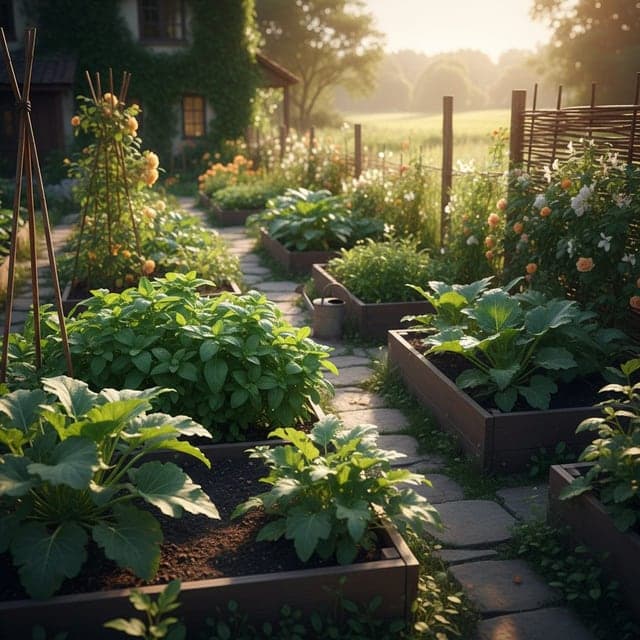
Compare DIY natural rooting hormones with commercial options. Learn how to boost plant propagation success rates for various species in your garden or nursery.
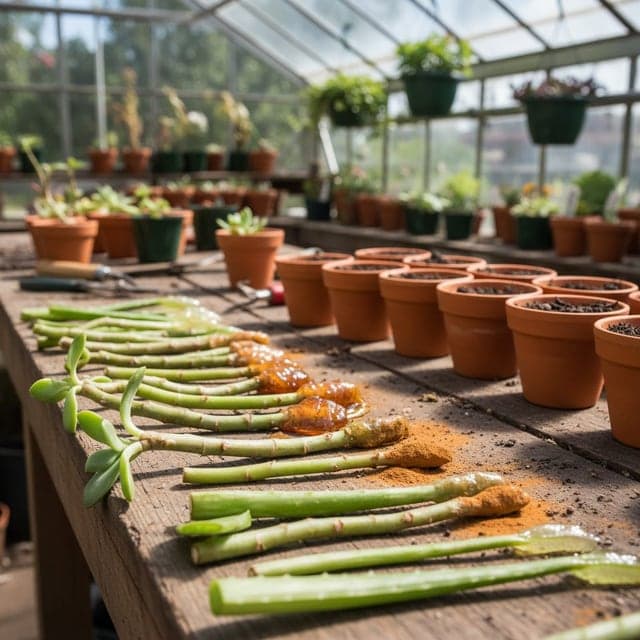
Scientific evidence behind honey, aloe vera, and cinnamon as DIY rooting aids for plant propagation, and how these natural alternatives perform for US growers.
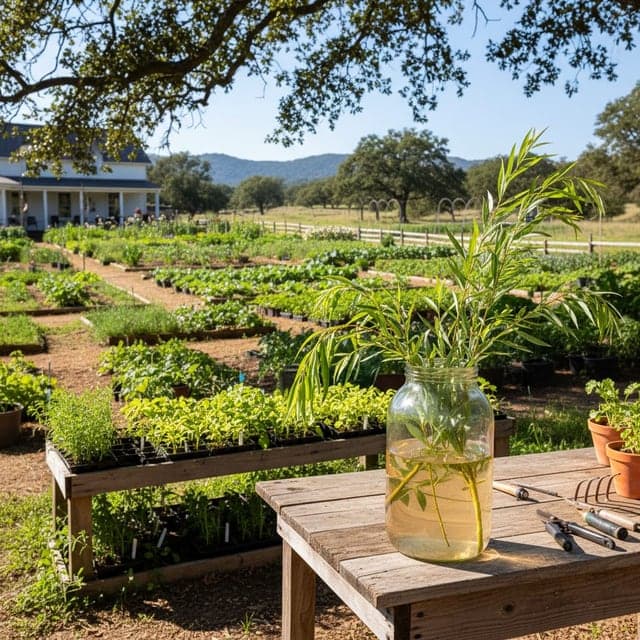
Brew willow water from pencil-thick green Salix shoots to extract natural IBA auxin and salicylic acid, compare results against 1,000–3,000 ppm commercial IBA gels, prevent 4–7 day bacterial slime,…
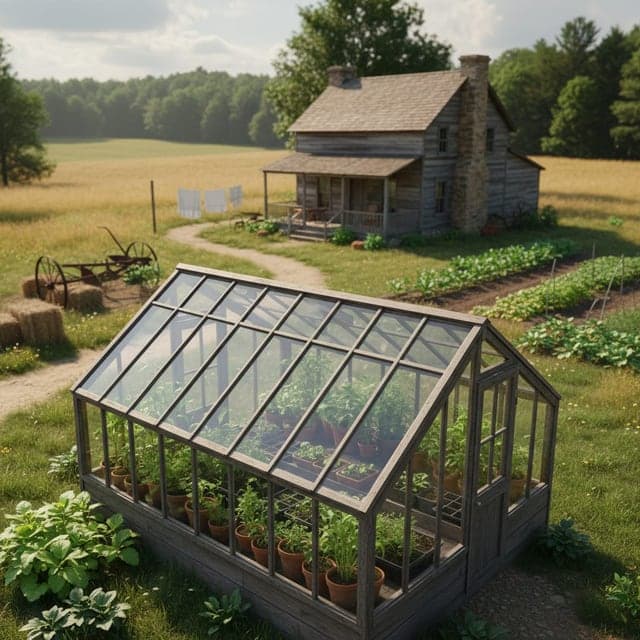
Build a reliable DIY humidity dome or intermittent mist bench for US plant cuttings: 0.3–0.4 kPa VPD targets, thermostat bottom heat, species exceptions, Botrytis sanitation, and a 14-day hardening…
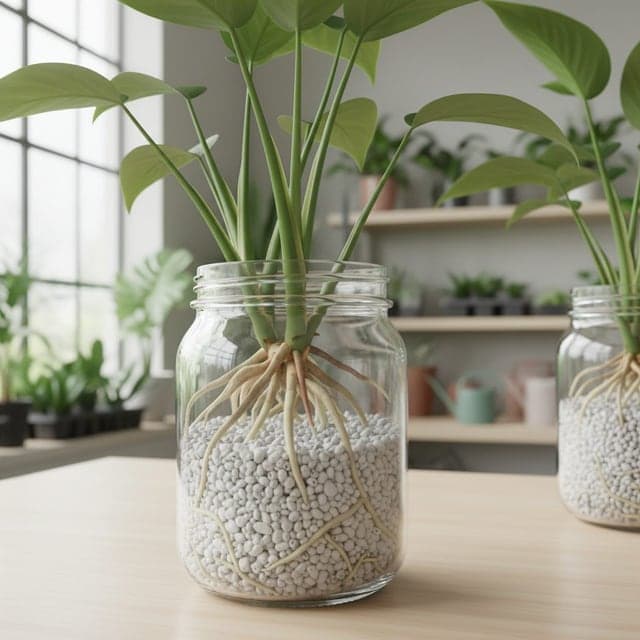
Compare coarse perlite, water rooting, and sterile soilless mix for propagating plant cuttings. Includes air-filled porosity data, the 1-inch subirrigated perlite cup setup, bottom-heat targets, wo…