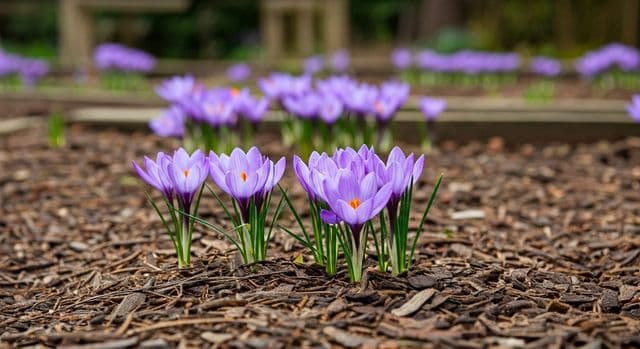
Growing saffron in USDA Zones 6-9: planting & soil guide
How to grow saffron in USDA Zones 6-9, covering planting depth, soil preparation, and drainage for successful cultivation in various US regions.
Tag
344 articles in this tag on agripure. — page 3 of 15
How to grow saffron in USDA Zones 6-9, covering planting depth, soil preparation, and drainage for successful cultivation in various US regions.
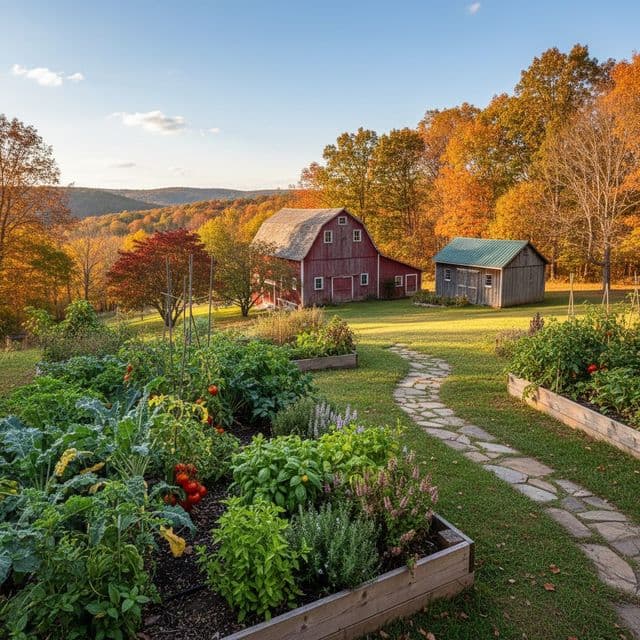
How to select and source high-quality saffron corms for USDA zones 6-8, including climate requirements, soil preparation, and planting advice.
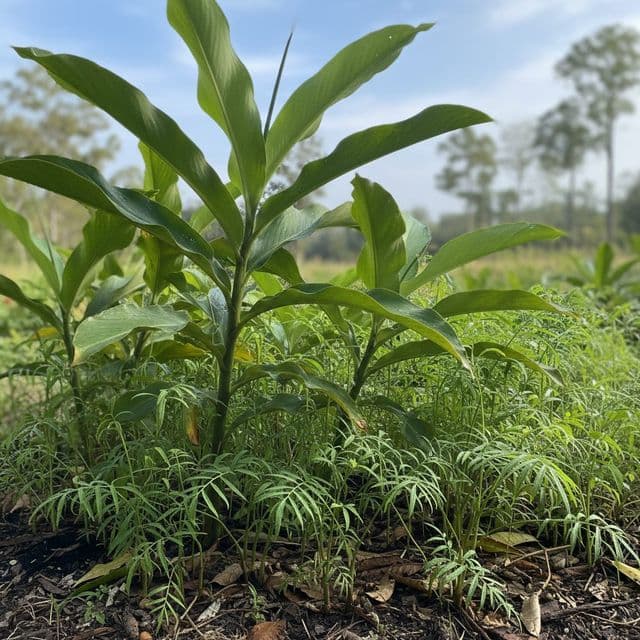
Learn how to successfully grow galangal and fingerroot, tropical ginger relatives, in USDA Zones 8-11. This guide covers planting, soil, and care for a bountiful harvest.
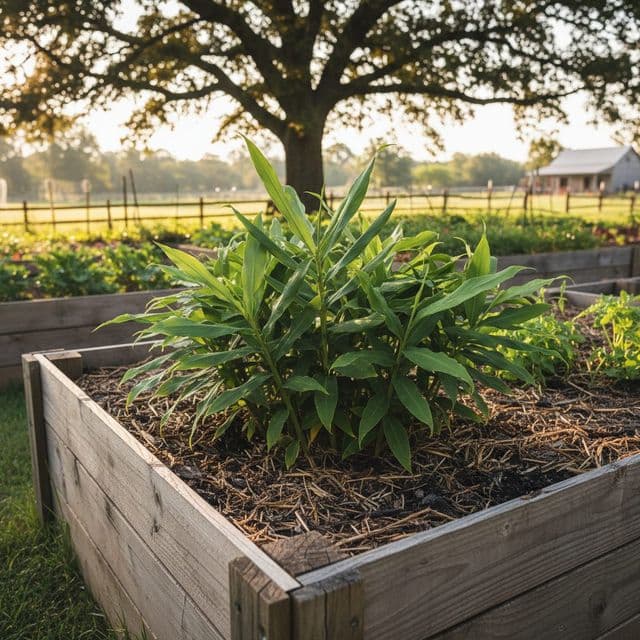
Learn to grow in-ground ginger in USDA zones 8-11. This guide covers bed prep, soil pH, partial shade, hilling, and harvesting for a bountiful yield of fresh rhizomes.
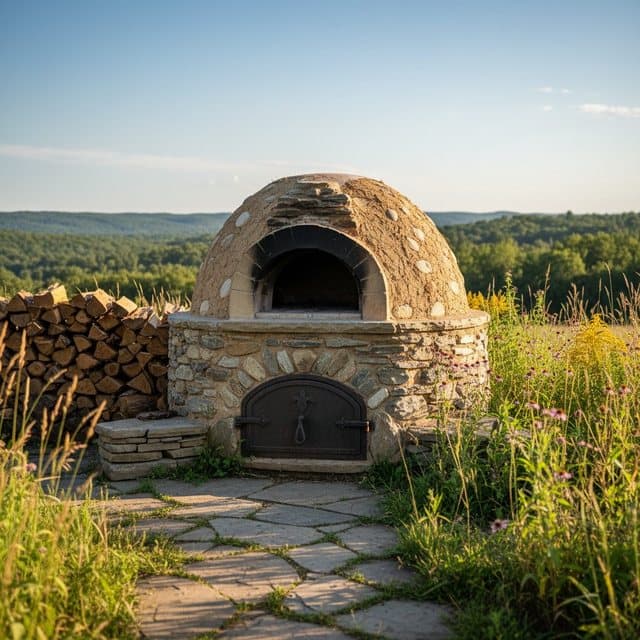
How to build durable, low-cost wood-fired earth ovens that reduce cooking fuel costs by 25-35% and support off-grid self-sufficiency with natural materials.
Explore durable, low-cost earth building methods like cob, earthbag, adobe, and rammed earth for your homestead. Learn how these natural techniques offer energy efficiency and resilience.
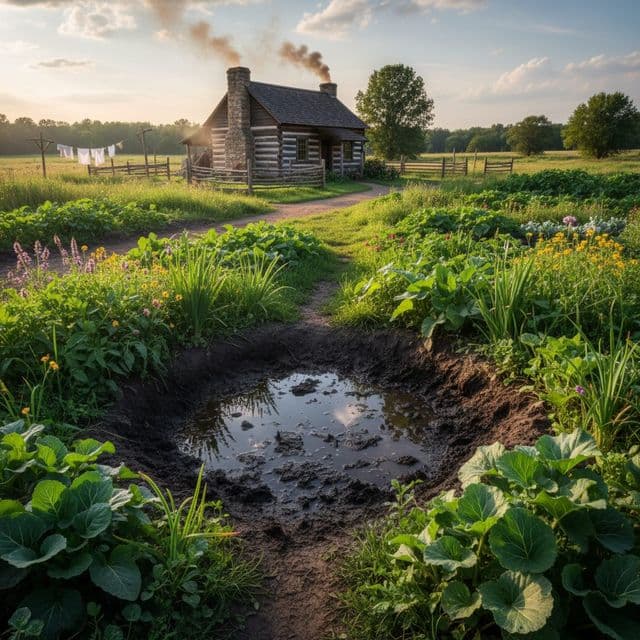
Struggling with wet garden spots? Discover how to select the best plants for poorly drained soil. Learn strategies to improve drainage & cultivate a thriving garden.
Discover plants that thrive in salty and saline soils. Learn how to select species for coastal areas and near de-iced roads, mitigate salt damage, and cultivate resilient landscapes in challenging…
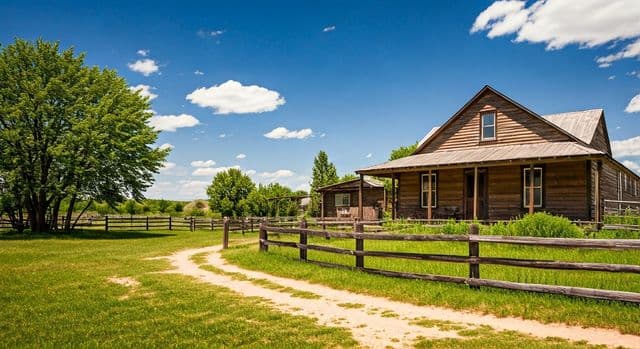
Discover the best plants for erosion control and slope stabilization in US Zone 6. Learn how root structures, site conditions, and bioengineering protect your land effectively.
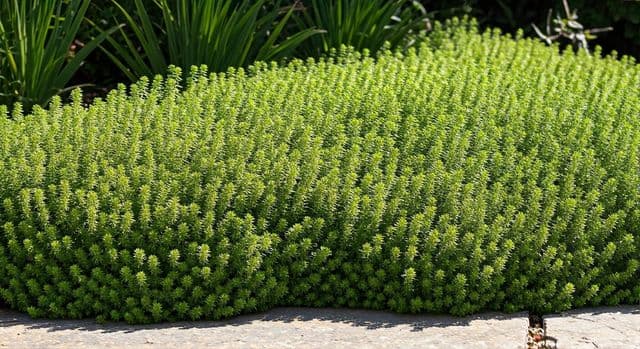
Discover effective USDA Zone 5 groundcovers that reduce weed emergence by up to 80%. Learn to select plants for your soil & light to create a low-maintenance, healthy garden.
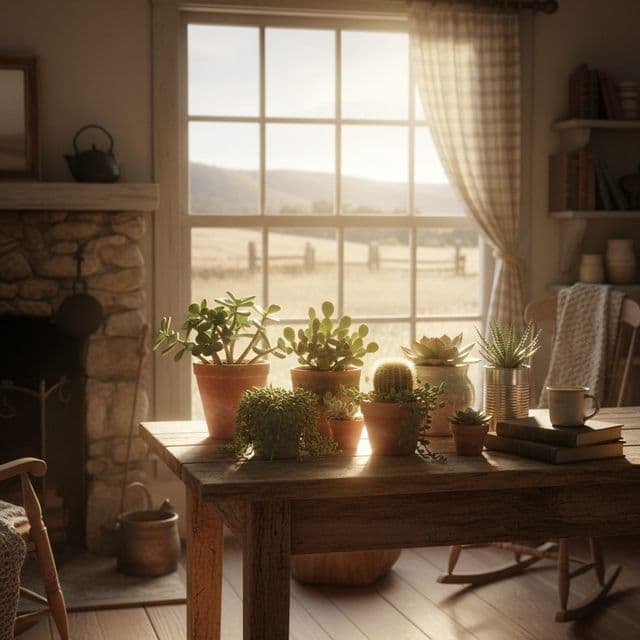
Master growing succulents indoors and cacti in US homes. Learn essential tips for light, soil, watering, and pest control to help your desert plants thrive from Arizona to Maine.
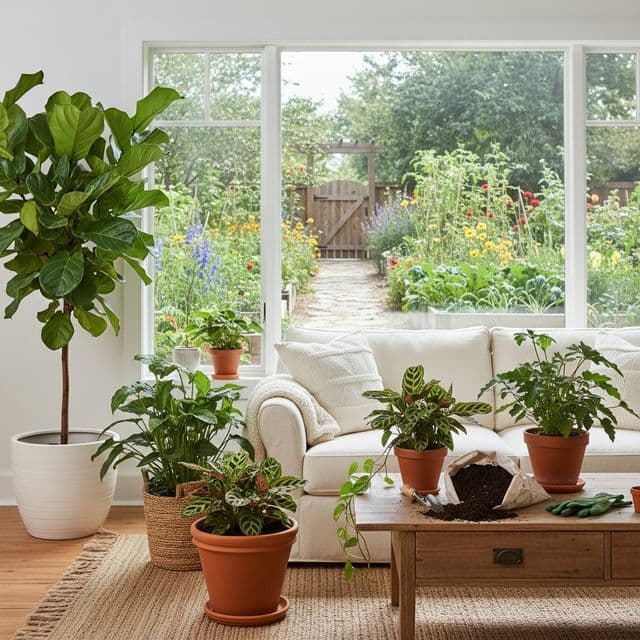
Master houseplant repotting with this guide. Learn timing, soil mix, and root-bound signs for thriving indoor plants. Prevent issues and ensure healthy growth.
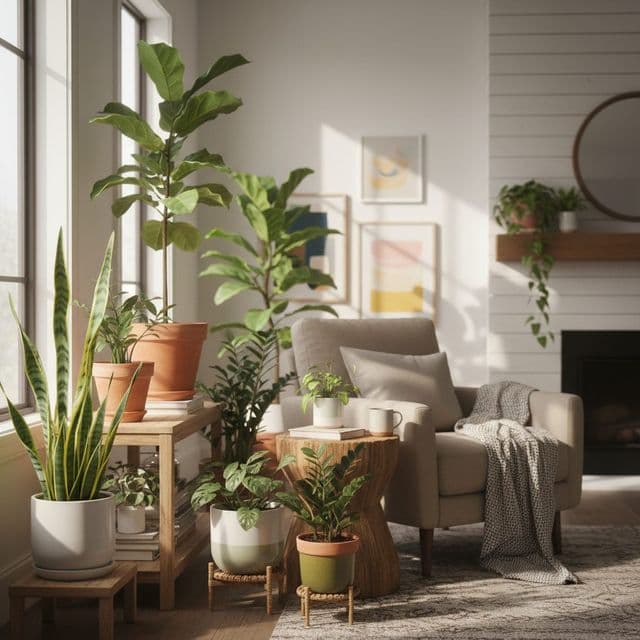
Master houseplant watering to prevent root rot and ensure healthy growth. Learn data-backed methods for soil moisture, pot choice, and techniques for US homes.
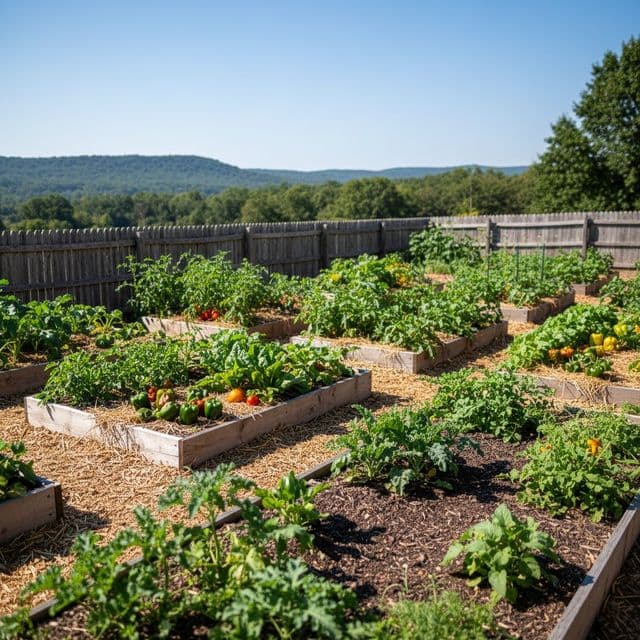
Unlock your garden’s potential with organic soil amendments. Learn how to interpret soil tests, adjust pH, and apply amendments effectively for thriving home gardens in USDA Zone 6.
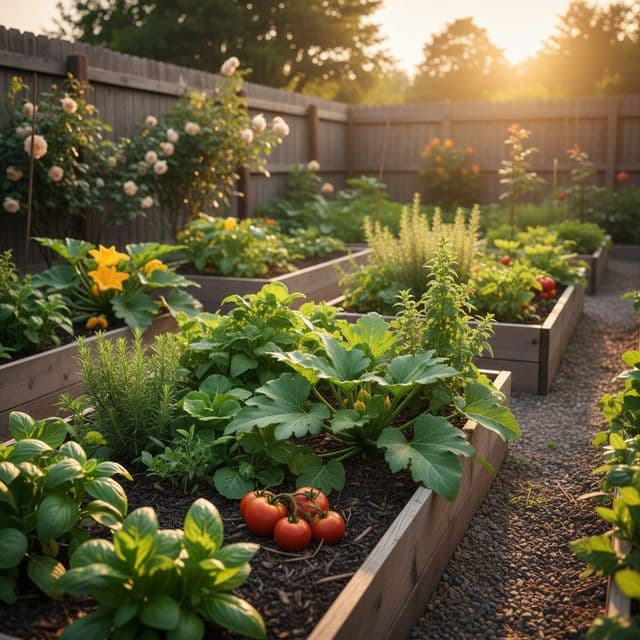
Learn how to adjust soil pH for acid-loving plants like blueberries in USDA Zone 6. Discover soil testing methods, effective amendments like elemental sulfur, and tips for optimal plant health.
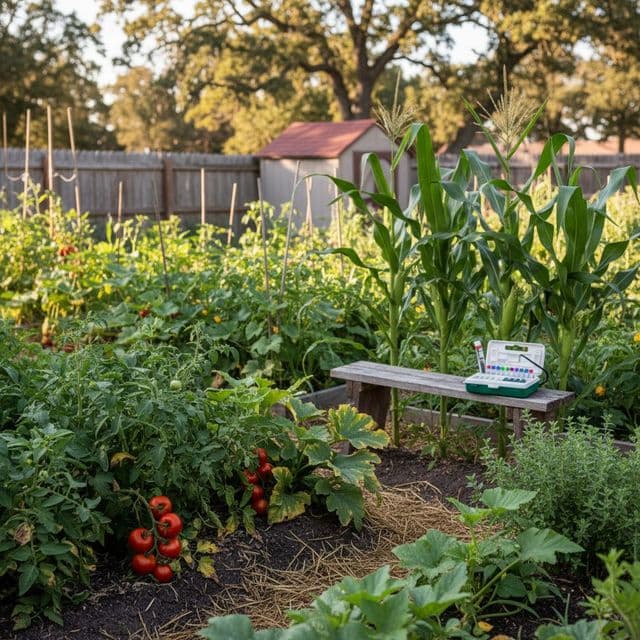
Learn to identify common plant nutrient deficiencies in your Midwest garden by observing leaf symptoms. Get natural fixes, understand soil pH, and ensure a thriving harvest.
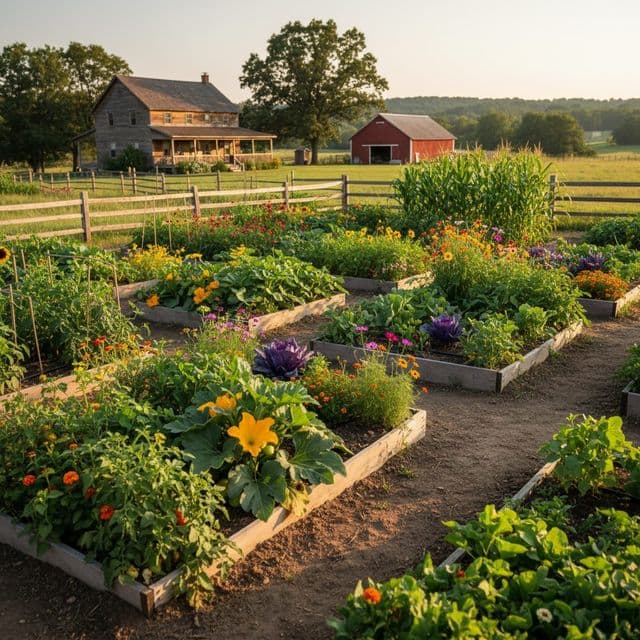
How to fix three common US garden soils (heavy clay, droughty sand, and compacted lawn beds): diagnostic steps, organic amendments, and aeration techniques.
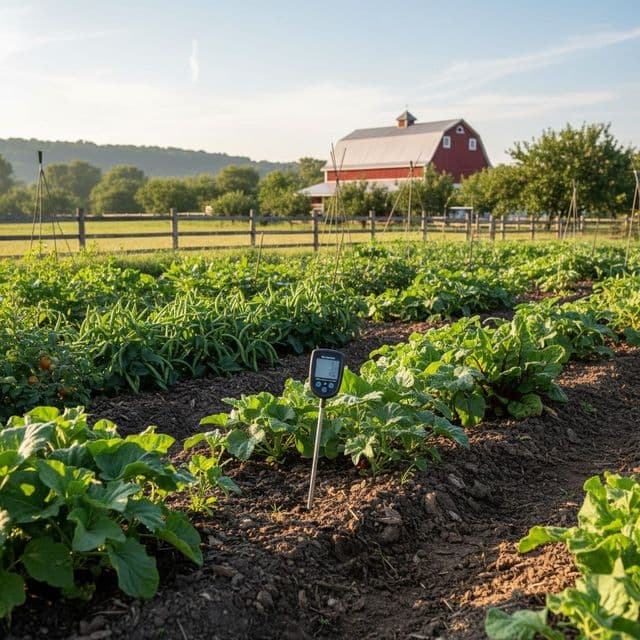
How to collect soil samples, select a testing lab, and interpret pH, NPK, and micronutrient reports for a USDA Zone 6 garden.
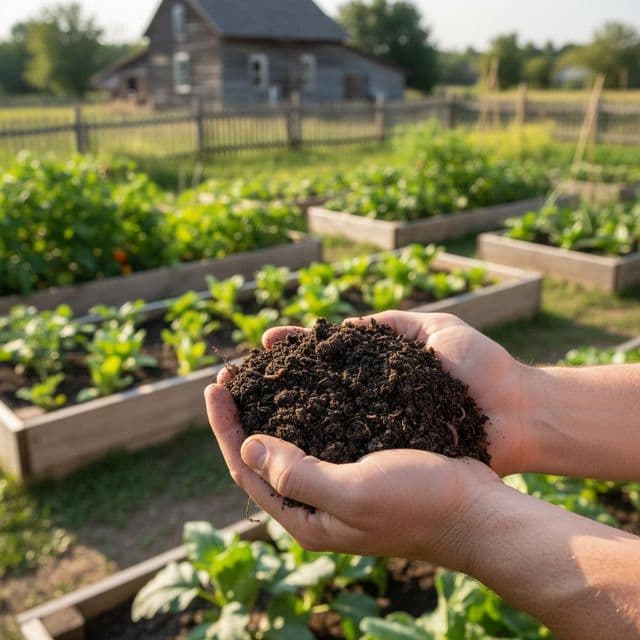
Learn DIY garden soil testing for texture, pH, and drainage, then match your amendments to what the tests actually show. Essential for Zone 6.
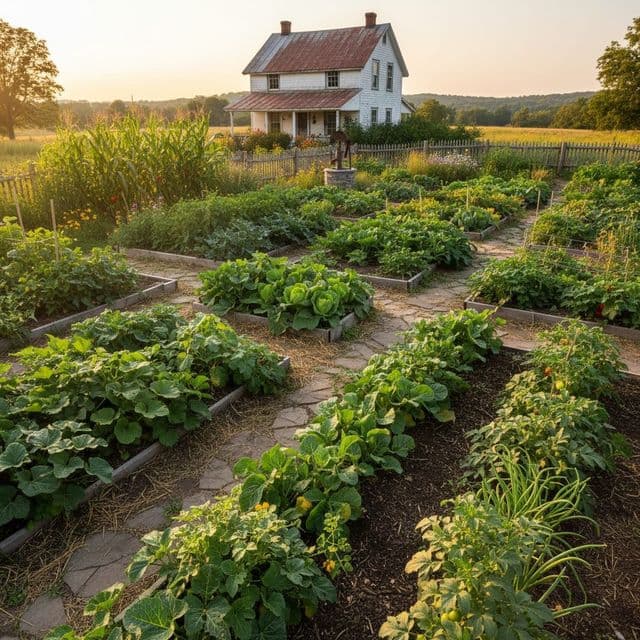
Learn the optimal soil pH for vegetable gardens, how to test soil accurately, and apply amendments like lime or sulfur for thriving plants. Get expert tips.
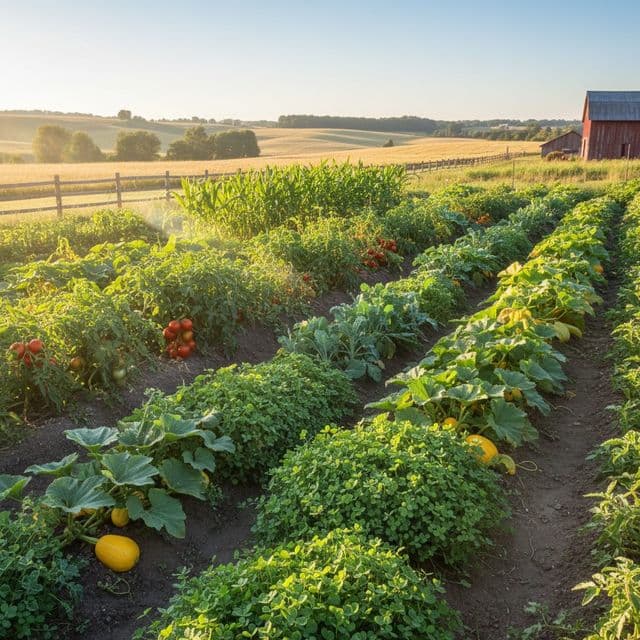
Improve your USDA zone 6 garden’s soil with green manures and cover crops. Improve fertility, structure, and water retention using permaculture principles for a resilient garden.
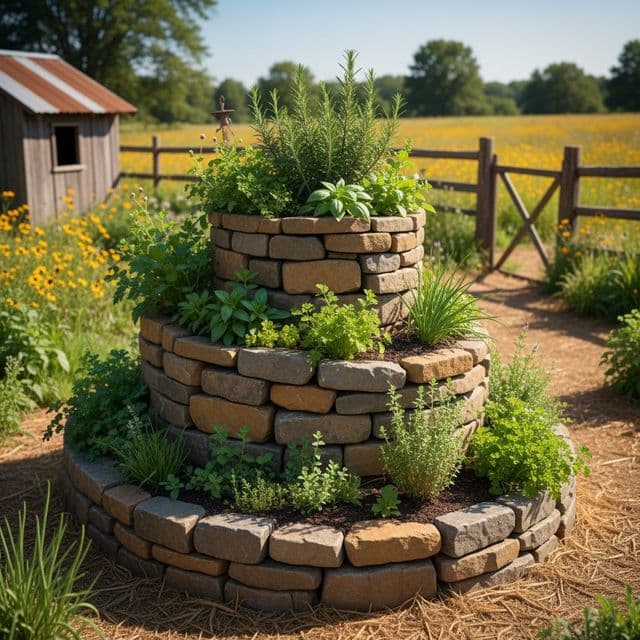
Learn to build an herb spiral, a permaculture design creating diverse microclimates for herbs in small spaces. Maximize sun, water, and yield in your USDA Zone 6 garden.
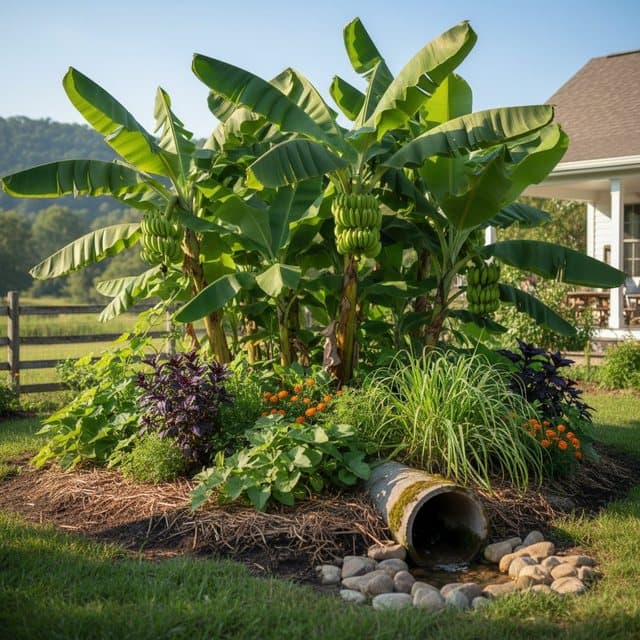
Learn to build a banana circle for greywater recycling and growing heat-loving crops in USDA Zones 8-10. Improve soil fertility and reduce water use.
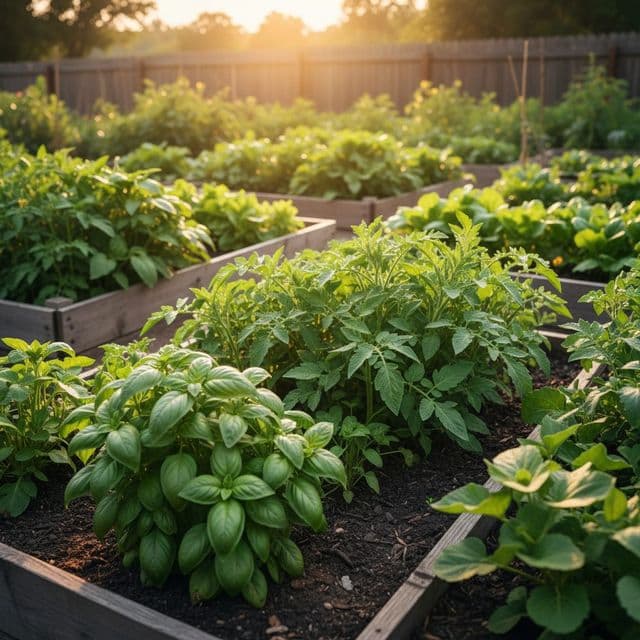
Discover how permaculture plant guilds create self-supporting ecosystems, reducing inputs and boosting productivity. Learn to design resilient guilds for your USDA Zone 6 homestead.