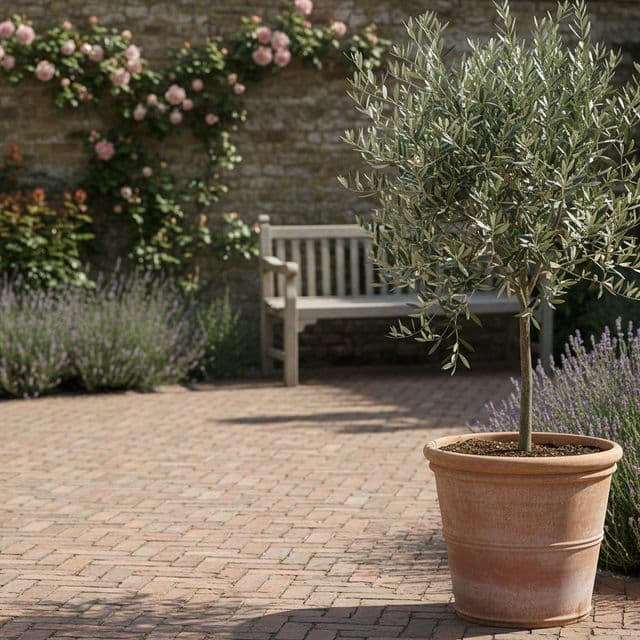
Apple tree guild: comfrey, daffodils, chives, clover
How to design an apple tree guild for USDA Zone 6 using comfrey, daffodils, chives, clover, and yarrow to support tree health, deter pests, and build soil.
Tag
344 articles in this tag on agripure. — page 2 of 15
How to design an apple tree guild for USDA Zone 6 using comfrey, daffodils, chives, clover, and yarrow to support tree health, deter pests, and build soil.
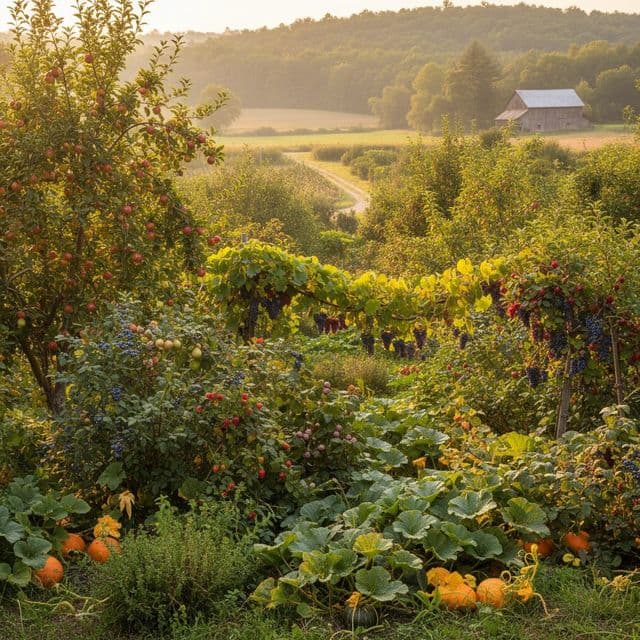
Establish a thriving food forest in USDA Zone 6 with this realistic 5-year timeline. Learn site prep, planting, and maintenance for self-reliance and a productive ecosystem.
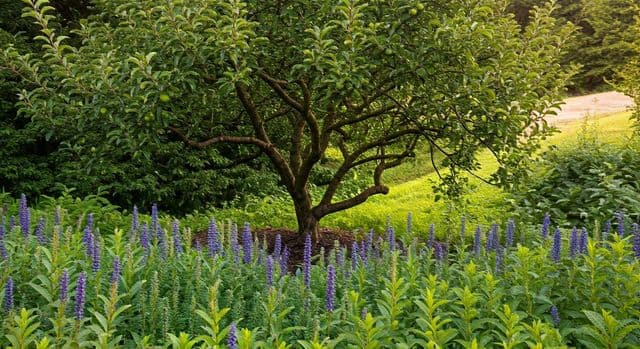
Design a resilient PNW food forest guild for USDA Zone 7. Learn about apple, currant, and comfrey guilds, water management with swales, and permaculture principles for high yields.
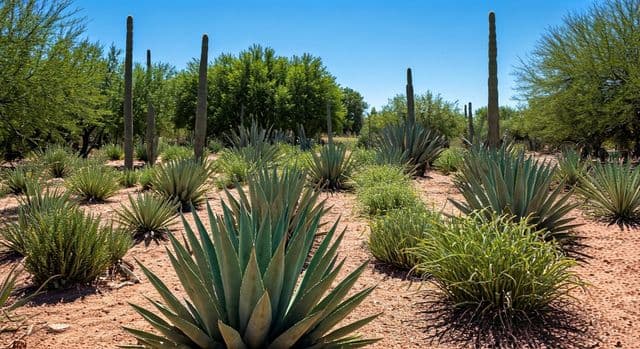
How to design an arid food forest in the Southwest (USDA Zones 6-9), covering low-water plant selection, water harvesting, and microclimate strategies.
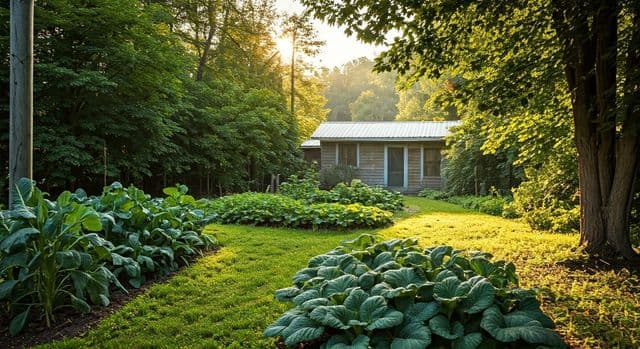
Key food forest species for the humid Southeast & Gulf Coast (USDA Zones 8-9), including permaculture design, plant guilds, and water management for a productive ecosystem.
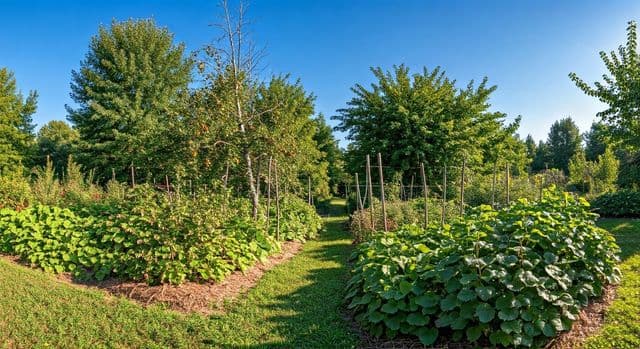
Design thriving cold climate food forests in USDA Zones 3-5 (Northeast & Upper Midwest). Learn species selection, water management with swales, and layering for resilient, productive systems.
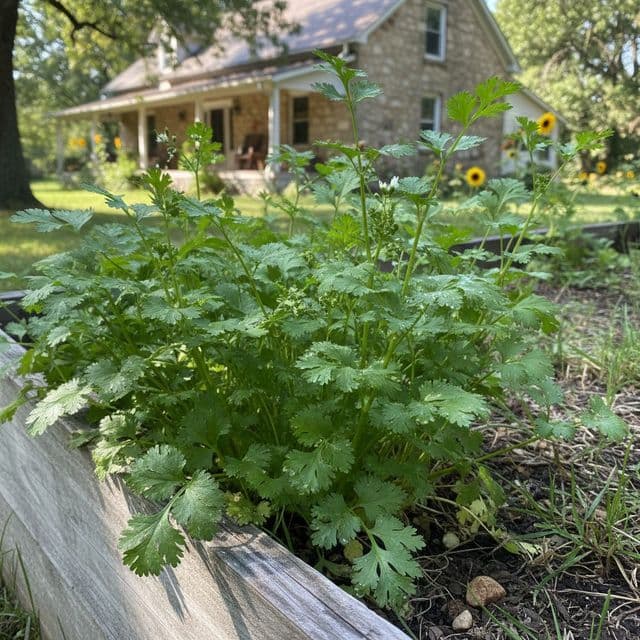
Learn how to harvest both cilantro leaves and coriander seeds from the same plant. Discover slow-bolting varieties and cultivation tips for USDA zones 4-9.
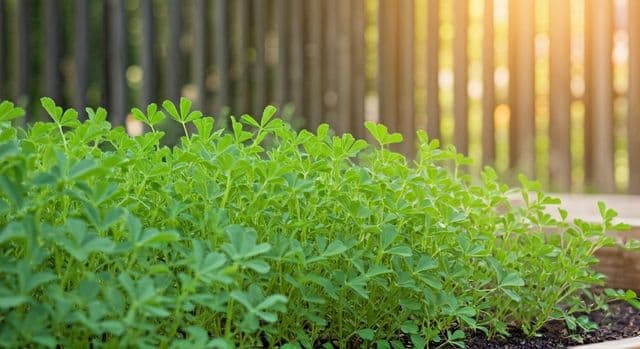
Learn to grow fenugreek (methi) for a dual harvest of quick greens (2-3 weeks) and robust spice seeds (3-5 months). Ideal for USDA zones 6-10 with full sun & well-drained soil.
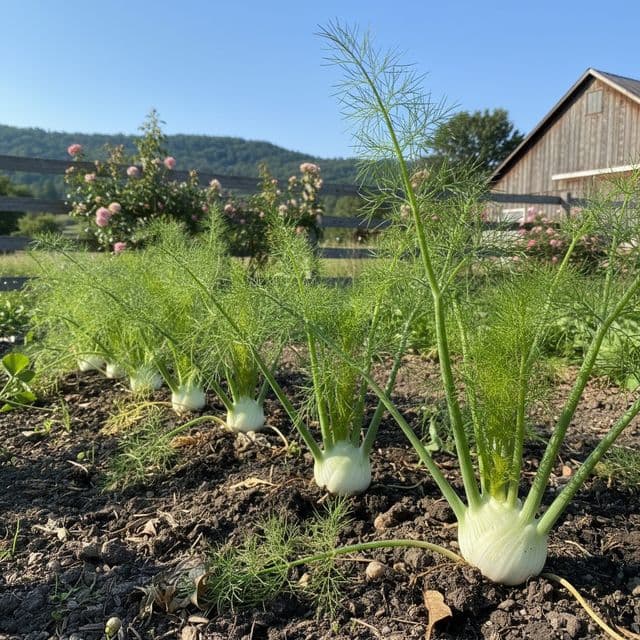
Learn to grow fennel in USDA zones 4-9, distinguishing bulb from herb varieties. Discover planting times, soil needs, and strategies to prevent early bolting for a successful harvest.
Learn to grow and safely harvest rhubarb in USDA zones 3-8, covering planting, soil preparation, care, and toxic leaf precautions.
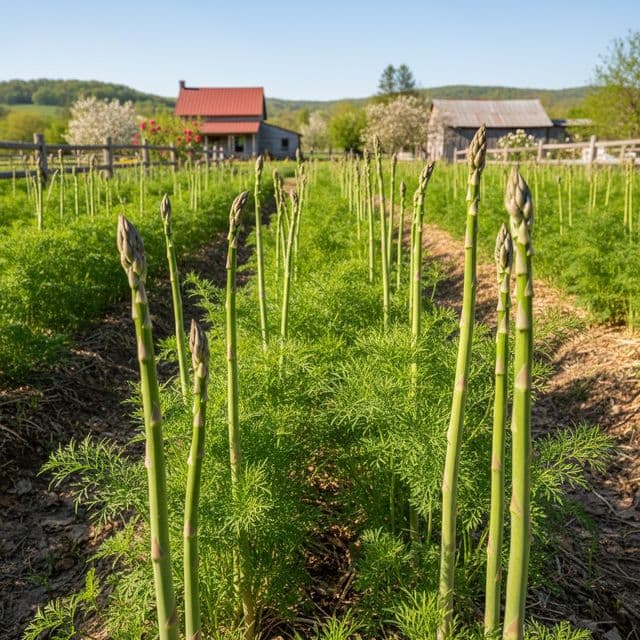
Learn how to establish and care for asparagus crowns for decades of harvest. This guide covers site selection, soil prep, planting, and male-dominant varieties for USDA zones 4-9.
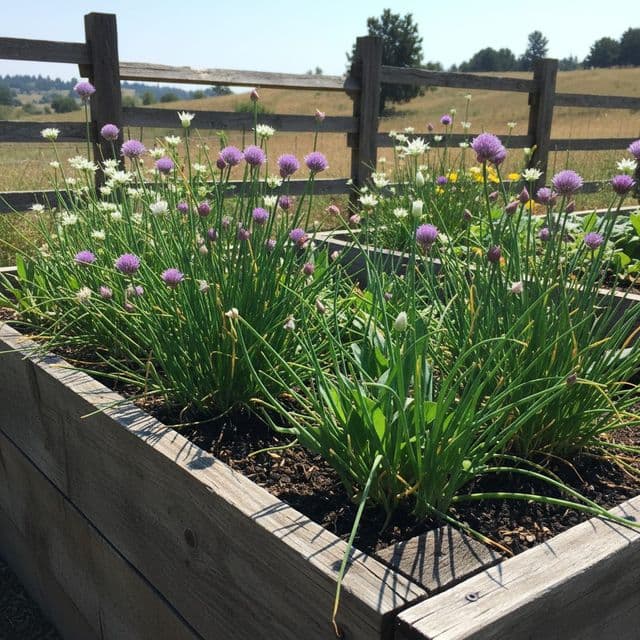
Learn to grow chives and garlic chives year-round in USDA zones 3-9. Get tips for planting, care, and continuous harvest of these resilient, flavorful herbs for your homestead.
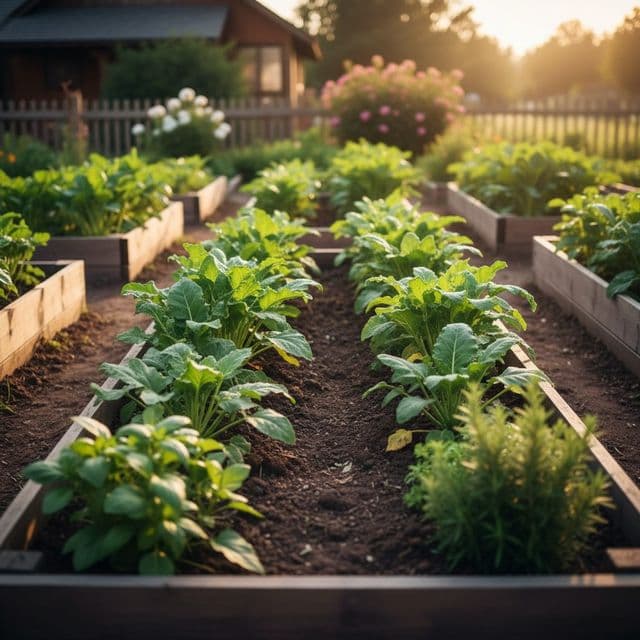
How to grow dill in USDA zones 3-9, covering direct sowing, care, harvesting leaves and seeds, and supporting swallowtail butterflies.
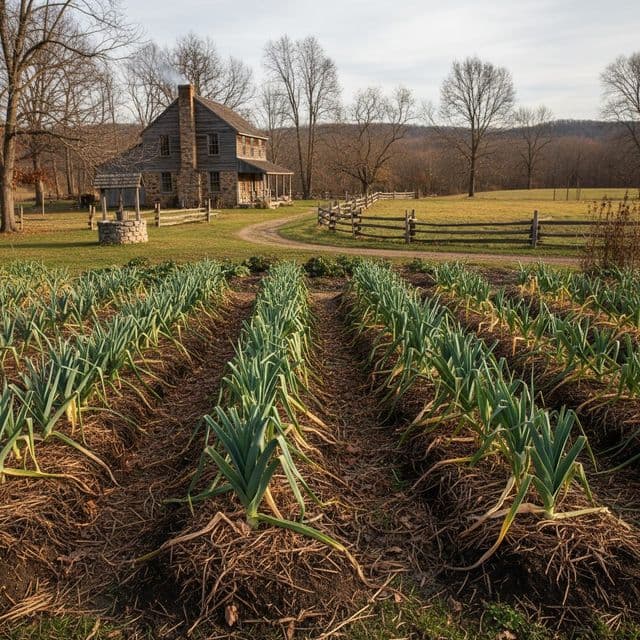
Extend your leek harvest. Learn how to grow and successfully overwinter leeks in USDA Zones 6 & 7. Get tips on cold-hardy varieties, soil prep, and protection for year-round fresh leeks.
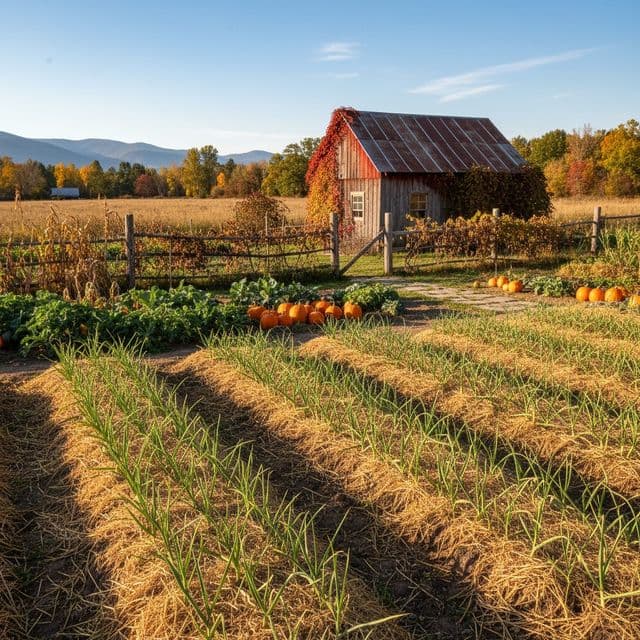
Master fall garlic planting. Learn when to plant, choose hardneck vs. softneck varieties by USDA zone, prepare soil, harvest scapes, and cure bulbs for a bountiful harvest.
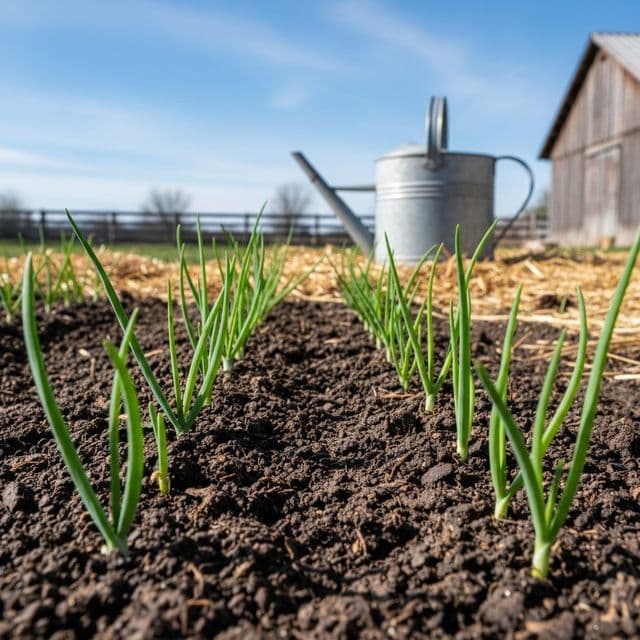
Master growing onions for high yields. Learn to choose between seeds, sets, or transplants for optimal harvest. Achieve 300-400 bushels/acre in USDA Zone 5 with our guide.
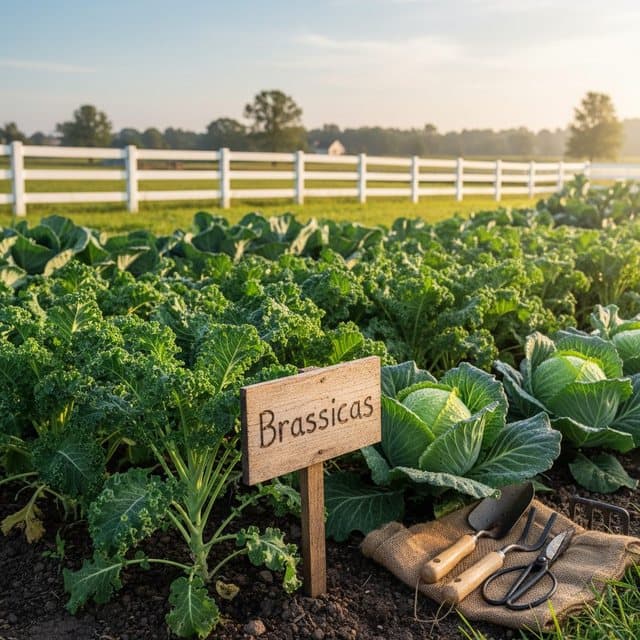
Protect your US brassica crops from clubroot and black rot. Learn effective brassica disease management strategies: crop rotation, soil pH, resistant varieties, and sanitation.
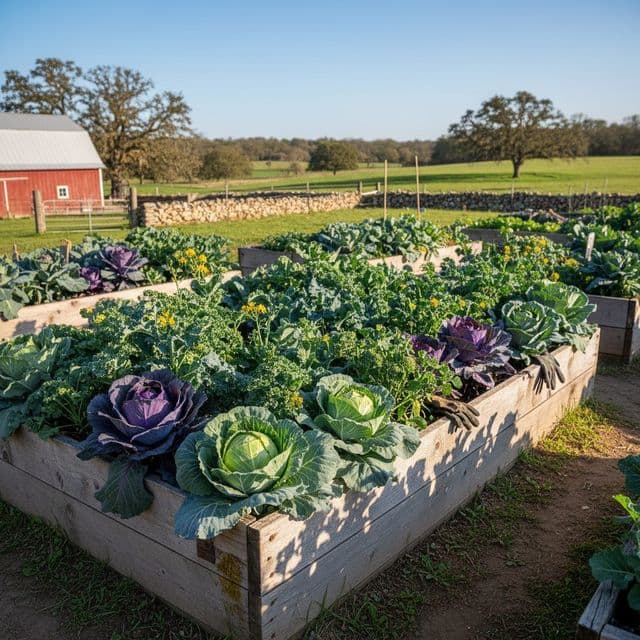
Learn organic strategies to control cabbage worms, aphids, and flea beetles in US brassica gardens. Protect your cabbage, broccoli, and kale without synthetic chemicals.
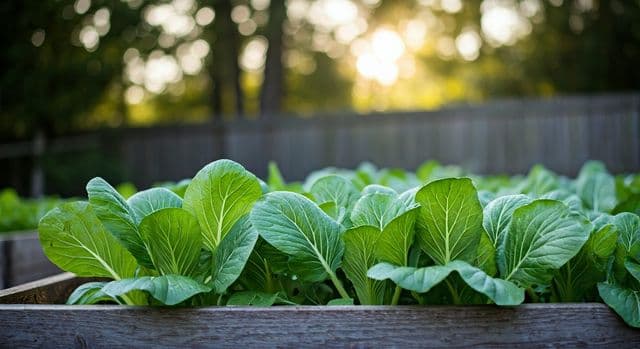
How to grow bok choy and napa cabbage for quick harvests across US climates, including planting schedules, soil needs, and pest management.
How to blanch cauliflower for mild flavor and sun protection in USDA Zone 6 and beyond, with tips on soil, watering, and harvest timing.
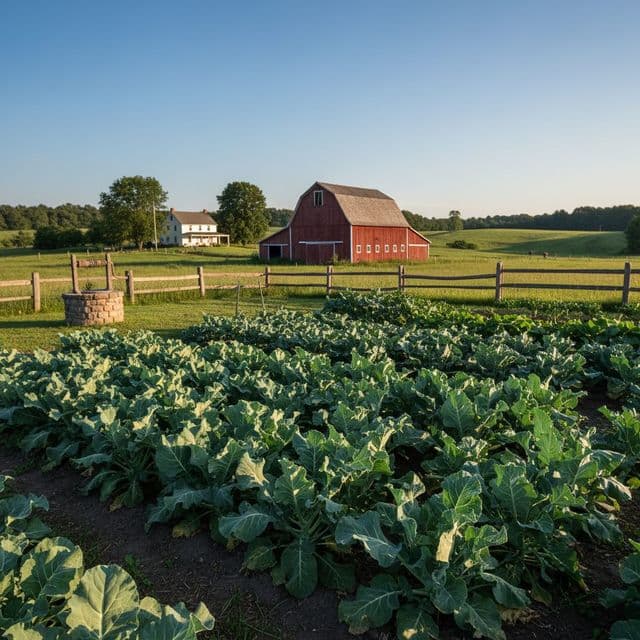
Master growing brassicas like cauliflower & broccoli. Learn how to prevent brassica bolting, buttoning, and loose heads to achieve higher yields and quality in your US garden.
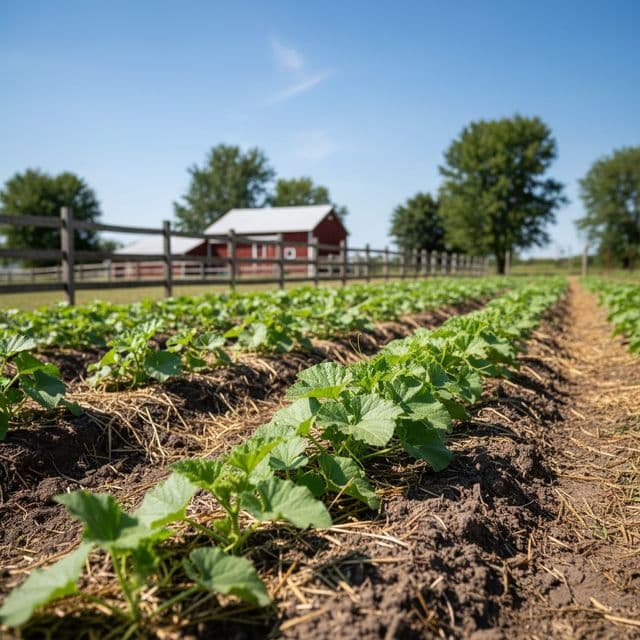
Master growing melons! Learn when to start seeds indoors or direct sow based on frost dates & soil temps. Get tips for optimal germination, soil prep, and a bountiful 90-day harvest.
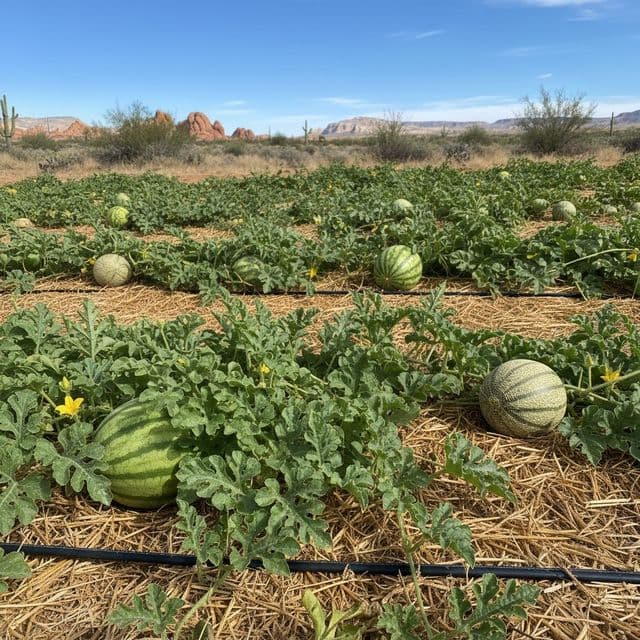
Master growing melons in the hot US Southeast & Southwest. Learn optimal spacing, mulching, and irrigation techniques for high yields in challenging climates. Get practical, data-driven advice.
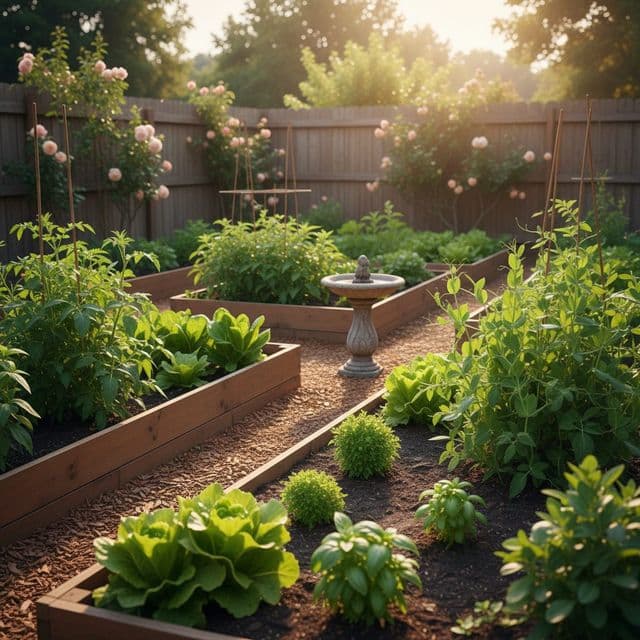
Grow saffron in the Pacific Northwest using raised beds and containers, with soil mixes, planting depths, and rodent protection for wet climates.