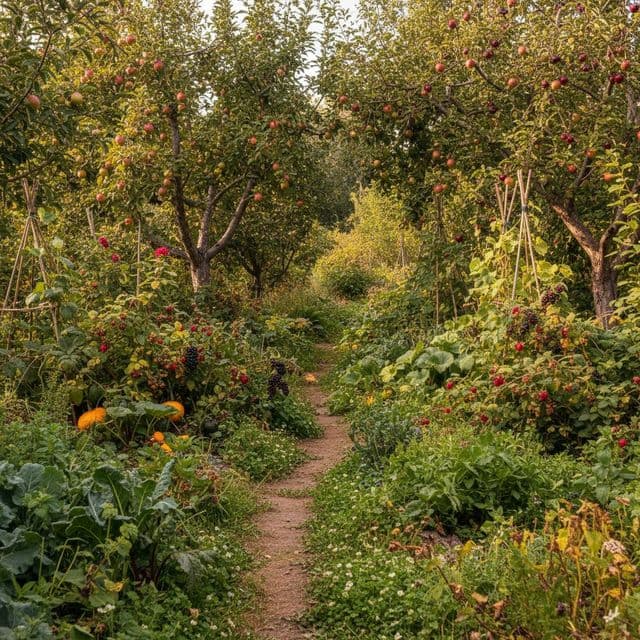
Start a food forest: 7-layer design
Learn how to start a food forest in your US backyard. This guide covers 7-layer permaculture design, site assessment, and plant selection for USDA zones 3-9 to create a resilient, bountiful ecosystem.
Tag
344 articles in this tag on agripure. — page 4 of 15
Learn how to start a food forest in your US backyard. This guide covers 7-layer permaculture design, site assessment, and plant selection for USDA zones 3-9 to create a resilient, bountiful ecosystem.
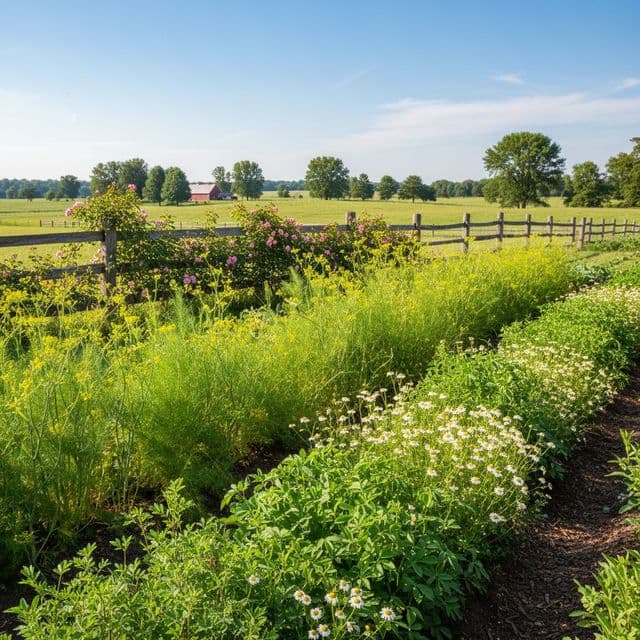
Learn to grow chamomile, fennel, and fenugreek across US USDA Zones 4-10. This guide covers soil, sunlight, watering, spacing, and harvesting for a bountiful annual herb garden.
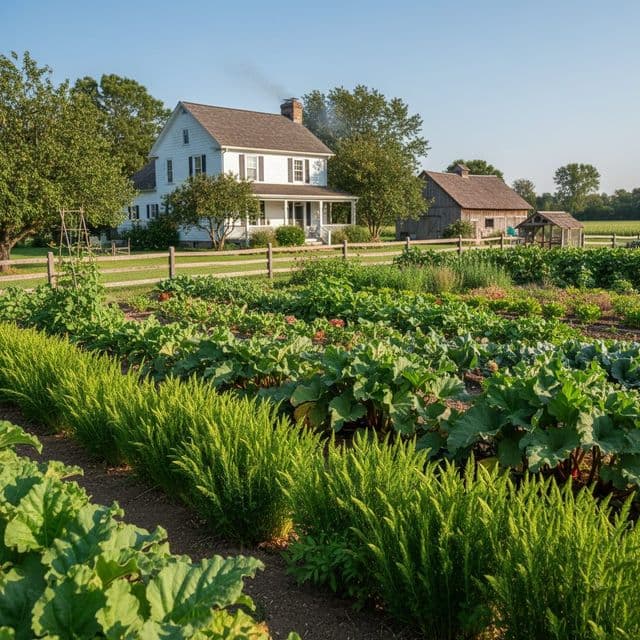
How to cultivate perennial vegetables for a low-maintenance garden, covering site prep, soil health, and top picks for long-term yields in USDA Zone 6 and beyond.
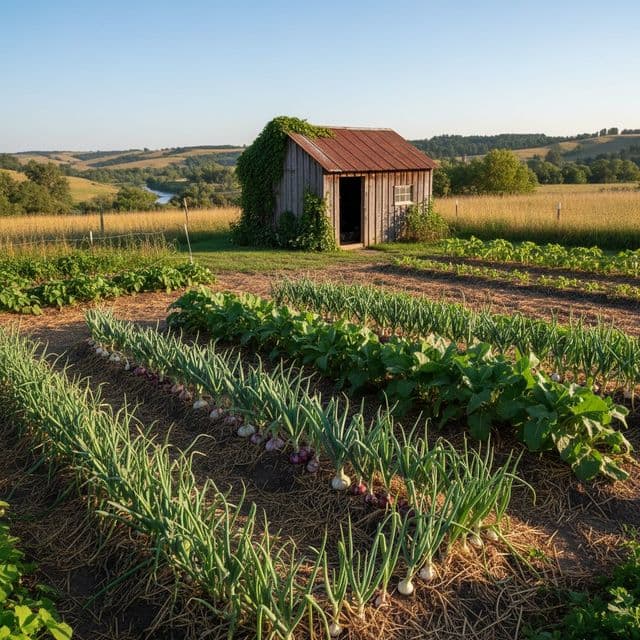
How to grow alliums like onions, garlic, and leeks across US Zones 3-9: planting, care, soil preparation, and harvest timing for home gardens.
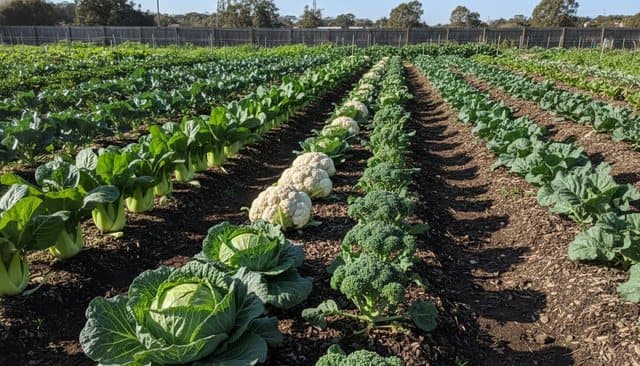
Master how to grow cole crops like cabbage, broccoli, and cauliflower. Learn optimal soil, water, and pest management for a successful harvest in your US garden.
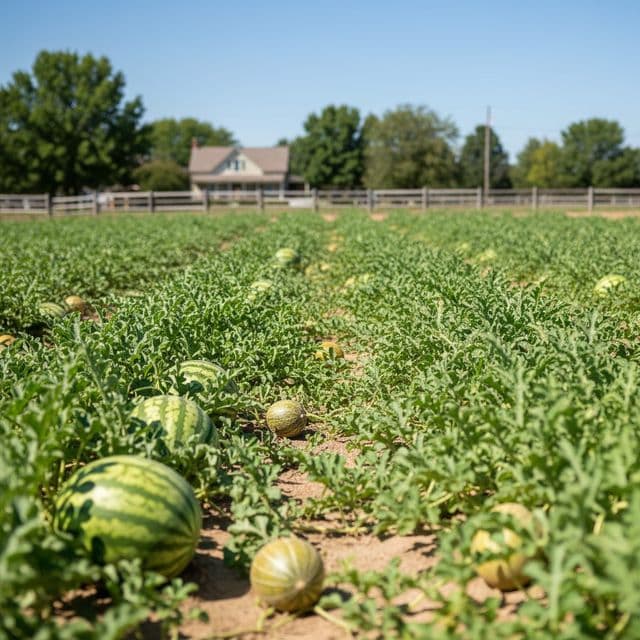
Master growing watermelon and muskmelon in US Zones 7-10. Learn heat management, soil prep, watering, and pest control for a bountiful harvest of sweet, juicy melons.
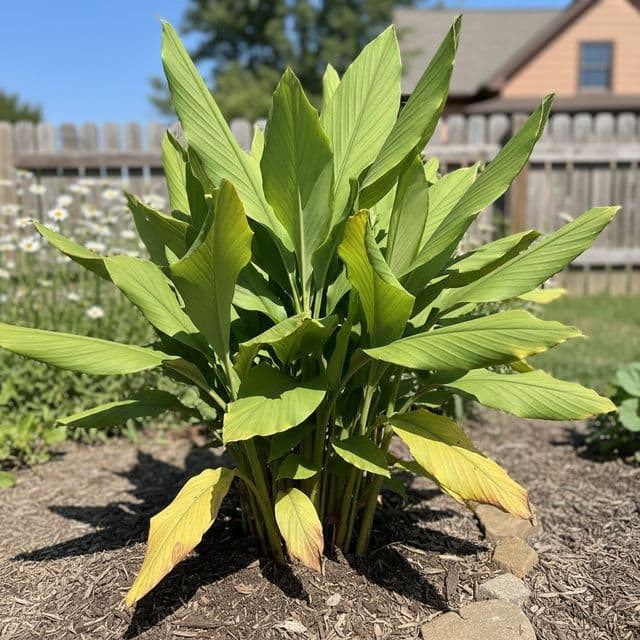
Learn how to grow turmeric in the US, from planting rhizomes to curing powder. This guide covers soil, climate, care, and harvest for successful turmeric cultivation.
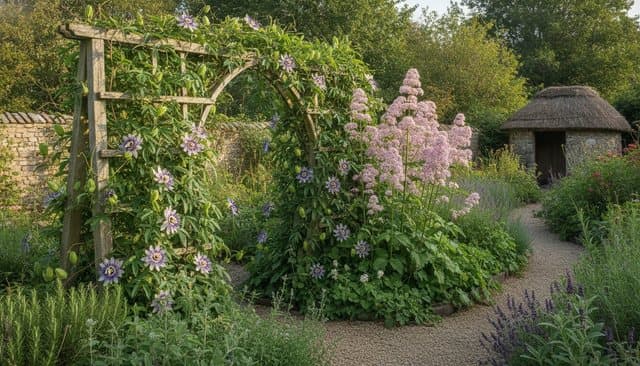
Learn to grow valerian and passionflower for natural sleep support in USDA zones 4-9. This guide covers planting, care, harvesting, and drying for your home apothecary.
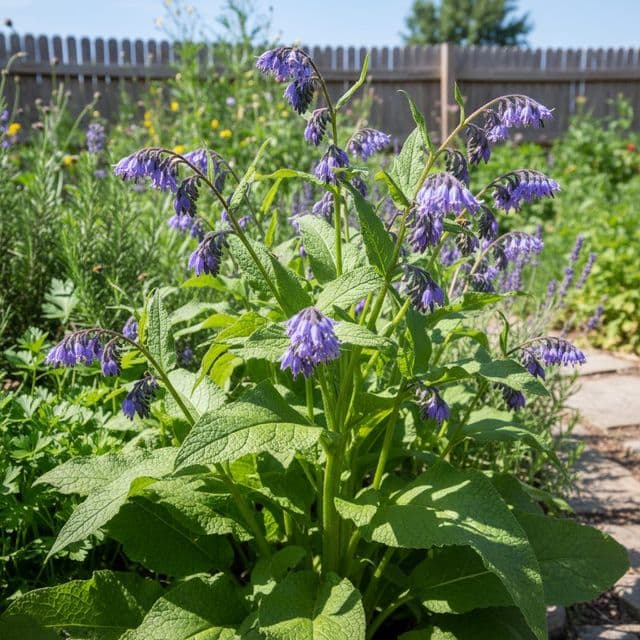
How to propagate comfrey from root cuttings to turn a single mature plant into new crowns for mulch and topical preparations.
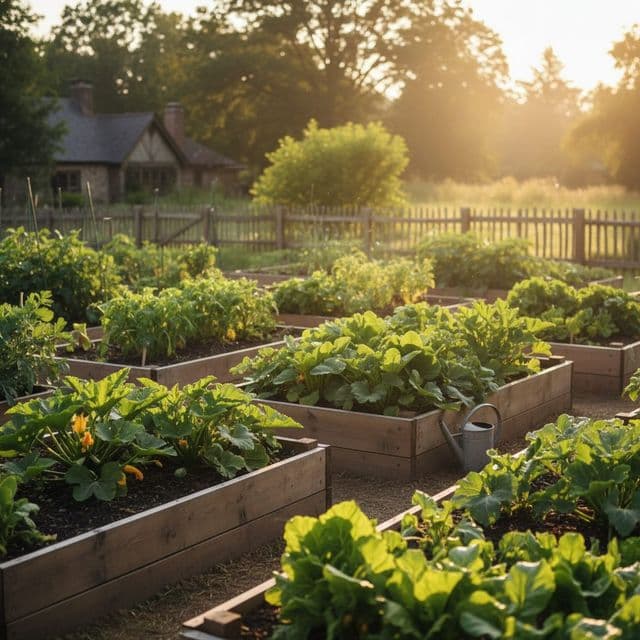
Comfrey contains pyrrolizidine alkaloids that make internal consumption dangerous, while topical use on unbroken skin and garden soil applications remain practical for US gardeners.
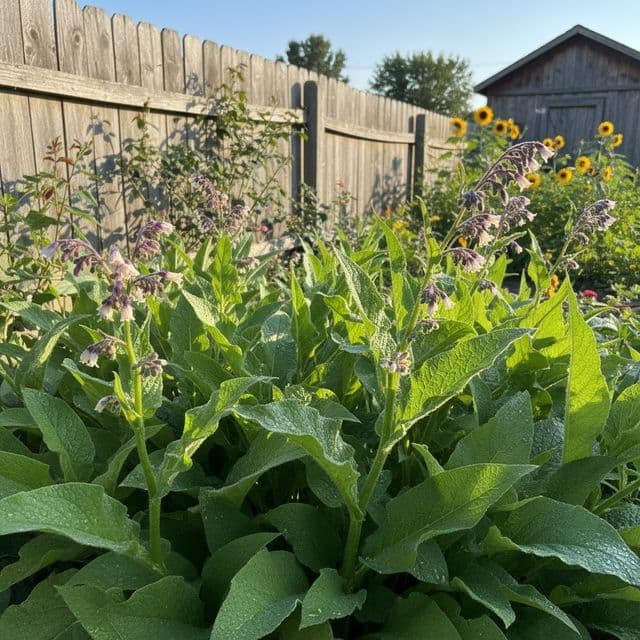
Unlock soil health with Comfrey, a sterile hybrid (Bocking 14) for USDA zones 4-9. Its deep roots mine nutrients, making it a powerful compost activator and water-saving mulch.
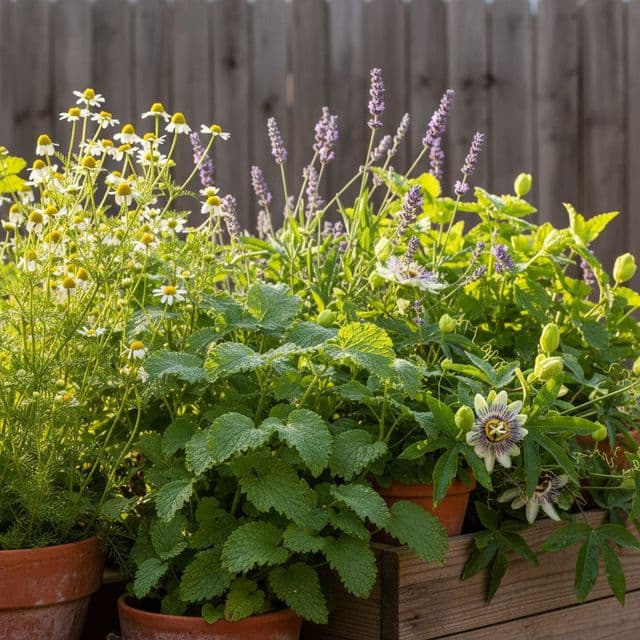
Cultivate a home apothecary garden in USDA Zone 6. Learn to grow chamomile, lemon balm, lavender, and passionflower for a calming sleep tea blend. Harvest & dry for year-round wellness.
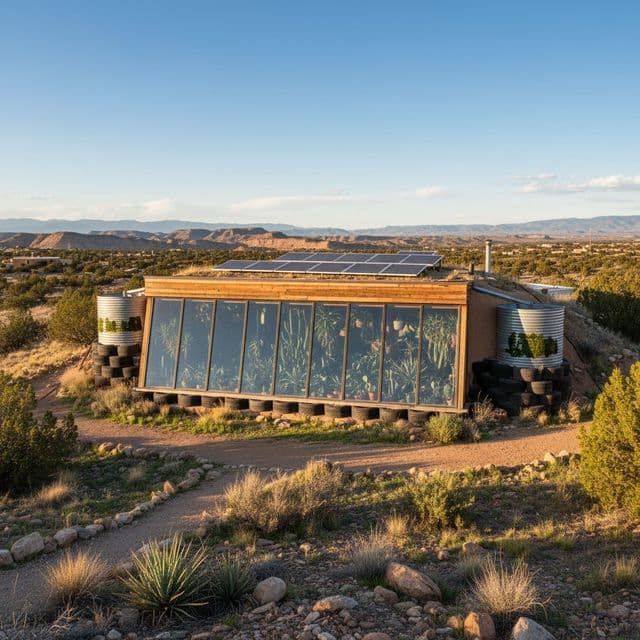
Learn to design a thriving apothecary garden for your USDA Zone 6 homestead. Maximize medicinal herb yield with sun mapping, soil prep, and companion planting strategies.
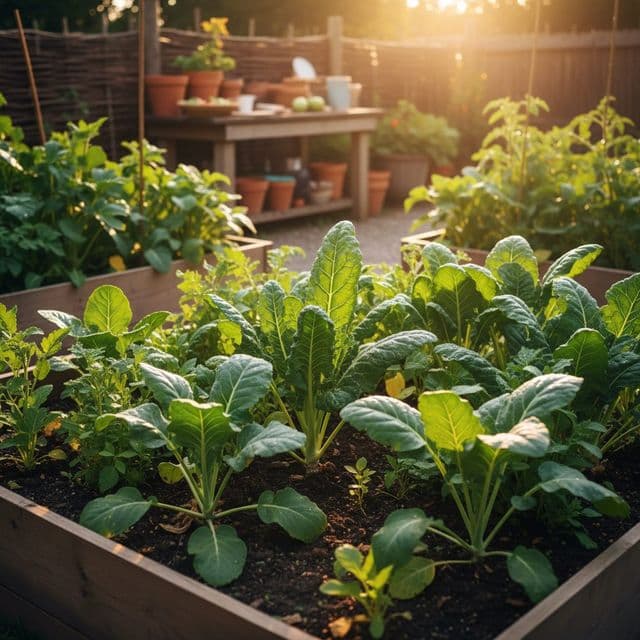
Cultivate a thriving medicinal herb garden in USDA Zones 8-10. Learn expert tips for soil, water, and plant selection in hot climates across the Southeast, Southwest, and Gulf Coast.
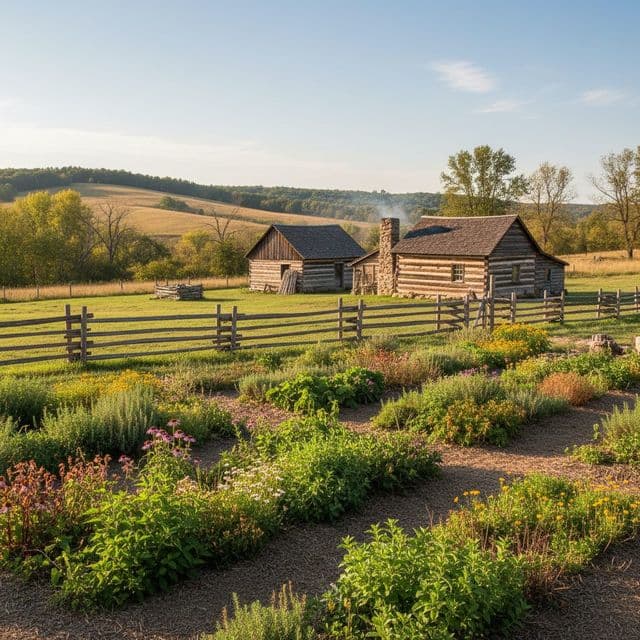
Cultivate a thriving medicinal herb garden in USDA Zones 3-5. Learn plant selection, soil management, and preservation for a home apothecary in cold climates.
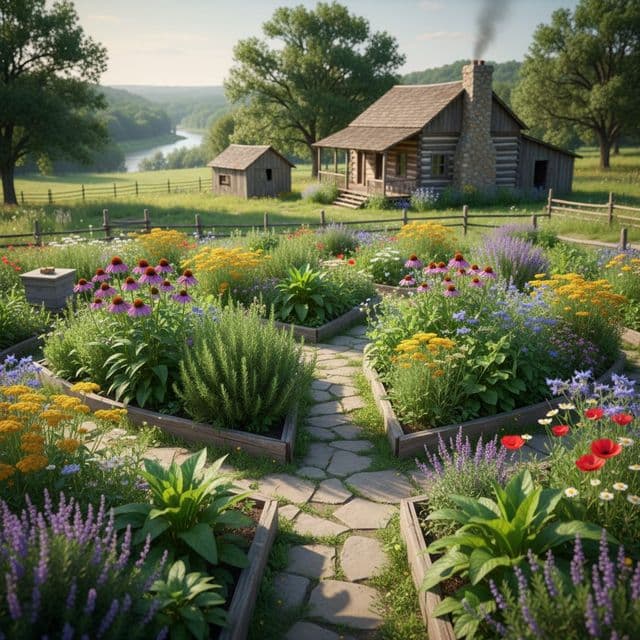
Decide between perennial and annual medicinal herbs for your home apothecary. Learn about their life cycles, cultivation needs, and best choices for USDA zones 3-10 to create a thriving herb garden.
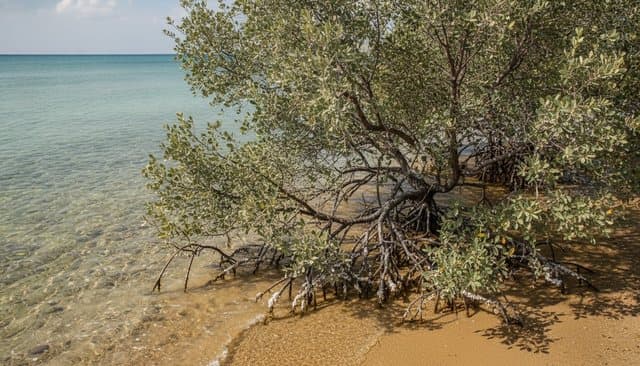
Cultivating salt-tolerant halophytes in Gulf gardens allows growers to establish resilient green cover despite highly saline soils and brackish irrigation water.
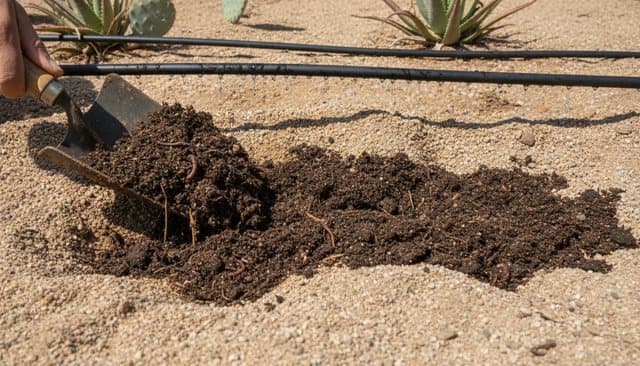
Building productive soil in Gulf desert sand requires consistent organic matter, heavy windproof mulches, and permanent biochar structures to hold water and nutrients.
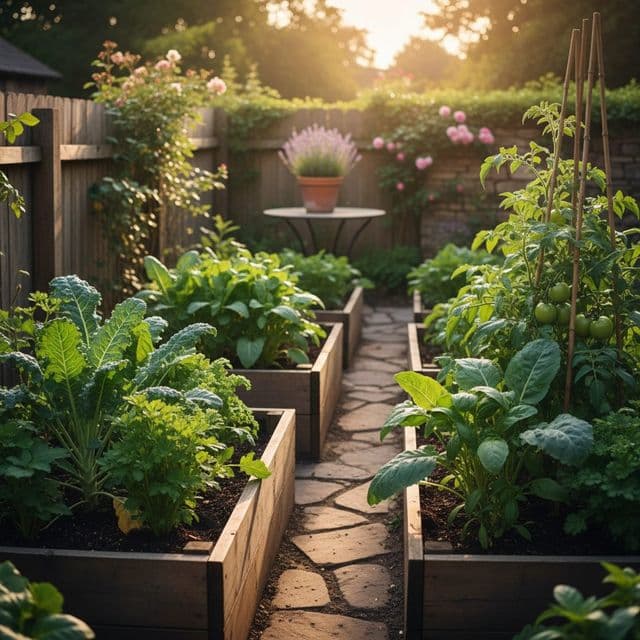
Revitalize container soil after winter’s harsh effects by assessing compaction, replenishing nutrients, and restoring microbial health for increased spring yields.
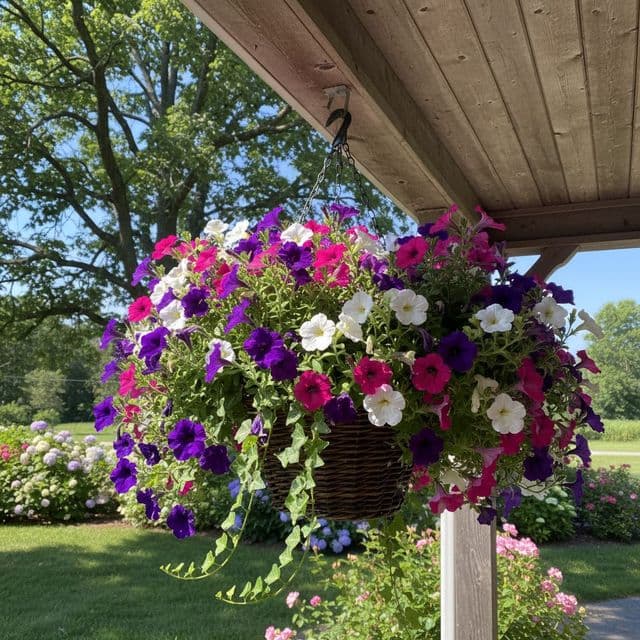
Hanging baskets dry out fast in hot climates like USDA Zone 7. Master hanging basket hydration with tips on soil, basket choice, and plants to reduce watering by 30% or more.
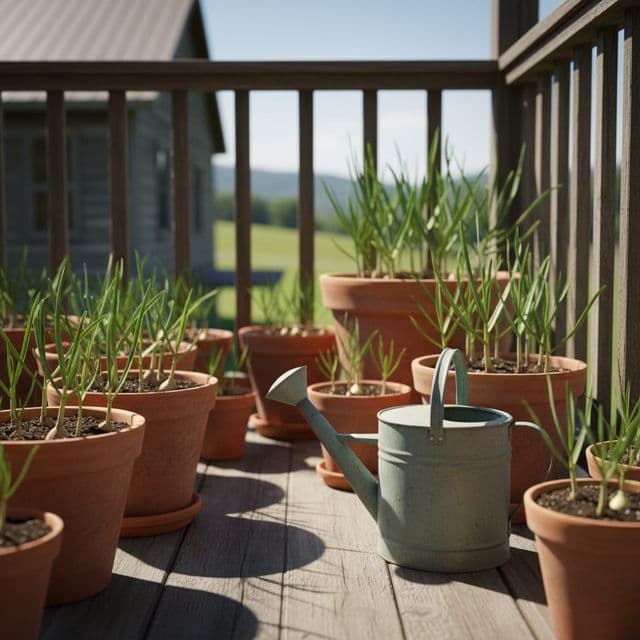
Learn to grow garlic and shallots in containers for a summer harvest, even in limited spaces. Get tips on planting, soil, and care for USDA Zones 4-9.
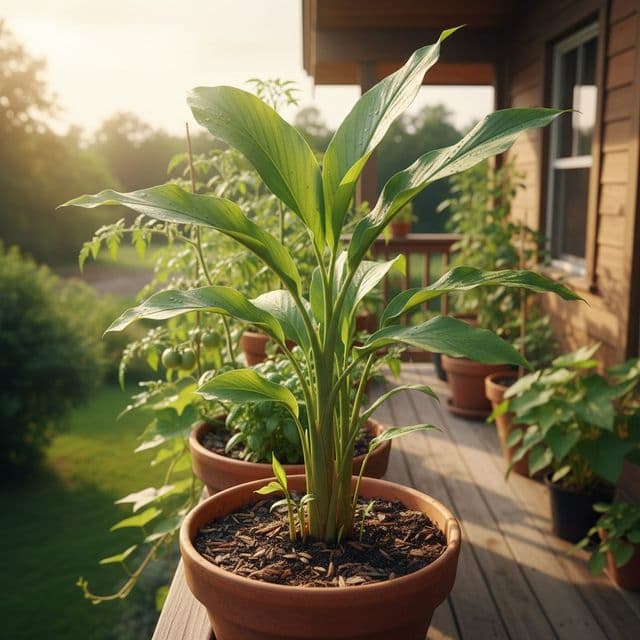
Learn how to successfully grow turmeric in containers and overwinter it indoors, even in cold USDA Zones 3-7. Get tips on planting, care, and harvesting for a bountiful spice.
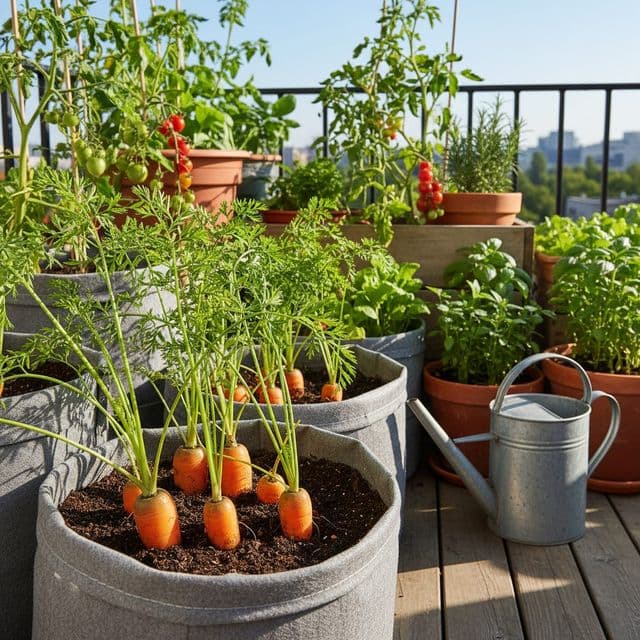
Master container carrot soil for straight, healthy roots in USDA Zone 6. Learn ideal soil mix ratios, watering, and thinning tips to prevent forking and stunted growth.
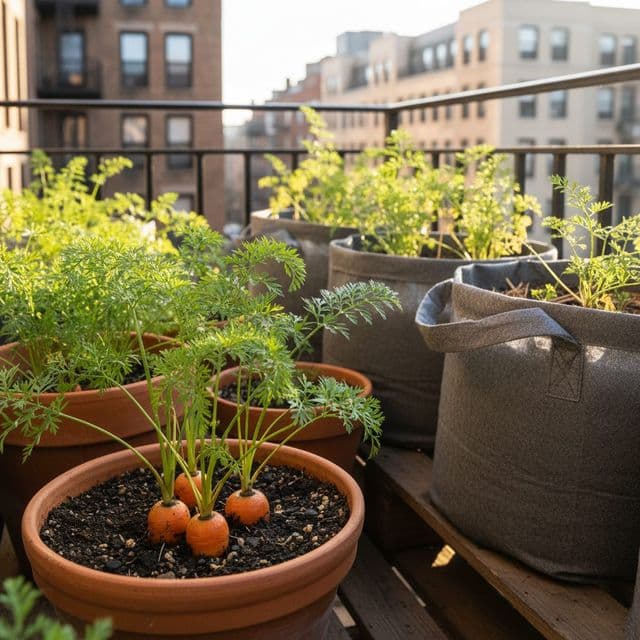
Discover how to successfully grow short carrots in containers, even in shallow 6-inch pots. Learn about top varieties like ‘Paris Market’ and essential tips for a bountiful harvest.