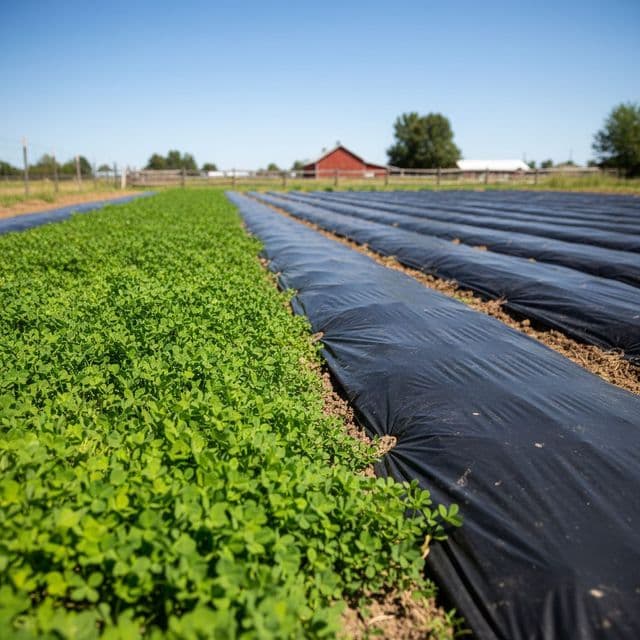
Organic Weed Control: Cover Crops & Occultation Cut Biomass by 90%
Discover how combining cover crops and occultation provides effective organic weed control, reducing weed biomass by 90% in organic cabbage. Improve soil health & cut labor.
Tag
344 articles in this tag on agripure. — page 9 of 15
Discover how combining cover crops and occultation provides effective organic weed control, reducing weed biomass by 90% in organic cabbage. Improve soil health & cut labor.
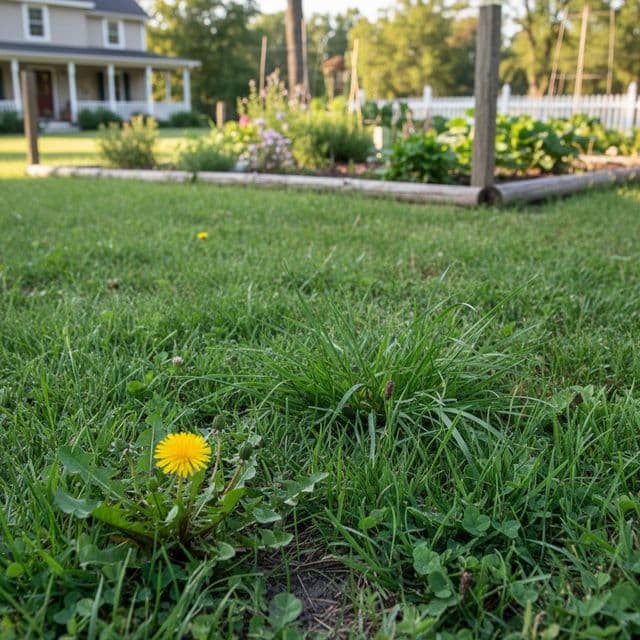
Organic Integrated Pest Management (IPM) strategies identify and control common US lawn and garden weeds like crabgrass, dandelion, bindweed, and purslane. Prevention and cultural methods can reduc…
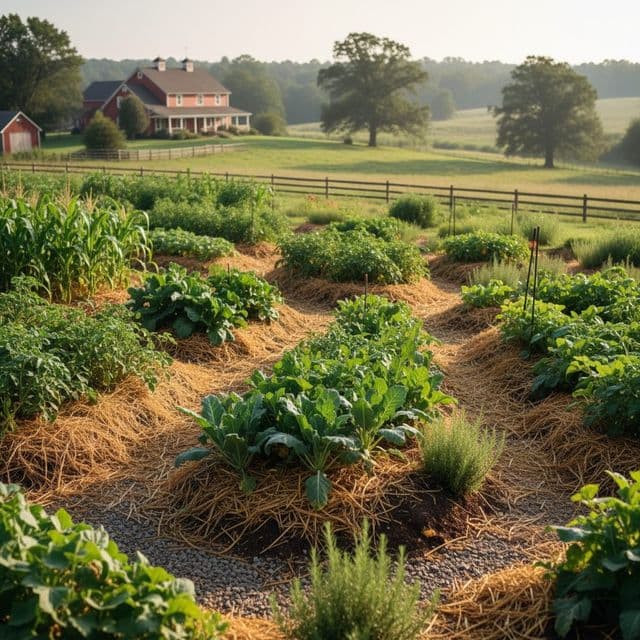
Compare organic mulches like straw, wood chips, and leaves for effective pest control, weed suppression, and moisture retention in USDA Zone 6 gardens. Learn their benefits.
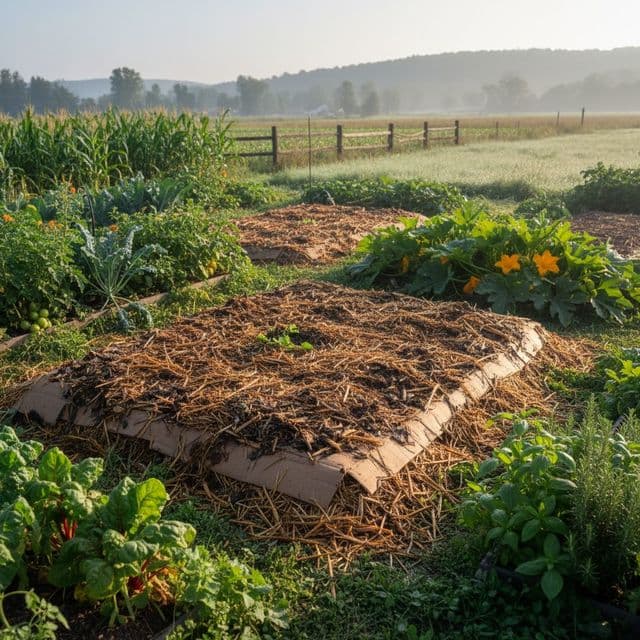
How sheet mulching with cardboard improves garden beds: suppress weeds, build organic matter, and improve soil structure for healthier plants.
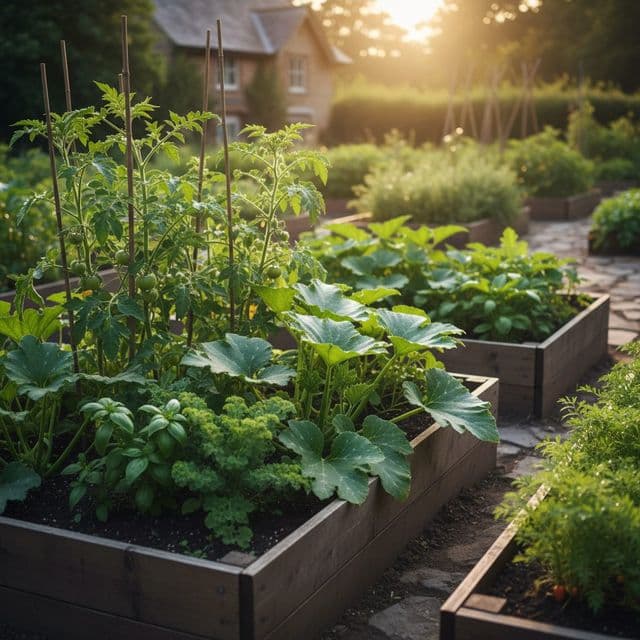
Learn how the stale seedbed technique reduces early-season weed pressure by 50-70% in vegetable fields. This organic method minimizes herbicide use and improves crop yields.
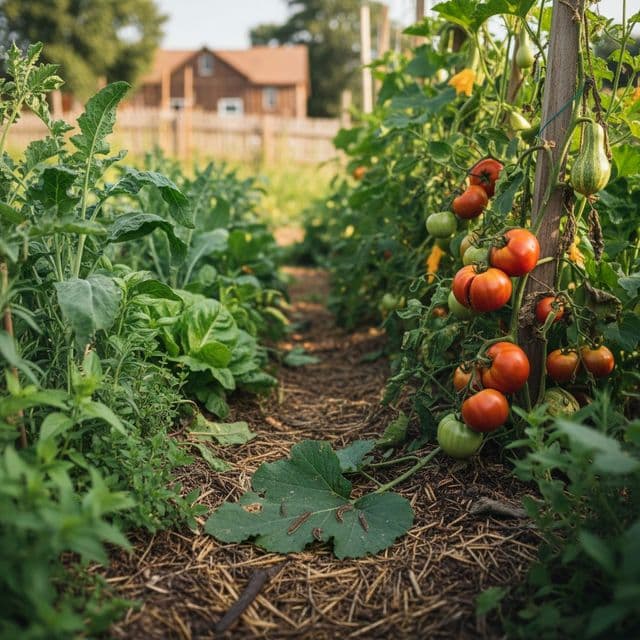
Earwigs, pill bugs, and sowbugs are often beneficial decomposers, but can damage young plants. Learn to identify them, understand their roles, and manage populations organically.
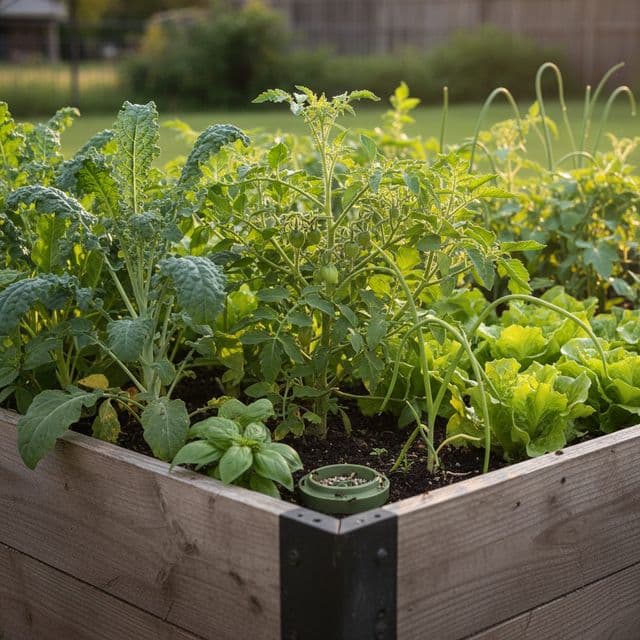
Master organic ant control in raised beds & containers. Learn non-toxic methods for USDA Zone 7, including prevention, physical barriers, and soil health to protect your garden.
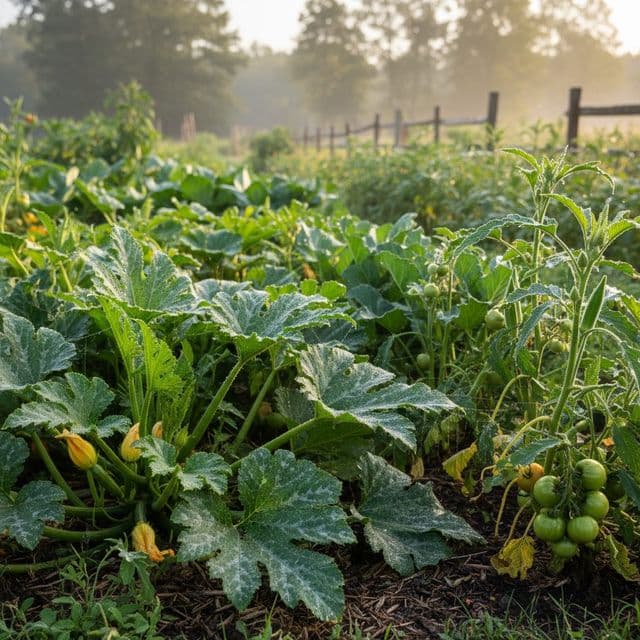
Learn effective plant disease management strategies for homesteaders. Compare challenges in the humid US Southeast (fungal) vs. arid West (root rot) and discover IPM tactics.
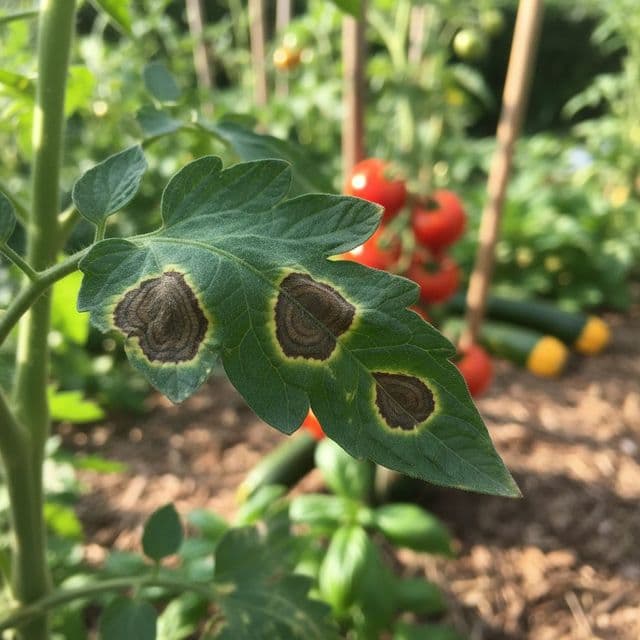
Learn plant symptom diagnosis for common issues in USDA zone 6. This guide covers organic management strategies for spots, wilts, and molds to ensure a healthy harvest.

Master organic aphid control for tomatoes, peppers, kale, and roses. Learn prevention, beneficial insects, and safe treatments to protect your garden from these common pests.
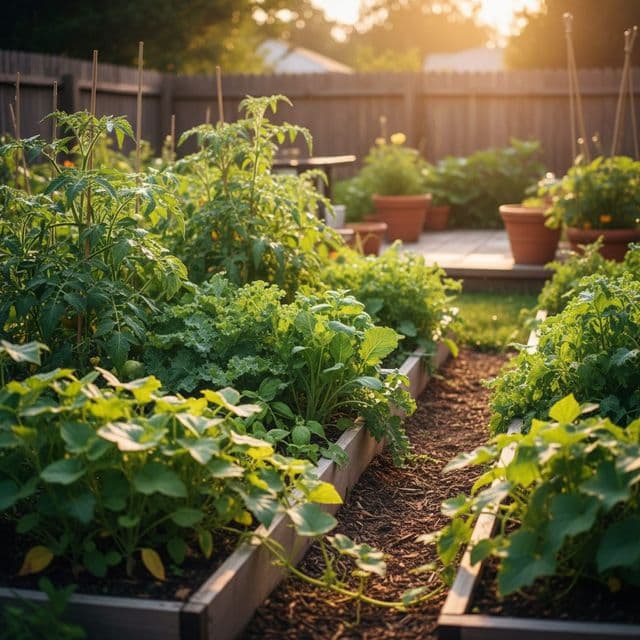
Attract praying mantids, ground beetles, and assassin bugs to your garden. Learn how these beneficial garden insects reduce pests by 30% or more with habitat creation.
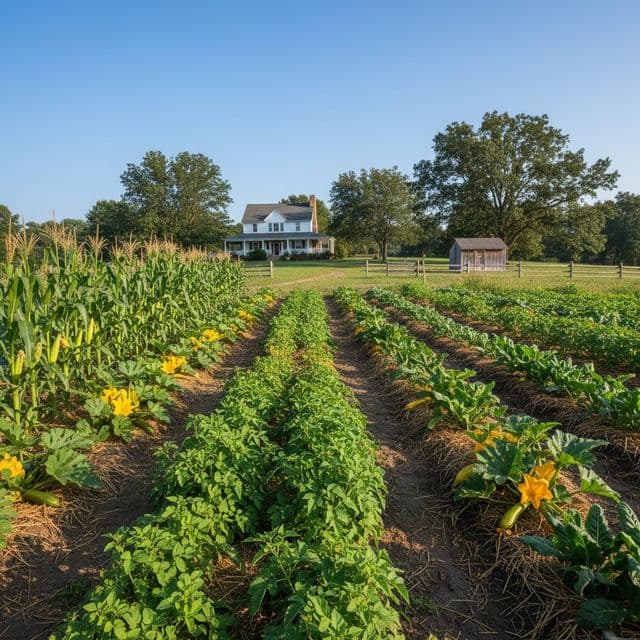
Understand US organic pesticide labels, OMRI certification, and IPM principles for effective pest control. Learn how to choose safe products and boost beneficial insects on your farm or garden.
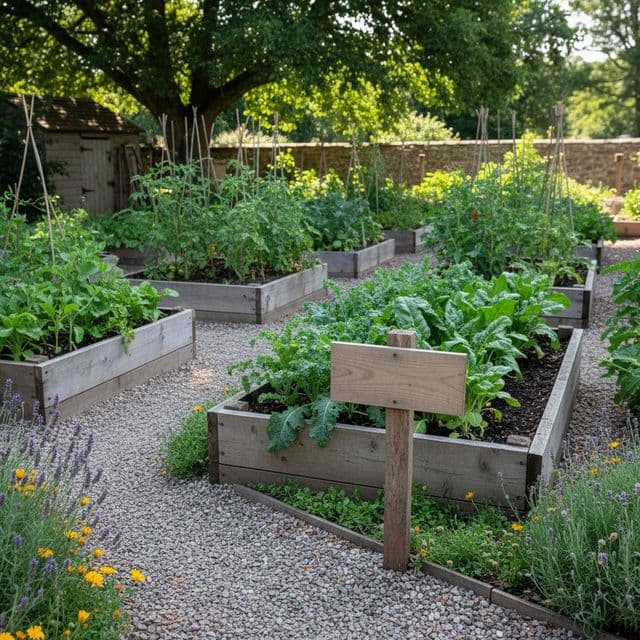
Master organic pest control with effective IPM record-keeping. Learn how tracking garden data improves decision-making, reduces pest damage by 15-25%, and ensures a healthier, more productive garde…
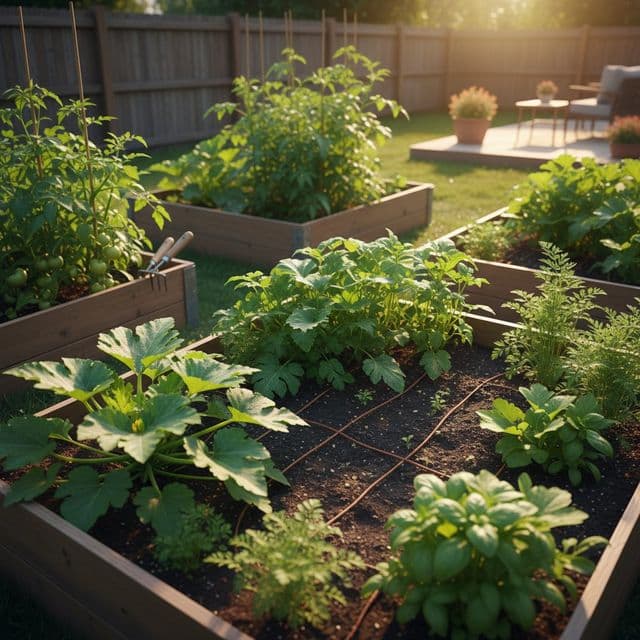
Master organic pest prevention in USDA Zone 5. Learn strategic crop rotation, sanitation, and resistant varieties to reduce garden pests and diseases by 50% or more. Grow a healthier, more producti…
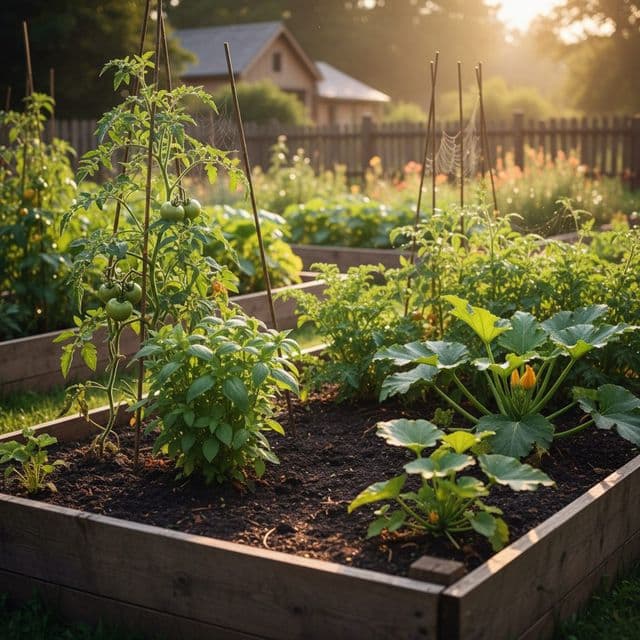
The 5 levels of Integrated Pest Management (IPM) for organic pest control in USDA Zone 6: prevent crop loss, reduce chemical use, and save costs with a systematic approach.
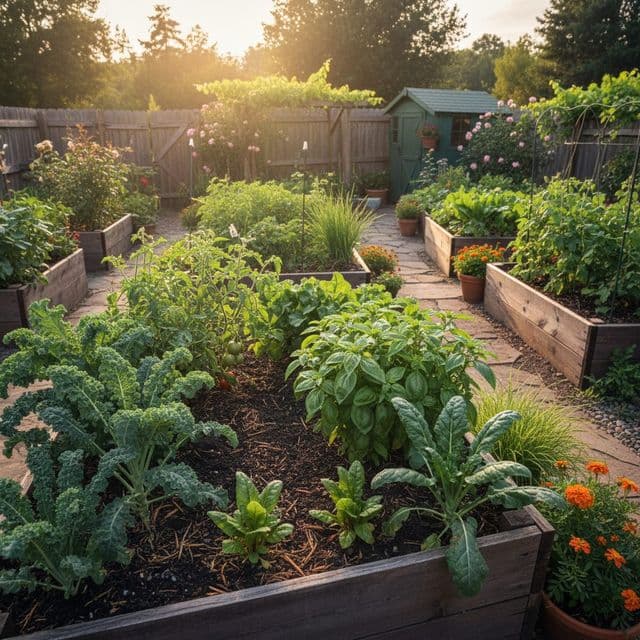
Learn why pausing fertilization during heat waves protects your garden plants from stress and nutrient burn. Discover signs of heat stress and smart management tips for a resilient garden.
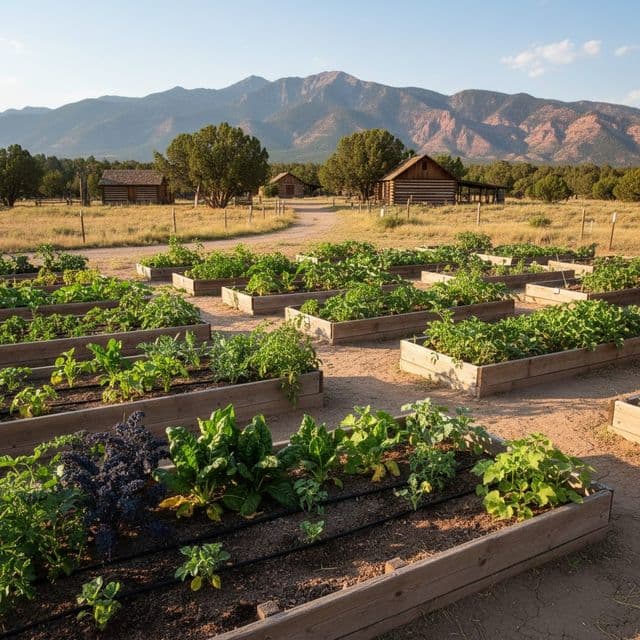
Boost your southwest garden’s drought resilience with compost tea and seaweed. Learn how these natural amendments improve soil health, water retention, and plant vigor in arid climates.
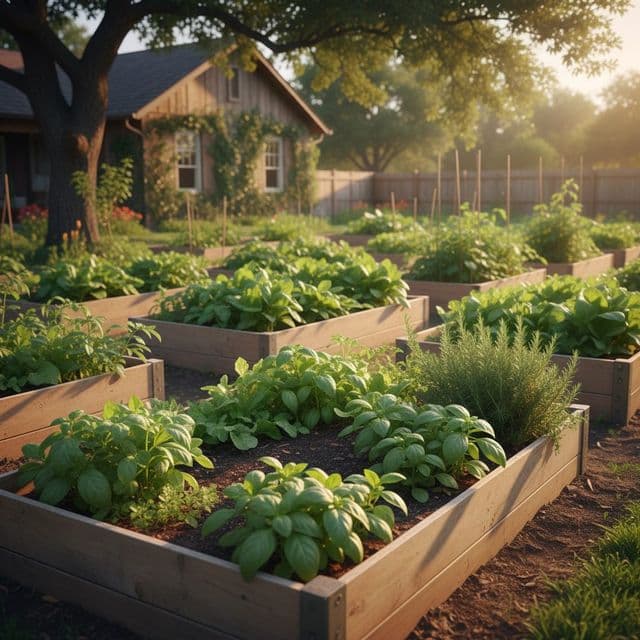
Combat nutrient lockout in US Southwest gardens. Learn how high heat and dry soil affect plant nutrient uptake and discover practical strategies to keep your plants thriving.
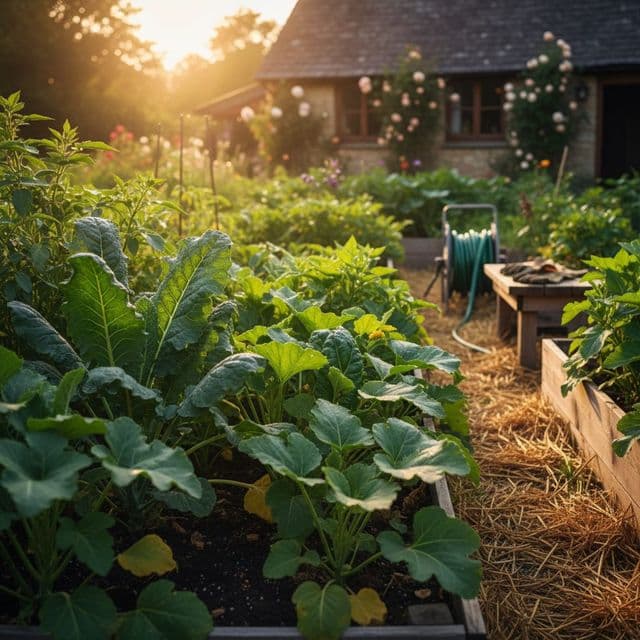
Using organic fertilizers and amendments in 90°F+ summers helps build soil organic matter, retain water, and improve yields for hot-weather vegetables in US gardens.
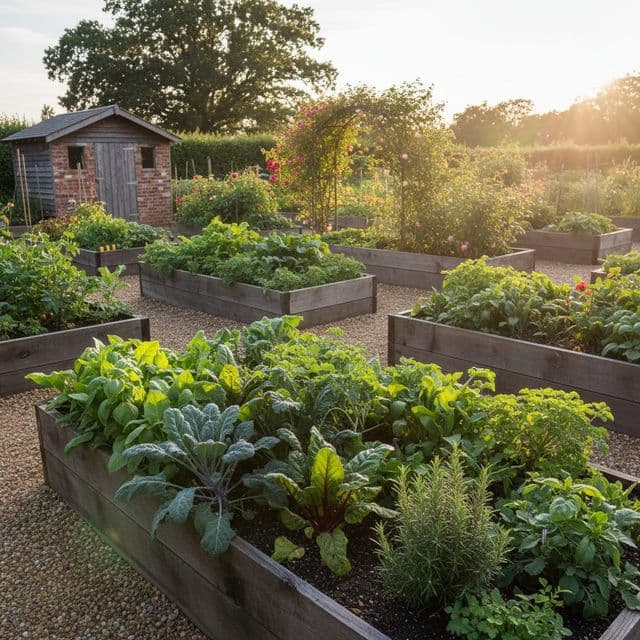
Learn how light, frequent soil feeding and foliar sprays boost nutrient uptake for heat-stressed plants. Improve resilience and yield in hot climates like USDA Zone 7 and beyond.
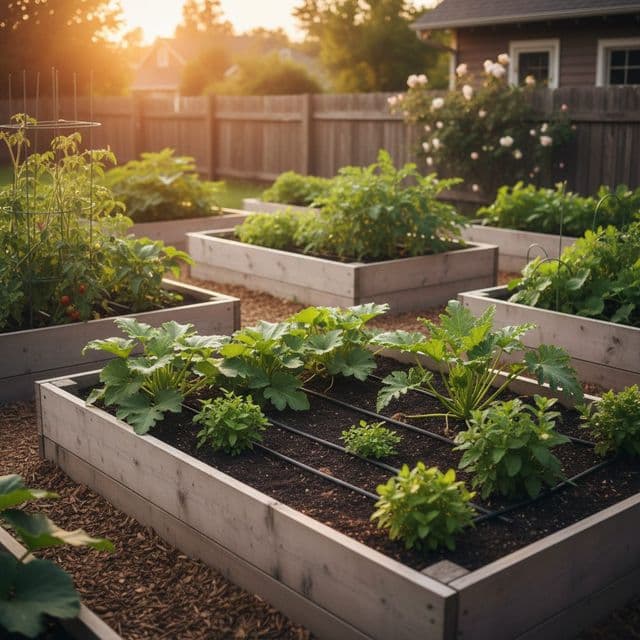
Discover how heavy nitrogen feeding harms corn yields during US heatwaves. Learn strategies for climate-resilient growing, reducing nitrogen, and building soil for drought and heat.
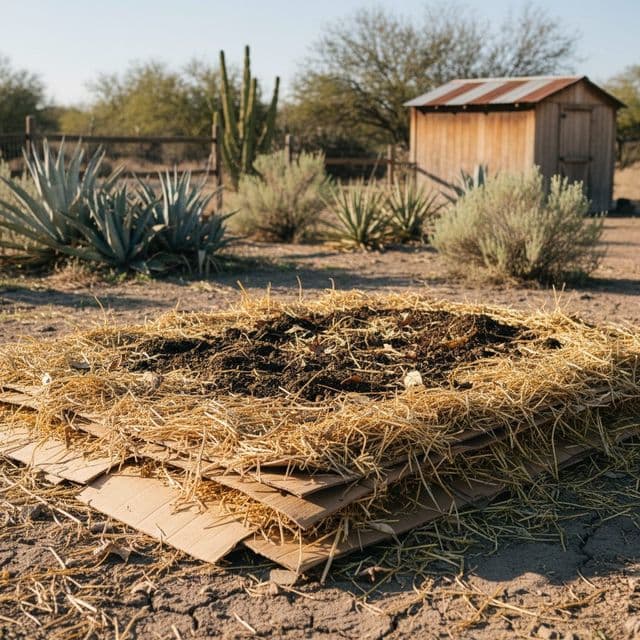
Discover how sheet mulching builds moisture-holding soil, reducing water evaporation by 30-35% and suppressing weeds. Achieve drought resilience for your US garden.
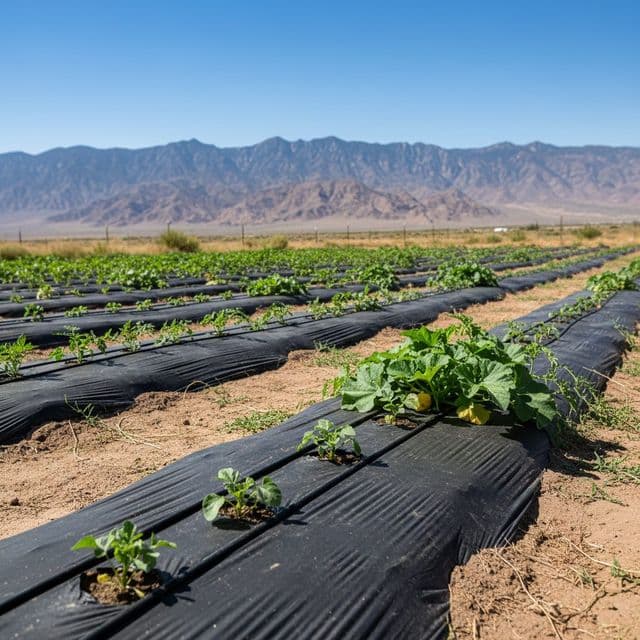
Inorganic and reflective mulches improve climate resilience in US gardens by reducing water evaporation, moderating soil temperatures, suppressing weeds, and increasing crop yields. Learn how grave…
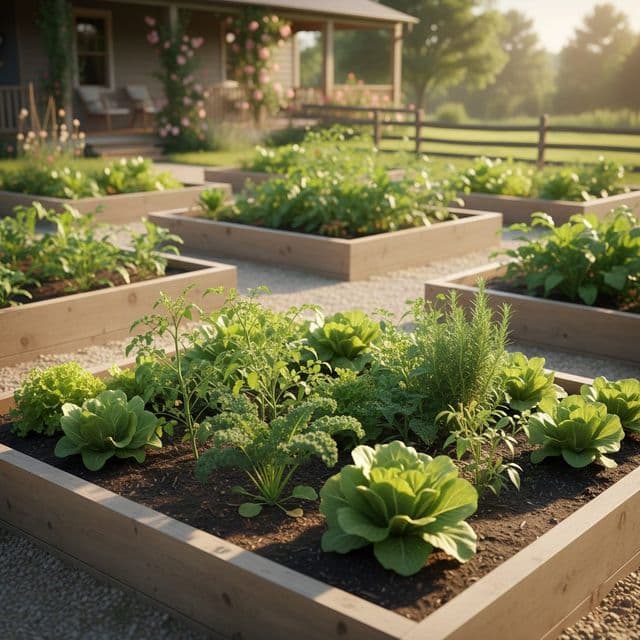
How to mulch vegetables, trees, and containers in US gardens for climate resilience, conserving water, moderating soil temperatures, and suppressing weeds in drought and heat.