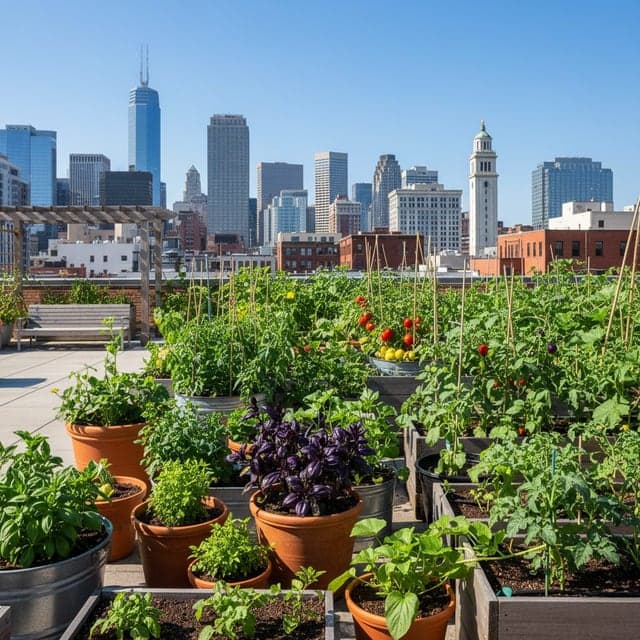
Self-pollinating crops for urban gardens: USDA Zone 7 veggies
Self-pollinating crops for urban gardens in USDA Zone 7 allow growing tomatoes, peppers, and beans on balconies or rooftops without relying on bees.
Topic
Practical container gardening guides, planting calendars, and field-tested how-tos from agripure — covering soil prep, varieties, and seasonal care.
189 articles in this topic on agripure. — page 4 of 8
Self-pollinating crops for urban gardens in USDA Zone 7 allow growing tomatoes, peppers, and beans on balconies or rooftops without relying on bees.

Engineer a productive US balcony pollinator container garden across floors 1–10+: solve height and wind guild shifts, stop >110°F black-pot root bake, screen nursery neonicotinoids, avoid tropical…
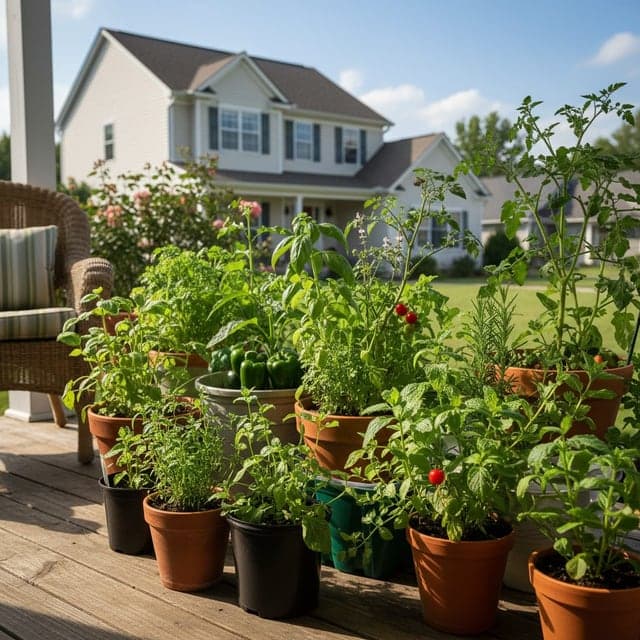
Master summer container gardening. Learn how to prevent overwatering, choose the right soil & containers, and protect plants from heat to ensure abundant harvests in challenging climates.
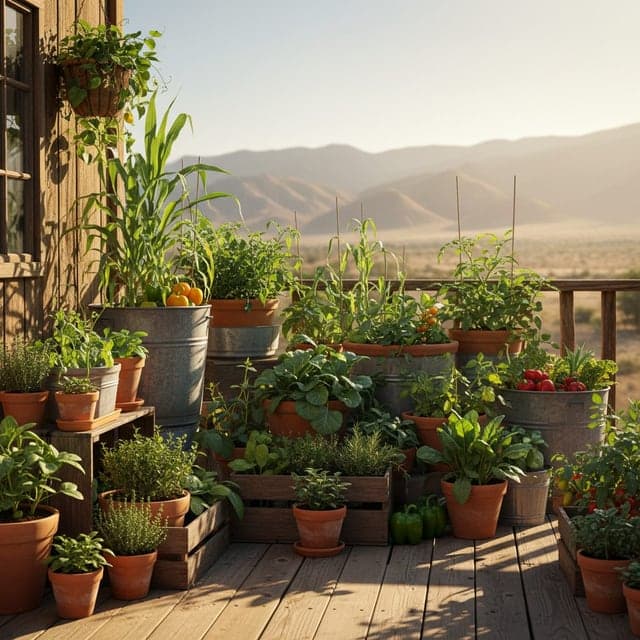
Cut container evaporation by 20–35% and drop rootzone temperatures 10–20°F using rim-to-rim pot grouping, sacrificial outer shields, pot-in-pot bark buffers, 1–2" foliage airflow gaps, drip manifol…
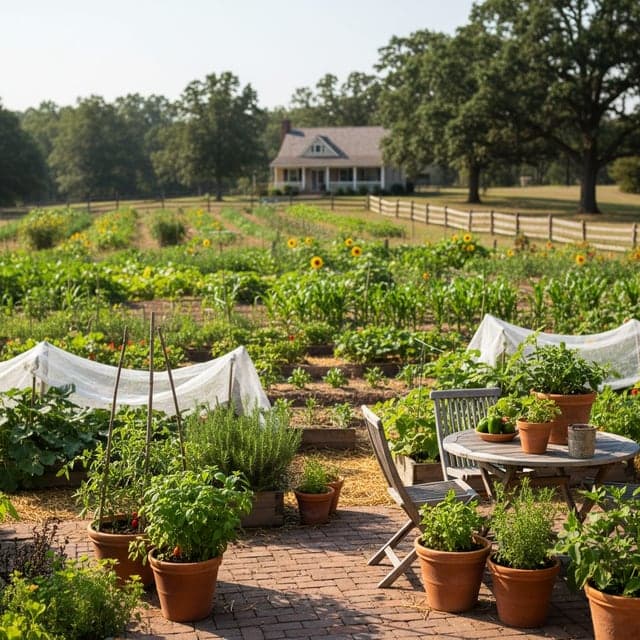
Grow productive patio vegetables past 95–100°F days and 85°F nights: heat-set tomatoes, true thermophilic crops, 10–25 gal light grow bags vs. >110°F black pots, 30–40% shade cloth, drip salt flush…
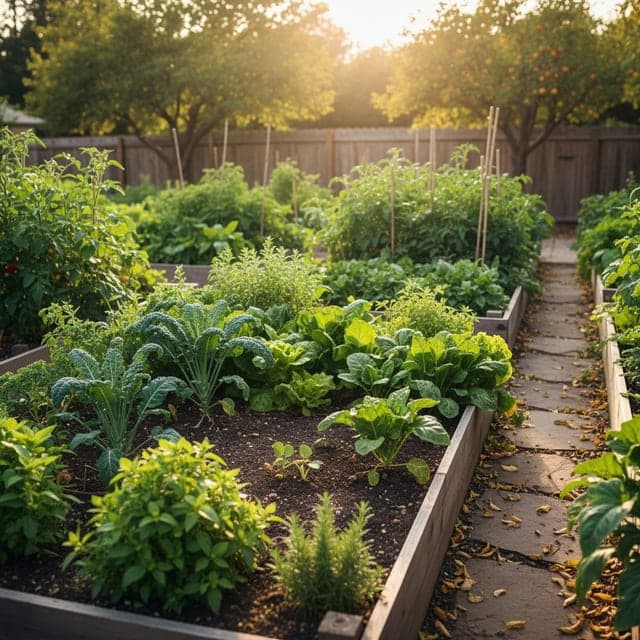
Learn how to revive sun-scorched container plants in USDA Zone 7 and beyond. This guide covers assessment, controlled rehydration, and preventing root rot.
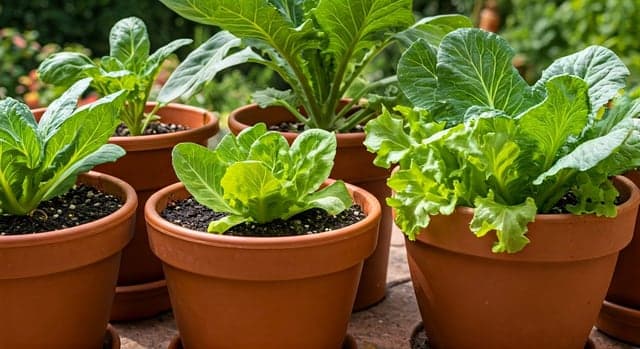
Keep container crops well-fed without salt burn: NCSU/UF bark-peat-coir leaching physics, polymer CRF 85–90°F heat-dump alerts, PourThru EC/pH testing, and the 3× non-softened leach rule.

Protect balcony and patio containers in 90–105°F+ summer heat: cut dark-pot 115–125°F root death with 8–12°F mitigation, 30–50% Aluminet vs black HDPE screens, 1:00–6:00 PM timing, wind ballast, an…
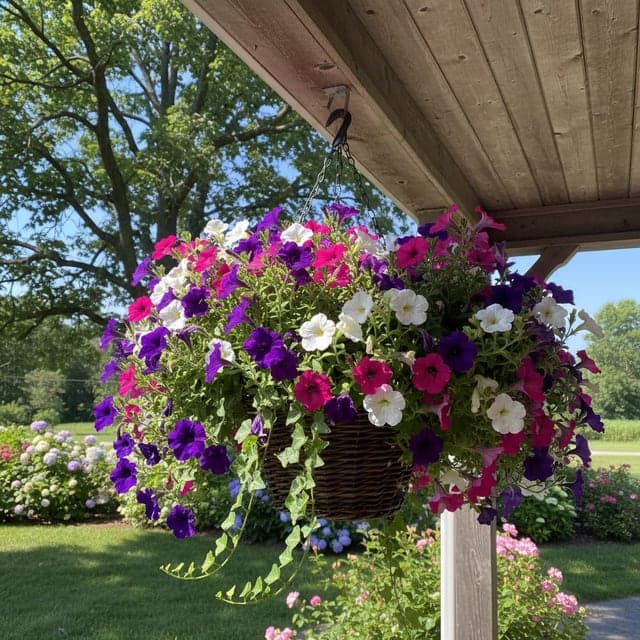
Hanging baskets dry out fast in hot climates like USDA Zone 7. Master hanging basket hydration with tips on soil, basket choice, and plants to reduce watering by 30% or more.
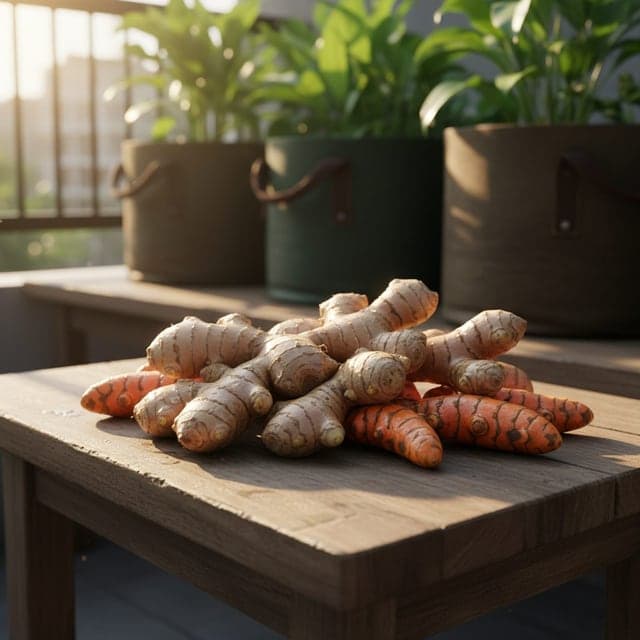
Harvest and cure container-grown ginger and turmeric cleanly: 8–10 month dieback cues, stain-proof handling, mother vs. finger sorting, 70–75°F curing, 55°F cellar storage vs. 45–60 min boiled powd…
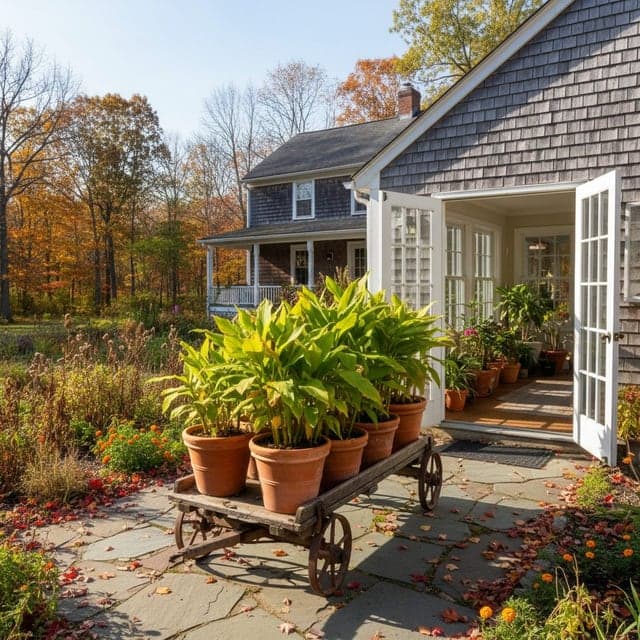
Move potted ginger, turmeric, galangal, banana, canna, Colocasia, Alocasia, and Caladium indoors before 45–50°F chilling injury—plus dry-pot, crate, LED tracks, Bti quarantine, and ASPCA pet alerts.
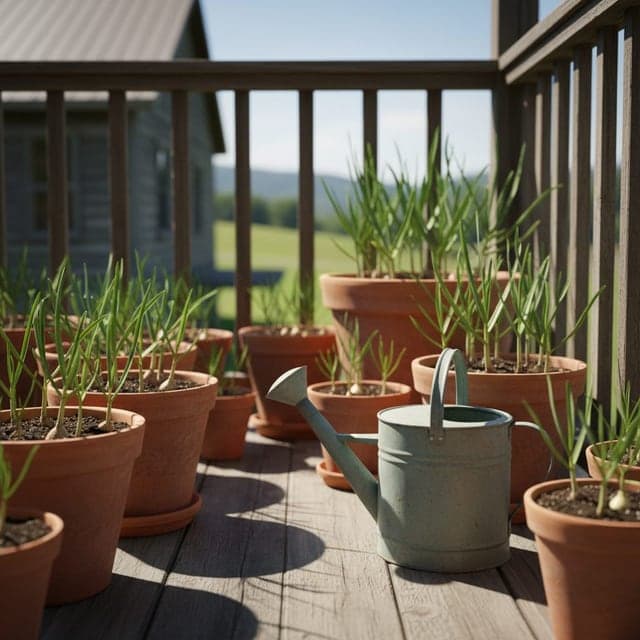
Grow full-sized garlic and multiplier shallots in 5-gallon pots across USDA Zones 4–9 with exact depths, spacing geometry, frost-proof containers, Zone 4–8 winter collars, and spring feeding.
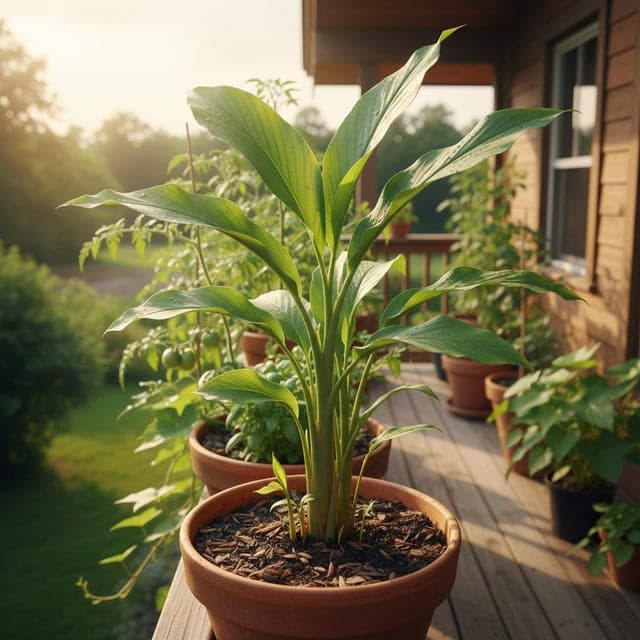
Grow plump turmeric rhizomes in pots across USDA Zones 3–9 with phase-by-phase watering schedules, indoor light and humidity care, Zone 8b–9a clay advice, and safe winter storage.
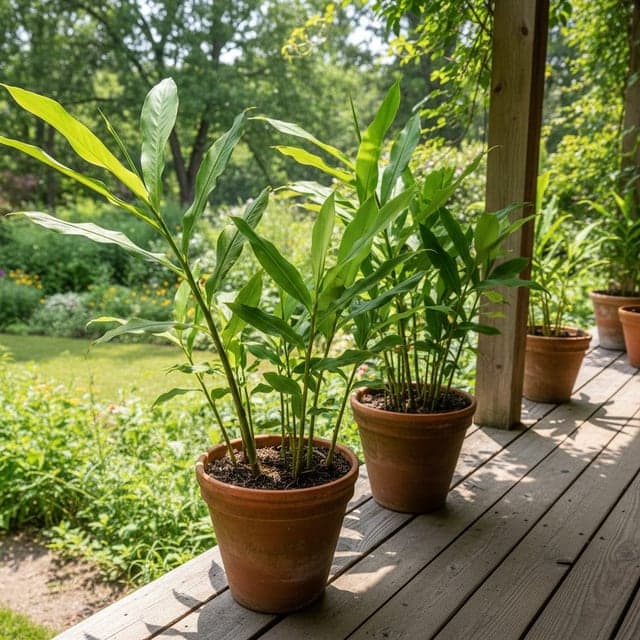
Master the 8–10 month container lifecycle of grocery-store Zingiber officinale: inhibitor soak, >=14–16 inch wide pots, bark-coir mix, 1–2 inch hilling, 30% shade >90°F, dormancy, and P0 bed quaran…
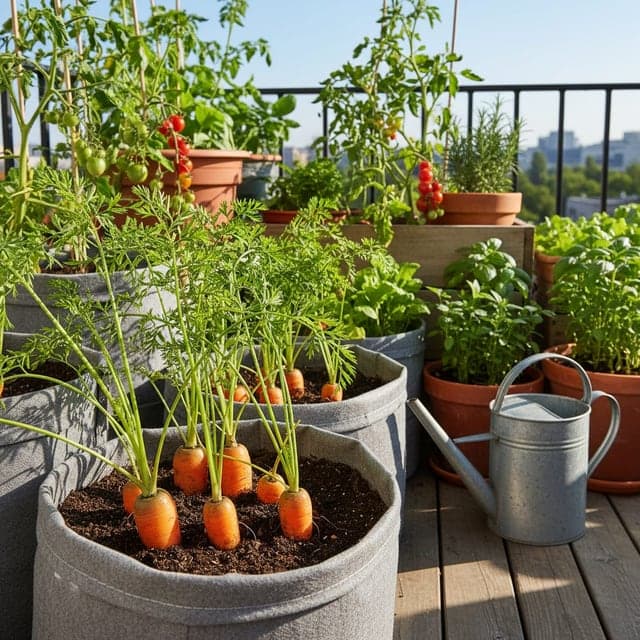
Master container carrot soil for straight, healthy roots in USDA Zone 6. Learn ideal soil mix ratios, watering, and thinning tips to prevent forking and stunted growth.
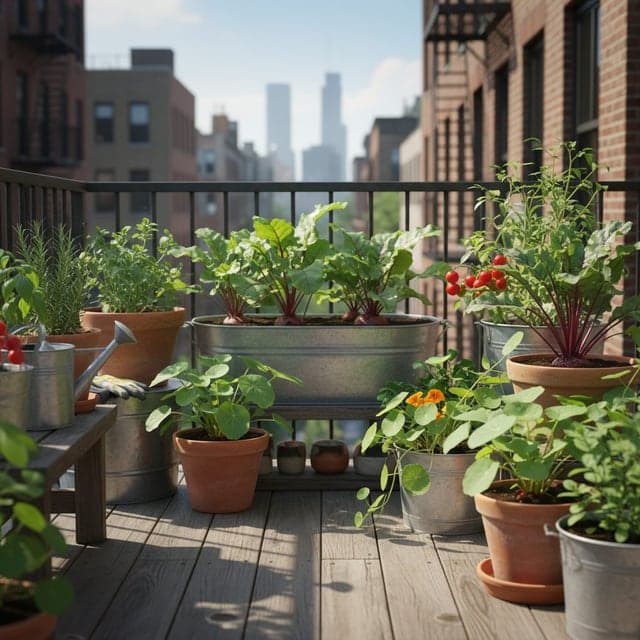
Grow container radishes and beets on your balcony. Learn how these fast-maturing root crops thrive in small spaces, offering quick harvests for impatient gardeners in USDA Zone 7.
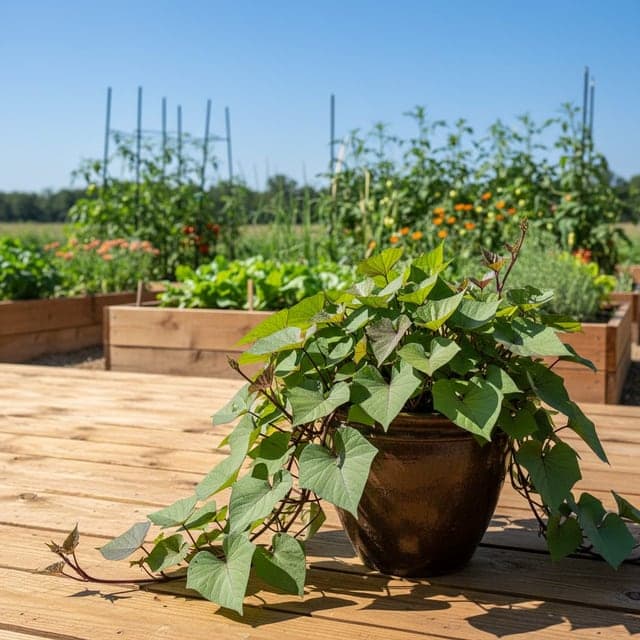
Learn to grow sweet potatoes in containers, even in short-season USDA Zones 4 & 5. Discover varieties, container sizes, and care tips for a successful harvest on your patio or balcony.
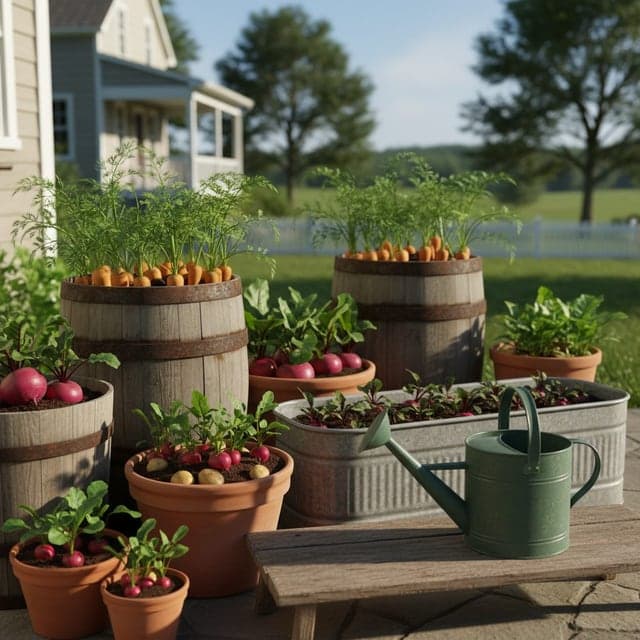
Match container depth to every root crop from 4-6 inch radishes and ball carrots to 18-inch potatoes, using uncompacted mixes, zero bottom gravel, and heat-forking limits.
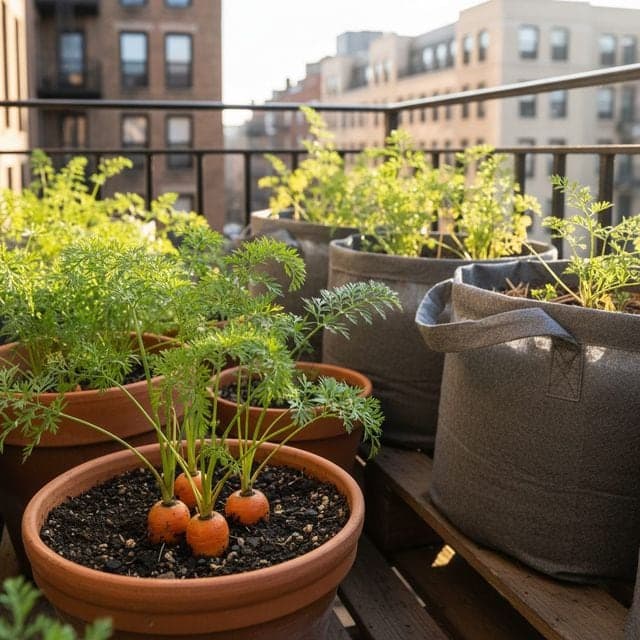
Match container carrot varieties to usable pot depth—4–6 inch round roots, 8–10 inch Chantenay and baby Nantes, and 12–16 inch full Nantes—while stopping root forking and crusted seedbeds.
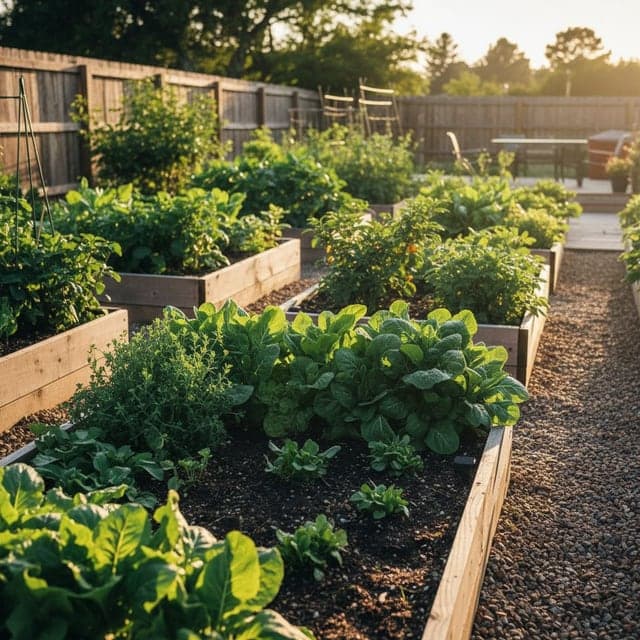
Separate fast 5–10 gal annual edible climbers from 15–30 gal woody perennial vines across US zones, prevent 15–20°F container root kill, anchor trellises against wind-sail tip-overs, and stay withi…

Pole and runner beans provide an edible privacy screen on sunny balconies, climbing trellises to block sightlines while yielding steady harvests in small urban spaces.
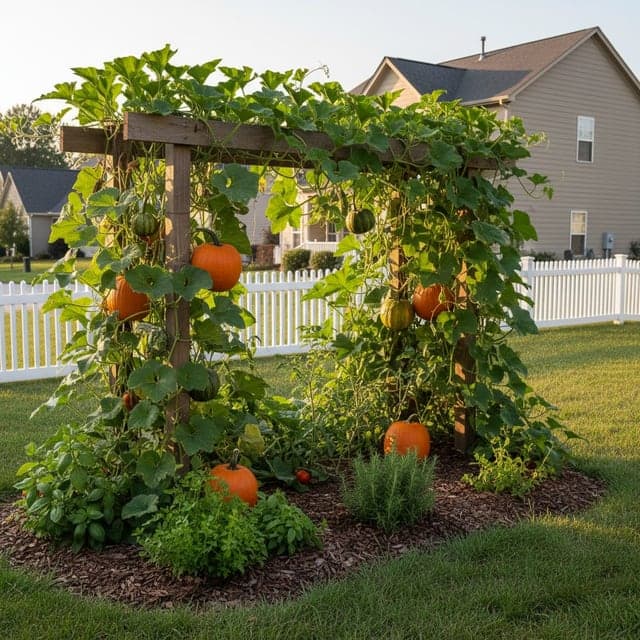
Maximize your garden space. Learn to grow large winter squash and pumpkins vertically on trellises in USDA Zone 6. Get tips on varieties, sturdy supports, and care for abundant harvests.
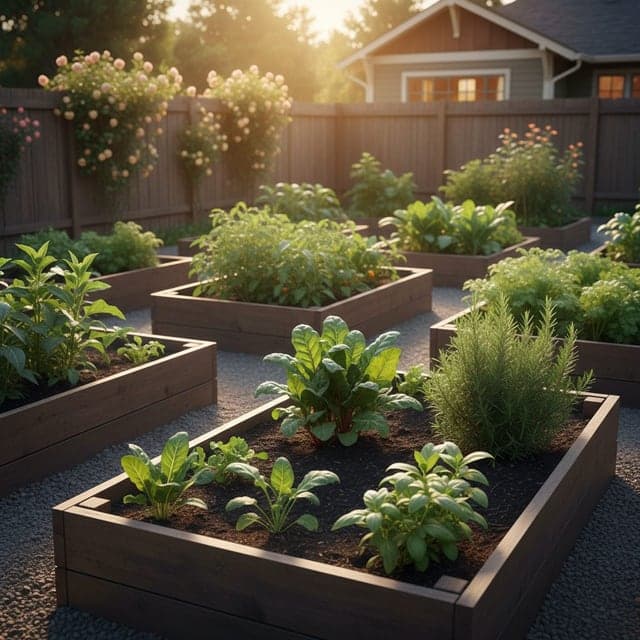
Grow high-yield container cucumbers on a US balcony or rooftop: bush vs. vining pot sizing, wet-pot structural load limits, wind-safe trellises, parthenocarpic high-rise pollination, daily watering…
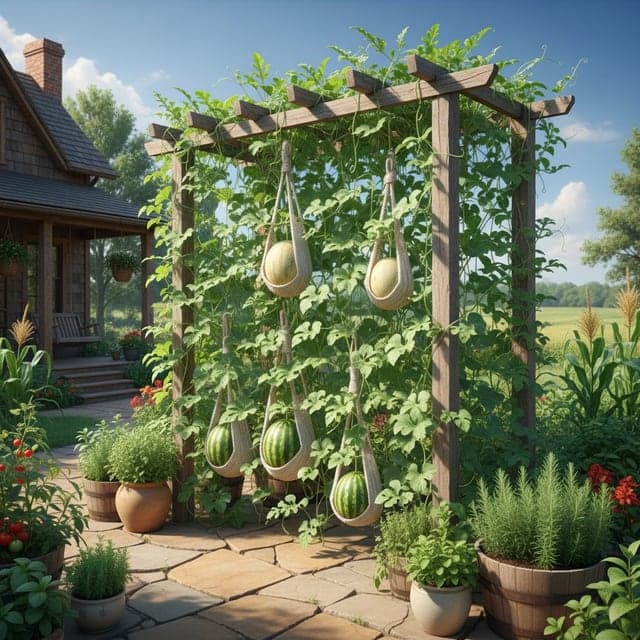
How to grow watermelons and cantaloupes vertically in USDA Zone 7 containers, covering compact varieties, trellis construction, fruit slings, and watering.