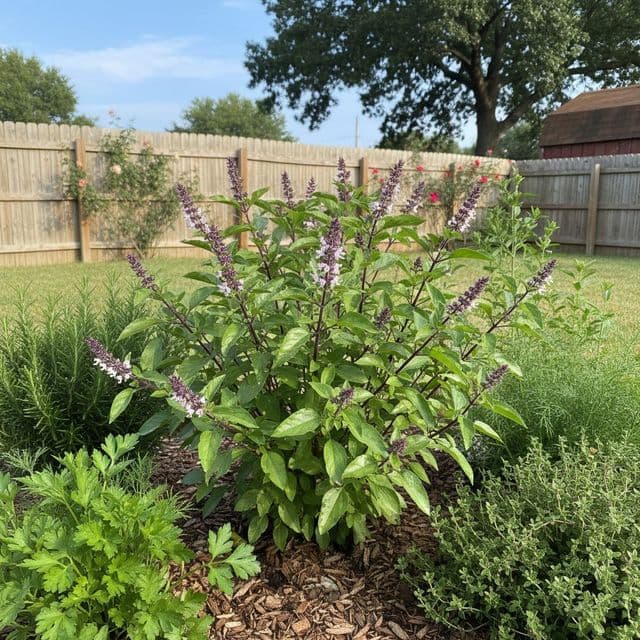
Grow Tulsi in US Gardens: Harvest & Brew Wellness Tea
Learn to grow tulsi (holy basil) in your US garden, from seed to harvest. Discover how to dry and blend this adaptogenic herb for a daily wellness tea. Get practical tips for all climates.
Topic
Grow more of your own food with practical, beginner-friendly gardening guides. From starting seeds and planning beds to companion planting, square-foot layouts, herbs, mushrooms, greenhouses, and soilless systems, these articles walk you through every step—what to plant, when to plant it, and how to keep crops healthy from sowing to harvest.
763 articles in this topic on agripure. — page 3 of 32
Learn to grow tulsi (holy basil) in your US garden, from seed to harvest. Discover how to dry and blend this adaptogenic herb for a daily wellness tea. Get practical tips for all climates.
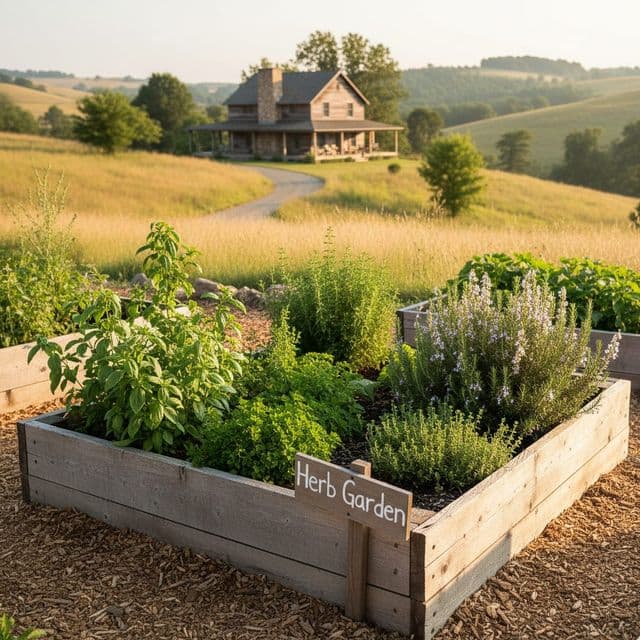
How to grow peppermint, fennel, ginger, and chamomile in USDA Zone 6 for a homemade digestive tea blend.
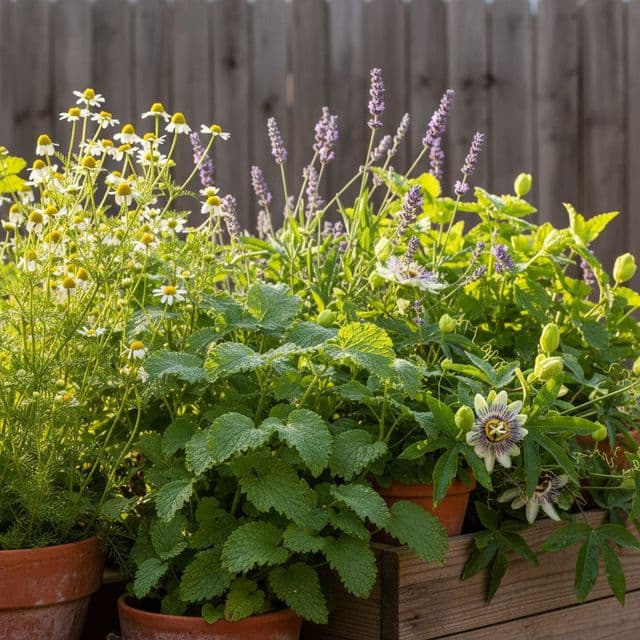
Cultivate a home apothecary garden in USDA Zone 6. Learn to grow chamomile, lemon balm, lavender, and passionflower for a calming sleep tea blend. Harvest & dry for year-round wellness.
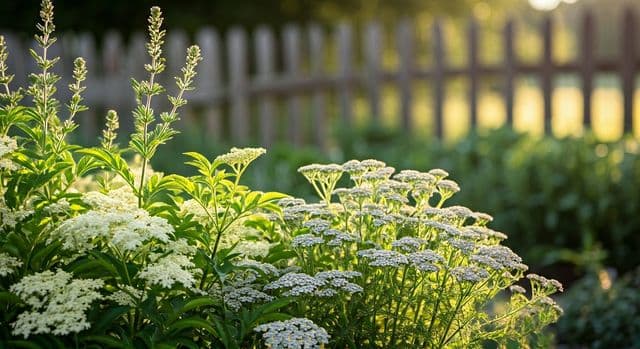
Learn to grow elderflower, yarrow, and peppermint in your USDA zone 6 medicinal herb garden. Discover cultivation, harvesting, and drying tips to craft a potent cold-and-flu tea.
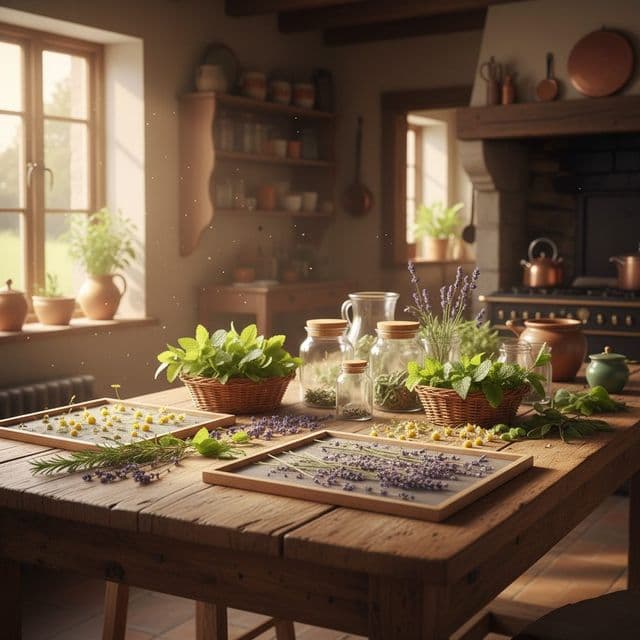
Learn to formulate balanced herbal tea blends with a 3-part approach. Discover base, supporting, and accent herb ratios for gardeners in USDA Zone 6. Maximize potency and flavor.
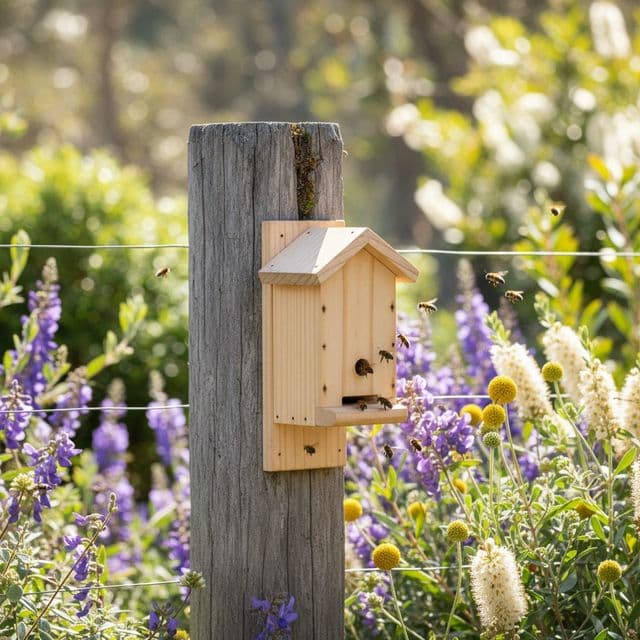
Cultivate a medicinal herb garden in USDA Zone 6, focusing on chamomile and lemon balm. Prepare safe, effective alcohol-free herbal remedies for your family. Save up to 75%.
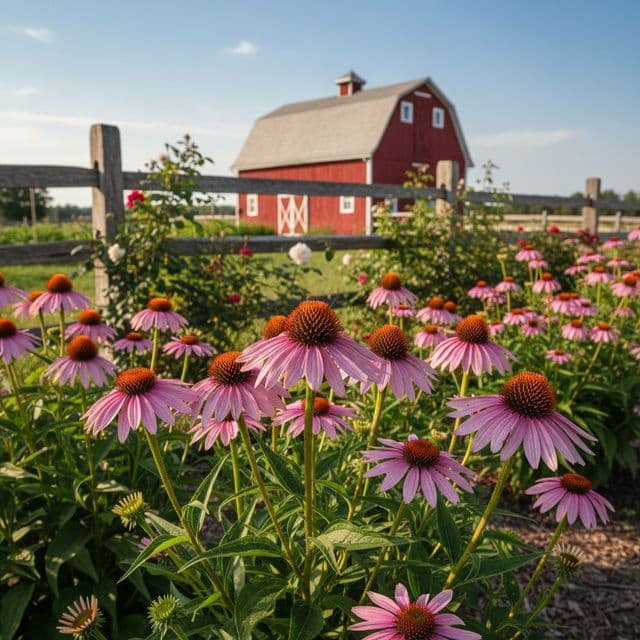
Learn to grow Echinacea purpurea & angustifolia in your US garden for immune support. This guide covers planting, harvesting, and making potent Echinacea tinctures at home.
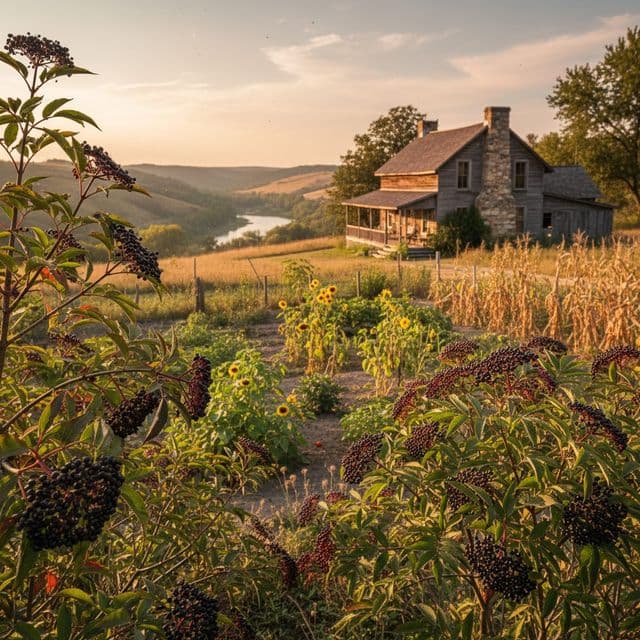
Learn how to make elderberry tincture from US-grown berries. This guide covers harvesting, identification, and a potent elderberry tincture recipe for your home apothecary.
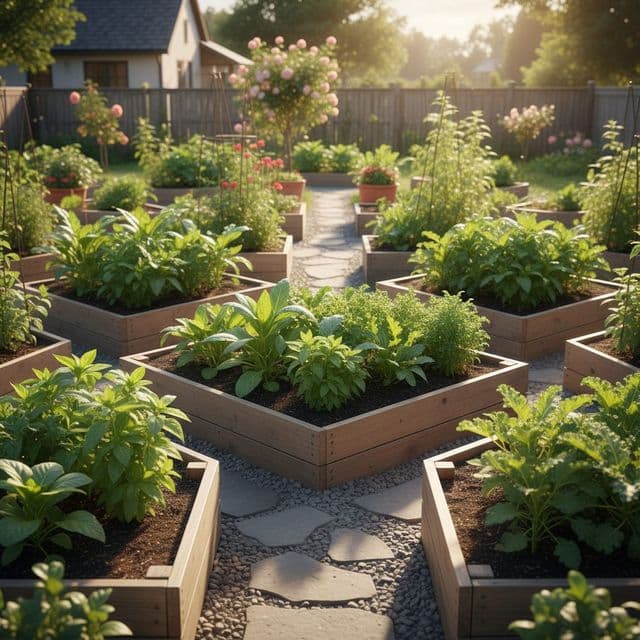
Learn to craft soothing homemade herbal balms with calendula and lavender from your garden. This guide covers infusing oils, ratios, and growing tips for natural, cost-effective skincare in just 30…
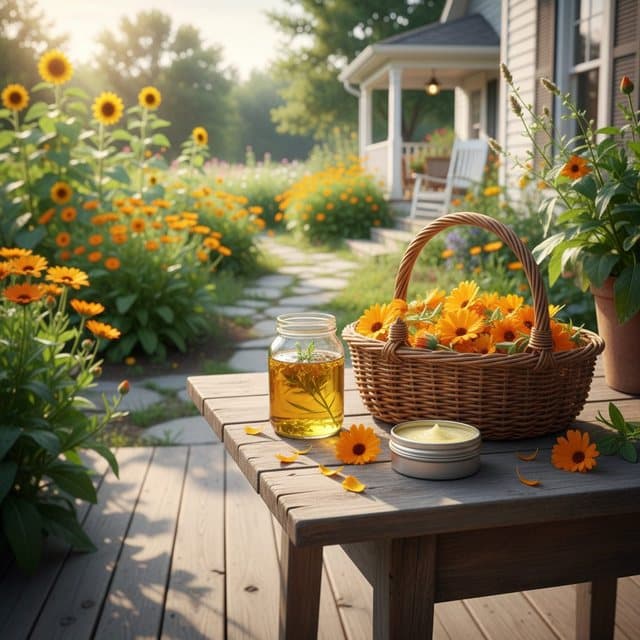
Master growing calendula (USDA zones 3-9) for medicinal use. Learn to harvest, dry, and infuse flowers to craft your own potent calendula salve for a natural home apothecary.
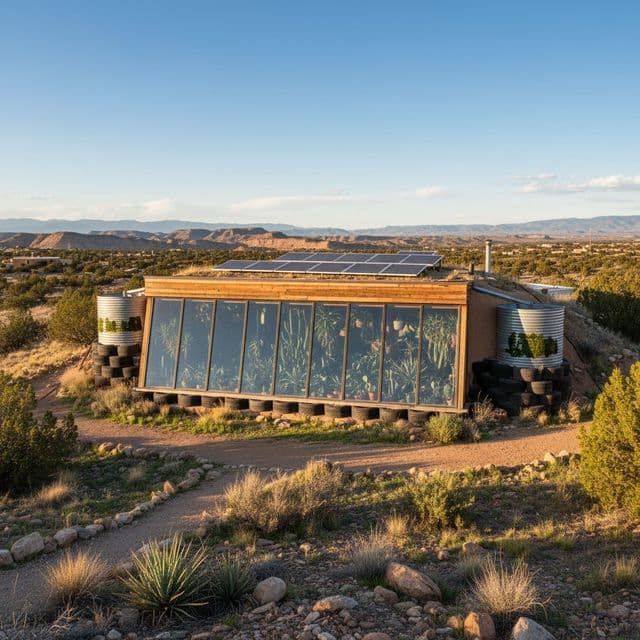
Learn to design a thriving apothecary garden for your USDA Zone 6 homestead. Maximize medicinal herb yield with sun mapping, soil prep, and companion planting strategies.
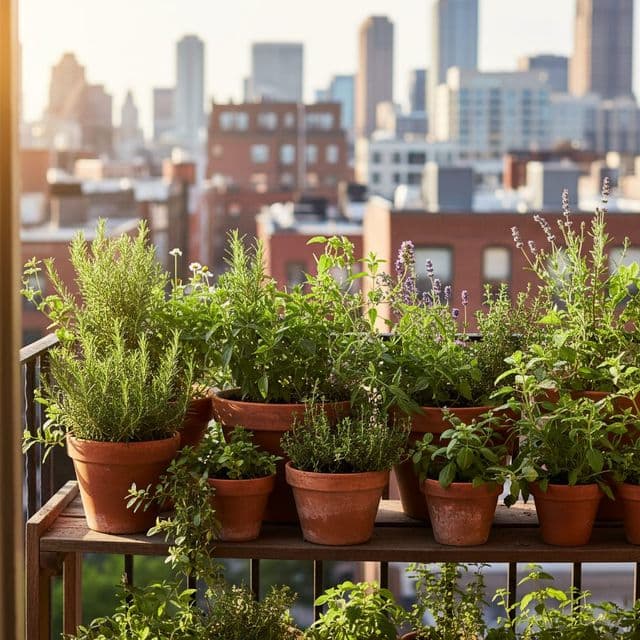
How to grow medicinal herbs in containers on balconies or patios, covering plant selection, potting mixes, light requirements, and seasonal care.
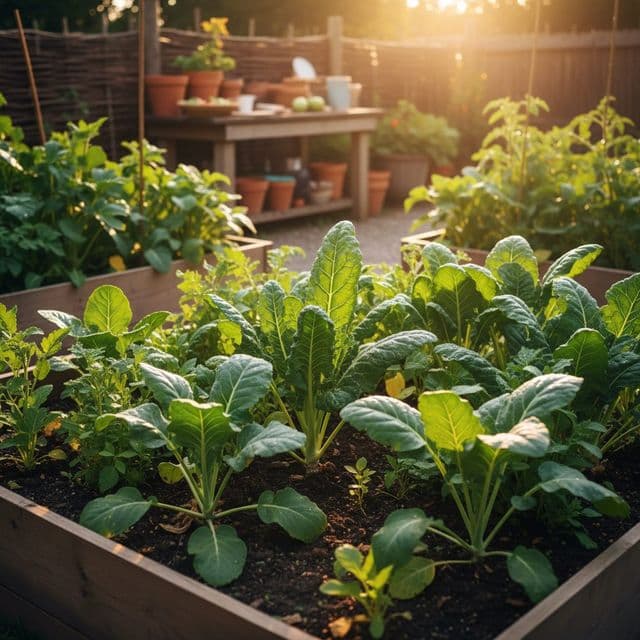
Cultivate a thriving medicinal herb garden in USDA Zones 8-10. Learn expert tips for soil, water, and plant selection in hot climates across the Southeast, Southwest, and Gulf Coast.
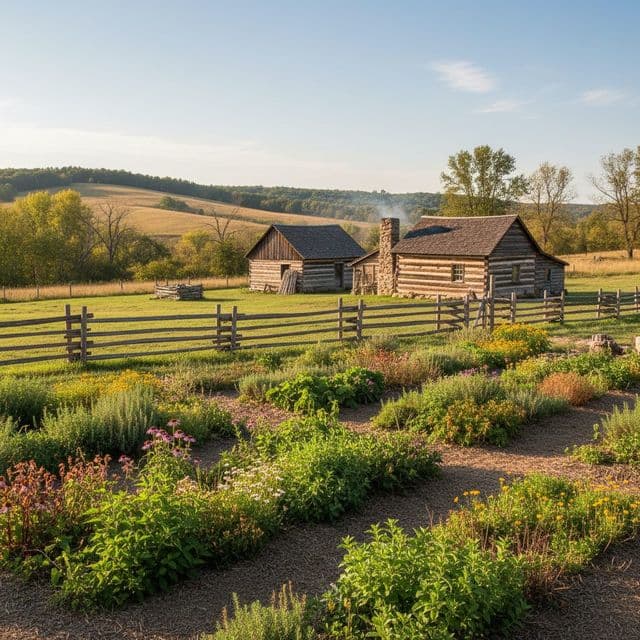
Cultivate a thriving medicinal herb garden in USDA Zones 3-5. Learn plant selection, soil management, and preservation for a home apothecary in cold climates.
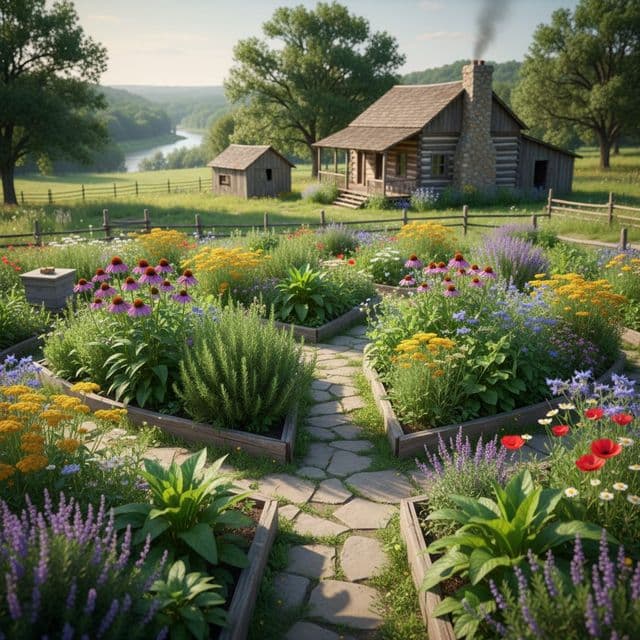
Decide between perennial and annual medicinal herbs for your home apothecary. Learn about their life cycles, cultivation needs, and best choices for USDA zones 3-10 to create a thriving herb garden.
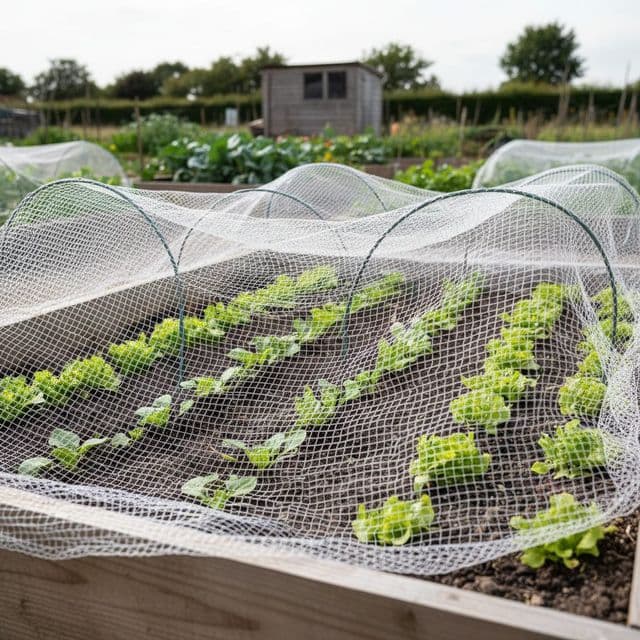
Discover 12 beginner medicinal herbs that thrive in USDA Zone 6. Learn essential growing tips for your home apothecary, from calendula to echinacea, for natural remedies.
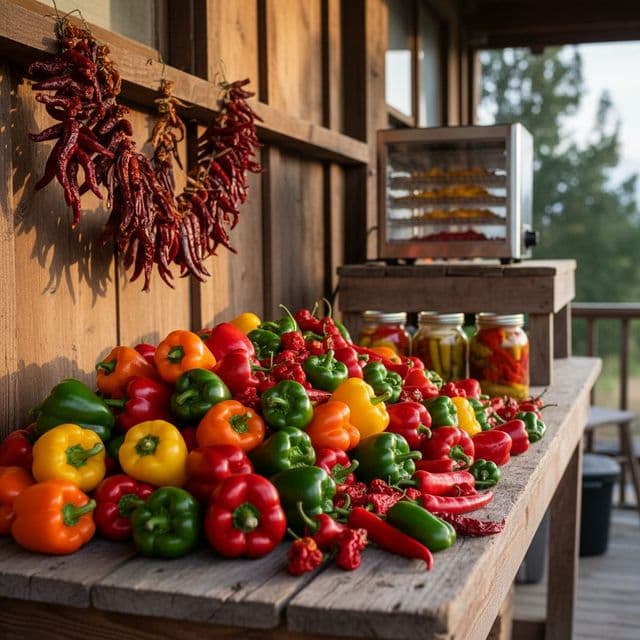
How to preserve your USDA Zone 7 pepper harvest with drying, freezing, fermenting, and pickling techniques to use peppers year-round.
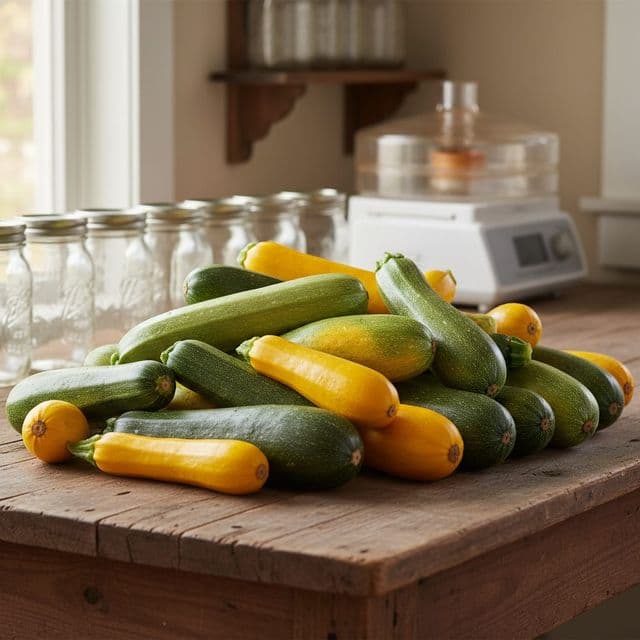
How to preserve a summer squash harvest by dehydrating, fermenting, or freezing for months or up to a year.
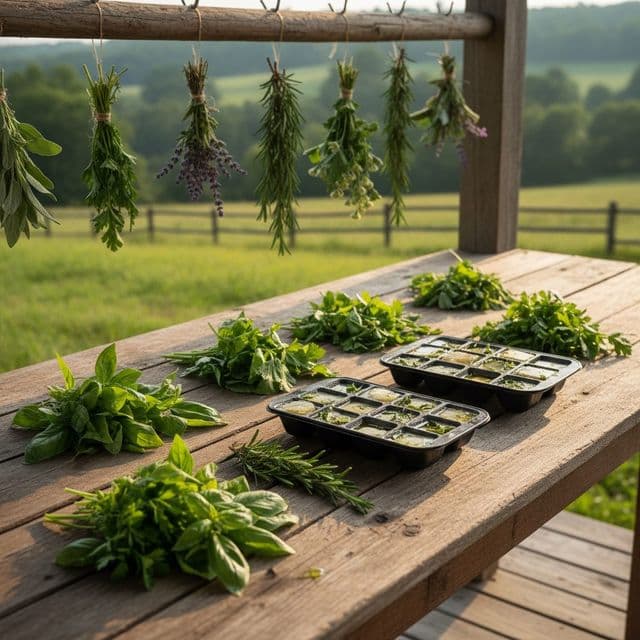
How to preserve basil from a USDA Zone 7 garden, covering freezing in oil or water, making pesto cubes, and drying techniques.
What to plant in September in the US based on your USDA zone, covering indoor starting, direct sowing, transplanting, and autumn garden preparation.
What to plant in September in Canada, organized by plant hardiness zone bands from the cold Prairies to mild coastal British Columbia.
October planting in the United States depends entirely on your regional USDA hardiness zone and the timing of your first autumn frost.
What to plant in October in Canada, covering garlic, cold-hardy perennials, winter salad greens, and key autumn soil preparation tasks across all hardiness zones.
What to plant in November in the US by USDA zone, covering garlic, cold-hardy greens, root crops, spring bulbs, bare-root fruit trees, and late-season garden winterization.