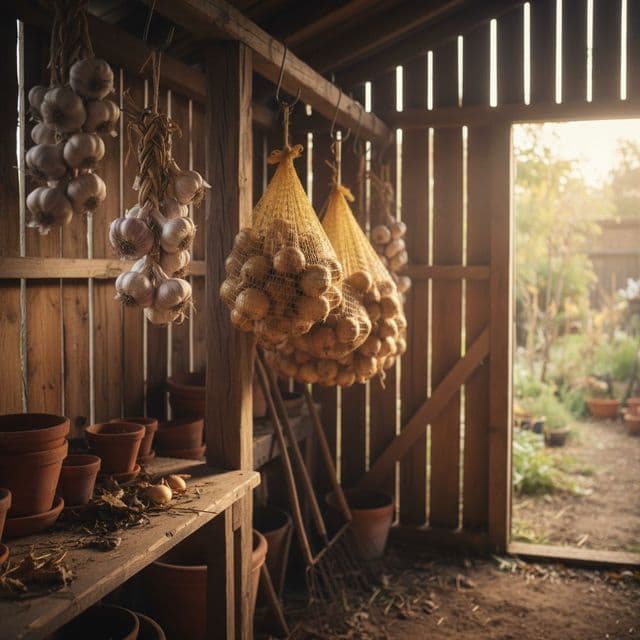
Curing Alliums: Reduce Spoilage, Extend Onion & Garlic Storage
Learn how proper curing alliums, like onions and garlic, can drastically reduce spoilage and extend their shelf life for months. Master ideal conditions for long-term storage.
Topic
Homestead skills addresses the hands-on kitchen and preservation work that turns raw harvests into food that lasts — canning, fermenting, curing, drying, and baking from scratch. Each article builds a specific, teachable technique so readers leave with a process they can repeat, not just inspiration to try something someday.
146 articles in this topic on agripure. — page 3 of 7
Learn how proper curing alliums, like onions and garlic, can drastically reduce spoilage and extend their shelf life for months. Master ideal conditions for long-term storage.
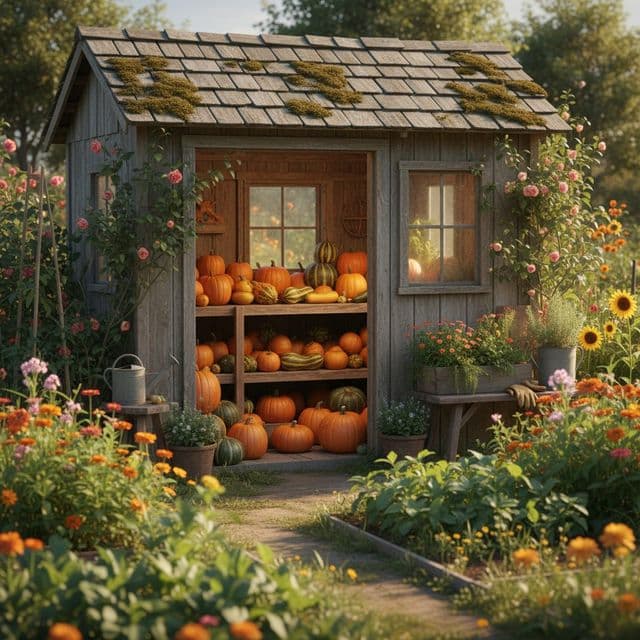
Learn how to cure winter squash for extended storage. Discover optimal temperatures (80-85°F) and humidity (80-85%) to harden skins, improve flavor, and prevent spoilage for months.
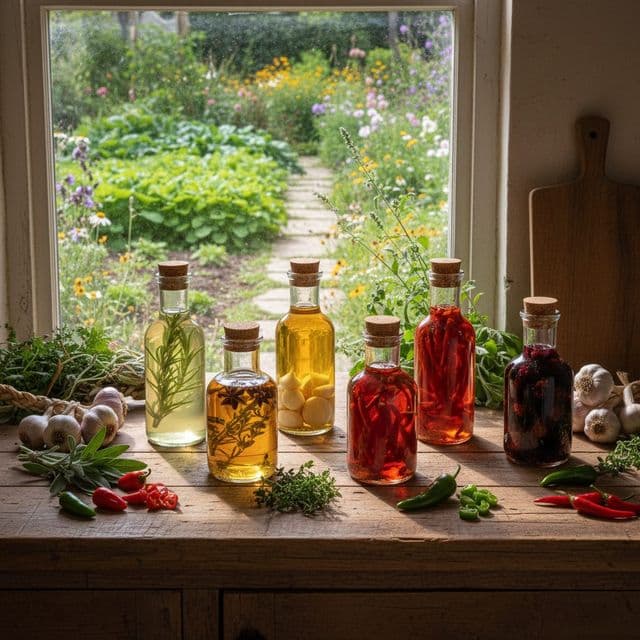
Learn how to make infused vinegars to preserve garden herbs, garlic, and chilies for up to 18 months. Extend your harvest and add flavor to dishes with this simple homesteading technique.
Learn to brew kombucha at home for a fraction of the store-bought price. This guide covers SCOBY care, first and second fermentation, and how to keep the brew safe.
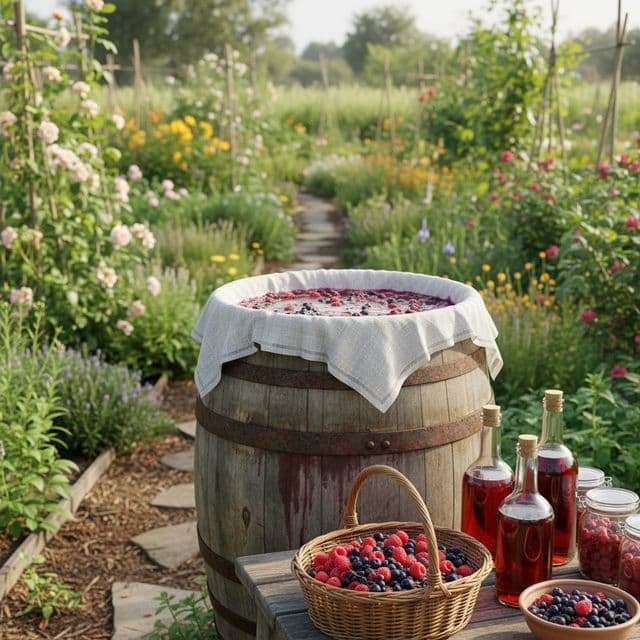
Transform excess berries into delicious homemade fruit vinegar. Learn a simple, two-stage fermentation process to preserve fruit gluts, reduce waste, and create a versatile pantry staple in USDA Zo…
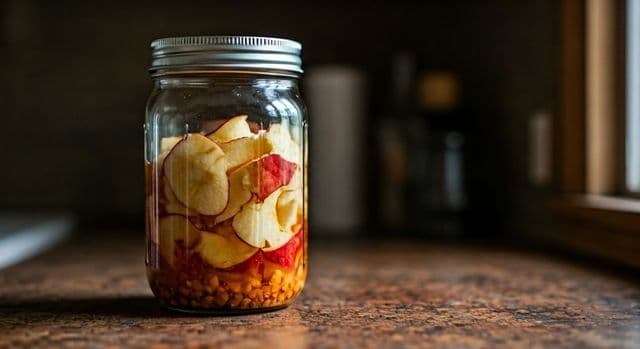
Learn to make homemade apple cider vinegar from apple scraps in the Pacific Northwest. Reduce waste, save money, and create a versatile staple for cooking, cleaning, and dressings.
How to tell a safe ferment from a spoiled one. Read pH levels, distinguish harmless kahm yeast from dangerous mold, and identify spoilage signs on your Zone 6 homestead.
How to ferment carrots, beets, green beans, and radishes with a crisp texture, including salt ratios, temperatures, and storage for USDA Zone 6.
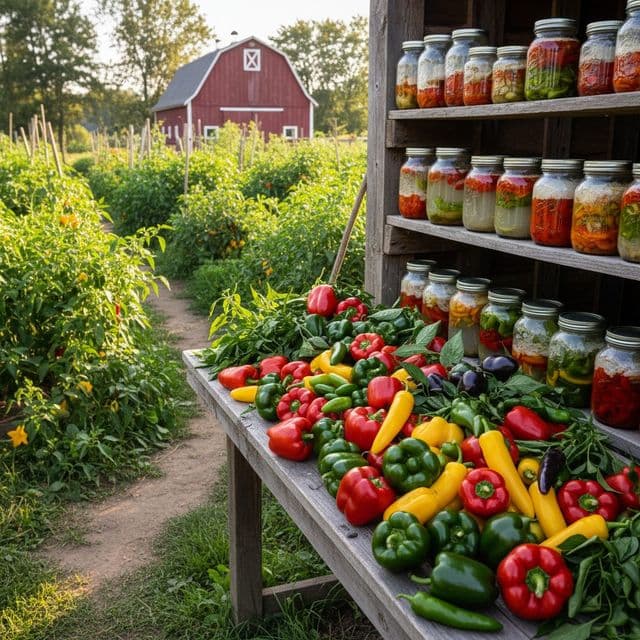
How to make shelf-stable fermented hot sauce from excess garden peppers in USDA Zone 7, covering salt ratios, pH thresholds, and bottling methods.
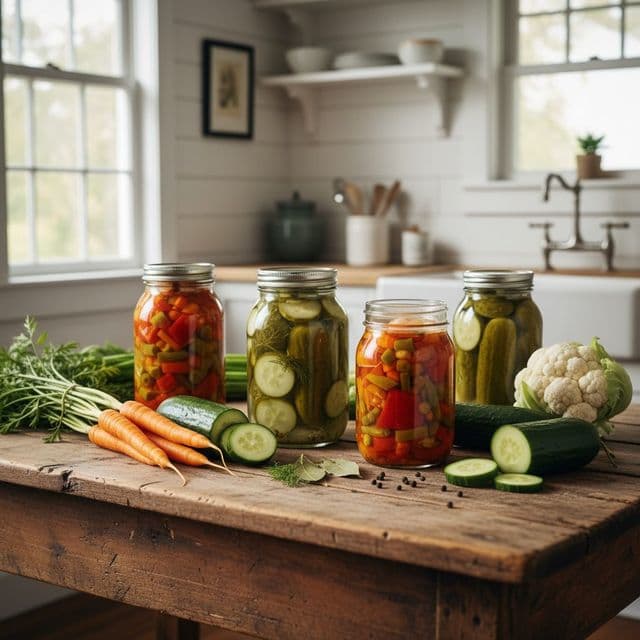
Learn to make delicious fermented dill pickles and giardiniera. This guide covers salt brine, temperature, and storage to preserve your harvest for 6-12 months.
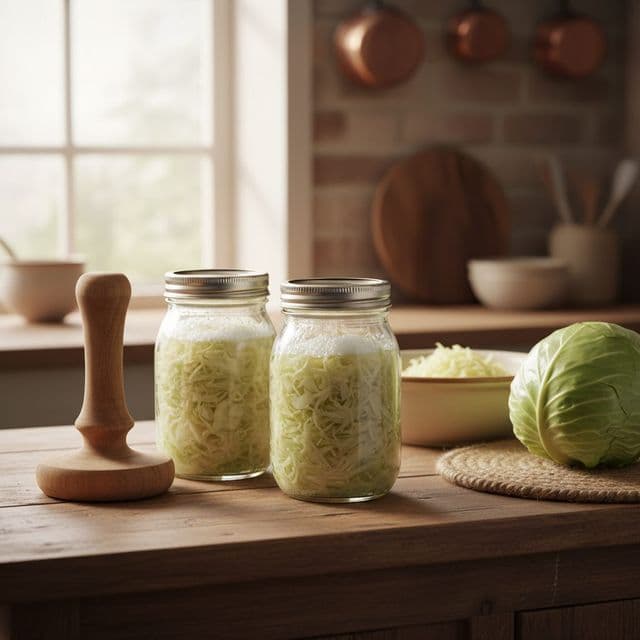
Learn to ferment cabbage in Mason jars for up to 12 months. This guide covers safe methods, health benefits, and step-by-step instructions for preserving your harvest without electricity.
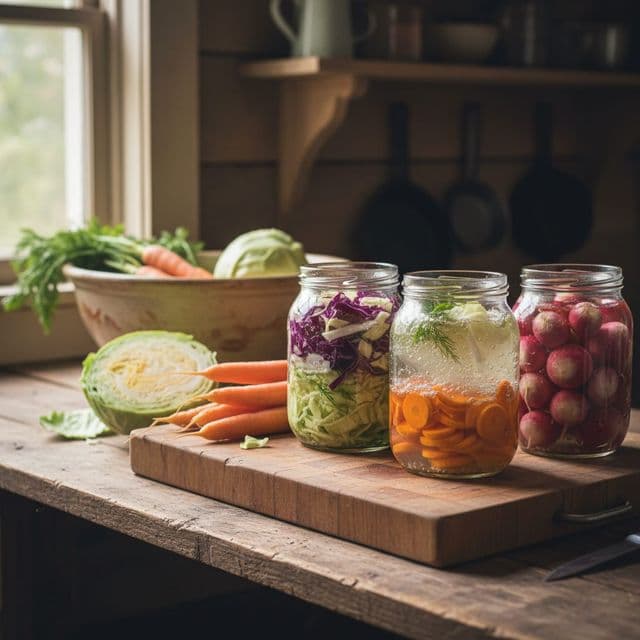
Master lacto-fermentation with a 2-3% brine for safe, delicious preserves. Learn precise salt ratios, ideal temperatures, and essential tips for successful food preservation.
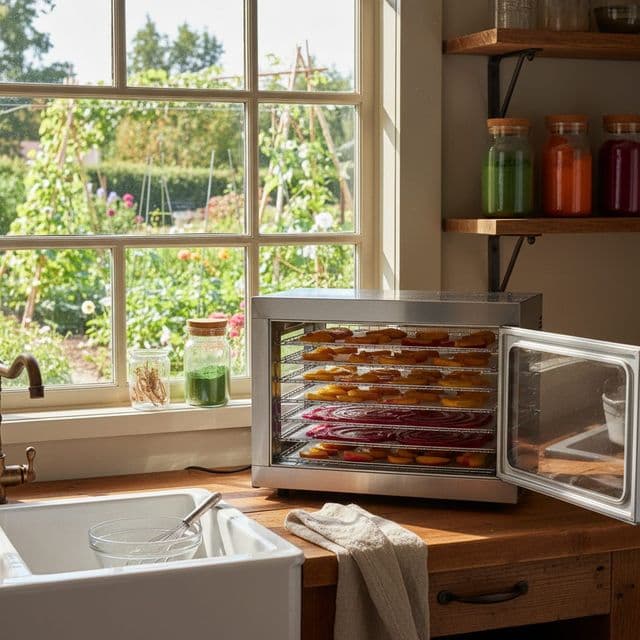
Transform excess summer produce into shelf-stable fruit leather and nutrient-dense vegetable powders. Learn drying techniques, temperatures, and storage tips to preserve your harvest and reduce foo…
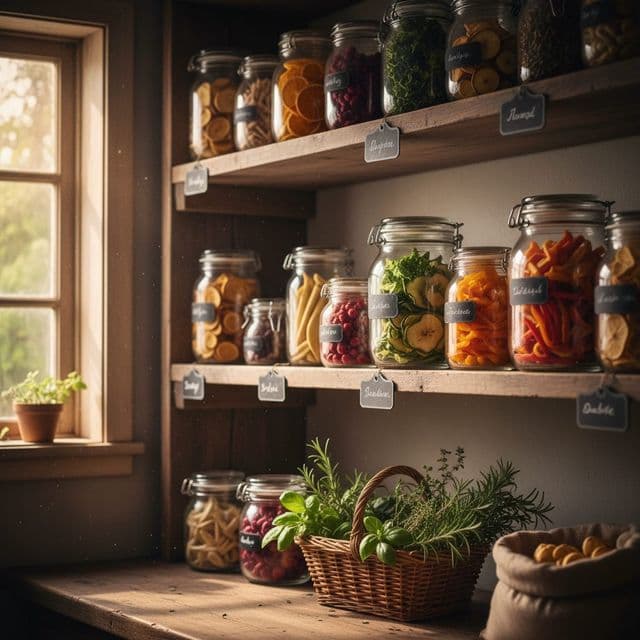
Condition dried food to prevent moisture reabsorption and mold. Learn techniques for USDA zone 6 homes to extend shelf life and preserve your harvest for years.
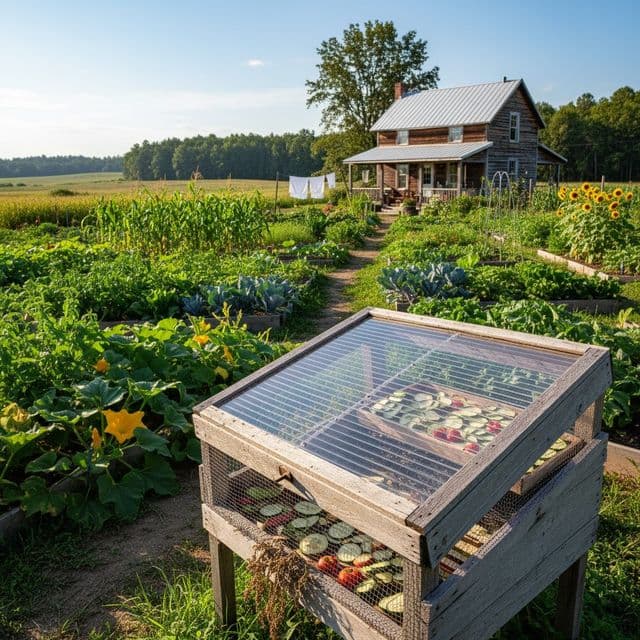
Learn to build a cost-effective solar food dehydrator from scrap lumber. Preserve your harvest, reduce food waste, and save energy with this DIY project for USDA Zone 6.
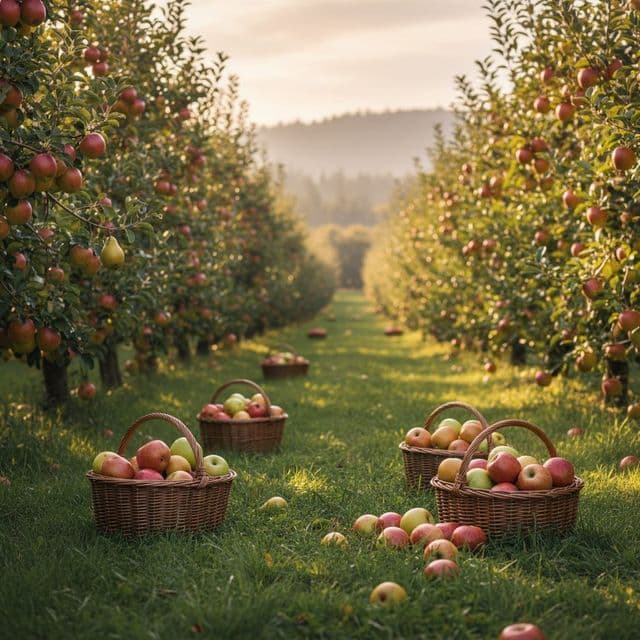
Learn how to dehydrate apples, pears, and stone fruit for year-round storage in USDA Zone 6. Preserve your harvest, reduce waste, and enjoy nutrient-dense snacks. Get tips on fruit selection, prepa…
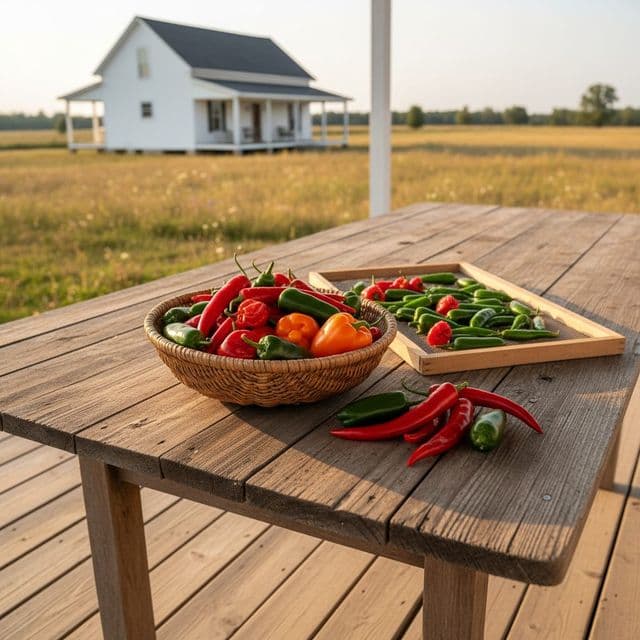
Learn how to extend your chili pepper harvest for up to two years with reliable drying and powdering techniques. Preserve flavor, heat, and reduce waste with our guide.
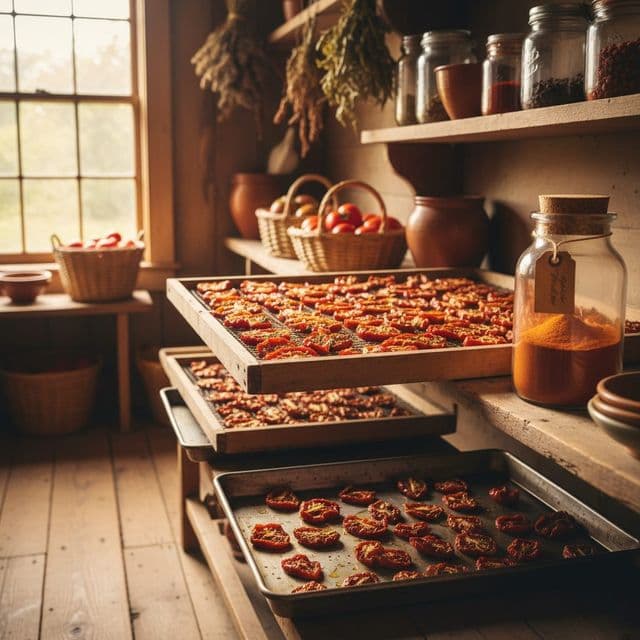
How to dehydrate tomatoes to extend shelf life up to 12 months, concentrate flavor, and reduce storage volume, with practical techniques for oven and sun drying.
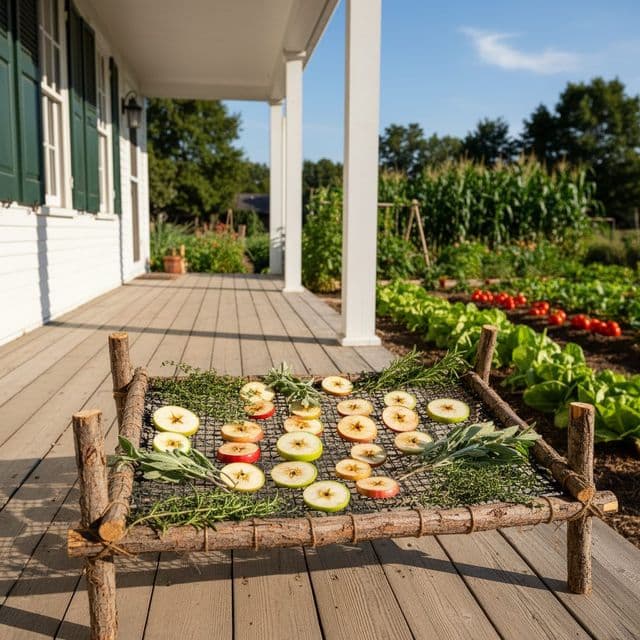
Explore effective food drying methods: sun, electric dehydrator, and oven. Learn how to preserve your harvest, extend shelf life, and reduce food waste for year-round self-sufficiency.
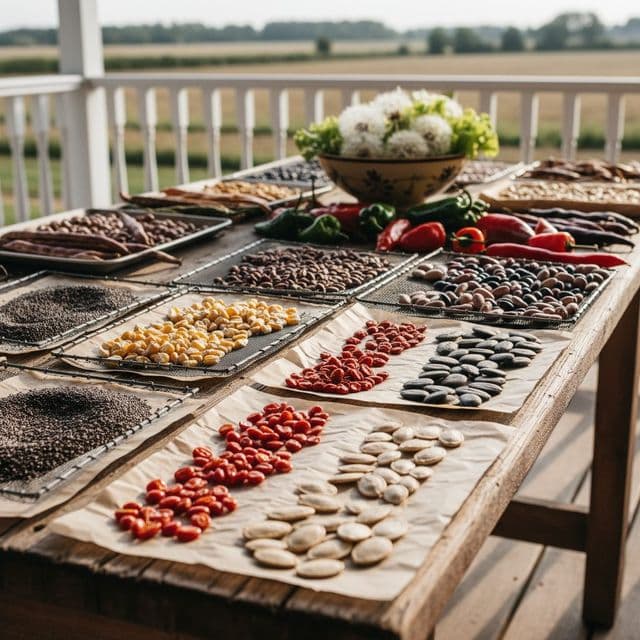
How to save seeds from tomatoes, beans, peppers, and lettuce, covering fermentation, drying, and storage techniques for US homesteaders.
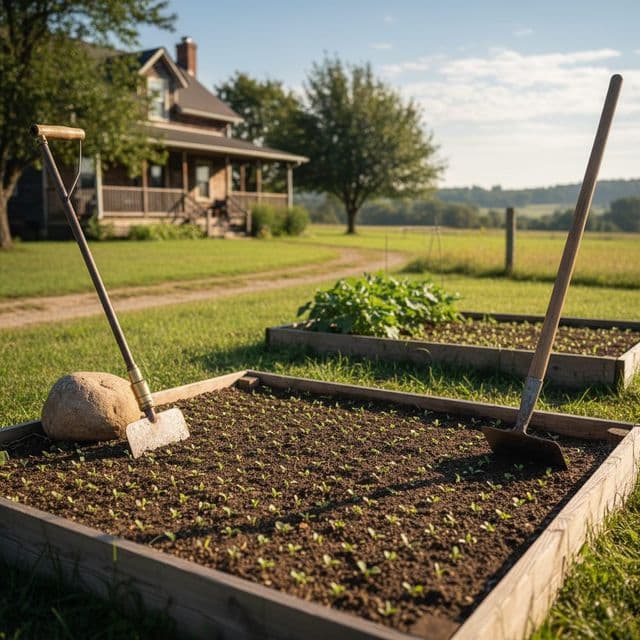
Master stale seedbed weed control in USDA Zone 6. Compare flame weeding vs. shallow hoeing for effective, chemical-free weed management, reducing weed pressure by up to 90%.
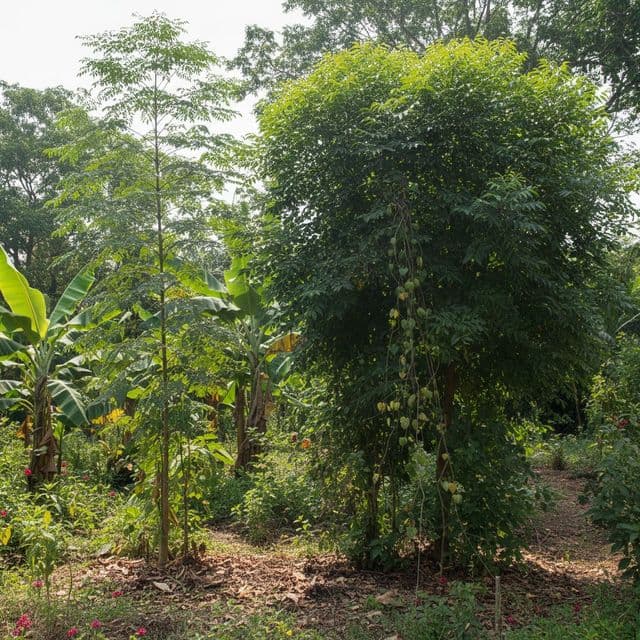
Learn how to air layer woody plants like fruit trees and shrubs using sphagnum moss. This reliable propagation method works well in USDA zones 6-10, yielding mature plants faster.
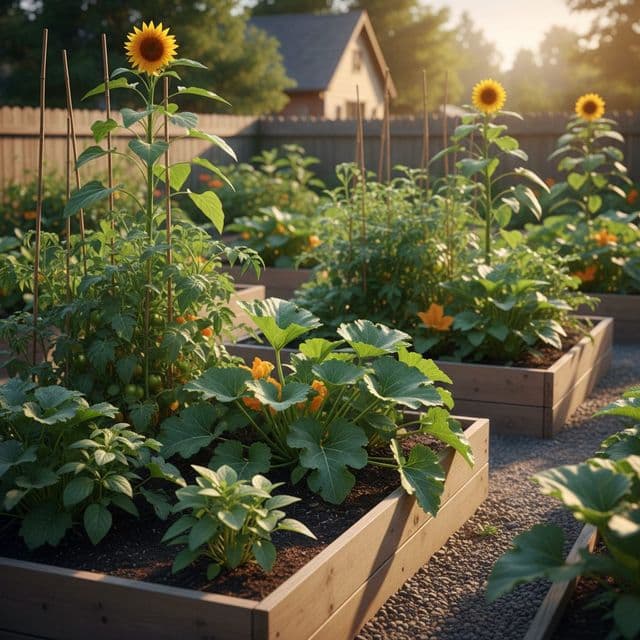
Learn how to upcycle common plastic containers for winter sowing. Achieve 80-90% germination rates, save money, and grow hardier seedlings in USDA Zone 4 and beyond.
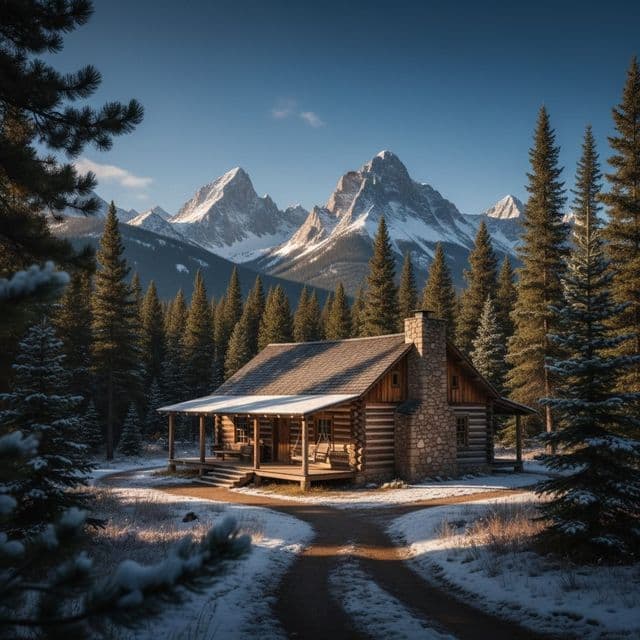
Develop critical off-grid skills, secure potable water sources, construct durable cabins, and manage remote wilderness homesteads with confidence.