Safe infused honey: botulism prevention for home apothecary
How to make infused honey safely at home by properly drying herbs and controlling water activity to prevent botulism.
Topic
Homestead skills addresses the hands-on kitchen and preservation work that turns raw harvests into food that lasts — canning, fermenting, curing, drying, and baking from scratch. Each article builds a specific, teachable technique so readers leave with a process they can repeat, not just inspiration to try something someday.
146 articles in this topic on agripure. — page 2 of 7
How to make infused honey safely at home by properly drying herbs and controlling water activity to prevent botulism.
How to make and store herb-infused honeys in USDA Zone 6, covering ratios, infusion times, and storage methods for lemon balm, sage, and ginger honeys.
Cultivate a medicinal herb garden in USDA Zone 6, focusing on chamomile and lemon balm. Prepare safe, effective alcohol-free herbal remedies for your family. Save up to 75%.
Learn how to maximize tincture shelf life and potency. Discover proper storage techniques, ideal conditions, and signs of spoilage for your home apothecary.
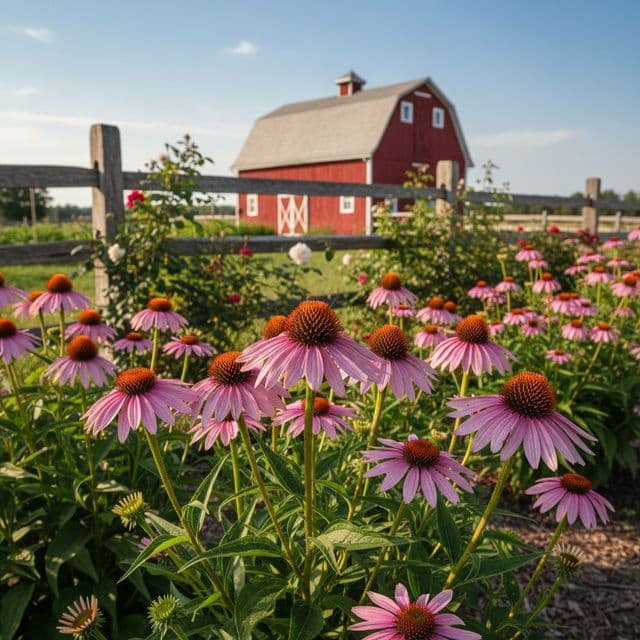
Learn to grow Echinacea purpurea & angustifolia in your US garden for immune support. This guide covers planting, harvesting, and making potent Echinacea tinctures at home.
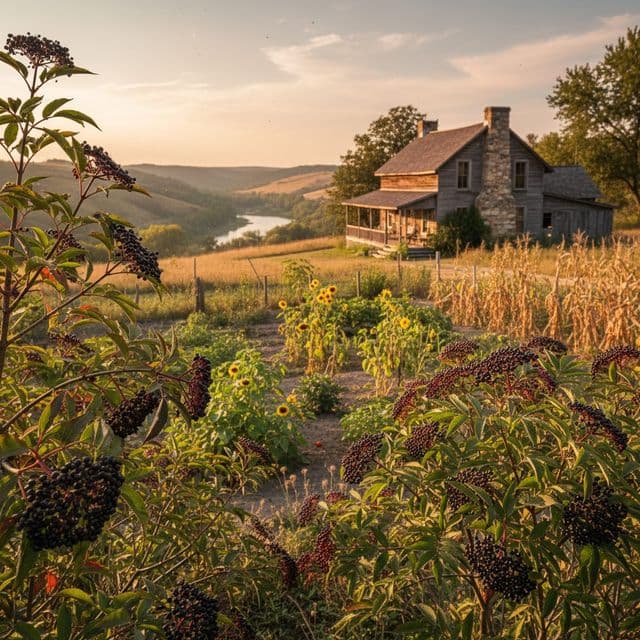
Learn how to make elderberry tincture from US-grown berries. This guide covers harvesting, identification, and a potent elderberry tincture recipe for your home apothecary.
Learn to choose the best menstruum for your herbal tinctures. Compare alcohol, glycerin, and vinegar for optimal extraction, potency, and shelf life of medicinal herbs.
A comparison of folk methods and weight-to-volume measurements for making herbal tinctures from fresh and dried garden herbs.
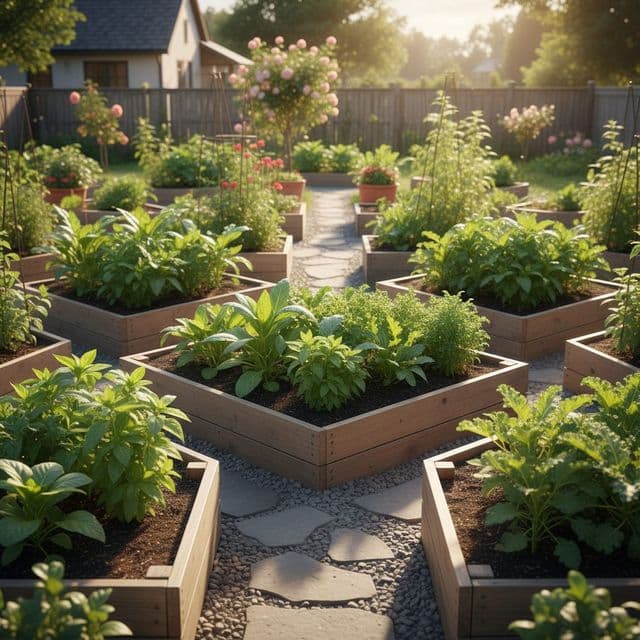
Learn to craft soothing homemade herbal balms with calendula and lavender from your garden. This guide covers infusing oils, ratios, and growing tips for natural, cost-effective skincare in just 30…
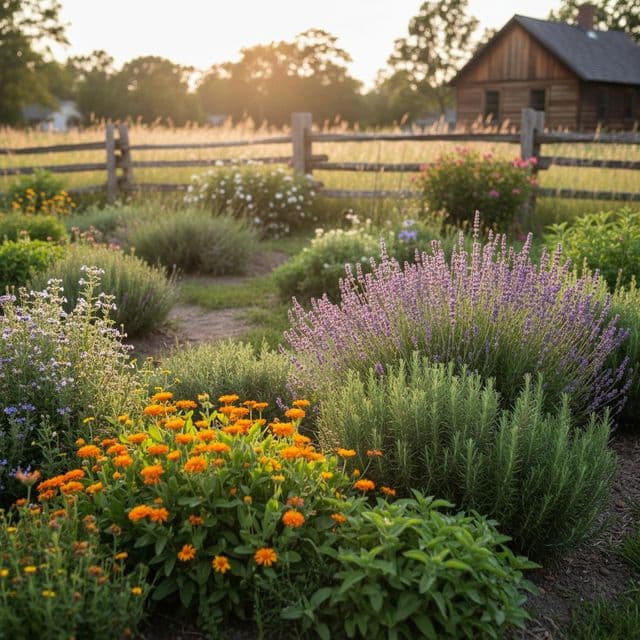
Three methods for infusing herbs into oil for a home apothecary: slow-cooker, solar, and double-boiler techniques for dried herbs in USDA zones 4-9.
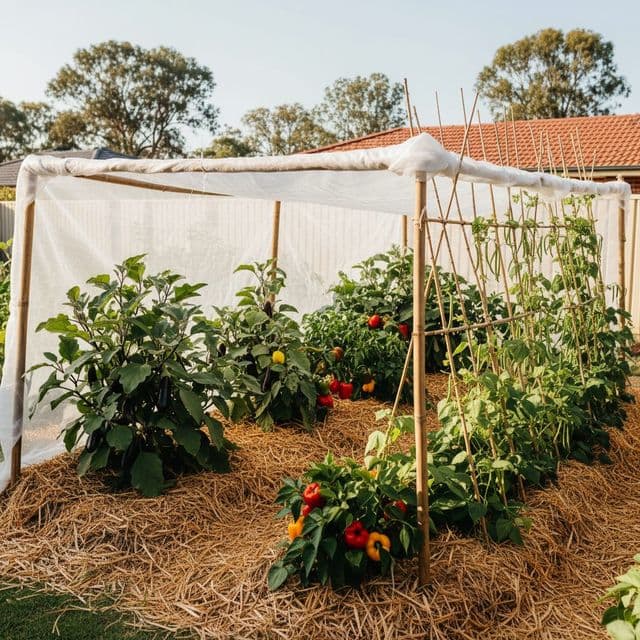
How to formulate herbal balms and salves using specific beeswax-to-oil ratios, selecting carrier oils for the desired consistency.
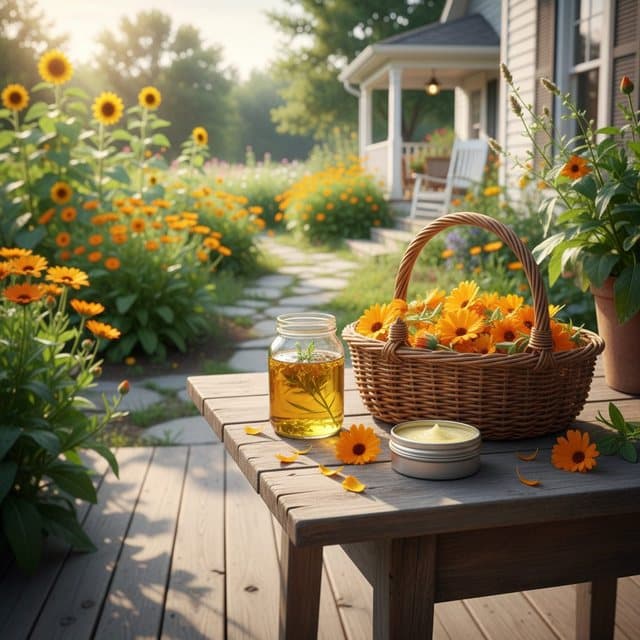
Master growing calendula (USDA zones 3-9) for medicinal use. Learn to harvest, dry, and infuse flowers to craft your own potent calendula salve for a natural home apothecary.
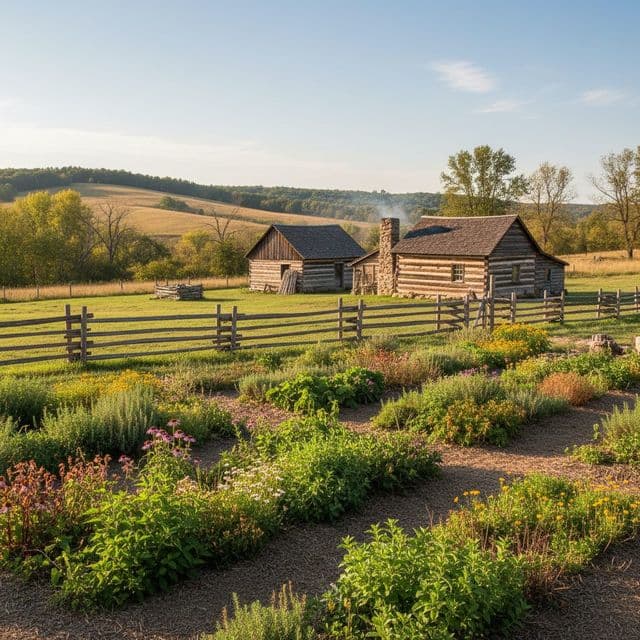
Cultivate a thriving medicinal herb garden in USDA Zones 3-5. Learn plant selection, soil management, and preservation for a home apothecary in cold climates.
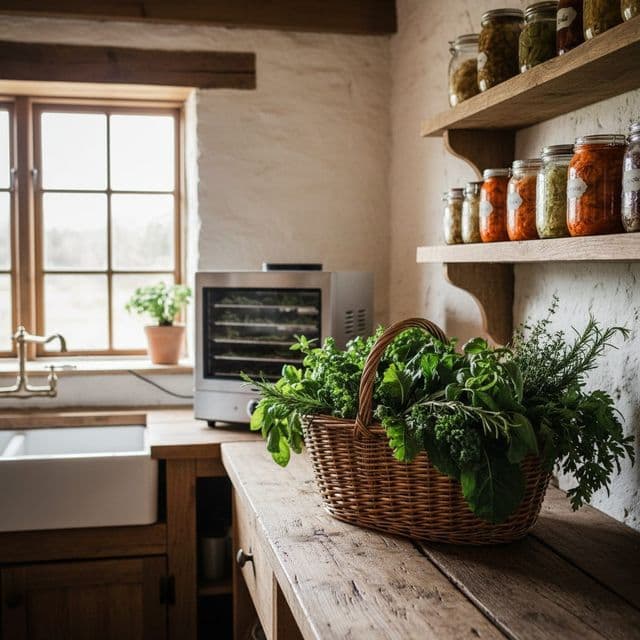
How dehydration, fermentation, and freezing preserve leafy greens and herbs, reducing the 30% food waste typical in home kitchens.
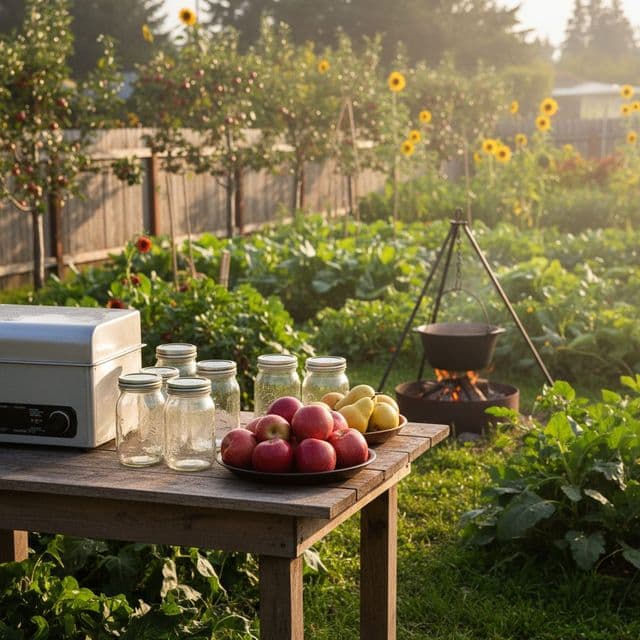
Learn practical methods for preserving apples and pears from abundant harvests in the Pacific Northwest. Extend your fruit’s usability for 6-12 months with dehydrating, canning, and root cellaring.
Learn to safely can berry jams and jellies for a year-round supply. This guide covers selecting fruit, essential ingredients, and USDA guidelines for preserves in USDA Zone 5.
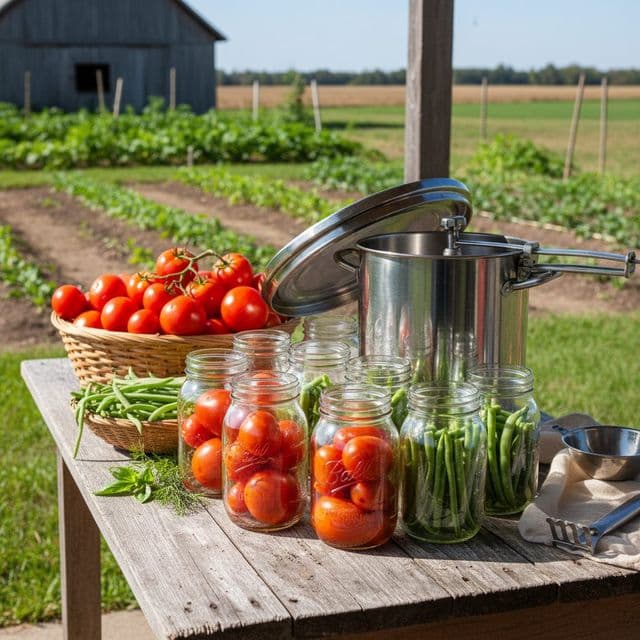
Understand botulism risks in home canning. Learn how altitude, acidity (pH), and proper processing prevent deadly toxins. Essential home canning safety tips for all US homesteaders.
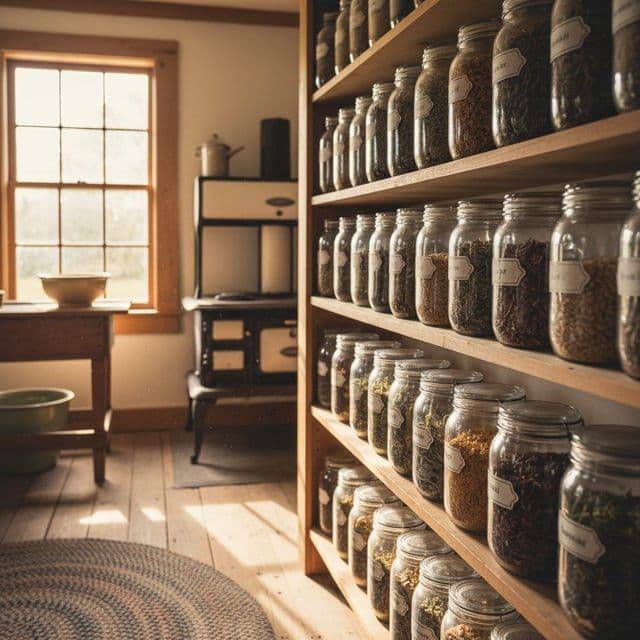
Master pantry food storage for spices & dried goods. Learn dehydration, organization, and optimal conditions to reduce waste and ensure year-round access on your homestead.
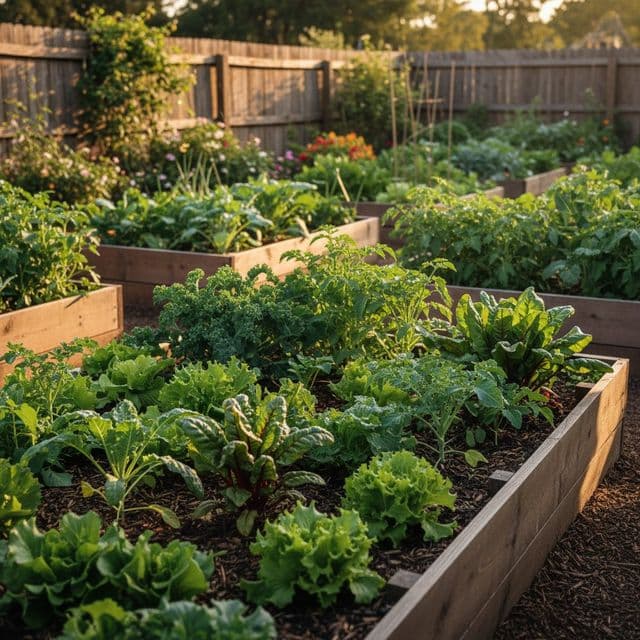
Learn how to make safe herbal infusions at home. Understand botulism risks in oils, vinegars, and honeys, and discover essential preservation techniques for your pantry.
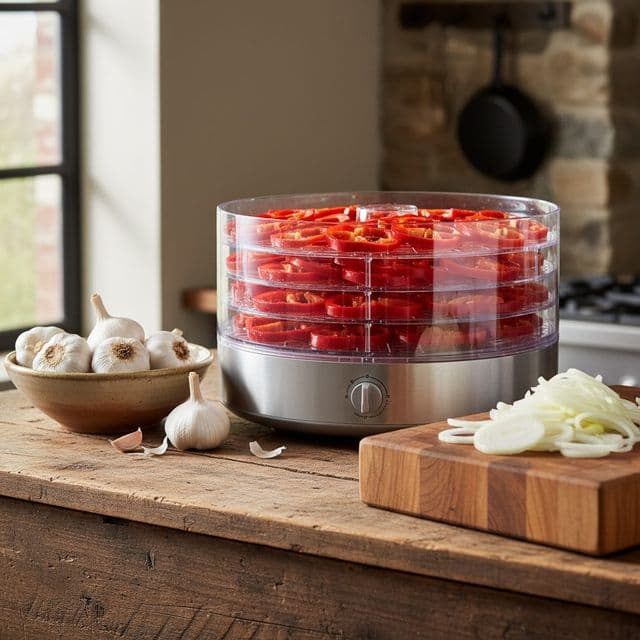
Learn to dry, store, and grind homemade spices like paprika, garlic, and onion powder from your garden. This guide helps US growers achieve high-quality, shelf-stable ingredients.
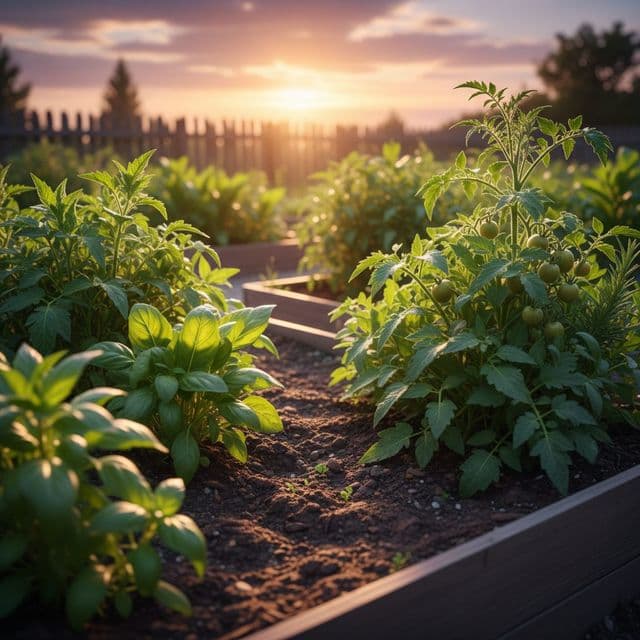
How to preserve food without electricity using passive cooling methods like zeer pots, root cellars, and cool spaces to extend harvest life and reduce waste.
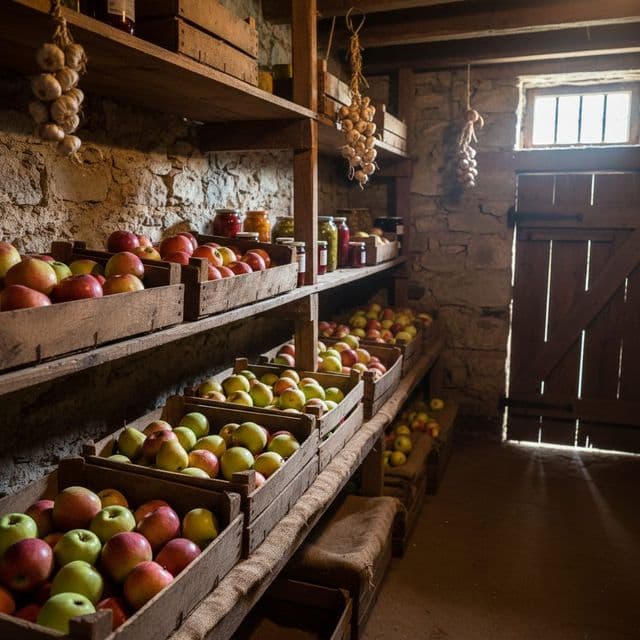
Master long-term fruit storage for apples & pears in USDA zones 5-7. Learn optimal temperatures, humidity, and variety selection to keep your harvest fresh for months, reducing waste.
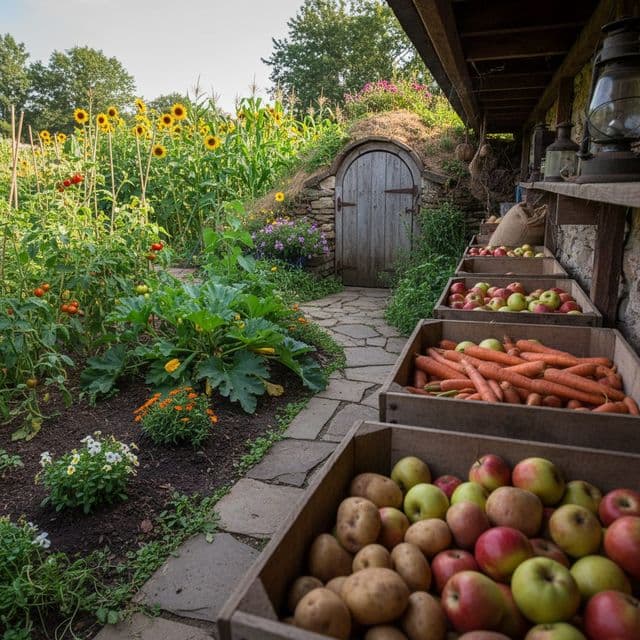
Master garden produce storage by understanding optimal temperature and humidity. Learn how to store root vegetables, onions, apples, and more for extended shelf life, preventing spoilage and mainta…
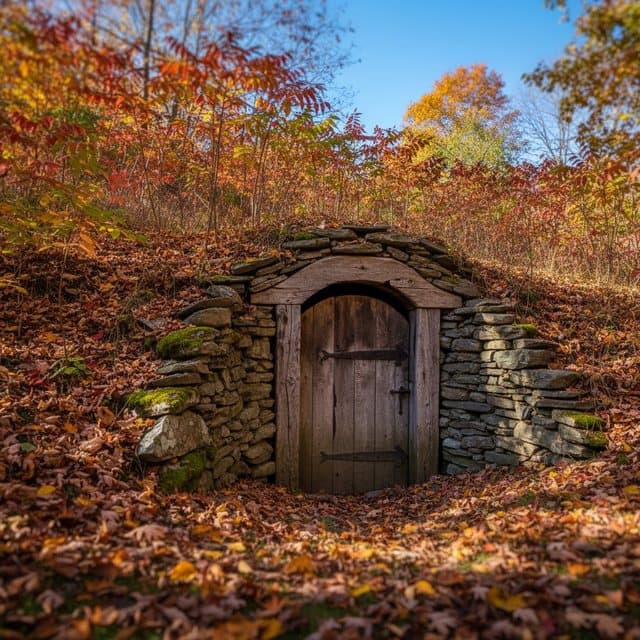
Learn how to build a root cellar in USDA Zone 6 to extend your harvest. Discover options from simple buried trash cans to dedicated structures, ensuring fresh produce for months.