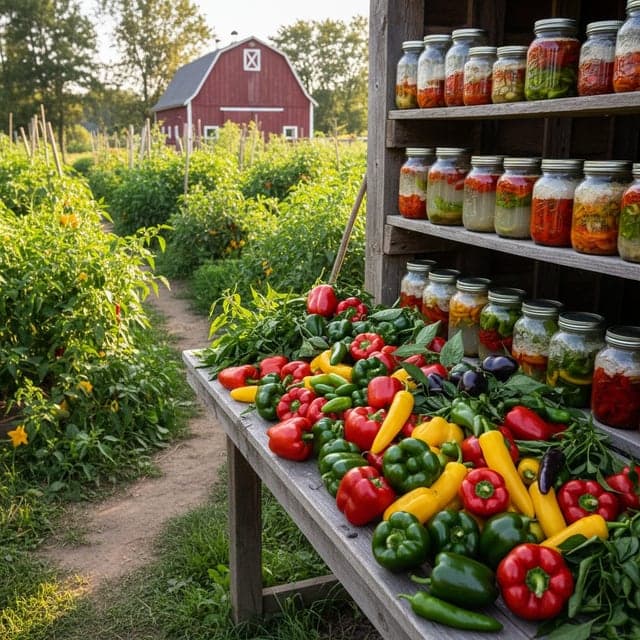
Fermented hot sauce: preserve peppers
How to make shelf-stable fermented hot sauce from excess garden peppers in USDA Zone 7, covering salt ratios, pH thresholds, and bottling methods.
Topic
Homestead skills addresses the hands-on kitchen and preservation work that turns raw harvests into food that lasts — canning, fermenting, curing, drying, and baking from scratch. Each article builds a specific, teachable technique so readers leave with a process they can repeat, not just inspiration to try something someday.
211 articles in this topic on agripure. — page 6 of 9
How to make shelf-stable fermented hot sauce from excess garden peppers in USDA Zone 7, covering salt ratios, pH thresholds, and bottling methods.
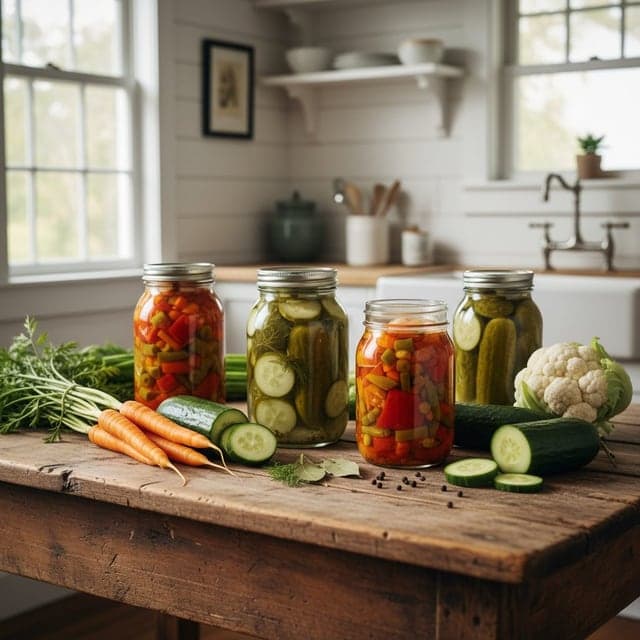
Learn to make delicious fermented dill pickles and giardiniera. This guide covers salt brine, temperature, and storage to preserve your harvest for 6-12 months.
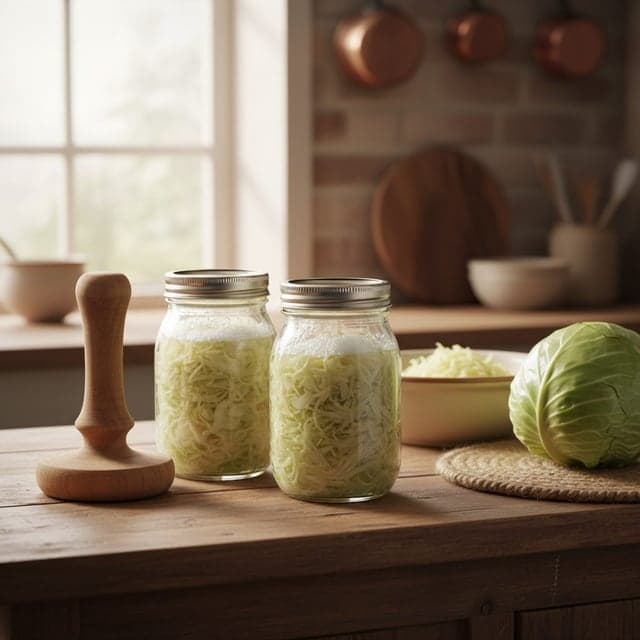
Make crisp, safe Mason jar sauerkraut using NCHFP and USDA extension food science: exact 2.0–2.25% gram-scale salt math, Leuconostoc to L. plantarum pH drop below 4.0, 65–72°F control, airlock head…
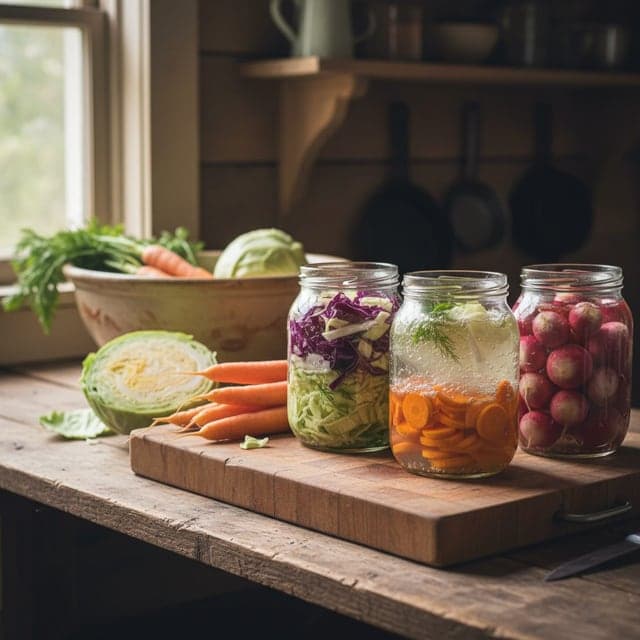
Master lacto-fermentation with a 2-3% brine for safe, delicious preserves. Learn precise salt ratios, ideal temperatures, and essential tips for successful food preservation.
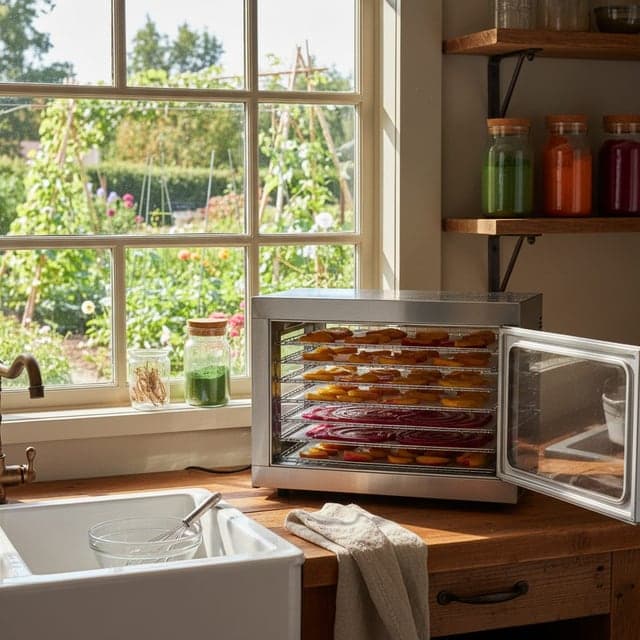
Transform excess summer produce into shelf-stable fruit leather and nutrient-dense vegetable powders. Learn drying techniques, temperatures, and storage tips to preserve your harvest and reduce foo…
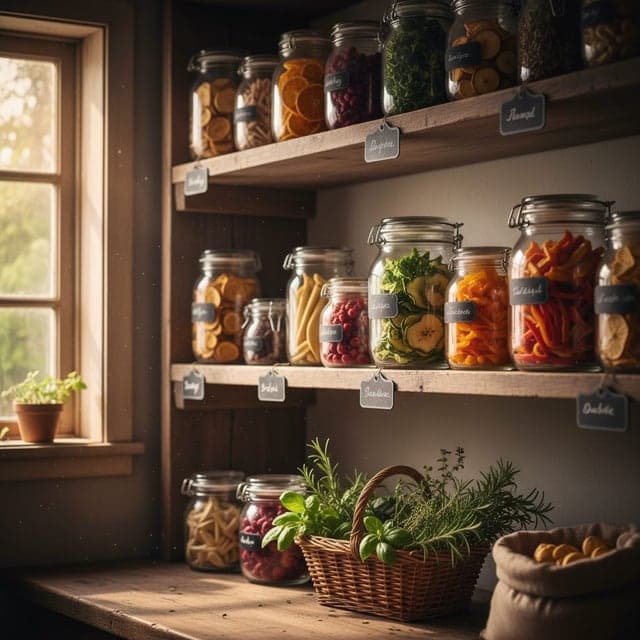
Follow the NCHFP 7–10 day glass-jar conditioning check, mandatory post-sun pasteurization, and safe Mason jar, Mylar, oxygen-absorber, and silica-gel rules to keep dehydrated food mold-free.
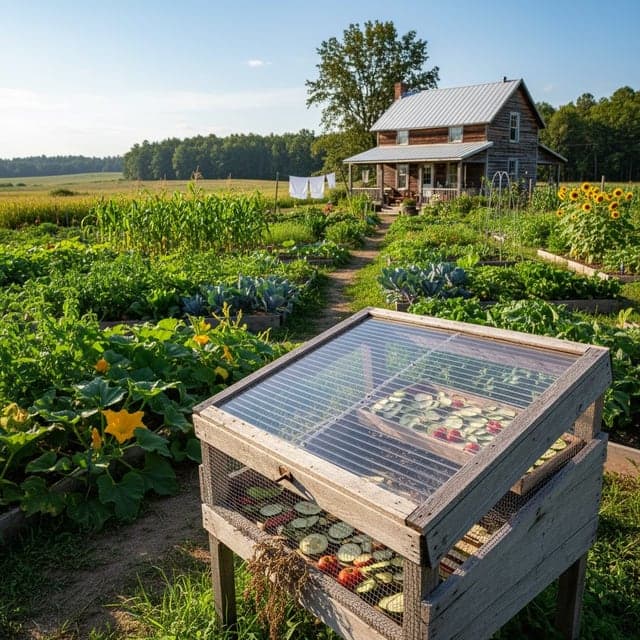
Learn to build a cost-effective solar food dehydrator from scrap lumber. Preserve your harvest, reduce food waste, and save energy with this DIY project for USDA Zone 6.
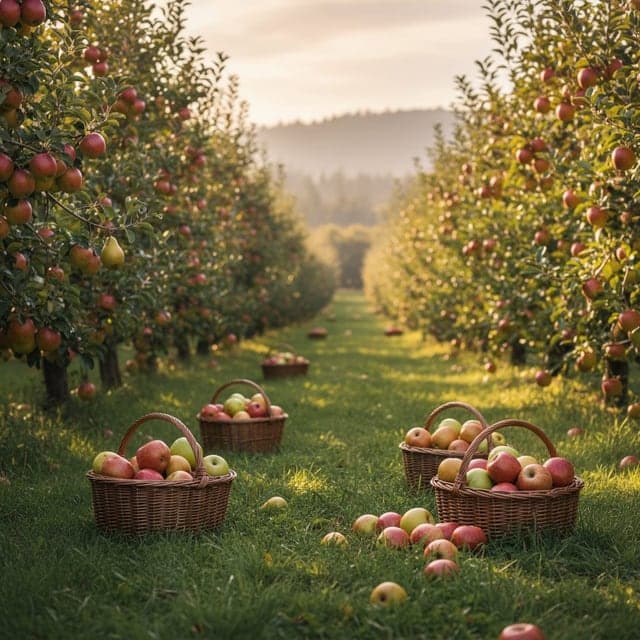
Learn how to dehydrate apples, pears, and stone fruit for year-round storage in USDA Zone 6. Preserve your harvest, reduce waste, and enjoy nutrient-dense snacks. Get tips on fruit selection, prepa…
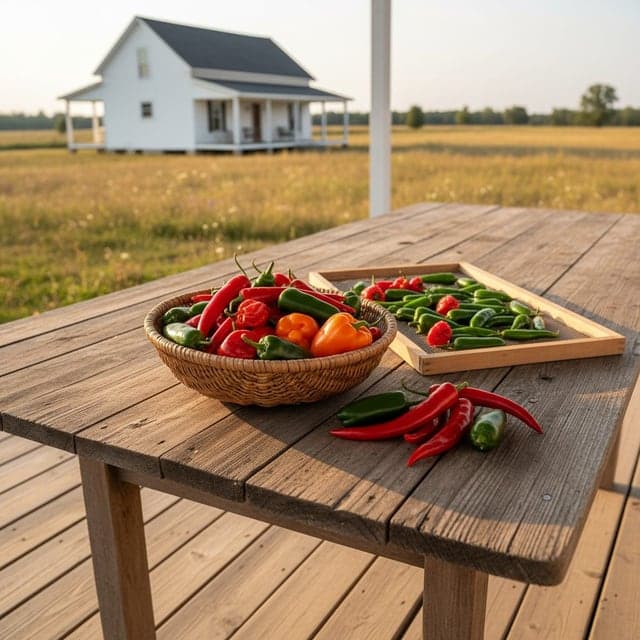
Dehydrate and mill homegrown chili peppers safely using NCHFP and NMSU 125–140°F temperatures, arid-only ristra humidity limits, ≤0.60 a_w crisp checks, 4–7 day jar conditioning, 5-minute grinder P…
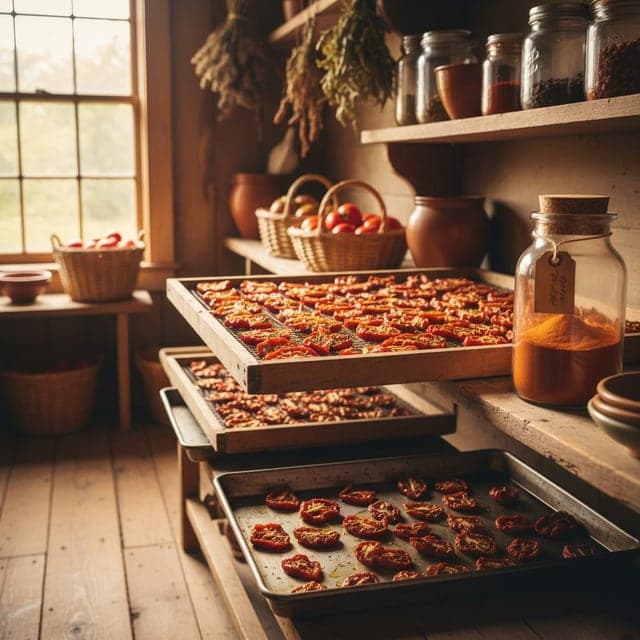
Dehydrate tomatoes safely at 135-140°F in a dehydrator, 140-170°F in an oven, or in arid sun with NCHFP pasteurization, then condition and store slices or anti-clump tomato powder for 1 to 3 years.
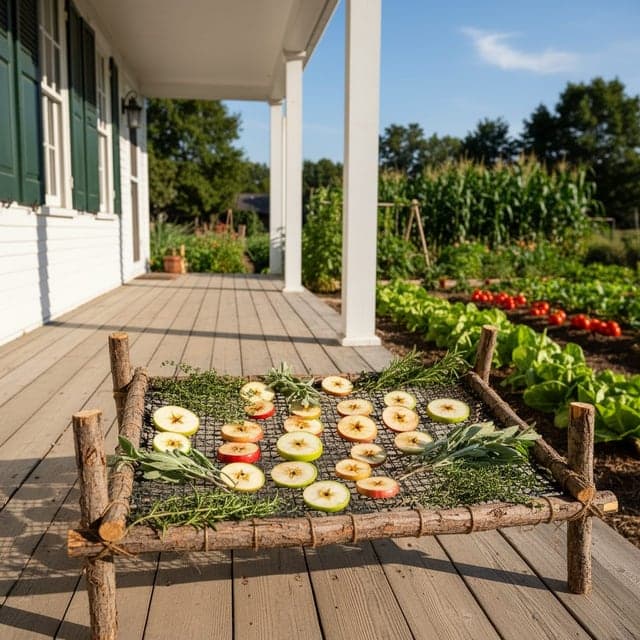
Explore effective food drying methods: sun, electric dehydrator, and oven. Learn how to preserve your harvest, extend shelf life, and reduce food waste for year-round self-sufficiency.
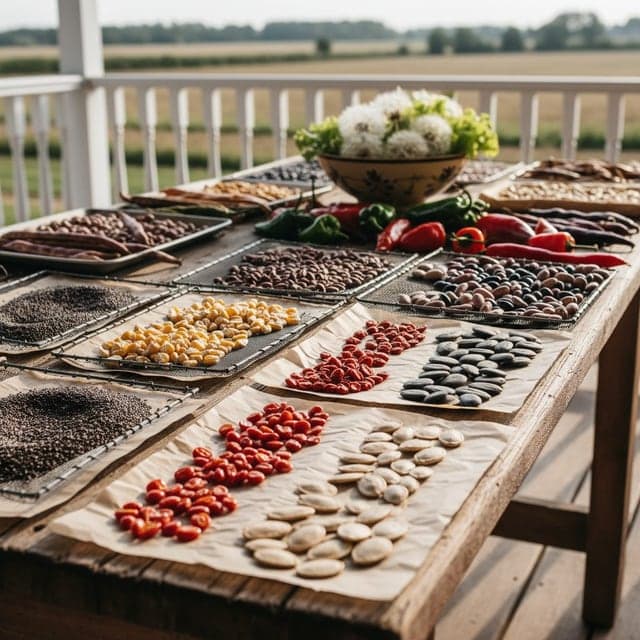
How to save seeds from tomatoes, beans, peppers, and lettuce, covering fermentation, drying, and storage techniques for US homesteaders.
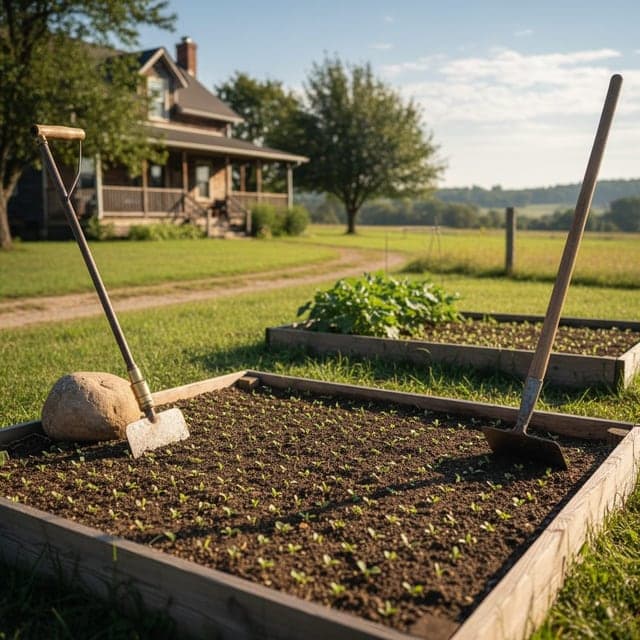
Master stale seedbed weed control in USDA Zone 6. Compare flame weeding vs. shallow hoeing for effective, chemical-free weed management, reducing weed pressure by up to 90%.
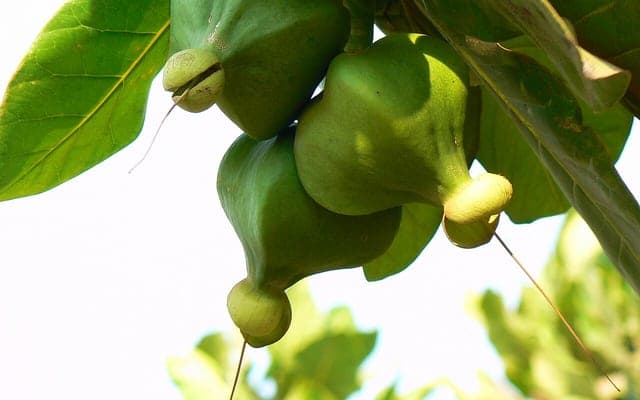
Clone true-to-type figs, pomegranates, mulberries, citrus, and subtropical fruit trees on the parent branch with clean cambium scraping, wrung-out sphagnum moss, aluminum-foil solar shielding, and…
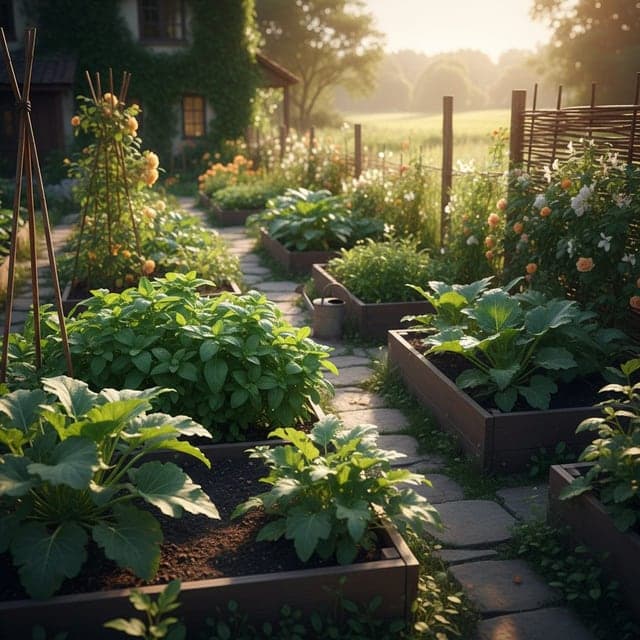
Compare DIY natural rooting hormones with commercial options. Learn how to boost plant propagation success rates for various species in your garden or nursery.
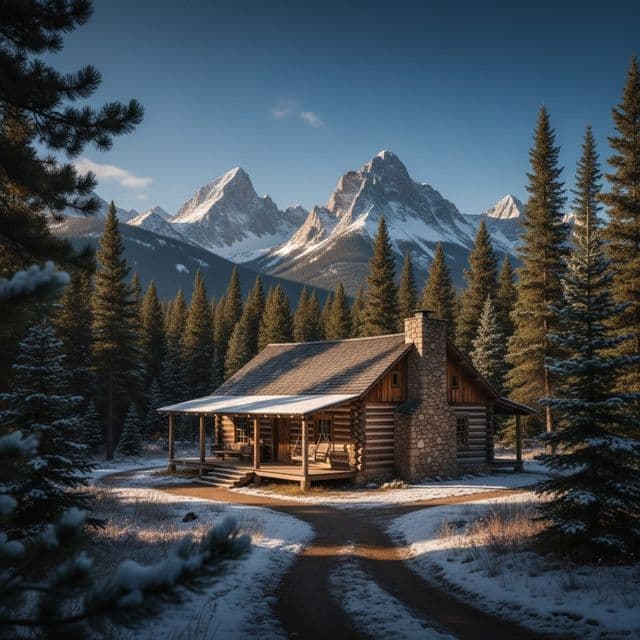
Develop critical off-grid skills, secure potable water sources, construct durable cabins, and manage remote wilderness homesteads with confidence.
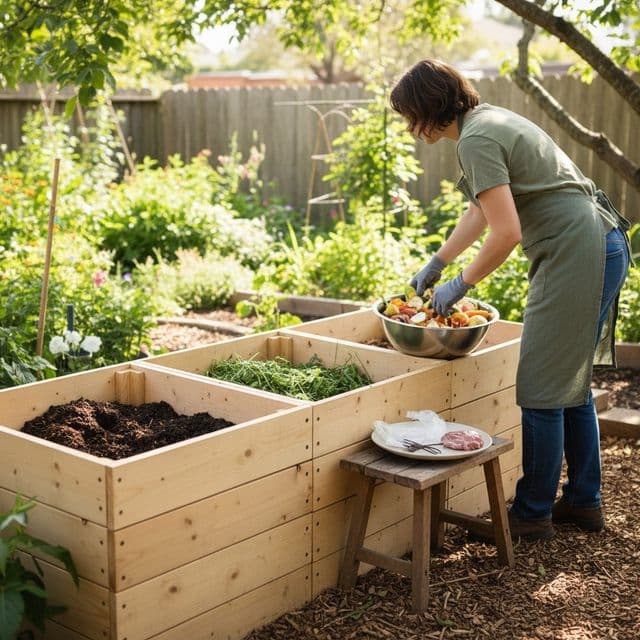
Learn what not to compost in backyard bins. Discover why meat, pet waste, herbicide-treated clippings, and diseased plants ruin compost piles and attract pests.
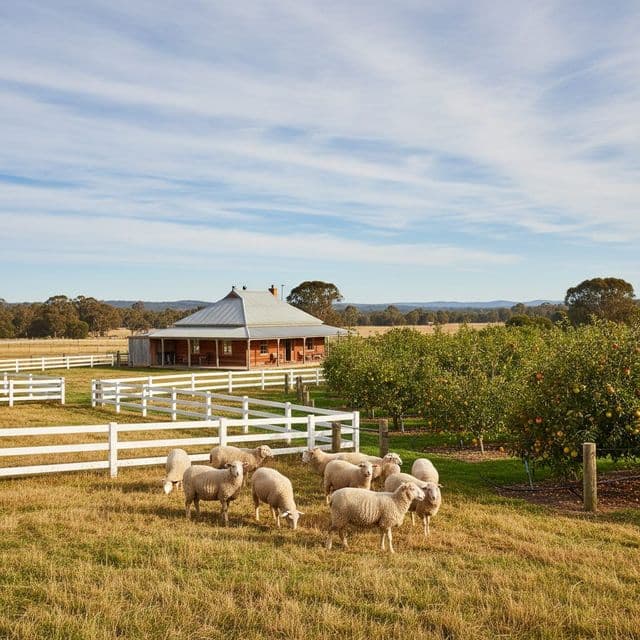
Practical Australian small-acreage setup guide covering NSW RU1–RU5 and Victoria FZ/RLZ zoning, mandatory state PIC and sheep/goat eID rules, NSW 10% Harvestable Rights, AS 3959 BAL fire tanks, ATO…
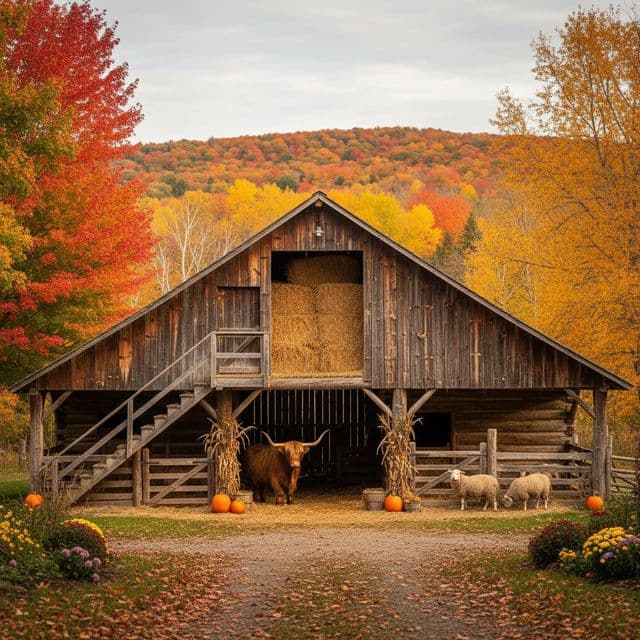
Explore practical small barn plans for homesteads. Compare pole barns, gambrel lofts, frost-line foundations, snow load engineering, and livestock layouts.
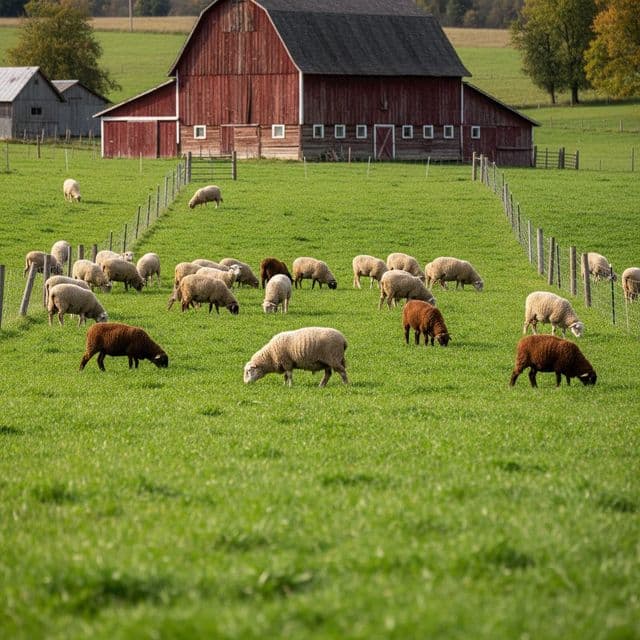
Start and manage a sheep farm in Ontario with 2026 OMAFA benchmarks: $CAD starter flock budgets, GenOvis breed productivity, 2–3 ewes/acre rotational grazing, FAMACHA parasite control, predator fen…
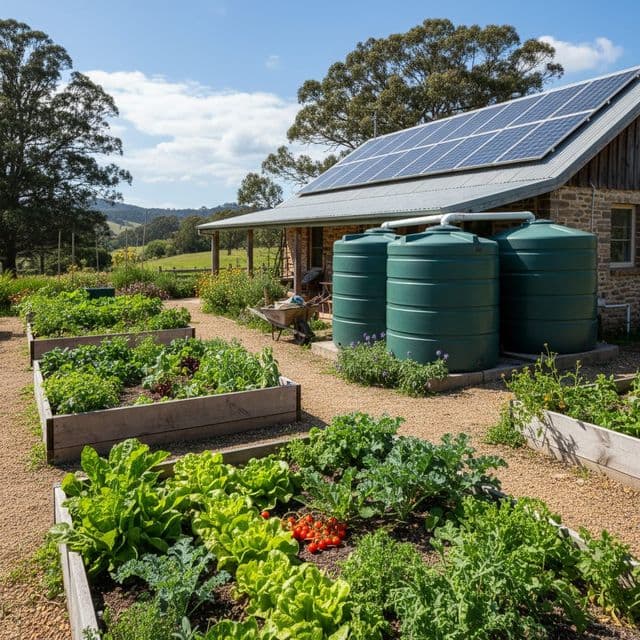
Learn how to build self-sufficient living systems: kitchen food production, rainwater catchment, passive energy, waste cycling, and practical domestic skills.
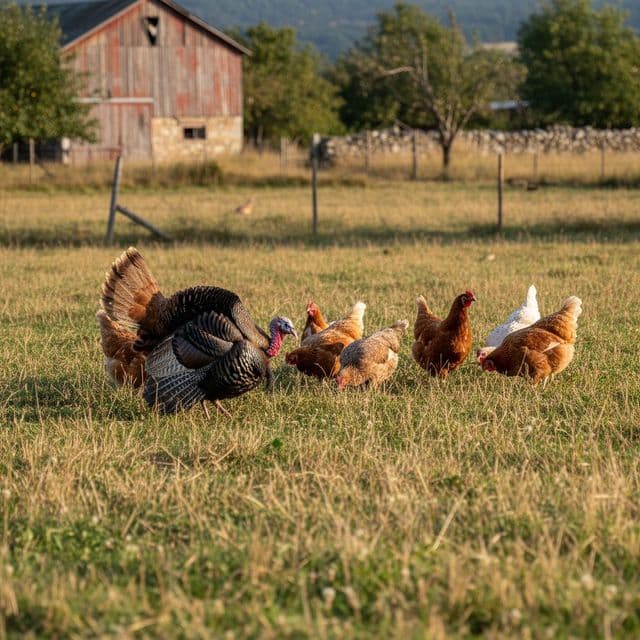
Learn the biosecurity risks and management rules for raising turkeys with chickens: blackhead disease prevention, cecal worms, protein needs, and coop setups.
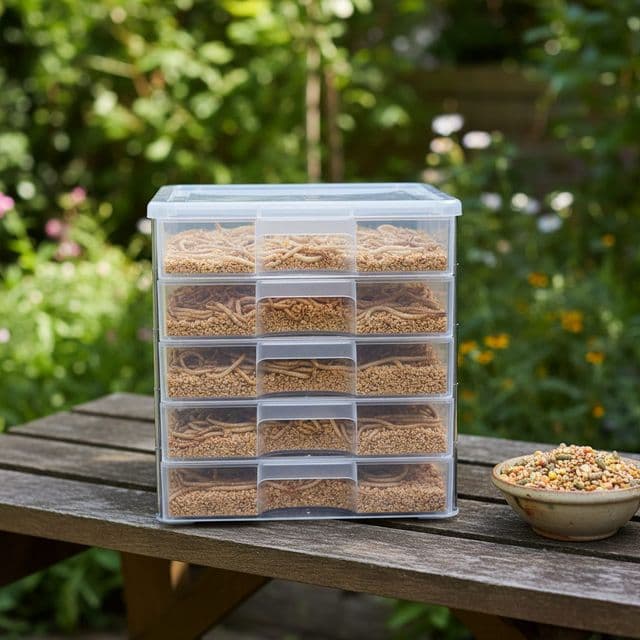
A practical guide to raising mealworms for chickens: breeding life cycles, three-drawer DIY bin setups, substrate feeding, and flock nutrition benefits.
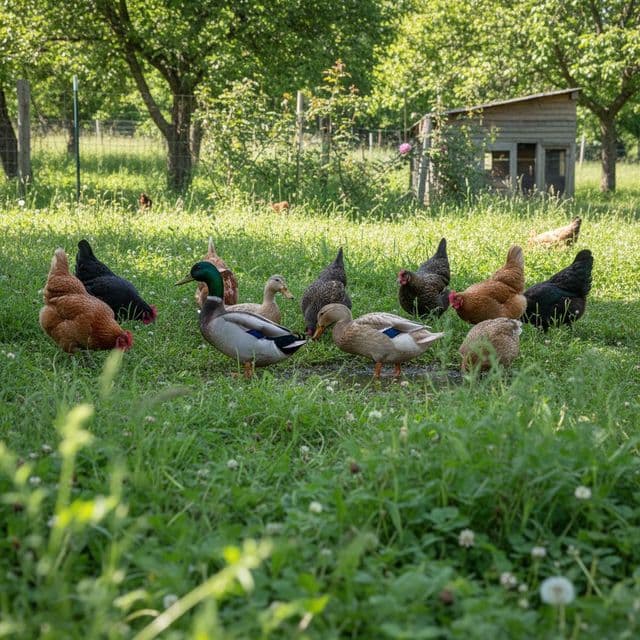
Comparing ducks and chickens for eggs, meat, hardiness, feed costs, and pest control to determine which poultry species fits your homestead.