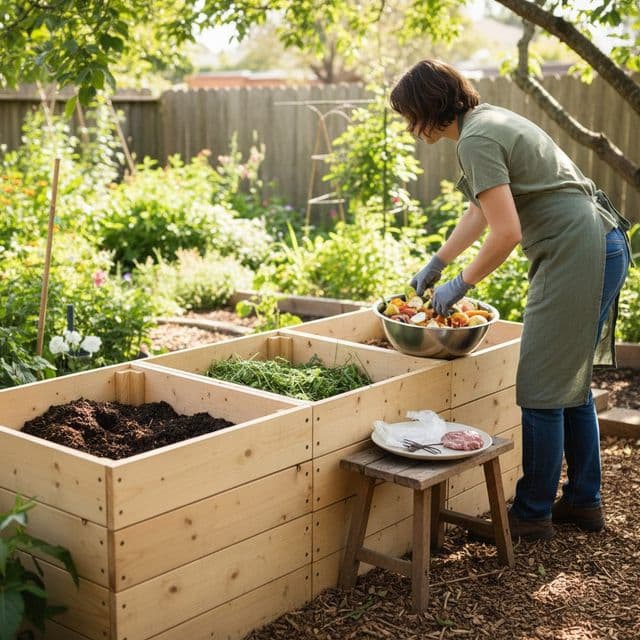
What not to compost: essential backyard composting rules
Learn what not to compost in backyard bins. Discover why meat, pet waste, herbicide-treated clippings, and diseased plants ruin compost piles and attract pests.
Topic
Homestead skills addresses the hands-on kitchen and preservation work that turns raw harvests into food that lasts — canning, fermenting, curing, drying, and baking from scratch. Each article builds a specific, teachable technique so readers leave with a process they can repeat, not just inspiration to try something someday.
146 articles in this topic on agripure. — page 4 of 7
Learn what not to compost in backyard bins. Discover why meat, pet waste, herbicide-treated clippings, and diseased plants ruin compost piles and attract pests.
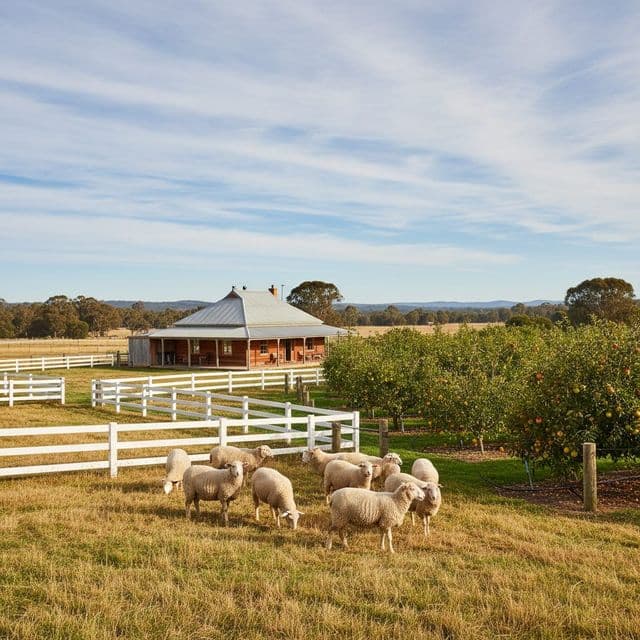
Learn how to start a hobby farm in Australia, from buying small acreage and council zoning to mandatory livestock PIC registration and bushfire planning.
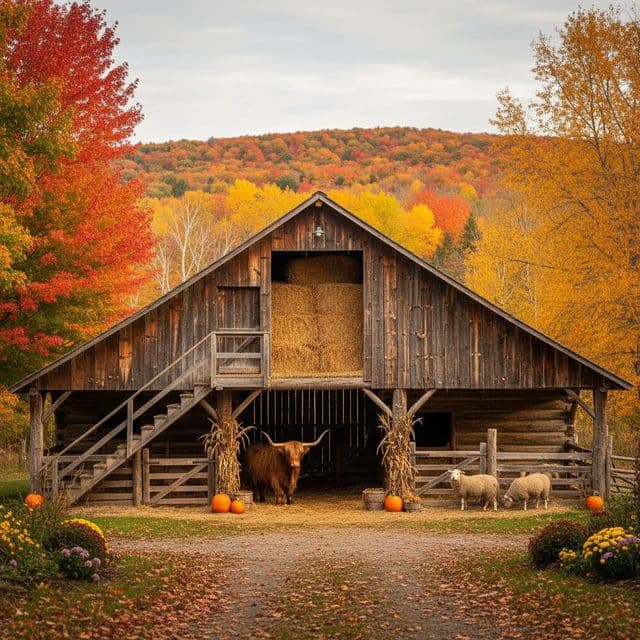
Explore practical small barn plans for homesteads. Compare pole barns, gambrel lofts, frost-line foundations, snow load engineering, and livestock layouts.
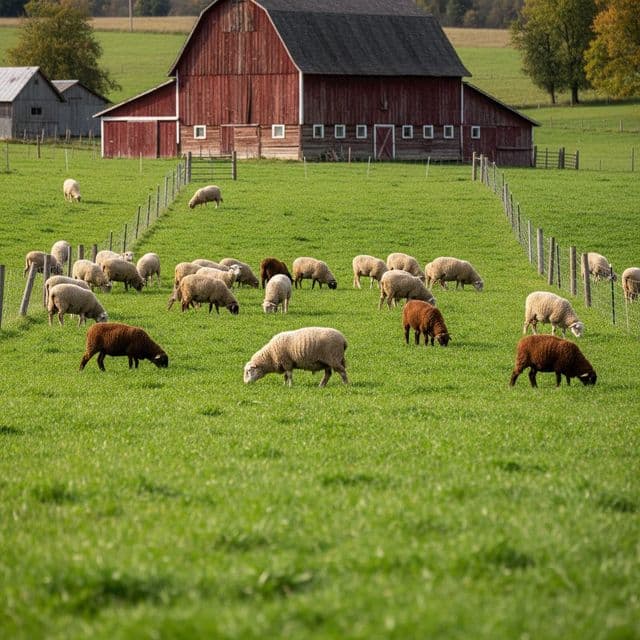
Start a sheep farming operation in Ontario with practical guidance on hardy Canadian breeds, winter barn shelter, predator fencing, and pasture stocking rates.
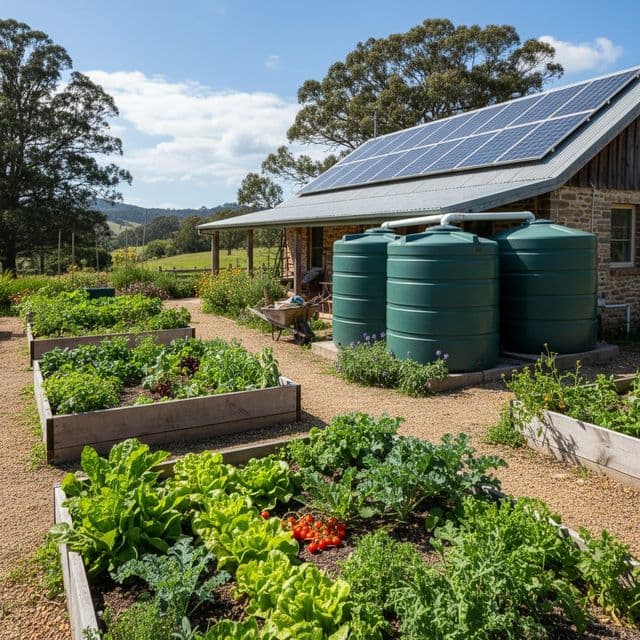
Learn how to build self-sufficient living systems: kitchen food production, rainwater catchment, passive energy, waste cycling, and practical domestic skills.
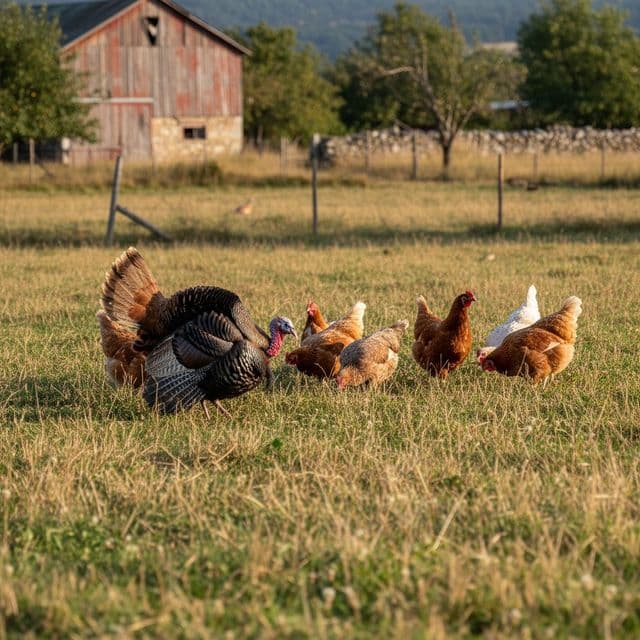
Learn the biosecurity risks and management rules for raising turkeys with chickens: blackhead disease prevention, cecal worms, protein needs, and coop setups.
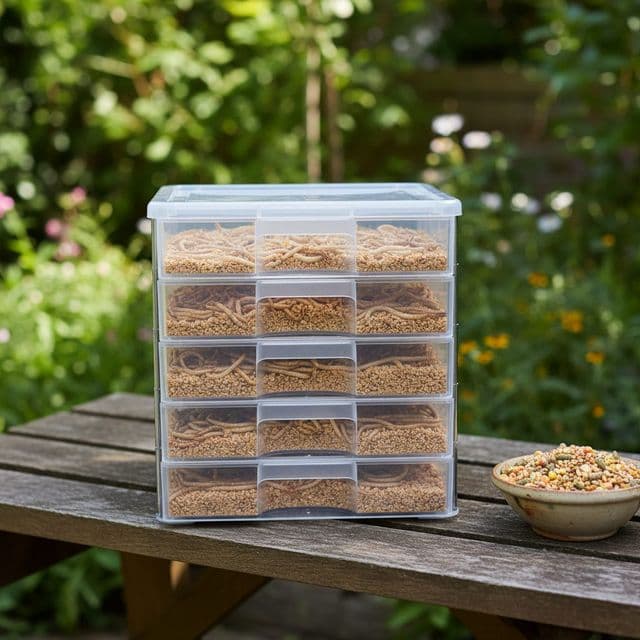
A practical guide to raising mealworms for chickens: breeding life cycles, three-drawer DIY bin setups, substrate feeding, and flock nutrition benefits.
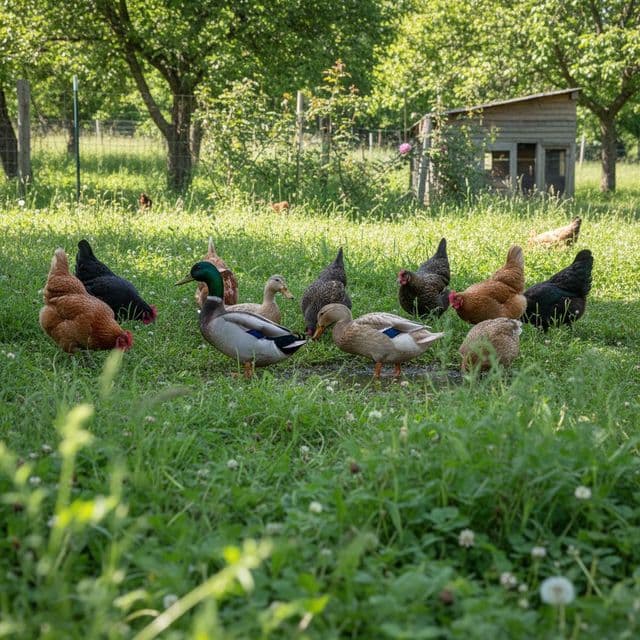
Comparing ducks and chickens for eggs, meat, hardiness, feed costs, and pest control to determine which poultry species fits your homestead.
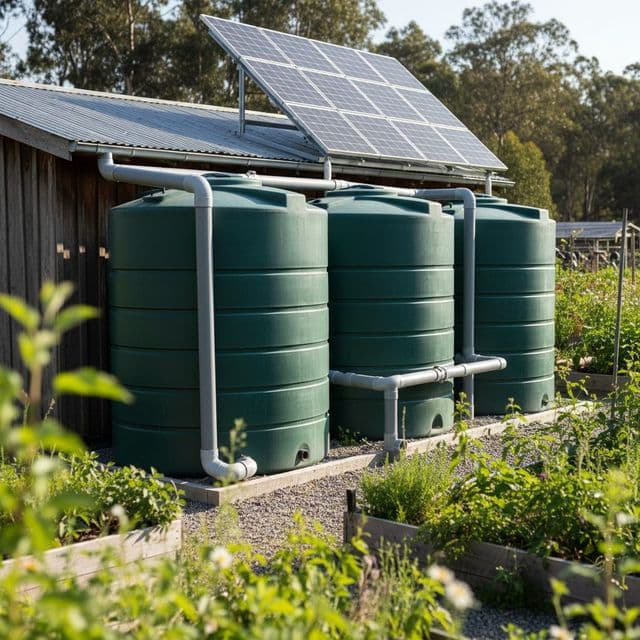
A complete guide to off-grid water systems for homesteads, covering rainwater catchment, solar well pumps, gravity storage, filtration, and freeze protection.
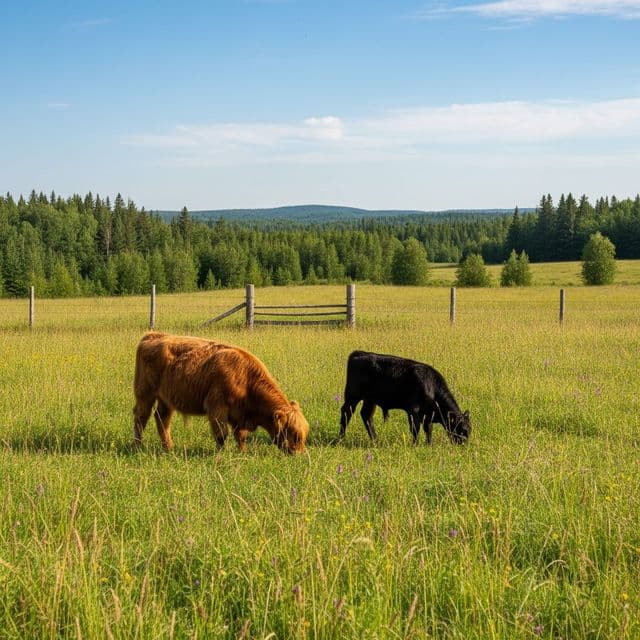
Explore miniature cattle breeds, pasture requirements, winter cold shelter, and feeding management for small acreage homesteads and family farms in Canada.
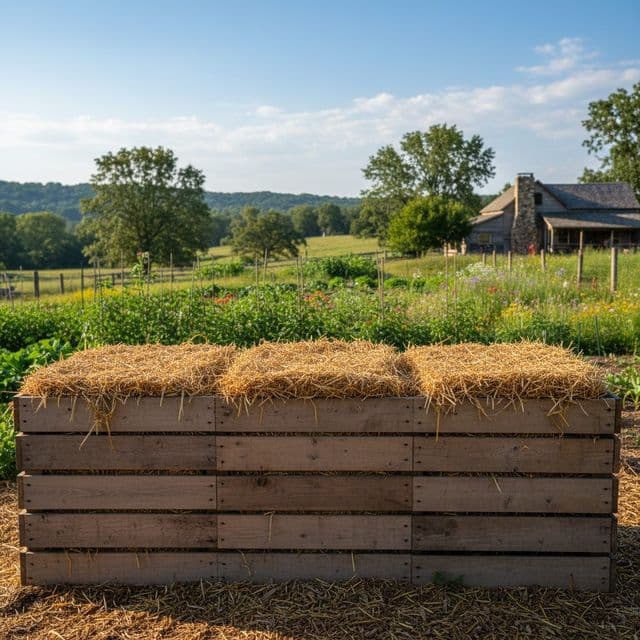
Learn how to practice humanure composting safely: thermophilic heat standards, sawdust cover toilets, bin construction, curing cycles, and pathogen destruction.
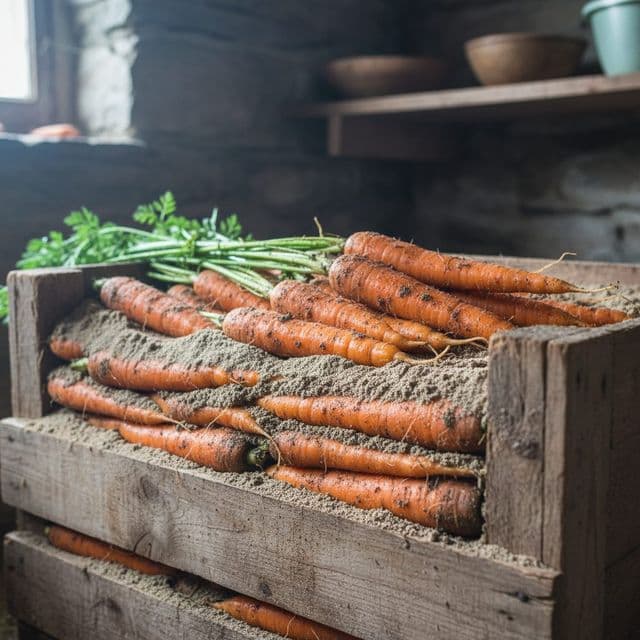
Learn how to store carrots for winter through root cellaring, damp sand packing, in-ground overwintering, and cold storage to keep roots crisp for months.
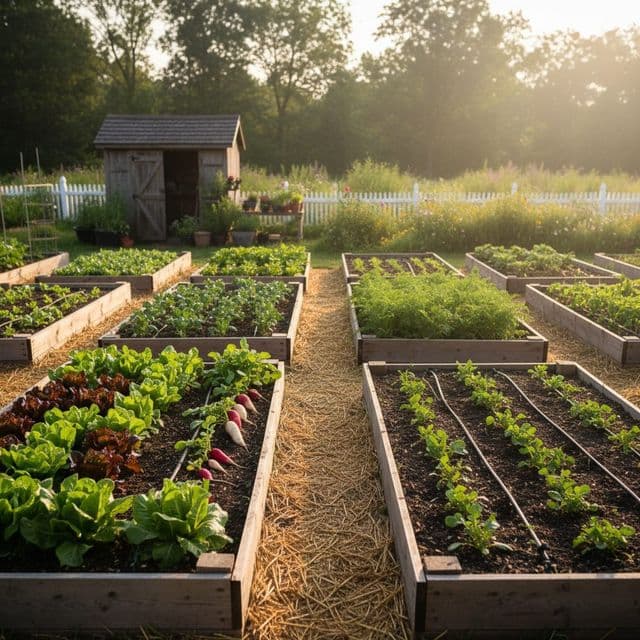
A practical guide to starting a profitable market garden, covering site sizing, 30-inch standardised bed systems, high-value crops, and sales channels.
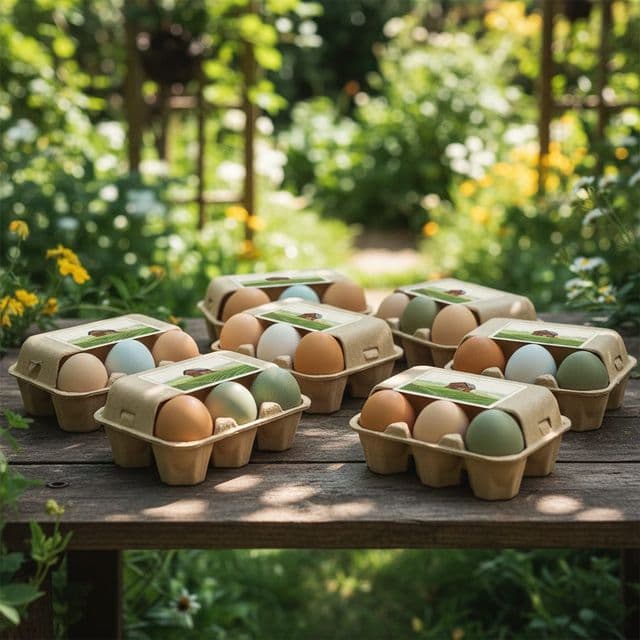
Learn how to sell eggs legally from your homestead, covering state small-flock exemptions, safe egg washing rules, carton labeling, and pricing.
Learn how to render pure, snow-white beef tallow at home using wet and dry rendering methods for high-heat cooking, natural skin care, and soap making.
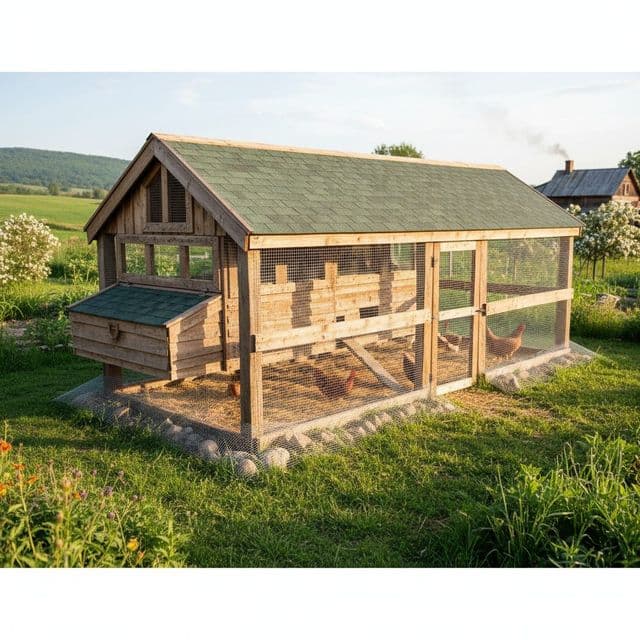
Learn how to protect chickens from predators with hardware cloth, outward-laid predator aprons, raccoon-proof latches, and hawk-deterrent aerial netting.
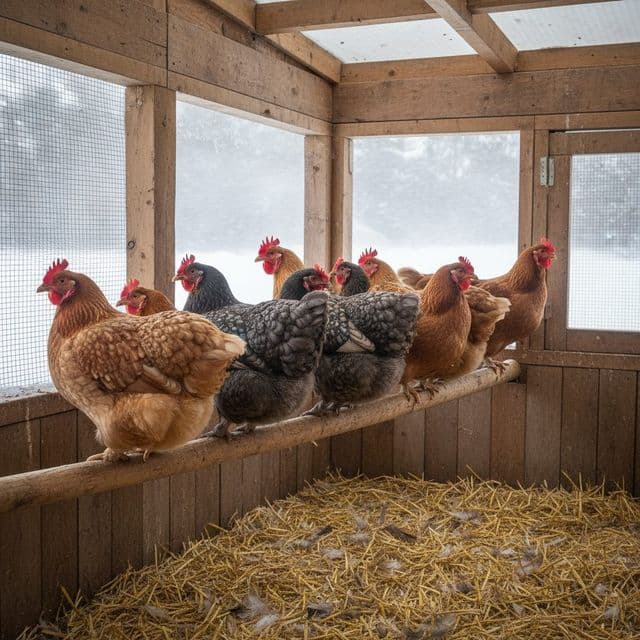
Learn how to keep chickens warm during harsh Canadian winters without heat lamps. Master draft-free ventilation, deep litter bedding, and frostbite prevention.
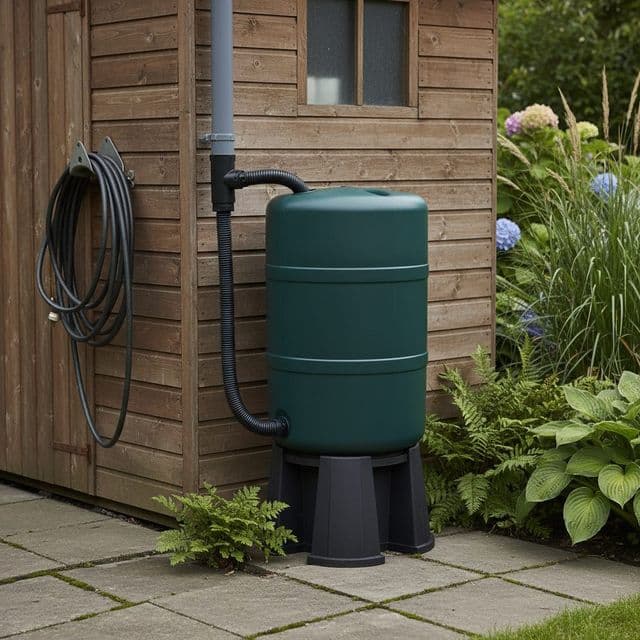
Learn how to install a water butt on your house or shed downpipe using a rainwater diverter kit, solid stand, linking kit, and clean storage practices.
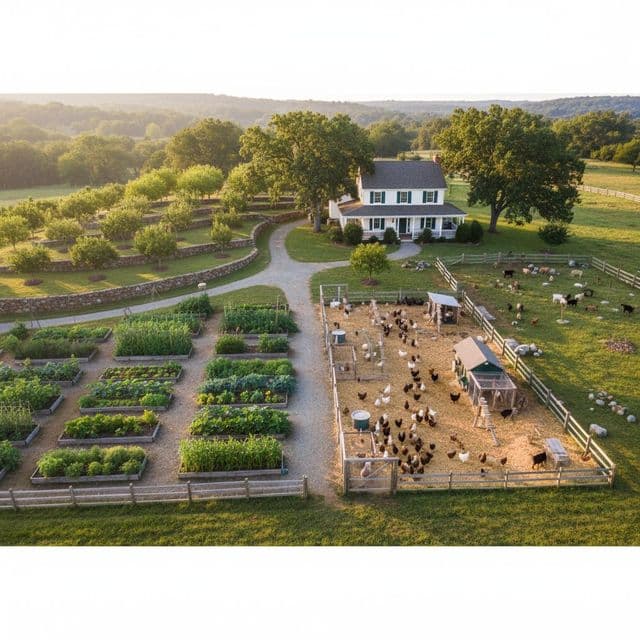
Determine how much land you need to homestead: 1/4-acre suburban plots vs 1, 2, 5, and 10+ acre properties for gardens, poultry, dairy, and woodlots.
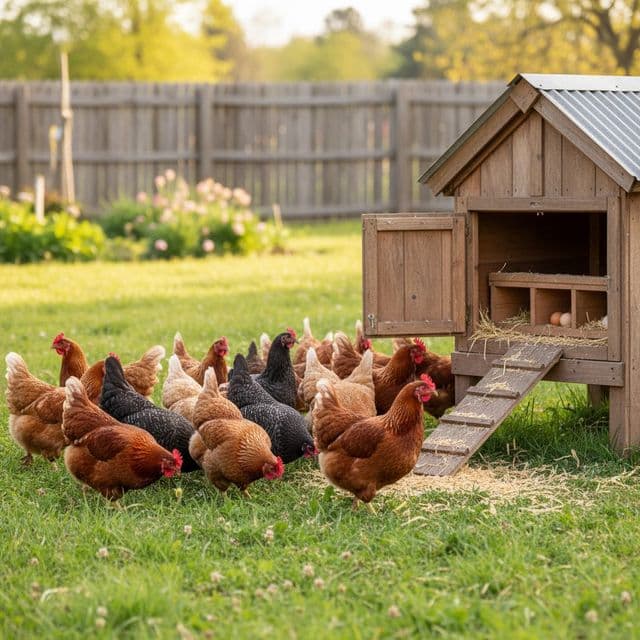
A realistic breakdown of how much raising backyard chickens costs, covering initial coop setup, brooding equipment, monthly feed, and cost per dozen eggs.
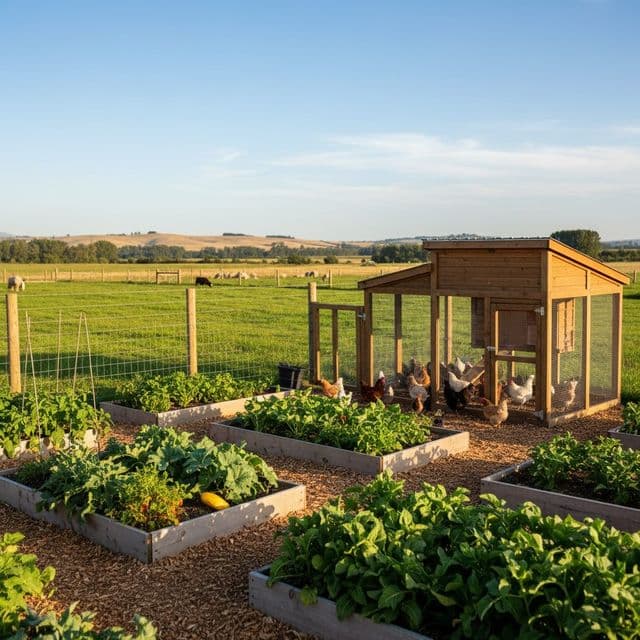
Discover how much does it cost to start a homestead in the US with realistic budget tiers for land, fencing, water systems, shelters, and phased bootstrapping.
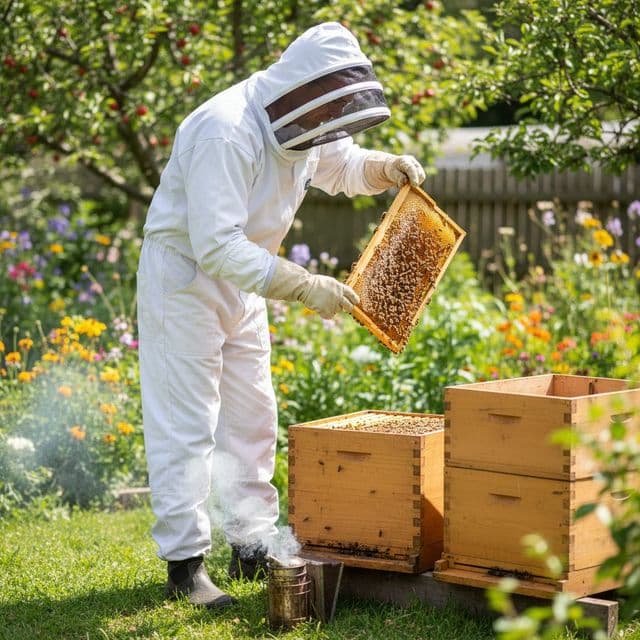
Starting beekeeping typically costs between $550 and $980 for your first hive, or roughly $950 to $1,590 for two hives, including protective gear, hive woodenware, bees, and basic tools.
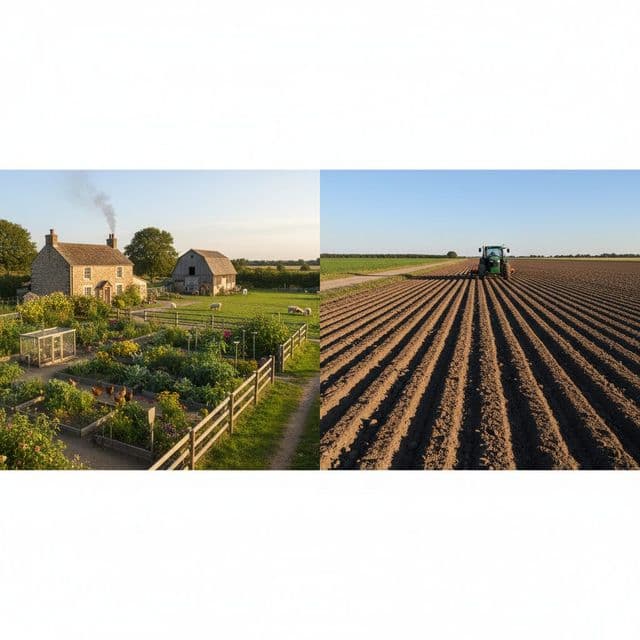
Explore the key differences between homesteading and farming, comparing goals of household self-reliance against commercial agricultural revenue models.
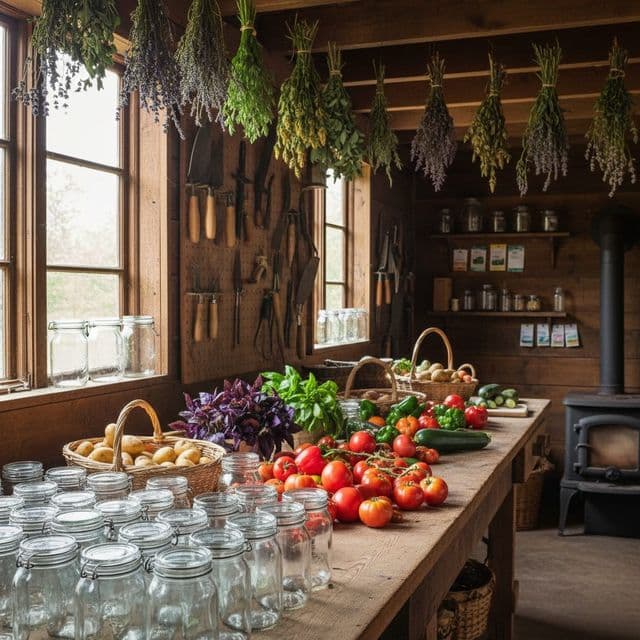
Essential homesteading skills for self-sufficiency: food preservation, soil building, poultry care, carpentry, water systems, and animal husbandry.