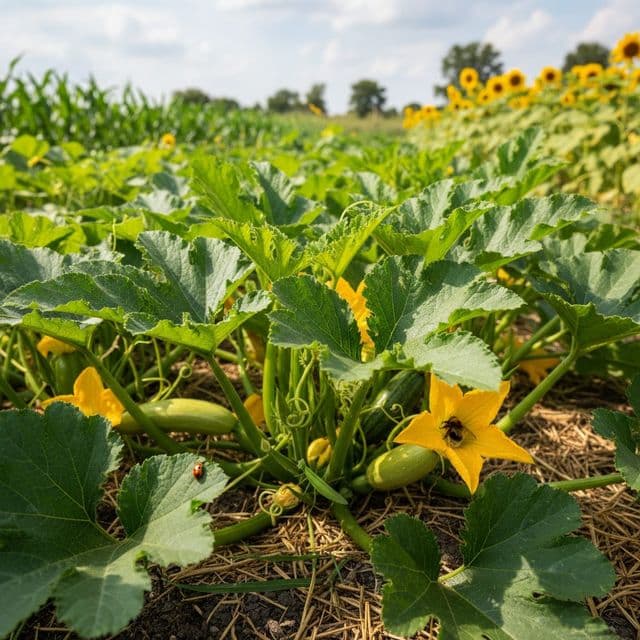
Organic Management: Squash Bugs & Borers in Midwest/Southeast
Learn organic squash pest control for squash bugs and borers in the Midwest & Southeast. Protect cucurbit yields with IPM strategies, trap crops, and timely interventions.
Topic
Permaculture covers the design principles that turn any patch of land into a self-maintaining growing system. Articles span food forests, no-dig beds, plant guilds, zone planning, and the practices that feed soil biology rather than bypass it — building fertility that compounds over time.
110 articles in this topic on agripure. — page 3 of 5
Learn organic squash pest control for squash bugs and borers in the Midwest & Southeast. Protect cucurbit yields with IPM strategies, trap crops, and timely interventions.
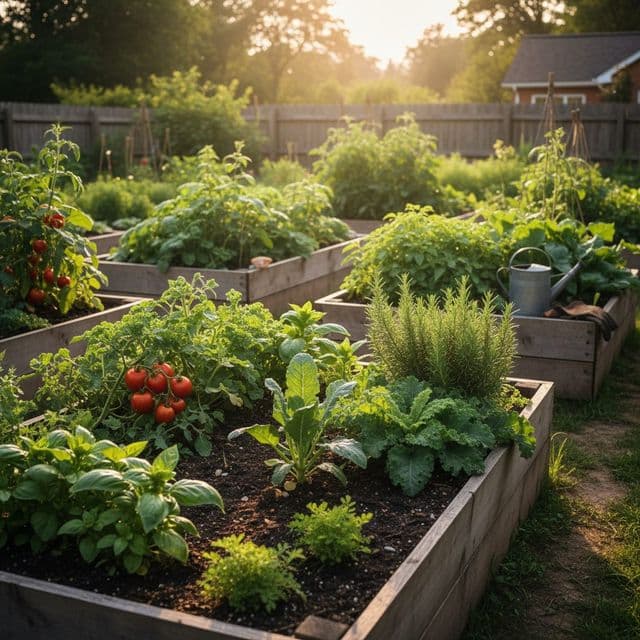
Learn organic pest control for peppers using reflective mulches, water blasts, and sticky traps. Reduce aphids, whiteflies, and thrips to boost yields in USDA Zone 8.
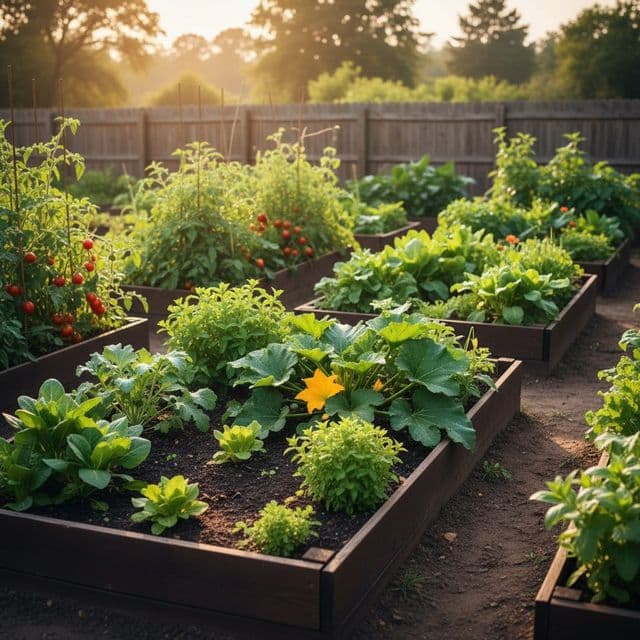
Combat spider mites in hot, dry climates with organic IPM strategies. Learn early detection, natural predators, and preventative measures for effective spider mite control in USDA zones 7-10.
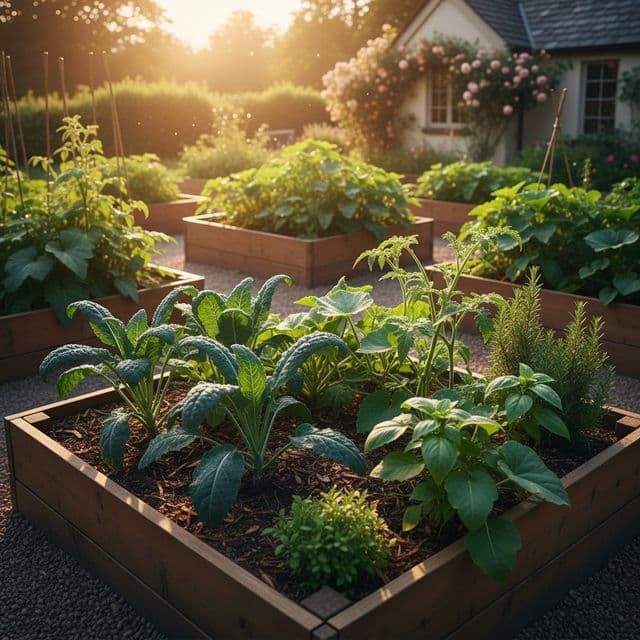
Master organic whitefly control in your greenhouse or garden. Learn effective strategies: early detection, beneficial insects, botanical sprays, and cultural practices to reduce infestations by ove…
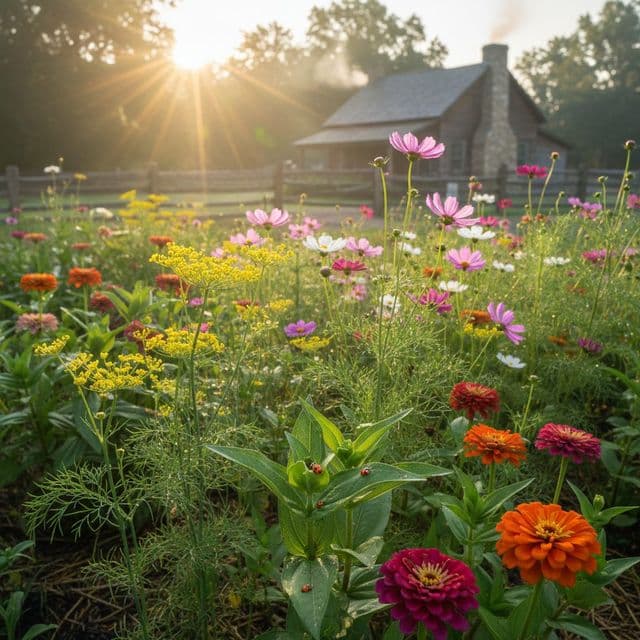
Learn how to attract beneficial insects by USDA zone to naturally control pests. This guide details timing plantings of insectary crops like dill & cilantro for effective, sustainable pest management.
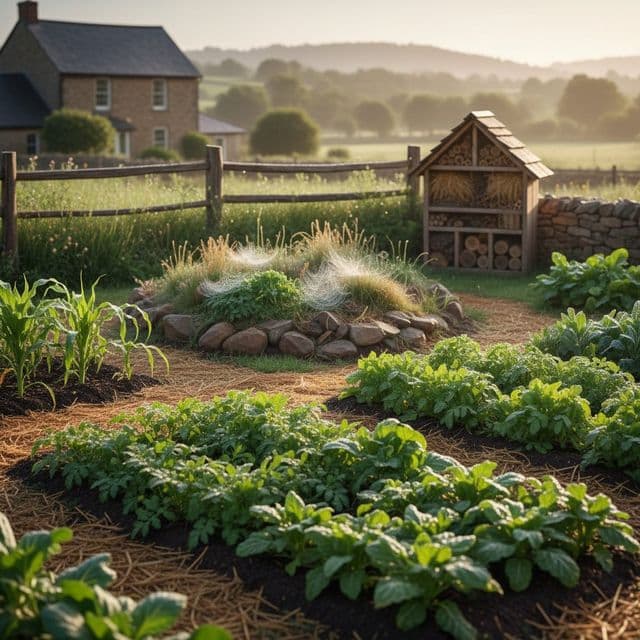
Learn how to attract beneficial insects to your USDA Zone 6 homestead using beetle banks & bug hotels. Reduce pest pressure by 30% & cut pesticide use by 50%.
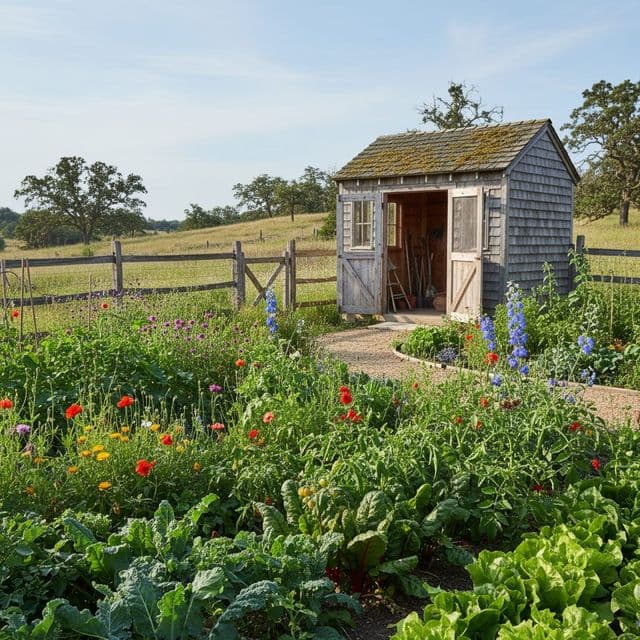
Learn how to effectively use beneficial insects for pest control in USDA Zone 6. Discover why habitat is essential for retaining ladybugs, lacewings, and mites long-term.
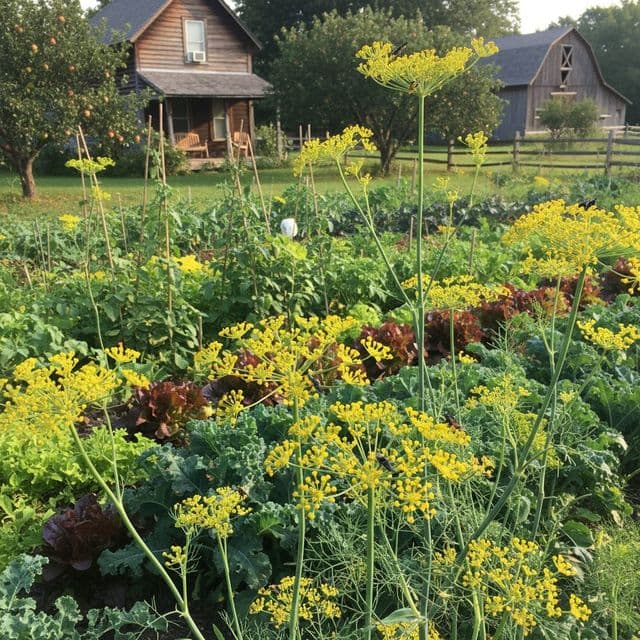
Learn how to attract native predatory wasps to your US garden. Discover their role in organic pest control, what plants to grow, and how to create habitats to reduce pest pressure naturally.
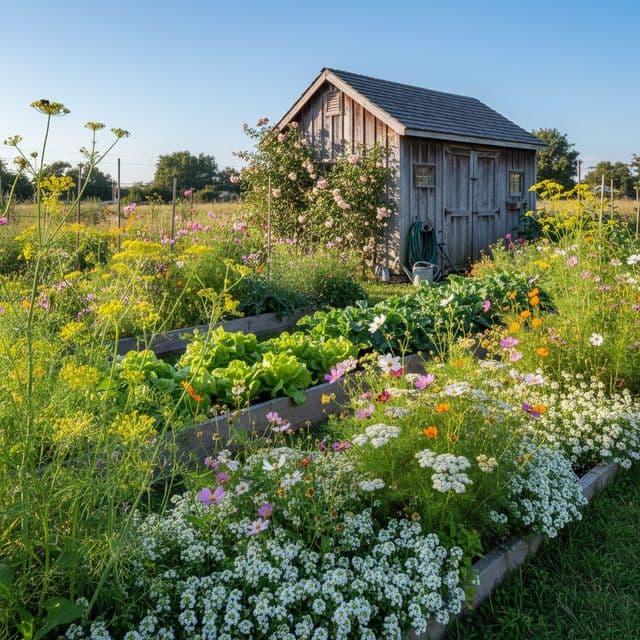
Insectary plants like alyssum, dill, and fennel attract beneficial insects and can reduce garden pests by up to 30%. Strategic placement provides natural pest control.
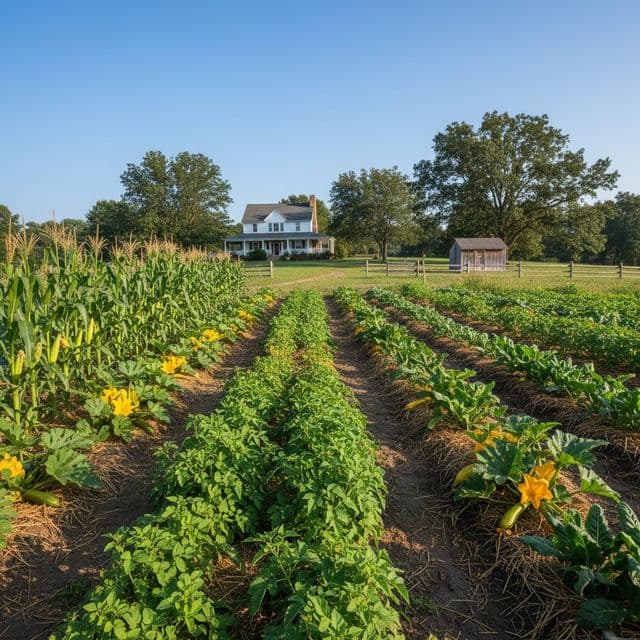
Understand US organic pesticide labels, OMRI certification, and IPM principles for effective pest control. Learn how to choose safe products and boost beneficial insects on your farm or garden.
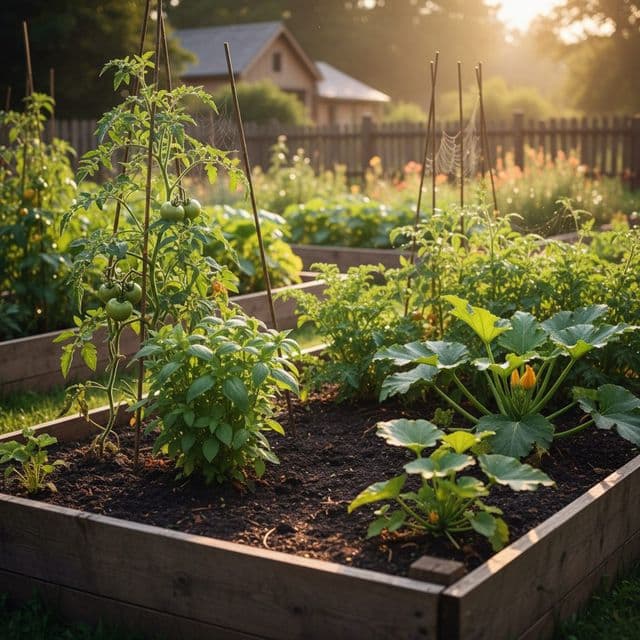
The 5 levels of Integrated Pest Management (IPM) for organic pest control in USDA Zone 6: prevent crop loss, reduce chemical use, and save costs with a systematic approach.
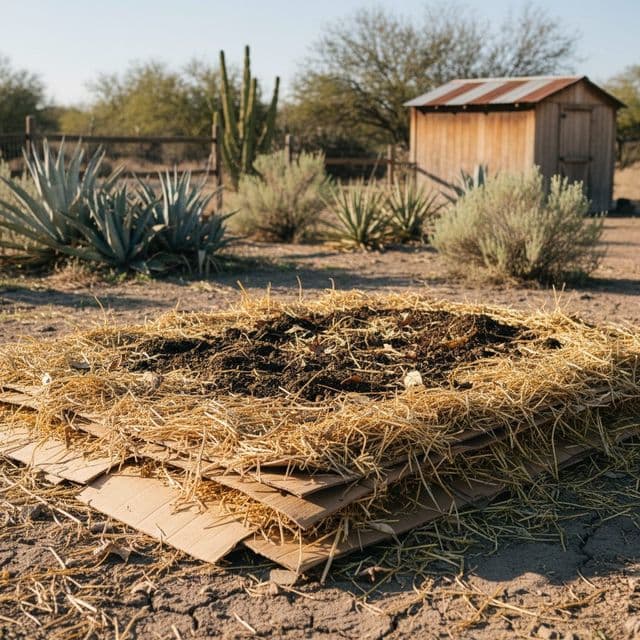
Discover how sheet mulching builds moisture-holding soil, reducing water evaporation by 30-35% and suppressing weeds. Achieve drought resilience for your US garden.
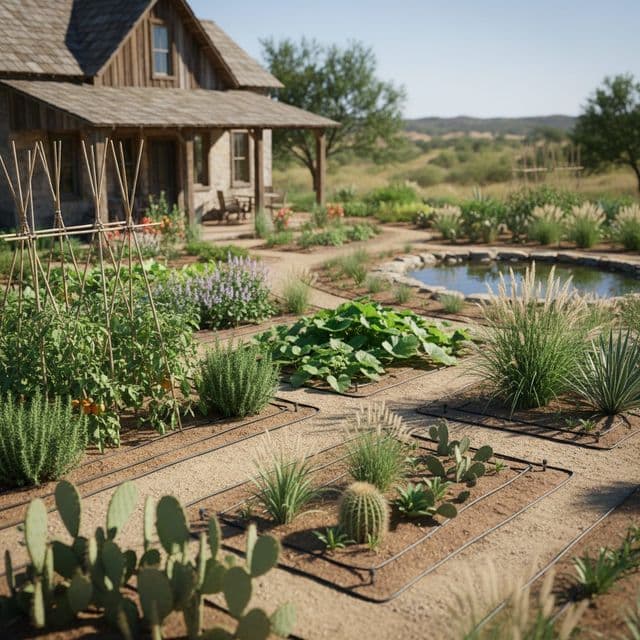
Discover how hydrozoning water savings can reduce landscape water use by 30-50% in US gardens. Group plants by water needs to boost resilience against heat & drought.
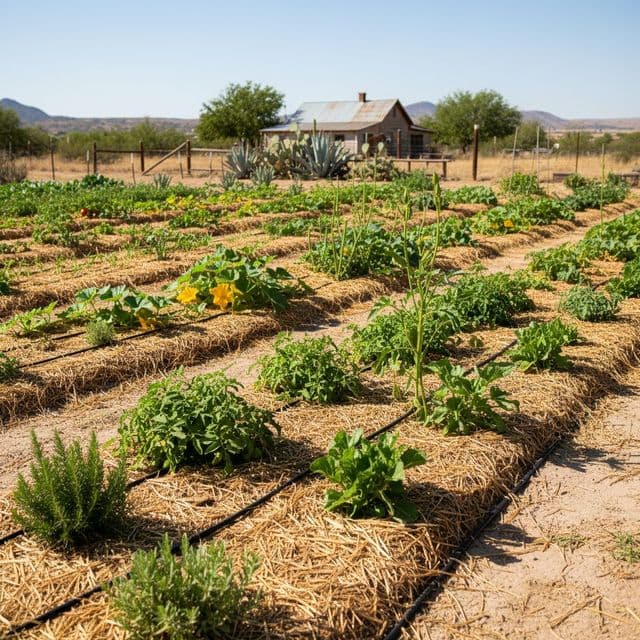
Learn how to grow drought-tolerant edibles in USDA Zone 7 with xeriscaping principles. Reduce water use by 30-50% using smart design, soil, and plant choices for resilient harvests.
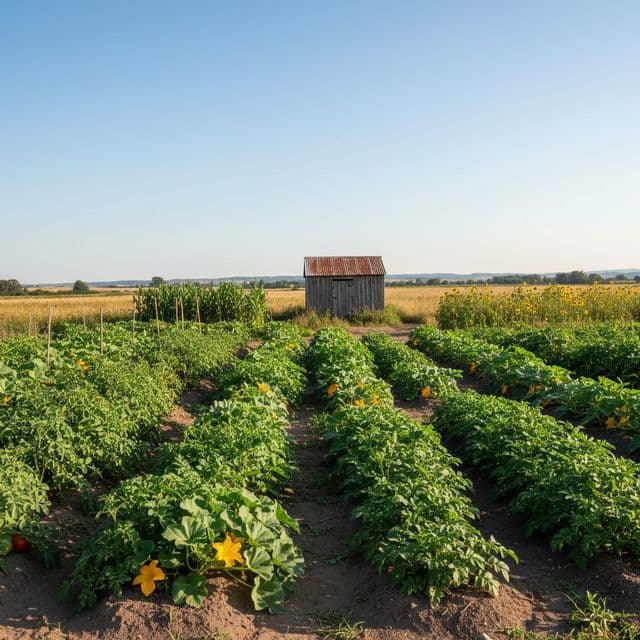
Explore if anti-transpirant sprays protect tomatoes & other plants from 100°F summers & drought. Learn how they work, their benefits for transplant shock & fruit, and potential drawbacks.
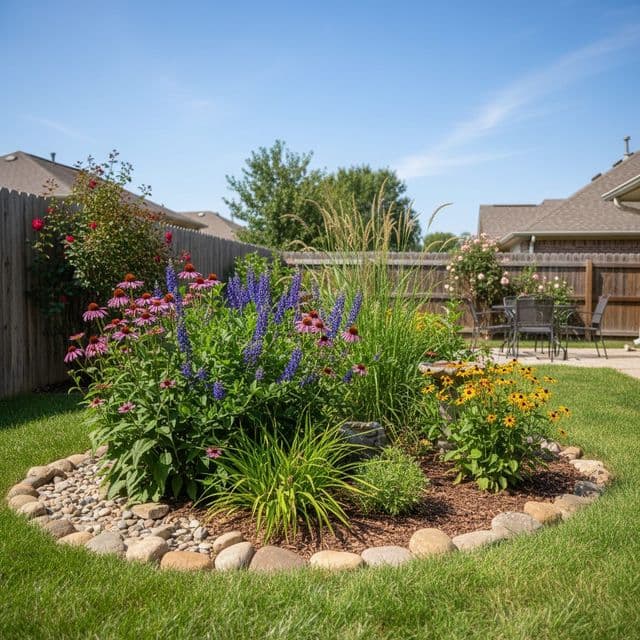
Discover how US cities offer rain garden rebates and stormwater credits. Learn to save 10-50% on utility bills with green infrastructure like rain gardens, ollas, and wicking beds. Maximize savings…
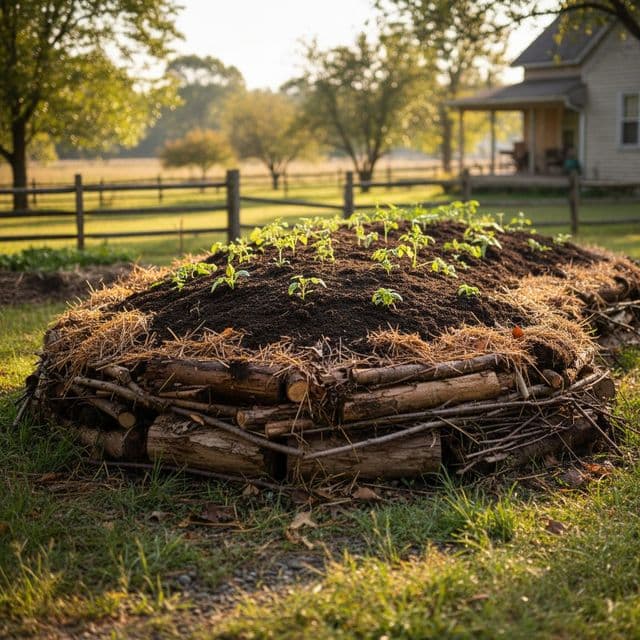
Combat first-year hugel bed nitrogen tie-up for thriving crops. Learn strategies like wood pre-treatment, high-nitrogen amendments, and cover crops to ensure robust plant growth.
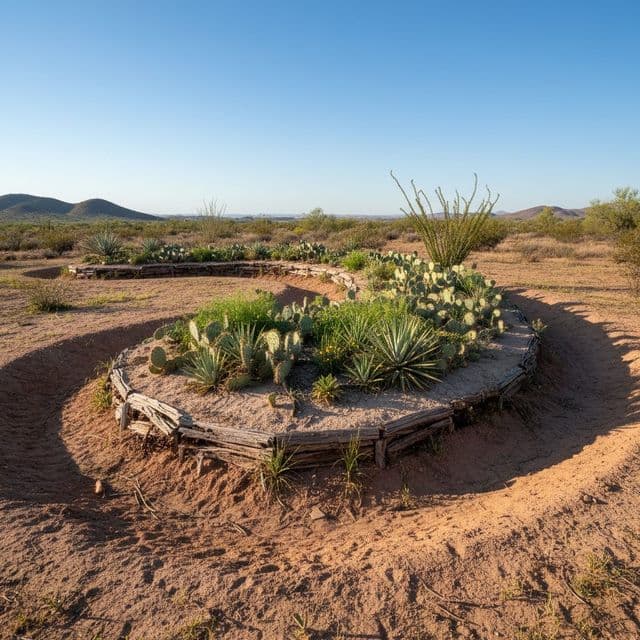
Master hugelkultur in the arid Southwest. Learn wood selection, termite prevention, and passive irrigation to conserve water and build soil for thriving gardens in dry climates.
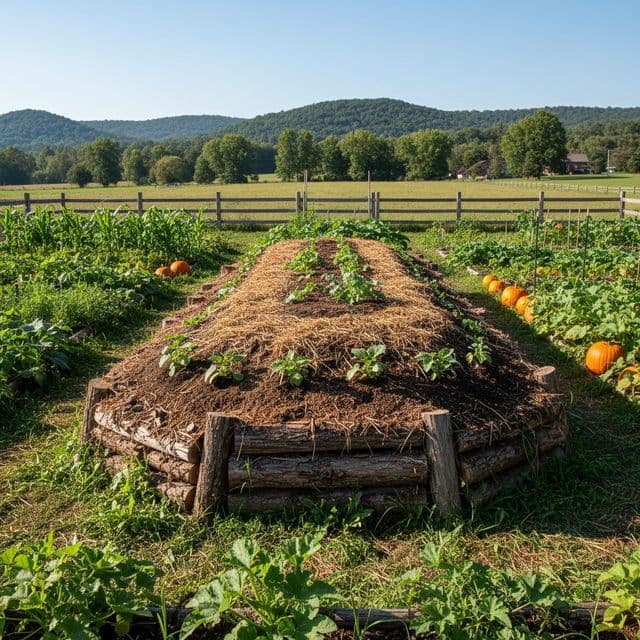
Optimize your hugelkultur beds for maximum water retention in USDA zones 5-8. Learn which woods to use and avoid for long-term success and reduced irrigation needs.
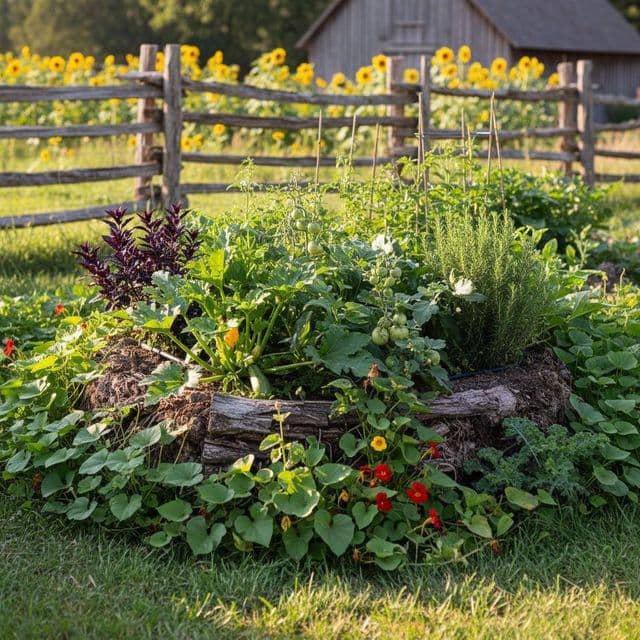
Discover how hugelkultur mounds reduce garden irrigation by up to 50%, build soil fertility for decades, and extend growing seasons. Learn to build water-efficient, self-sustaining garden beds.
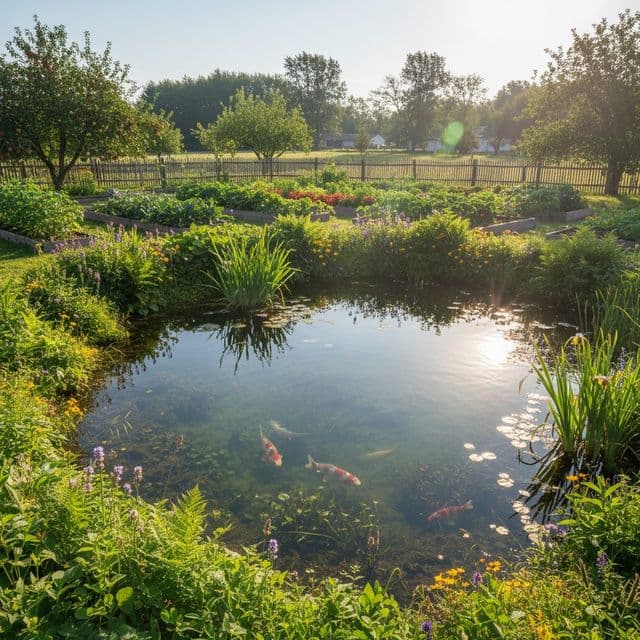
Achieve clear pond water by balancing fish, feed, and plants. Learn how passive irrigation and strategic planting reduce nutrient loads by up to 80%, preventing algal blooms in US ponds.
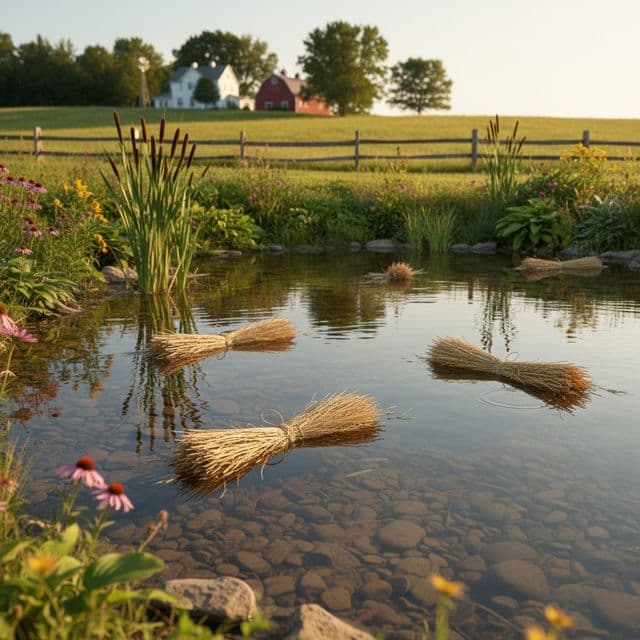
Discover natural algae control methods for ponds and water features in US climates. Learn how barley straw, shade plants, and beneficial bacteria reduce algae without chemicals.
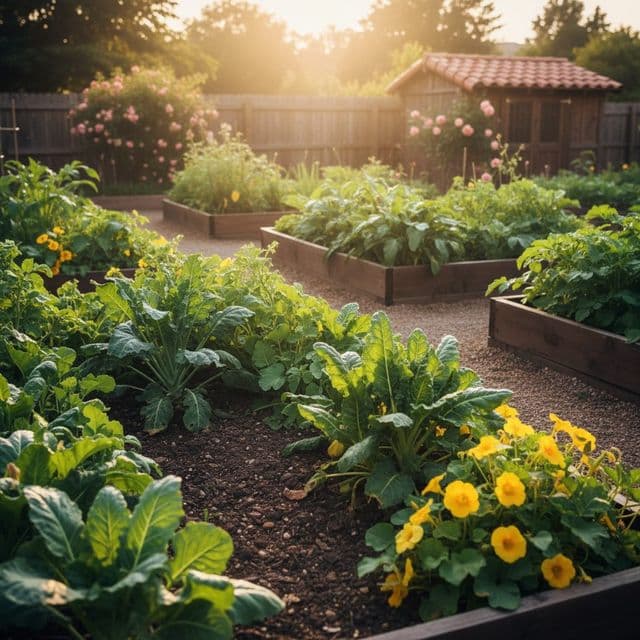
How native pond plants, combined with water harvesting, increase wildlife biodiversity by 25-50% in US ponds, with plant selection and water management tips across regions.
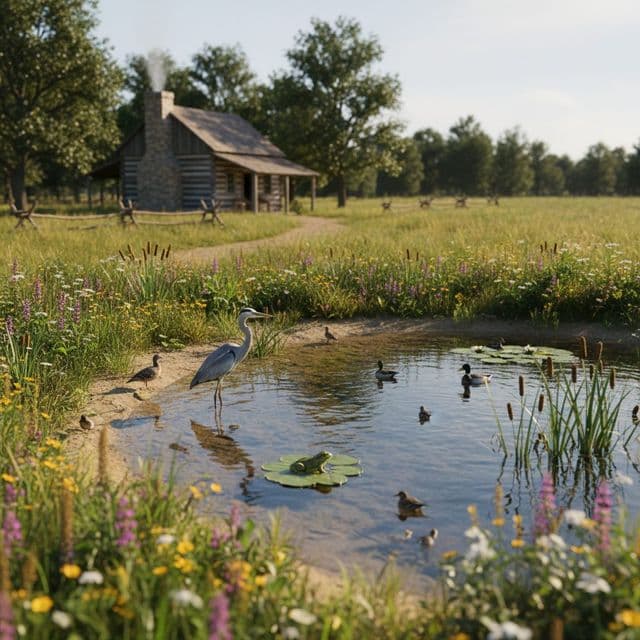
Design wildlife water features with shelves & beach edges to attract diverse species. Learn how rainwater harvesting, ollas, and swales create sustainable, water-wise habitats for your homestead.