Key takeaways
- Self-watering containers can reduce water use by 30-50% compared to traditional pots, especially in hot climates like Arizona.
- Tomatoes, peppers, and leafy greens such as lettuce and spinach thrive with the consistent moisture provided by wicking systems.
- Herbs like basil, mint, and cilantro perform exceptionally well in self-watering setups, preferring steady hydration.
- Root vegetables like carrots and potatoes, along with herbs such as rosemary and lavender, dislike “wet feet” and require careful drainage.
- Ollas and wicking beds are effective passive irrigation methods, potentially saving up to 70% water in arid regions like California’s Central Valley.
- A proper soil mix, often including 20-30% perlite, is crucial for aeration and preventing root rot in these systems.
Quick answer: Tomatoes, peppers, leafy greens (lettuce, spinach, kale), and herbs like basil and mint thrive in self-watering containers due to their preference for consistent moisture. Root vegetables and herbs like rosemary and lavender, however, require careful drainage.
In regions like the arid Southwest, where annual rainfall averages less than 15 inches, efficient water use in gardening is not just a preference—it’s a necessity. Even in areas with more rainfall, like the humid Southeast receiving over 50 inches annually, optimizing water delivery to plants can significantly improve growth and reduce disease. Self-watering containers offer a practical solution, providing a consistent moisture supply directly to plant roots and often reducing water consumption by 30% to 50% compared to traditional top-down watering methods [1].
This approach is particularly beneficial for busy gardeners or those facing water restrictions, ensuring plants receive the hydration they need without constant monitoring. Understanding which vegetables and herbs flourish in these systems, and which ones struggle with too much moisture, is key to a successful harvest. We’ll explore the best candidates for your self-watering setups, from leafy greens to fruiting plants, and identify those species that truly hate having “wet feet.”
The case for consistent moisture: Wicking beds and ollas
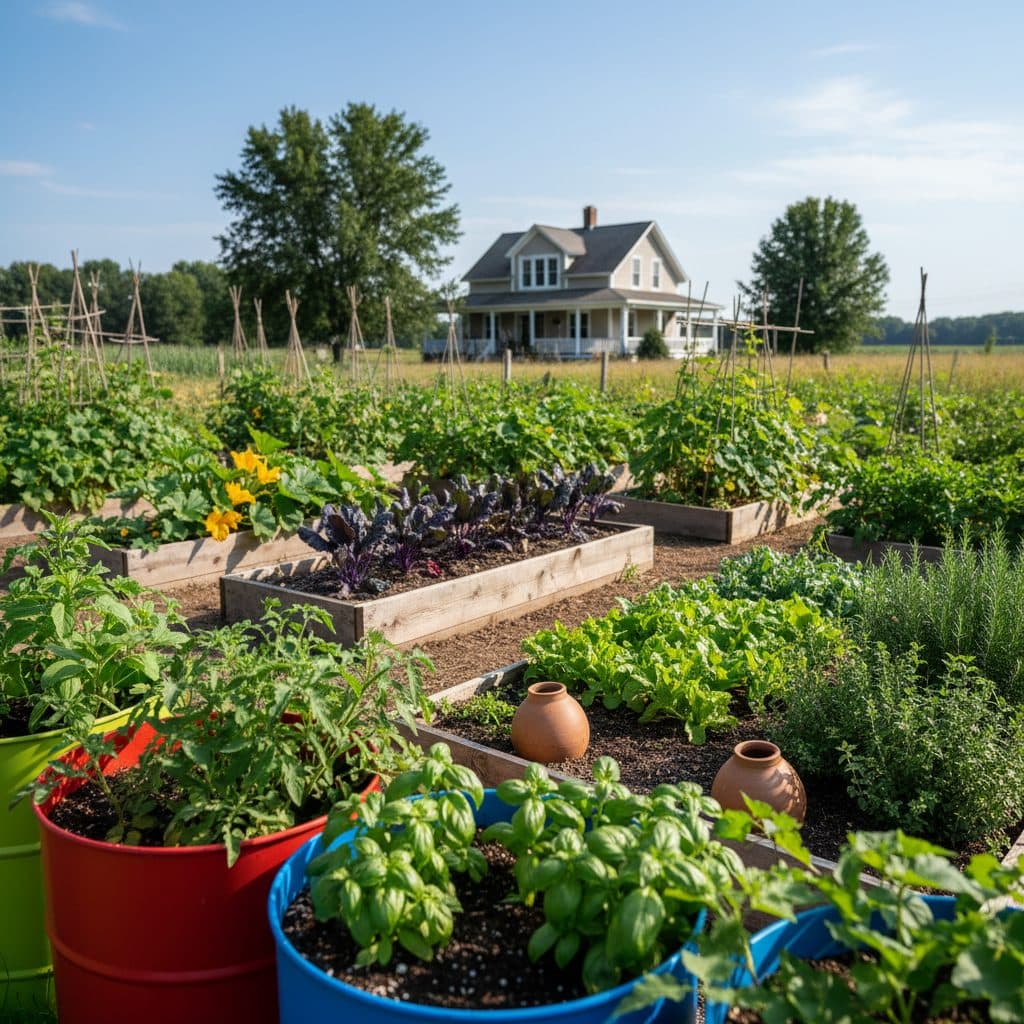
Self-watering containers, including wicking beds and systems utilizing ollas, are designed to provide a steady supply of water to plant roots from a reservoir below or within the soil. This passive irrigation method minimizes evaporation and runoff, delivering water directly where it’s needed most. For instance, a typical wicking bed can reduce water usage by 40% to 60% compared to a conventional raised bed, especially in climates with high evaporation rates, such as those found in USDA zone 9. These systems are particularly effective for plants that prefer consistently moist, but not waterlogged, soil conditions, maintaining soil moisture levels near 80% of field capacity for extended periods.
how wicking beds work
A wicking bed typically consists of a water reservoir at the bottom, separated from the growing medium by a permeable layer. Water is drawn upwards into the soil through capillary action, or “wicking,” providing a constant supply to the roots. This design is ideal for plants requiring sustained hydration, preventing the stress cycles of drying out and overwatering. For example, a 10-gallon self-watering container can hold enough water to sustain a tomato plant for one to two weeks, depending on the plant’s size and the ambient temperature, which might average 85°F in a summer garden. You can also build larger systems, like a 4 ft by 8 ft wicking bed, which might use Garden PE Irrigation Hose (6 / 8 / 12 mm) for its overflow and fill pipes, ensuring proper water management.
- Water reservoir at the base, often 4-6 inches deep.
- Perforated barrier separates water from soil.
- Wicking medium (e.g., geotextile, sand, or perlite) draws water up.
- Overflow pipe prevents waterlogging, typically 2-3 inches below the soil surface.
- Fill pipe allows easy replenishment of the reservoir, often 1-2 inches in diameter.
Thirsty vegetables that love self-watering containers
Many popular garden vegetables thrive in self-watering containers due to their preference for consistent moisture. Fruiting plants like tomatoes, peppers, and eggplants are excellent candidates, as their continuous fruit production demands a steady water supply. A single determinate tomato plant, for instance, can produce 10-20 pounds of fruit over a 4-6 week period, requiring significant hydration. These plants benefit from the stable moisture that prevents blossom end rot, a common issue caused by inconsistent watering, especially when temperatures exceed 90°F in places like the Central Valley of California. Using a good quality potting mix with 15% to 20% perlite helps ensure adequate aeration even with constant moisture.
leafy greens and brassicas
Leafy greens, including lettuce, spinach, kale, and Swiss chard, also perform exceptionally well in these systems. Their rapid growth cycles—often ready for harvest in 30 to 60 days—mean they are heavy water users. Consistent moisture helps prevent bolting in hot weather and keeps leaves tender and palatable. For example, a 5-gallon container can comfortably grow two to three lettuce plants, yielding multiple harvests. Similarly, brassicas like broccoli and cabbage, which require ample water to form large heads, benefit from the steady supply, especially in USDA zone 6 where summer temperatures can fluctuate widely. Consider placing a Rainwater harvesting: catch the free water on your roof system nearby to refill your reservoirs with naturally soft water.
- Tomatoes: Prevent blossom end rot with consistent water.
- Peppers: Enjoy steady growth and fruit production.
- Eggplants: Benefit from continuous moisture for large yields.
- Lettuce & Spinach: Stay tender and resist bolting.
- Kale & Swiss Chard: Produce abundant, healthy leaves.
Herbs that flourish with steady hydration
Many culinary herbs also appreciate the consistent moisture provided by self-watering containers, leading to more vigorous growth and abundant harvests. Basil, for instance, is a prime candidate; it thrives in consistently moist soil and can quickly wilt if allowed to dry out, especially during hot summer days reaching 80°F to 95°F in places like Florida. A single basil plant in a 2-gallon self-watering pot can yield enough leaves for weekly pesto batches for two to three months. Mint, another herb known for its love of water, can become quite invasive in a traditional garden bed but is perfectly contained and well-hydrated in a self-watering system, producing lush foliage for teas and culinary uses.
other moisture-loving herbs
Cilantro and parsley, both biennial herbs often grown as annuals, benefit significantly from consistent moisture to prevent bolting and maintain tender leaves. Cilantro, especially, is prone to bolting in warm temperatures above 75°F, and a steady water supply can extend its harvest period by several weeks. Chives and lemon balm also do well, providing continuous fresh clippings. When selecting a potting mix for herbs, aim for a pH between 6.0 and 7.0, and ensure it contains about 25% vermiculite or coco coir to retain moisture effectively. For larger herb gardens, consider using a Solar water pumps for wells and irrigation system to automatically refill your self-watering reservoirs from a nearby water source.
- Basil: Prefers consistently moist soil for lush growth.
- Mint: Thrives with ample water, contained in a pot.
- Cilantro: Benefits from steady moisture to delay bolting.
- Parsley: Produces tender leaves with consistent hydration.
- Chives: Grows vigorously with reliable water access.
Plants that hate wet feet: What to avoid
While many plants appreciate consistent moisture, some vegetables and herbs are highly susceptible to root rot and fungal diseases if their roots remain constantly saturated. These plants are generally poor choices for typical self-watering containers where the soil is perpetually damp. Root vegetables, for instance, often struggle. Carrots, radishes, and potatoes need well-drained soil to develop properly and prevent rot. If grown in overly wet conditions, carrots can become stunted or fork, and potatoes can develop blight, especially in humid environments like the Southeast where humidity often exceeds 80%. A 6-inch deep bed of consistently wet soil can quickly lead to problems for these species.
herbs sensitive to moisture
Several popular herbs also prefer drier conditions and excellent drainage. Rosemary, thyme, oregano, and lavender are native to Mediterranean climates, characterized by dry, rocky soils and infrequent rainfall, often less than 20 inches annually. These herbs thrive when their soil is allowed to dry out completely between waterings. Planting them in a self-watering container can quickly lead to root rot and plant death, particularly if the ambient temperature is below 60°F, reducing water uptake. If you must grow these herbs in containers, ensure they have large drainage holes and use a very gritty, fast-draining potting mix, perhaps with 30% to 40% perlite or sand. For these plants, traditional pots with good drainage are a better choice than wicking systems, allowing for a thorough drying cycle between waterings, which might be every 3-5 days in hot weather.
- Rosemary: Prone to root rot in constantly wet soil.
- Thyme: Requires excellent drainage and dry conditions.
- Oregano: Prefers drier soil, similar to its Mediterranean origins.
- Lavender: Highly susceptible to fungal issues with too much moisture.
- Carrots & Radishes: Roots can rot or fork in saturated soil.
Building and maintaining your self-watering system
Constructing an effective self-watering container or wicking bed involves careful material selection and design. A common DIY method uses two plastic containers, one nested inside the other, with the inner container having holes for wicking and an overflow hole about 2-3 inches from the bottom. For larger installations, like a 4 ft by 8 ft wicking bed, consider using durable pond liner for the reservoir and a robust wicking medium. The soil mix is paramount; it should be light and well-draining, typically a blend of compost, peat moss or coco coir, and perlite or vermiculite. A good ratio might be 40% compost, 40% coco coir, and 20% perlite to ensure both moisture retention and aeration, preventing compaction over time, which can reduce air pockets by up to 30%.
passive irrigation earthworks
Beyond individual containers, the principles of passive irrigation extend to larger earthworks. Ollas, unglazed clay pots buried in the soil, slowly release water to plant roots through their porous walls, saving up to 70% of water compared to surface irrigation in arid climates like those in New Mexico. Similarly, swales and contour planting on slopes can capture and slowly infiltrate rainwater, providing passive irrigation for larger garden areas or even small orchards. These systems reduce the need for active watering, especially during dry spells, and can support plants like Chinese Water Chestnut or Water Chestnut in appropriate settings. Regular maintenance, including refilling reservoirs every 7-14 days and replenishing nutrients, keeps the system working well. Consider integrating Best Living-Mulch and Cover-Crop Legumes by USDA Zone for No-Dig Beds to further improve soil health and moisture retention.
- Select durable, food-grade plastic containers for DIY projects.
- Ensure adequate wicking material, like capillary matting or a soil column.
- Include an overflow hole to prevent waterlogging, typically 2-3 inches above the reservoir bottom.
- Use a light, airy potting mix with 20-30% perlite for drainage.
- Regularly check and refill the water reservoir, often every 5-10 days.
Comparison of Self-Watering Container Types
Type | Water Efficiency | Maintenance Frequency | Best For |
|---|---|---|---|
Wicking Bed | High (30-50% savings) | Low (refill every 7-14 days) | Leafy greens, tomatoes, peppers |
Olla System | Very High (50-70% savings) | Medium (refill every 3-7 days) | Drought-tolerant plants, small trees, arid regions |
Sub-Irrigation Planter (SIP) | High (30-40% savings) | Low (refill every 7-10 days) | Most vegetables and herbs, urban gardening |
Water Savings: Self-watering systems can reduce water consumption by 30% to 70% compared to traditional watering methods, especially in dry climates like USDA zone 9.
Consistent Moisture: Plants in wicking beds receive consistent moisture, maintaining soil hydration at approximately 80% of field capacity for up to two weeks.
Frequently asked questions
How often do I need to refill a self-watering container?
The refill frequency depends on the plant size, container volume, and weather. Typically, a 5-gallon self-watering container for a mature tomato plant might need refilling every 7 to 10 days during summer temperatures above 80°F.
Can I use any soil in a self-watering container?
No, a light, well-draining potting mix is crucial. Avoid heavy garden soil, which can compact and impede wicking. A mix with 20-30% perlite or vermiculite is generally recommended to ensure proper aeration and drainage.
What are the best self-watering containers for herbs?
For herbs that love moisture, like basil and mint, smaller self-watering pots (1-2 gallons) work well. For herbs that prefer drier conditions, such as rosemary, traditional pots with excellent drainage are better to prevent root rot, which can occur in constantly wet soil.
Do self-watering containers prevent all watering issues?
While they significantly reduce watering issues, they don’t eliminate them entirely. Overfilling the reservoir or using an inappropriate soil mix can still lead to problems. Regular checks, perhaps once every 5 days, are still beneficial.
Are self-watering containers suitable for all USDA zones?
Yes, self-watering containers are beneficial across all USDA zones, from zone 3 to zone 10. In hotter zones like 9 and 10, they help conserve water and reduce stress from rapid drying. In cooler zones, they ensure consistent moisture without overwatering during cooler periods.
References
- Fruits, vegetables, and herbs (2016). Fruits, vegetables, and herbs.
- Fruits, Vegetables, and Herbs (2016). Fruits, Vegetables, and Herbs.
- Copyright (2016). Copyright.
- Acknowledgments (2016). Acknowledgments.
- Nutrients and Vegetables in Skin Protection (2000). Nutrients and Vegetables in Skin Protection.
- USDA Natural Resources Conservation Service (2024). USDA Natural Resources Conservation Service.