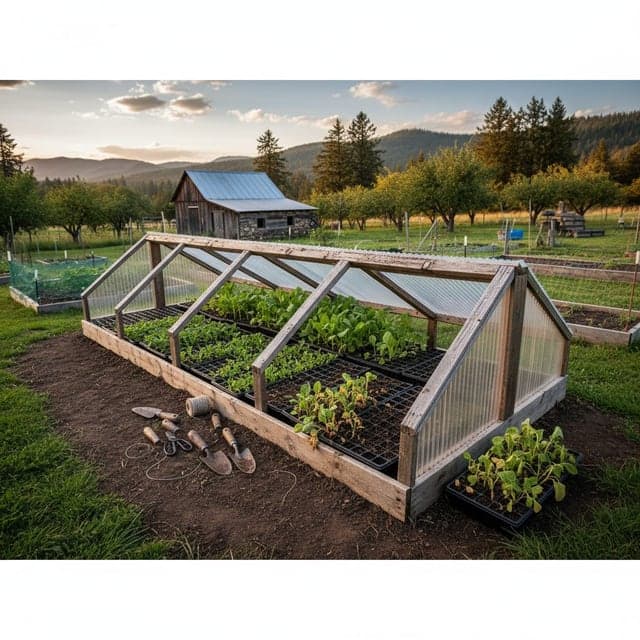
Save collapsing seedlings: recovery & prevention guide
How to save collapsing seedlings by identifying early signs of distress, correcting watering and light issues, and transplanting viable plants before rot spreads.
Tag
409 articles in this tag on agripure. — page 10 of 18
How to save collapsing seedlings by identifying early signs of distress, correcting watering and light issues, and transplanting viable plants before rot spreads.
Explore honest tests of cinnamon, chamomile tea, and hydrogen peroxide for seed starting in US gardens. Learn what works, what doesn’t, and how to safely boost germination and prevent disease.
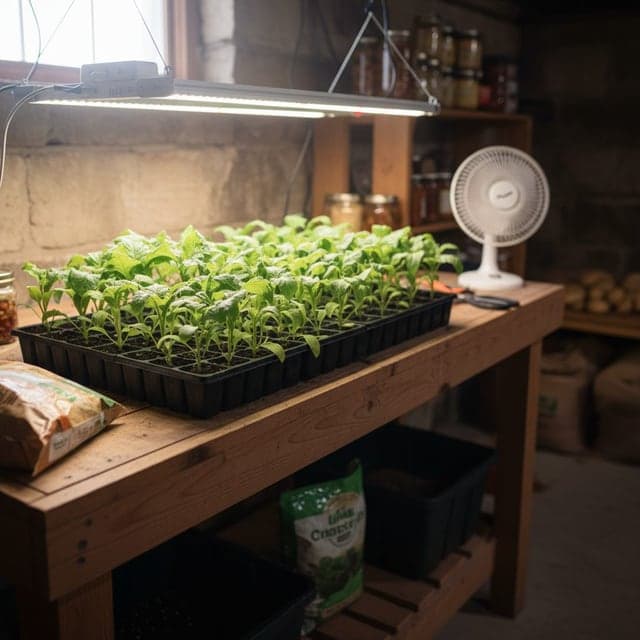
How to manage airflow, light, and bottom watering for indoor seedlings, preventing damping-off and maintaining dry crowns before transplanting.
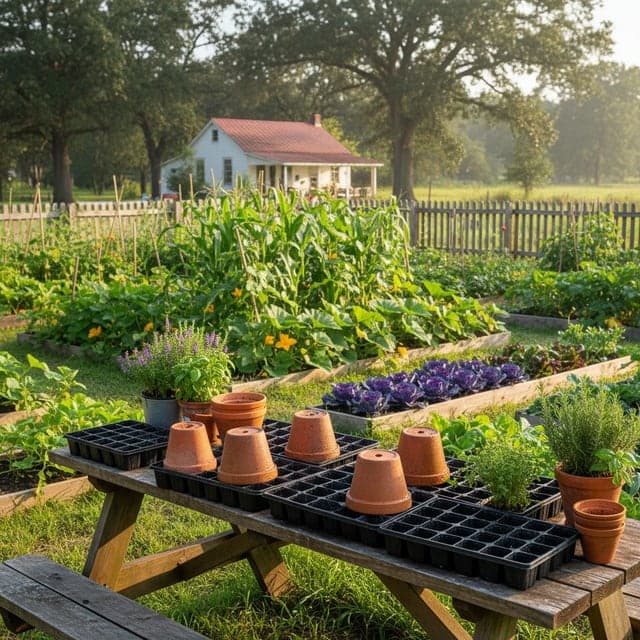
Learn how sterilizing seed trays and pots can prevent up to 75% of seedling diseases like damping-off. Improve germination rates by 20-30% with simple methods.
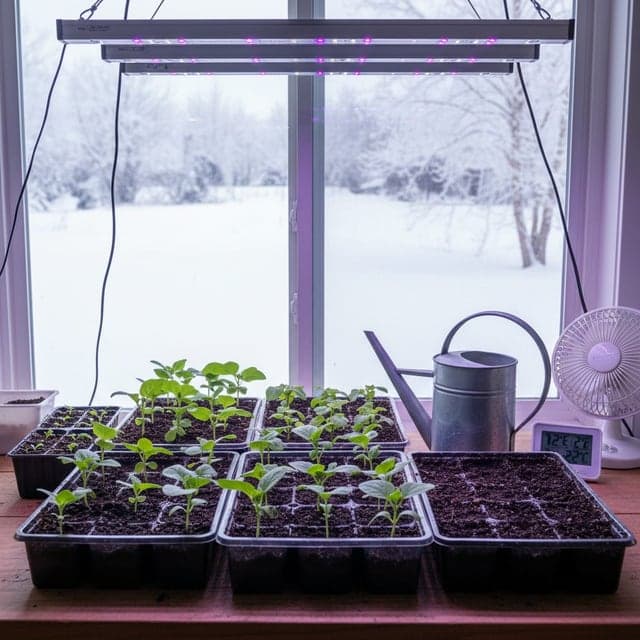
Learn to identify and fix 5 common seed starting failures. Improve germination rates, prevent leggy seedlings, and stop damping-off for strong plants ready for your garden.
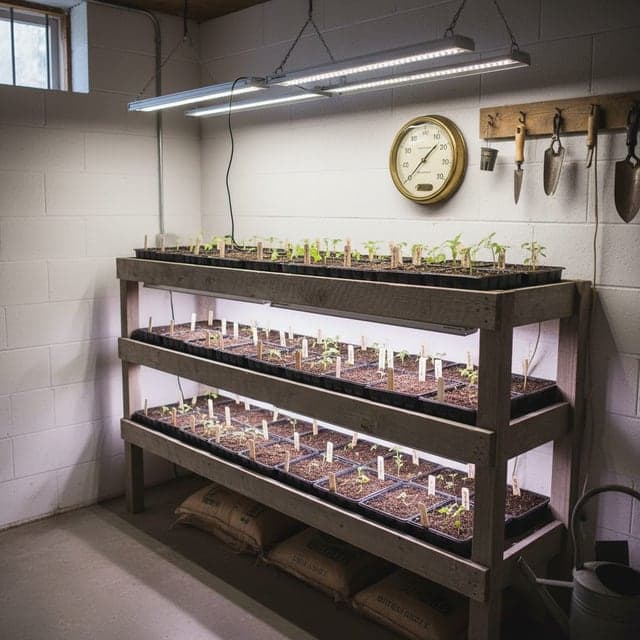
Master seed starting timing across US regions. Learn how cold basements in Maine differ from warm patios in Florida for successful germination and plant growth.
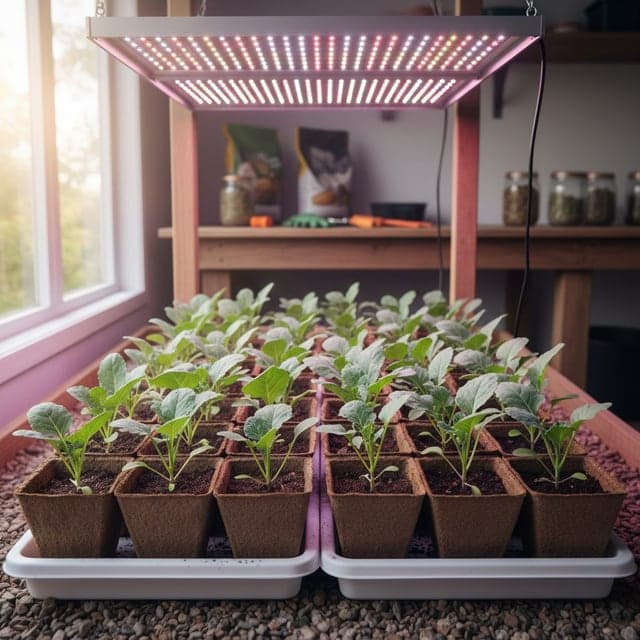
Master the art of potting up tomato seedlings in USDA Zone 6. Learn key techniques for healthy root development, preventing shock, and ensuring sturdy summer growth.
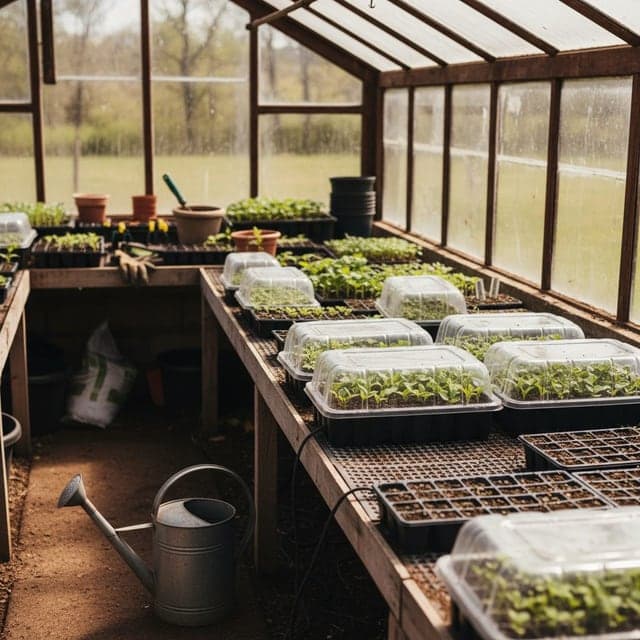
Boost plant starts germination to 90% in USDA Zone 6 with heat mats, humidity domes, and bottom-watering. Learn techniques for healthier seedlings & higher success rates.

How to build a budget grow-light shelf to prevent leggy seedlings and produce sturdy plant starts, with lighting and shelving options for USDA Zone 6.
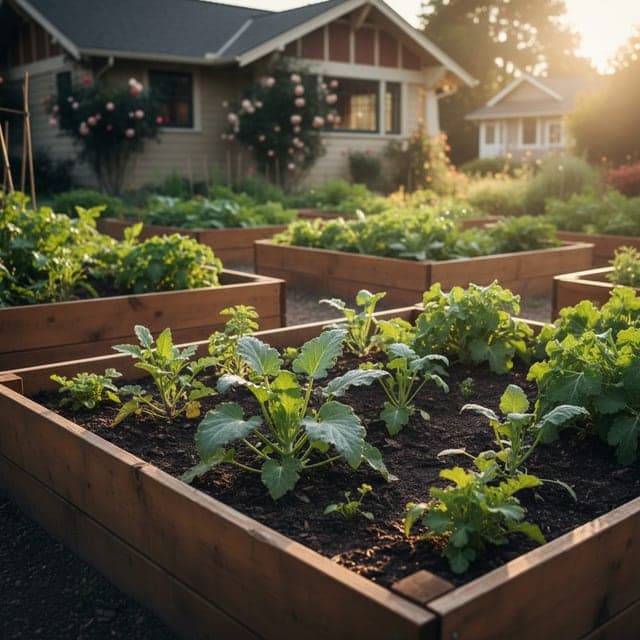
Master seed starting for your US garden. Learn the ‘count-back’ method using your last frost date to time warm & cool-season crops. Includes a seed starting chart for optimal growth.
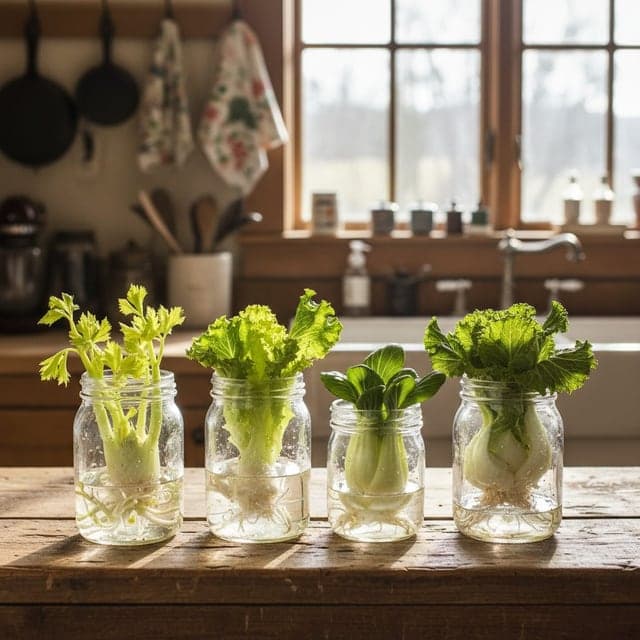
How to regrow kitchen scraps like celery, romaine, and bok choy to extend garden harvests, with methods for propagation, transplanting, and ongoing care.
How to regrow ginger and turmeric rhizomes from store-bought roots, with indoor container methods for cold climates and outdoor planting guides for USDA zones 4-10.
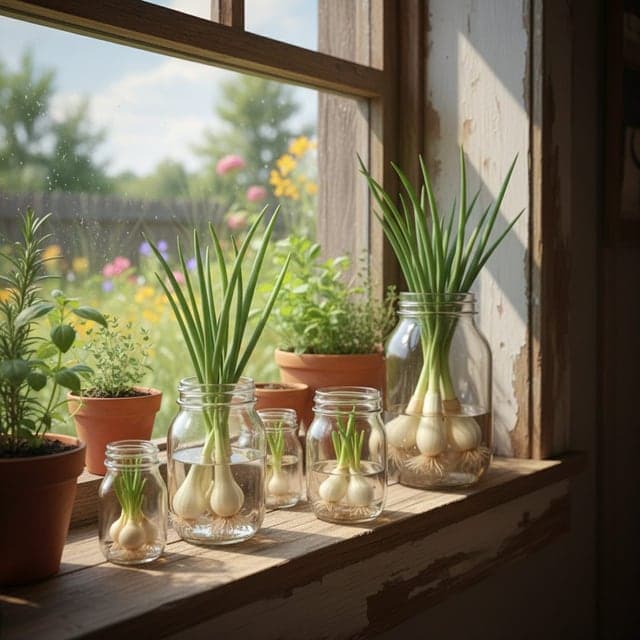
Compare 5–7 day water-jar scallion regrowth (tapers after 2–3 cuts) against 6–8" potting-mix transfers lasting 6–12+ months, plus basal plate anatomy, FDA washing, and ASPCA pet alerts.
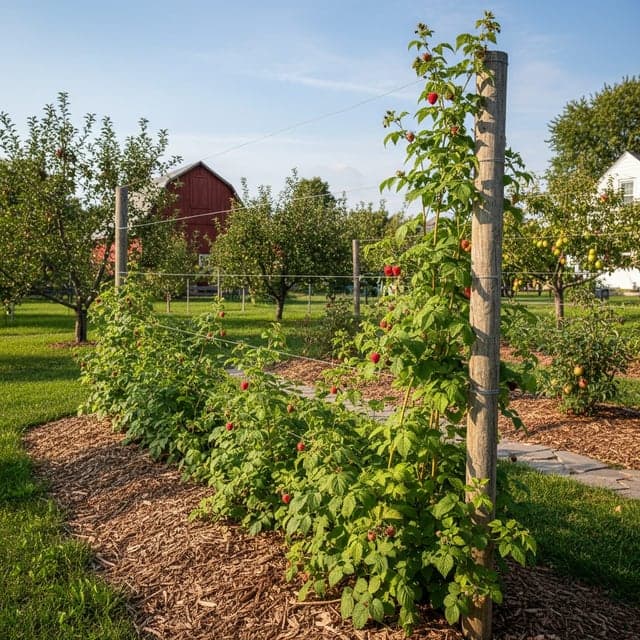
Master raspberry pruning and trellising for summer-bearing & everbearing varieties. Learn techniques to boost yields, improve plant health, and simplify harvest for abundant berries.
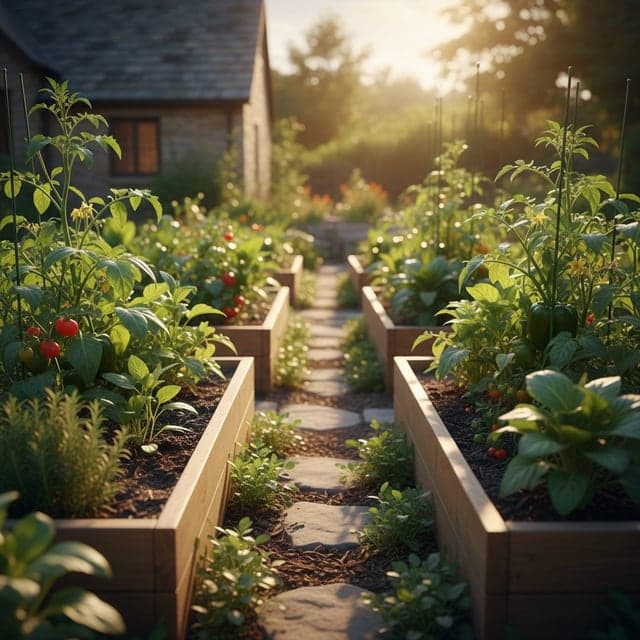
Growing blueberries in USDA Zone 5: manage soil pH (4.5-5.5) with sulfur and peat moss for nutrient uptake and a 20% yield boost, and select varieties suited to your climate.
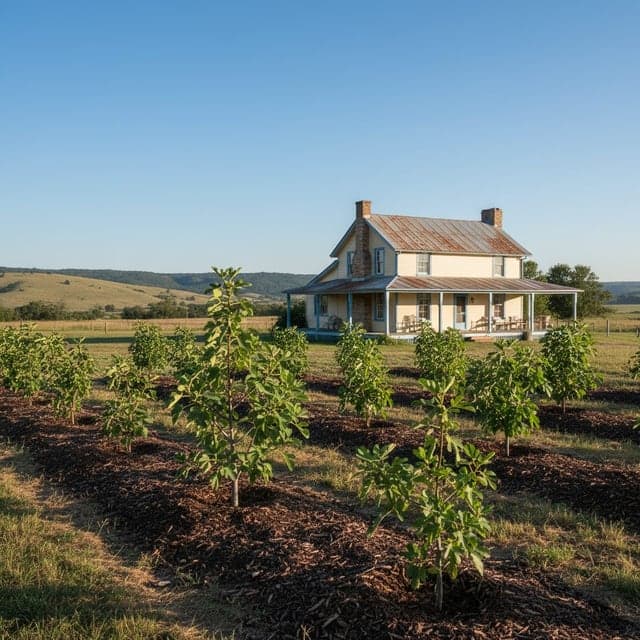
Pair cold-hardy figs ('Chicago Hardy', 'Ronde de Bordeaux', 'Marseilles Black VS') with Russian pomegranates ('Salavatski', 'Kazake', 'Sverkhranniy') in USDA Zones 6a–7b. Master south brick-wall si…
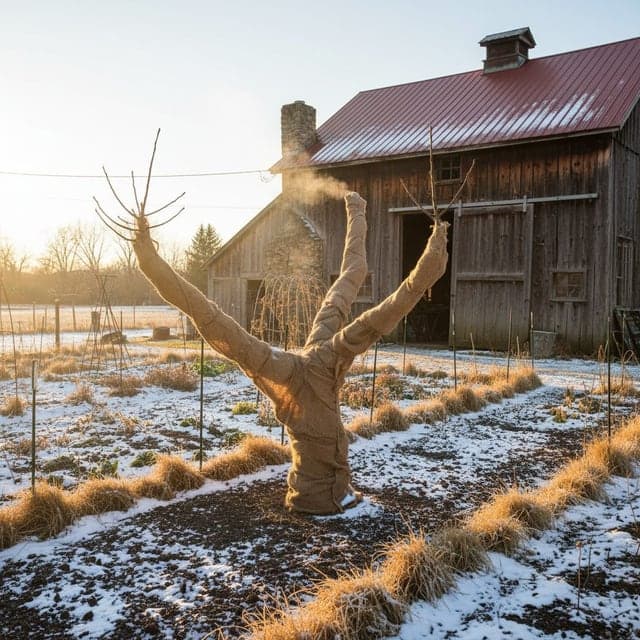
Protect Ficus carica across USDA Zones 4–7b: dormant wood thresholds, breba vs. main-crop nodes, 4 winter systems, spring unwrap rules, and fig-sap burn PPE.
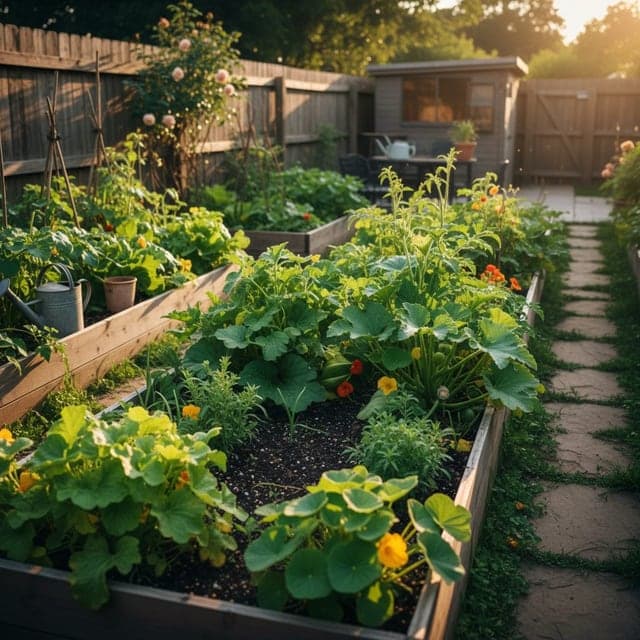
Learn how to ensure successful fruit set in your orchard or backyard. Discover self-fertile vs. cross-pollinating fruit trees, compatible varieties, and bloom times for a bountiful harvest.
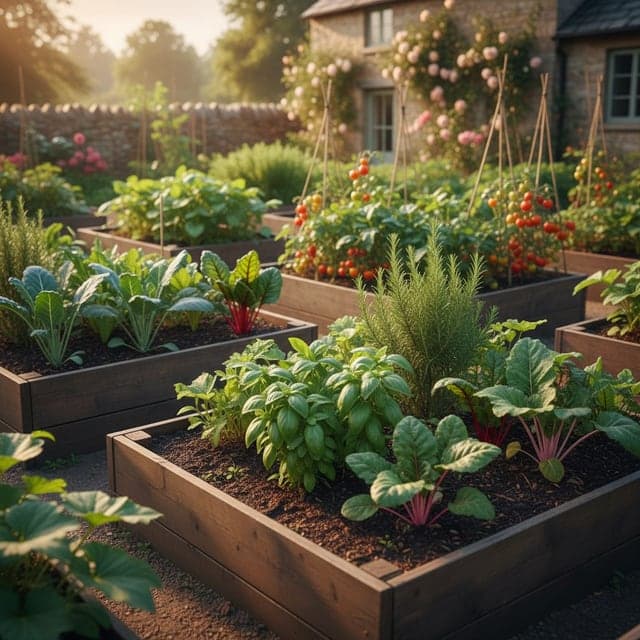
Diagnose and fix fruit tree grafting failures across US home orchards: cambium alignment, scion polarity, delayed incompatibility, 32–36°F ethylene-free scion storage, callus temperatures, and fire…
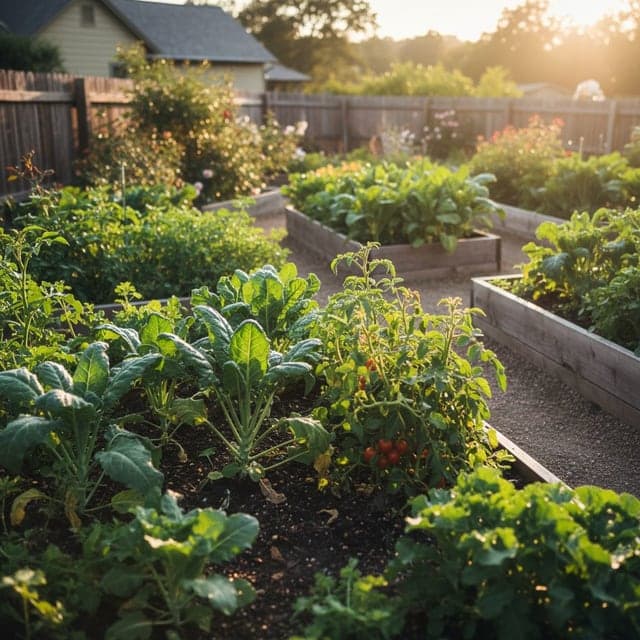
Master scionwood collection for successful fruit tree grafting. Learn when & how to select, store, & prepare dormant wood to expand your orchard & preserve heirloom varieties.
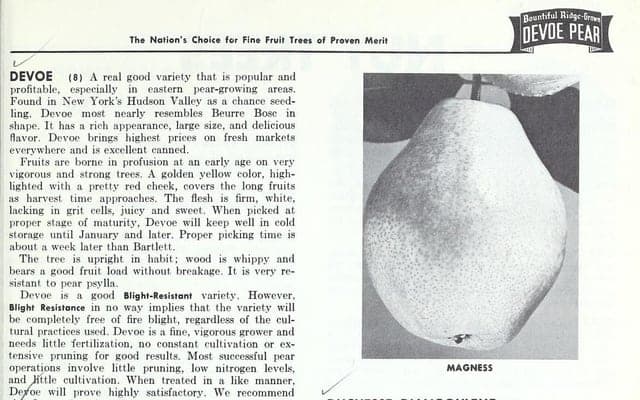
Unlock your orchard’s potential. Learn how choosing the right fruit tree rootstock impacts size, disease resistance, and yield. Master grafting for a thriving home garden.
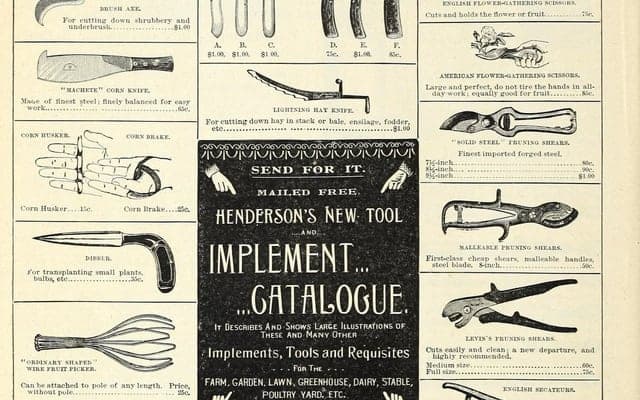
Cleft grafting top-works established fruit trees to improve fruit quality and yields, utilizing existing mature root systems across USDA zones 5 through 8.
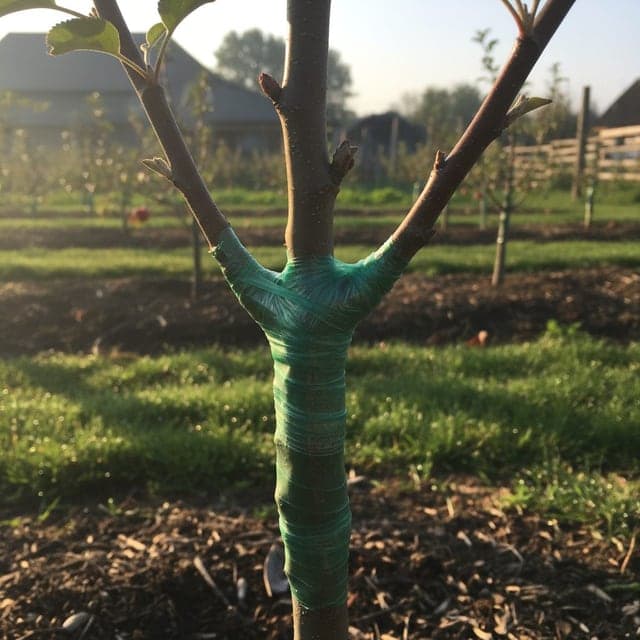
Master whip-and-tongue grafting for apples and pears. Achieve high success rates with this step-by-step guide for home growers, covering tools, scionwood, and precise cuts.
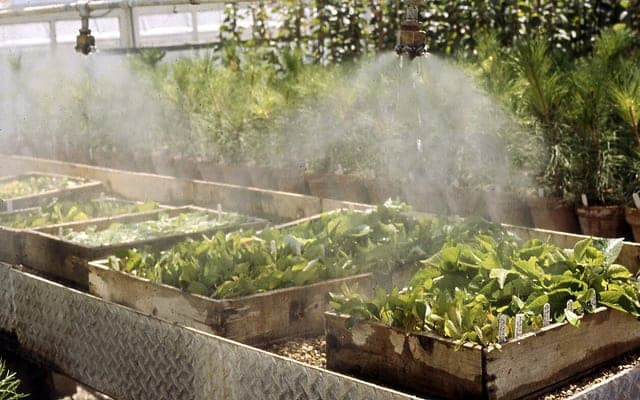
Build a safe, high-yield backyard mist propagation bench anywhere in the US: 2–6 sec leaf-cooling bursts, 70–75°F bottom heat, ASSE 1011 backflow protection, Class A GFCI power, Botrytis hygiene, a…