Fire Cider Recipe: Safe pH, 1:2 Ratio & No-Horseradish Swaps
Tested 1-quart fire cider recipe using 5% apple cider vinegar (pH 2.8–3.5), UMN Extension safety ratios, no-horseradish swaps, dosage, and honest evidence.
Tag
85 articles in this tag on agripure. — page 3 of 4
Tested 1-quart fire cider recipe using 5% apple cider vinegar (pH 2.8–3.5), UMN Extension safety ratios, no-horseradish swaps, dosage, and honest evidence.
How to make infused honey safely at home by properly drying herbs and controlling water activity to prevent botulism.
Make and store herb-infused honey without fermentation blowouts or botulism risk: bone-dry Track A pantry infusions (1–2 years) vs. Track B refrigerated fresh-herb and pH-verified oxymel recipes.
Cultivate a medicinal herb garden in USDA Zone 6, focusing on chamomile and lemon balm. Prepare safe, effective alcohol-free herbal remedies for your family. Save up to 75%.
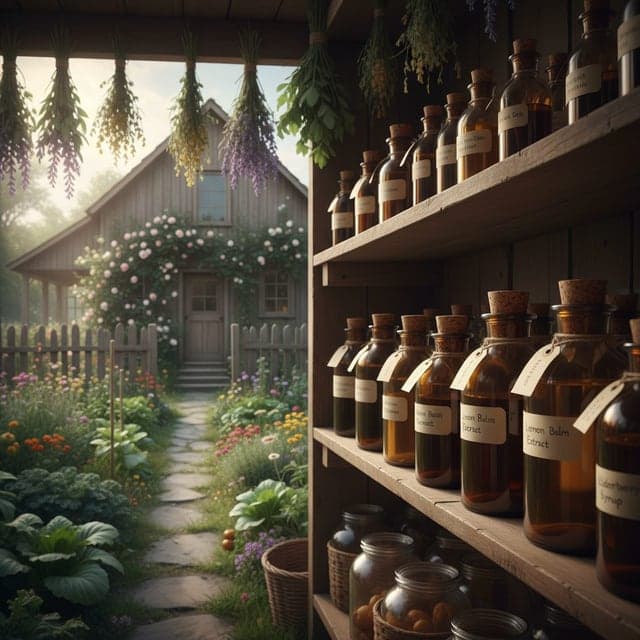
Keep homemade alcohol tinctures potent for 3 to 5+ years by holding final ABV at or above 25%, calculating fresh-herb water dilution, sealing with phenolic caps, and separating harmless sediment fr…
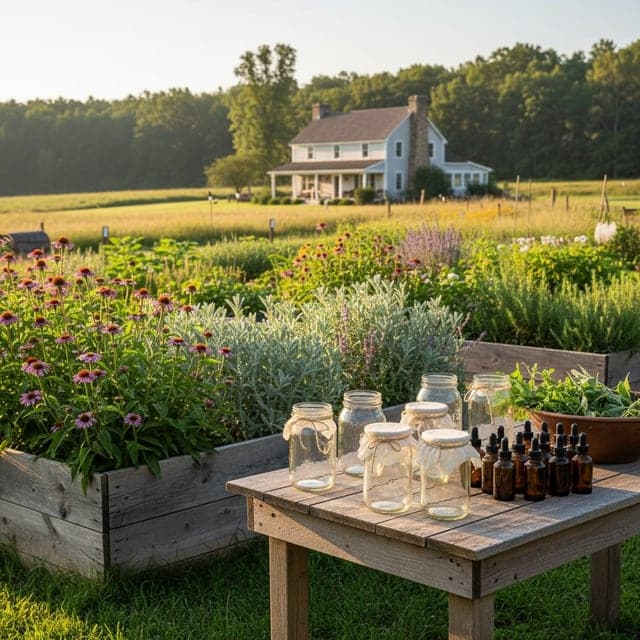
How to prepare herbal tinctures from garden herbs in USDA Zone 6, covering solvent selection, maceration times, straining, and dropper-dose calculations.
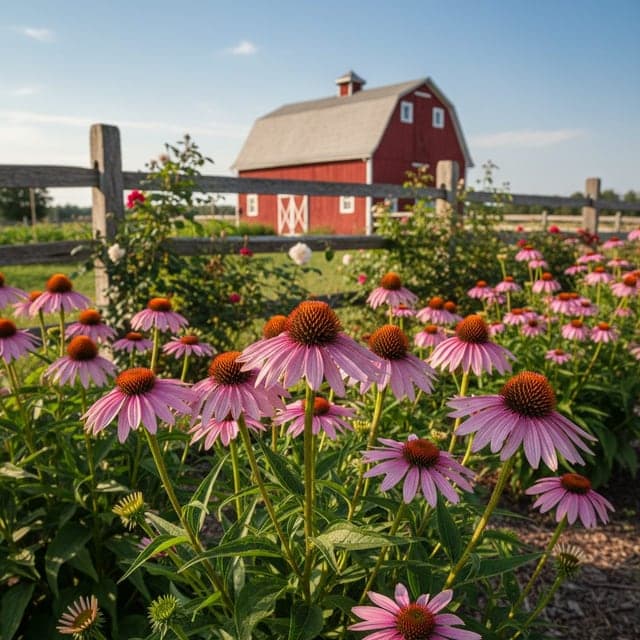
Grow Echinacea purpurea and angustifolia in USDA zones 3–9, harvest dormant 3-year roots, calculate 1:2 fresh vs. 1:5 dried tincture ratios, and follow NIH/NCCIH safety rules.
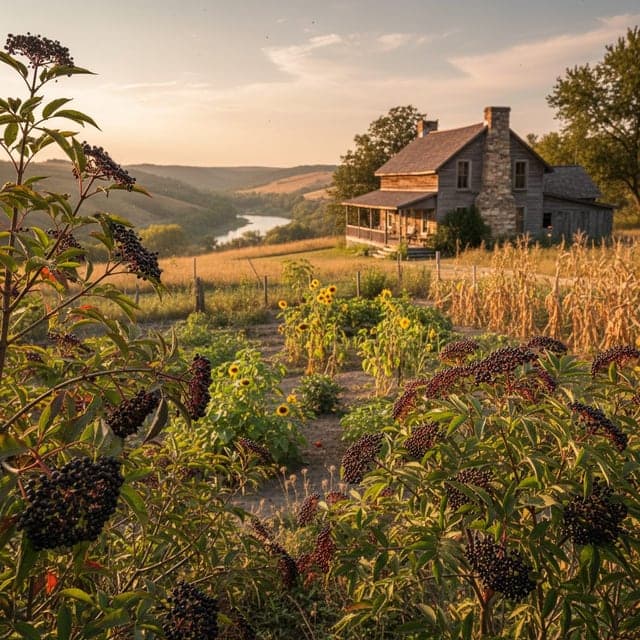
Make safe, shelf-stable elderberry tincture from US backyard or wild Sambucus canadensis berries: uncovered 212°F pre-simmering to vent HCN, 1:2 vs. 1:5 weight-to-volume proof math, realistic press…
Match herbal tincture menstrua to phytochemical polarity, moisture dilution math, and preservation floors: USP grain ethanol (151–190 proof fresh vs. 80–120 proof dried), 100% fresh vegetable glyce…
Compare folk-method jar packing (1:1.8 to 1:10 bulk-density drift) against calibrated weight-to-volume (W:V, g:mL) tincture ratios, 25–40% dry root swell marc retention, 70–85% fresh-herb ABV spoil…
Learn practical tips to extend salve shelf life and prevent mold, especially in humid US climates. Master herb drying, storage, and natural preservatives for your homemade apothecary.
Compare 5 herb oil infusion methods from cold dark maceration to sous-vide and flash blanching, backed by University of Idaho PNW 664 botulism rules, 1:5 herb ratios, and carrier oil stability.
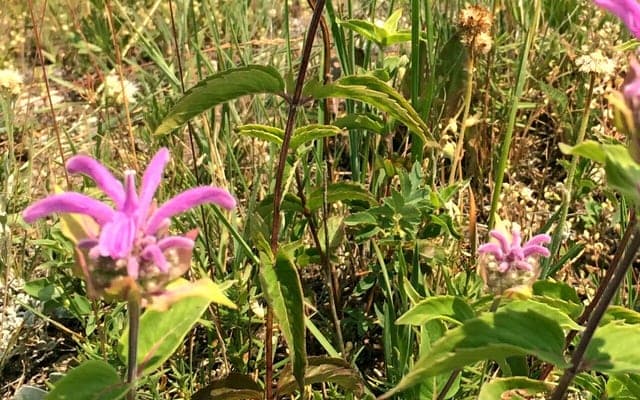
Formulate repeatable herbal balms and salves by weight (g/oz): 1:4 pocket balm, 1:5–1:6 hand salve, 1:7–1:8 winter cream, vegan candelilla/carnauba swaps, freezer-spoon calibration, botulism dry-he…
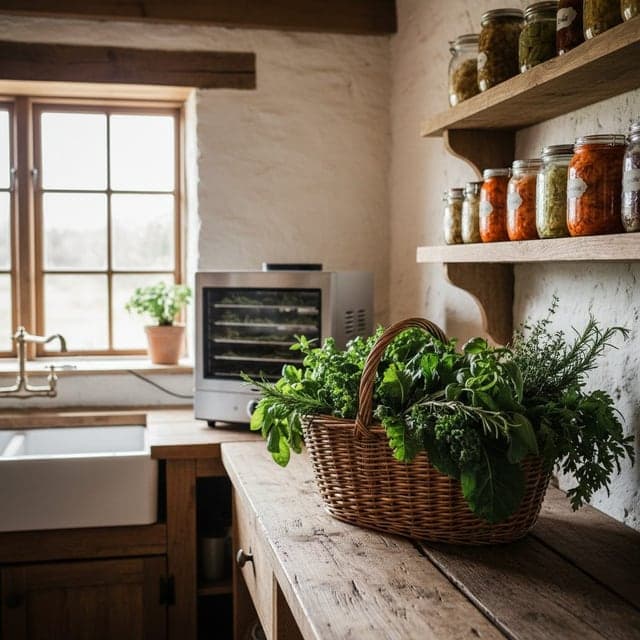
How dehydration, fermentation, and freezing preserve leafy greens and herbs, reducing the 30% food waste typical in home kitchens.
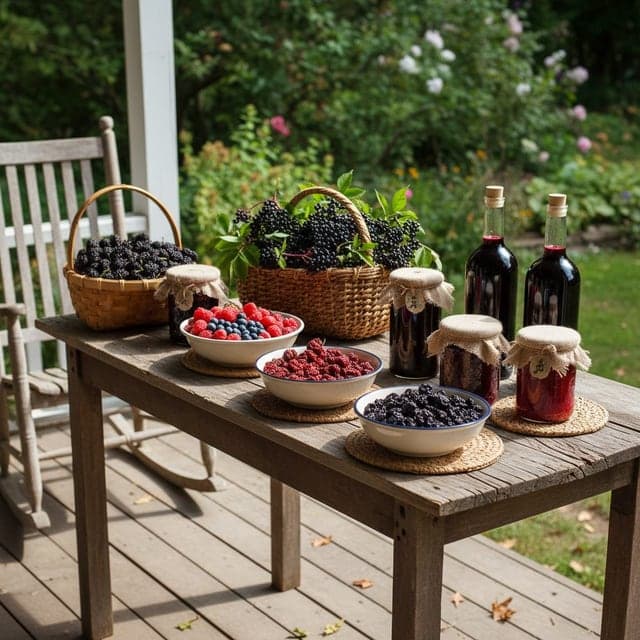
Preserve summer berries without a freezer using USDA/NCHFP boiling-water bath canning with altitude adjustments, 135°F dehydration plus 7-day conditioning, berry fruit leather, and >=5% vinegar shr…
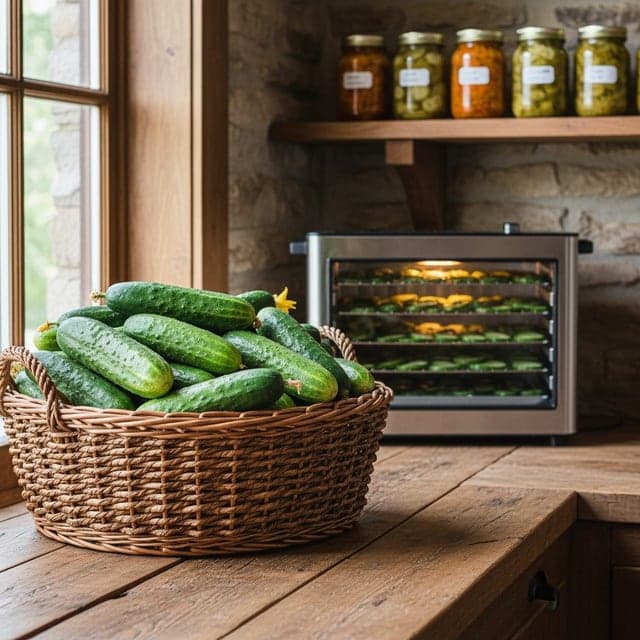
Handle a summer cucumber surplus safely using NCHFP and USDA guidelines: exact 2–2.5% mash vs. 3.5–5% cut-brine fermentation math, 125–135 °F dehydrated chips with jar conditioning, freezer pickles…
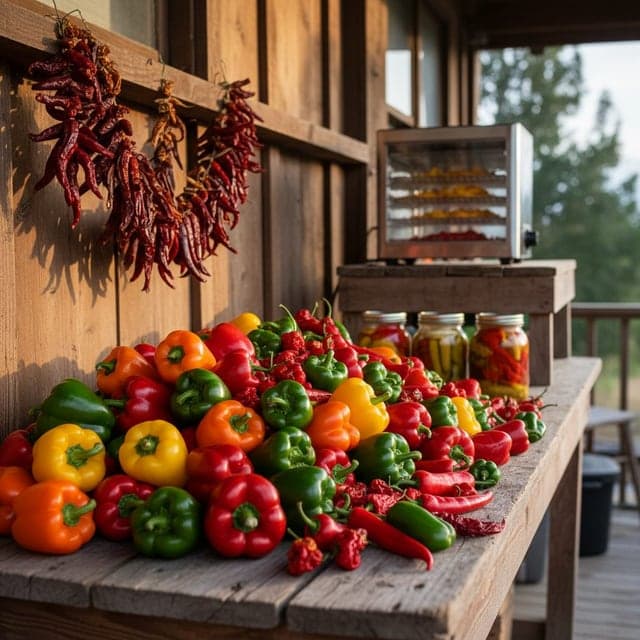
How to preserve your USDA Zone 7 pepper harvest with drying, freezing, fermenting, and pickling techniques to use peppers year-round.
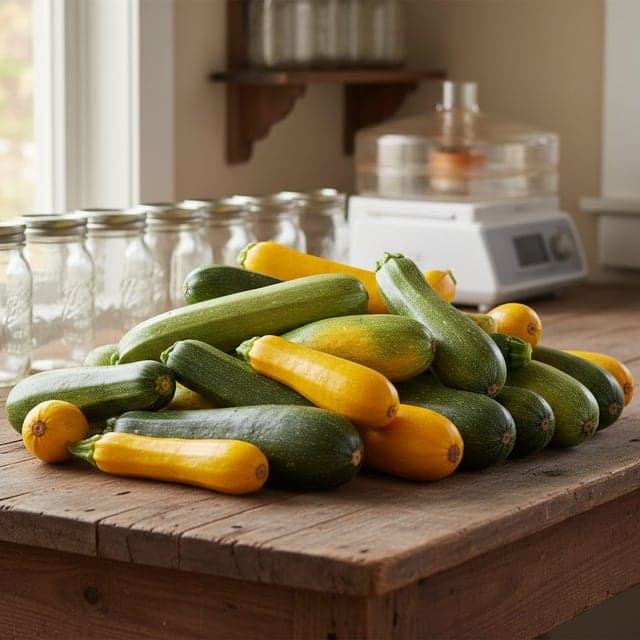
How to preserve a summer squash harvest by dehydrating, fermenting, or freezing for months or up to a year.
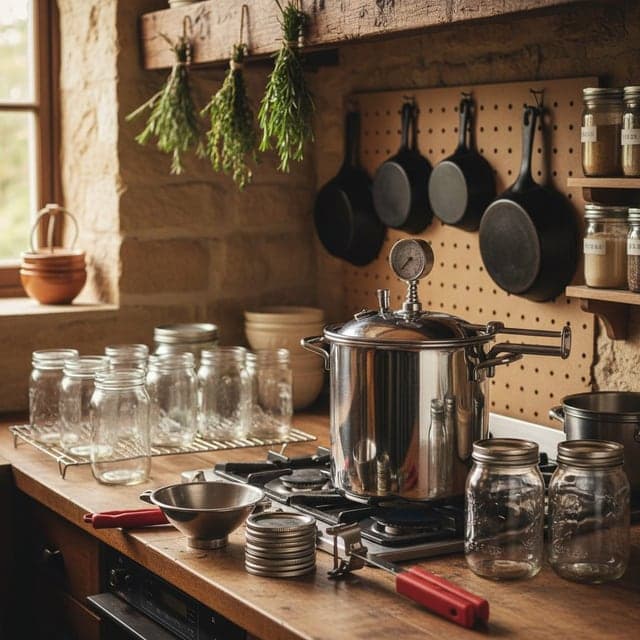
Safely pressure can low-acid vegetables, meats, and soups at 240–250°F: 10-minute steam venting, USDA altitude PSI tables, pint/quart limits, dial-gauge testing, and botulism disposal.
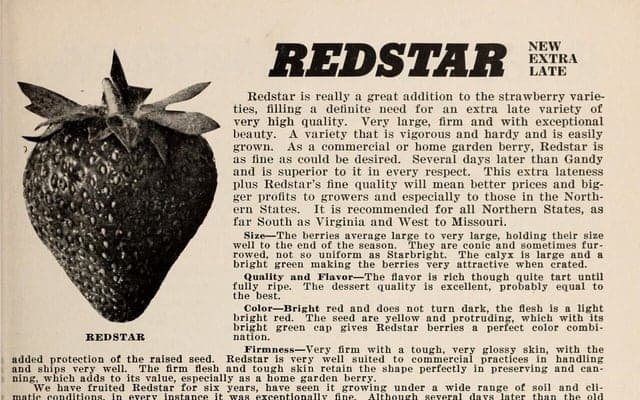
Learn to safely can berry jams and jellies for a year-round supply. This guide covers selecting fruit, essential ingredients, and USDA guidelines for preserves in USDA Zone 5.
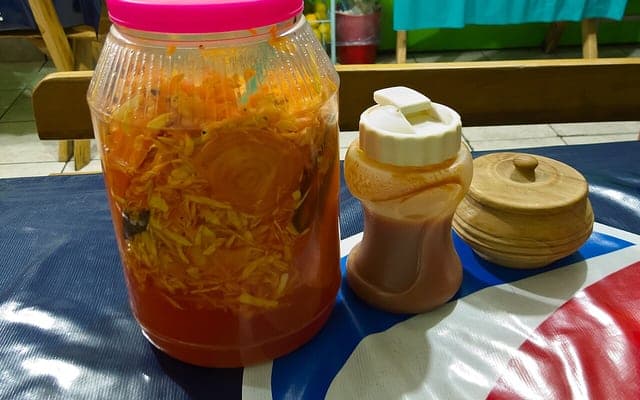
Can tomatoes, tomato sauce, and salsa safely using USDA and NCHFP pH 4.6 acid rules: exact bottled lemon juice or citric acid spoons, altitude tables, and P0 bans.
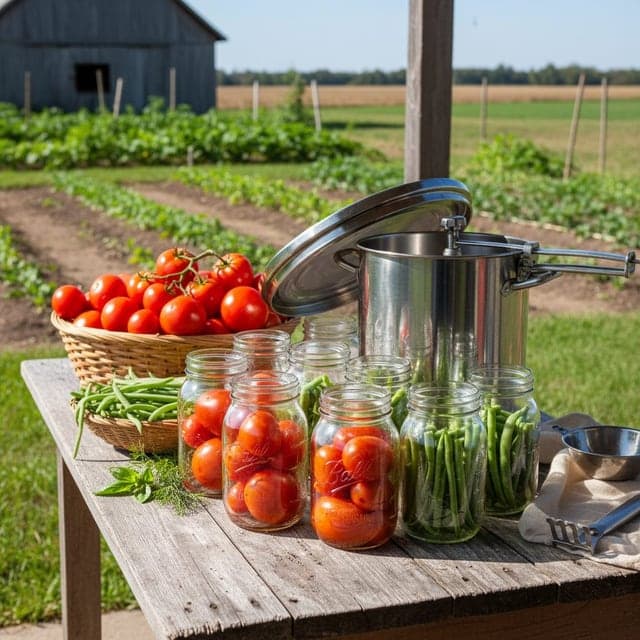
Understand botulism risks in home canning. Learn how altitude, acidity (pH), and proper processing prevent deadly toxins. Essential home canning safety tips for all US homesteaders.

Choose safely between boiling-water bath, atmospheric steam, and pressure canning using the USDA pH 4.6 rule, dial vs. weighted gauge altitude PSI tables, 10-minute venting, and tomato acidificatio…
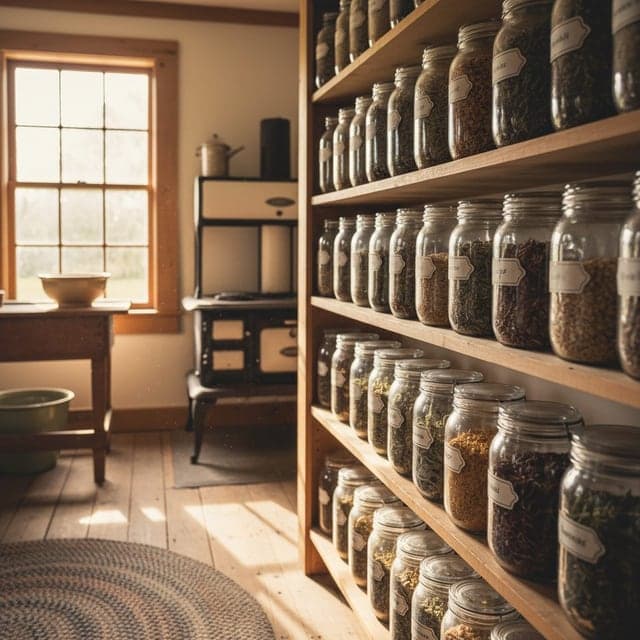
Master pantry food storage for spices & dried goods. Learn dehydration, organization, and optimal conditions to reduce waste and ensure year-round access on your homestead.