Key takeaways
- Choose thoroughly dried herbs for infusions to prevent moisture-related spoilage and mold growth.
- The slow-cooker method offers precise temperature control, typically between 100-120°F, for consistent extraction.
- Solar infusion utilizes passive heat over 4-6 weeks, creating potent oils with minimal energy input.
- The double-boiler method is a faster alternative, infusing herbs in 2-4 hours for immediate use.
- Cover the dried herb completely with carrier oil, keeping at least 1 inch of oil above the plant material so nothing sits exposed.
- Store finished infused oils in dark glass bottles in a cool, dark place for up to 12 months to maintain potency.
Quick answer: Herbs can be infused into oil using three primary methods: slow-cooker, solar, and double-boiler. These techniques extract fat-soluble compounds from dried herbs into carrier oils, creating potent preparations for a home apothecary.
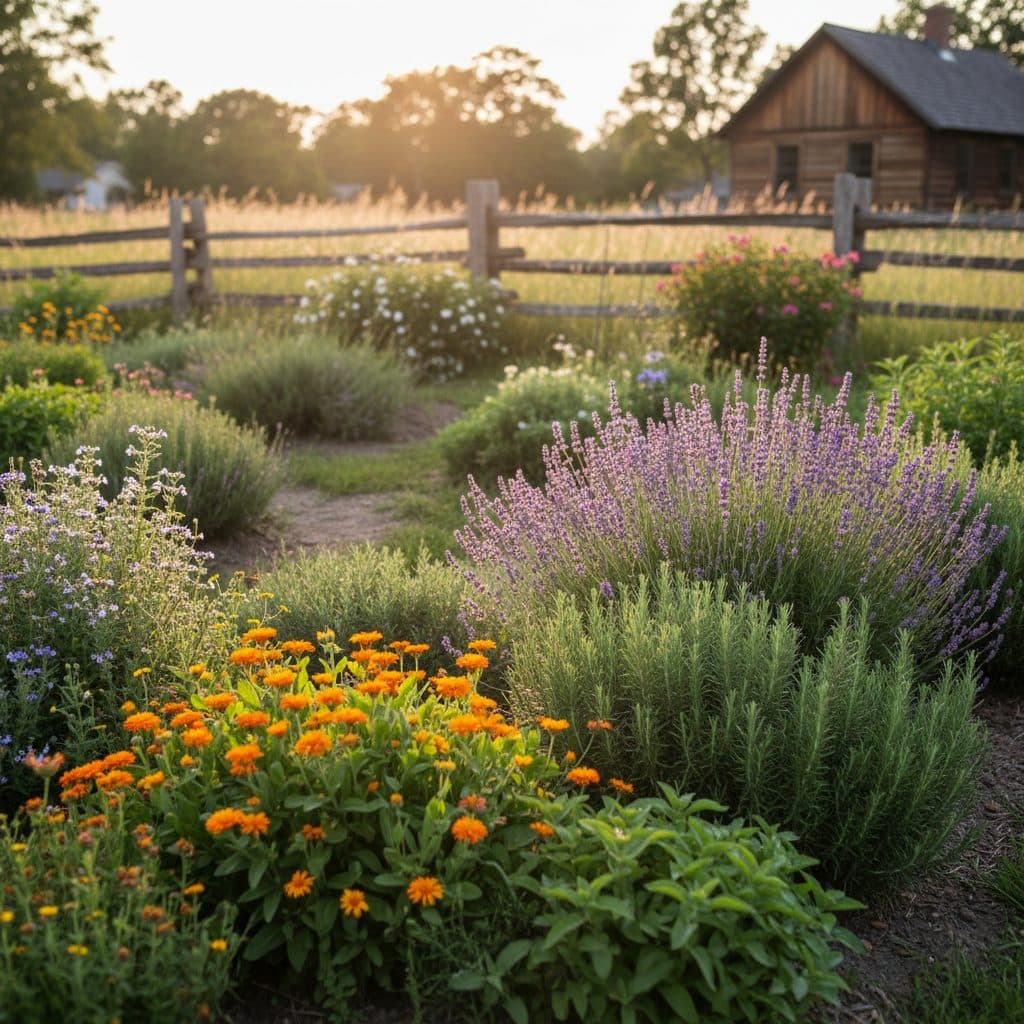
In the temperate climate of the Pacific Northwest, many home growers keep a patch of medicinal herbs and want to make good use of the harvest. Infusing herbs into oils is a foundational practice in the home apothecary, transforming dried plant material into potent topical preparations. This process, often referred to as maceration, extracts fat-soluble constituents from herbs into a carrier oil, such as olive or almond oil. Calendula’s skin-active constituents include fat-soluble triterpenoids, which is why the flowers are traditionally infused into oil rather than steeped in water.
Selecting the right infusion method depends on the herbs you grow and how quickly you need the oil. The slow-cooker, solar, and double-boiler methods each offer different advantages for home growers across different climates. Keeping the dried herbs fully submerged in oil ensures the oil extracts fat-soluble compounds safely and remains stable for up to 12 months.
The foundation: choosing herbs and oils for infusion
Before embarking on any infusion project, selecting the right ingredients is paramount. For optimal results and to prevent spoilage, always use thoroughly dried herbs. Fresh herbs contain water, which can introduce bacteria and mold into your oil, significantly reducing its shelf life to just a few days or weeks. For example, a batch of fresh lavender infused in oil might spoil within 3 days, while dried lavender can last for 12 months. When sourcing herbs, consider growing your own; many medicinal herbs like garden sage (Salvia officinalis) thrive in USDA zones 4-9 across the United States. If purchasing, ensure they are organic and free from pesticides.
selecting your carrier oil
The choice of carrier oil directly impacts the final product’s texture, absorption rate, and shelf life. Common choices include extra virgin olive oil, which is affordable and has a long shelf life of up to 2 years, making it excellent for general-purpose infusions. Sweet almond oil is lighter, easily absorbed, and rich in vitamins A and E, suitable for facial serums. Jojoba oil, technically a wax ester, is highly stable and mimics the skin’s natural sebum, offering a shelf life of 3-5 years. For a thorough infusion, use enough oil to cover the dried herb completely, with at least 1 inch of oil standing above the plant material. Dried flowers such as calendula are very bulky for their weight, so a jar of them takes far more oil than the same weight of a dense root. Covering the herb this way ensures sufficient oil to extract the beneficial compounds, which are often fat-soluble, like the triterpenes found in calendula.
- Always use dried herbs to prevent mold.
- Consider growing your own herbs for quality control.
- Choose carrier oils based on desired texture and shelf life.
- Keep at least 1 inch of oil above the herb.
- Ensure oils are fresh and high quality for best results.
Slow-cooker infusion: controlled, gentle heat
The slow-cooker method is ideal for those who prefer precise temperature control and a relatively quicker infusion time compared to solar methods. This technique utilizes low, consistent heat to gently extract the therapeutic properties from your herbs without degrading delicate compounds. A typical infusion in a slow cooker can take 4-8 hours, maintaining a temperature range between 100-120°F (38-49°C). Temperatures exceeding 150°F (66°C) can damage heat-sensitive compounds and create rancid oil, so monitor the temperature regularly. For example, a 6-quart slow cooker can comfortably hold two 16-ounce jars of oil and herbs.
the process for slow-cooker infusion
Place dried herbs and carrier oil into a clean, dry glass jar, submerging the herbs completely. A 32-ounce Mason jar works well for a 16-ounce oil volume. Seal the jar tightly. Place a dishcloth or a small trivet at the bottom of your slow cooker to prevent direct contact between the jar and the heating element. Fill the slow cooker with water, reaching about halfway up the sides of your jar. Set the slow cooker to its lowest setting, usually ‘Warm’ or ‘Low’, and monitor the water temperature with a thermometer to ensure it stays within the 100-120°F range. Infuse for 4-8 hours, stirring the jar gently every 1-2 hours. This method is particularly effective for extracting compounds from denser roots such as burdock, which require sustained, gentle heat. If you infuse comfrey root, note that root carries the highest pyrrolizidine alkaloid content of any part of the plant, that those alkaloids are hepatotoxic and can be absorbed through skin, and that comfrey preparations are for intact skin only: never on broken skin, open wounds, or taken internally.
- Use a clean, dry glass jar for herbs and oil.
- Place a cloth or trivet in the slow cooker.
- Fill the slow cooker with water up to the jar’s midpoint.
- Maintain a temperature between 100-120°F for 4-8 hours.
- Stir the jar gently every 1-2 hours for even extraction.
Solar infusion: patient potency from the sun
For those who prefer a hands-off approach and are not in a rush, solar infusion harnesses the sun’s natural warmth to slowly extract herbal compounds. This method is particularly popular in sunny regions like California or Arizona, where consistent sunlight is abundant for several months of the year. While it requires more time (typically 4-6 weeks), the gentle, sustained heat can produce a deeply potent oil. The process mimics traditional methods, relying on passive solar energy, which can also be applied to home heating design (Passive solar design: heating your home with the sun, no panels).
setting up your solar infusion
Fill a clean, dry glass jar (a 16-ounce wide-mouth Mason jar works well) about three-quarters full with chosen dried herbs. Pour carrier oil over the herbs until they are submerged by at least 1 inch of oil. This prevents oxidation and mold growth. Seal the jar tightly with a lid, and place it in a sunny window or a warm outdoor spot where it will receive direct sunlight for at least 6-8 hours daily. Turn the jar daily to redistribute the herbs and oil evenly. After 4-6 weeks, the oil will have absorbed the herbal properties, often changing color and developing a distinct aroma. This method is excellent for delicate flowers like calendula or rose petals, as the low heat preserves their fragile constituents. Ensure the jar is placed in a stable location, perhaps on a sturdy shelf or a south-facing porch in USDA zone 8.
- Use a clean, dry glass jar, three-quarters full with herbs.
- Cover herbs completely with at least 1 inch of oil.
- Seal the jar tightly to prevent contamination.
- Place in direct sunlight for 6-8 hours daily for 4-6 weeks.
- Turn the jar daily to ensure even infusion.
Double-boiler infusion: quick and effective heat
When time is of the essence, the double-boiler method provides a faster infusion process, typically completing in 2-4 hours. This technique involves indirect heat, preventing the oil from overheating and scorching the herbs. It’s a reliable method for home apothecaries that need a batch of infused oil relatively quickly, perhaps for an urgent balm or salve project. For instance, if you need 8 ounces of calendula oil by tomorrow, this method is your best option. You can use a standard saucepan and a heat-safe glass bowl to create a makeshift double boiler.
executing the double-boiler method
Pour your carrier oil and dried herbs into the top portion of a double boiler or a heat-safe glass bowl that fits snugly over a saucepan. As with the other methods, use enough oil to keep the herb fully submerged. Fill the bottom saucepan with about 2-3 inches of water, keeping the water from touching the bottom of the upper bowl. Bring the water to a gentle simmer over low to medium heat, maintaining a temperature for the oil between 100-140°F (38-60°C). Stir the herb and oil mixture frequently, every 15-20 minutes, for 2-4 hours. Do not let the water boil vigorously, as this can cause the oil to overheat. After the infusion period, carefully remove the top bowl and allow the oil to cool slightly before straining. This method is particularly useful for extracting properties from herbs like rosemary or peppermint, which have firmer leaf structures. A 2-quart saucepan is generally sufficient for infusing 16-24 ounces of oil.
- Combine herbs and oil in the top of a double boiler.
- Fill the bottom pot with 2-3 inches of water.
- Maintain a gentle simmer, keeping oil temperature 100-140°F.
- Stir the mixture every 15-20 minutes.
- Infuse for 2-4 hours for a quick extraction.
Straining, storing, and using your infused oils
Once infusion is complete, strain the herbs from the oil. This ensures a clean, potent product free of plant matter that could otherwise cause spoilage. Line a fine-mesh sieve with several layers of cheesecloth or a clean muslin cloth. Place the sieve over a clean glass bowl or measuring cup. Pour the entire herb-oil mixture into the lined sieve, allowing the oil to drip through. For maximum yield, gather the cheesecloth corners and gently squeeze out any remaining oil. Avoid over-squeezing vigorously, as this can introduce fine plant particles into the oil. For a 16-ounce batch, this process typically takes 10-15 minutes.
long-term storage and application
Proper storage extends the shelf life of newly infused herbal oils. Transfer the strained oil into clean, dry dark glass bottles. Amber or cobalt blue bottles, often available in 4-ounce or 8-ounce sizes, are ideal as they protect the oil from light degradation. Label each bottle with the herb used, the carrier oil, the date of infusion, and the method. Store the bottles in a cool, dark place, such as a pantry or cupboard, away from direct sunlight and heat sources. Stored correctly, most infused oils will maintain their potency for up to 12 months. Some stable oils like jojoba might last longer, up to 3 years. These oils can be used as topical remedies, massage oils, or as a base for salves, balms, and lotions. For example, a calendula-infused olive oil is commonly used on minor skin irritations. Patch-test any new infused oil on a small area first, and stop using it if irritation appears.
- Strain oil through multiple layers of cheesecloth.
- Gently squeeze herbs to extract all oil.
- Transfer infused oil to dark glass bottles.
- Label bottles with herb, oil, date, and method.
- Store in a cool, dark place for up to 12 months.
Comparison of herbal oil infusion methods
Method | Time Required | Heat Level | Equipment Needed | Best For |
|---|---|---|---|---|
Slow-Cooker | 4-8 hours | Low (100-120°F) | Slow cooker, glass jar, thermometer | Denser herbs, precise control |
Solar | 4-6 weeks | Passive (sunlight) | Glass jar, sunny location | Delicate flowers, hands-off approach |
Double-Boiler | 2-4 hours | Medium-Low (100-140°F) | Double boiler or 2 pots, stirring spoon | Quick infusions, woody herbs |
Optimal Ratio: For best extraction, use enough carrier oil to submerge the dried herb with at least 1 inch of oil standing above it.
Storage Life: Properly stored herbal oils in dark glass bottles can maintain potency for up to 12 months in a cool, dark pantry, providing consistent efficacy.
Temperature Control: When using heat, maintain oil temperatures between 100-140°F to prevent degradation of delicate herbal compounds and ensure a high-quality infusion.
Frequently asked questions
Why is it important to use dried herbs for oil infusions?
Using dried herbs is necessary because fresh herbs contain water, which can introduce bacteria and mold into your oil. This significantly reduces the shelf life of your infused oil, often to just a few days, compared to 12 months for infusions made with dried material.
What is the recommended herb-to-oil ratio for infusions?
Instead of measuring by weight, use enough carrier oil to cover the dried herb with at least 1 inch of oil above it. Dried flowers and leaves are bulky for their weight, so they take considerably more oil than the same weight of a dense root.
How long do homemade infused oils typically last?
When properly made with dried herbs and stored in dark glass bottles in a cool, dark place, most infused oils maintain their potency and freshness for up to 12 months. Some stable oils like jojoba can last up to 3 years.
Can I use a microwave to speed up the infusion process?
No, using a microwave is not recommended for infusing oils. Microwaves heat unevenly and can easily overheat the oil, potentially damaging delicate herbal compounds and causing the oil to become rancid within hours, reducing its therapeutic value.
What are some common carrier oils used for herbal infusions?
Popular carrier oils include extra virgin olive oil, sweet almond oil, and jojoba oil. Olive oil is versatile and affordable, with a shelf life of up to 2 years, while almond oil is lighter, and jojoba oil is highly stable, lasting 3-5 years.
How do I know if my infused oil has gone bad?
You can tell if your infused oil has gone bad by changes in its smell, color, or texture. A rancid oil will often have a strong, unpleasant odor, a darker color, or a cloudy appearance. Discard any oil that shows these signs, typically after 12 months of storage.
References
- infuse, v. (2023). infuse, v..
- infuse, adj. (2023). infuse, adj..
- infuse, n. (2023). infuse, n..
- USDA Natural Resources Conservation Service (2024). USDA Natural Resources Conservation Service.