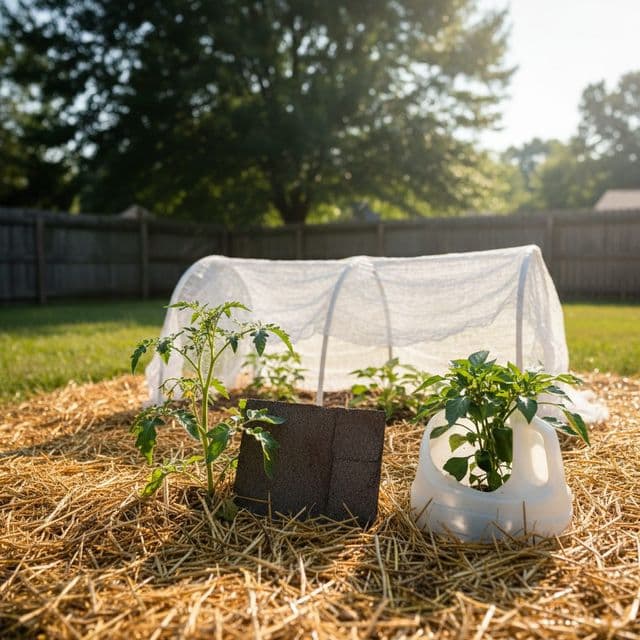
Protecting Transplants from 100°F Heat in USDA Zone 7 Gardens
Learn how to protect young transplants from extreme heat in USDA Zone 7 gardens. Discover DIY and purpose-built temporary shade solutions to boost survival rates.
Tag
642 articles in this tag on agripure. — page 20 of 27
Learn how to protect young transplants from extreme heat in USDA Zone 7 gardens. Discover DIY and purpose-built temporary shade solutions to boost survival rates.
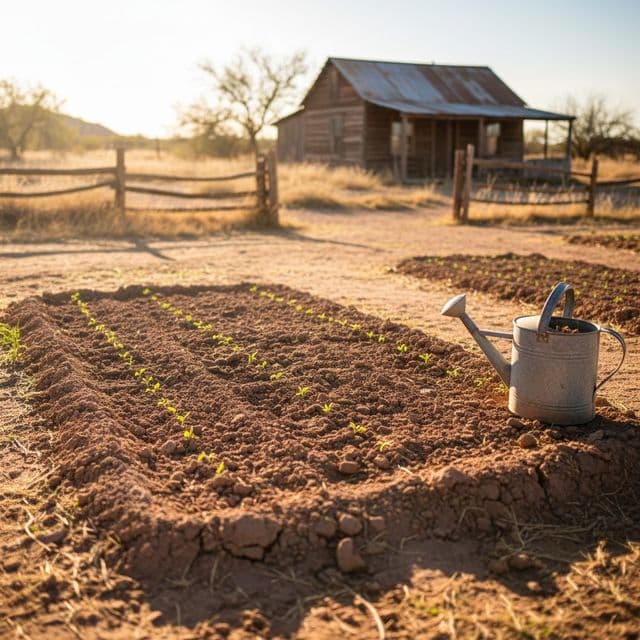
Ensure your new garden transplants thrive in summer heat. Learn data-backed strategies for watering new transplants, managing soil moisture, and reducing stress in challenging climates like Texas.
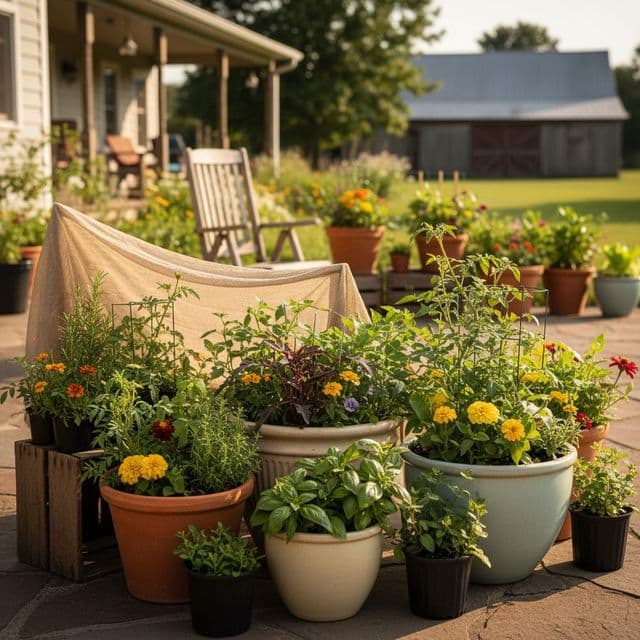
Combat container heat stress in USDA Zone 9b. Learn strategic shading, double-potting, and pot choices to keep plants cool and thriving in extreme summer temperatures.
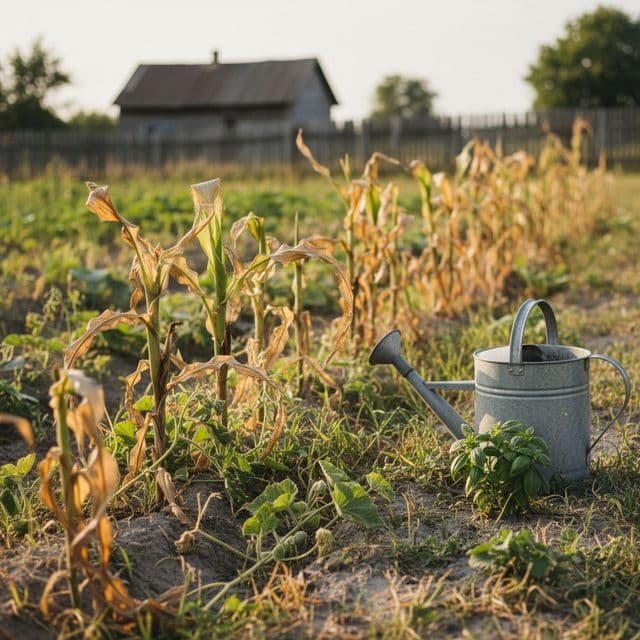
How to restore heat-damaged plants in US gardens using deep watering, conservative pruning, and organic feeding to support recovery.
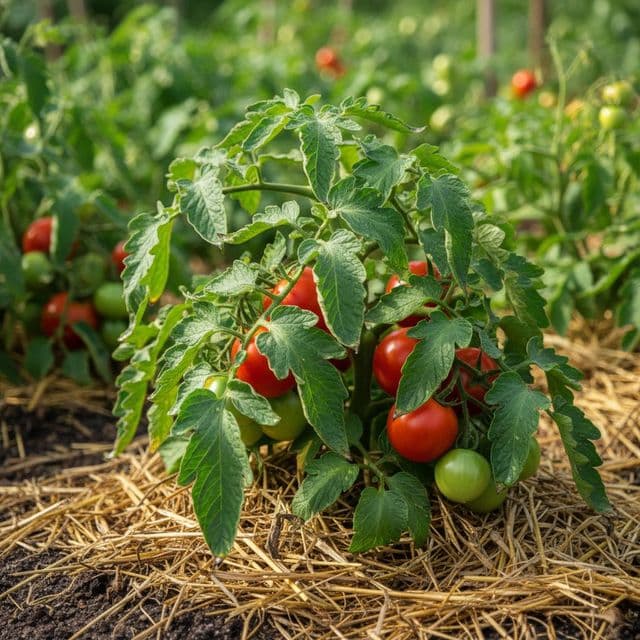
Leaf curl, bronzing, and scorch indicate garden heat stress. Data-backed strategies help build resilient plants in US gardens facing extreme temperatures.
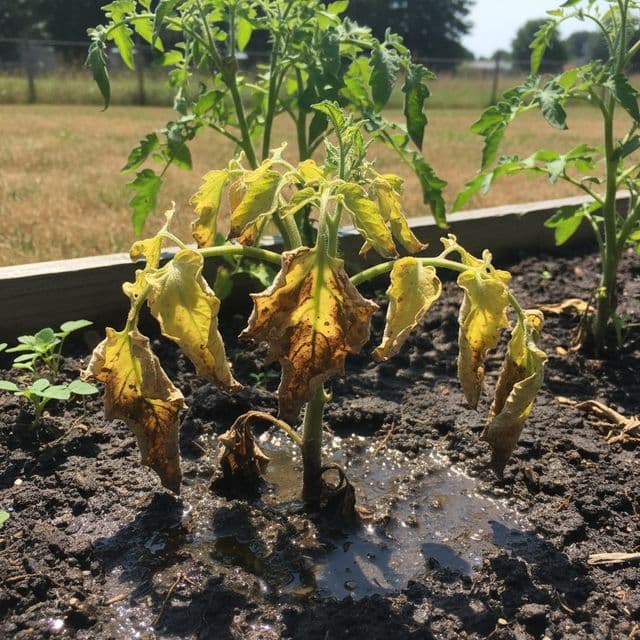
Discover why overwatering plants during a heatwave, especially in USDA Zone 7, can kill them faster. Learn to prevent root rot and oxygen starvation.
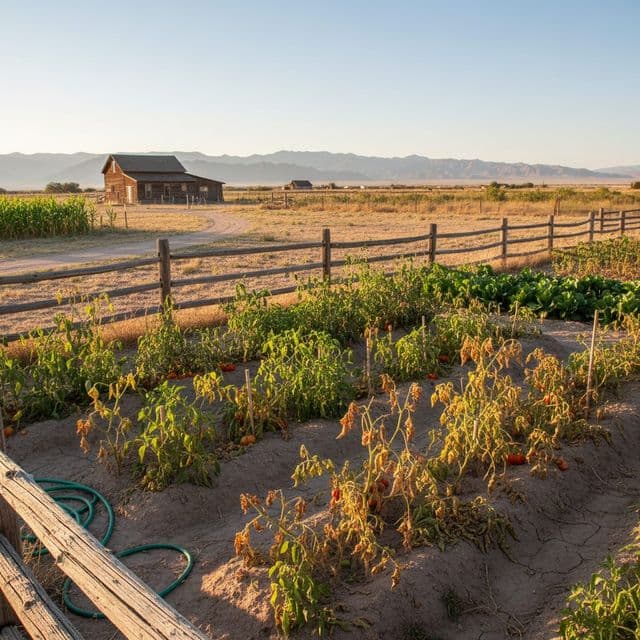
Learn to revive heat-scorched plants like tomatoes, peppers, and squash in USDA Zone 7. Identify symptoms, apply immediate relief, improve soil, and protect against future heatwaves.
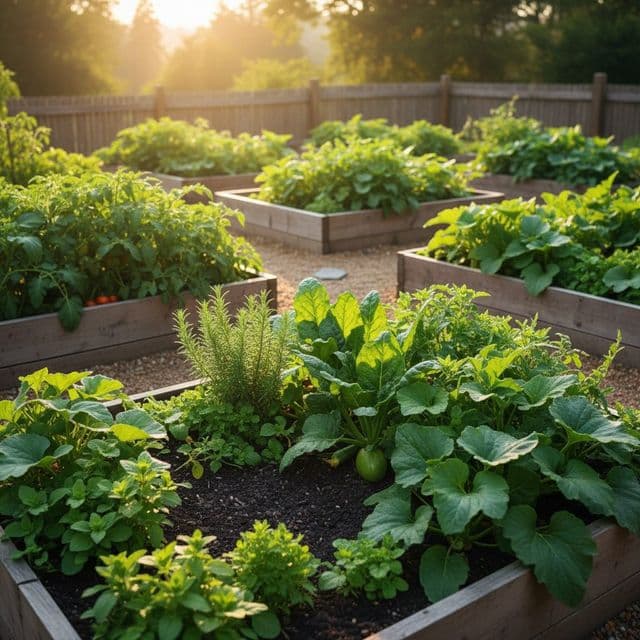
Learn to identify and prevent wilting in garden plants, including tomatoes, in USDA Zone 7. Understand causes like heat stress, underwatering, and disease for a thriving harvest.
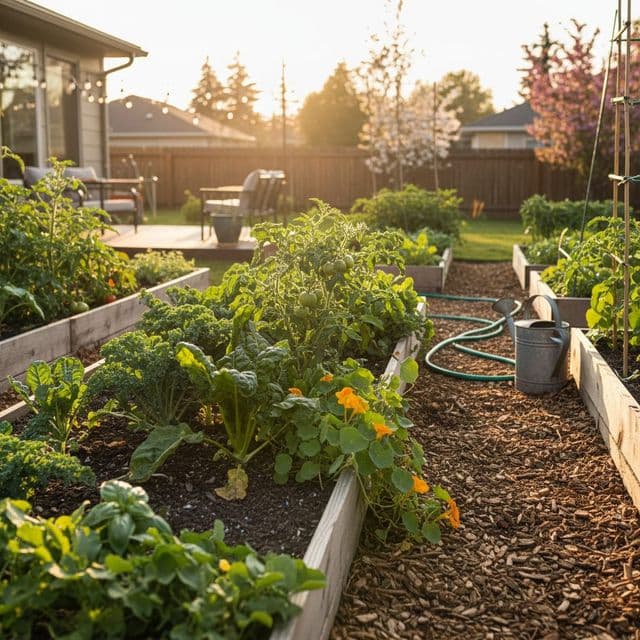
Navigate US garden heatwaves by strategically deciding which crops to harvest early and which to sacrifice. Learn practical tips for water conservation, soil health, and drought-resilient planting.
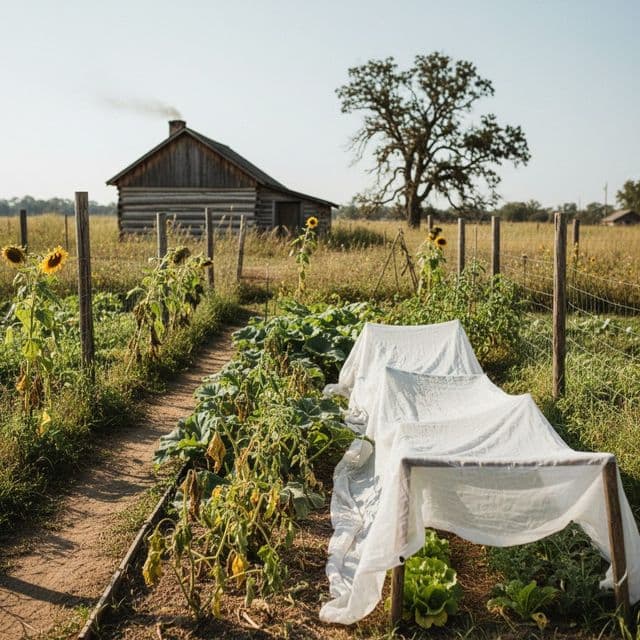
Prepare gardens in USDA zones 8-11 for heatwaves with a 48-hour plan. Protect plants from extreme heat with deep watering, temporary shade, and mulch.
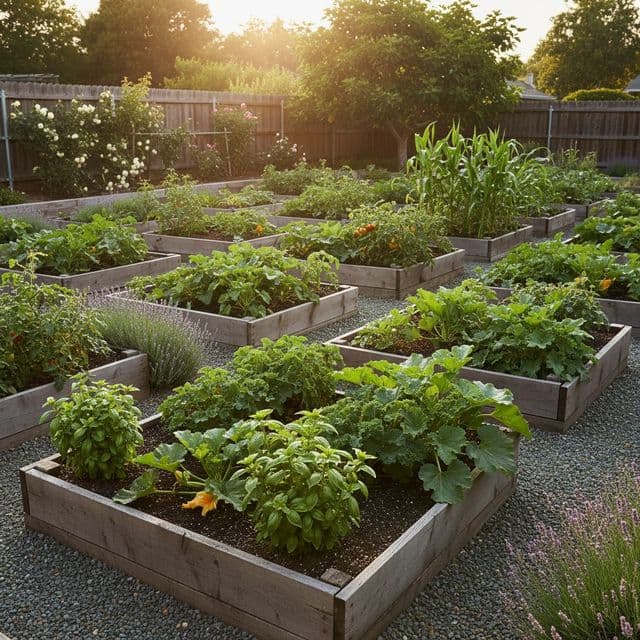
Learn how to use mulch for soil cooling in extreme heat. Discover optimal depths & materials like straw, wood chips, and leaves to protect your garden from 100°F+ temperatures.
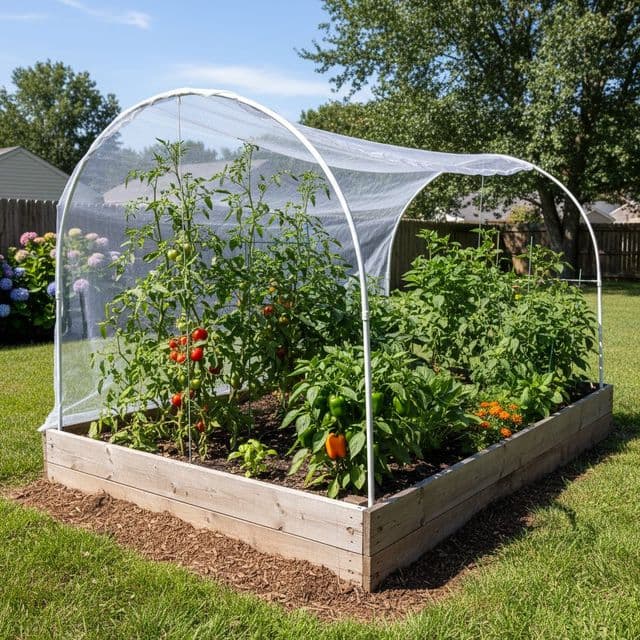
How to build DIY shade structures for raised beds in USDA Zone 7, reducing soil temperatures by 10-15°F, saving water, and preventing crop heat stress.
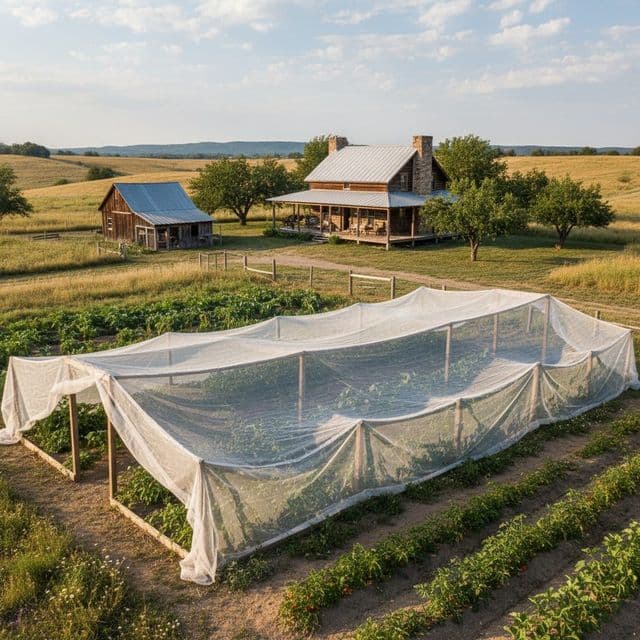
Learn how to protect heat-sensitive crops in USDA Zone 7 with 30-50% shade cloth. Reduce heat stress, conserve water, and boost yields for climate-resilient gardening.
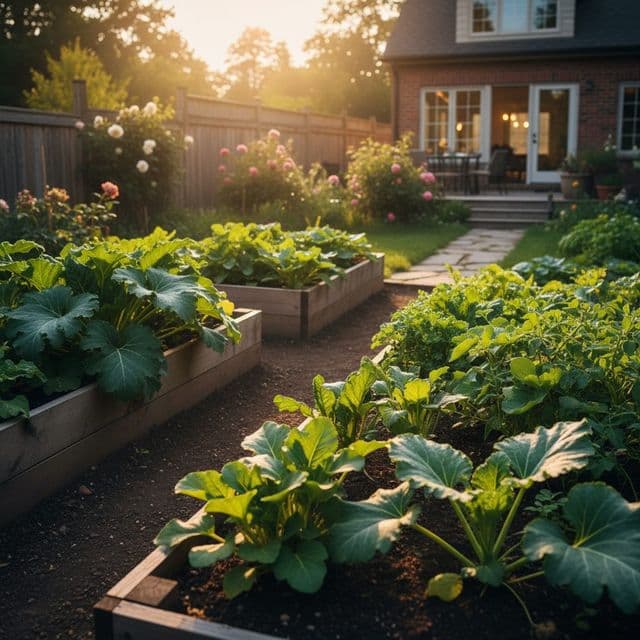
Learn how to implement effective rain garden design, ollas, and passive irrigation earthworks to reduce stormwater runoff, conserve water, and create beautiful, water-wise landscapes in your USDA z…
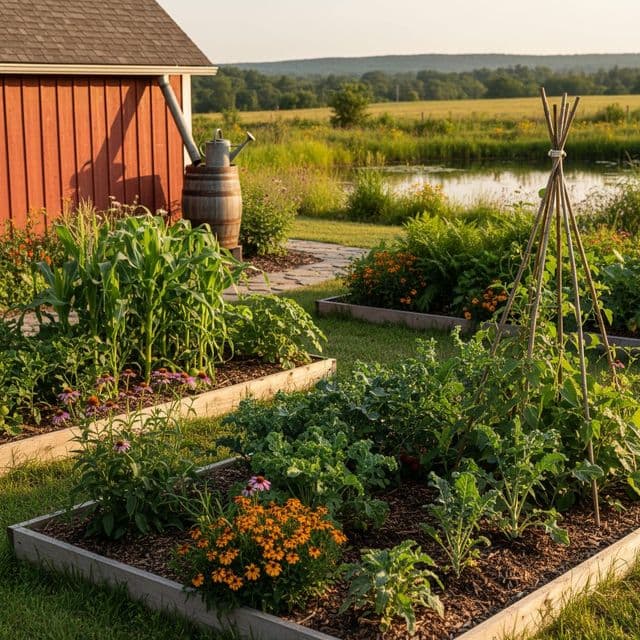
Learn how a simple soil percolation test helps measure drainage, prevent root rot, and optimize water use for garden vegetables.
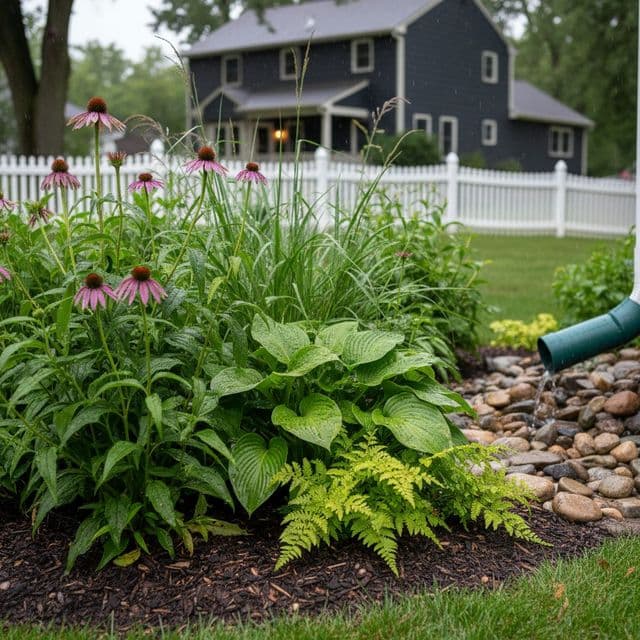
Discover how native rain gardens reduce stormwater runoff by 30-50% and conserve water using native plants & passive irrigation like ollas & wicking beds. Learn design tips for US cities.
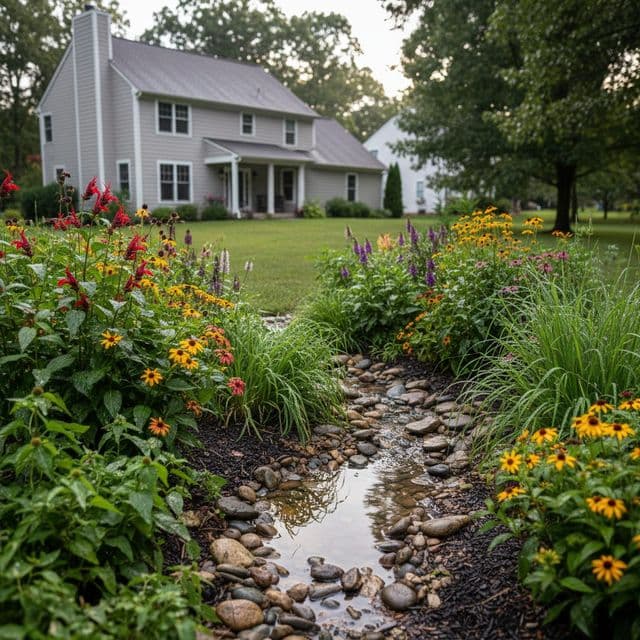
Learn effective rain garden design principles to reduce stormwater runoff by up to 30%. Learn basin depth, soil composition, and sizing guidelines for your property.
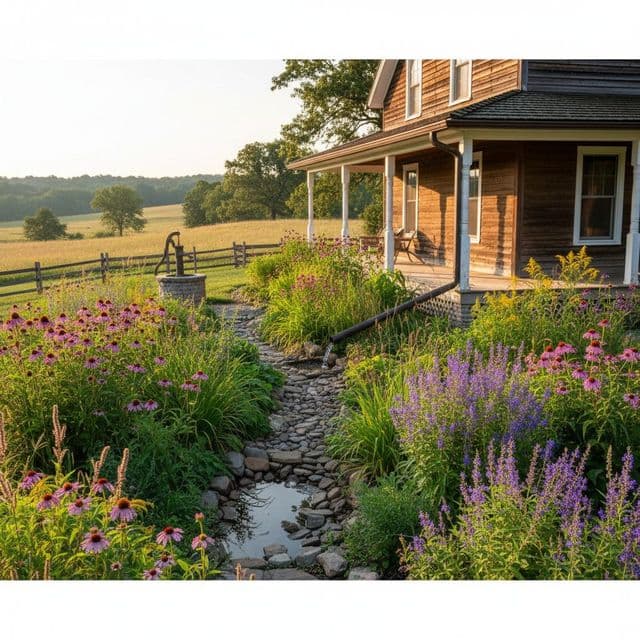
Learn to site and size a rain garden for your home. Reduce stormwater runoff by 30% or more, protect waterways, and recharge groundwater with effective rain garden sizing.
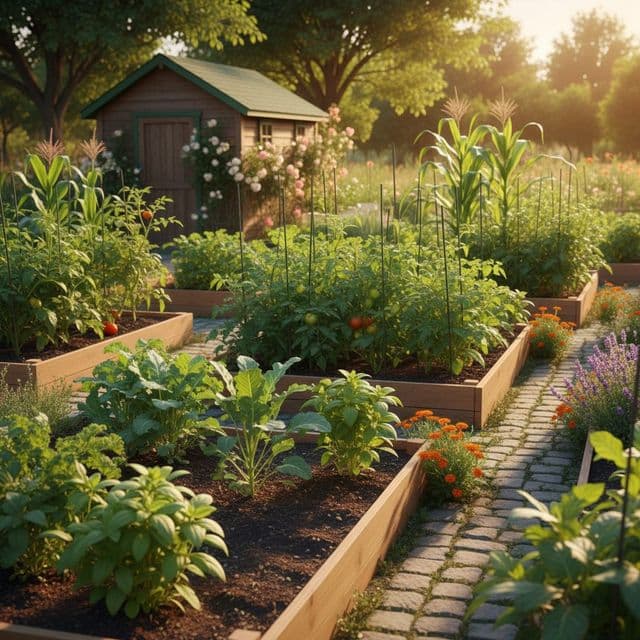
How to keep an Arizona garden watered for 30 days using a gravity drip system, battery timer, and rainwater harvesting in arid climates.
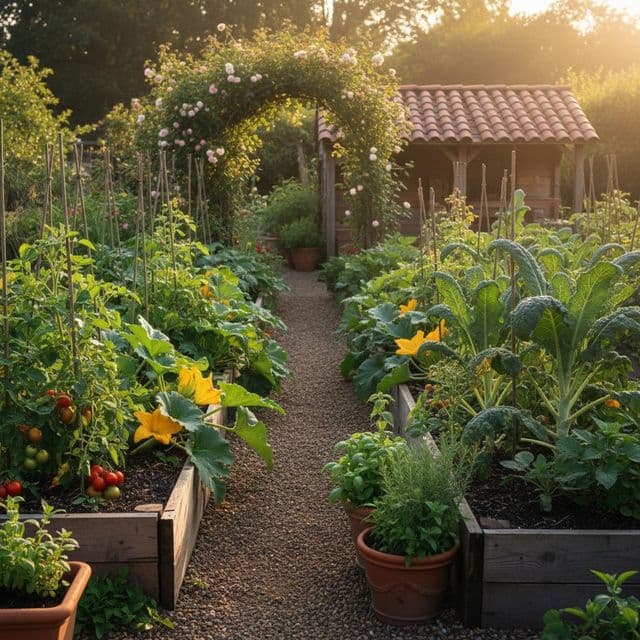
Learn effective strategies to slow water loss in your USDA zone 7 garden. Discover how grouping pots, mulching, and strategic shade can keep plants healthy, even when you’re away.
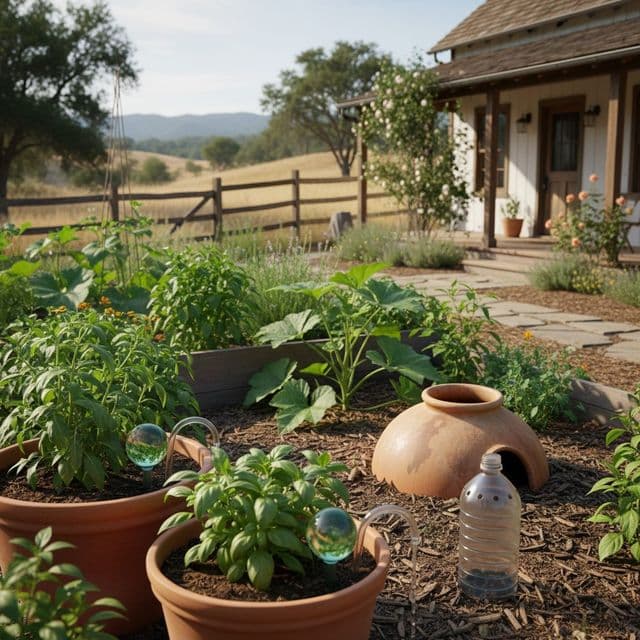
Explore passive irrigation methods like ollas, wicking beds, and DIY drip systems to save water in your garden. Reduce water use by up to 50% and build water resilience for US growers.
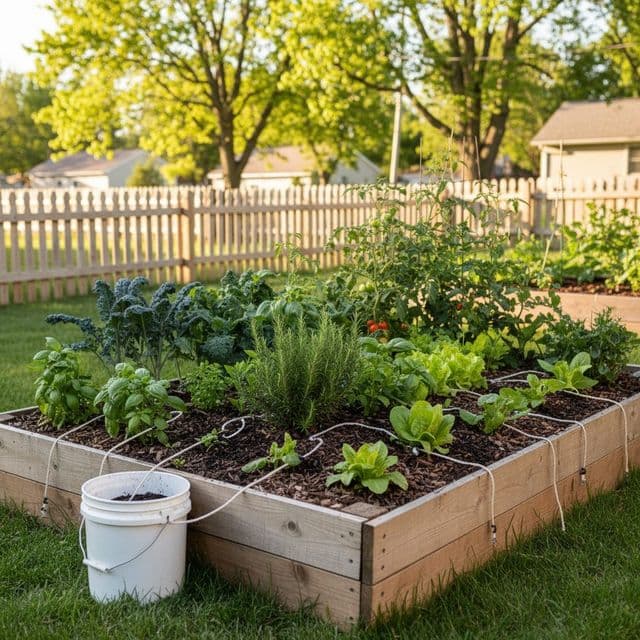
Learn how passive irrigation systems like wicking beds, ollas, and wicking ropes keep your garden hydrated for up to 7 days. Conserve water and reduce evaporation by 50-70%.
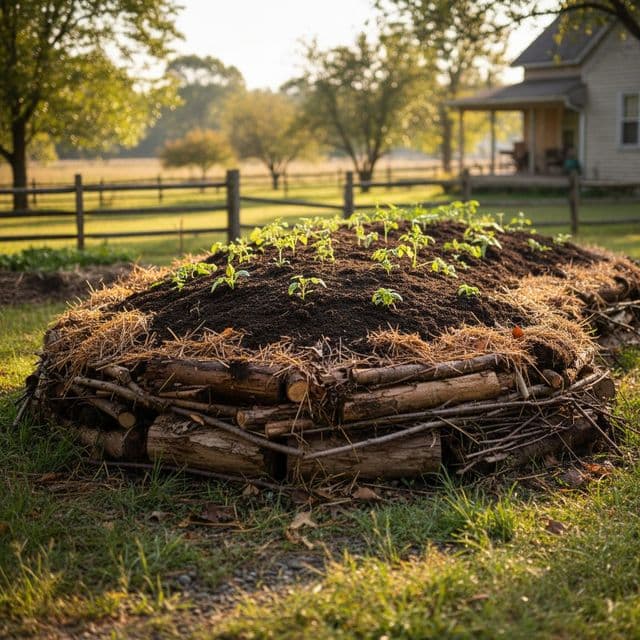
Combat first-year hugel bed nitrogen tie-up for thriving crops. Learn strategies like wood pre-treatment, high-nitrogen amendments, and cover crops to ensure robust plant growth.
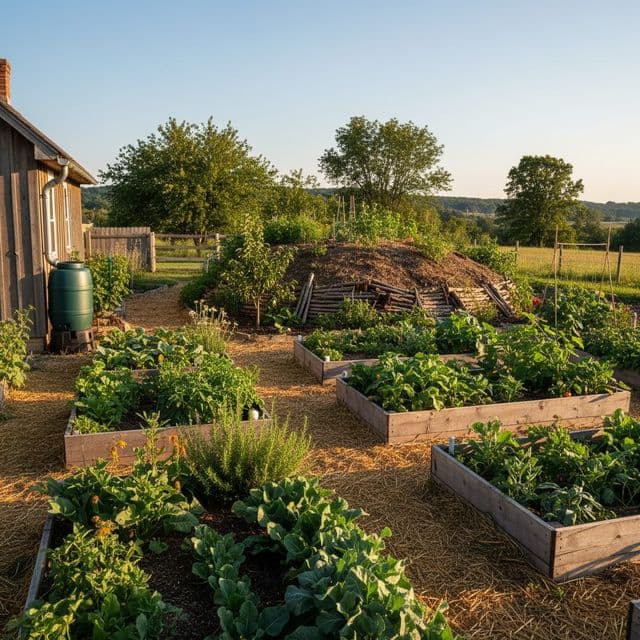
Compare Hugelkultur, raised beds, and in-ground gardens for yields, longevity, and water use in USDA Zone 6. Optimize gardening water use with passive irrigation.