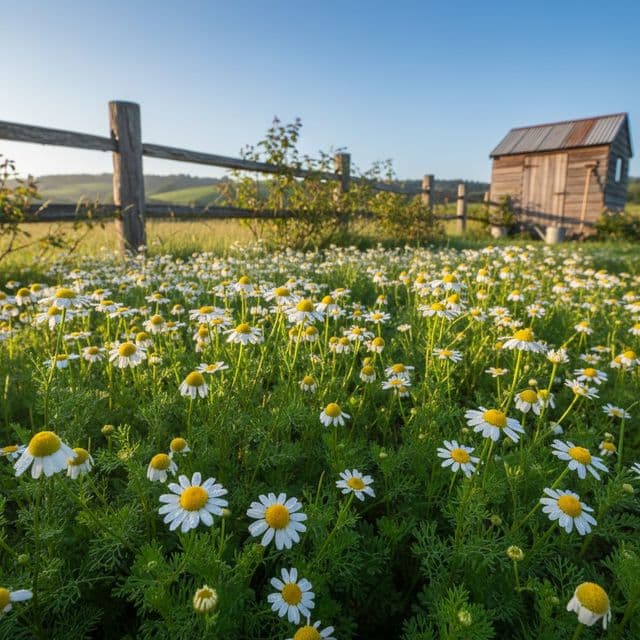
Growing German & Roman Chamomile: Home Apothecary Guide
Learn to grow German and Roman chamomile for your home apothecary. This guide covers cultivation, USDA zones 2-9, harvesting, and drying for teas and tinctures.
Tag
641 articles in this tag on agripure. — page 3 of 27
Learn to grow German and Roman chamomile for your home apothecary. This guide covers cultivation, USDA zones 2-9, harvesting, and drying for teas and tinctures.
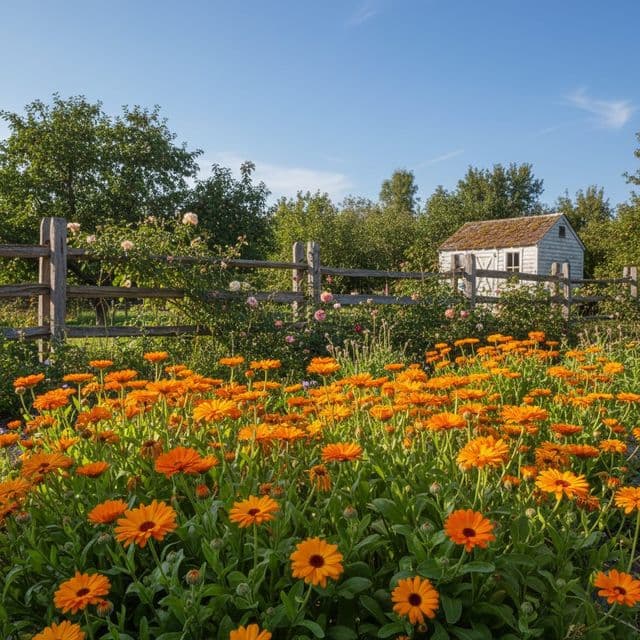
How to grow calendula, the adaptable ‘pot marigold,’ for a home apothecary, covering planting tips, soil needs, and how to harvest this medicinal skin-soothing flower.
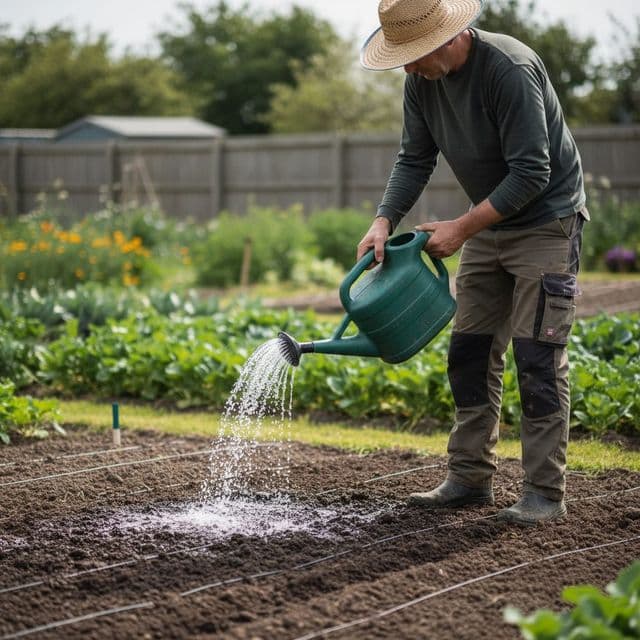
Learn to grow aloe vera for your home apothecary, with care guidance for indoor and outdoor cultivation in US USDA zones 9-11, from soil and light to harvesting gel.
How to grow and use yarrow (Achillea millefolium) in USDA zones 3-9, covering cultivation, harvesting, and home apothecary preparations.
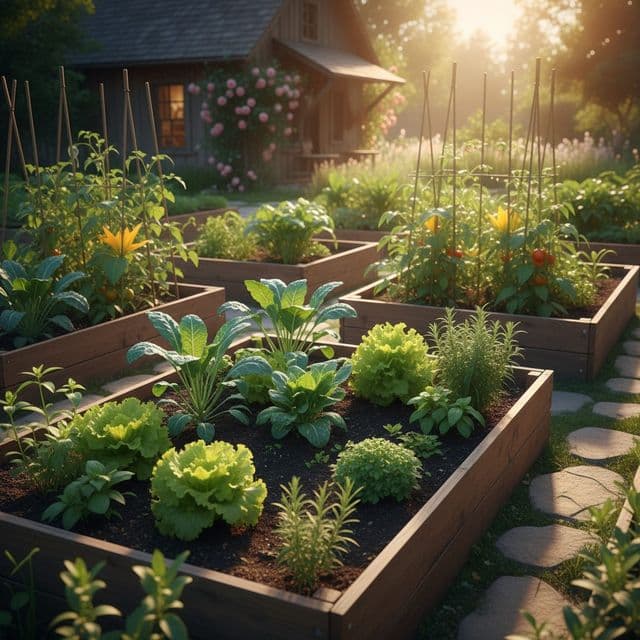
Learn to grow resilient elderberry in US gardens, thriving in USDA zones 3-9. Discover varieties, planting, and care for abundant harvests of this medicinal plant.
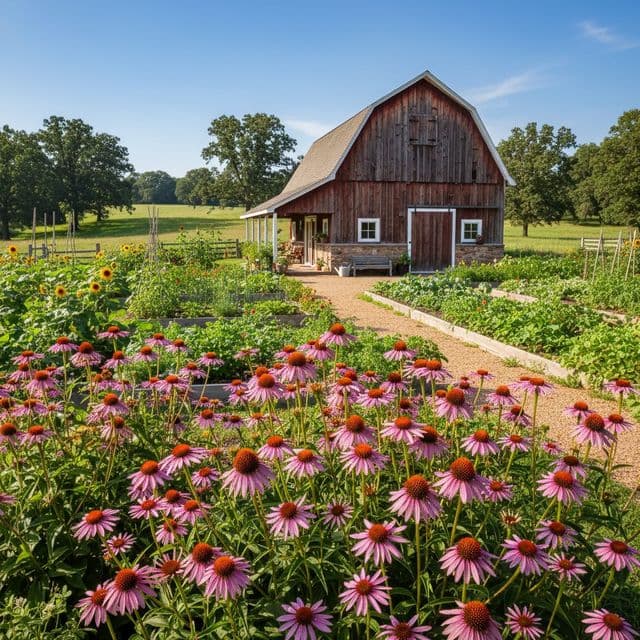
Discover the dual benefits of growing echinacea (purple coneflower) in USDA Zones 4-9. Support your immune system & attract 20+ pollinator species with this resilient medicinal herb.
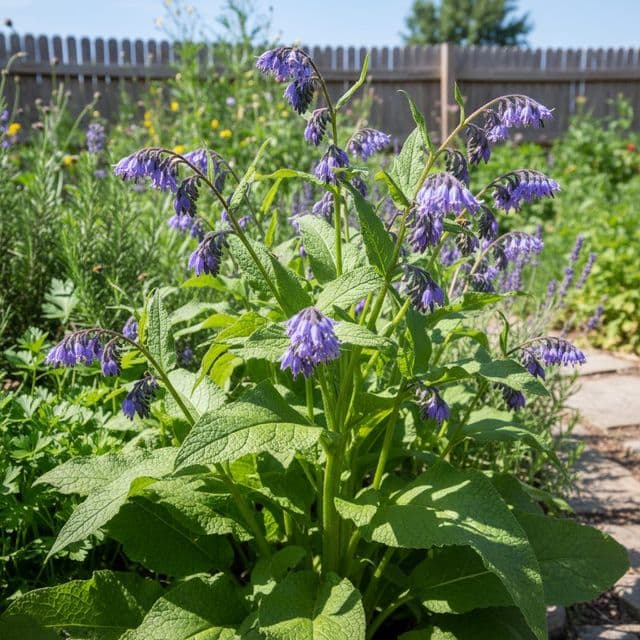
How to propagate comfrey from root cuttings to turn a single mature plant into new crowns for mulch and topical preparations.
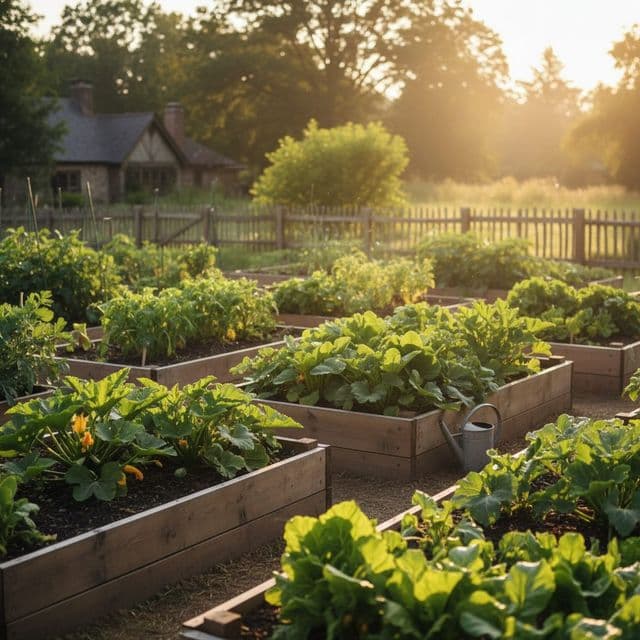
Comfrey contains pyrrolizidine alkaloids that make internal consumption dangerous, while topical use on unbroken skin and garden soil applications remain practical for US gardeners.
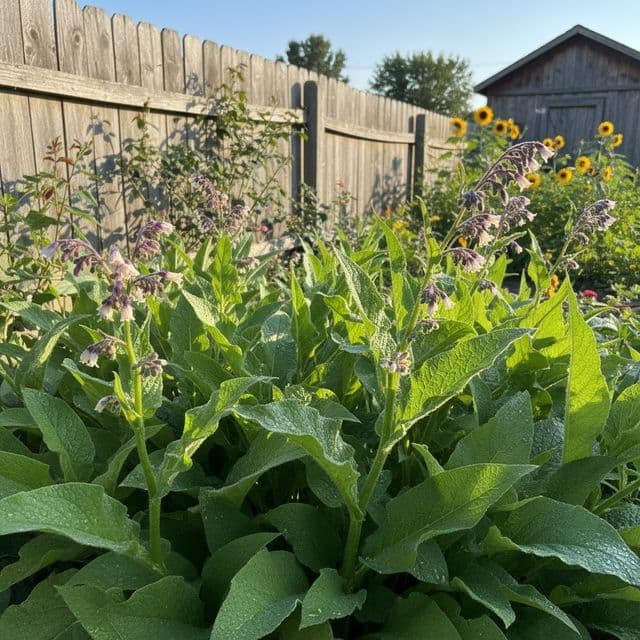
Unlock soil health with Comfrey, a sterile hybrid (Bocking 14) for USDA zones 4-9. Its deep roots mine nutrients, making it a powerful compost activator and water-saving mulch.
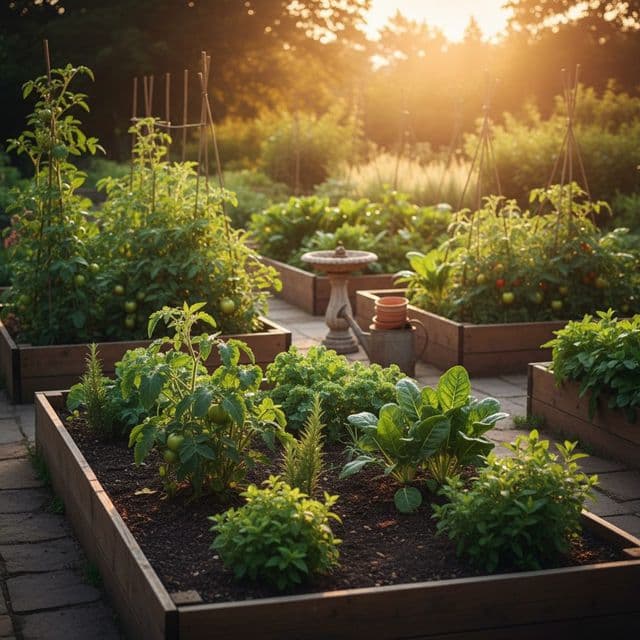
How to grow Bocking 14 comfrey in US gardens without spreading: planting, care, and containment techniques for this sterile, nutrient-rich herb.
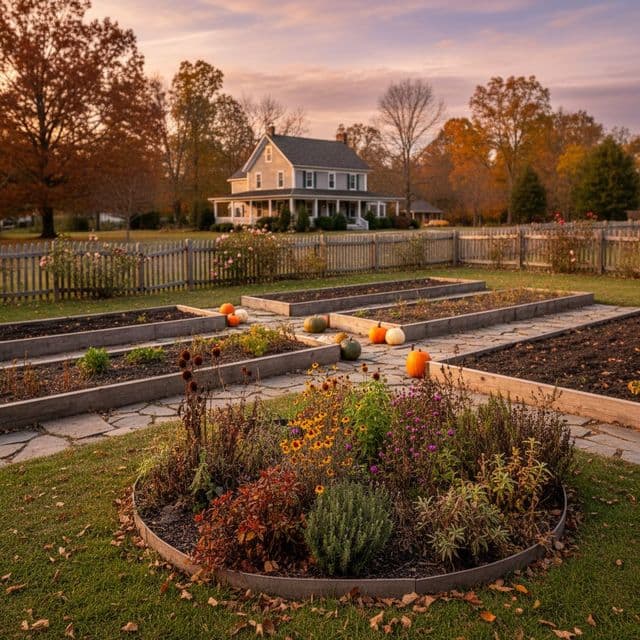
Learn to harvest and dry medicinal roots like echinacea, valerian, dandelion, and burdock in USDA Zone 6. Maximize potency, ensure proper storage, and build your home apothecary.
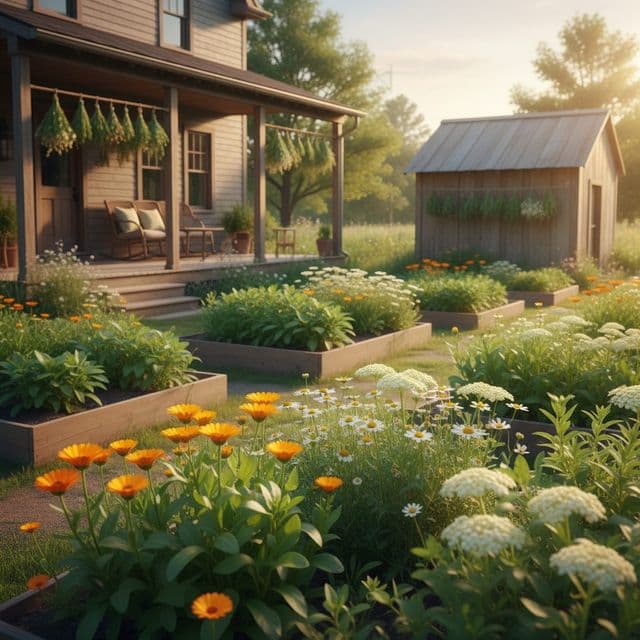
How to dry calendula, chamomile, and elderflower in USDA Zone 6 to preserve flower color and potency, covering harvest timing, drying temperatures, and storage.
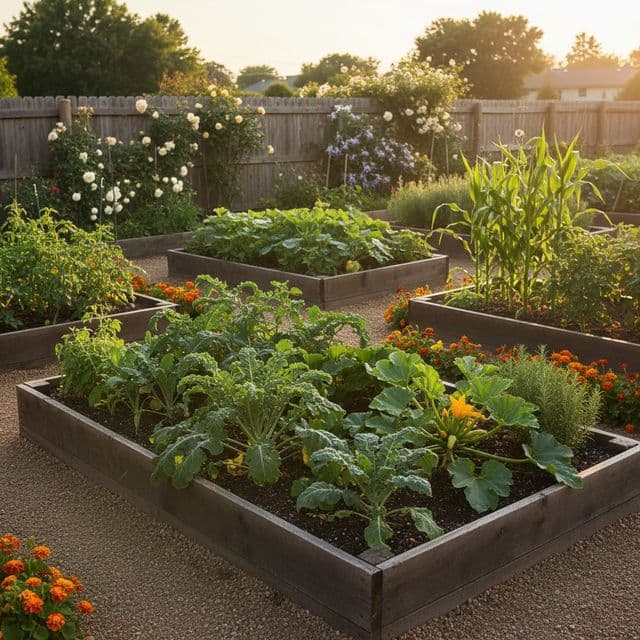
Learn the best methods for drying medicinal herbs in USDA Zone 6. Discover air-drying, dehydrators, and oven techniques to preserve potency for your home apothecary.
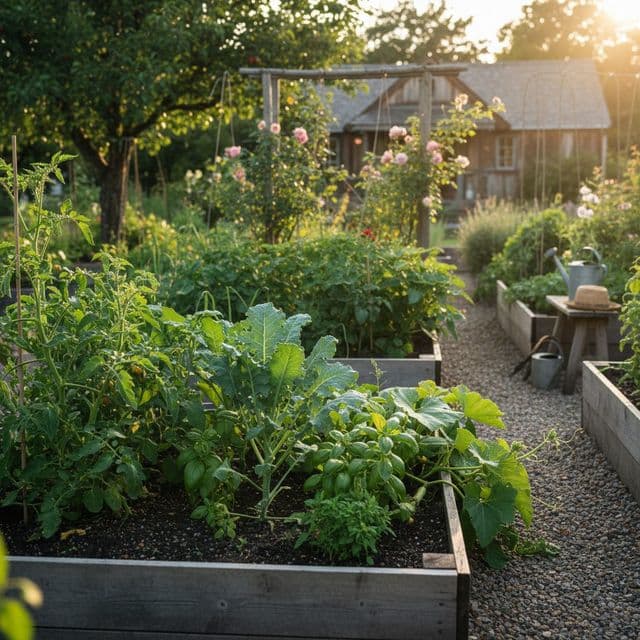
Maximize medicinal herb potency in your home apothecary. Learn optimal harvesting times for leaves, flowers, and roots in the US Midwest to boost active compounds by 15%.
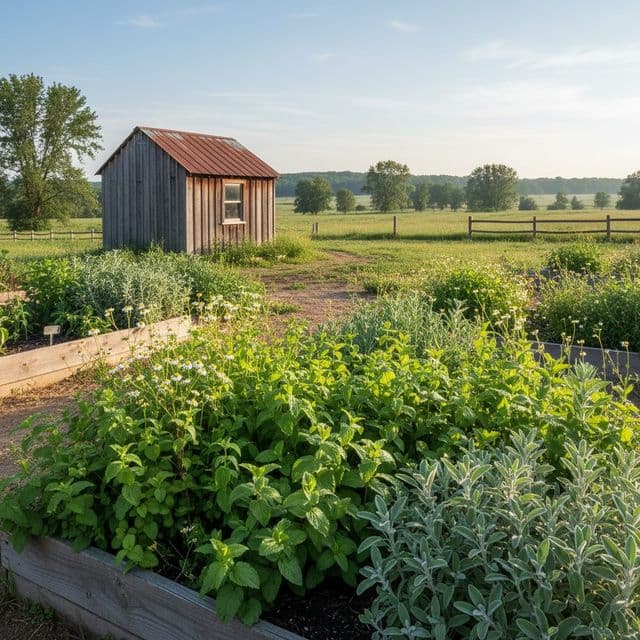
Learn to harvest, dry, and blend your own homemade loose-leaf tea. This guide covers herb selection for USDA zones 3-11, optimal harvesting, and drying techniques for fresh, custom blends.
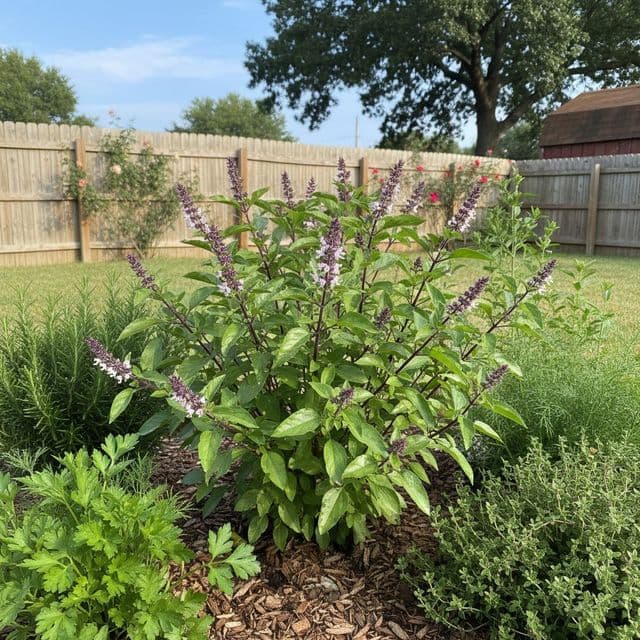
Learn to grow tulsi (holy basil) in your US garden, from seed to harvest. Discover how to dry and blend this adaptogenic herb for a daily wellness tea. Get practical tips for all climates.
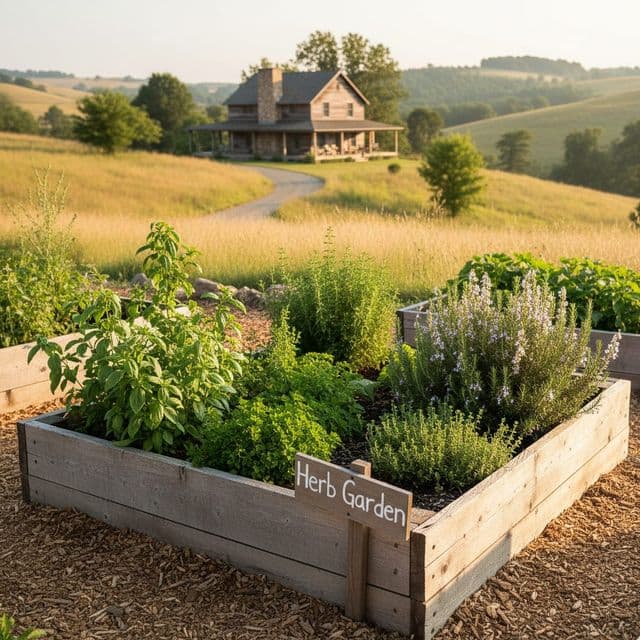
How to grow peppermint, fennel, ginger, and chamomile in USDA Zone 6 for a homemade digestive tea blend.
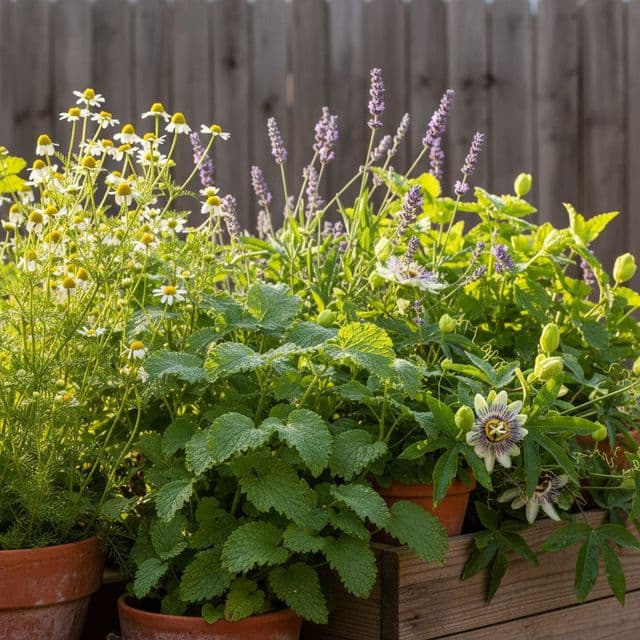
Cultivate a home apothecary garden in USDA Zone 6. Learn to grow chamomile, lemon balm, lavender, and passionflower for a calming sleep tea blend. Harvest & dry for year-round wellness.
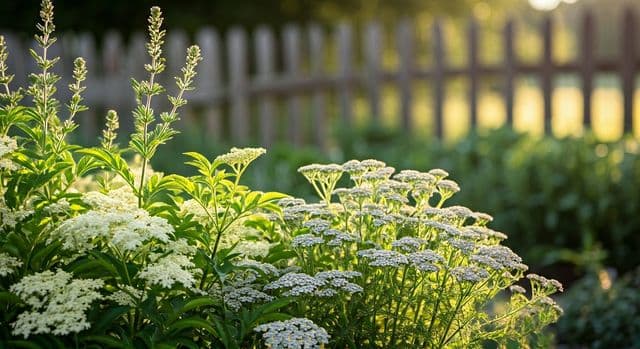
Learn to grow elderflower, yarrow, and peppermint in your USDA zone 6 medicinal herb garden. Discover cultivation, harvesting, and drying tips to craft a potent cold-and-flu tea.
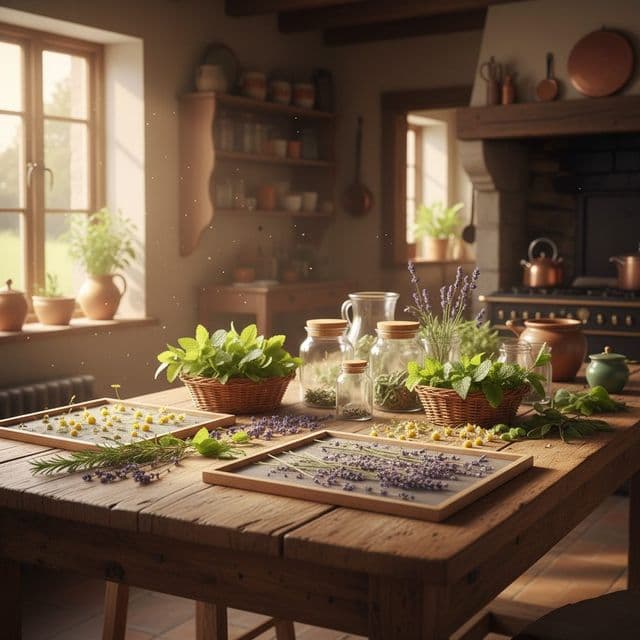
Learn to formulate balanced herbal tea blends with a 3-part approach. Discover base, supporting, and accent herb ratios for gardeners in USDA Zone 6. Maximize potency and flavor.
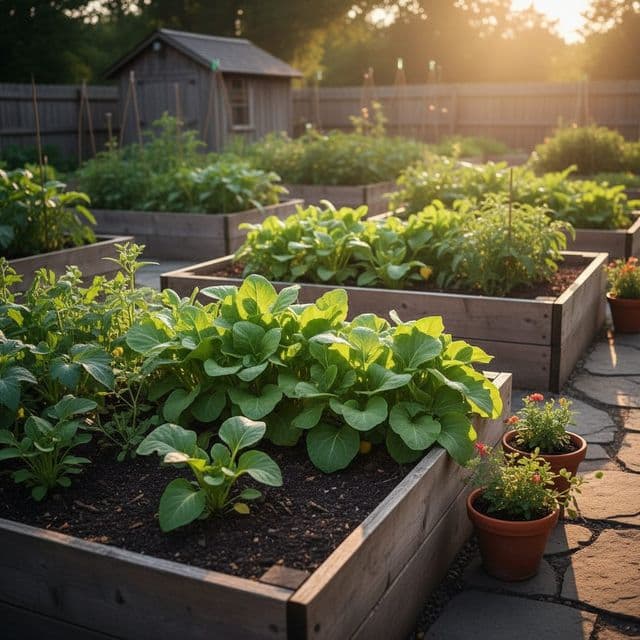
Learn to extend oxymel and shrub shelf life up to 18 months. Discover optimal ratios, straining, and storage tips for preserving medicinal herbs from your homestead garden in USDA Zone 6.
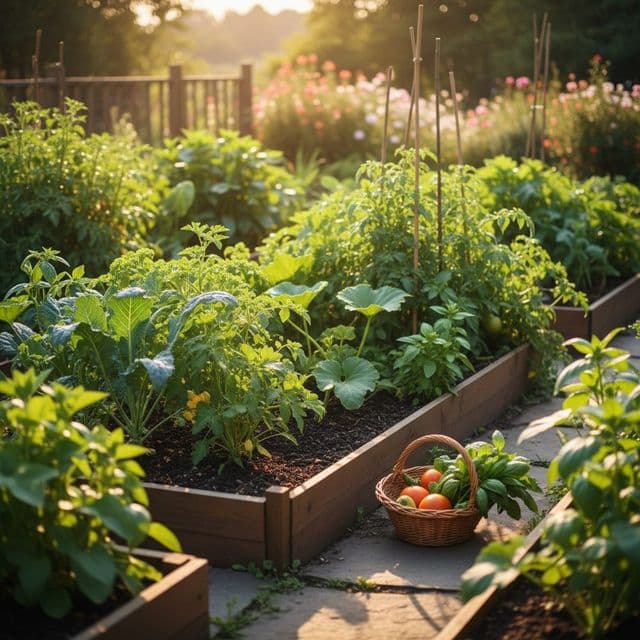
Learn to make spicy fire cider, a traditional herbal tonic for winter wellness. Discover how to grow key ingredients in USDA zones 4-9 for a potent home remedy.
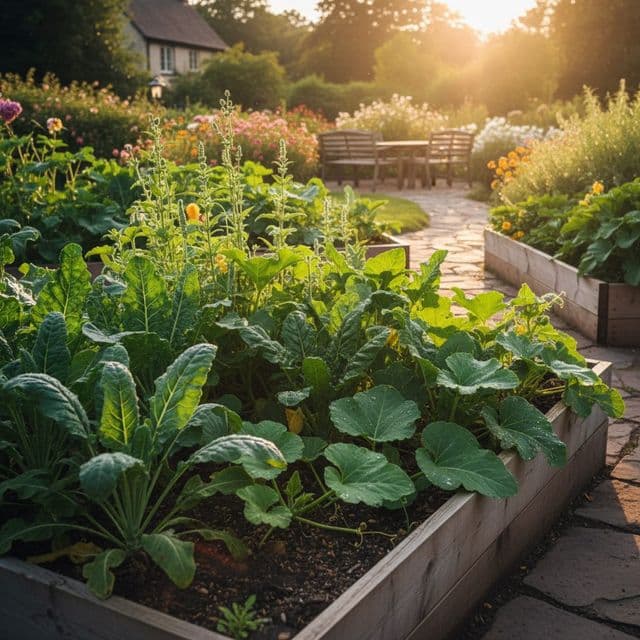
Learn to make traditional fire cider tonic at home. This guide covers ingredients, recipe, and benefits for US growers in USDA zones 3-9, using garden-grown herbs.
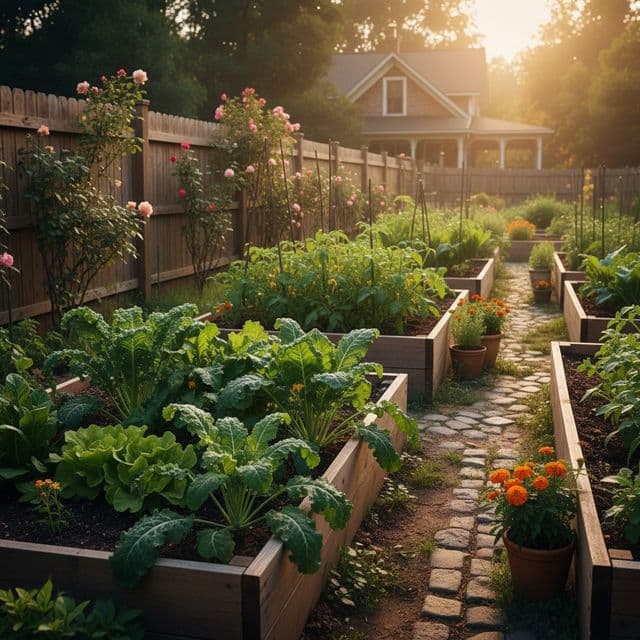
How to make and store herb-infused honeys in USDA Zone 6, covering ratios, infusion times, and storage methods for lemon balm, sage, and ginger honeys.