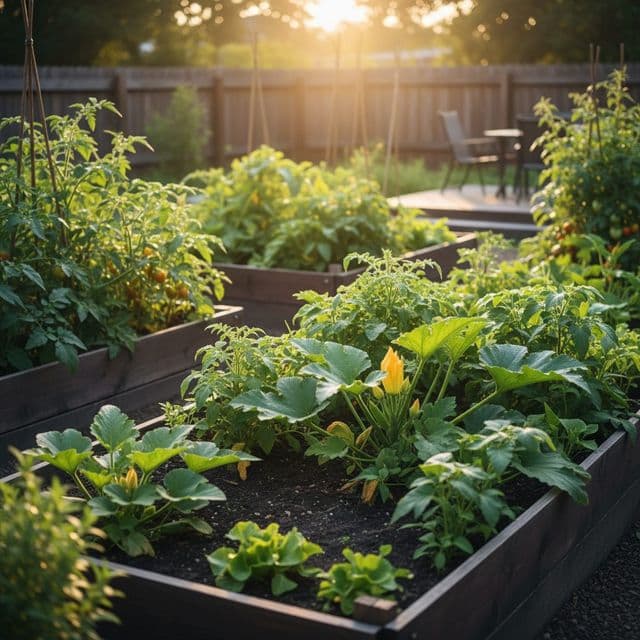
Prevent Damping-Off: Seedling Loss in USDA Zone 6 Gardens
Identify and prevent damping-off in seedlings. Learn symptoms, environmental causes (moisture, temp, pathogens), and strategies to prevent damping-off in your USDA zone 6 garden.
Tag
172 articles in this tag on agripure. — page 6 of 8
Identify and prevent damping-off in seedlings. Learn symptoms, environmental causes (moisture, temp, pathogens), and strategies to prevent damping-off in your USDA zone 6 garden.
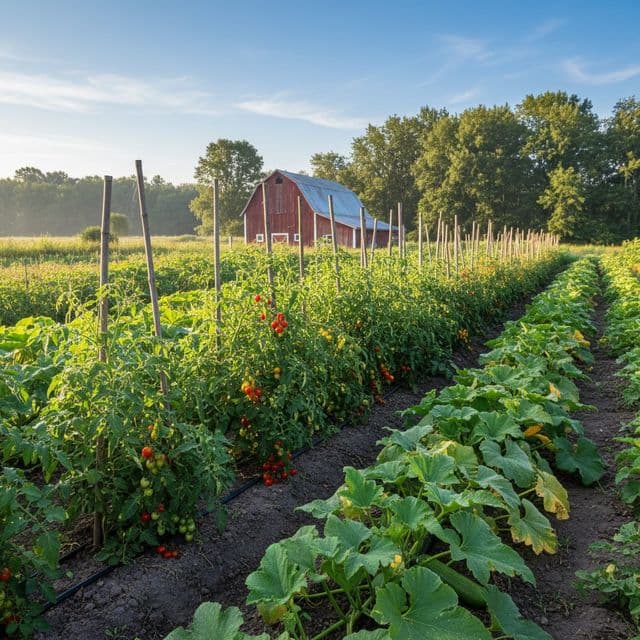
Understand why tomato and cucurbit days-to-maturity (DTM) varies up to 30 days in USDA zones 4-9. Learn how temperature, soil, and pollination impact harvest times.
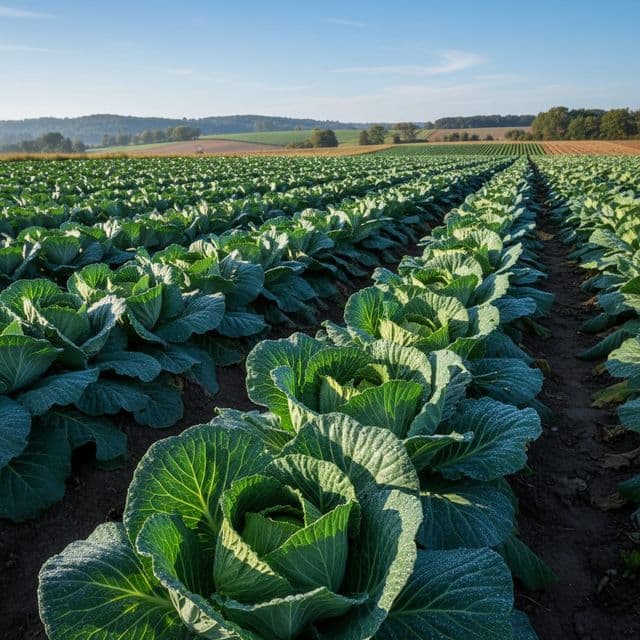
Manage brassica growth stages in USDA Zone 6 for optimal yield. Learn to prevent bolting, head splitting, and grow healthy cabbage with proper care and variety selection.
Grow straight carrots in USDA Zone 6 with tips on thinning, consistent watering, and soil amendments that prevent forked roots and improve your harvest.
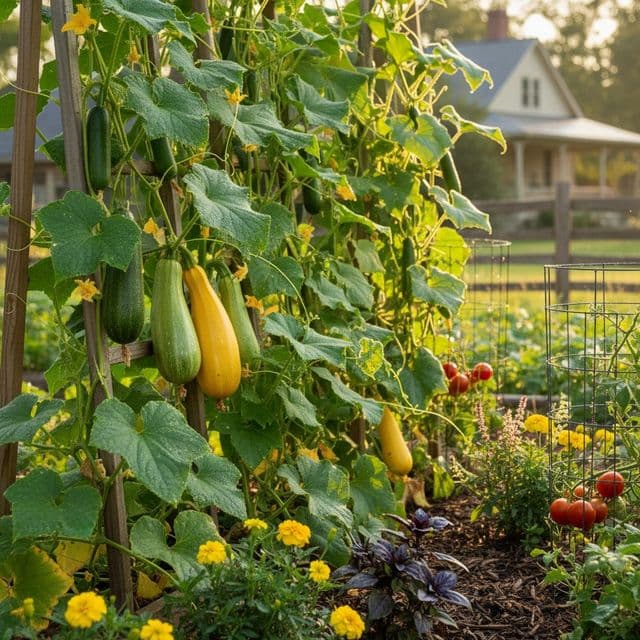
Maximize cucumber and zucchini yields in USDA zones 4-11. Learn optimal planting, feeding, trellising, and harvest timing for prolific, healthy cucurbit crops. Get expert tips!
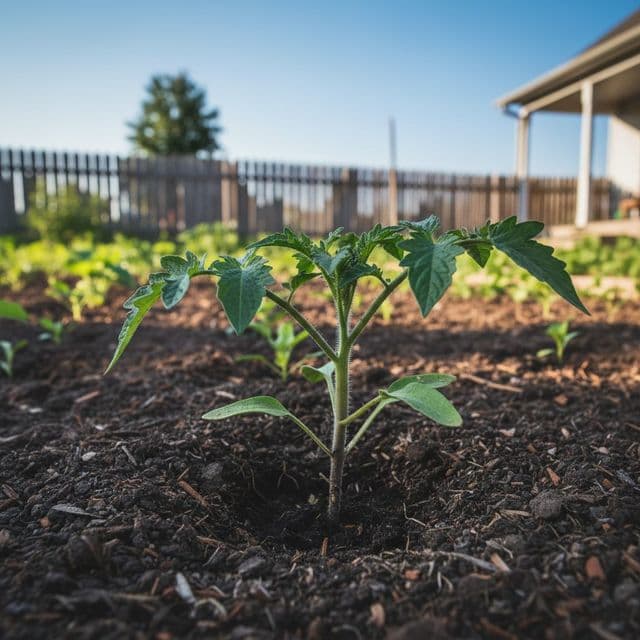
Learn how to prevent and fix transplant shock in tomato and cucurbit seedlings. This guide covers hardening off, proper planting, watering, and care for vigorous growth in USDA Zone 7 gardens.
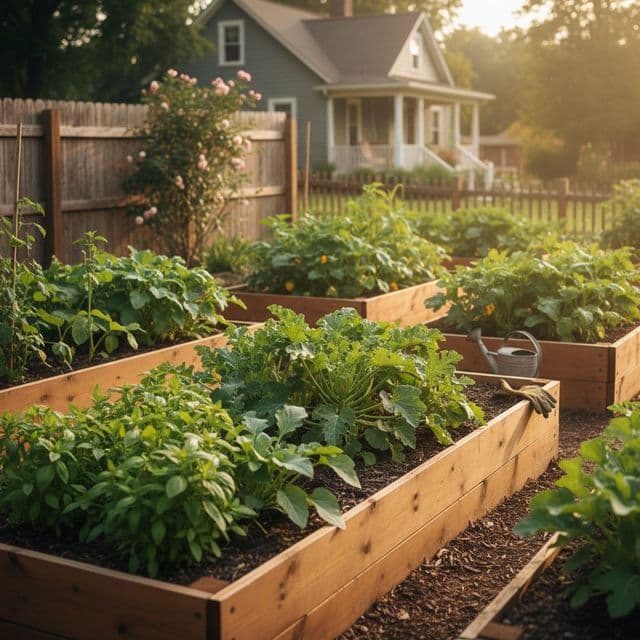
Why are your cucumber plants flowering but not fruiting? Learn common causes like poor pollination, nutrient imbalances, and environmental stress. Boost your cucumber fruit set and harvest.
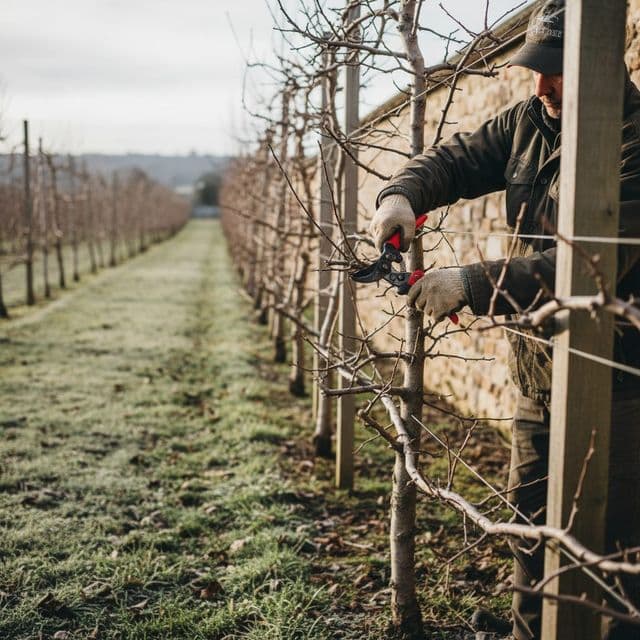
Learn how to prevent bitter cucumbers in your USDA Zone 6 garden. Discover key strategies like choosing the right varieties, consistent watering, and soil management for sweet harvests.
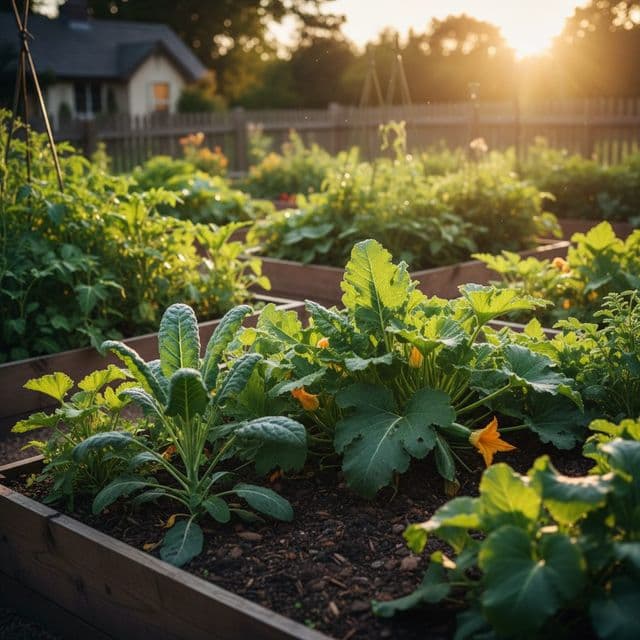
Learn why pepper blossoms drop and how to prevent it. High heat (85°F+) and inconsistent watering are key culprits. Get tips for consistent soil moisture and heat-tolerant varieties to ensure a bou…
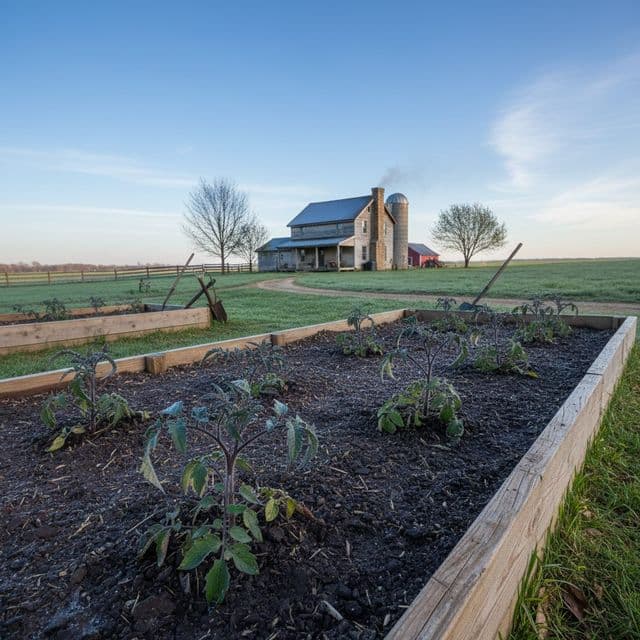
Why cold, wet spring soil in USDA Zone 6 hinders tomato and cucumber fruit set, and how soil temperature and moisture govern nutrient uptake even with ample soil fertility.
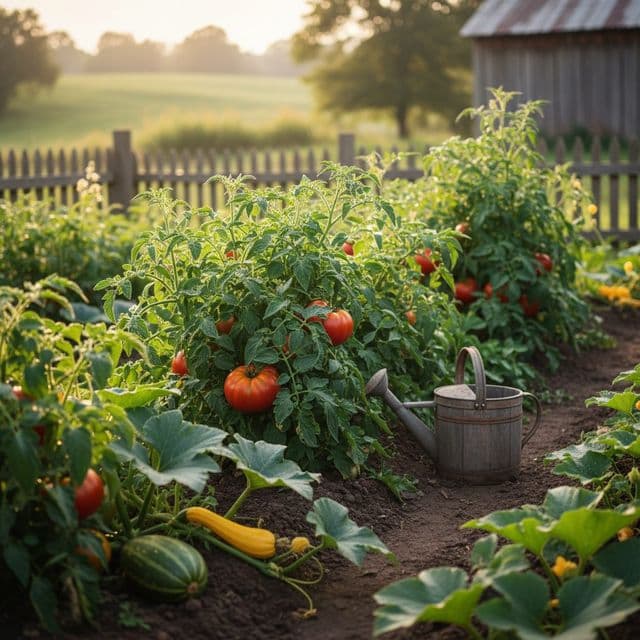
Organic fixes for common plant deficiencies in California tomatoes and Midwestern cucurbits, including soil amendments and foliar feeds to prevent blossom end rot and improve fruit set.
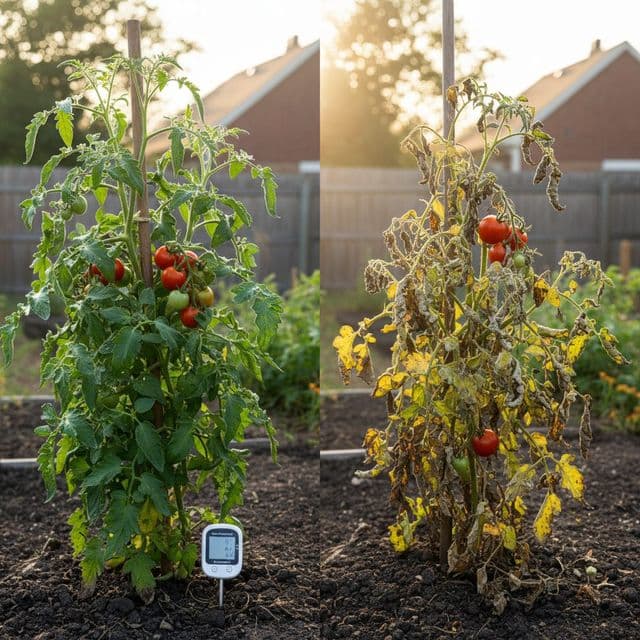
Learn to identify common plant problems in tomatoes and cucurbits across US zones. Distinguish nutrient deficiencies, diseases, and herbicide damage for effective plant problem diagnosis and better…
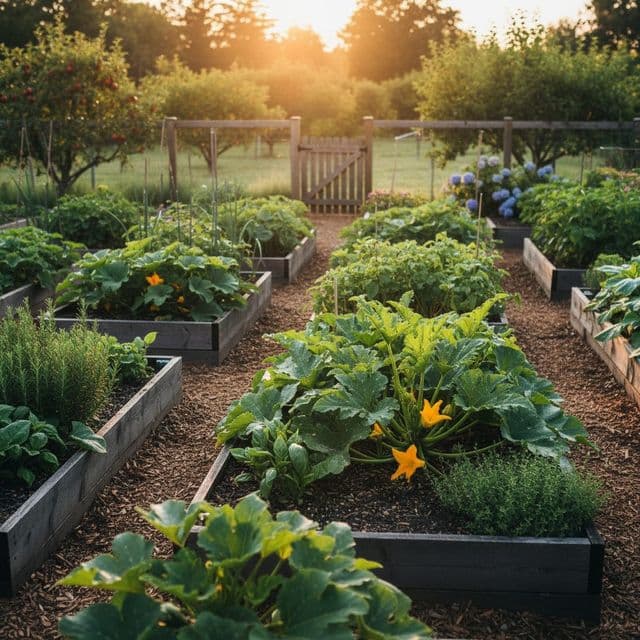
Combat iron chlorosis in Western US alkaline soils. Learn to diagnose, prevent, and treat iron deficiency in tomatoes & cucurbits for improved yields and plant health.
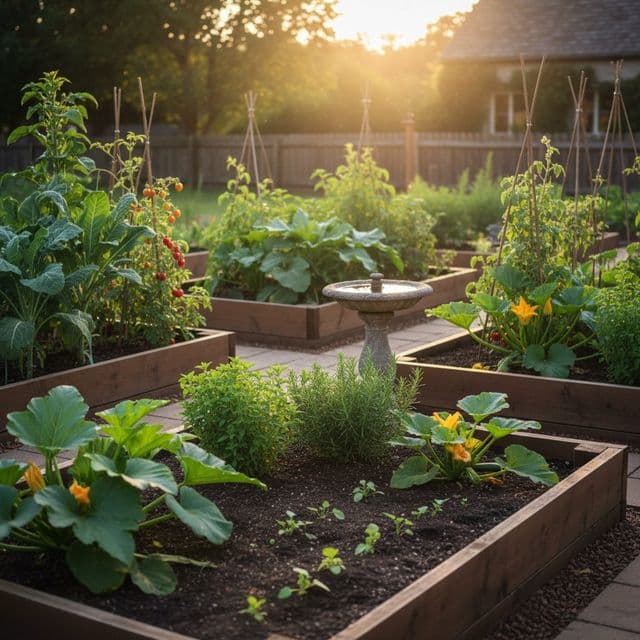
Root rot kills tomatoes in humid zones. Learn to identify early symptoms, diagnose overwatering, and implement rescue strategies to save your plants from this common fungal disease.
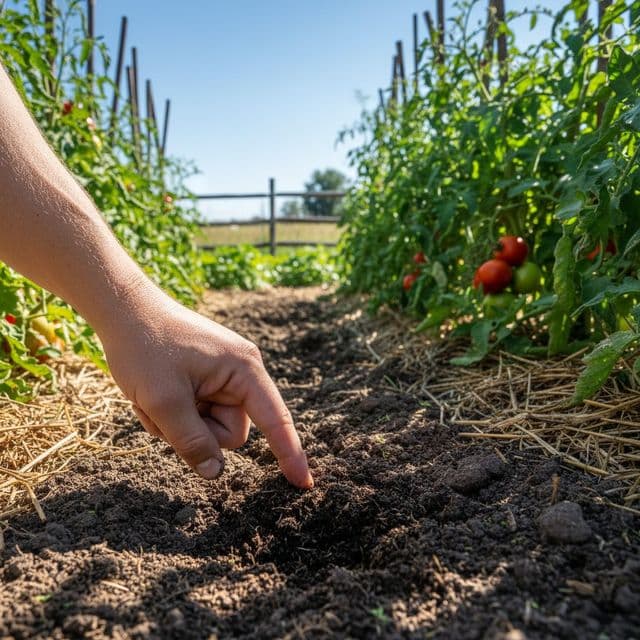
Master soil moisture for tomatoes in USDA Zone 7 using the finger test & affordable meters. Prevent blossom end rot & boost yields with consistent hydration. Learn how.
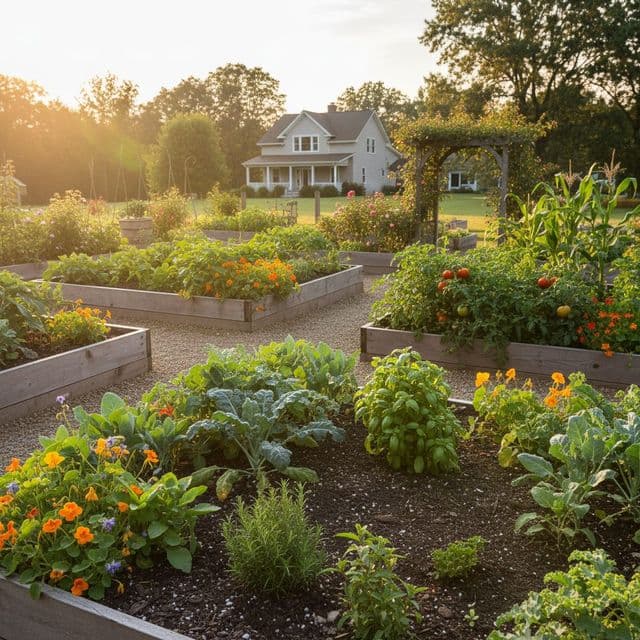
Identify and fix wilting in tomatoes and cucurbits during fruit set. Learn to distinguish underwatering from overwatering to prevent crop loss and ensure a bountiful harvest.
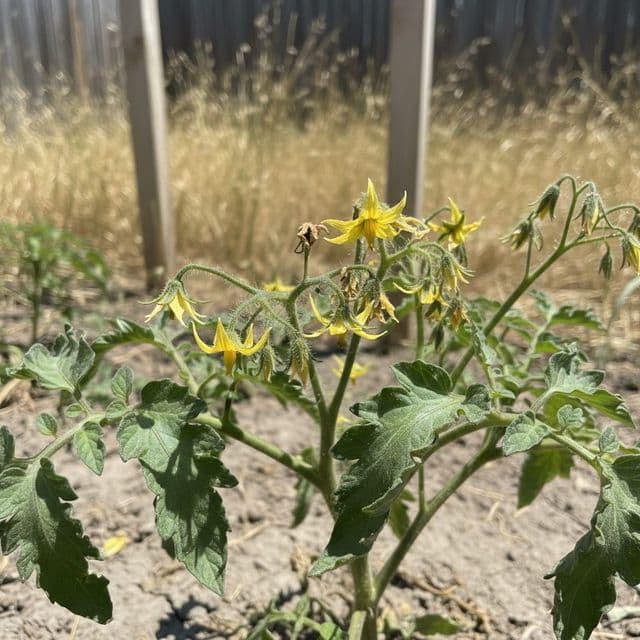
Discover how heat-induced pollen sterility impacts tomato, pepper, and bean yields. Learn critical temperature thresholds and proactive strategies to protect your garden from high-temperature stress.
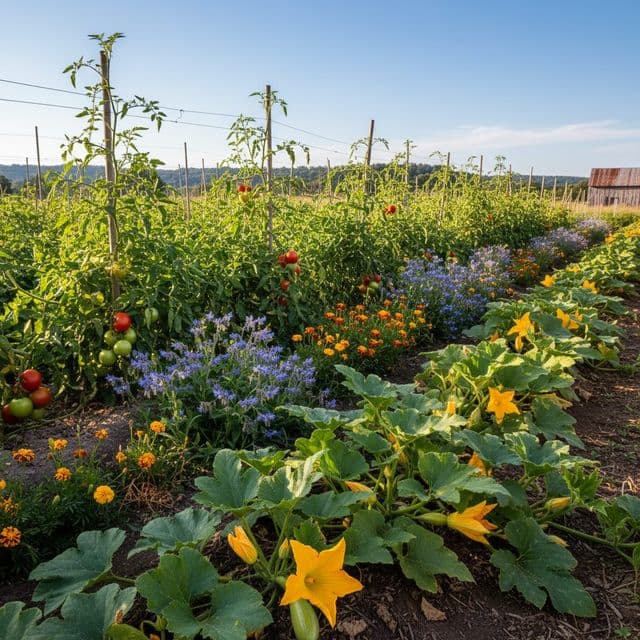
Learn how strategic companion planting boosts tomato fruit set and overall yields in US growing regions. Attract beneficial pollinators with specific flowers for a healthier, more abundant harvest.
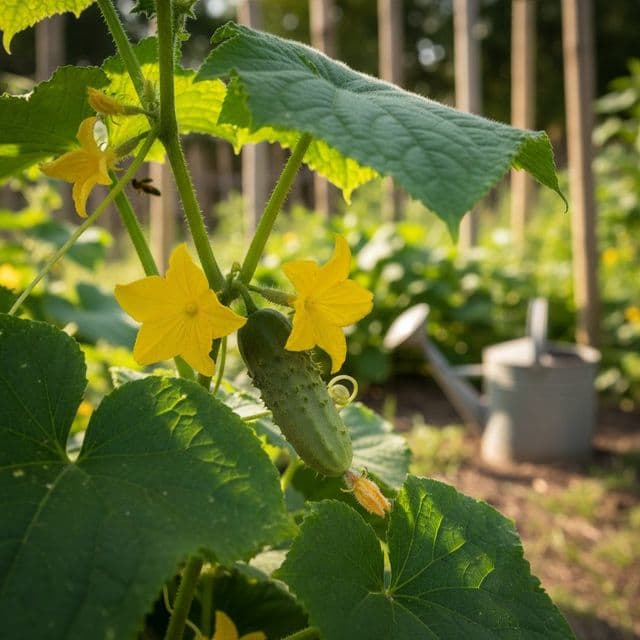
Learn how to hand-pollinate cucumbers and melons for fuller fruit in USDA zones 4-11. Boost yields by understanding flower anatomy and practicing hand-pollination techniques.
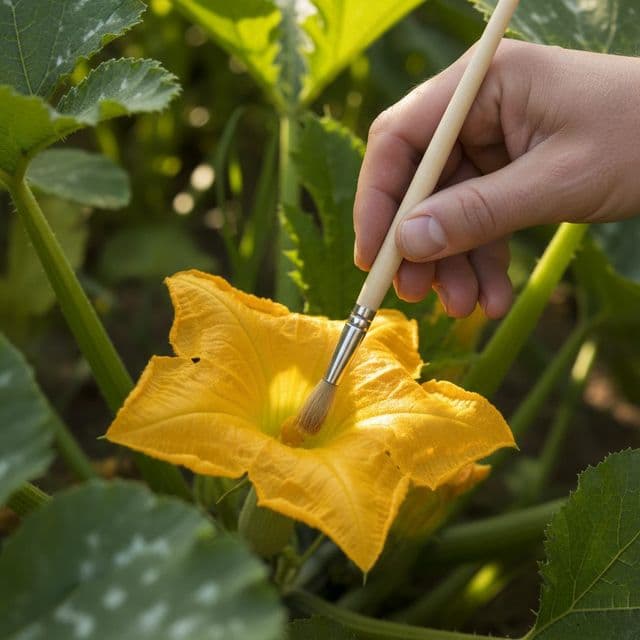
Boost squash, zucchini, and pumpkin yields in USDA zones 5-9. Learn to hand-pollinate cucurbit flowers for better fruit set when pollinators are scarce. Simple steps for a bountiful harvest.
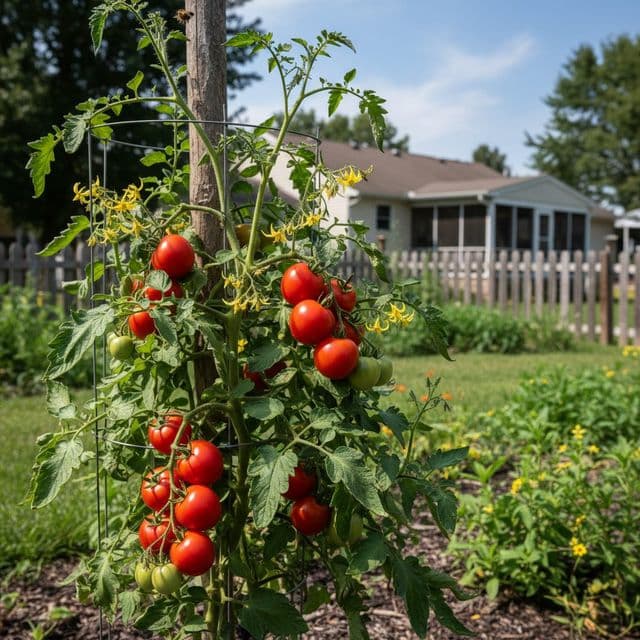
Boost tomato and pepper yields by 15-30% with hand-pollination. Master the electric toothbrush method & optimize conditions for a successful harvest in USDA Zone 6.
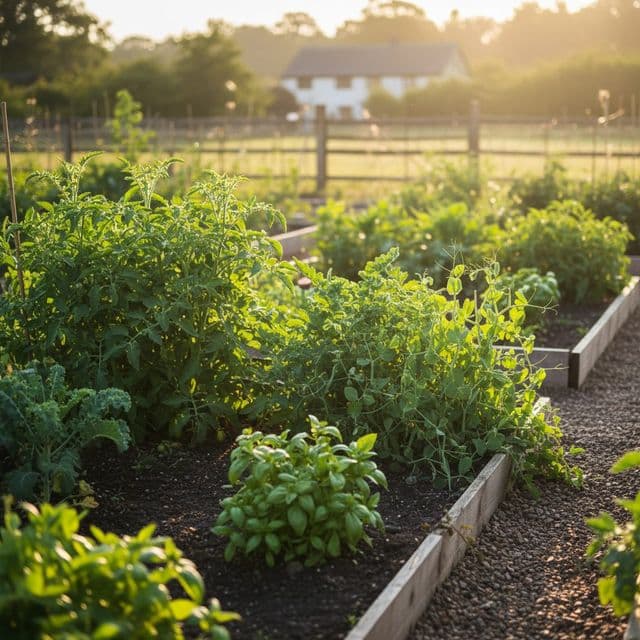
Boost your tomato harvest in USDA Zone 7. Learn to decode VFN codes and select disease-resistant tomatoes to prevent common wilts, nematodes, and viruses for a healthier, more productive garden.

Protect your USDA Zone 6 garden from Tomato Mosaic & Spotted Wilt Viruses. Learn prevention and management strategies for healthy tomato and cucurbit crops. Essential tomato virus management.
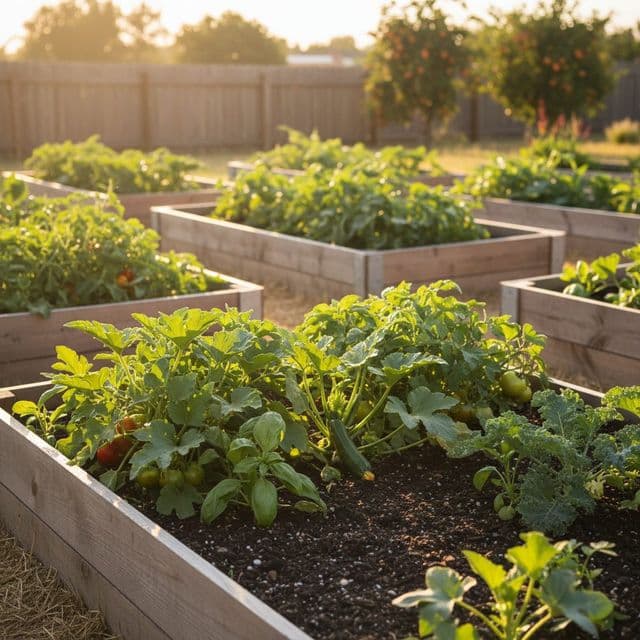
Protect your tomato harvest in the Southeast US. Learn to identify and manage bacterial wilt, spot, and speck with practical, research-backed strategies for healthy plants and good yields.