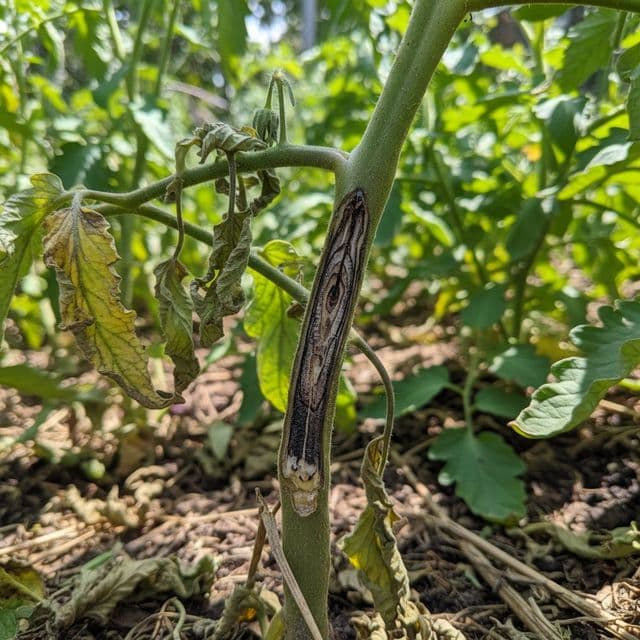
Protecting tomato yields: Fusarium & Verticillium wilt in Zone 6
How to identify symptoms, implement cultural practices, and choose resistant varieties to manage Fusarium & Verticillium wilt in USDA Zone 6 tomatoes.
Tag
172 articles in this tag on agripure. — page 7 of 8
How to identify symptoms, implement cultural practices, and choose resistant varieties to manage Fusarium & Verticillium wilt in USDA Zone 6 tomatoes.
Identify, prevent, and manage Septoria leaf spot, the most common US tomato disease. Learn key symptoms, spread, and effective strategies to protect your plants and maximize yields.
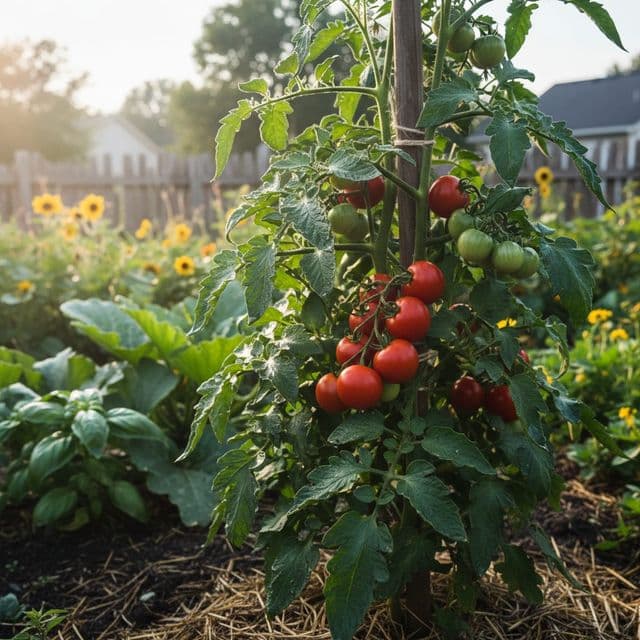
Protect your tomato and potato crops from devastating early and late blight. Learn to identify symptoms, understand lifecycles, and apply effective organic and synthetic treatments to save your har…
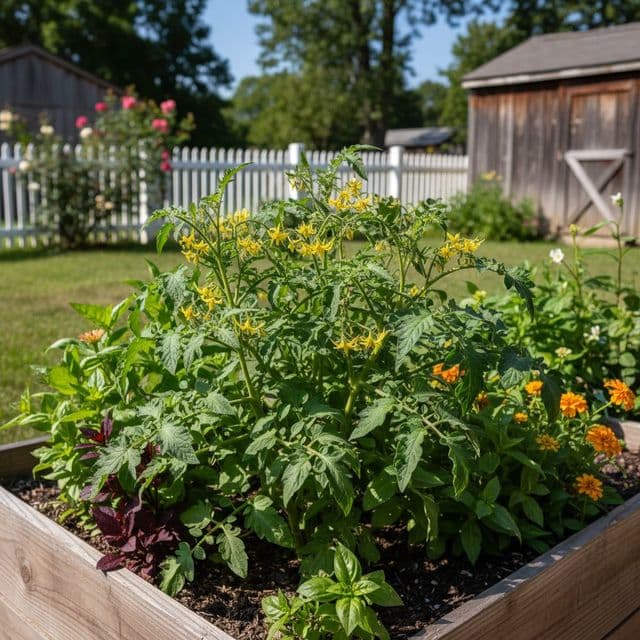
Is your tomato plant flowering but not fruiting? Learn common causes like poor pollination, nutrient imbalance, and environmental stress. Boost your tomato yield.
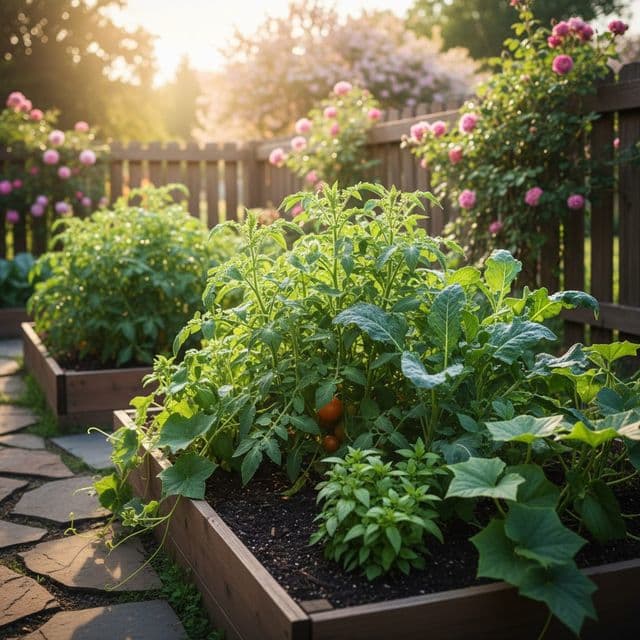
Learn how to prevent tomato cracking and catfacing, common issues reducing yields. Discover strategies like consistent watering, cultivar selection, and cold protection for healthier tomatoes.
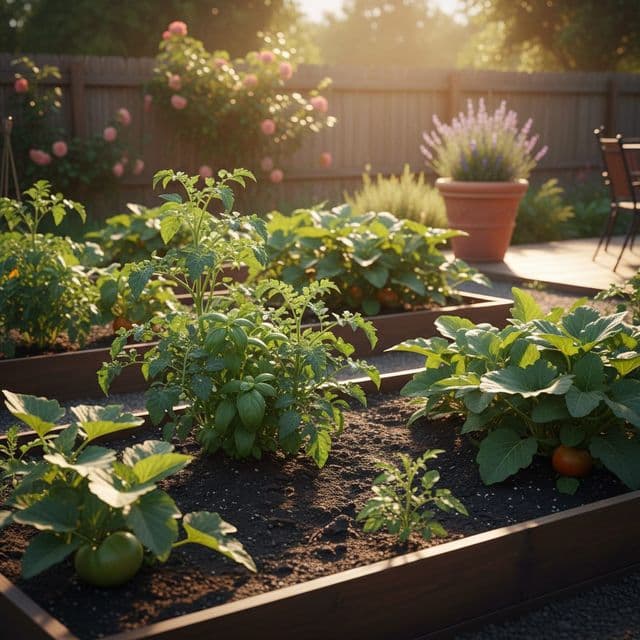
Decode yellow tomato leaves! Learn to diagnose nitrogen, magnesium, watering issues, or disease. Get practical tips to restore plant health and boost your harvest.
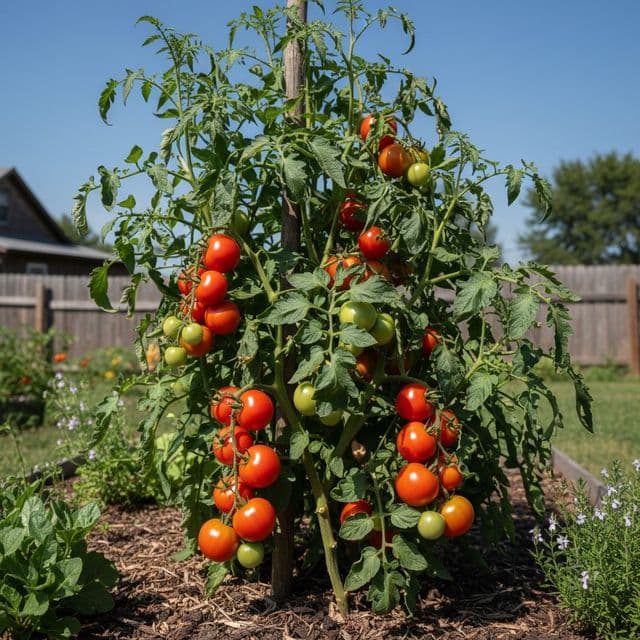
Diagnose tomato leaf curl in your USDA Zone 7 garden. Learn to distinguish between heat stress, herbicide drift, and viral infections with clear symptoms and effective solutions to save your crop.
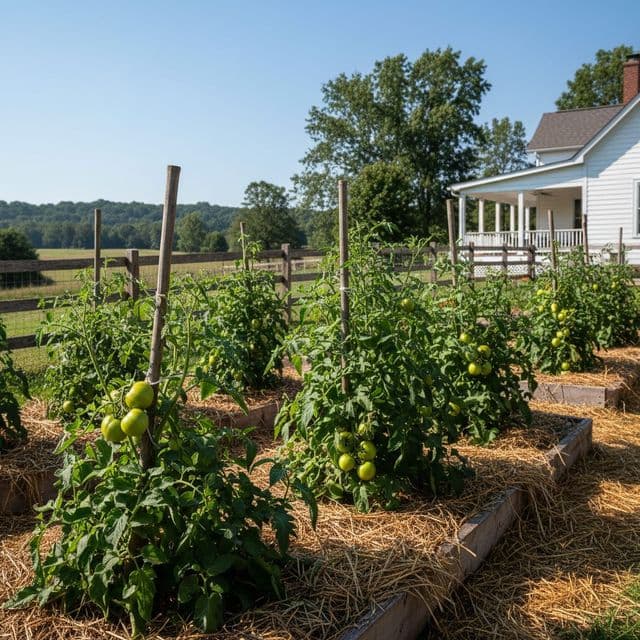
Discover why your tomatoes aren’t ripening, especially in warmer US regions like USDA Zone 6. Learn how night temperatures affect lycopene production and get practical fixes for successful tomato r…
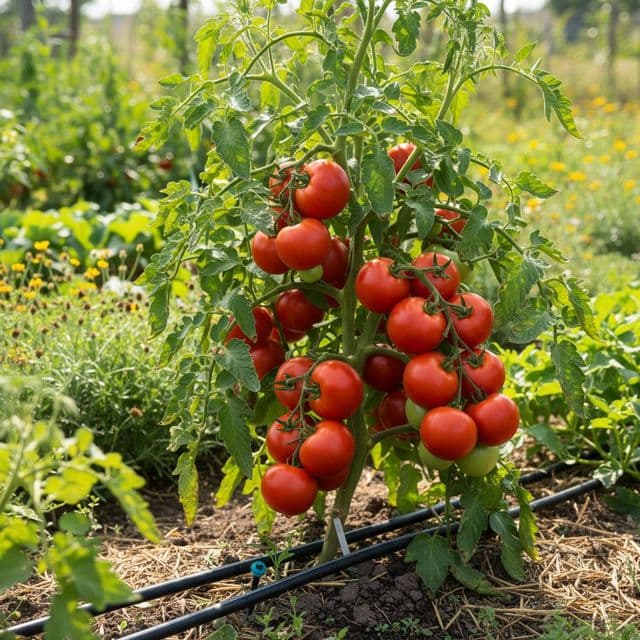
Learn how to prevent blossom-end rot in tomatoes and other fruiting vegetables. Discover the primary cause (inconsistent water) and effective strategies like mulching to boost your harvest.
How biofungicides like Trichoderma and mycorrhizal fungi protect plants from root diseases in USDA Zone 7, reducing chemical use and supporting soil health.
Discover how milky spore (Bacillus popilliae) offers a long-term, organic solution for Japanese beetle grubs. Learn application timing and effectiveness in USDA Zone 6 gardens.
Learn how Spinosad, an organic biological insecticide, effectively controls thrips and other pests in greenhouses. Discover safe application methods for pollinator protection.
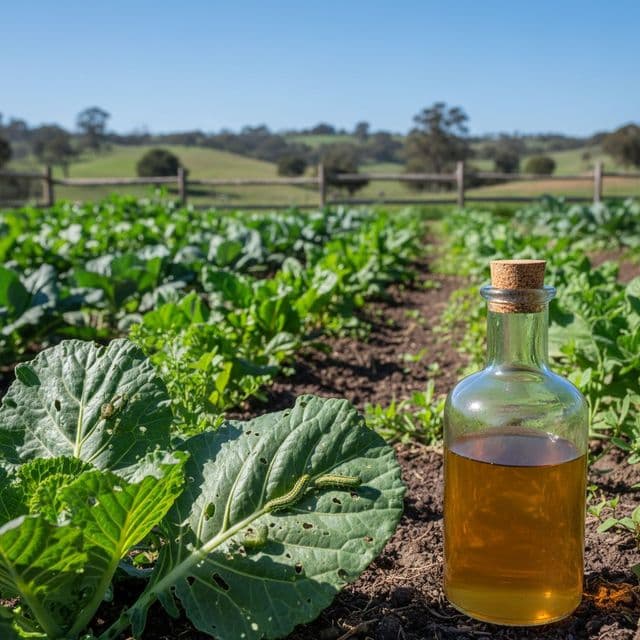
Unlock effective organic pest control! Learn to choose the right Bacillus thuringiensis (Bt) varieties for your USDA Zone 6 garden, targeting caterpillars, mosquitoes, and beetles safely.
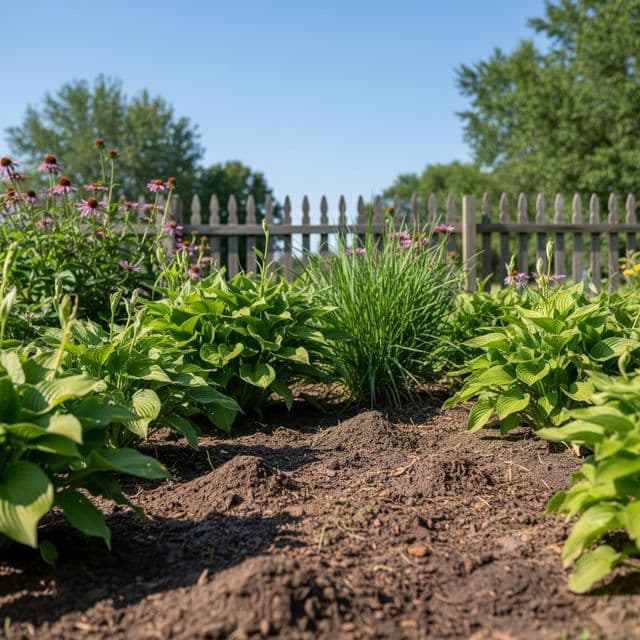
Protect your US garden from voles, moles, and gophers with organic subterranean pest management. Learn to identify pests, use exclusion, trapping, and habitat modification for effective control.
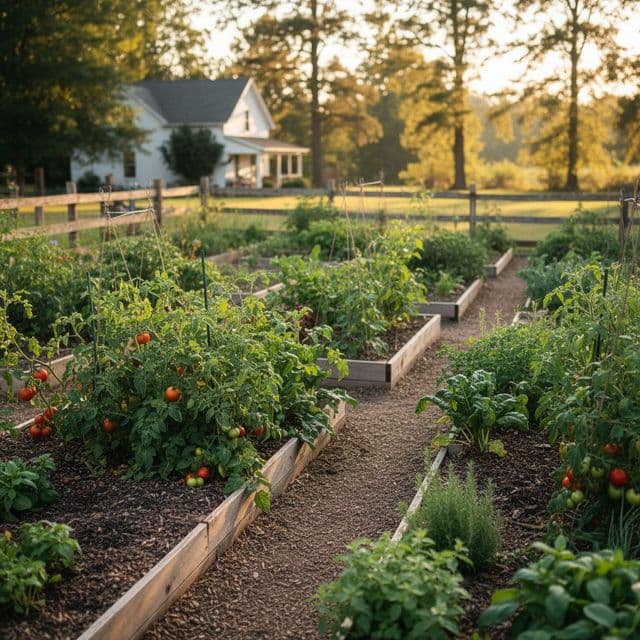
Learn how flowering insectary strips attract pollinators and beneficial insects, improving yields and providing organic pest control in your vegetable garden. An IPM strategy.
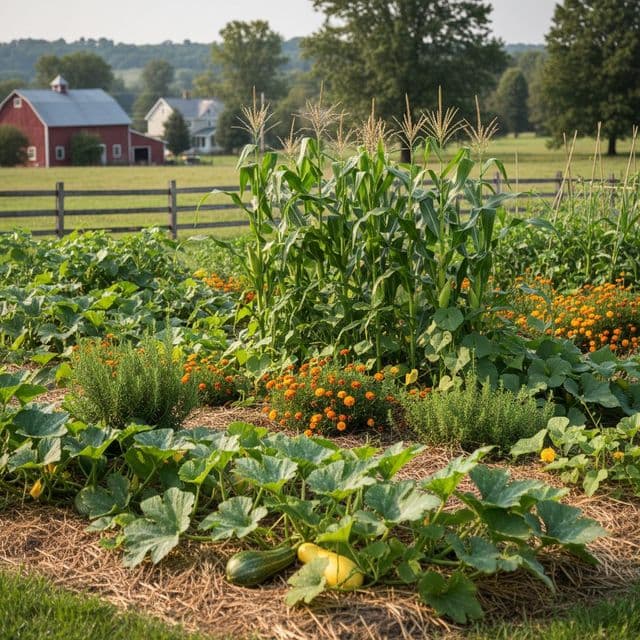
Unlock the power of companion planting. Learn how strategic plant pairings can deter pests, attract beneficial insects, and improve soil health, potentially reducing pest pressure by 15-50%.

Discover trap cropping, an organic pest control method. Learn how specific plants like nasturtiums and Blue Hubbard squash can protect your main crops, reduce damage by 50%, and cut pesticide use b…
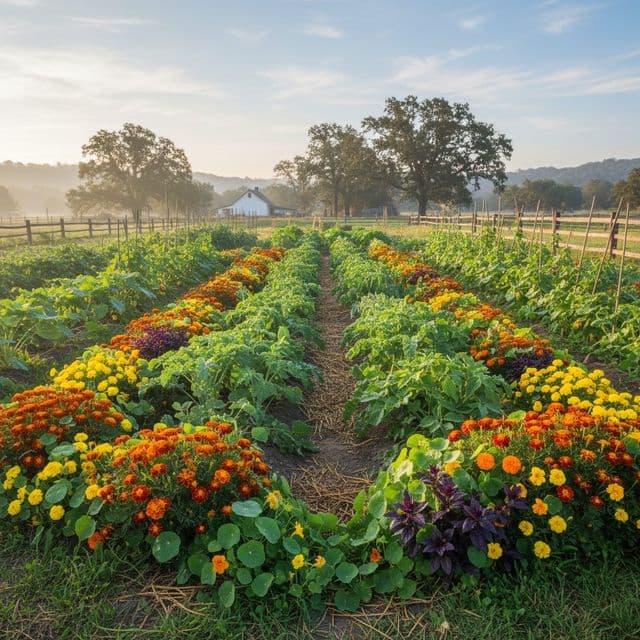
Discover how pest repellent border plants like marigold, basil, and alliums naturally reduce garden pests by 20-50%. Integrate these plants into your IPM strategy for sustainable pest control in US…
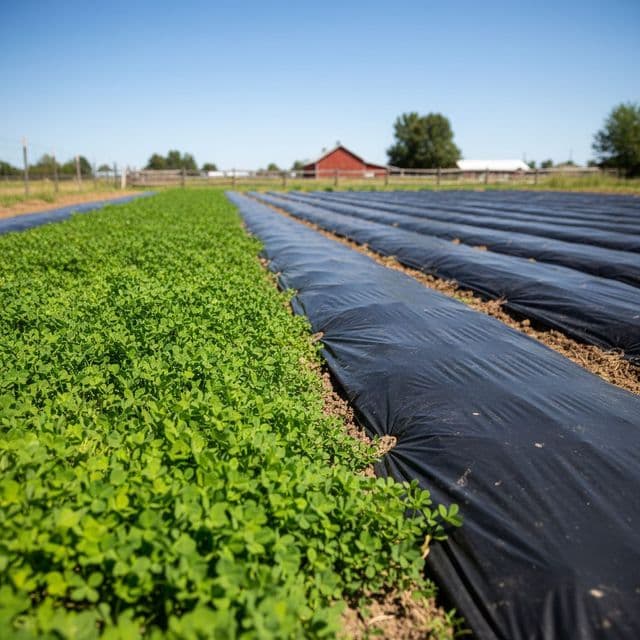
Discover how combining cover crops and occultation provides effective organic weed control, reducing weed biomass by 90% in organic cabbage. Improve soil health & cut labor.
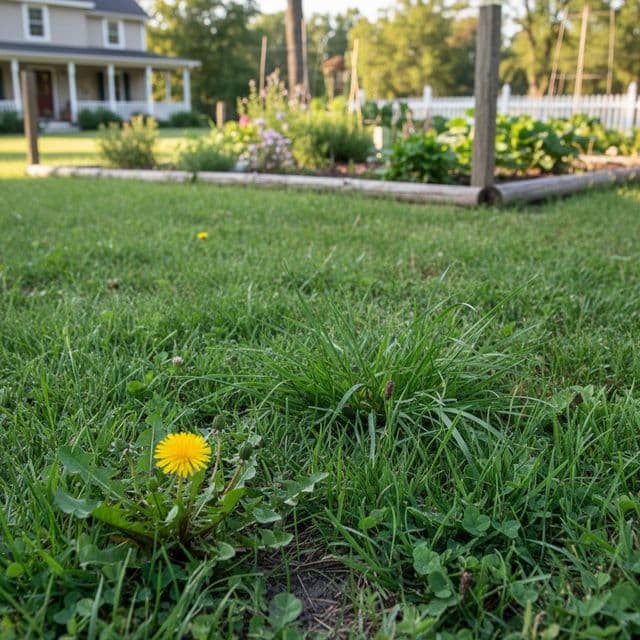
Organic Integrated Pest Management (IPM) strategies identify and control common US lawn and garden weeds like crabgrass, dandelion, bindweed, and purslane. Prevention and cultural methods can reduc…
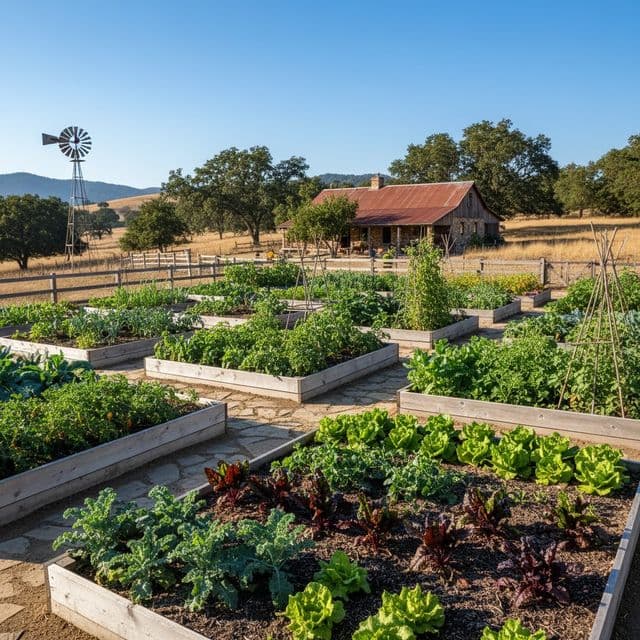
Explore vinegar weed killers: how 5% vs. 20% acetic acid works on young annuals. Learn its limitations, safety, and sustainable organic weed control alternatives.
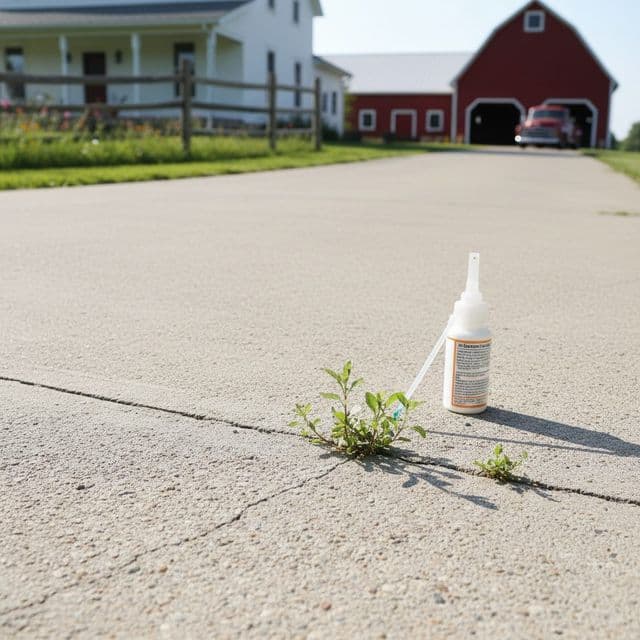
Explore safe, chemical-free thermal weed control for driveways & patios in USDA Zone 6. Learn flame weeding & boiling water techniques to manage dandelions, crabgrass, and spurge.
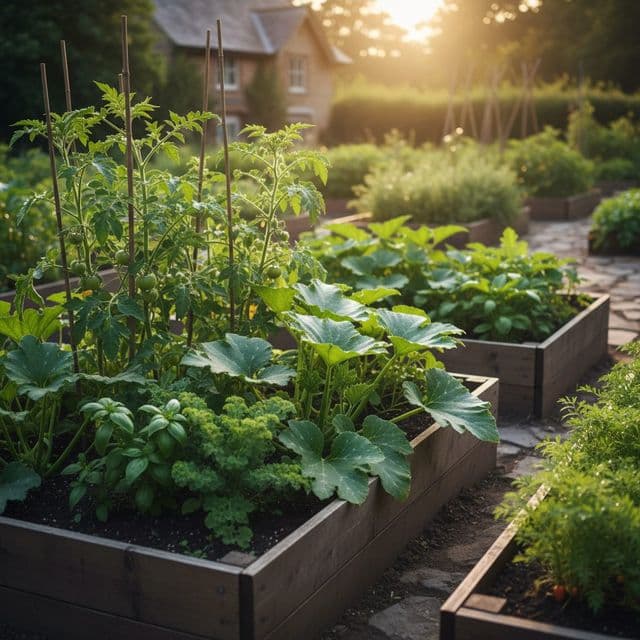
Learn how the stale seedbed technique reduces early-season weed pressure by 50-70% in vegetable fields. This organic method minimizes herbicide use and improves crop yields.
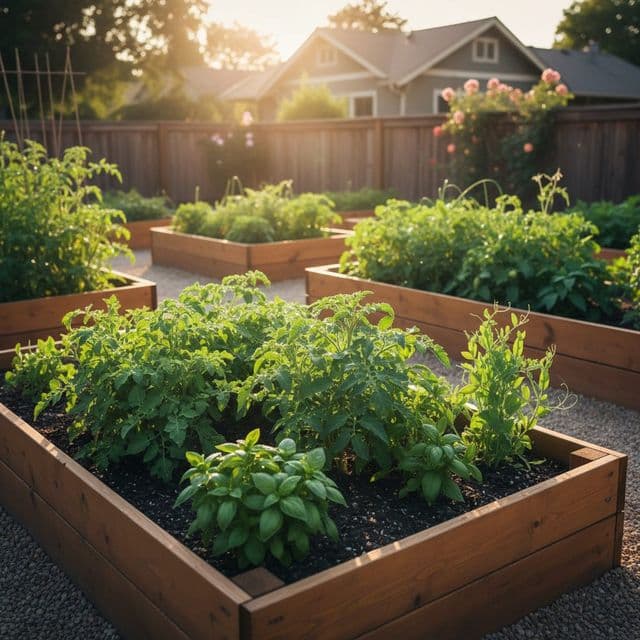
Protect new transplants from cutworms in USDA Zone 6. Learn effective cutworm control methods: identification, scouting, physical collars, and organic soil management for a thriving garden.