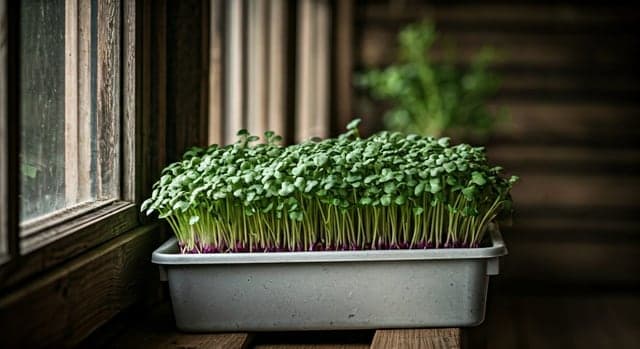
Grow microgreens at home: quick harvests in US homes
How to grow radish, pea, sunflower, and broccoli microgreens at home in 7-14 days for fresh food year-round.
Tag
290 articles in this tag on agripure. — page 5 of 13
How to grow radish, pea, sunflower, and broccoli microgreens at home in 7-14 days for fresh food year-round.

Learn to grow chives and garlic chives year-round in USDA zones 3-9. Get tips for planting, care, and continuous harvest of these resilient, flavorful herbs for your homestead.
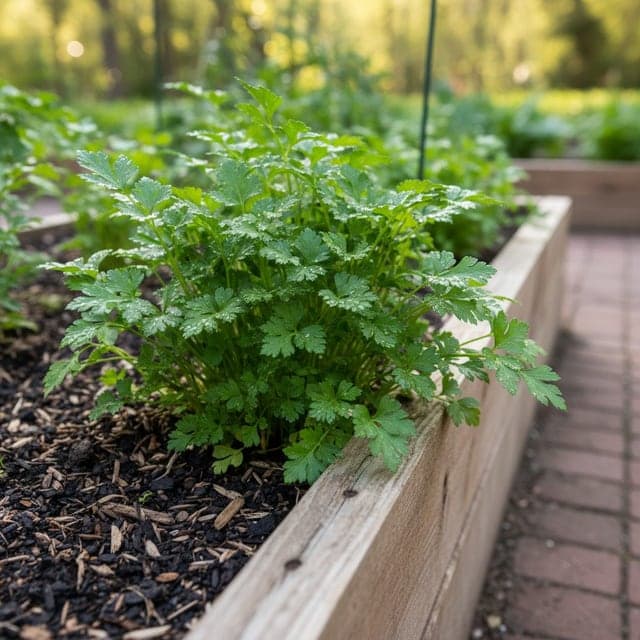
Learn how to speed up parsley seed germination for a two-year harvest. Discover pre-treatment methods, optimal planting conditions, and overwintering tips for USDA Zone 6.
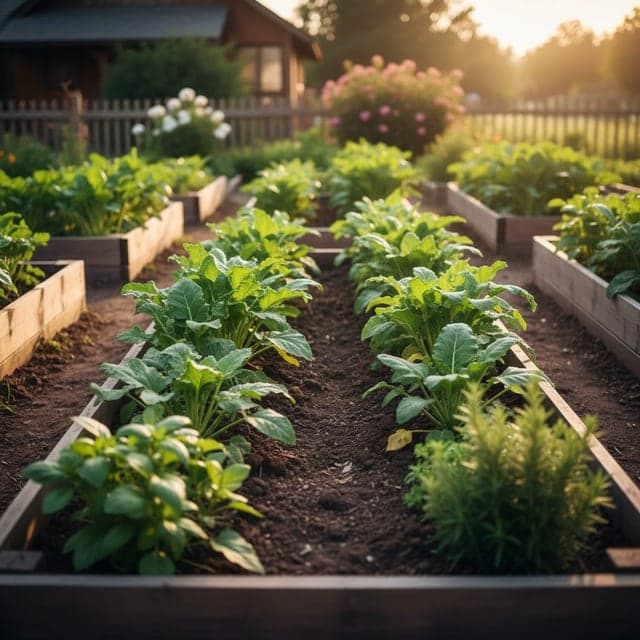
How to grow dill in USDA zones 3-9, covering direct sowing, care, harvesting leaves and seeds, and supporting swallowtail butterflies.
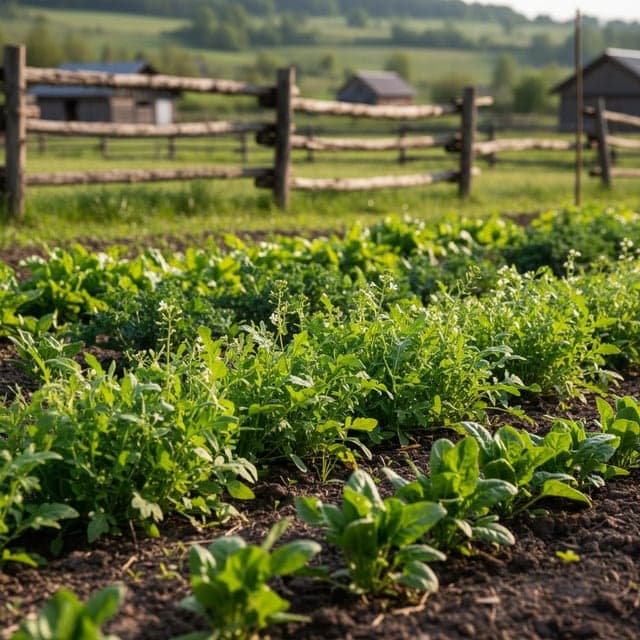
Harvest tender arugula, leaf lettuce, mustard greens, and spinach without summer gaps. Follow our 14-day 3-section bed rotation, soil temperature thresholds, shade cloth rules, and sealed row cover…
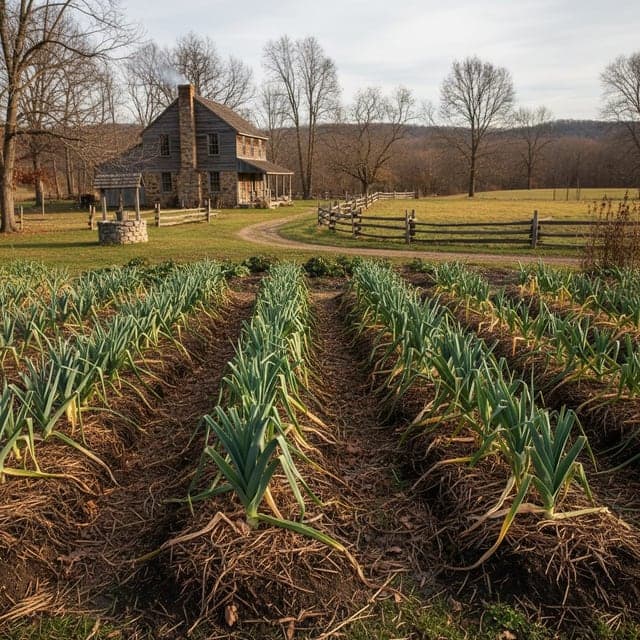
Hold cold-hardy leeks outdoors through winter across USDA Zones 4–9 using 6-inch dibble planting, staged blanching, zone-specific mulch or low tunnels, and pre-bolt spring harvest timing.
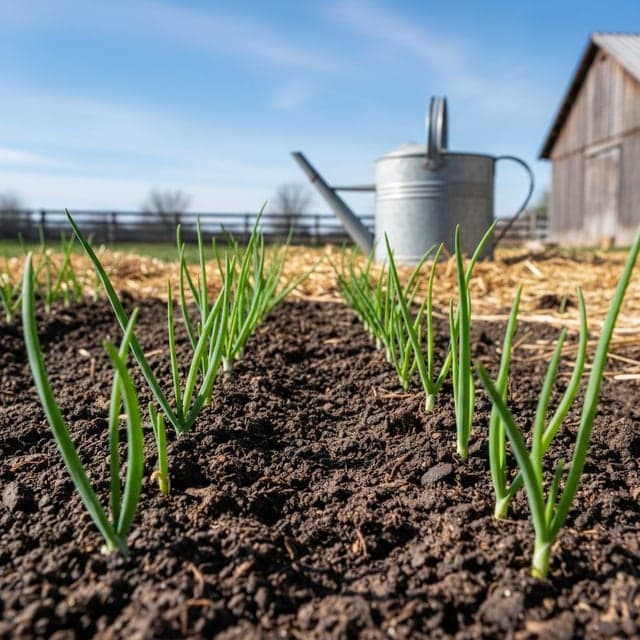
Master growing onions for high yields. Learn to choose between seeds, sets, or transplants for optimal harvest. Achieve 300-400 bushels/acre in USDA Zone 5 with our guide.
Protect your US brassica crops from clubroot and black rot. Learn effective brassica disease management strategies: crop rotation, soil pH, resistant varieties, and sanitation.
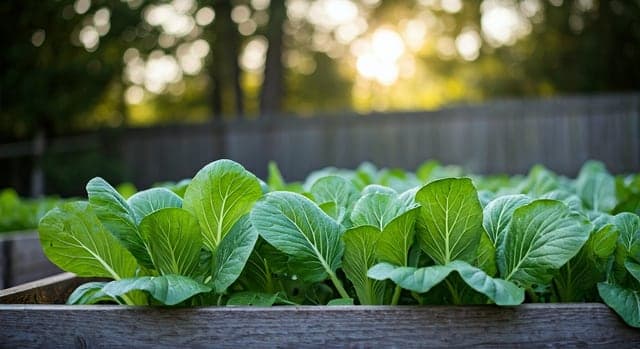
How to grow bok choy and napa cabbage for quick harvests across US climates, including planting schedules, soil needs, and pest management.
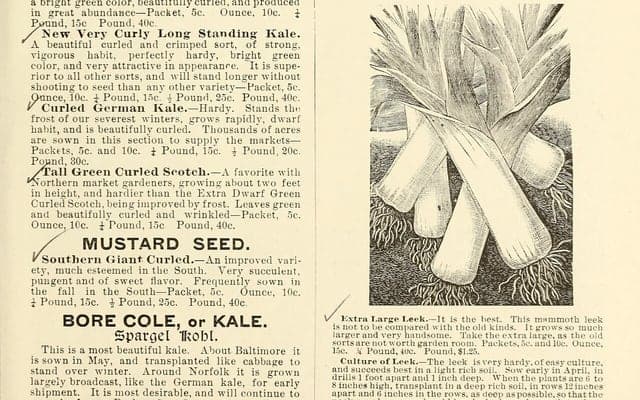
How to blanch cauliflower for mild flavor and sun protection in USDA Zone 6 and beyond, with tips on soil, watering, and harvest timing.
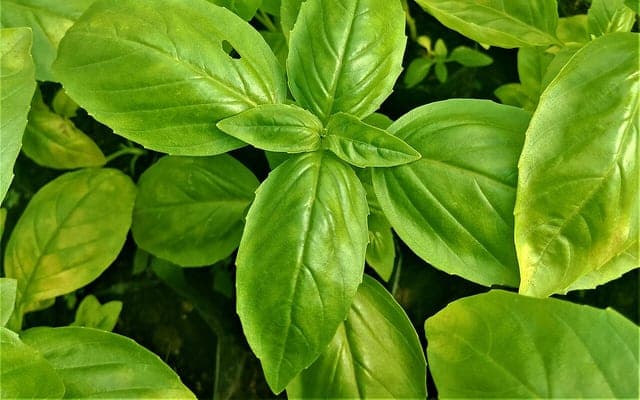
Prevent basil from bolting in hot Southern climates. Learn which varieties hold up to Southern heat, plus care tips on watering, pruning, and mulching for a continuous harvest.
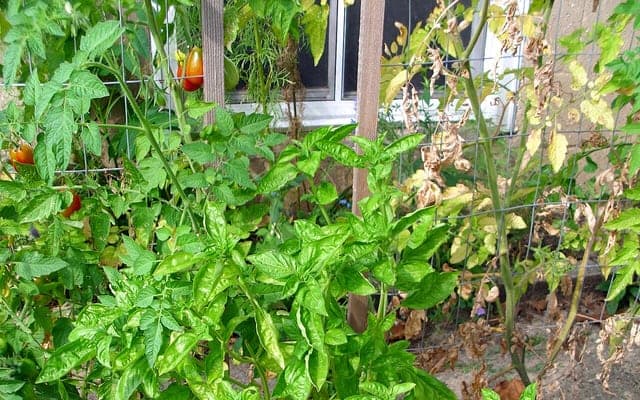
Grow disease-resistant basil across US gardens: Rutgers DMR and Prospera sweet cultivars vs. Genovese, Thai, Tulsi, Lemon, Dark Opal, and African Blue chemotypes, plus node-pinching math and <50°F…
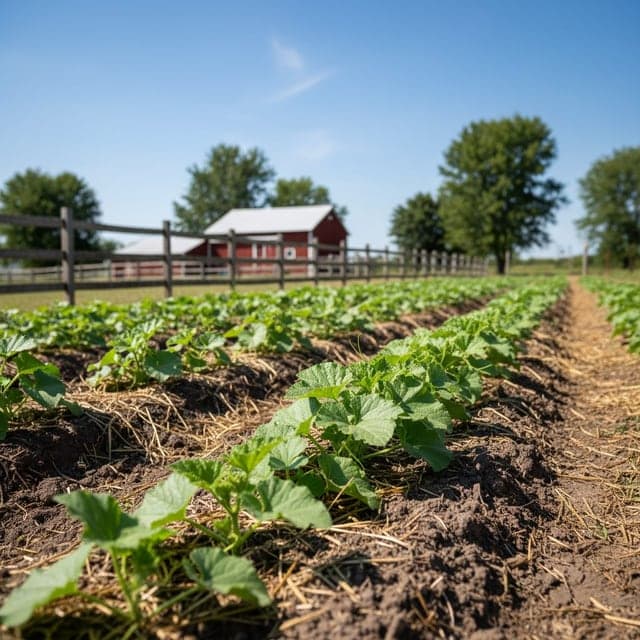
Choose between starting melons indoors or direct sowing by USDA zone: cucurbit taproot suberization math, 2–3 true-leaf cutoff (18–25d max), 70°F soil floors, IRT mulch, row-cover bee timing, tripl…
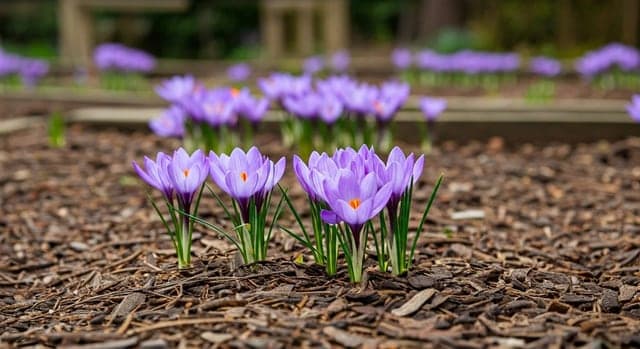
Plant sterile triploid Crocus sativus corms across US climates: >=8–10 g Year-1 grading, 4–6 inch depth, <=0.25–0.5 inch dry summer dormancy bake, 1/2 inch vole hardware cloth, and ISO 3632 drying.
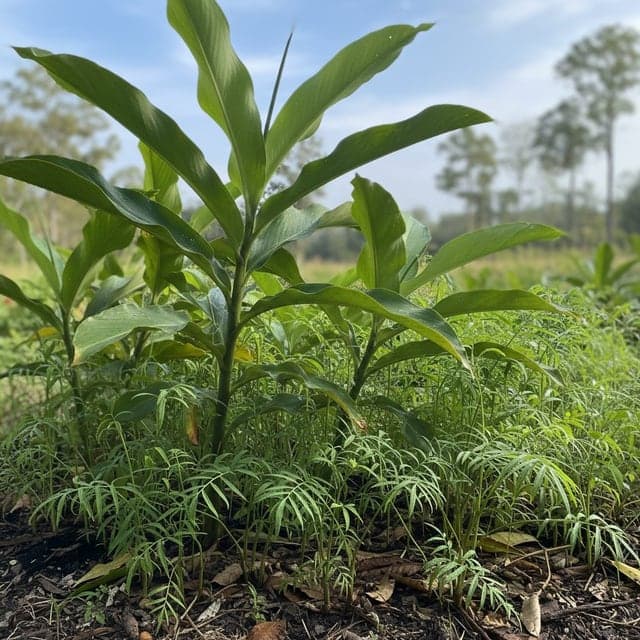
Grow greater galangal (Alpinia galanga), lesser galangal (Alpinia officinarum), and fingerroot or krachai (Boesenbergia rotunda) across US climates: USDA Zones 8–11 outdoor survival, >55°F containe…
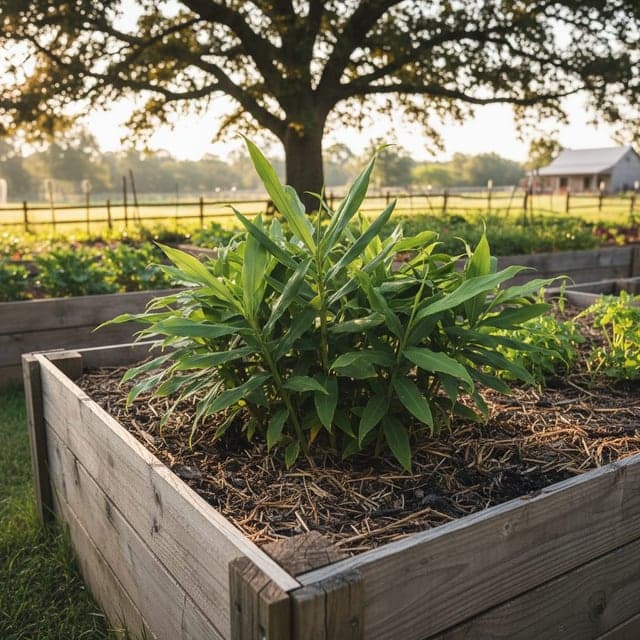
Grow high-yield in-ground ginger across USDA Zones 8a–11: 8-week Feb–Mar heat-mat pre-sprouting (75–85°F), USDA clean-seed Ralstonia and nematode prevention, 3–4 in compost and straw ridge hilling,…
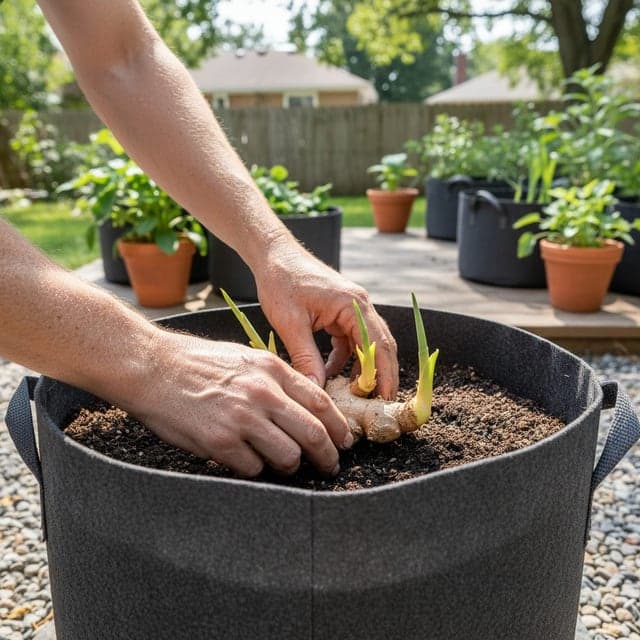
Start grocery-store ginger safely in isolated 10–15 gallon fabric pots: spot sprout inhibitors and irradiation, soak and pre-sprout in damp coco coir at 75–85°F, quarantine Ralstonia wilt and nemat…
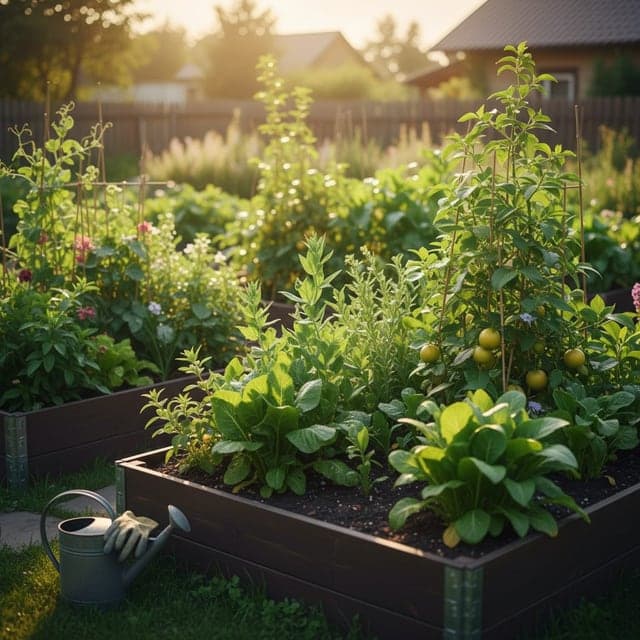
Identify 10 edible US wild fruits and their lethal lookalikes, debunk deadly berry color myths, check NPS 36 CFR 2.1 vs. USFS foraging laws, and harvest safely across all five regions.
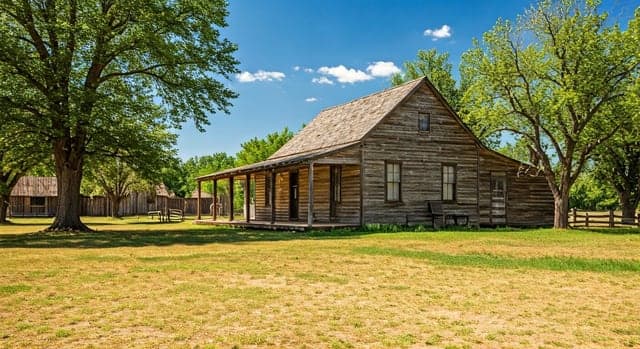
Forensic botanical keys separating North America's 10 deadliest toxic plants from edible lookalikes—water and poison hemlock, death camas, nightshade, pokeweed, white snakeroot, baneberry, jimsonwe…
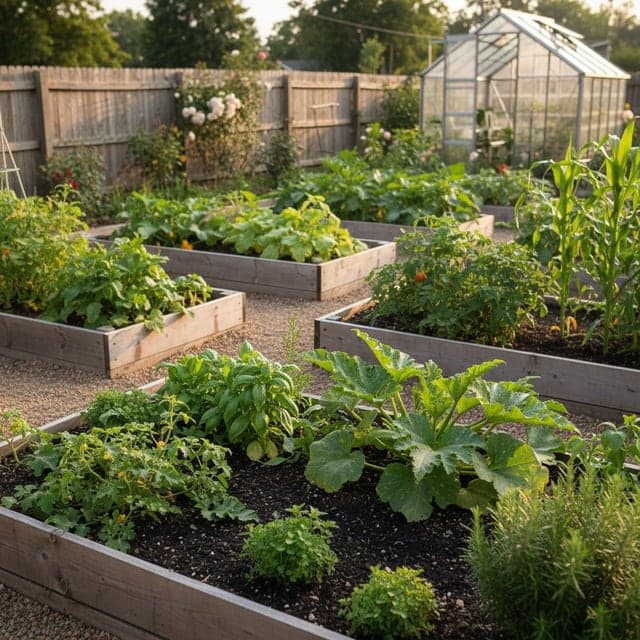
Discover how to identify, harvest, and prepare edible wild greens like stinging nettle and mallow across US regions. Learn safe foraging practices and nutritional benefits.
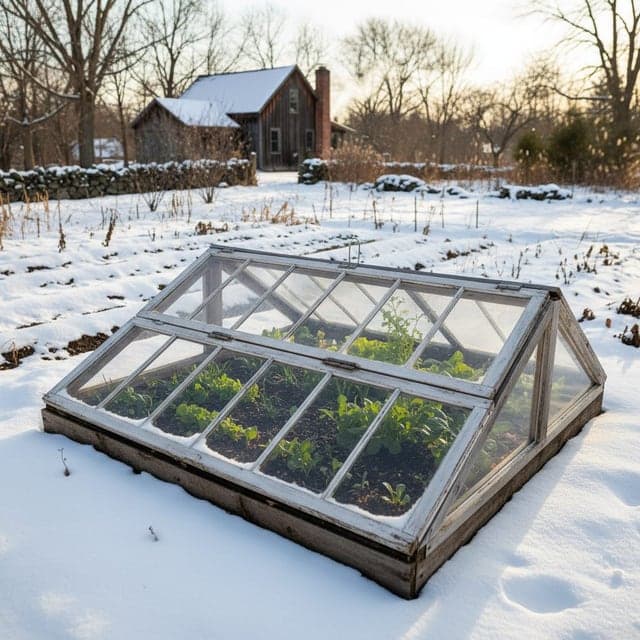
Engineer a cold-climate DIY cold frame that survives US winter sun and snow: ~latitude + 10–15° solar lid pitch, R-1.6 twinwall polycarbonate vs. salvaged glass safety, 60–75°F wax-piston venting,…
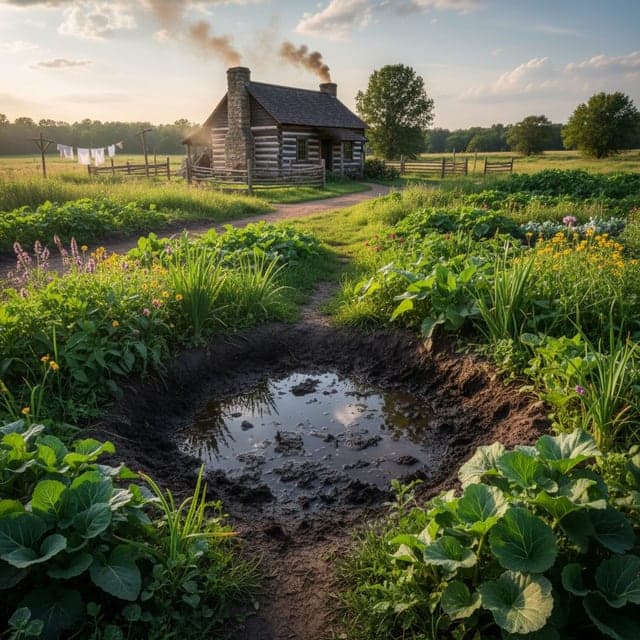
Struggling with wet garden spots? Discover how to select the best plants for poorly drained soil. Learn strategies to improve drainage & cultivate a thriving garden.
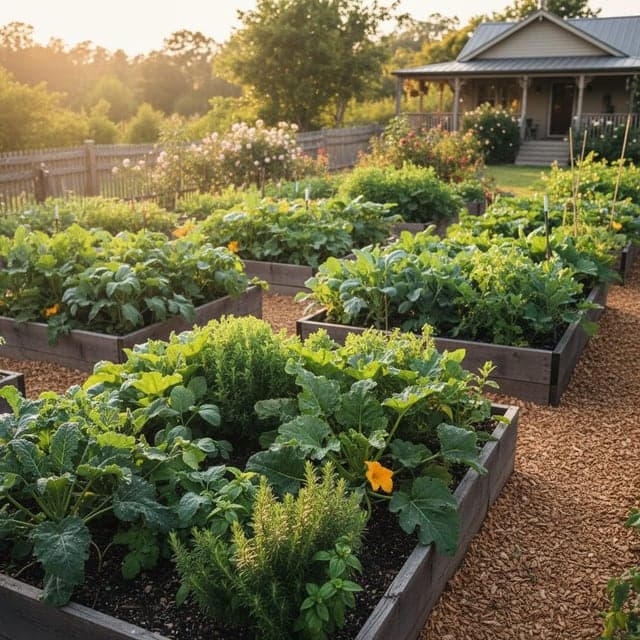
Discover plants that thrive in salty and saline soils. Learn how to select species for coastal areas and near de-iced roads, mitigate salt damage, and cultivate resilient landscapes in challenging…
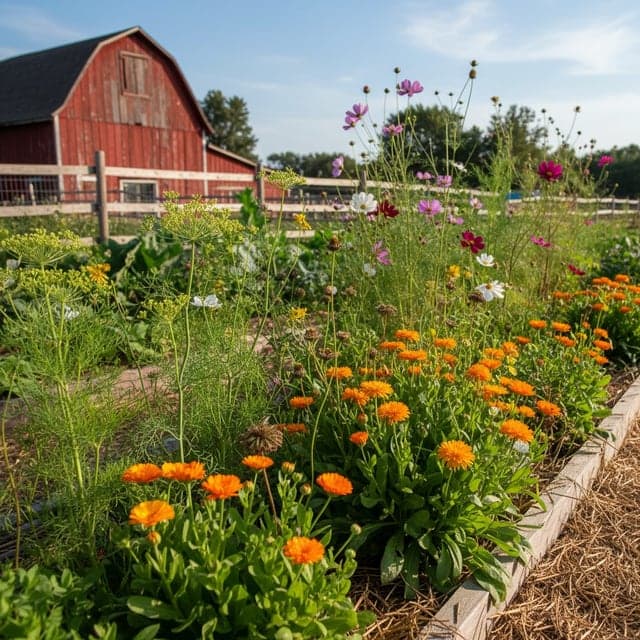
Build a reliable self-seeding US garden using horticultural triage: 10 disciplined annuals and biennials, P0 invasive weed warnings, F1 hybrid vs. open-pollinated genetics, toxic cucurbitacin avoid…