Key takeaways
- Winter sowing leverages natural cold stratification for robust seedling growth, reducing the need for indoor grow lights.
- Timing is critical, with early winter (December-January) best for seeds needing long cold exposure in zones 4-7.
- Late winter (February) is ideal for cool-season vegetables and hardy annuals in zones 6-8.
- As spring approaches (March-April), warmer zones (7-9) can sow more diverse annuals and vegetables.
- Proper container selection, soil mix, and moisture management are essential for high germination rates.
- Hardening off is naturally integrated into the winter sowing process, producing resilient plants ready for transplant.
Quick answer: Winter sowing involves planting seeds in mini-greenhouses outdoors during colder months, leveraging natural cold stratification for robust seedling growth. This guide provides a month-by-month schedule tailored to specific USDA plant hardiness zones for optimal timing and plant selection.
From the frosty plains of North Dakota, where winter temperatures can drop to -30°F in USDA zone 4, to the milder winters of southern California’s zone 9, winter sowing offers a robust method for starting seeds. This technique relies on natural outdoor conditions to provide the necessary cold stratification and gradual warming that many plant species require for strong germination. It also eliminates the need for expensive indoor grow lights and space, making it a practical choice for many home growers.
This guide provides a month-by-month schedule, tailored to specific USDA plant hardiness zones, helping you decide what to sow and when. We will cover appropriate plant selections, container preparation, and ongoing care, ensuring your efforts yield a bountiful spring garden. Understanding local climate and average frost dates, which can vary by 10-14 days within a single zone, helps time each sowing accurately.
The basics of winter sowing for US growers
Winter sowing is a simple, low-cost method that mimics nature’s way of germinating seeds. Instead of starting seeds indoors under artificial lights, you plant them in mini-greenhouses made from recycled containers and place them outside during the colder months. This process naturally exposes seeds to the necessary periods of cold and moisture, which breaks dormancy for many species, a process known as stratification. For example, many native perennial seeds require 60-90 days of cold stratification to germinate effectively, a condition perfectly met by winter sowing from December to February.
Container and soil considerations
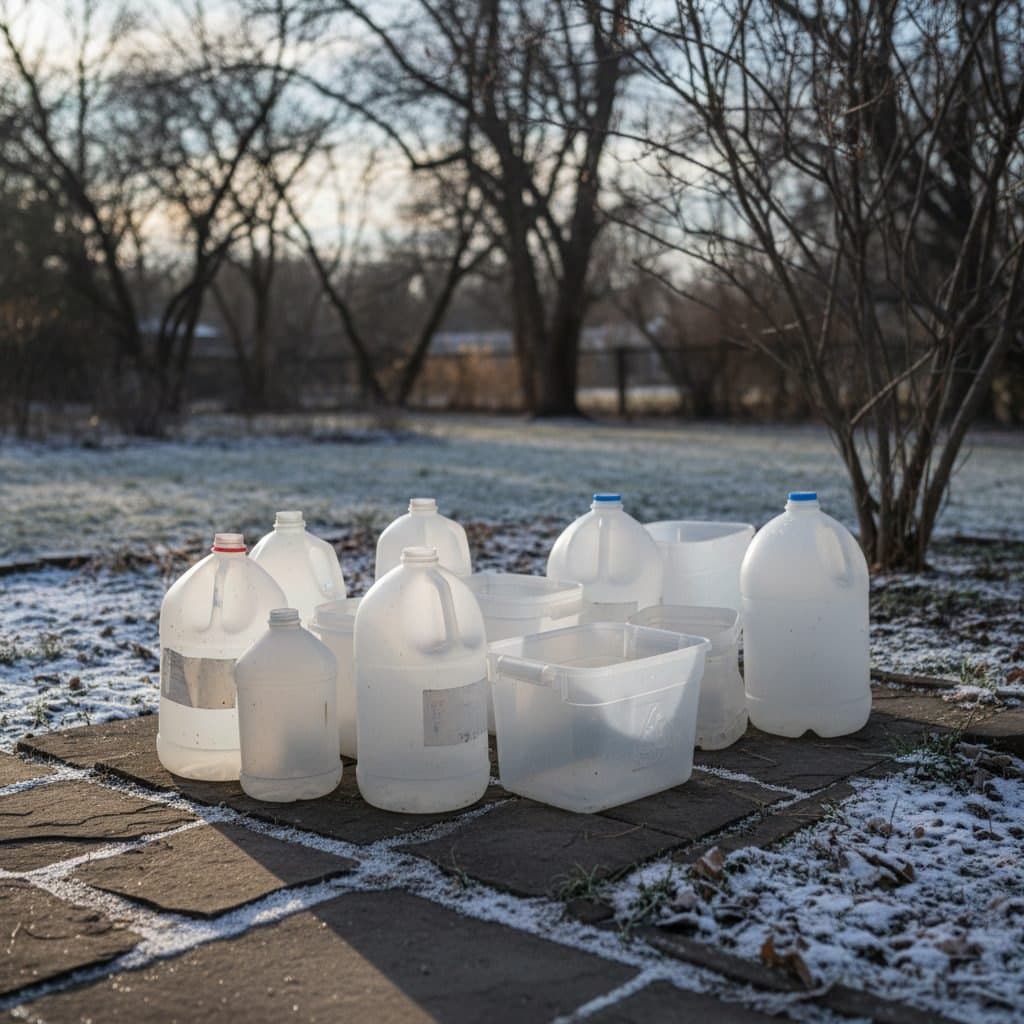
Successful winter sowing starts with the right setup. Choose clear or translucent containers, such as 1-gallon or 2-liter milk jugs, clear plastic storage bins, or even repurposed clam shells from the grocery store. These containers act as miniature greenhouses, protecting seeds from harsh winds and heavy snow, while allowing sunlight to penetrate. Ensure each container has 4-6 drainage holes punched into the bottom, and a few small ventilation holes near the top to prevent overheating on sunny days, especially when temperatures rise above 40°F. Fill containers with a high-quality, sterile seed-starting mix that drains well. A good mix might contain 50% peat or coir, 30% perlite, and 20% vermiculite, providing both moisture retention and aeration for developing roots. For more detailed guidance on mixes and timing, refer to our article on seed starting for beginners.
- Use clear or translucent containers for light penetration.
- Ensure 4-6 drainage holes in the bottom of each container.
- Add 2-3 small ventilation holes near the top.
- Fill with a sterile, well-draining seed-starting mix.
- Label containers clearly with plant name and date.
December and January – deep winter sowing (zones 4-7)
For gardeners in colder regions like USDA zones 4, 5, 6, and 7, December and January are prime months for sowing seeds that require significant cold stratification. This includes many native perennials, hardy shrubs, and certain herbs. Plants like coneflowers (Echinacea purpurea), milkweed (Asclepias syriaca), and various native grasses benefit from 60-120 days of consistent cold temperatures below 40°F. Sowing during these months ensures they experience the full winter cycle, breaking dormancy naturally and germinating once spring arrives and soil temperatures consistently reach 50-60°F. In USDA zone 4, for example, temperatures often remain below freezing for over 90 consecutive days, providing ideal conditions for these species.
Plant selections for early winter
Focus on species that are well-adapted to your specific hardiness zone. For instance, in USDA zone 5, you might sow lavender (Lavandula angustifolia) or columbine (Aquilegia canadensis), which are known for their cold tolerance. Consider species that are nitrogen-fixing, such as certain clovers or vetches, which can also improve your soil over time; more information can be found in our article on nitrogen-fixing trees by USDA zone. Ensure seeds are spread thinly to avoid overcrowding, which can lead to damping-off disease. A typical 2-liter jug can comfortably accommodate 10-15 small seeds without issues. Remember to water thoroughly after sowing, then let nature take its course until spring.
- Native perennials like coneflower, milkweed, and aster.
- Hardy herbs such as lavender, thyme, and chives.
- Cold-stratification requiring shrubs like dogwood and elderberry.
- Certain cool-season vegetables like spinach and kale (for later germination).
- Wildflowers adapted to zones 4-7.
February – late winter sowing (zones 6-8)
As February arrives, gardeners in USDA zones 6, 7, and 8 can expand their winter sowing efforts to include a broader range of cool-season vegetables and hardy annuals. While still cold, the days are noticeably longer, and the sun’s intensity increases, signaling the approach of spring. This month is ideal for starting seeds that need a shorter period of cold stratification or those that can tolerate light frosts during early germination. For example, in USDA zone 7, the average last frost date is often around April 15, allowing for a good 8-10 weeks of growth before transplanting. Many cool-season crops, like lettuce, spinach, and kale, thrive when germinated in these cooler conditions, often producing stronger plants than those started indoors.
Expanding your plant list
Consider sowing hardy annuals like pansies (Viola x wittrockiana), snapdragons (Antirrhinum majus), and calendula (Calendula officinalis). These will benefit from the natural hardening-off process that winter sowing provides, making them more resilient when transplanted into the garden. For vegetables, try broccoli, cabbage, Swiss chard, and various Asian greens. Using a 24-cell seedling propagation tray with dome can be a good option for organizing smaller batches of seeds, especially if you have limited space for larger milk jugs. Place containers where they receive 6-8 hours of direct sunlight, as increasing light aids germination as days lengthen. Monitor moisture levels more frequently, as warmer days can dry out containers faster.
- Cool-season vegetables: lettuce, spinach, kale, broccoli, cabbage.
- Hardy annuals: pansies, snapdragons, calendula, bachelor’s buttons.
- Hardy herbs: parsley (biennial), plus cilantro and dill, annuals that readily self-sow.
- Certain root vegetables: radishes (for very early spring harvest).
- Wildflowers with moderate cold requirements.
March and April – early spring sowing (zones 7-9+)
As March unfolds and April begins, gardeners in USDA zones 7, 8, and 9 can significantly broaden their winter sowing horizons. The risk of hard freezes diminishes, and average daily temperatures consistently climb above 45°F, making conditions suitable for a wide array of annuals and many warm-season vegetables. In USDA zone 8, for instance, the last frost date can be as early as March 30, allowing for earlier planting of more tender species. This period is excellent for starting plants that need a head start but don’t tolerate deep freezes, or those that benefit from a natural hardening-off process without the need for manual intervention.
Warm-season annuals and vegetables
Consider sowing warm-season annuals like marigolds (Tagetes spp.), zinnias (Zinnia elegans), cosmos (Cosmos bipinnatus), and sunflowers (*Helianthus annuus). These will germinate as the soil warms and be ready for transplanting after your local last frost date, typically in late April or May. For warm-season vegetables such as tomatoes, peppers, and eggplant, skip the jug. Their seed wants soil in the 70s °F and will sit and rot in a cold, wet container, and even in zones 8 and 9 the March and April nights are too cold for it. Start those indoors in warmth and transplant after your last frost. Ensure containers have adequate ventilation to prevent overheating on sunny days, which can reach 70°F or higher. You may also consider planting cover crops or living mulches in your garden beds around this time; consult our guide on best living-mulch and cover-crop legumes by USDA zone for suitable options.
- Warm-season annuals: marigolds, zinnias, cosmos, sunflowers.
- Tender vegetables: tomatoes, peppers, eggplant (in warmer zones).
- Herbs: oregano, thyme, chives.
- Squash and cucumber are better direct sown into warm soil after your last frost; they need warmth to germinate and resent root disturbance at transplant.
- Fast-growing annual flowers.
Beyond sowing – care and transplanting
Once your seeds have germinated, the work isn’t over. Ongoing care ensures developing seedlings stay healthy until transplanting. The beauty of winter sowing is that the seedlings are naturally hardened off by their outdoor environment, experiencing real temperature fluctuations, wind, and sun. This makes them significantly more resilient than their indoor-started counterparts, often greatly reducing transplant shock. Consistent moisture remains necessary.
Transplanting for success
Wait until your seedlings have developed two sets of true leaves and the danger of your average last frost has passed for your specific USDA zone. For example, in USDA zone 6, this typically means transplanting around mid-May. Gently remove the entire soil block from the container, separating the seedlings carefully. Plant them at the same depth they were growing in the container, spacing them according to mature plant size, often 6-12 inches apart for most annuals and vegetables. Water them in well after transplanting, and continue to monitor moisture for the first 7-10 days. This method, when done correctly, can yield hundreds of robust plants from just a few containers, saving substantial costs compared to purchasing nursery starts at $3-5 per plant.
- Monitor soil moisture daily as temperatures rise.
- Provide supplemental water during dry periods, using a fine spray.
- Start propping lids open on mild days once temperatures reach 50°F, and close them again whenever a frost is forecast; remove them for good only after your last frost date.
- Transplant seedlings after they develop true leaves and after the last frost date.
- Handle seedlings gently to minimize root disturbance during transplanting.
Winter sowing by USDA zone: a general guide
USDA zone | Typical sowing window | Recommended plant types | Average last frost date |
|---|---|---|---|
Zone 4-5 | December – January | Native perennials, hardy shrubs, very cold-tolerant annuals | May 15 – June 1 |
Zone 6-7 | January – February | Perennials, cool-season vegetables, hardy annuals, some herbs | April 15 – May 15 |
Zone 8-9 | February – March | Hardy annuals, most cool-season vegetables, some warm-season annuals (late March) | March 15 – April 15 |
Zone 10+ | March – April (or year-round) | Warm-season annuals, tender vegetables, tropicals (with protection) | February 15 – March 15 |
Stratification Period: Many perennial seeds require a cold stratification period of 60-90 days to break dormancy and ensure successful germination.
Germination Rate: Winter-sown seeds often exhibit a higher germination rate and produce more robust seedlings than those started indoors, due to natural hardening.
Cost Savings: Starting seeds via winter sowing can save over 75% compared to purchasing established plants from nurseries, which often cost $3-5 per plant.
Frequently asked questions
What is the best type of container for winter sowing?
Clear or translucent containers like 1-gallon milk jugs or 2-liter soda bottles are excellent choices because they create a mini-greenhouse effect. Ensure they have 4-6 drainage holes in the bottom and a few ventilation holes near the top to prevent overheating, especially when temperatures exceed 40°F.
Do I need to water my winter-sown containers?
Initially, water thoroughly after sowing. During winter, snow and rain often provide sufficient moisture. However, as spring approaches and temperatures rise above 50°F, you may need to check and water your containers every 2-3 days, especially during dry spells.
When should I remove the lids or tape from my containers?
Once temperatures consistently stay above 50°F and seedlings have emerged, open the lids on mild days and close them again whenever frost is forecast; leave them off for good only after your last frost date. This allows for increased airflow and further hardens off the seedlings, preparing them for the outdoor environment.
Can I winter sow warm-season plants like tomatoes?
No. Tomatoes, peppers, eggplant, and basil need warm soil to germinate and will rot rather than sprout in a cold, wet jug, even in zones 8 and 9. Start them indoors in warmth instead.
What kind of soil should I use for winter sowing?
Use a sterile, well-draining seed-starting mix, not garden soil. A good mix typically contains peat or coir, perlite, and vermiculite, providing both aeration and moisture retention. Avoid heavy garden soil, which can compact and inhibit germination, especially for small seeds planted 1/8 inch deep.
References
- Table 1: Main management events schedule (month/day). (2023). Table 1: Main management events schedule (month/day)..
- Impact of photoperiod on seasonal sowing in rice (1977). Impact of photoperiod on seasonal sowing in rice.
- Better compliance with 2-month HBV vaccine schedule (1996). Better compliance with 2-month HBV vaccine schedule.
- Hepatitis B vaccination in prison with a 3-week schedule is more efficient than the standard 6-month schedule (2004). [Hepatitis B vaccination in prison with a 3-week schedule is more efficient than the standard 6-month schedule](https://doi.org/10.1016/s0264-410x(04)00352-4).
- USDA Natural Resources Conservation Service (2024). USDA Natural Resources Conservation Service.