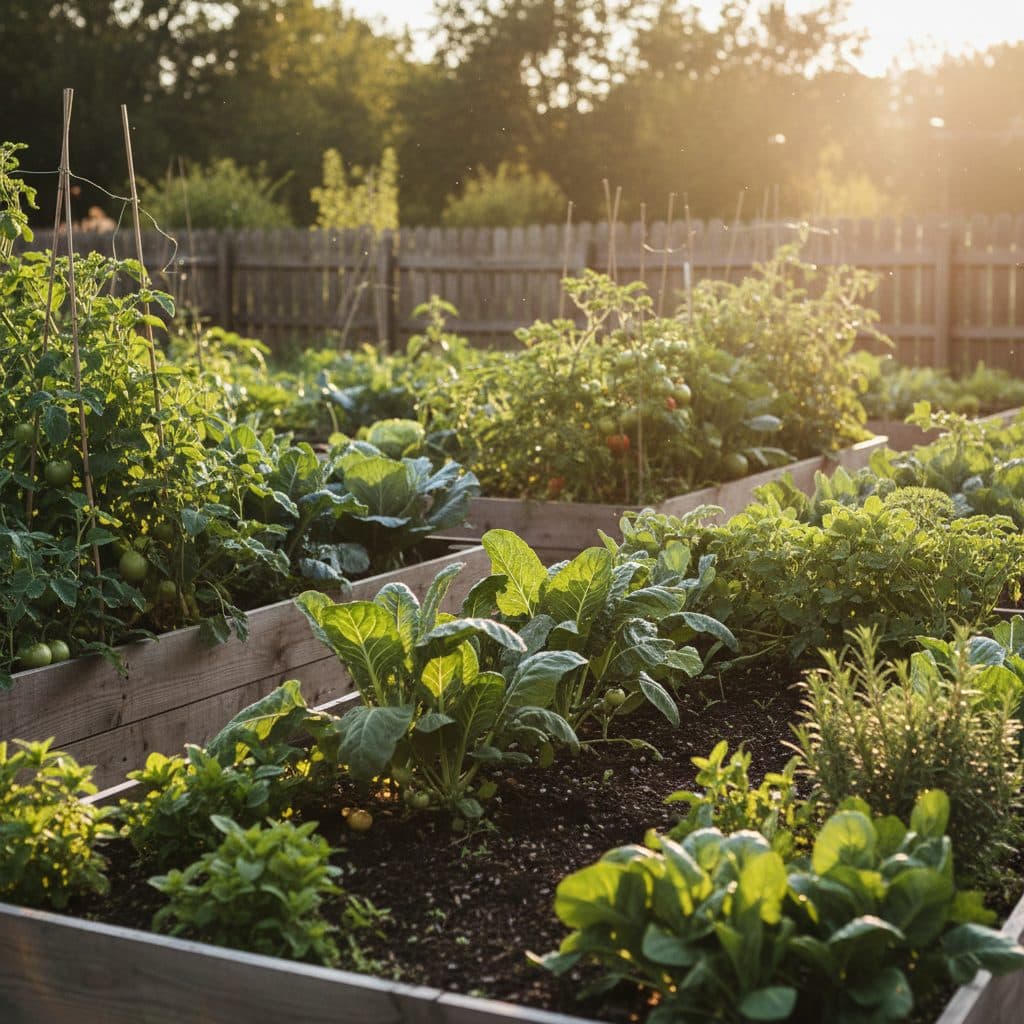
Key takeaways
- USDA Zones 3-4 experience a short growing season, typically 90 to 120 frost-free days, often with a last frost in late May and first frost in early September.
- Crop rotation, using a 3-year or 4-year cycle, is essential for managing soil-borne diseases and maintaining nutrient balance in your garden beds.
- Succession planting maximizes harvest potential by staggering plantings of quick-maturing crops every 2-3 weeks during the peak growing season.
- Indoor seed starting 6-12 weeks before the last frost date matters for warm-season crops like tomatoes and peppers in northern climates.
- Season extension techniques, such as cold frames and row covers, can add 2-4 weeks to both the beginning and end of the growing season.
- Fall planting of garlic and cover crops in October helps prepare beds for the next season and improves soil health over winter.
Quick answer: To succeed in Zone 3-4 gardening with short seasons, growers must employ strategies like crop rotation, succession planting, indoor seed starting, and season extension techniques. These practices maximize yields and maintain soil health within the limited 90-120 frost-free day window.
Gardening in USDA Zones 3 and 4, which encompass much of the Upper Midwest and Northern New England, presents unique challenges and rewards. With a growing season that can be as short as 90 to 120 frost-free days, growers in areas like northern Minnesota or inland Maine must be strategic to ensure a bountiful harvest. The average last spring frost often occurs between May 20th and June 1st, while the first fall frost can arrive as early as September 10th.
Successfully navigating these shorter seasons requires a thoughtful approach, integrating practices like crop rotation, succession planting, and diligent season extension. This calendar provides a month-by-month guide, grounded in the realities of a northern climate, to help you make the most of every precious day in your Zone 3-4 garden. We’ll focus on practical steps and reliable techniques to build soil health and maximize your yields, year after year.
understanding zone 3-4 challenges and core strategies
The defining characteristic of gardening in USDA Zones 3 and 4 is the abbreviated growing window. With average annual minimum temperatures ranging from -40°F to -30°F in Zone 3 and -30°F to -20°F in Zone 4, winter is long and cold. This means a compressed period for plant growth, typically just three to four months of frost-free weather, which necessitates careful planning and reliable strategies. For instance, in northern Wisconsin, the average last frost date is often around May 25th, significantly later than in more temperate zones.
the role of crop rotation for soil health
Crop rotation is fundamental for maintaining soil fertility and managing pests and diseases in any garden, but it’s especially important where the season is short and intensive use of beds is common. By rotating plant families — such as brassicas, legumes, alliums, and solanaceous crops — across different beds over a 3-year or 4-year cycle, you can break pest and disease cycles that might otherwise build up in the soil. For example, following a heavy feeder like corn with peas gives the bed a break from that crop’s nutrient demand, and the pea residue returns a modest amount of nitrogen if you leave the roots and tops in place. This practice also helps prevent nutrient depletion, as different plants draw varying amounts of specific nutrients from the soil. Living mulches and cover crop legumes can also help this process.
- Disease prevention: Reduces the buildup of specific pathogens in the soil.
- Pest management: Interrupts the life cycles of insect pests that overwinter in the soil.
- Nutrient cycling: Balances nutrient uptake and replenishment by different plant families.
- Weed suppression: Can be integrated with cover cropping to outcompete weeds.
- Soil structure: Improves overall soil tilth and organic matter over time.
january to april: planning and early starts
The winter months in Zone 3-4 matter for planning. January and February are ideal for reviewing last year’s garden notes, ordering seeds, and performing soil tests. A soil test every 3-5 years provides data on nutrient levels and pH, which ideally should be between 6.0 and 7.0 for most vegetables. Early spring, typically March, marks the beginning of indoor seed starting for many crops that require a long growing season or a head start before the last frost, which can be as late as May 30th in northern Michigan.
indoor seed starting for zone 3-4 success
For gardeners in these northern zones, indoor seed starting isn’t just an option; it’s often a necessity. Tomatoes need 6-8 weeks indoors before transplanting; peppers and eggplants are slower and want 8-10 weeks. Onions and leeks can benefit from 10-12 weeks under lights. Using a 24-cell seedling propagation tray with a dome can significantly improve germination rates and seedling vigor. By April, you should be hardening off early-started plants like broccoli and cabbage, exposing them gradually to outdoor conditions over 7-10 days before transplanting. Direct sowing of very cold-hardy crops like spinach, radishes, and lettuce can begin 4-6 weeks before the last expected frost, often under row covers to protect against late freezes.
- January: Order seeds, plan garden layout for crop rotation, perform soil tests for nutrient analysis.
- February: Start long-season crops like onions and leeks indoors, 10-12 weeks before transplant.
- March: Start tomatoes indoors 6-8 weeks before transplant, and peppers and eggplants 8-10 weeks before transplant.
- April: Harden off cool-season crops; direct sow spinach, radishes, and peas 4-6 weeks before last frost.
may to august: peak season production and succession
May marks the true beginning of the outdoor growing season in Zone 3-4. After the average last frost date, which might be May 25th in parts of Vermont, it’s safe to transplant warm-season crops like tomatoes, peppers, and squash. Direct sowing of beans, corn, and cucumbers can also commence. Protecting young plants from unexpected cold snaps with temporary covers is still a good idea, as temperatures can fluctuate by 15-20°F in a single day.
maximizing yield with succession planting
Succession planting is a key strategy for maximizing harvests in a short season. Instead of planting all your lettuce or radishes at once, sow small batches every 2-3 weeks from May through July. This ensures a continuous supply of fresh produce rather than a single, overwhelming harvest. For example, a gardener in northern New York might plant a row of bush beans in late May, another in mid-June, and a final one in early July, so there are fresh beans for several weeks. After harvesting early crops like spinach or radishes, immediately replant the bed with another quick-maturing crop or a cover crop to improve soil health. Consider living mulches to suppress weeds and add organic matter.
- May: Transplant warm-season crops after the last frost; direct sow corn, beans, and cucumbers.
- June: Continue succession planting of lettuce, radishes, carrots, and bush beans every 2-3 weeks.
- July: Harvest early crops; set out broccoli and cabbage transplants started indoors in June, early enough to head before mid-September frosts.
- August: Continue harvesting; prepare beds for fall planting by adding 1-2 inches of compost.
september to december: fall harvest and winter preparation
As September arrives, the threat of the first fall frost becomes real, often around September 15th in many Zone 3-4 areas like northern New Hampshire. This is the time to prioritize harvesting all remaining warm-season crops. Season extension techniques, such as row covers or cold frames, can provide an additional 2-4 weeks of growing time for cool-season crops like kale, spinach, and Swiss chard, allowing them to mature fully. Root crops like carrots and potatoes can often remain in the ground until a hard freeze, typically when temperatures drop below 28°F for several hours.
preparing beds for winter and next spring
October is prime time for planting garlic, which needs a stretch of cold weather — vernalization — to produce large, well-divided bulbs. Plant individual cloves 3-4 inches deep and 6 inches apart, about 4-6 weeks before the ground freezes solid, then mulch the bed with 4-6 inches of straw or shredded leaves once the soil has chilled. In Zone 3-4 that mulch is what keeps cloves from being heaved out of the ground by winter freeze-thaw. This usually means planting by mid-October in Zone 3. It’s also a good time to sow winter rye on empty beds; rye germinates in cold soil and is the most reliable overwintering cover crop this far north. Hairy vetch needs to go in by early September to establish before hard freeze. These crops protect the soil from erosion, suppress weeds, and add organic matter when turned in or cut down in spring. For long-term planning, consider perennial edible greens that can overwinter. By December, with the ground likely frozen solid, focus shifts to tool maintenance, seed inventory, and planning for the next gardening season, perhaps sketching out a new 4-year crop rotation plan.
- September: Harvest all warm-season crops before the first frost; use row covers for cool-season crops.
- October: Lift the last carrots, beets and potatoes before the ground freezes hard; plant garlic 4-6 weeks before the ground freezes and mulch it; sow winter cover crops on empty beds.
- November: Apply a 2-4 inch layer of mulch to perennial beds for winter protection; in most of Zone 3-4 the ground is freezing hard by now, so anything still in the soil should already have been lifted.
- December: Clean and store tools; review seed inventory; plan next year’s garden layout and crop rotations.
Cold-Hardy Vegetables for Zone 3-4
Crop | Frost Tolerance | Days to Maturity (from direct sow) | Optimal Planting Time (Zone 3-4) |
|---|---|---|---|
Spinach | Very Hardy (to 15°F) | 30-45 days | Early April, Late August |
Radishes | Hardy (to 20°F) | 25-30 days | Early April – Mid-July (succession) |
Kale | Very Hardy (to 10°F) | 50-75 days | Late April (transplant), Mid-July (direct sow) |
Carrots | Hardy (to 15°F) | 60-80 days | Late April – Mid-June (succession) |
Peas | Hardy (to 25°F) | 55-70 days | Early April – Mid-May |
Broccoli | Hardy (to 25°F) | 60-90 days | Late April (transplant); for fall, set out transplants started indoors in June |
Last Frost Date: In USDA Zones 3-4, the average last spring frost often falls between May 20th and June 1st, requiring patience for warm-season crop planting.
Growing Season Length: Gardeners in these northern zones typically experience a frost-free growing season of just 90 to 120 days, necessitating efficient planning and quick-maturing varieties.
Frequently asked questions
When is the best time to start seeds indoors for Zone 3-4?
For most warm-season crops like tomatoes and peppers, start seeds indoors 6-8 weeks before your average last frost date, which is typically late May in Zone 3-4. Longer-season crops such as onions and leeks may need 10-12 weeks indoors.
What is the average last frost date for USDA Zone 3-4?
The average last frost date for USDA Zone 3-4 generally falls between May 20th and June 1st. However, microclimates can cause this to vary by up to 10 days, so consult local resources for precise dates in your area.
How can I extend my growing season in Zone 3-4?
You can extend your growing season by 2-4 weeks using techniques like cold frames, row covers, and low tunnels. These structures protect plants from early spring and late fall frosts, allowing for earlier planting and later harvesting.
What are good cover crops for Zone 3-4 winters?
The most reliable winter cover crop for Zone 3-4 is winter rye, which germinates in cold soil and survives the coldest winters. Hairy vetch is worth trying in Zone 4 if you sow it by early September, but it is marginal in Zone 3. Crimson clover is not winter-hardy at Zone 3-4 minimums and will normally winterkill, so treat it as a fall green manure rather than an overwintering cover.
How often should I rotate my crops in Zone 3-4?
A 3-year or 4-year crop rotation cycle is recommended for Zone 3-4 gardens. This helps to prevent the buildup of soil-borne diseases and pests and ensures a balanced use of soil nutrients, leading to healthier plants and better yields.
References
- USDA Natural Resources Conservation Service (2024). USDA Natural Resources Conservation Service.