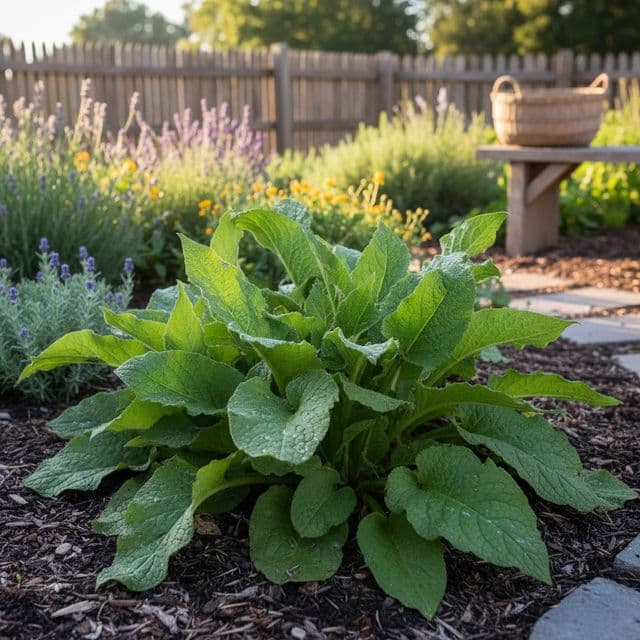
Growing Comfrey for Medicinal Use: USDA Zones 3-9 Homesteading
Learn to grow comfrey (Symphytum officinale) for medicinal use in USDA zones 3-9. Discover cultivation, harvesting, and safe external applications for your home apothecary.
Tag
456 articles in this tag on agripure. — page 17 of 19
Learn to grow comfrey (Symphytum officinale) for medicinal use in USDA zones 3-9. Discover cultivation, harvesting, and safe external applications for your home apothecary.
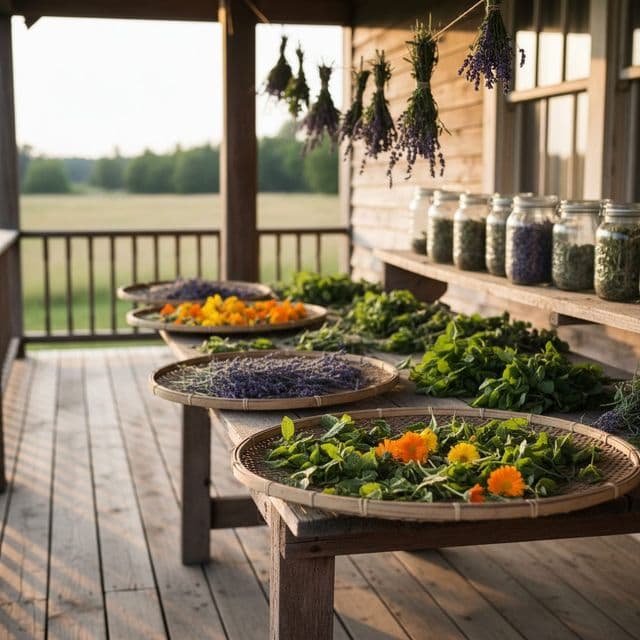
Learn essential techniques for harvesting, drying, and storing medicinal herbs to maximize potency. Our guide covers optimal timing, methods, and storage tips for effective medicinal herb preservat…
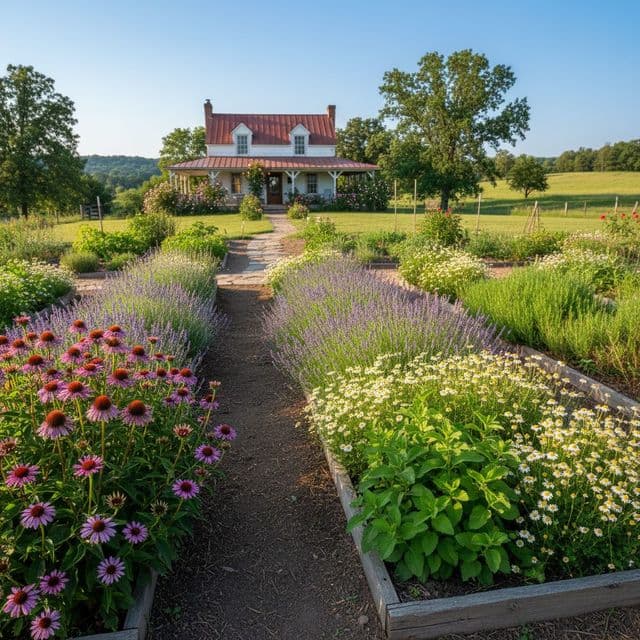
Cultivating a medicinal herb garden provides ingredients for immune-boosting and calming teas. Twelve herbs thrive across USDA zones 4-9, with straightforward methods for growing, drying, and blend…
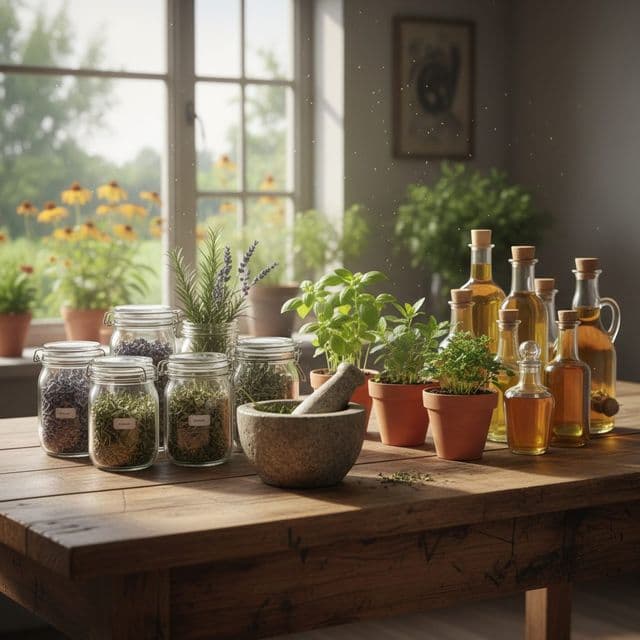
Discover how to cultivate a medicinal herb garden in USDA Zone 6 for effective home remedies. Learn to make infused honeys, oils, and syrups for wellness.
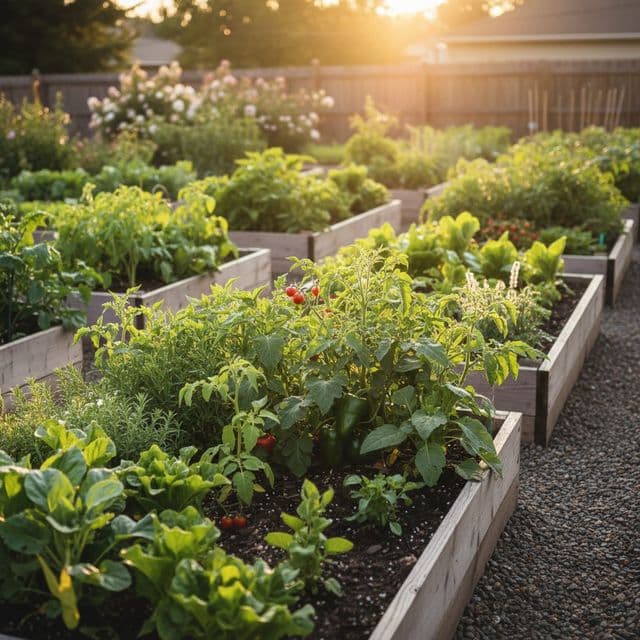
Making herbal salves and balms from a USDA Zone 6 garden turns medicinal plants like calendula into additive-free skin remedies, reducing reliance on commercial products.
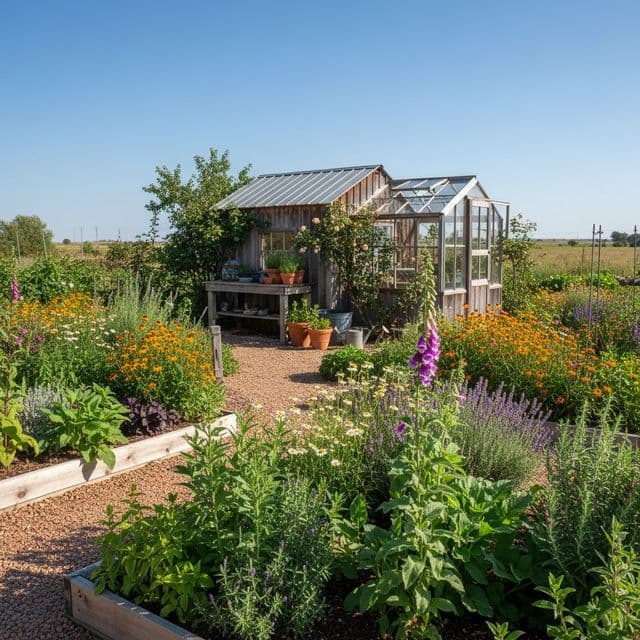
Cultivate a thriving medicinal herb garden in your backyard. Learn how to select, plant, and preserve 15+ useful species across USDA zones 4-9 for a home apothecary.
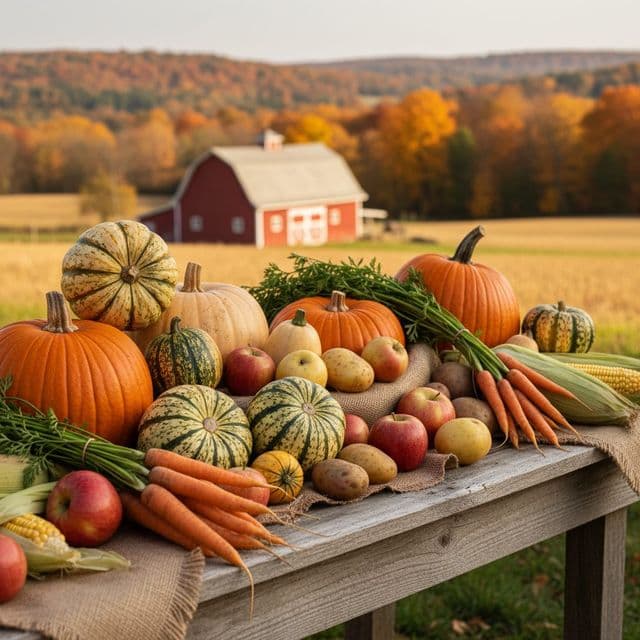
Techniques for handling garden gluts in USDA Zone 6, including fermenting, dehydrating, curing, and root cellar storage to extend the harvest and prevent waste.
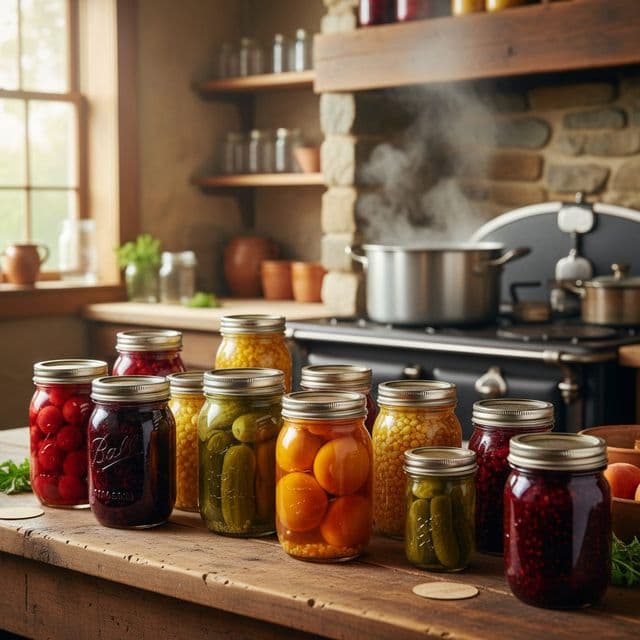
Master safe canning practices for water-bath and pressure canning. Learn essential tips to preserve fruits, vegetables, and meats, avoiding botulism and common mistakes.
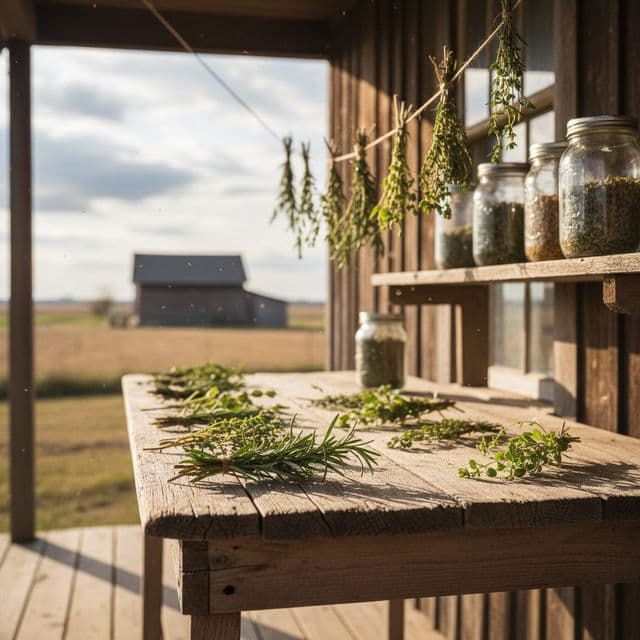
Learn how to dry garden herbs and aromatics for peak flavor & potency. Discover optimal harvesting, air drying, and dehydrator techniques to preserve your harvest and save money.
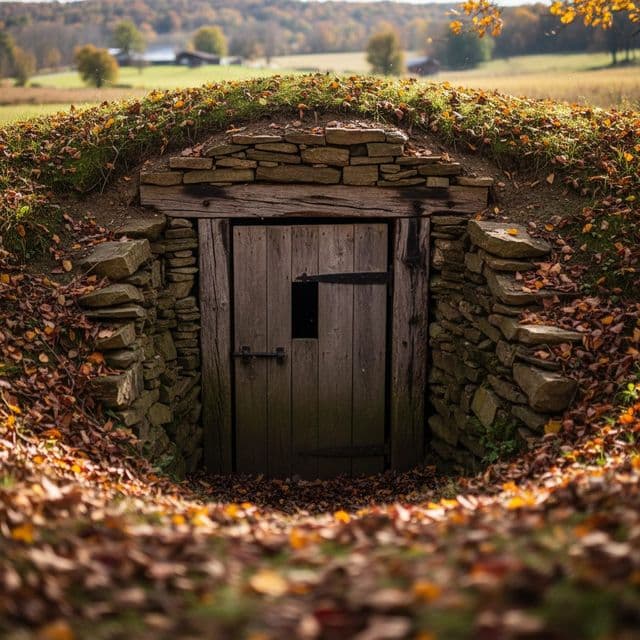
Store harvested crops for up to 10 months in USDA Zone 6 using no-power root cellaring techniques that regulate temperature, humidity, and ventilation.
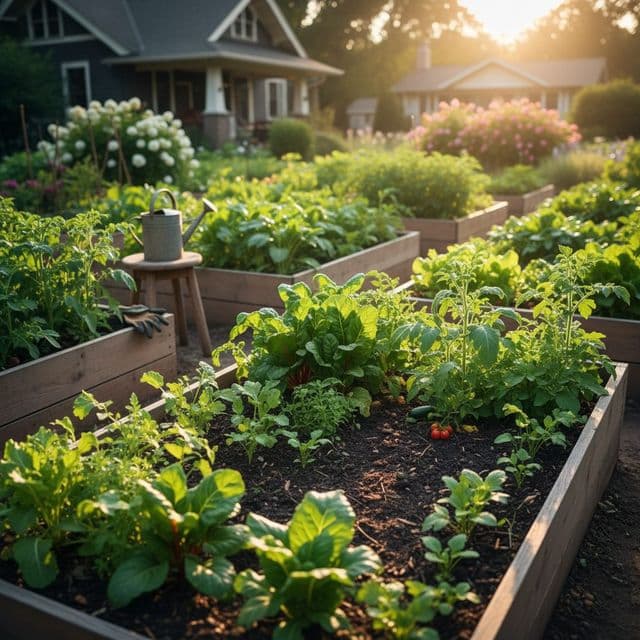
Learn how to successfully overwinter container gardens in USDA Zones 3-7. Discover insulation techniques, ideal locations, and care tips to protect plants from cold and ensure year-round health.
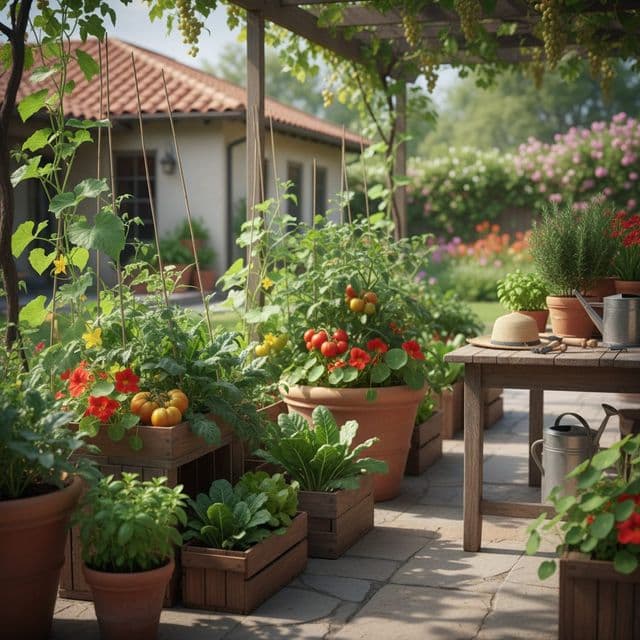
Master container gardening in US summer heat. Learn expert tips for watering, soil, container choice, and shade to keep your potted plants thriving and productive, even above 90°F.
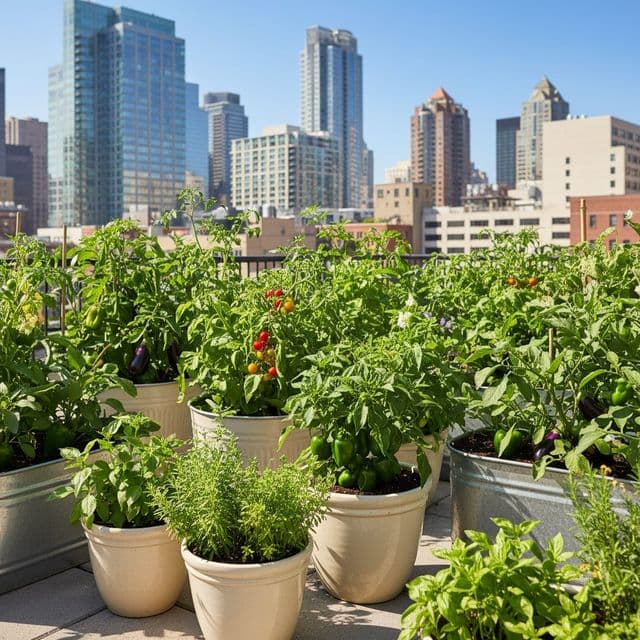
Master hot weather container gardening on rooftops & patios. Learn container choice, drainage, and potting mix to keep plants thriving even above 90°F. Beat the heat!
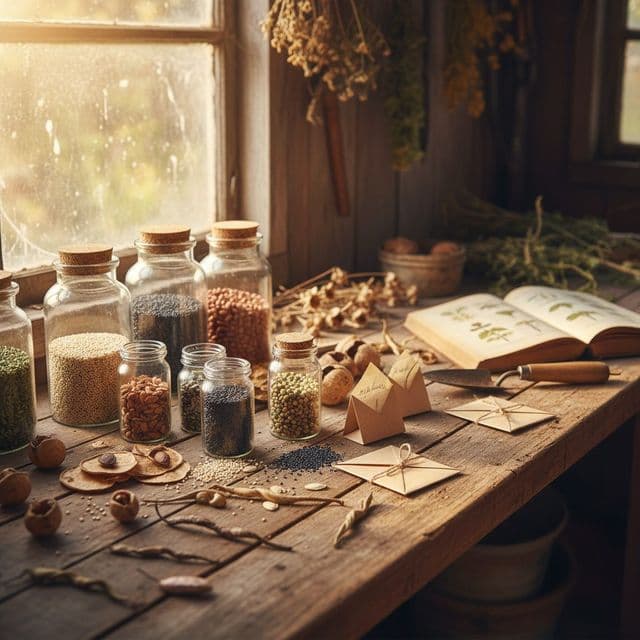
Learn essential seed saving techniques for high viability. Discover drying, storage, and germination testing methods for brassicas & other crops in USDA Zone 5.
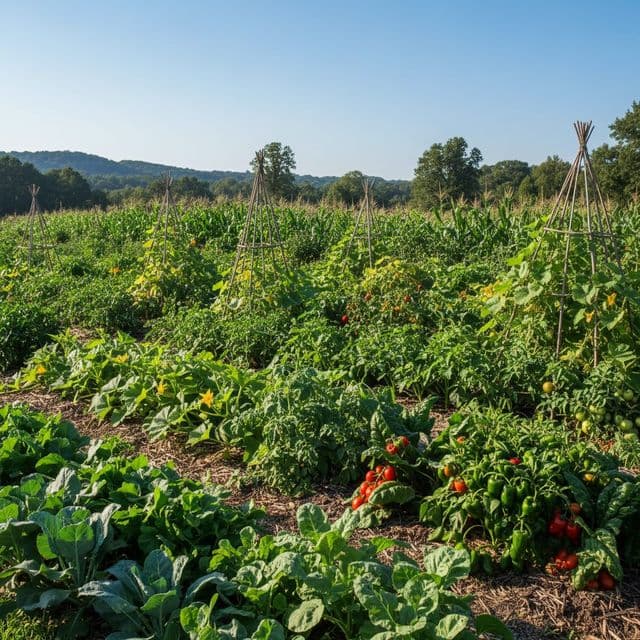
Master succession planting and crop rotation to keep your US garden productive all summer. Learn strategies for heat-tolerant crops, soil health, and continuous harvests in challenging climates.
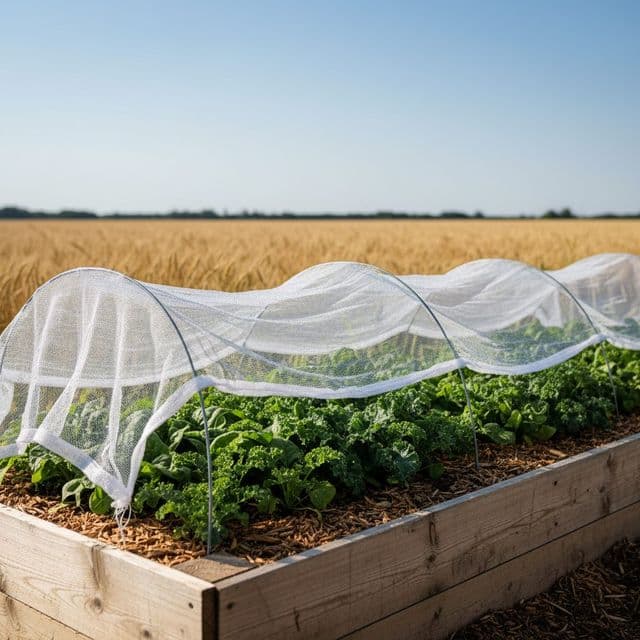
Extend your garden’s harvest by midsummer sowing cool-season crops like spinach & kale in USDA Zones 5-9. Master crop rotation & succession planting for fall & winter yields.
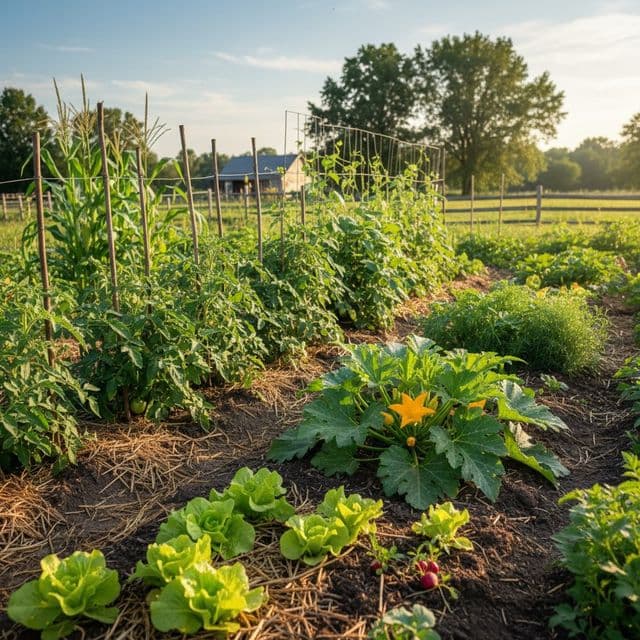
Master Succession Planting to maximize your garden space and enjoy continuous harvests in USDA Zone 6. Learn strategies for staggering crops, improving soil health, and extending your growing season.
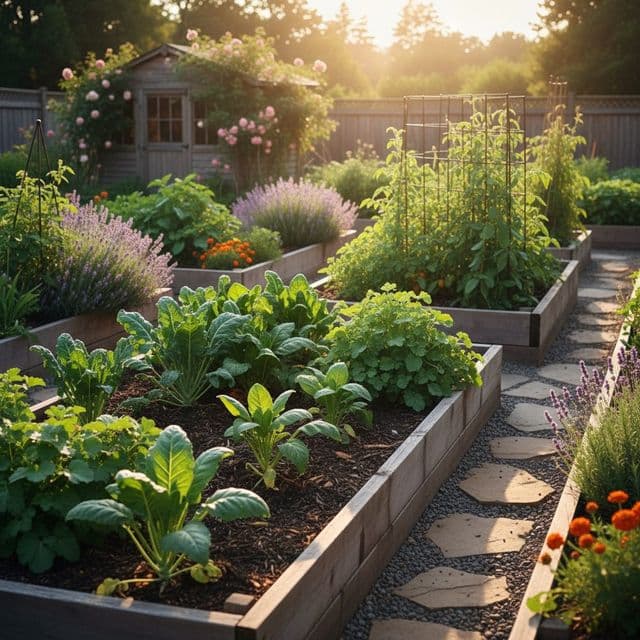
Boost your USDA Zone 6 home garden yield with 3- and 4-bed crop rotation plans. Learn how to improve soil, reduce pests, and extend harvests for a productive garden.
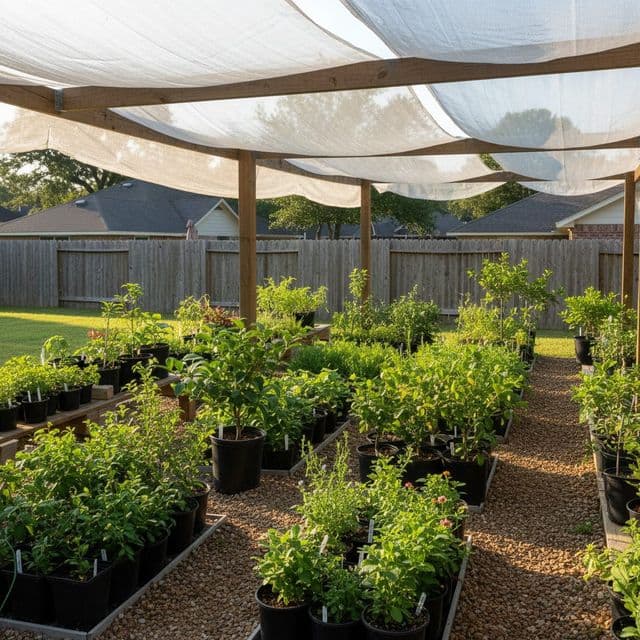
Learn how to start a profitable backyard plant nursery. This guide covers planning, propagation, and sales strategies to achieve 30%+ profit margins, especially in USDA Zone 6.
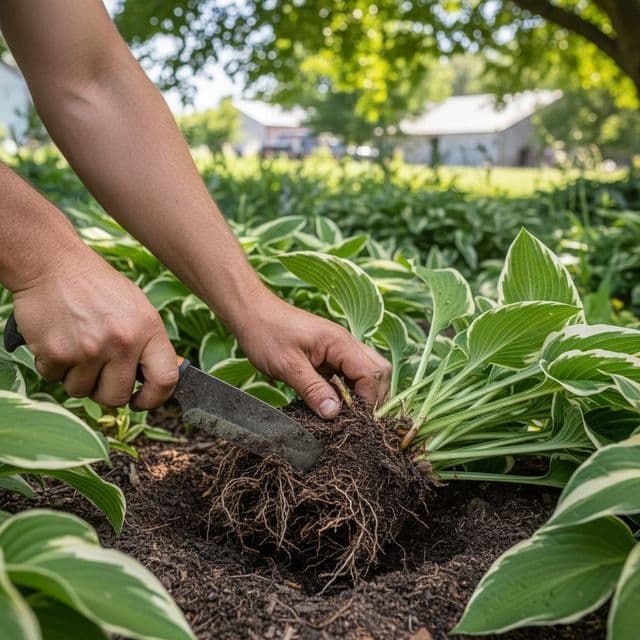
Learn how to multiply your garden stock for free by dividing perennials. Boost vigor, blooms, and save money. Essential tips for USDA Zone 6 gardeners on timing and techniques.
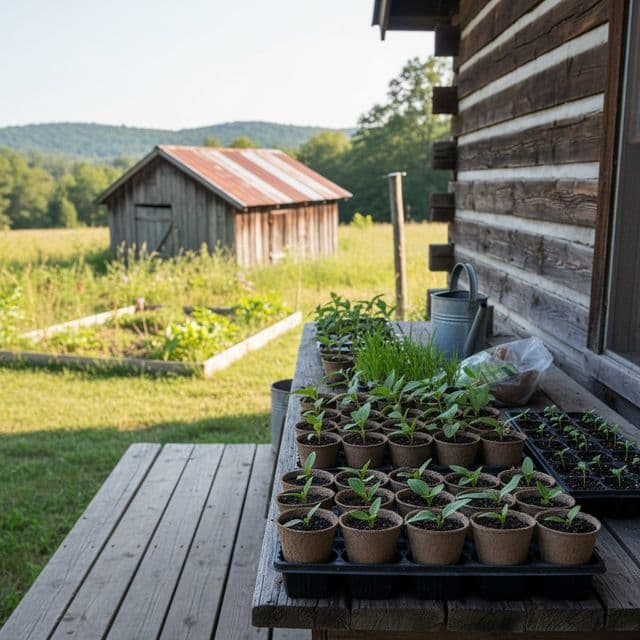
How to break seed dormancy using stratification and scarification for native US plants and fruit seeds to improve germination in USDA Zone 6 and beyond.
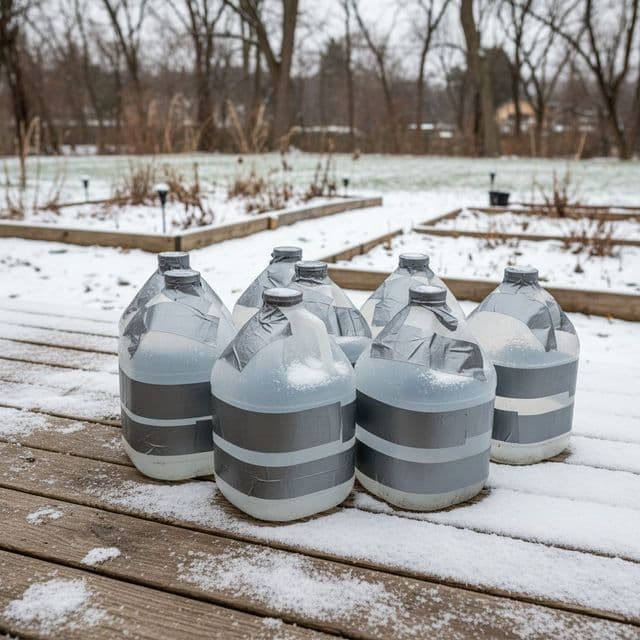
Master winter sowing to start seeds up to 8 weeks earlier in USDA Zone 6. Create mini-greenhouses from milk jugs for hardy seedlings, saving money on grow lights.
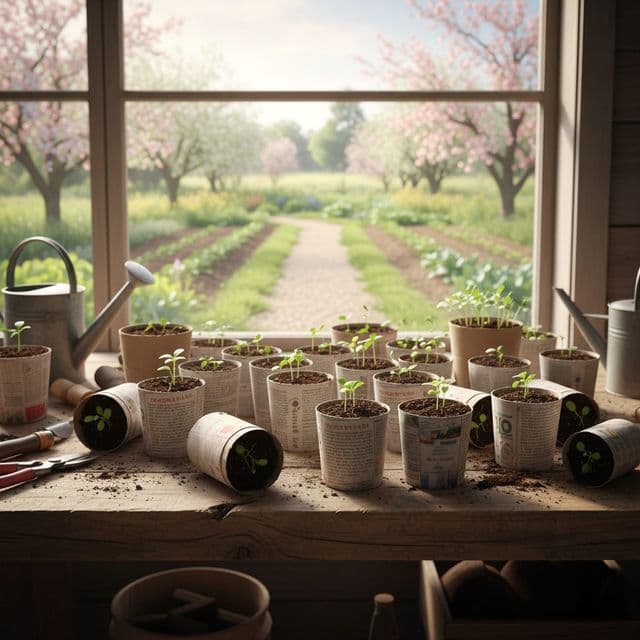
Making your own seed starting mix and pots costs under $10. DIY methods reduce costs, cut waste, and support seedling health in any USDA zone.
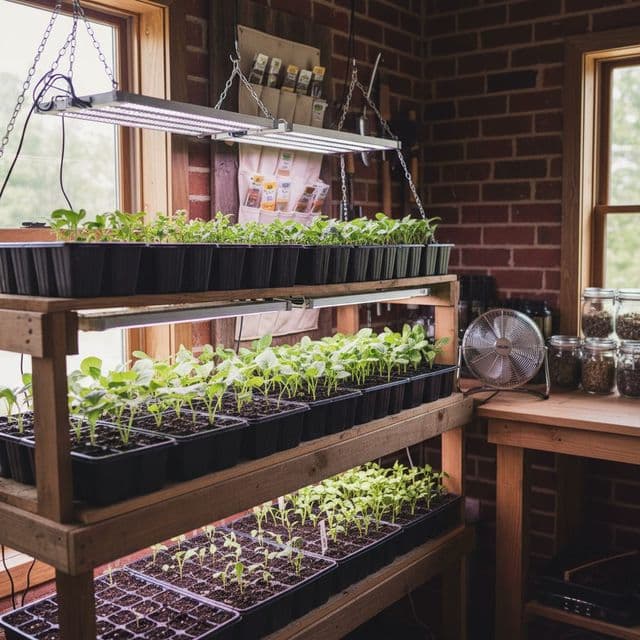
Learn how to prevent and cure damping-off in seedlings for a high success rate. Discover symptoms, sanitation tips, proper seed-starting mix, and environmental controls to protect your young plants.