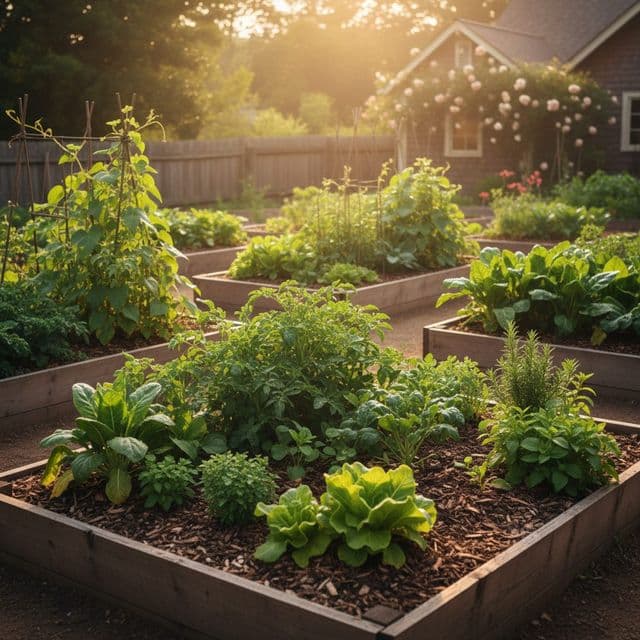
Swale berms: boost water retention & yields in arid zones
Planting on swale berms boosts water retention, enriches soil with nitrogen-fixers, and supports fruit trees in arid zones.
Tag
456 articles in this tag on agripure. — page 16 of 19
Planting on swale berms boosts water retention, enriches soil with nitrogen-fixers, and supports fruit trees in arid zones.
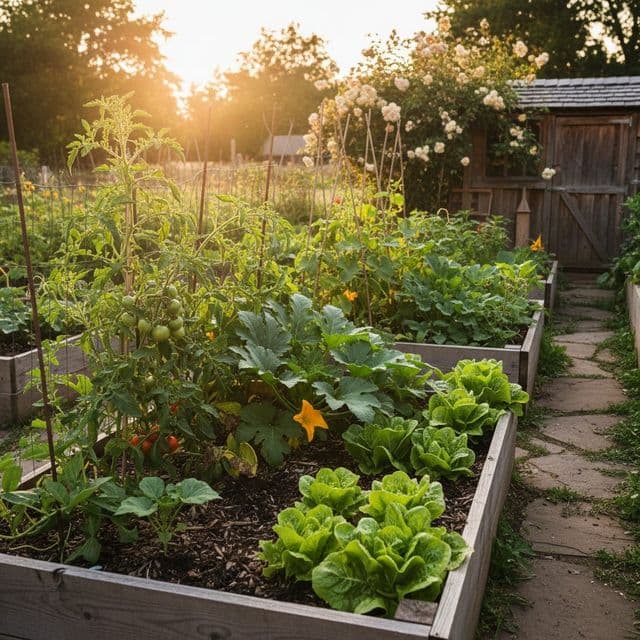
Learn how to size swales for different rainfall amounts, from arid Arizona to humid Florida. Optimize your swale design for water harvesting and soil health in any climate.
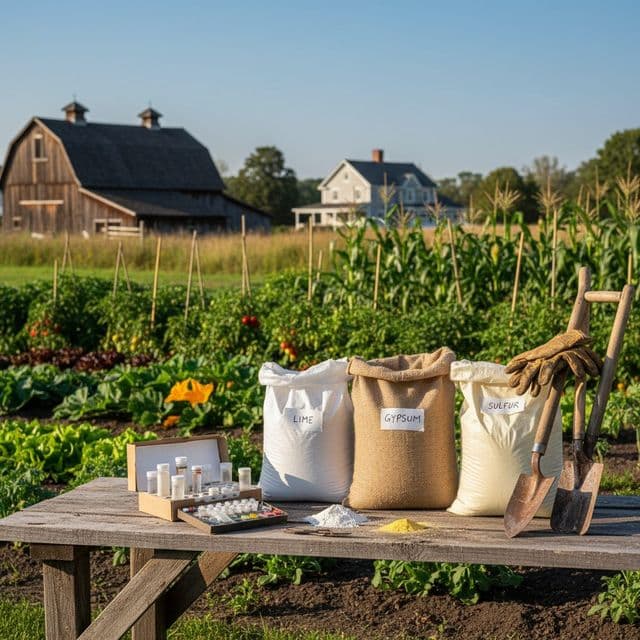
How gypsum, lime, and sulfur improve soil structure and pH based on soil test results in USDA Zone 6.
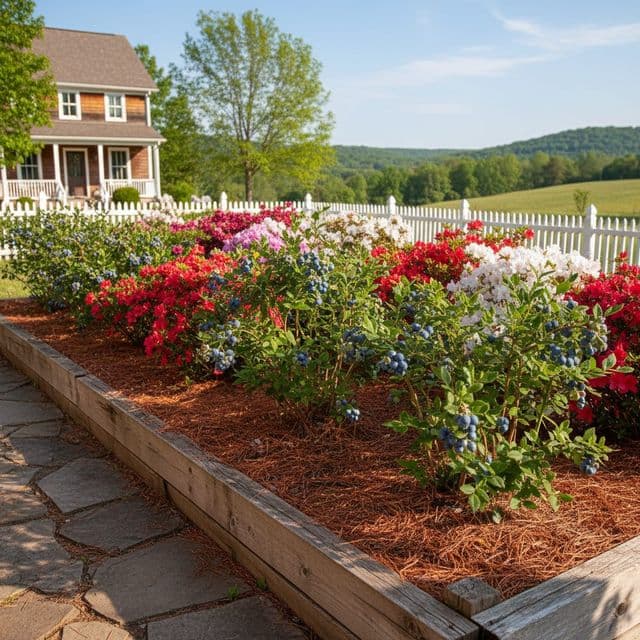
Learn organic methods to achieve ideal acidic soil for blueberries and azaleas in USDA Zone 7. Use compost, vermicompost, and biochar to lower pH naturally.
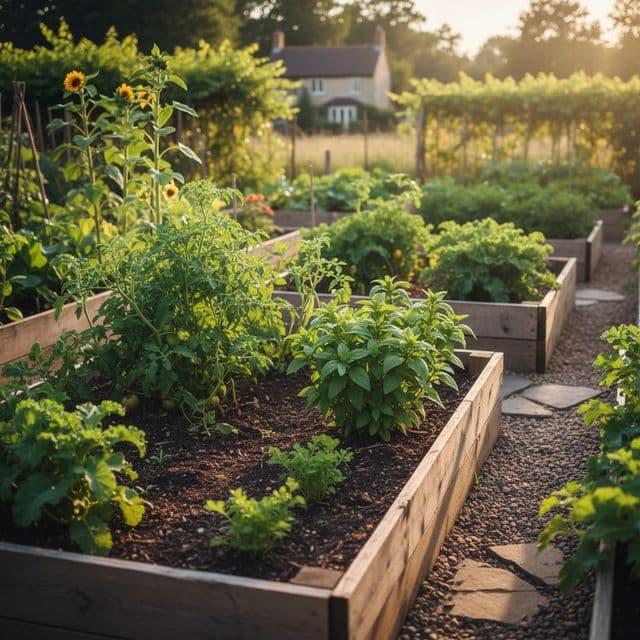
Transform sandy soil in coastal Florida. Learn DIY strategies using compost, vermicompost, and biochar to boost water retention, nutrient levels, and plant health. Essential for homesteaders.
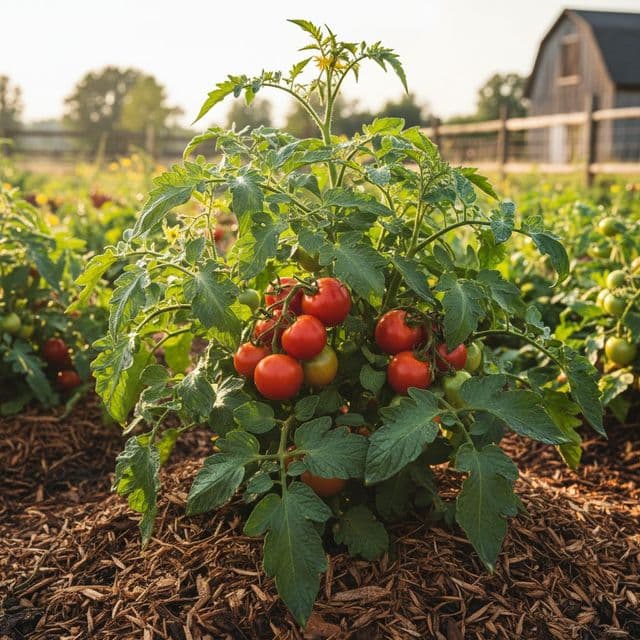
Uncover the truth about Epsom salt for tomatoes & peppers. Learn when magnesium sulfate is truly beneficial, why soil testing is critical, and avoid nutrient imbalances.
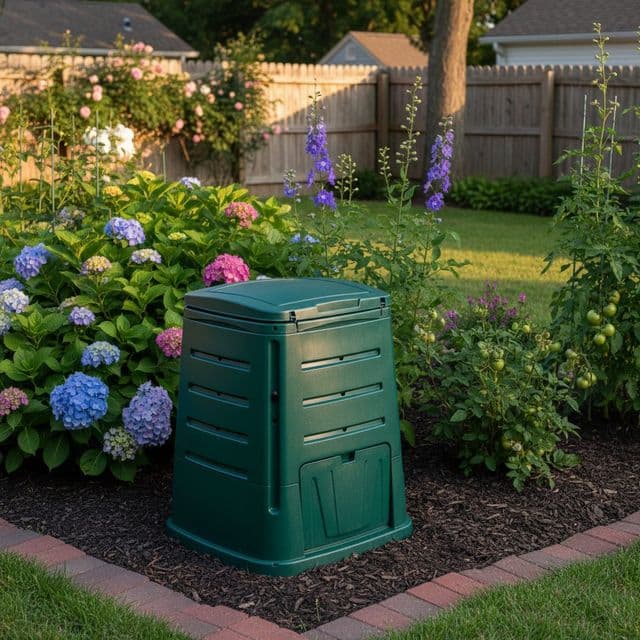
Learn how to prevent rats, raccoons, and flies from invading your compost pile. Discover effective strategies for compost pest control, including bin construction, material management, and site sel…
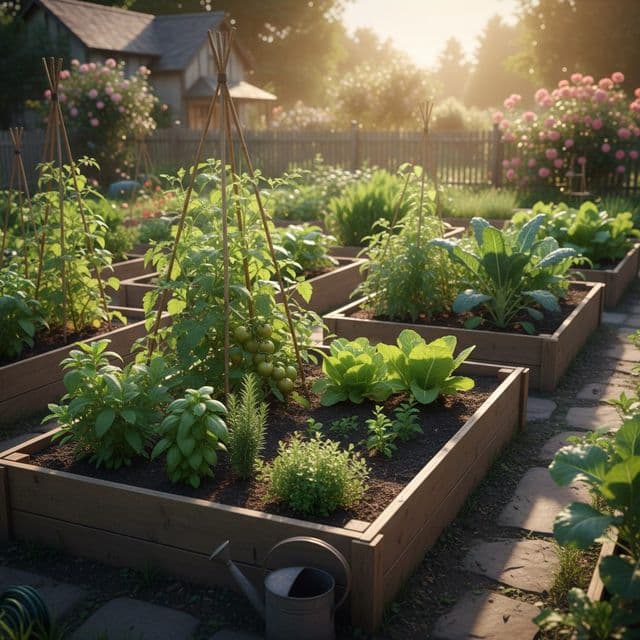
Troubleshoot why your compost pile isn’t heating up or breaking down in USDA Zone 6. Learn to balance C:N, moisture, and aeration to restart decomposition and create rich soil.
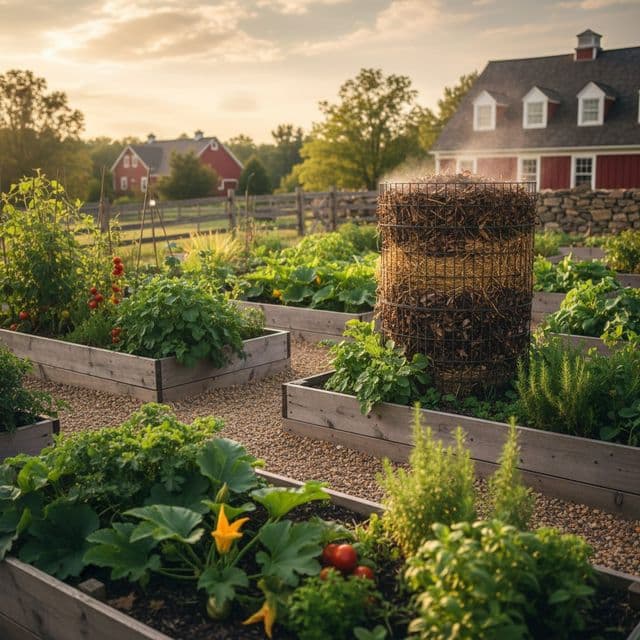
Discover how sourcing free manure from local US farms can boost your garden’s soil fertility and crop yields. Learn safe composting, sourcing tips, and benefits for homesteaders.
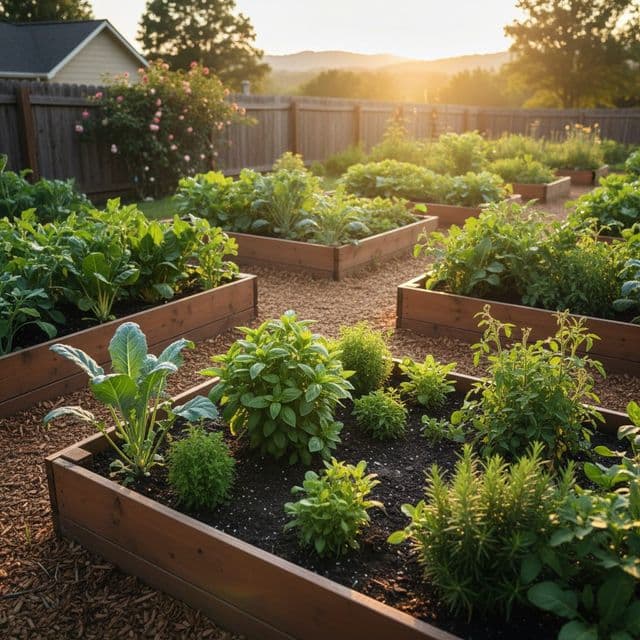
How shredding autumn leaves with a mower or shredder turns yard waste into nutrient-rich soil, reducing volume, improving soil structure, and boosting fertility in USDA Zone 6 gardens.
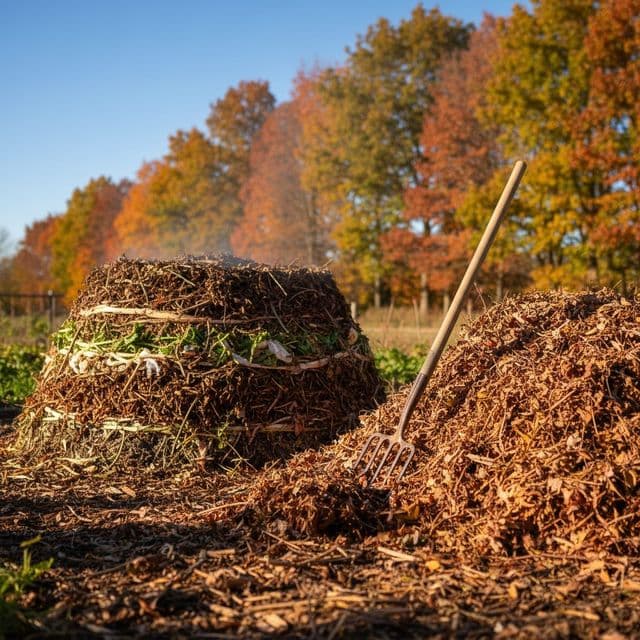
Learn how to speed up leaf mold production for your garden. Discover techniques like shredding, maintaining moisture, and the bag method to create rich soil amendment in USDA Zone 6.
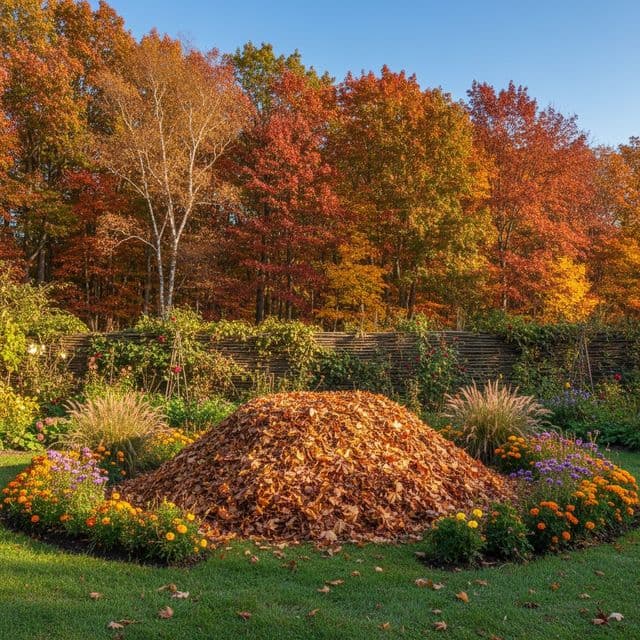
Make rich leaf mold for your garden. Learn best US tree leaves (oak, maple) and avoid black walnut/eucalyptus to boost soil health, water retention & microbes.
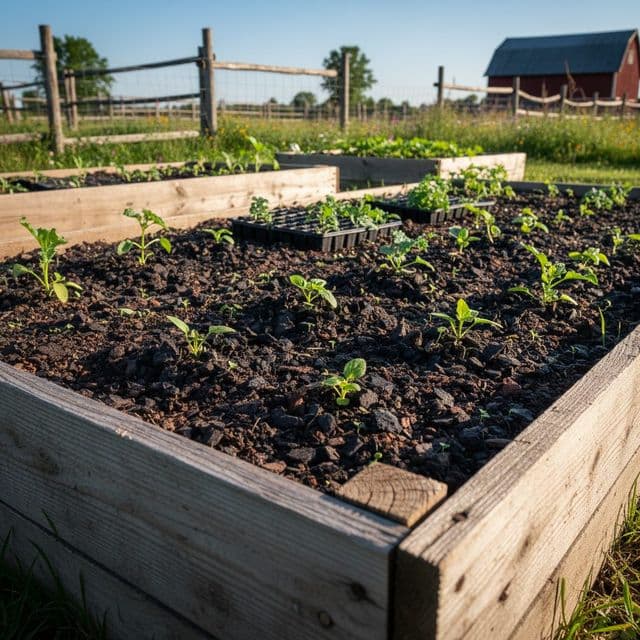
How to use biochar in raised beds, containers, and compost to improve water retention, nutrient cycling, and plant health in your garden.
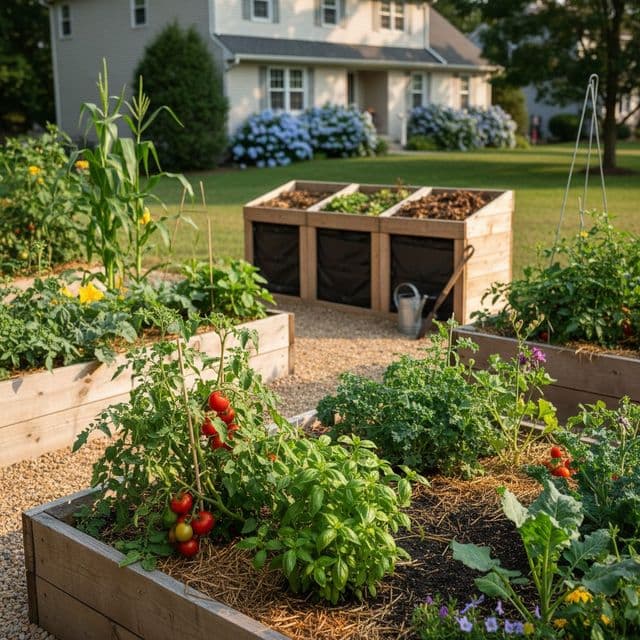
How to make biochar at home using top-lit updraft (TLUD) and cone-kiln methods, including quenching, charging with nutrients, and soil application in USDA Zone 6 gardens.
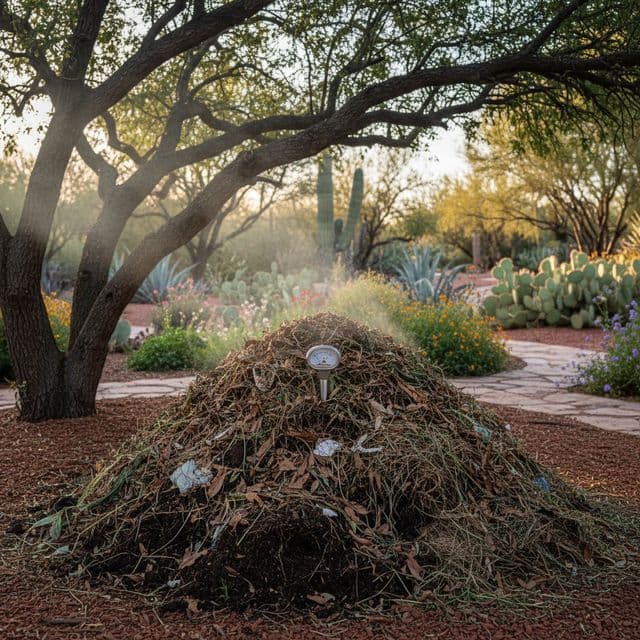
Master desert composting in USDA zones 8-10. Learn essential strategies for moisture retention, shade, and temperature regulation to create nutrient-rich humus in arid climates.
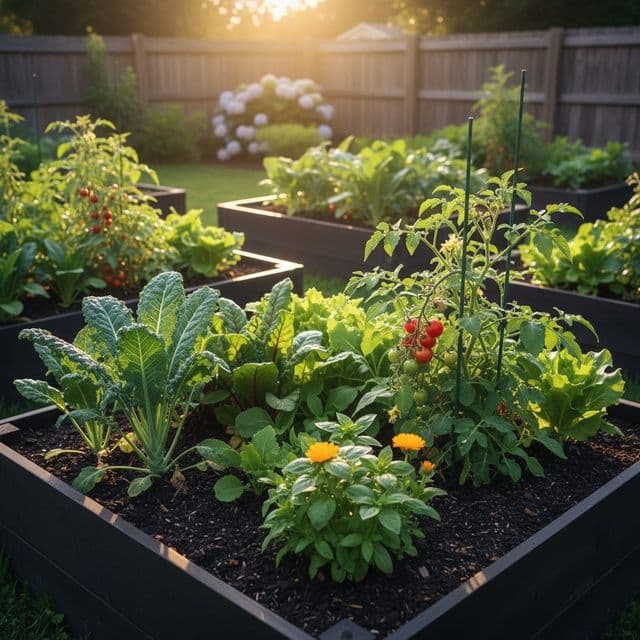
Master Midwest winter composting in USDA zones 4-6. Learn to insulate piles, maintain 30:1 C:N ratios, and use vermicomposting for nutrient-rich soil year-round.
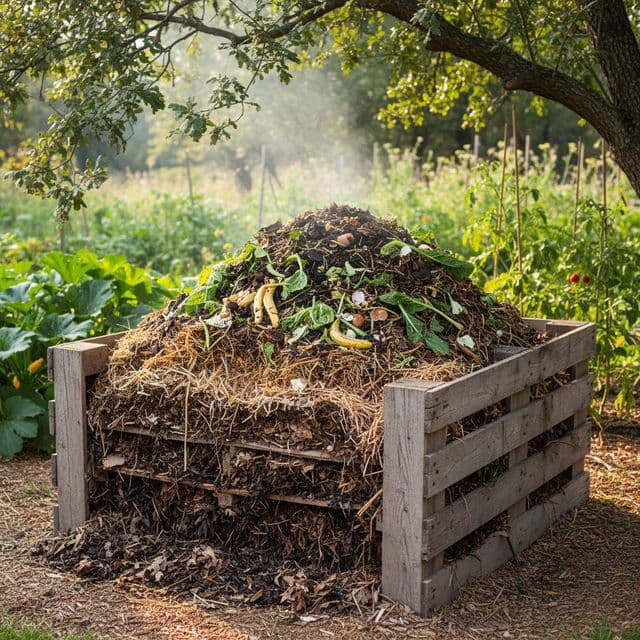
Discover cold composting, a low-effort method to create nutrient-rich soil. Learn how passive composting works, its benefits, and how to set up your pile for success in USDA zones 4-10.
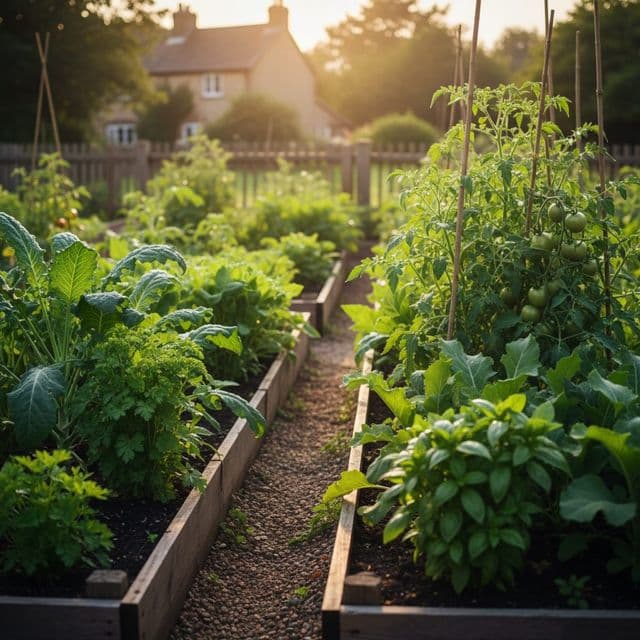
Learn how to manage apartment composting in Phoenix, AZ, even in a small 500 sq ft space. Discover vermicomposting, bokashi, and biochar to reduce organic waste by up to 35% and create compost for…
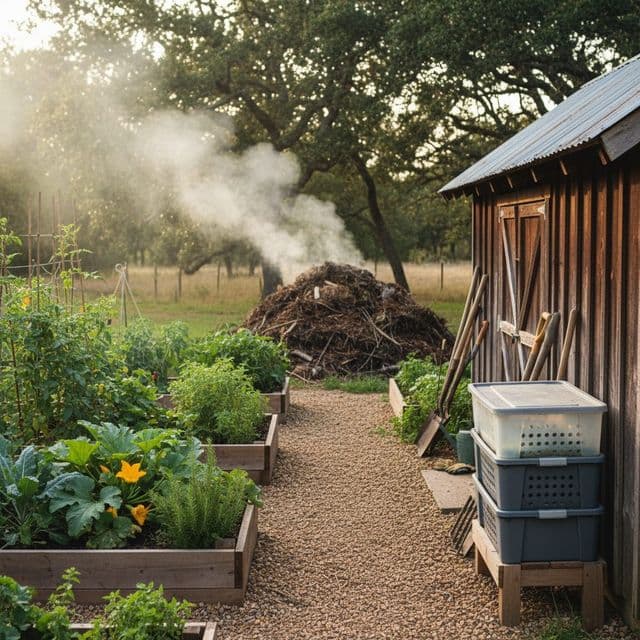
How vermicompost compares with traditional compost for soil organic matter, nutrient availability, and water retention in vineyards and garden beds.
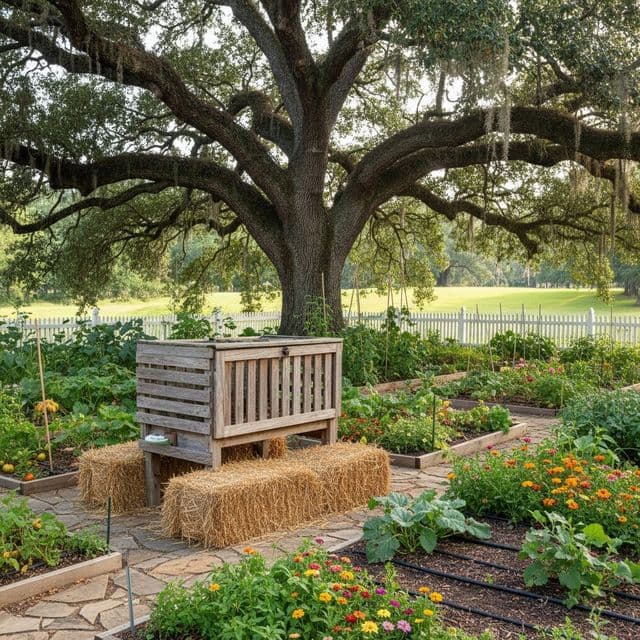
Learn essential strategies for worm bin cooling in Southern US zones 8-10 during summer. Protect red wigglers from extreme heat with placement, moisture, insulation, and biochar tips.
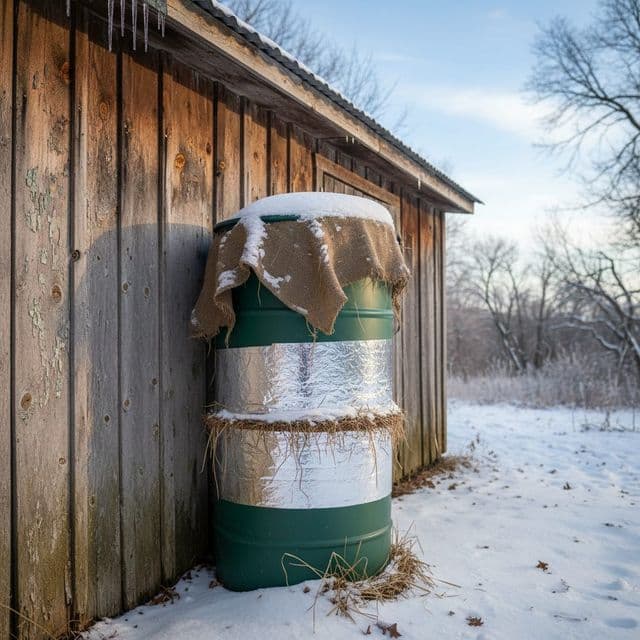
Learn how to keep your outdoor worm bin thriving through a USDA Zone 3 winter. Discover insulation techniques, feeding adjustments, and location tips for successful cold-weather vermicomposting.
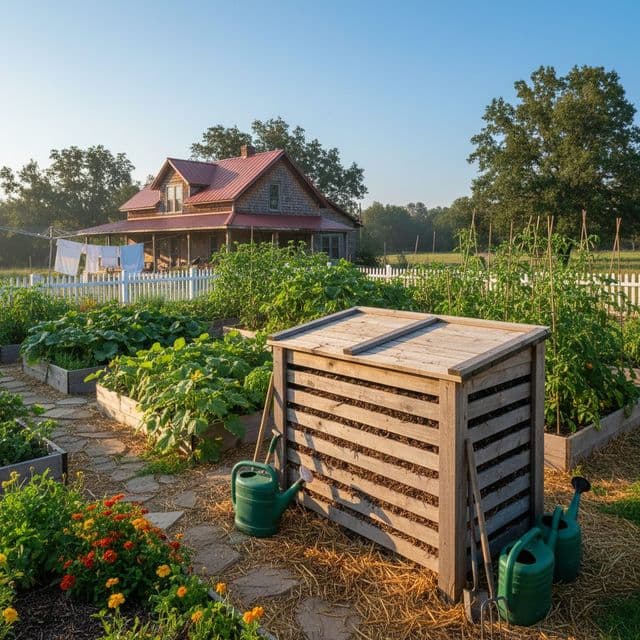
Tackle common worm bin problems like fruit flies, odors, and mold in USDA Zone 6. Learn practical solutions for moisture, feeding, and aeration to keep your vermicompost thriving.
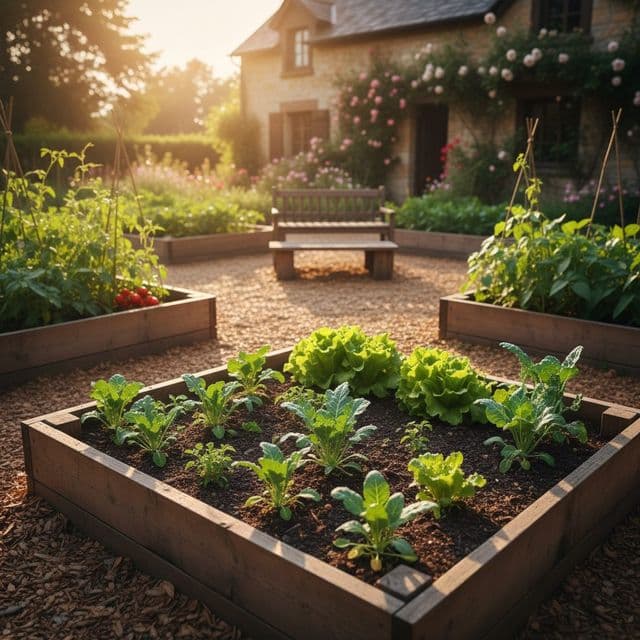
How to choose composting worms for your climate, comparing red wigglers, European nightcrawlers, and African nightcrawlers across temperature ranges from 45°F to 85°F.
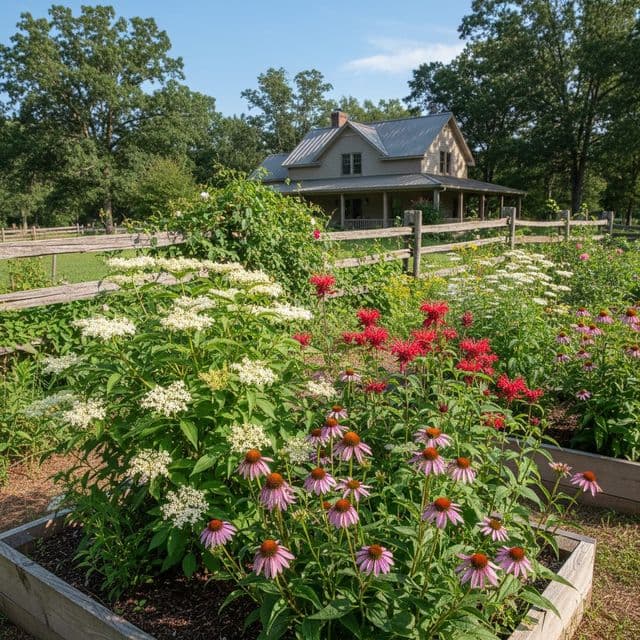
US-native medicinal plants like Echinacea and Elderberry support local biodiversity and provide herbal remedies for a home apothecary. These species are resilient and straightforward to cultivate.