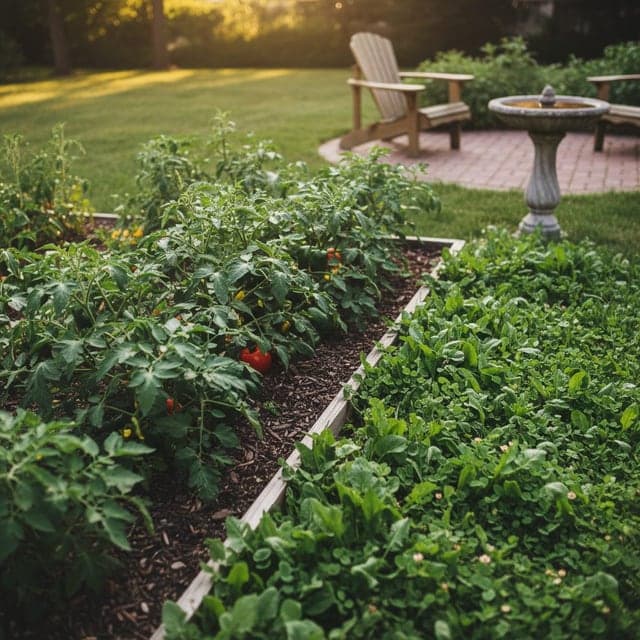
Edible Backyard Weeds for Beginners: US Regional Foraging Guide
Discover safe edible backyard weeds across US regions. Learn to identify common wild edibles like dandelion & lamb’s quarters for beginners. Forage safely.
Topic
Grow more of your own food with practical, beginner-friendly gardening guides. From starting seeds and planning beds to companion planting, square-foot layouts, herbs, mushrooms, greenhouses, and soilless systems, these articles walk you through every step—what to plant, when to plant it, and how to keep crops healthy from sowing to harvest.
901 articles in this topic on agripure. — page 8 of 38
Discover safe edible backyard weeds across US regions. Learn to identify common wild edibles like dandelion & lamb’s quarters for beginners. Forage safely.
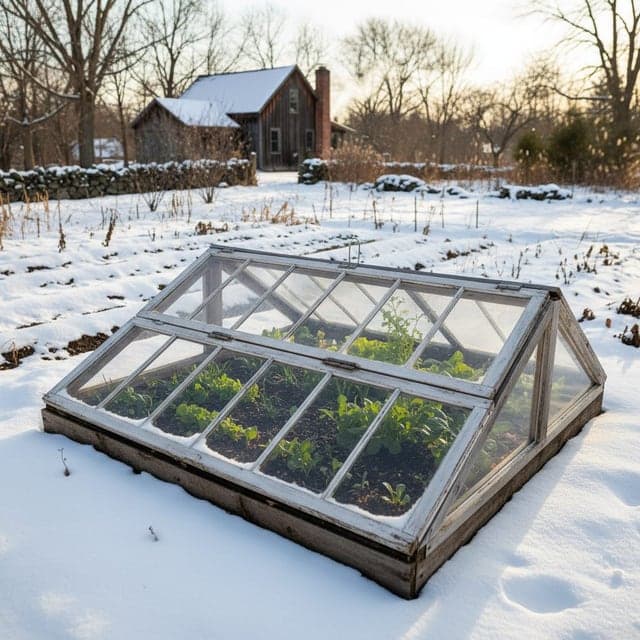
Engineer a cold-climate DIY cold frame that survives US winter sun and snow: ~latitude + 10–15° solar lid pitch, R-1.6 twinwall polycarbonate vs. salvaged glass safety, 60–75°F wax-piston venting,…
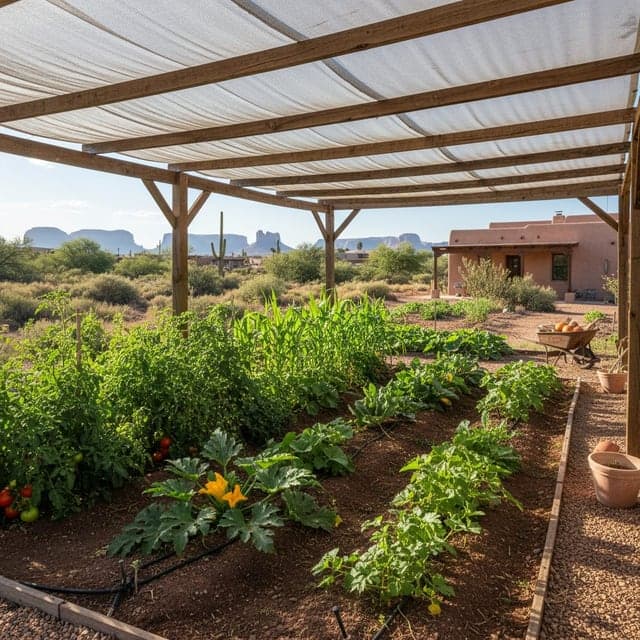
How to protect vegetables from intense summer heat in Arizona gardens with DIY shade structures that reduce temperatures, prevent bolting, and boost garden yields by 15% or more.
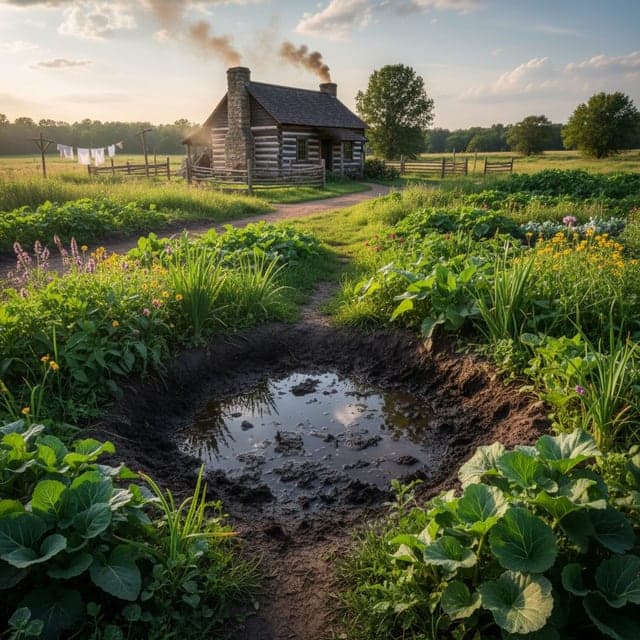
Struggling with wet garden spots? Discover how to select the best plants for poorly drained soil. Learn strategies to improve drainage & cultivate a thriving garden.
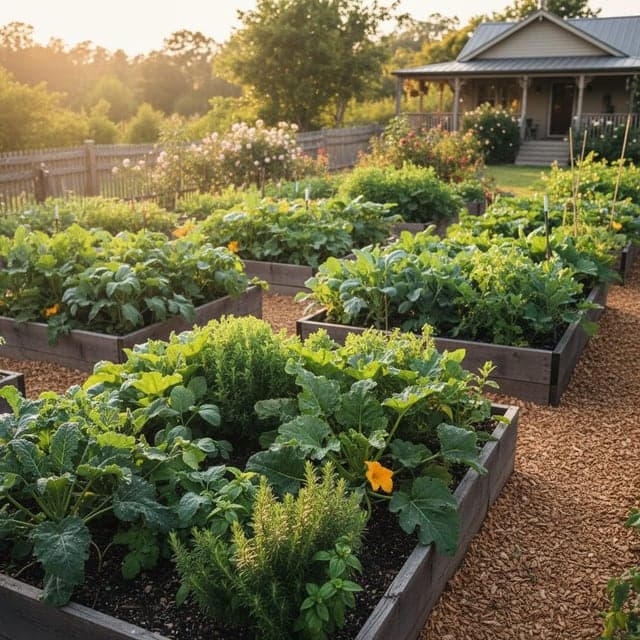
Discover plants that thrive in salty and saline soils. Learn how to select species for coastal areas and near de-iced roads, mitigate salt damage, and cultivate resilient landscapes in challenging…

Cultivate vigorous, drought-tolerant container plants in USDA zones 4-10 with less water. Learn plant selection, smart watering, and mulching tips to save time & up to 40% on your water bill.
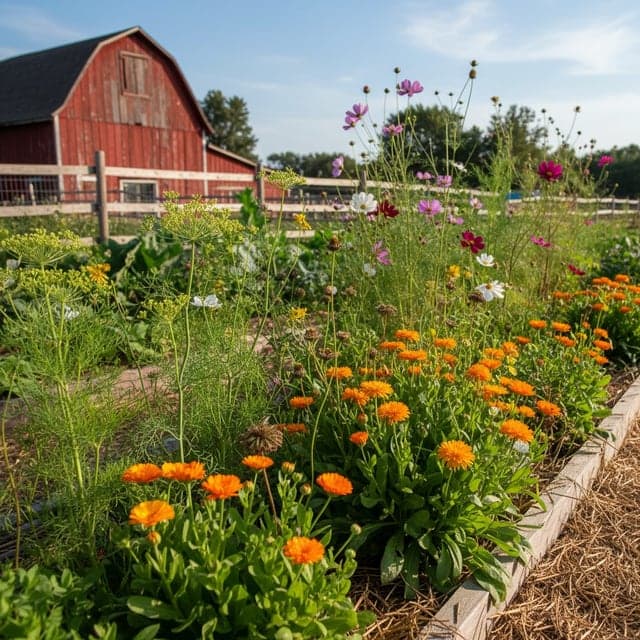
Build a reliable self-seeding US garden using horticultural triage: 10 disciplined annuals and biennials, P0 invasive weed warnings, F1 hybrid vs. open-pollinated genetics, toxic cucurbitacin avoid…
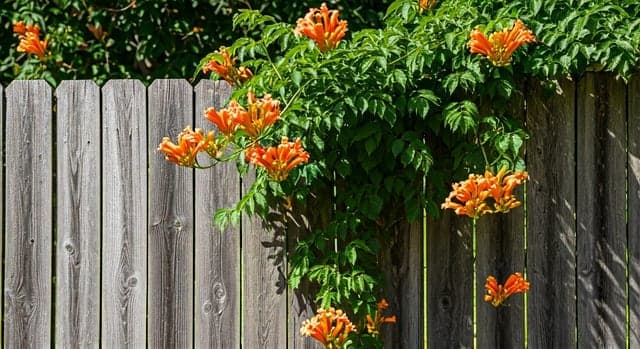
Build rapid fence and pergola privacy across US USDA Zones 3–11 using 60–90 day annual screens or native perennials, 200–400 lb trellis hardware with a 4–6" siding air-gap, invasive bans, and P0 to…
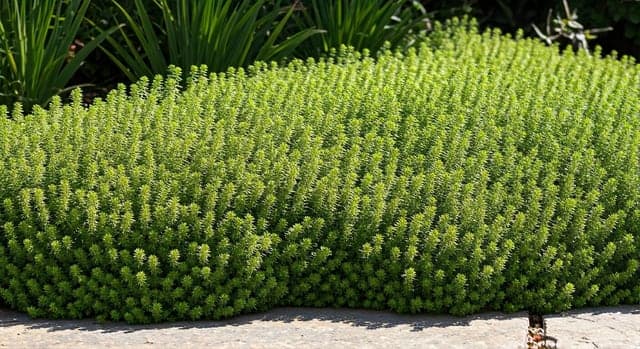
Discover effective USDA Zone 5 groundcovers that reduce weed emergence by up to 80%. Learn to select plants for your soil & light to create a low-maintenance, healthy garden.

Care for Tillandsia indoors in your US home or apartment with guidelines on light, water, humidity, and air circulation.

Master growing succulents indoors and cacti in US homes. Learn essential tips for light, soil, watering, and pest control to help your desert plants thrive from Arizona to Maine.

Combat dry US winter air to keep tropical houseplants thriving. Learn to monitor humidity, boost levels with pebble trays & humidifiers, and protect plants from pests.
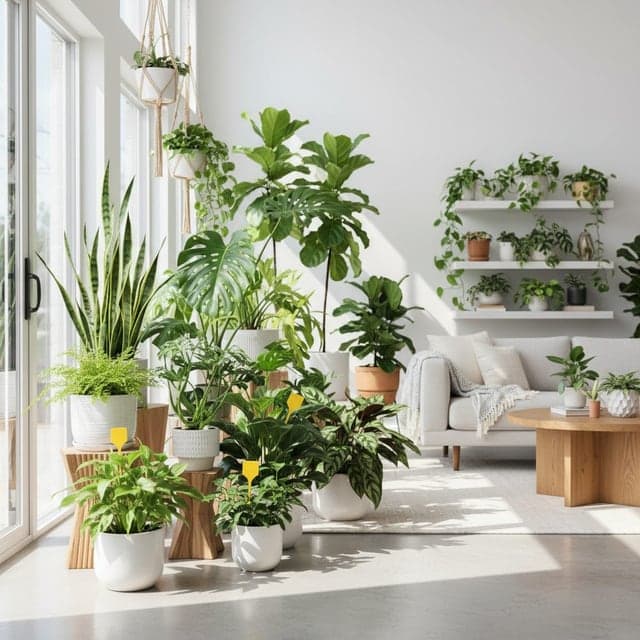
Effectively manage common houseplant pests like fungus gnats, mealybugs, and spider mites in US homes. Learn proven houseplant pest control strategies for a thriving indoor garden.
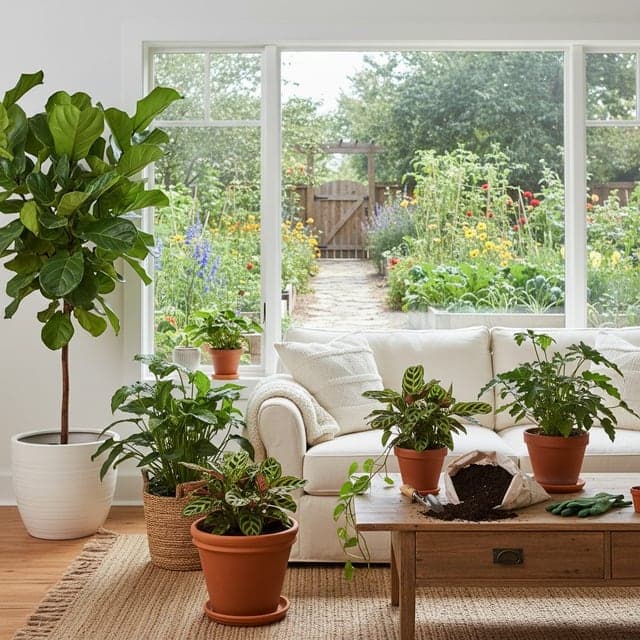
Master houseplant repotting with this guide. Learn timing, soil mix, and root-bound signs for thriving indoor plants. Prevent issues and ensure healthy growth.
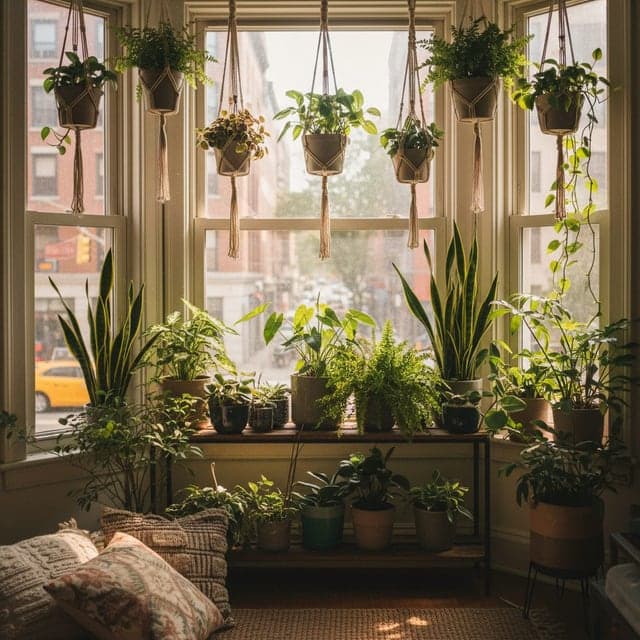
Learn to diagnose common houseplant ailments like yellow leaves, wilting, and brown spots. This guide covers watering, light, pests, and humidity for healthy houseplants in US homes.

Compare 16 low-light indoor plants — including cast iron plant, ZZ plant, snake plant, parlor palm, and peace lily — by 25–200 fc light, size, dry-air tolerance, and ASPCA pet safety.
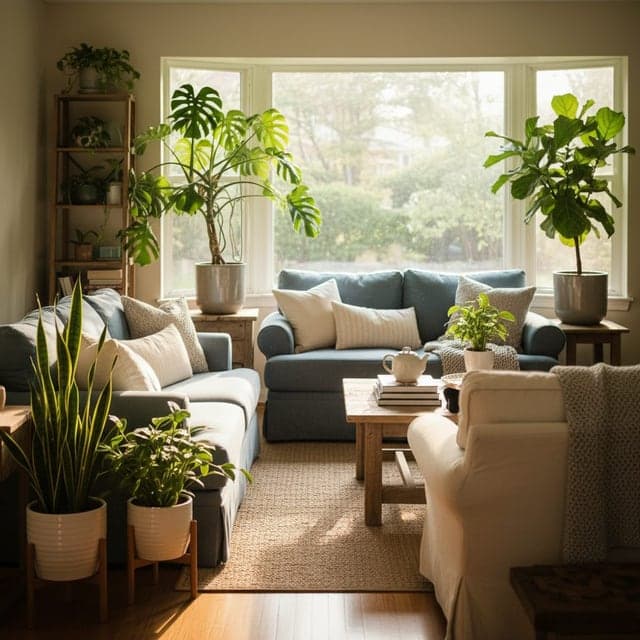
Discover how to choose and care for US houseplants that thrive in typical 60-75°F indoor conditions. Learn about light, watering, and humidity for healthy plants.
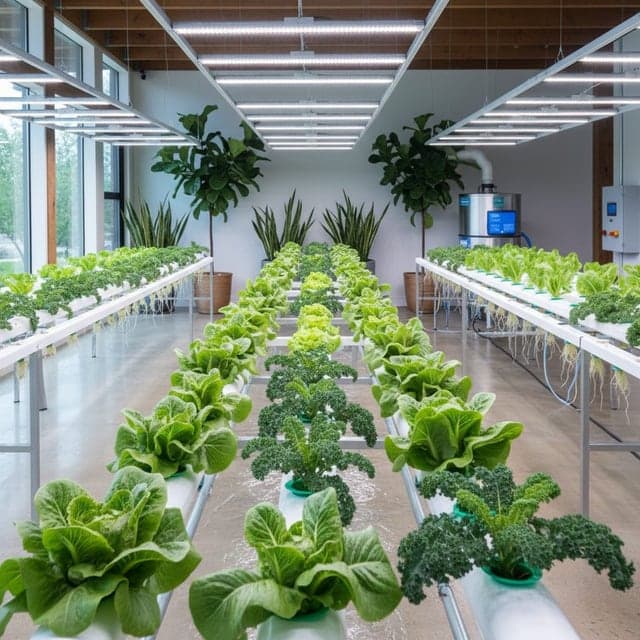
Grow crisp hydroponic lettuce and leafy greens indoors year-round using Cornell CEA, Ohio State, Purdue, and UF/IFAS benchmarks: 12–17 mol/m²/d DLI, 0.3–0.5 m/s downward airflow to stop tipburn, EC…
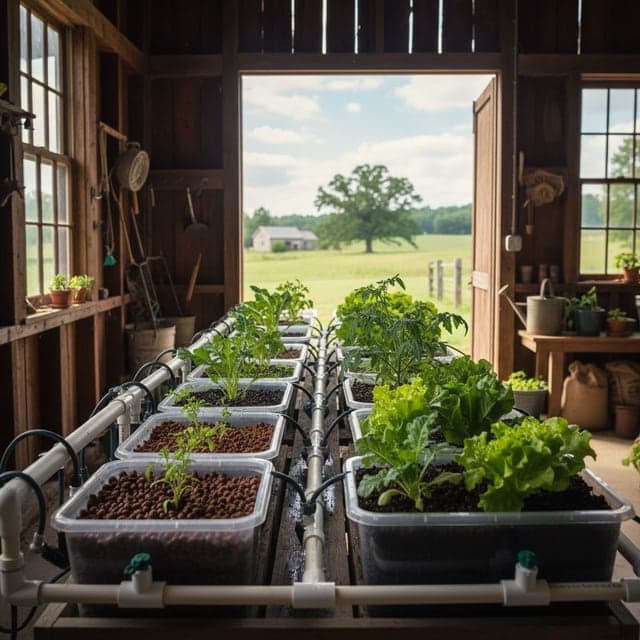
Comparing perlite, LECA, rockwool, and coco coir for hydroponic systems in USDA Zone 7 to balance aeration, water retention, and reusability.
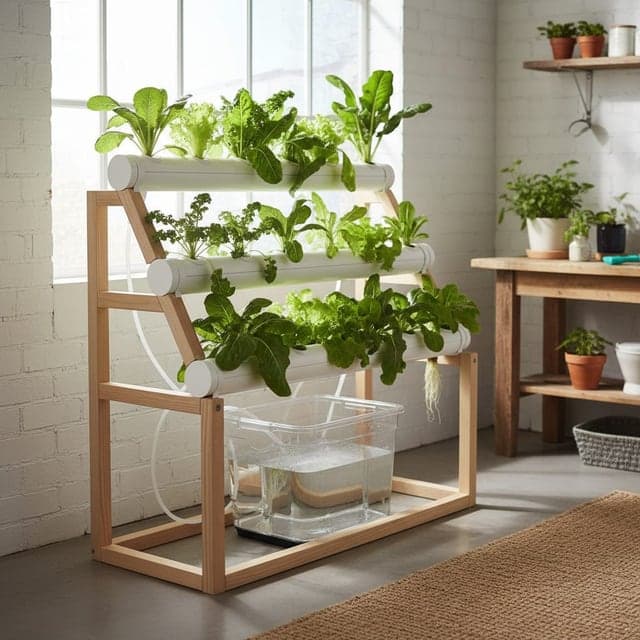
Learn to build and run a Nutrient Film Technique (NFT) hydroponic system at home. Achieve 20% faster lettuce growth and save up to 90% water with this efficient recirculating method.
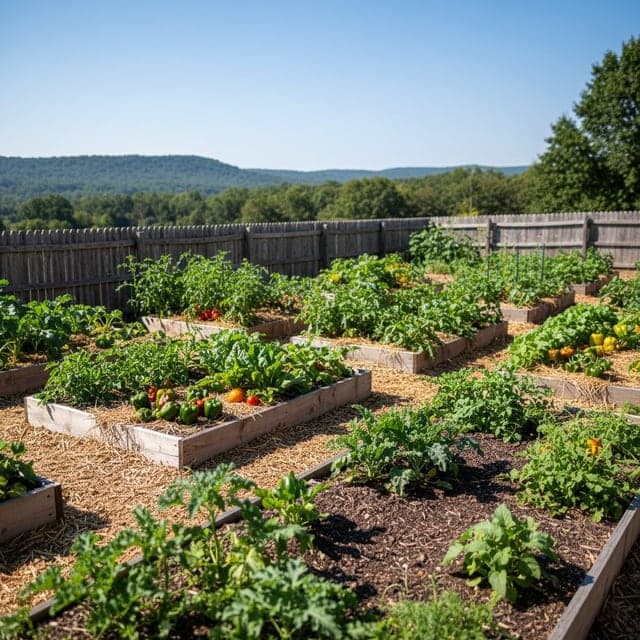
Unlock your garden’s potential with organic soil amendments. Learn how to interpret soil tests, adjust pH, and apply amendments effectively for thriving home gardens in USDA Zone 6.
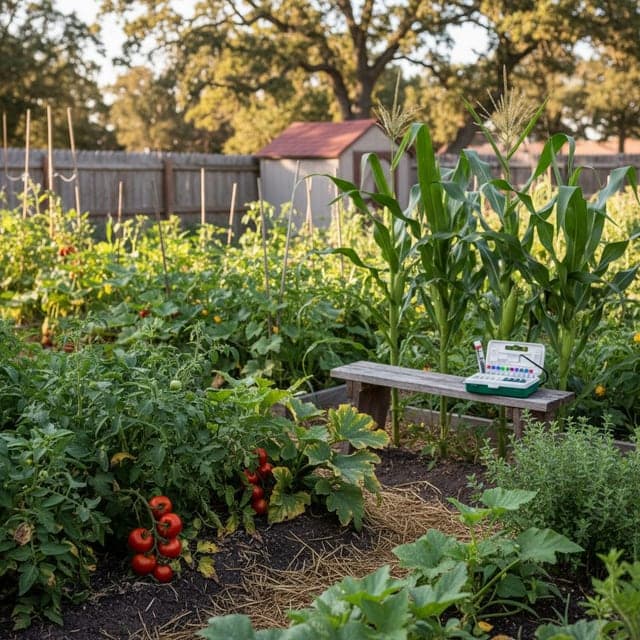
Diagnose leaf nutrient deficiencies accurately across US gardens: mobile vs. immobile leaf key, soil pH 4.5–8.5 lockout curves, EDDHA chelated iron for alkaline soils, lookalike triage before ferti…
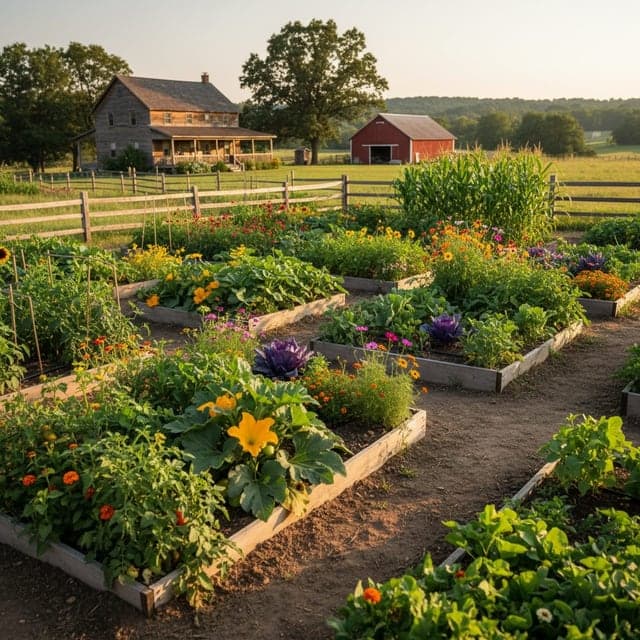
How to fix three common US garden soils (heavy clay, droughty sand, and compacted lawn beds): diagnostic steps, organic amendments, and aeration techniques.
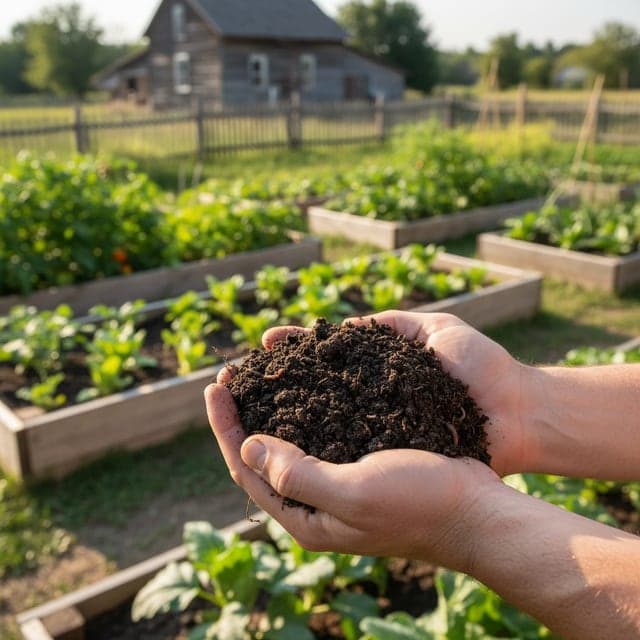
Learn DIY garden soil testing for texture, pH, and drainage, then match your amendments to what the tests show. Essential for Zone 6.