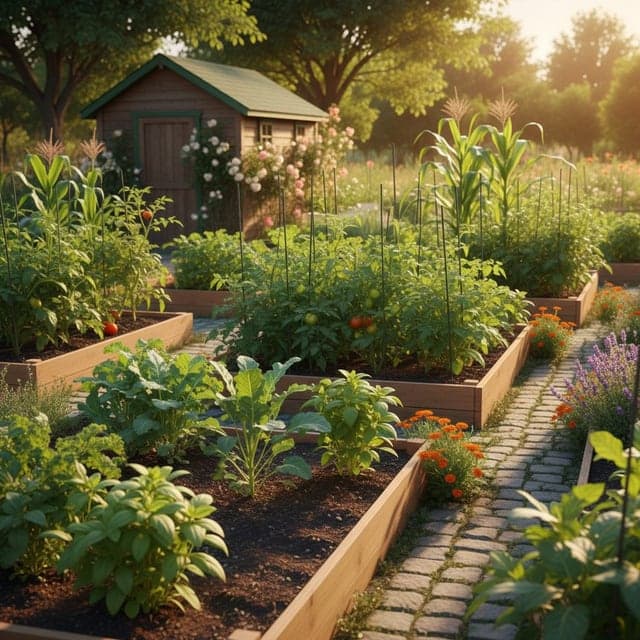
Water your Arizona garden for 30 days: drip & harvesting
How to keep an Arizona garden watered for 30 days using a gravity drip system, battery timer, and rainwater harvesting in arid climates.
Topic
Homesteading covers building a self-reliant household on any size of land — from a city lot to several acres. Articles walk through choosing a property, setting up productive systems, and producing more of what your family eats and uses, with honest numbers on what each setup actually requires.
182 articles in this topic on agripure. — page 7 of 8
How to keep an Arizona garden watered for 30 days using a gravity drip system, battery timer, and rainwater harvesting in arid climates.
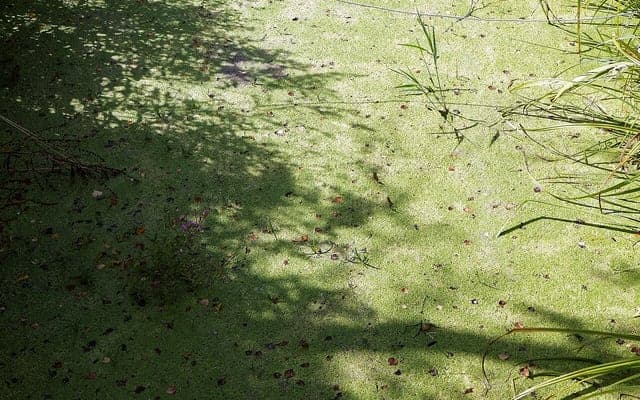
Learn to identify and manage string algae, single-celled algae, and duckweed in your homestead water systems. Reduce water loss and maintain clean, productive water for your plants.
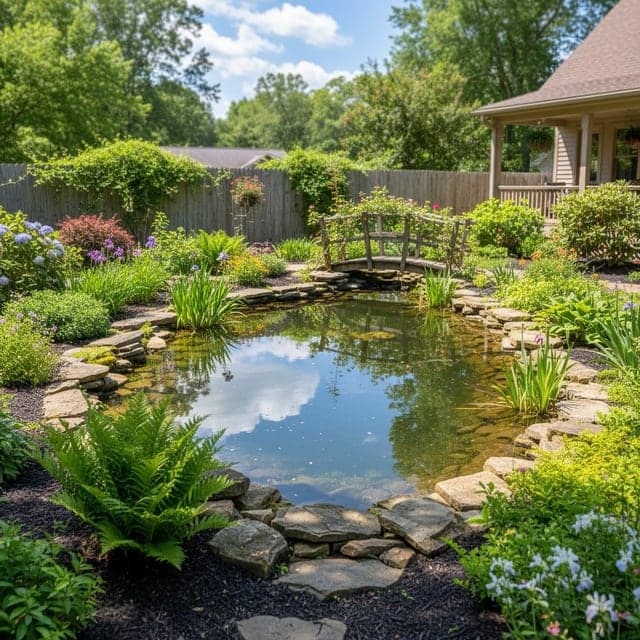
Explore EPDM, preformed, and natural clay pond bottom materials for your homestead in USDA Zone 7. Learn about durability, cost, and installation for water harvesting ponds.

Learn backyard pond sizing for arid regions. Calculate volume, select liners & pumps, and integrate passive irrigation. Maximize water resilience and support wildlife in the American West.
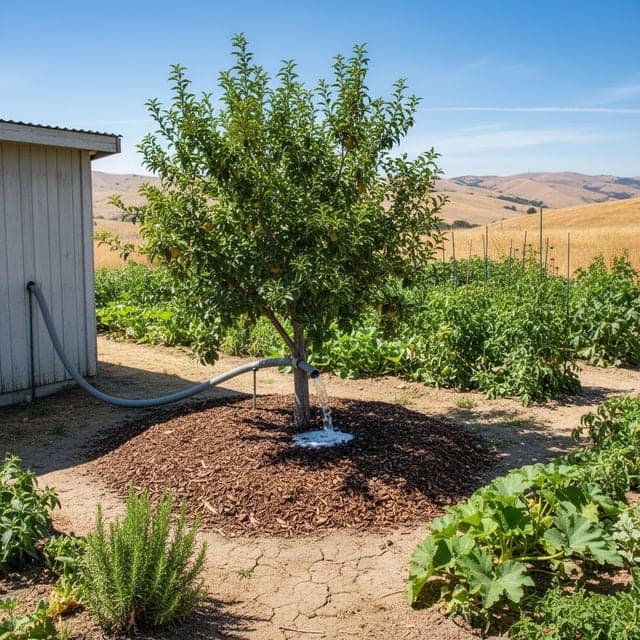
Understand greywater laws by state, including California, Arizona, and Texas. Learn how to legally reuse household water for irrigation and conserve resources.
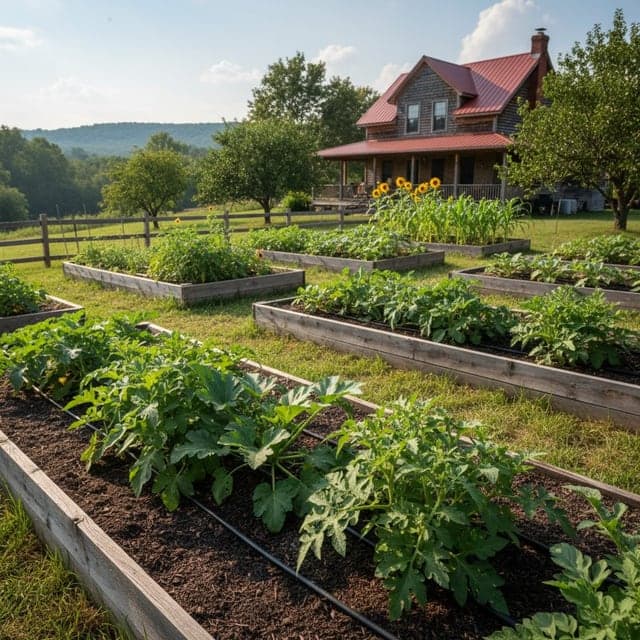
Learn to choose greywater-safe soaps for your California garden. Protect soil health, prevent sodium & boron toxicity, and conserve water effectively. Essential for sustainable homesteading.
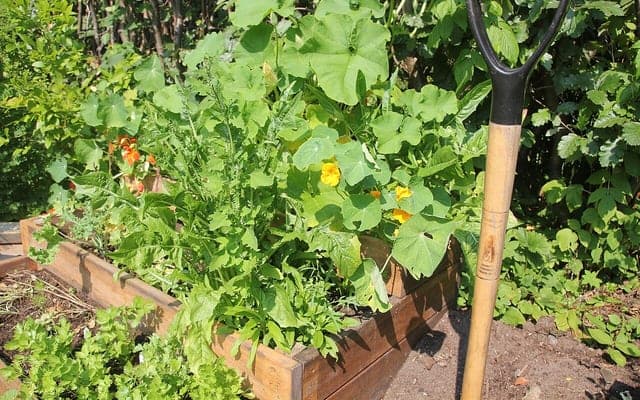
Learn to build a first-flush diverter to keep your harvested rainwater clean. Prevent debris, pollutants, and algae from entering storage tanks to ensure healthier plants and efficient irrigation.
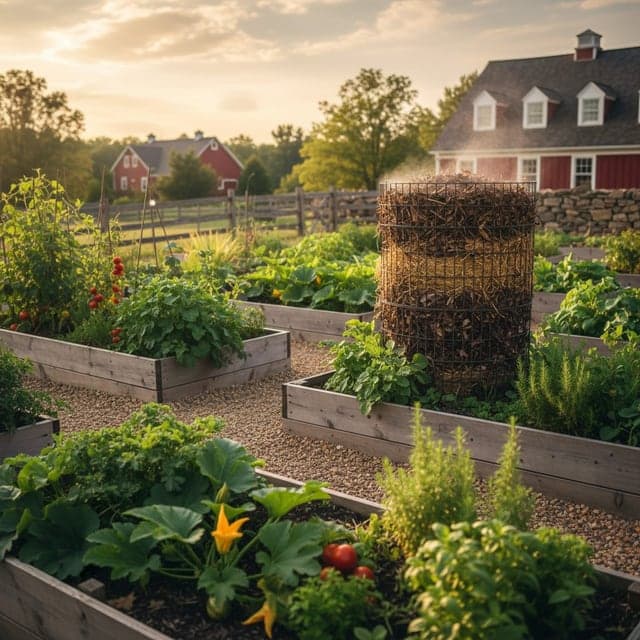
Discover how sourcing free manure from local US farms can boost your garden’s soil fertility and crop yields. Learn safe composting, sourcing tips, and benefits for homesteaders.
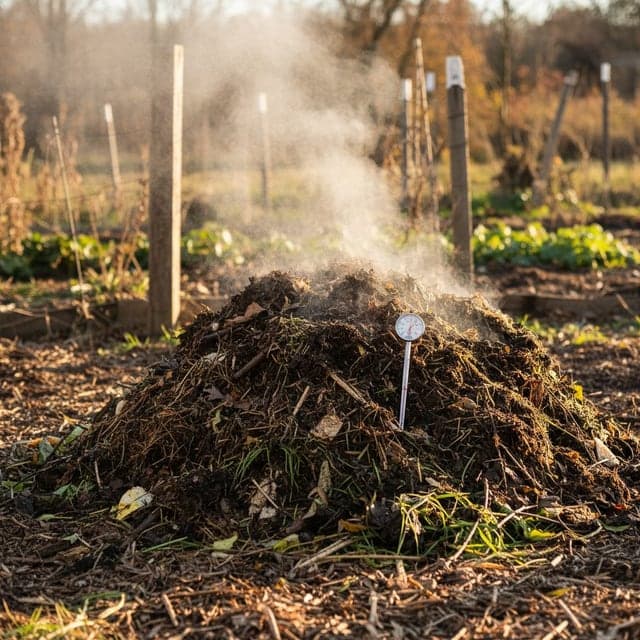
Learn hot composting techniques for cow and horse manure. Maintain 140°F to kill pathogens, improve soil, and boost garden health in USDA Zone 6. Avoid fresh manure risks.
Turn ~7:1 raw poultry droppings into safe garden compost at a 25–30:1 C:N ratio, validate 131°F × 15-day pathogen kill, respect USDA 90/120-day raw manure setbacks, avoid soil phosphorus overload,…
Learn Bokashi composting for US growers. Ferment all kitchen scraps, including meat & dairy, indoors. Reduce waste, create nutrient-rich soil, and avoid odors & pests.
Learn essential strategies for worm bin cooling in Southern US zones 8-10 during summer. Protect red wigglers from extreme heat with placement, moisture, insulation, and biochar tips.
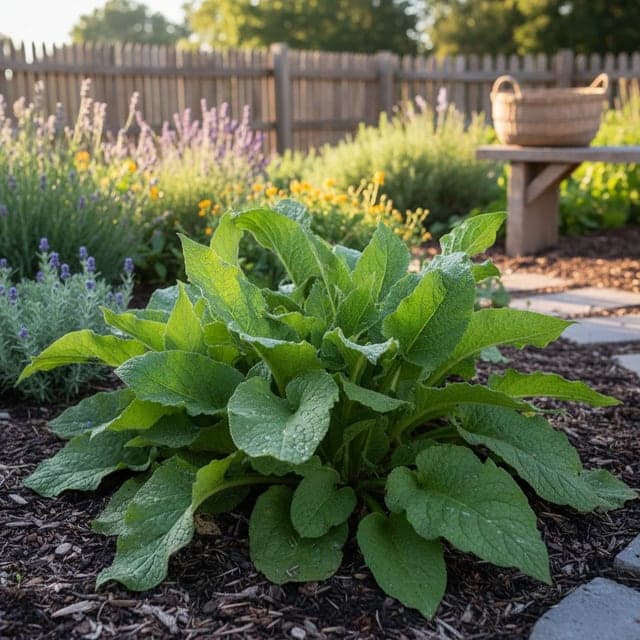
Grow sterile Bocking 14 comfrey in USDA Zones 3–9 for topical salves, chop-and-drop mulch, and high-potash liquid fertilizer—with FDA/NIH pyrrolizidine alkaloid limits, Foxglove ID checks, and botu…
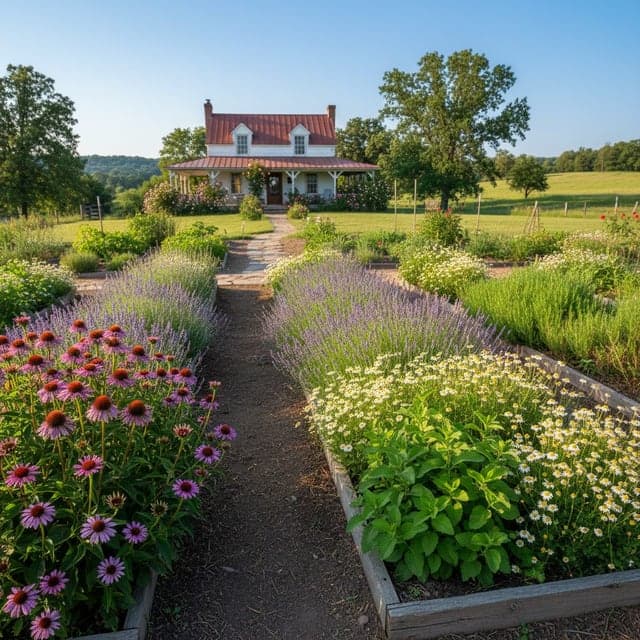
Design a productive US herbal tea garden across USDA Zones 3–10 with hydro-zoned beds for echinacea, elderberry, chamomile, lavender, lemon balm, and valerian, NCHFP 95–115°F drying curves, blendin…
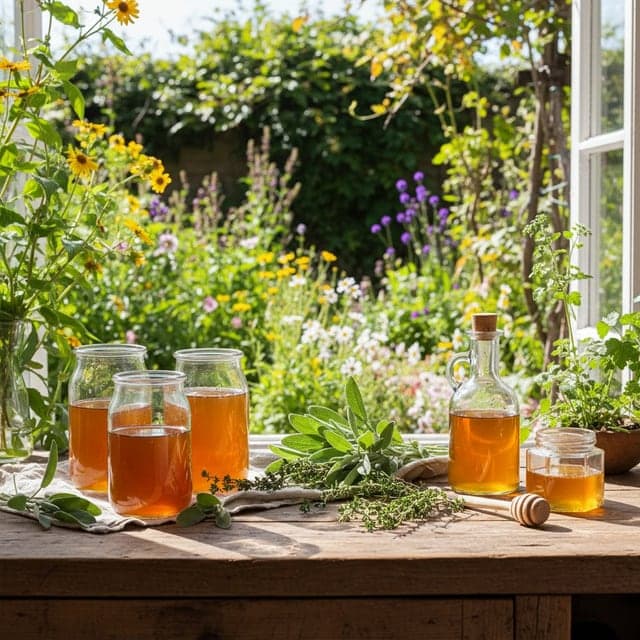
Learn to craft potent vinegar-and-honey herbal remedies like oxymels and fire cider at home. Discover recipes, storage tips, and how to save 25%+ on wellness products from your garden.
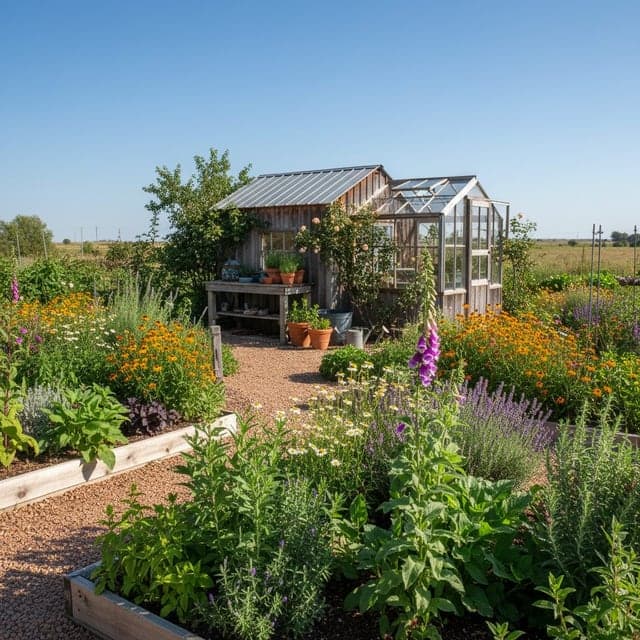
Cultivate a thriving medicinal herb garden in your backyard. Learn how to select, plant, and preserve 15+ useful species across USDA zones 4-9 for a home apothecary.
Make homemade vinegar, kombucha, and pickles to preserve food at home and save money on groceries. Methods and recipes for reliable fermentation.
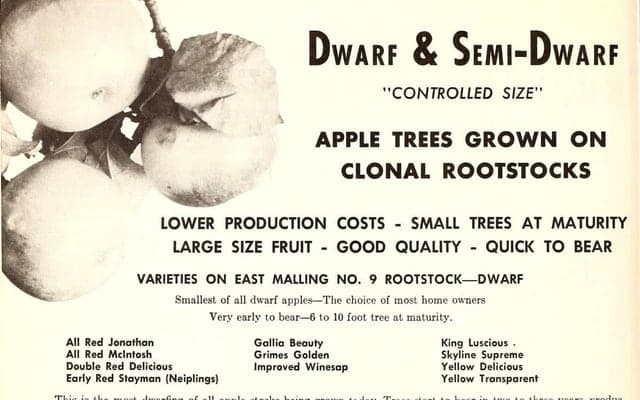
Maximize your small backyard orchard in USDA Zone 6! Learn high-density planting, espalier, and grafting to grow 10 fruit trees in just 500 sq ft for abundant harvests.
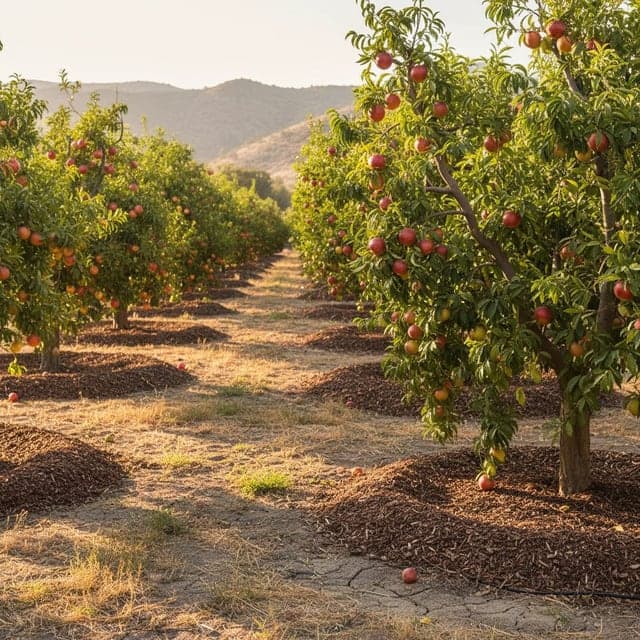
Safely irrigate fruit trees with greywater from showers and laundry to save thousands of gallons. System design, soap choices, and passive irrigation methods for USDA Zone 8 homesteads.
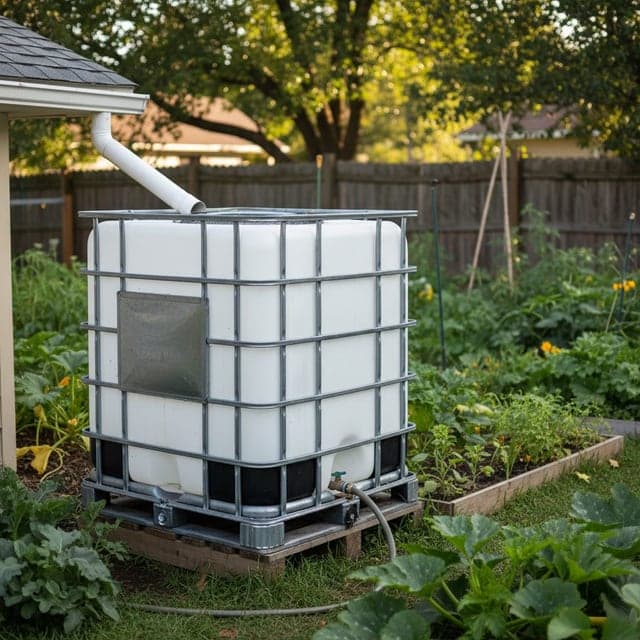
Learn to set up an effective rainwater harvesting system for your homestead. Reduce municipal water use, lower bills, and provide plants with natural, chlorine-free water. Essential for resilience.
A safety-first foraging guide for beginners: the 100% ID rule, 8 hard-to-misidentify wild edibles, the deadly lookalikes to avoid, and how to forage legally.
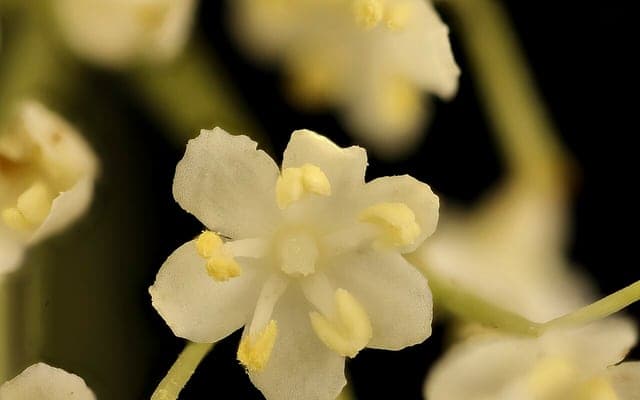
How to identify true elderberry (and avoid look-alikes), the difference between blue and American black, and how to grow named cultivars like Adams and Bob Gordon.
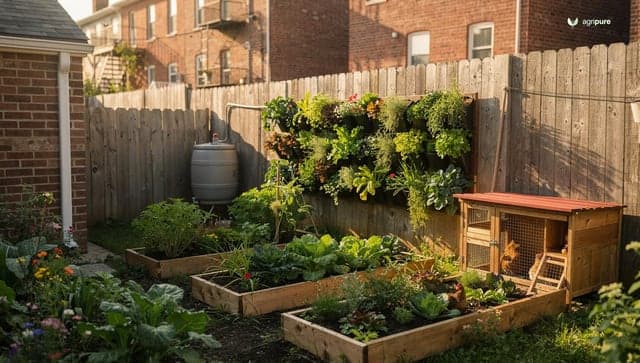
Urban homesteading is growing food, preserving it, and cutting what you buy, all on a city lot. Here is what fits a small space and how to start.
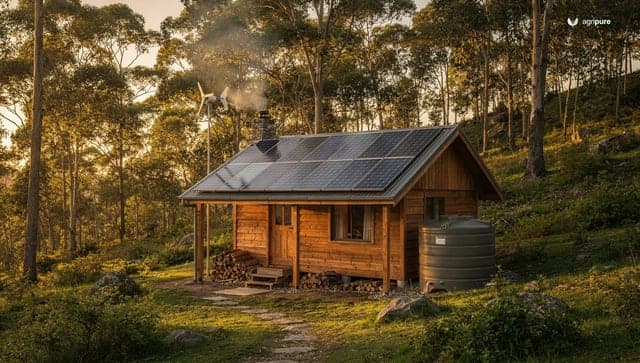
Off-grid living means producing your own power, water, and waste handling. Here is what each system takes, what it costs, and how to start without overreaching.