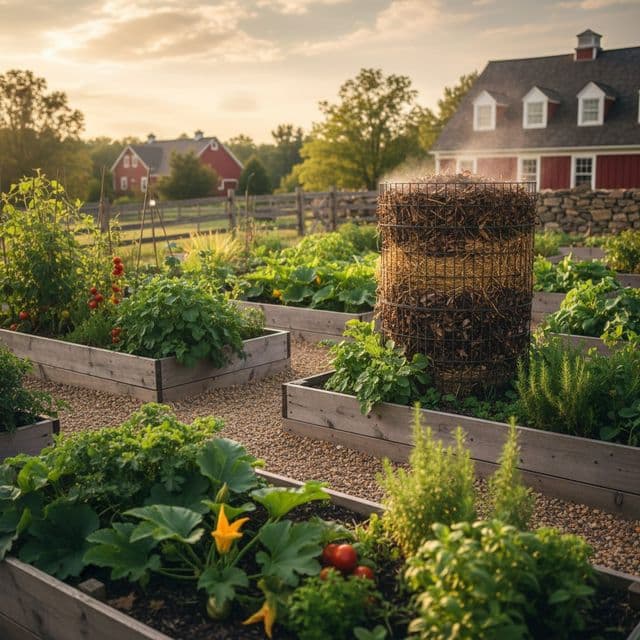
Free manure for soil fertility: homesteading in USDA Zone 6
Discover how sourcing free manure from local US farms can boost your garden’s soil fertility and crop yields. Learn safe composting, sourcing tips, and benefits for homesteaders.
Topic
Homesteading covers building a self-reliant household on any size of land — from a city lot to several acres. Articles walk through choosing a property, setting up productive systems, and producing more of what your family eats and uses, with honest numbers on what each setup actually requires.
125 articles in this topic on agripure. — page 5 of 6
Discover how sourcing free manure from local US farms can boost your garden’s soil fertility and crop yields. Learn safe composting, sourcing tips, and benefits for homesteaders.
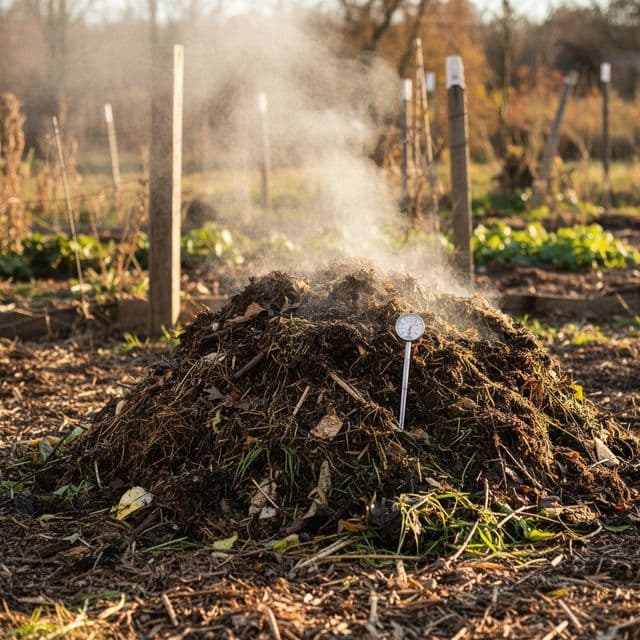
Learn hot composting techniques for cow and horse manure. Maintain 140°F to kill pathogens, improve soil, and boost garden health in USDA Zone 6. Avoid fresh manure risks.
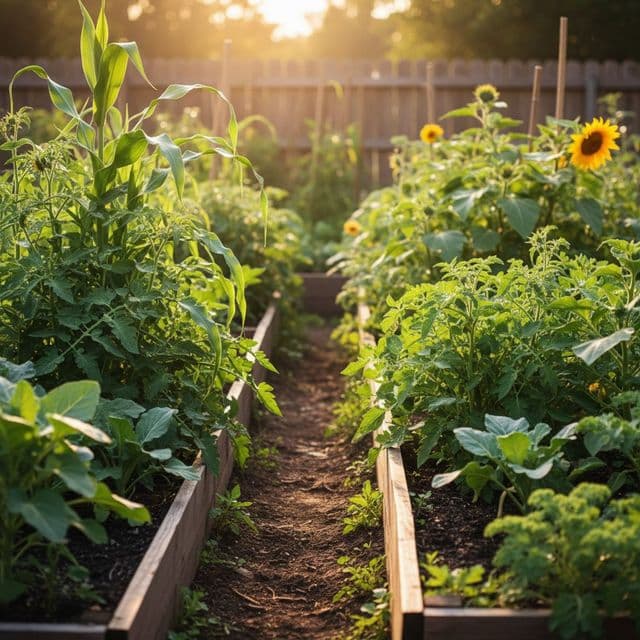
Learn safe composting of chicken manure for fertile soil. Achieve the ideal 30:1 C:N ratio, monitor temperatures, and apply compost in your Midwest garden.
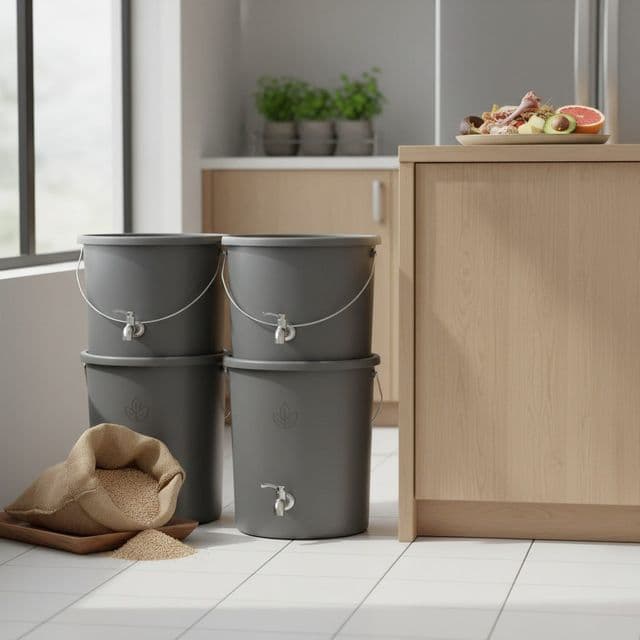
Learn Bokashi composting for US growers. Ferment all kitchen scraps, including meat & dairy, indoors. Reduce waste, create nutrient-rich soil, and avoid odors & pests.
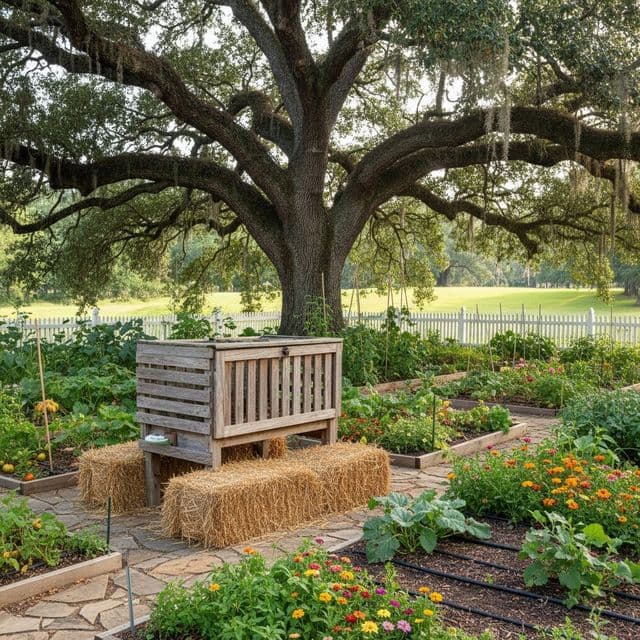
Learn essential strategies for worm bin cooling in Southern US zones 8-10 during summer. Protect red wigglers from extreme heat with placement, moisture, insulation, and biochar tips.
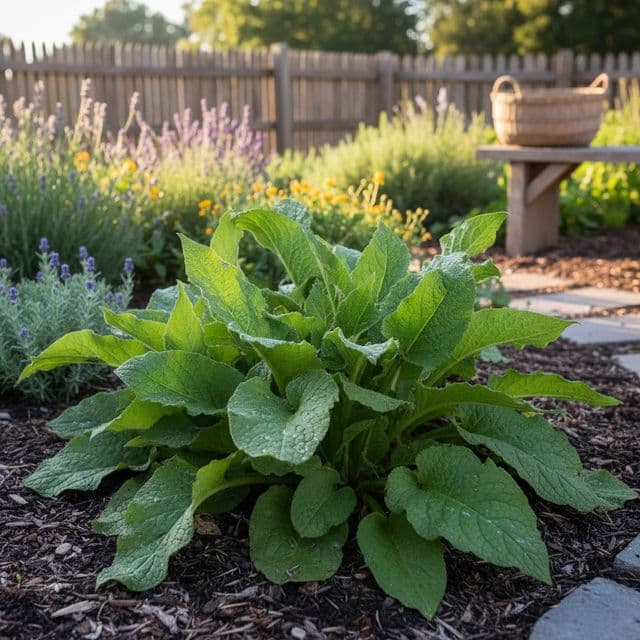
Learn to grow comfrey (Symphytum officinale) for medicinal use in USDA zones 3-9. Discover cultivation, harvesting, and safe external applications for your home apothecary.
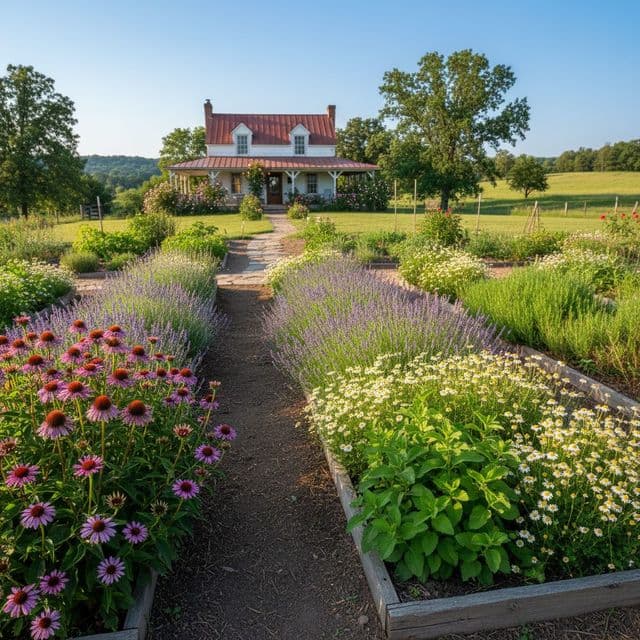
Cultivating a medicinal herb garden provides ingredients for immune-boosting and calming teas. Twelve herbs thrive across USDA zones 4-9, with straightforward methods for growing, drying, and blend…
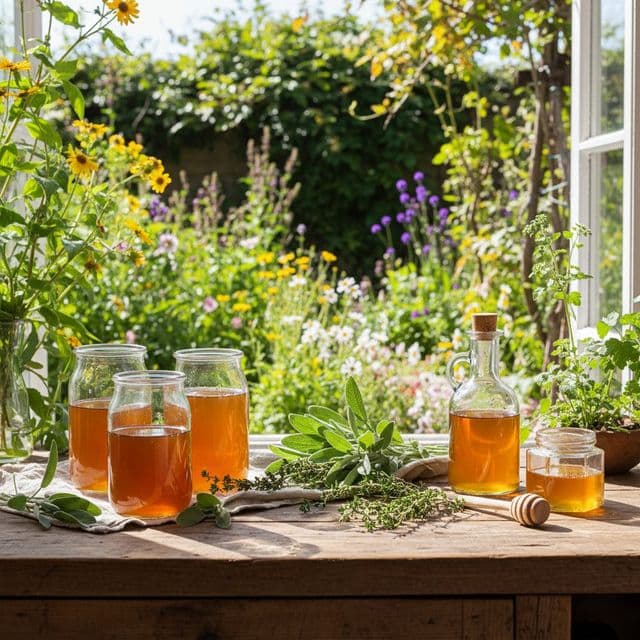
Learn to craft potent vinegar-and-honey herbal remedies like oxymels and fire cider at home. Discover recipes, storage tips, and how to save 25%+ on wellness products from your garden.
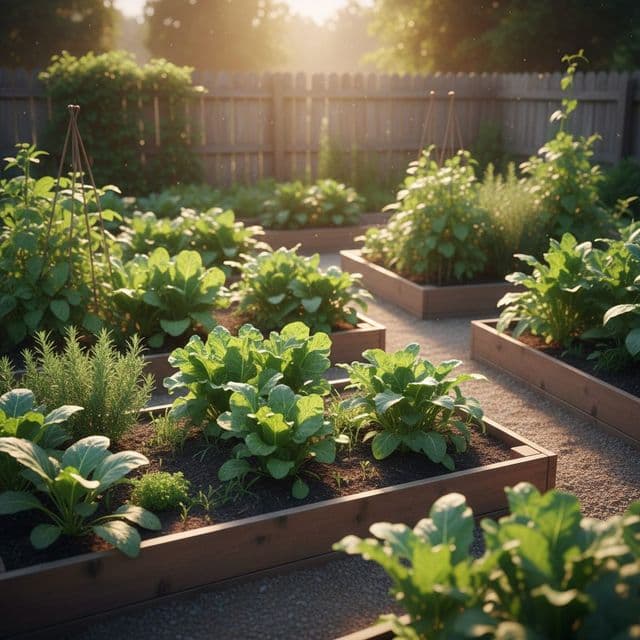
Make homemade vinegar, kombucha, and pickles to preserve food at home and save money on groceries. Methods and recipes for reliable fermentation.
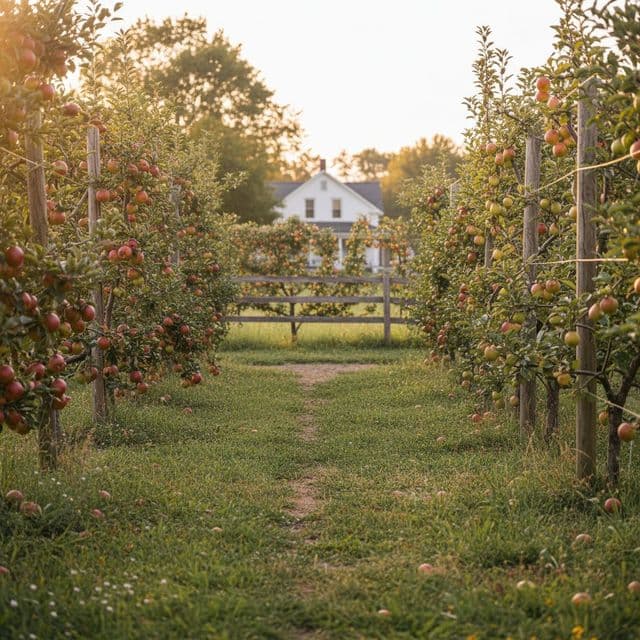
Maximize your small backyard orchard in USDA Zone 6! Learn high-density planting, espalier, and grafting to grow 10 fruit trees in just 500 sq ft for abundant harvests.
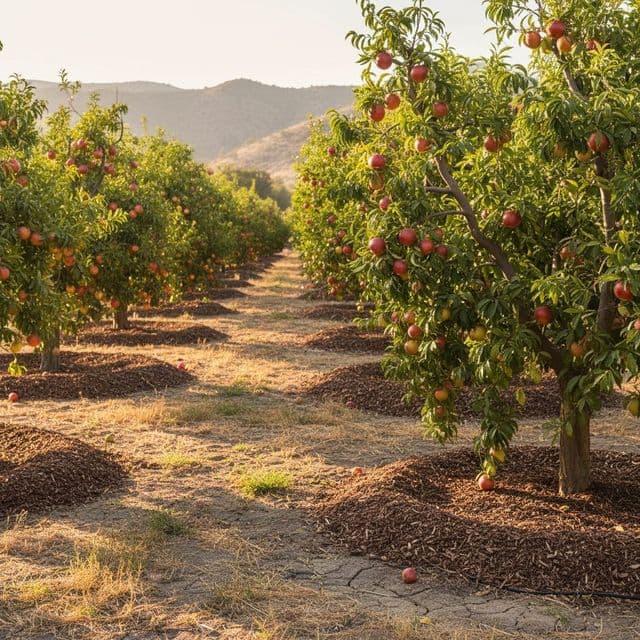
Safely irrigate fruit trees with greywater from showers and laundry to save thousands of gallons. System design, soap choices, and passive irrigation methods for USDA Zone 8 homesteads.
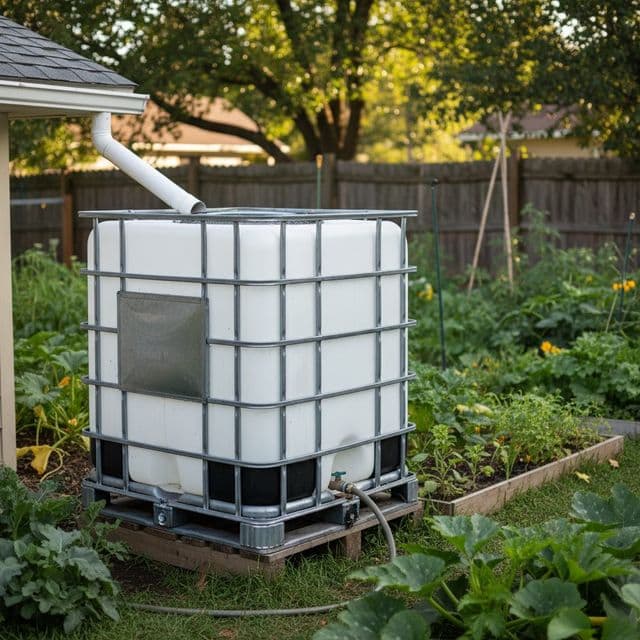
Learn to set up an effective rainwater harvesting system for your homestead. Reduce municipal water use, lower bills, and provide plants with natural, chlorine-free water. Essential for resilience.

A safety-first foraging guide for beginners: the 100% ID rule, 8 hard-to-misidentify wild edibles, the deadly lookalikes to avoid, and how to forage legally.
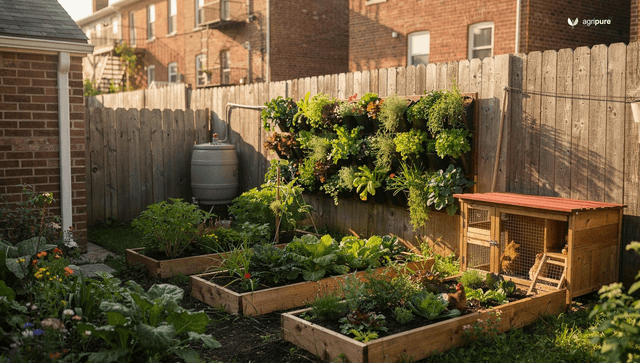
Urban homesteading is growing food, preserving it, and cutting what you buy, all on a city lot. Here is what fits a small space and how to start.
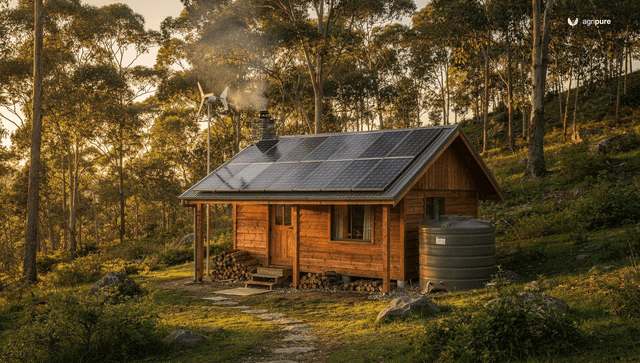
Off-grid living means producing your own power, water, and waste handling. Here is what each system takes, what it costs, and how to start without overreaching.
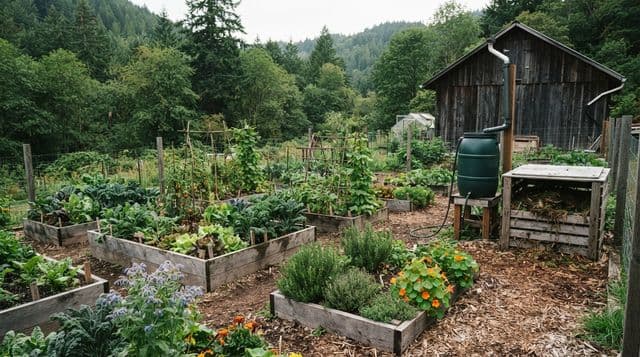
Sustainable living is built from small daily choices in waste, energy, water, and food. Here are the habits with the biggest payoff and how to start them.
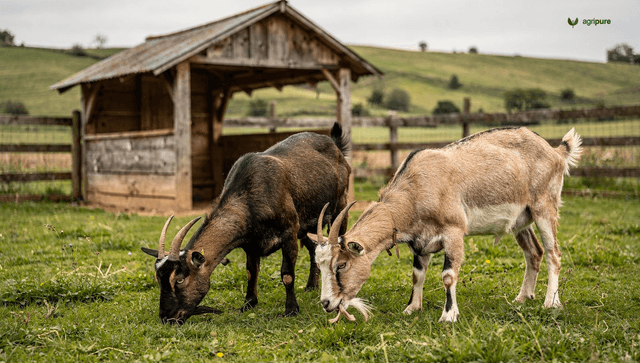
Dairy goats give a household milk on a fraction of a cow’s space. Here are the best beginner breeds, space and fencing needs, feed, and the milking routine.
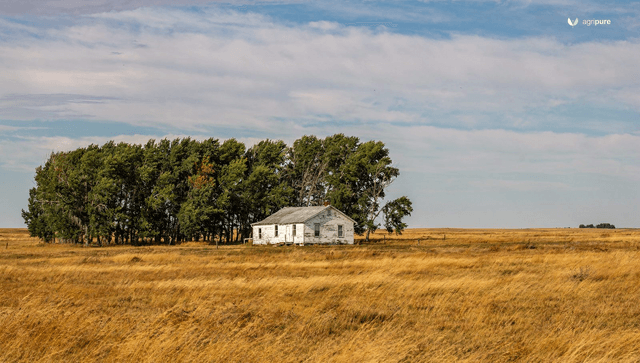
The Great Plains test a homestead with wind, drought, and extremes. Here is what the Dust Bowl taught, why shelterbelts matter, and how to homestead the prairie.
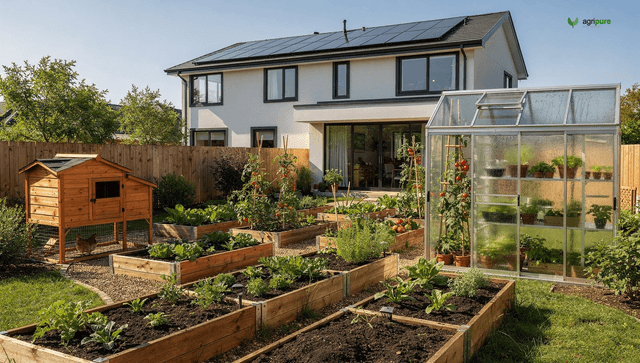
Modern homesteading pairs old self-reliance with new technology and suburban lots. Here is why it is surging, who is doing it, and how to start where you are.
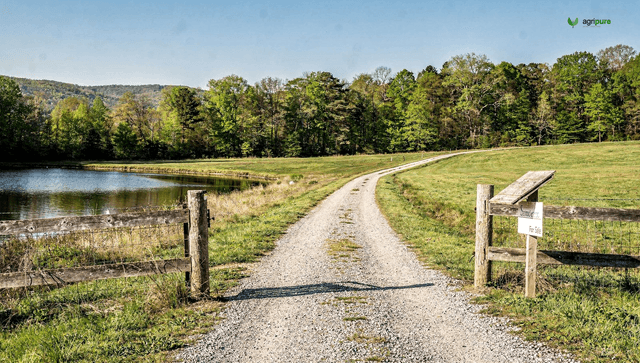
The land is the one homestead decision you cannot undo. Here is how to vet water, soil, zoning, and the perc test before you buy, and how much acreage you need.
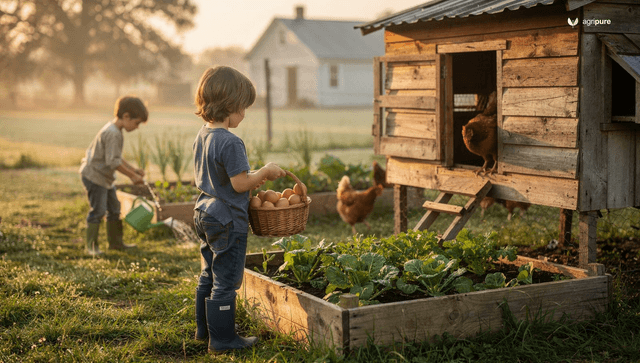
A homestead is the best classroom kids will ever have. Here are age-appropriate chores, the skills they build, and how to give children real ownership.
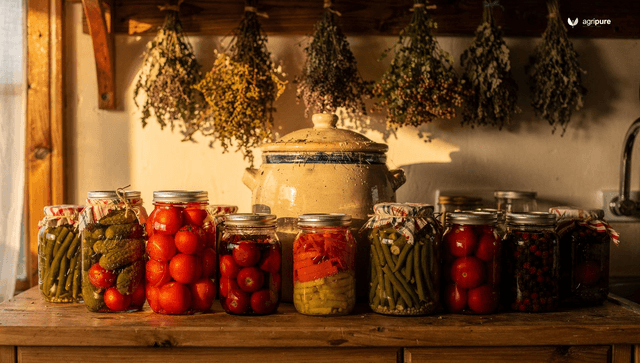
Canning, fermenting, drying, and freezing turn a harvest into a year of meals. A beginner’s guide to the homestead kitchen and a self-reliant pantry.
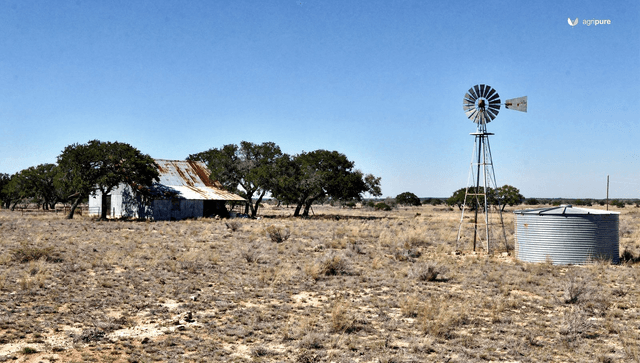
Texas rewards homesteaders with no income tax, legal rainwater, and ag exemptions, but its climates and rules vary widely. Here is what to know before you buy.
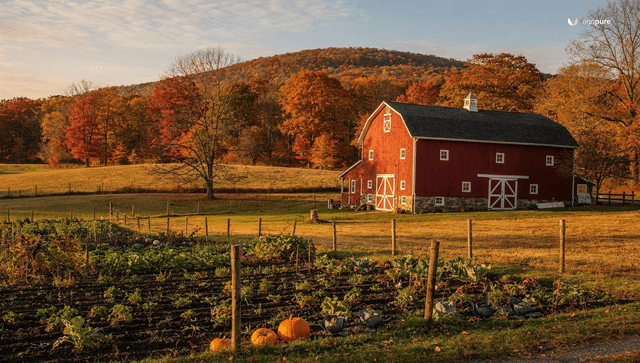
Pennsylvania offers fertile soil, a real four-season climate, and rural land that is friendly to homesteaders. Here is where to look, what grows, and the septic rules.