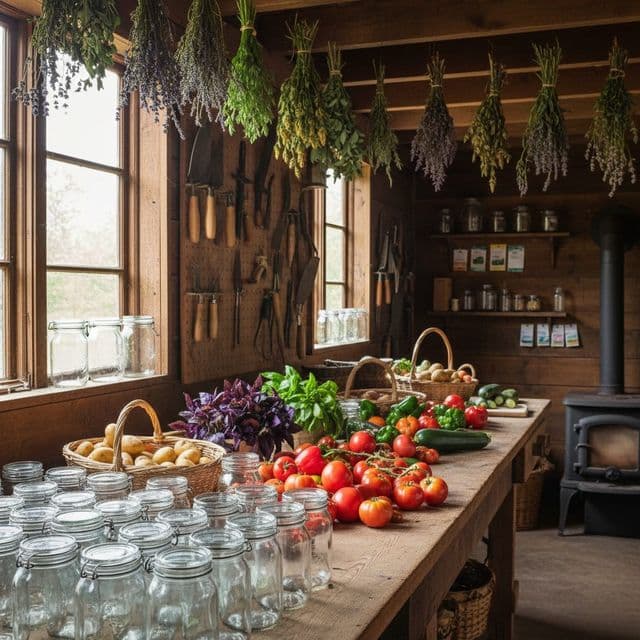
Homesteading skills: essential abilities for beginners
Essential homesteading skills for self-sufficiency: food preservation, soil building, poultry care, carpentry, water systems, and animal husbandry.
Topic
Homesteading covers building a self-reliant household on any size of land — from a city lot to several acres. Articles walk through choosing a property, setting up productive systems, and producing more of what your family eats and uses, with honest numbers on what each setup actually requires.
182 articles in this topic on agripure. — page 6 of 8
Essential homesteading skills for self-sufficiency: food preservation, soil building, poultry care, carpentry, water systems, and animal husbandry.
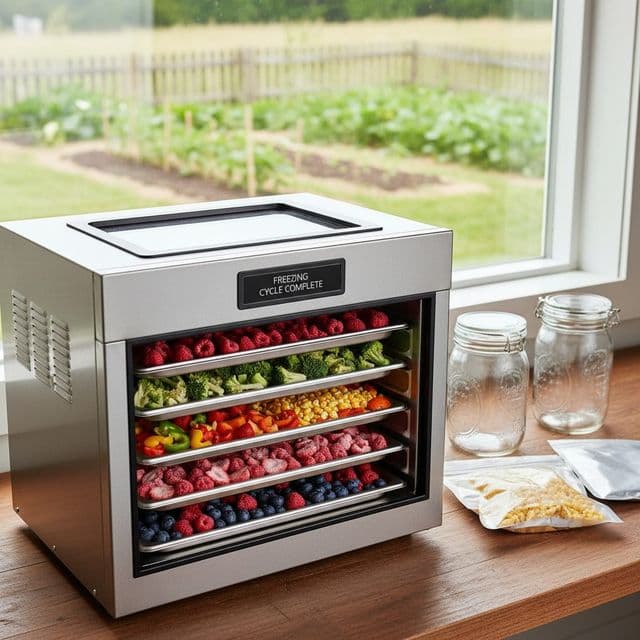
Learn how home freeze dryers work, prepare garden harvests and cooked meals, optimize cycle times, and pack food with oxygen absorbers for 25-year storage.

Start a profitable small-scale cut flower farm on a quarter acre: plan seasonal successions, select high-demand varieties, and sell bouquets locally.

Compare duck eggs vs. chicken eggs with exact USDA FoodData Central per-100 g and per-egg nutrition, pastry and low-heat scrambling physics, Khaki Campbell flock trade-offs, allergy cross-reactivit…

Build a safe, reliable DIY styrofoam cooler egg incubator for $45–$95 CAD: 37.5°C forced-air layout, CSA/GFCI wiring, 75% RH salt-test calibration, cold-basement thermal ballast, and 21-day chicken…
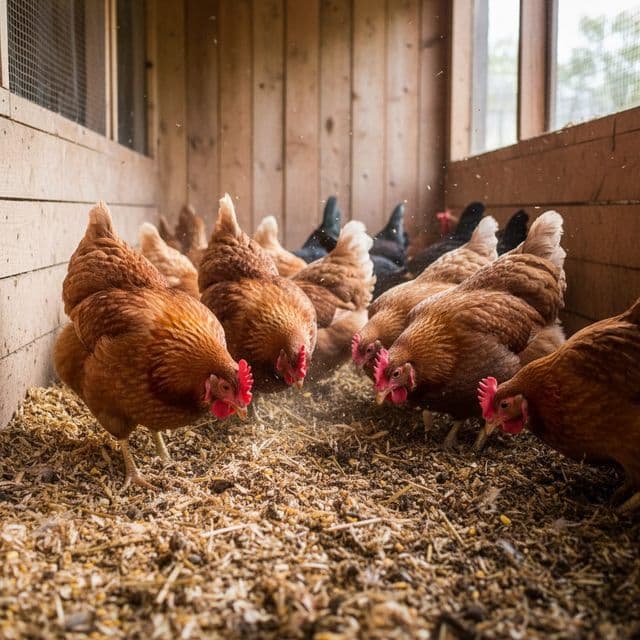
How to use the deep litter method for chicken coops to eliminate odors, generate natural winter heat, and turn poultry manure into rich garden compost.
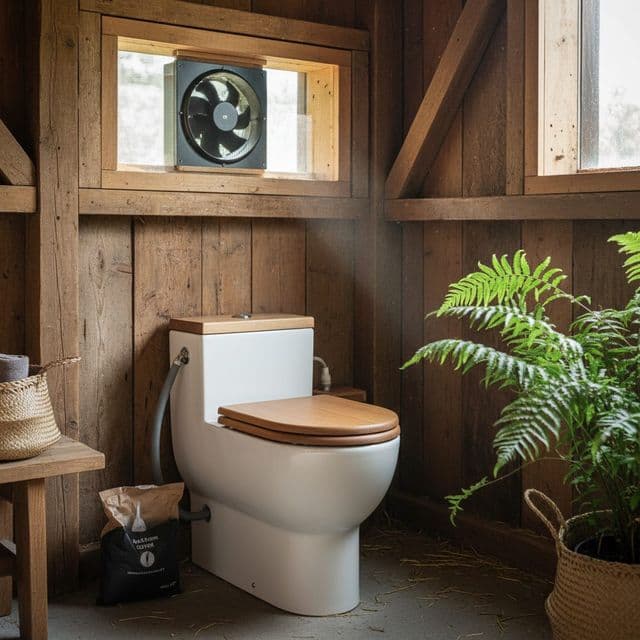
Complete guide to composting toilets for off-grid living. Compare urine-diverting models, DIY bucket setups, septic alternatives, and outdoor curing.
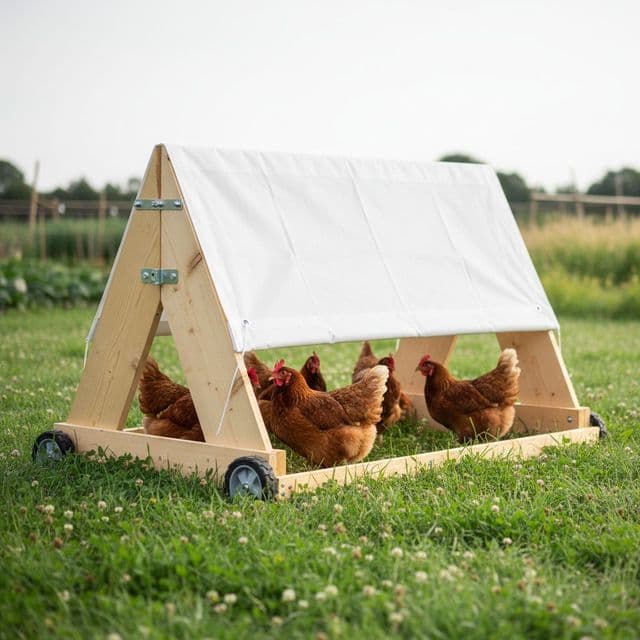
Build a durable DIY mobile chicken tractor with clear plans, framing dimensions, predator-proof hardware cloth, and daily pasture rotation strategies.
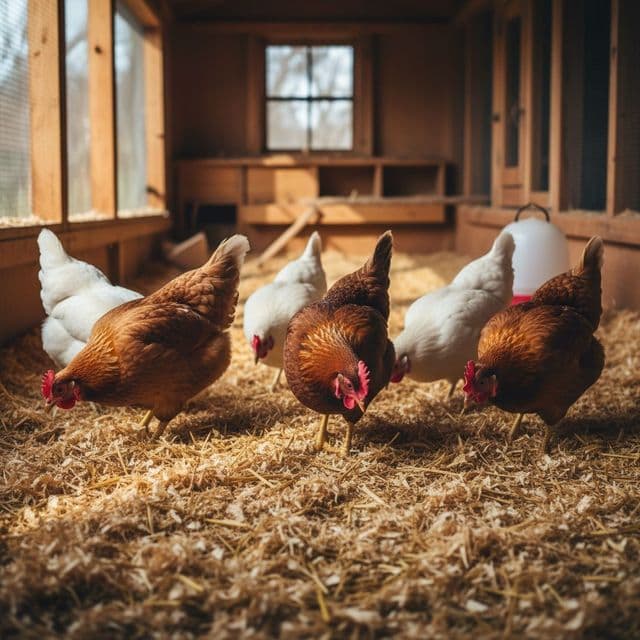
Choose safe chicken bedding for Canadian winters in cm, °C, and CAD$: pine shavings vs. hemp vs. chopped straw, ammonia limits, toxic wood bans, 6 mm mesh, N95 cleanout PPE, and CAN/CGSB-32.310 com…

Discover the best homesteading books for beginners and seasoned growers, reviewing essential manuals on self-sufficiency, food storage, and livestock care.
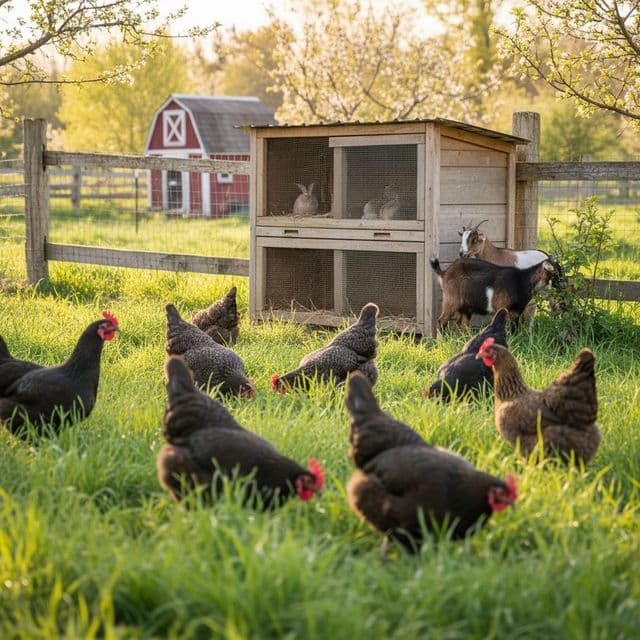
Rank US homestead animals by acreage tier and HOA law: under 0.25 ac (bees, Coturnix quail, rabbits), 0.5–2 ac (hens, Muscovy ducks), and 2–5+ ac (Nigerian Dwarf goats, Katahdin sheep, Kunekune pig…
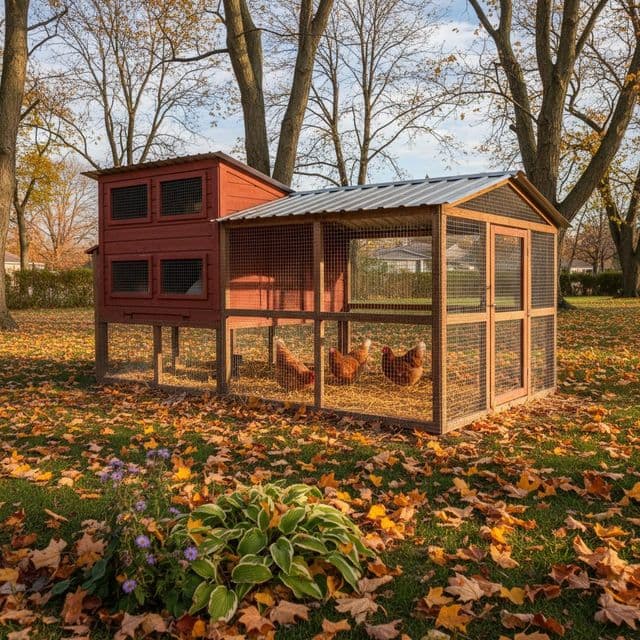
A practical guide to keeping backyard chickens in Ontario: municipal bylaws, predator-proof coop designs, and winter care routines for sub-zero weather.
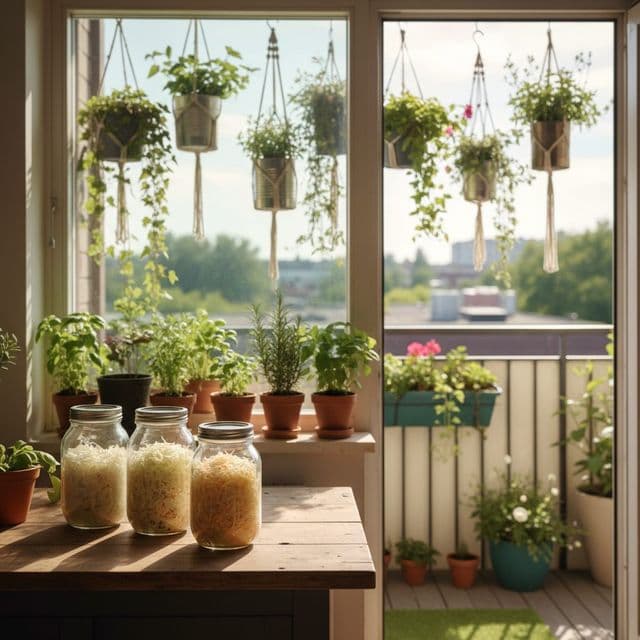
Learn practical apartment homesteading skills: windowsill food production, countertop fermentation, bokashi composting, food preservation, and renter DIY.
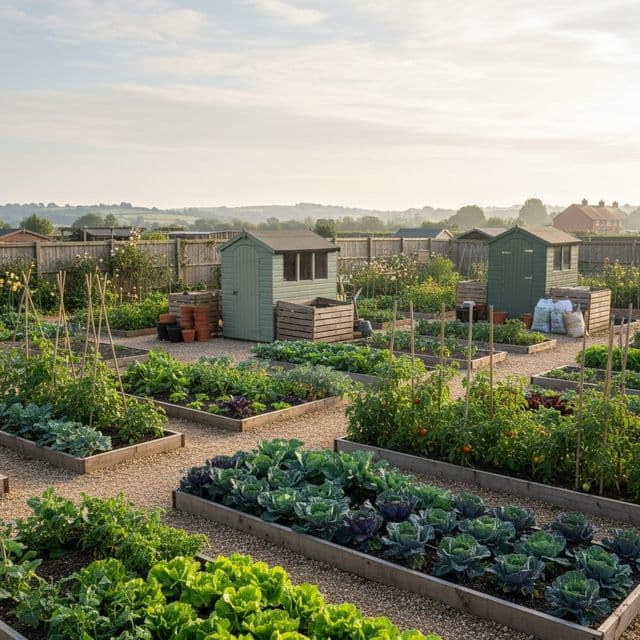
Navigate UK allotment rules across England, Wales, and Scotland: Allotments Acts 1908–1950, 75% cultivation standards, shed and tree limits, mandatory APHA poultry registration, bonfire laws, and N…
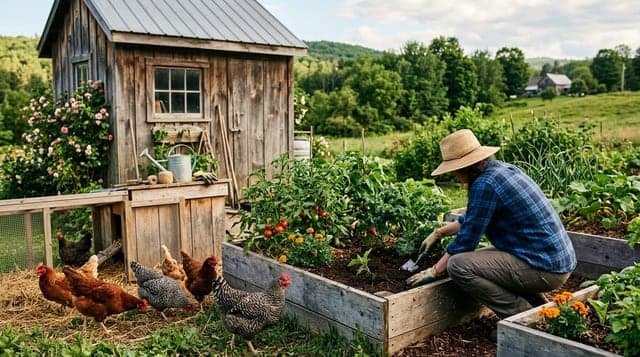
Learn how to start homesteading from scratch with practical skill-building steps, first-year planning, beginner checklists, and low-cost food production.
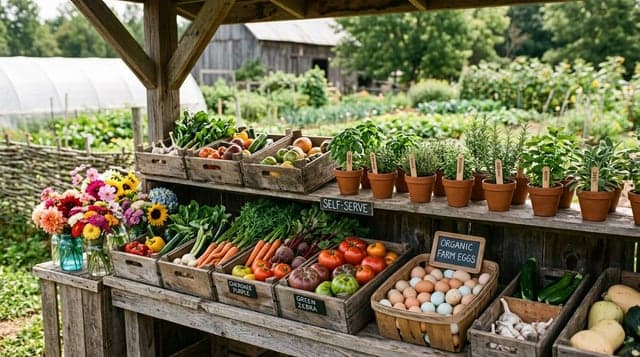
Learn how to make money homesteading through high-margin side hustles, plant nurseries, egg sales, market gardening, and cottage food enterprises.
First-year fruit tree watering schedule for USDA zones 4-9, covering how soil type, climate, and mulch impact young tree survival and root establishment.

Struggling with low yields in hot climates? Discover heat-tolerant tomato and pepper varieties for USDA zones 7-10. Learn how to boost harvests with specific cultivars, watering tips, and shade str…
Rodent-proof a backyard garden shed safely: follow the mandatory CDC 1:10 bleach Hantavirus cleanup protocol, seal entry points with 1/4-inch (6 mm) galvanized hardware cloth and locking steel feed…
Stop green peach and potato aphids on US tomatoes and peppers before 3–5 day cloning spreads CMV, PVY, and TEV viruses. Follow the 4-step IPM ladder: 3-day morning water blasts, ant exclusion, >=20…
Learn why pausing fertilization during heat waves protects your garden plants from stress and nutrient burn. Discover signs of heat stress and smart management tips for a resilient garden.
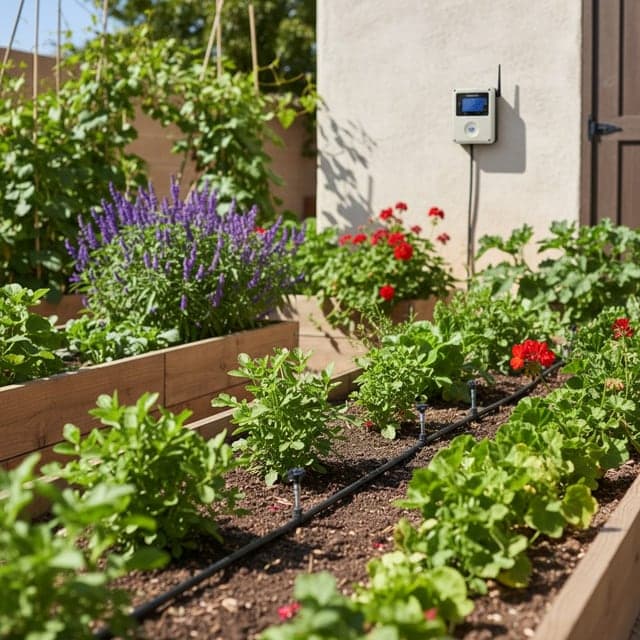
Discover how smart irrigation controllers, rain sensors, and graywater systems help US homesteads save 30% or more on outdoor water useto improve drought resilience.
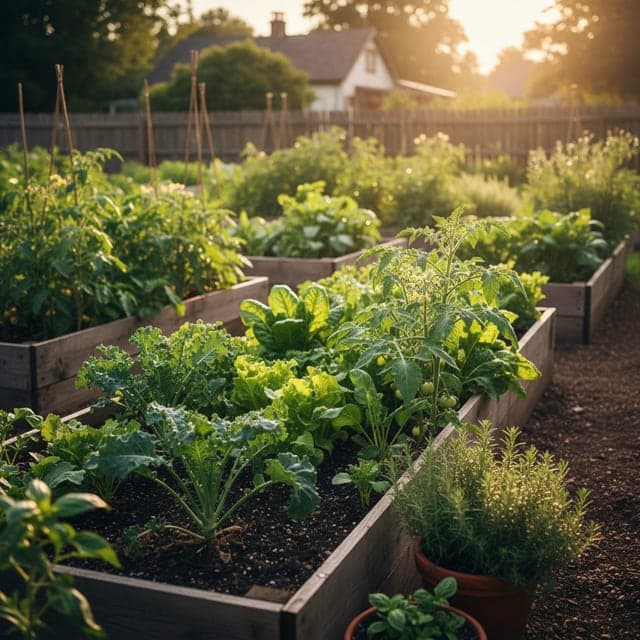
How watering times and techniques affect water absorption, evaporation loss, and fungal disease risk in US gardens.
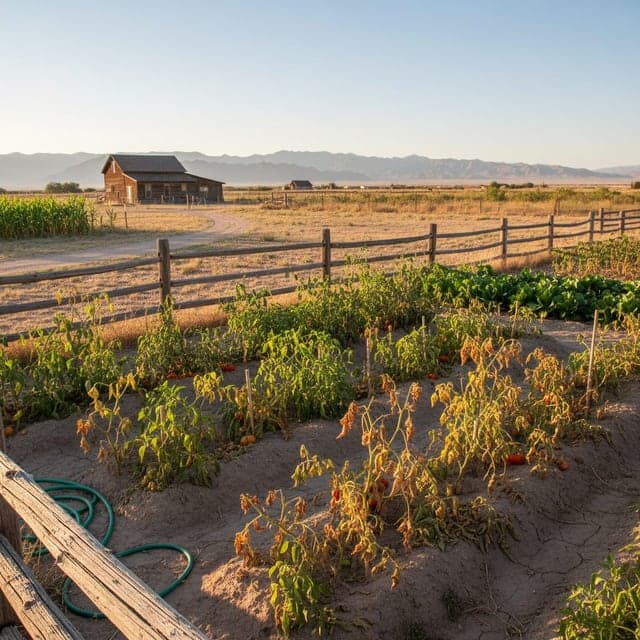
Learn to revive heat-scorched plants like tomatoes, peppers, and squash in USDA Zone 7. Identify symptoms, apply immediate relief, improve soil, and protect against future heatwaves.