Key takeaways
- Sunchokes (Helianthus tuberosus) are a hardy perennial, thriving across USDA zones 3 to 9, making them suitable for most US climates.
- Plant sunchoke tubers 3 to 6 inches deep and 12 to 18 inches apart in well-draining soil, ideally in full sun for best yields.
- These plants can reach 5 to 10 feet tall, providing a windbreak and producing edible tubers that can be harvested from late fall through early spring.
- Sunchokes are a low-maintenance crop, requiring minimal fertilization and tolerating various soil types, though they prefer a pH between 6.0 and 7.0.
- Harvest tubers after the first hard frost for improved flavor, leaving some in the ground for a continuous crop in subsequent years.
- Manage sunchoke spread by harvesting thoroughly or using physical barriers, as they can naturalize vigorously in favorable conditions.
Quick answer: Sunchokes (Jerusalem artichokes) are hardy perennial tubers that thrive in USDA zones 3-9. Plant tubers 3-6 inches deep and 12-18 inches apart in full sun and well-draining soil, harvesting after the first hard frost.
Across the diverse landscapes of the United States, from the cold winters of USDA zone 3 in Minnesota to the milder climates of zone 9 in Florida, many growers seek resilient, productive plants. Sunchokes, also known as Jerusalem artichokes (Helianthus tuberosus), offer a compelling solution. This hardy perennial tuber is a distant relative of the sunflower, providing both an edible harvest and significant ecological benefits for many years [1].
Unlike many annual vegetables that demand replanting each season, sunchokes establish themselves and return year after year, often with minimal intervention. Their tolerance of a wide range of soil conditions and temperatures makes them a good addition to gardens and small farms looking for reliable, long-term food sources that also support soil health and biodiversity.
Understanding the sunchoke: a versatile perennial
The sunchoke, or Jerusalem artichoke, is not an artichoke at all, nor is it from Jerusalem. It is a native North American plant, a species of sunflower (Helianthus tuberosus), cultivated by indigenous peoples long before European settlement [1]. Its name likely evolved from the Italian ‘girasole articiocco,’ meaning ‘sunflower artichoke,’ which was then corrupted to ‘Jerusalem’ in English. This plant is valued for its crisp, nutty tubers, which can be eaten raw or cooked, offering a unique flavor profile often compared to water chestnuts or jicama.
Botanical characteristics and hardiness
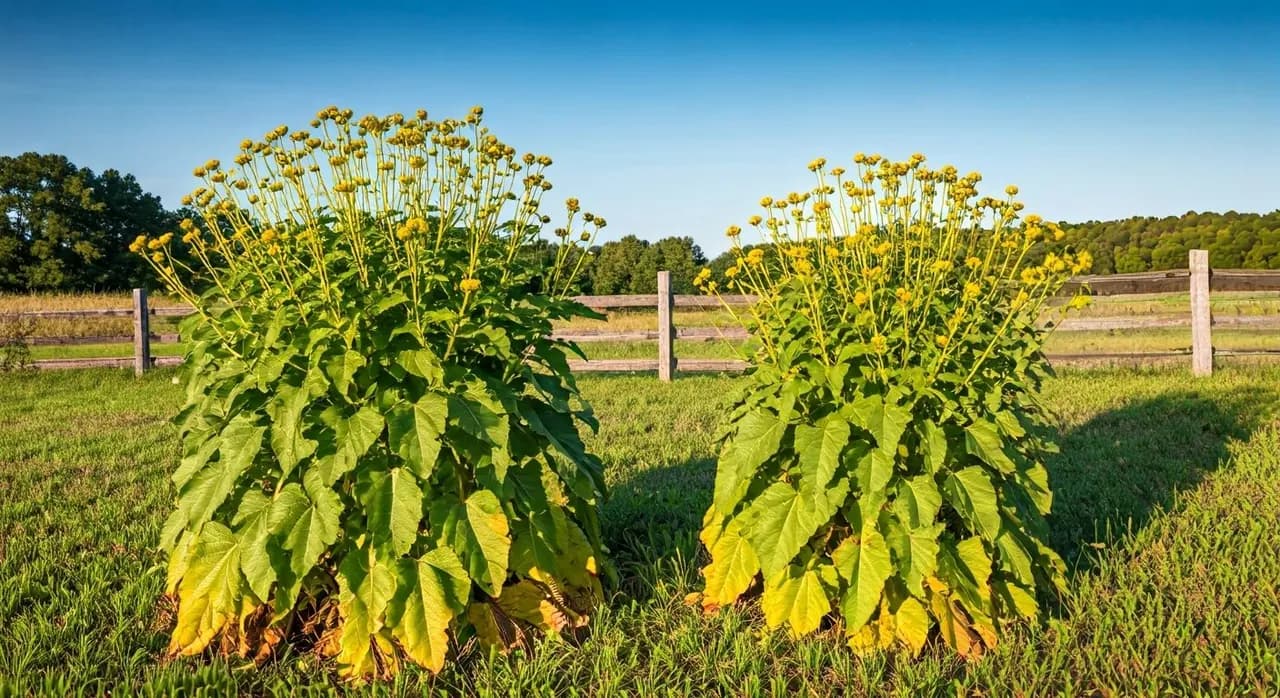
Sunchokes are remarkably adaptable, thriving in a broad range of climates from USDA zone 3 to zone 9. This wide hardiness range means they can withstand winter temperatures as low as -40°F in northern states like North Dakota, and tolerate the warmer conditions found in states like California and Texas. The plant itself can grow quite tall, often reaching 5 to 10 feet in height, with some varieties exceeding 12 feet, producing attractive yellow flowers in late summer or early fall [2]. These tall stalks can also serve as effective windbreaks for more delicate crops in exposed areas.
- Native range: Eastern and central North America, from eastern Canada south to Florida and west to Texas.
- Plant height: Typically 5 to 10 feet, but can reach over 12 feet under ideal conditions.
- Flower color: Bright yellow, resembling small sunflowers, usually 2 to 4 inches across.
- Tuber characteristics: Irregularly shaped, knobby, with thin skin and crisp white flesh.
Site selection and soil preparation for robust growth
Choosing the right location matters for establishing a healthy sunchoke patch that will produce for years. While sunchokes are not particularly fussy, they perform best in full sun, meaning at least six to eight hours of direct sunlight per day. In regions with intense summer heat, such as Arizona or parts of Texas, some afternoon shade can be beneficial, especially for younger plants, to prevent stress and ensure consistent growth.
Preparing the planting bed
Sunchokes tolerate a wide range of soil types, from sandy loams to heavier clays, but they truly thrive in well-draining, fertile soil with a pH between 6.0 and 7.0 [2]. Before planting, amend heavy clay soils with 2 to 4 inches of organic matter, such as compost or aged manure, to improve drainage and aeration. For sandy soils, organic matter will help retain moisture and nutrients. Digging the bed to a depth of 12 inches allows for good tuber development. Consider planting them where they won’t shade out other sun-loving plants, perhaps along a fence line or at the back of a garden bed. They can also be used in areas where soil erosion is a concern, helping to stabilize the ground, similar to how other hardy plants manage runoff.
- Sunlight requirement: Full sun (six to eight hours daily) for optimal tuber production.
- Ideal soil pH: Slightly acidic to neutral, ranging from 6.0 to 7.0.
- Soil amendment: Incorporate 2 to 4 inches of compost or aged manure.
- Drainage: Essential to prevent tuber rot; avoid waterlogged areas.
Planting sunchoke tubers: timing and spacing
Planting sunchoke tubers is a straightforward process, typically done in early spring after the last hard frost, or in late fall in milder climates (USDA zones 7-9). In northern regions like Michigan or Wisconsin, planting in April or May is common. You can purchase tubers from seed catalogs, local nurseries, or even use tubers from a grocery store if they are firm and free of blemishes. Each tuber should have at least two ‘eyes’ or growth buds, similar to a potato.
Proper planting techniques
Plant tubers 3 to 6 inches deep and space them 12 to 18 inches apart in rows that are 3 feet apart [1]. This spacing allows for ample growth and air circulation, reducing the risk of fungal diseases. For a continuous harvest, some growers in states like Pennsylvania might plant a second batch two to three weeks later. Water thoroughly after planting to settle the soil around the tubers. Sunchokes are known for their vigorous growth, and a single tuber can produce a cluster of 10 to 20 new tubers by the end of the growing season [2]. For gardeners looking to establish a long-term food source, planting sunchokes is a great option, much like setting up a perennial asparagus bed that can last for 20 years. Learn more about growing asparagus for another perennial staple.
- Planting depth: 3 to 6 inches deep for optimal tuber development.
- Spacing between plants: 12 to 18 inches apart to allow for spread.
- Row spacing: Maintain 3 feet between rows for accessibility and light.
- Tuber requirement: Each planted piece should have at least two viable ‘eyes’.
Ongoing care and managing sunchoke growth
Once planted, sunchokes require relatively little care, making them an excellent choice for busy growers or those seeking low-maintenance crops. They are quite drought-tolerant once established, but consistent moisture, especially during dry spells in July and August, will result in larger tubers. Aim for about 1 inch of water per week, either from rainfall or irrigation, particularly in drier states like Colorado or Nevada.
Fertilization and pest management
Sunchokes are not heavy feeders. If your soil was amended with organic matter at planting, additional fertilizer may not be necessary for the first year. In subsequent years, a light application of a balanced organic fertilizer (e.g., 5-10-5 or 10-10-10) in early spring can boost yields. Avoid high-nitrogen fertilizers, which can promote excessive foliage growth at the expense of tuber development. Pests and diseases are generally not a major concern for sunchokes. Slugs and snails might nibble on young shoots, and deer can browse the foliage, but significant damage is rare. Some growers in the Midwest have reported issues with powdery mildew in humid conditions, which can be managed with good air circulation and appropriate organic fungicides. For overall garden health, consider integrating nitrogen-fixing plants nearby. Explore cold-hardy nitrogen fixers to improve your soil naturally.
- Watering: Provide 1 inch of water per week during dry periods.
- Fertilization: Light application of balanced organic fertilizer (e.g., 5-10-5) in spring, if needed.
- Pest resistance: Generally robust, with few serious pest or disease issues.
- Weed control: Mulch with 2 to 3 inches of straw or wood chips to suppress weeds.
Harvesting and storing your sunchoke bounty
The harvest of sunchokes is one of their most rewarding aspects, as it extends through the colder months when many other garden crops are dormant. Tubers are best harvested after the first hard frost in late fall or early winter, usually around October or November in northern states like New York or Montana. The frost causes the plant’s energy to retreat into the tubers, converting starches into sugars and significantly improving their flavor and texture [1]. You’ll know they are ready when the tall stalks begin to yellow and die back.
Harvesting techniques and storage
To harvest, cut the dried stalks down to about 6 inches above the ground. Then, carefully dig around the base of the plant with a garden fork or spade, being mindful not to damage the tubers. Sunchokes grow in clusters, often extending 6 to 12 inches from the main stem and 4 to 8 inches deep in the soil [2]. A single mature plant can yield 3 to 5 pounds of tubers. Only harvest what you plan to use within a few weeks, as sunchokes store best in the ground. For longer storage, brush off excess soil, but do not wash them. Store tubers in a cool, dark, and humid place, such as a root cellar or a perforated plastic bag in the refrigerator, where they can last for two to four months at temperatures near 35°F. Leaving some small tubers in the ground ensures a perennial crop for the following year, a practice that aligns with sustainable agriculture principles.
- Harvest timing: After the first hard frost, typically late fall to early spring.
- Yield per plant: A mature plant can produce 3 to 5 pounds of tubers.
- In-ground storage: Best method for preserving freshness and ensuring future crops.
- Refrigerated storage: Store unwashed tubers in a perforated bag at 35°F for two to four months.
Culinary uses and managing spread in the garden
Sunchokes are incredibly versatile in the kitchen, offering a crisp texture and a subtly sweet, nutty flavor. They contain inulin, a prebiotic fiber that can be beneficial for gut health but that many people cannot digest comfortably: gas and bloating are common, and raw tubers are the worst offenders, so start with a small serving and see how you tolerate them before making a meal of them [2]. Raw sunchokes are excellent thinly sliced in salads, adding a refreshing crunch. They can also be roasted, mashed, sautéed, or added to soups and stews. In a stir-fry, they maintain their firmness, providing a pleasant contrast to softer vegetables. For example, a simple roast with olive oil, salt, and pepper at 400°F for 20-25 minutes brings out their best flavor.
Controlling naturalization
One important consideration for growing sunchokes is their tendency to naturalize vigorously. If left unchecked, a small patch can expand rapidly, potentially taking over garden beds. In states like Oregon or Washington, where conditions are often ideal, this spread can be particularly noticeable. To manage this, you have a few options. One partial control is thorough harvesting (digging up as many tubers as possible each season), but any fragment you miss will resprout, so treat wherever you plant them as a permanent sunchoke bed. Another approach is to plant them in a dedicated bed surrounded by a physical barrier, such as a metal or plastic edging sunk 18 to 24 inches deep into the soil. Alternatively, plant them in large containers (e.g., 15-gallon or larger) to restrict their root growth. This control is similar to managing other vigorous perennials. For other easy-to-grow garden additions, consider starting a herb garden with simple, contained varieties.
- Raw consumption: Sliced thinly in salads for a crisp texture.
- Cooked applications: Roasting, mashing, sautéing, or adding to soups and stews.
- Nutritional benefit: Rich in inulin, a prebiotic fiber.
- Spread control: Thorough harvesting, physical barriers (18-24 inch deep), or container planting.
Long-term benefits and ecological role
Beyond their culinary appeal, sunchokes offer several long-term benefits for the garden and local ecosystem. As a perennial, they reduce the need for annual tilling, which helps to preserve soil structure and minimize erosion, especially on sloped land or in areas prone to heavy rainfall. Their extensive root systems can reach depths of 2 to 3 feet, drawing up nutrients from deeper soil layers and contributing to soil organic matter when old roots decompose. This makes them a valuable component in a diverse planting strategy, supporting soil health over many seasons.
Supporting biodiversity and sustainable practices
The tall stalks and late-season flowers of sunchokes provide habitat and food for pollinators, including native bees and other beneficial insects, particularly in late summer when many other plants have finished blooming. This support for local biodiversity is a key aspect of sustainable gardening practices. Furthermore, sunchokes are highly efficient at converting sunlight into biomass, producing a significant amount of edible tubers with minimal external inputs. Their ability to thrive in a wide range of conditions, from USDA zone 3 to 9, and their low maintenance requirements, make them an excellent choice for growers aiming for food security and reduced resource consumption. Consider them as a living fence or privacy screen, reaching up to 10 feet tall, offering both utility and beauty.
- Erosion control: Extensive root systems help stabilize soil, especially on slopes.
- Soil health: Reduces need for tilling, increases organic matter, and draws deep nutrients.
- Pollinator support: Late-season flowers provide nectar and pollen for beneficial insects.
- Low input: Requires minimal fertilization, watering, and pest management once established.
Hardy perennial: Sunchokes thrive across USDA zones 3 to 9, tolerating winter temperatures down to -40°F.
High yield: A single mature sunchoke plant can produce 3 to 5 pounds of edible tubers per season.
Soil improver: Their deep root systems, reaching 2 to 3 feet, help prevent erosion and build soil organic matter over many years.
Frequently asked questions
What USDA zones are suitable for growing sunchokes?
Sunchokes are exceptionally hardy and can be successfully grown in USDA zones 3 through 9, tolerating a wide range of winter temperatures, from -40°F to 20°F.
How deep should I plant sunchoke tubers?
Plant sunchoke tubers 3 to 6 inches deep in well-draining soil. This depth encourages strong root development and protects the tubers from temperature fluctuations.
How do I prevent sunchokes from spreading too much?
To manage spread, thoroughly harvest as many tubers as possible each season, or plant them within a physical barrier sunk 18 to 24 inches deep. Container planting in 15-gallon pots also works.
When is the best time to harvest sunchokes?
Harvest sunchokes after the first hard frost in late fall or early winter, typically from October through March. This timing allows starches to convert to sugars, improving flavor and texture.
What kind of soil do sunchokes prefer?
Sunchokes prefer well-draining, fertile soil with a pH between 6.0 and 7.0. Amending heavy soils with 2 to 4 inches of organic matter will greatly improve their growth and tuber development.
Can sunchokes be grown in containers?
Yes, sunchokes can be grown in large containers, such as 15-gallon pots or half whiskey barrels, to control their spread. Ensure containers have good drainage holes and are filled with a rich potting mix.
References
- ARTICHOKE, JERUSALEM (Helianthus tuberosus)Jerusalem (Helianthus tuberosus) (2023). ARTICHOKE, JERUSALEM (Helianthus tuberosus)Jerusalem (Helianthus tuberosus).
- Characteristics of the Jerusalem Artichoke (2022). Characteristics of the Jerusalem Artichoke.
- Supplemental Information 3: The complete chloroplast genome of Jerusalem artichoke. (2023). Supplemental Information 3: The complete chloroplast genome of Jerusalem artichoke..