Key takeaways
- Recognize that February is late summer in the Southern Hemisphere, serving as the critical transition window for starting cool-season autumn crops.
- Sow autumn brassicas (broccoli, cauliflower, cabbage, kale) into shaded seed trays in temperate zones to produce sturdy transplants for March.
- Direct-sow fast-maturing warm-season crops like bush beans, sweet corn, zucchini, and radishes for a final autumn harvest before soil cools.
- In tropical and subtropical regions, focus on monsoon-tolerant crops such as snake beans, sweet potato, Ceylon spinach, and okra.
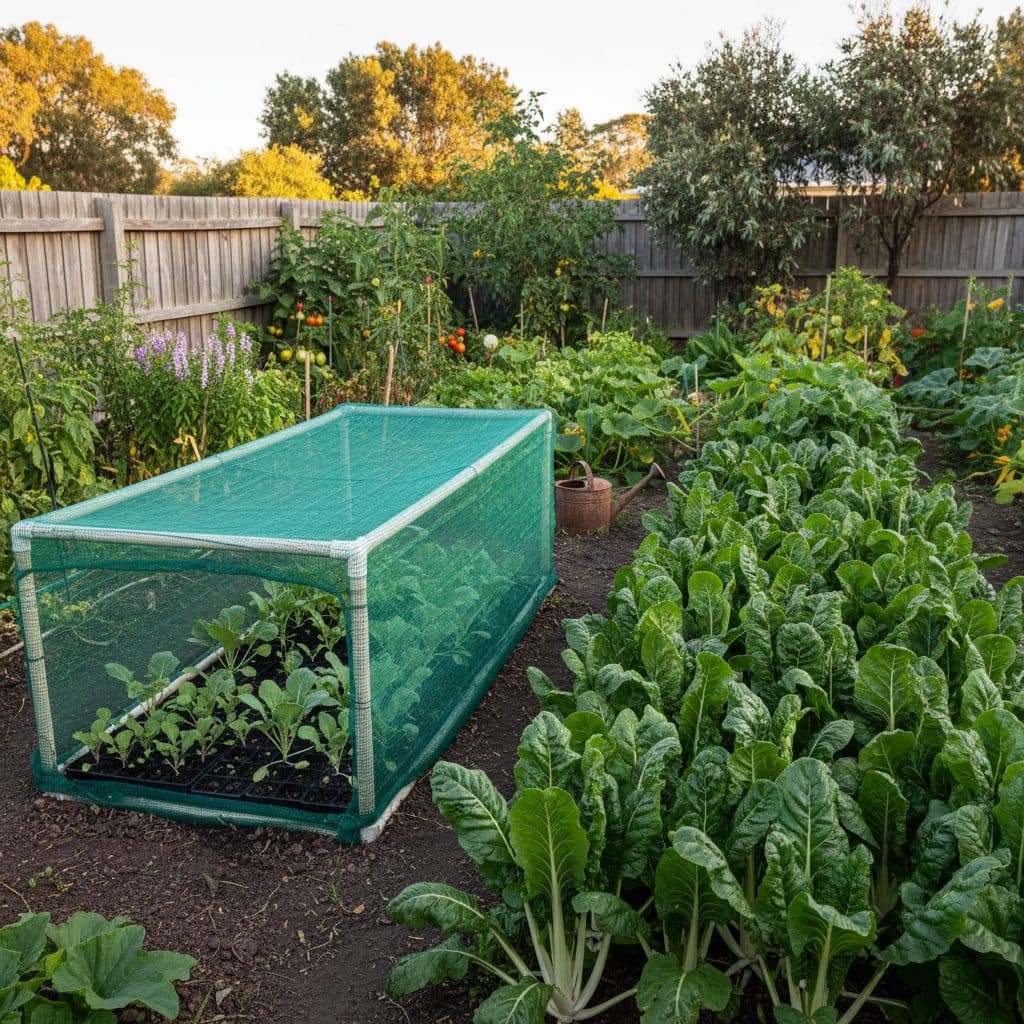
- Protect heat-stressed soil and tender seedlings from late summer heatwaves (38°C to 42°C) using 50 percent shade cloth and thick organic lucerne mulch.
Quick answer: Knowing what to plant in February Australia depends on your specific regional climate zone as the country transitions from late summer into early autumn. Gardeners in temperate and cool climates (Melbourne, Sydney, Adelaide, Hobart) start seeds of winter brassicas, leeks, onions, silverbeet, and root vegetables in shaded propagation trays. In subtropical and tropical regions (Brisbane, Cairns, Darwin), growers sow heat-hardy greens, snake beans, sweet potatoes, and cucurbits while preparing beds for autumn planting.
February is a transition month in the Australian gardening calendar. In the Southern Hemisphere, February brings intense late-summer heatwaves alongside shortening day lengths that signal the approaching autumn growing season.
For vegetable gardeners, February is not a time to pause. Sowing cool-season brassicas and root vegetables now gives plants time to establish strong root systems in warm soil before winter cold slows vegetative growth in May.
By matching crop selection to your climate zone, managing cabbage white butterfly pressure, and buffering late-summer heat extremes, you can ensure a seamless transition from summer bounty to productive autumn and winter harvests.
Australian climate zones: February planting matrix
Australia spans diverse climatic zones ranging from the wet tropical north to the frost-prone cool temperate south. Structure your planting activities by regional climate.
+--------------------+-------------------------+-------------------------------------------------+
| Climate Zone       | Representative Cities   | Key February Sowing & Planting Tasks            |
+--------------------+-------------------------+-------------------------------------------------+
| Tropical           | Darwin, Cairns, Townsville| Snake beans, Ceylon spinach, sweet potato, okra|
| Subtropical        | Brisbane, Gold Coast    | Bush beans, zucchini, broccoli (seed trays)     |
| Warm Temperate     | Sydney, Perth, Central  | Broccoli, kale, beetroot, silverbeet, carrots   |
| Cool Temperate     | Melbourne, Hobart, ACT  | Cabbage, cauliflower, leeks, parsnips, spinach  |
| Arid / Inland      | Adelaide Plains, Dubbo  | Silverbeet, bush beans (shaded), brassica trays |
+--------------------+-------------------------+-------------------------------------------------+
+-------------------------------------------------------------------+
| AUSTRALIAN FEBRUARY CROP TRANSITION LOGIC |
| |
| [Late-Summer Sun & Warm Soil] ---> Rapid Seed Germination |
| | |
| v |
| [Start Brassica Seed Trays] ---> Protect Under Shade Cloth |
| | |
| v |
| [March Field Transplanting] ---> Established Before Winter |
+-------------------------------------------------------------------+Temperate climates: Sydney, Perth and the coastal belt
In warm temperate coastal regions, soil temperatures remain warm while extreme January heatwaves begin to moderate.
+--------------------+-------------------+--------------------+------------------------+
| Crop               | Sowing Method     | Days to Germinate  | Key Management Action  |
+--------------------+-------------------+--------------------+------------------------+
| Broccoli & Cabbage | Seed trays (shade)| 4 to 7 Days        | Keep compost moist     |
| Silverbeet & Chard | Direct or trays   | 7 to 10 Days       | Water daily in morning |
| Carrots & Beetroot | Direct in drills  | 10 to 14 Days      | Keep seedbed damp      |
| Bush Beans         | Direct sowing     | 6 to 8 Days        | Final warm harvest crop|
| Leeks & Scallions  | Deep module trays | 10 to 14 Days      | Grow to pencil thick   |
| Parsley & Rocket   | Direct or trays   | 7 to 14 Days       | Sow in partial shade   |
+--------------------+-------------------+--------------------+------------------------+
Raising autumn brassicas in shaded trays
Broccoli, cauliflower, kale, and cabbage seeds germinate rapidly in warm February soil, but intense midday sun scorches emerging cotyledons.
Sow seeds in 40-cell module trays filled with quality seed raising mix, and place the trays in a bright, sheltered spot with morning sun and dappled afternoon shade. Keep the soil evenly moist with a fine spray rose. By mid-March, strong seedlings will be ready for transplanting into garden beds as autumn temperatures cool.
Lettuce Germination Tip: Lettuce seeds enter thermal dormancy when soil temperatures exceed 25°C to 28°C, resulting in zero germination. To start autumn lettuce in February, germinate seeds indoors on a damp paper towel in a cool laundry or refrigerator for 24 to 48 hours until root tips emerge, then transfer directly into shaded module cells.
Buffer high-temperature stress by reviewing techniques in temporary transplant shade.
Cool temperate climates: Melbourne, Hobart and mountain regions
In Victoria, Tasmania, and the ACT, winter arrives early. Sowing autumn and winter staples in February is essential to build large, robust plant frames before low light levels and cold nights halt growth in late April.
+------------------------+-----------------------------------+-------------------------+
| Vegetable Group        | Sowing Strategy                   | Winter Harvest Goal     |
+------------------------+-----------------------------------+-------------------------+
| Winter Cauliflower     | Seed trays in early February      | Winter curds (Jul-Aug)  |
| Brussels Sprouts       | Modules; plant out late Feb       | Late winter button crop |
| Swedes & Parsnips      | Direct sow in open drills         | Sweetened by winter frost|
| Winter Spinach         | Direct sow in partial shade       | Continuous winter pick  |
| Florence Fennel        | Direct sow in rich soil           | Autumn bulb swelling    |
| Coriander              | Direct sow; cool nights halt bolt | Fresh culinary foliage  |
+------------------------+-----------------------------------+-------------------------+
Direct-sow carrots, parsnips, and swedes directly into stone-free garden beds. Cover carrot drills with a plank of untreated wood or a strip of shade cloth for five days to retain surface moisture until the first seeds sprout, then remove the cover immediately to allow vertical growth.
Coriander (Coriandrum sativum) bolts instantly during December and January heatwaves. Sowing coriander seed in late February allows it to establish as nights lengthen, producing lush, non-bolting foliage through autumn.
Subtropical and tropical climates: Brisbane to Darwin
The northern half of Australia experiences its monsoon wet season in February, characterized by high humidity, tropical downpours, and intense UV radiation.
+--------------------+-------------------------+--------------------+------------------------+
| Tropical Crop      | Growth Habit            | Water Tolerance    | Kitchen Character      |
+--------------------+-------------------------+--------------------+------------------------+
| Snake Beans        | Climbing vigorous vine  | High (loves rain)  | Crisp yard-long beans  |
| Sweet Potato       | Spreading ground cover  | High (deep roots)  | Storage tubers & greens|
| Ceylon Spinach     | Vining succulent green  | High (heat-proof)  | Tender summer salad    |
| Okra (Bhindi)      | Tall upright shrub      | High               | Pods for curries/soups |
| Rosella            | Shrubby hibiscus        | Moderate to high   | Calyx for jams/teas    |
+--------------------+-------------------------+--------------------+------------------------+
Traditional European cool-season brassicas rot or succumb to fungal leaf diseases under wet tropical February conditions. Wait until late March or April before sowing tomatoes, capsicums, and lettuces in the subtropics.
For extreme subtropical moisture and heat management, implement wicking beds hot dry humid climates.
Managing late-summer pest pressure and heatwaves
Late summer brings peak activity from the white cabbage butterfly (Pieris rapae), whose caterpillars devour tender young brassica leaves.
+------------------------+-----------------------------------+-------------------------+
| Pest / Environmental   | Garden Impact                     | Organic Solution        |
+------------------------+-----------------------------------+-------------------------+
| Cabbage Butterfly      | Voracious green caterpillars      | Cover with 5 mm mesh net|
| Extreme Heat (38°C+)   | Wilting, sunscald, blossom drop   | 50% white shade cloth   |
| Dry North Winds        | Rapid soil moisture evaporation   | 7 cm organic mulch layer|
| Soil Crust Cracking    | Poor seedling emergence           | Surface seedbed cover   |
+------------------------+-----------------------------------+-------------------------+
Covering new brassica seedling beds with fine exclusion netting supported over poly pipe hoops completely prevents butterflies from laying yellow egg clusters on your plants.
Deploy temporary shade cloth structures over establishing beds to filter searing afternoon radiation. White shade cloth is ideal because it reflects solar thermal energy without trapping stagnant hot air.
Discover shade cloth sizing and frame construction in shade cloth vegetables percentage install and protect ripening fruit from parrots and possums using fruit tree netting.
Planning the autumn veggie patch transition
As February draws to a close, prepare vacant beds for the main autumn planting season in March and April.
+-------------------------------------------------------------------+
|               BED PREPARATION ACTION STEPS                        |
+-------------------------------------------------------------------+
| - Clear spent summer tomato and bean vines to the compost heap    |
| - Broadfork compacted soil without inverting delicate soil layers |
| - Top-dress with 5 cm aged cow manure and compost per square metre|
| - Dust with agricultural dolomite or gypsum on heavy clay soils   |
| - Lay fresh drip lines beneath mulch for efficient autumn watering|
+-------------------------------------------------------------------+
Plan your full spring-to-summer annual planting calendar by comparing this guide with our spring planting blueprint in what to plant in november australia.