Key takeaways
- Recognize that November is late spring in the Southern Hemisphere, representing the final prime window to plant warm-season summer crops.
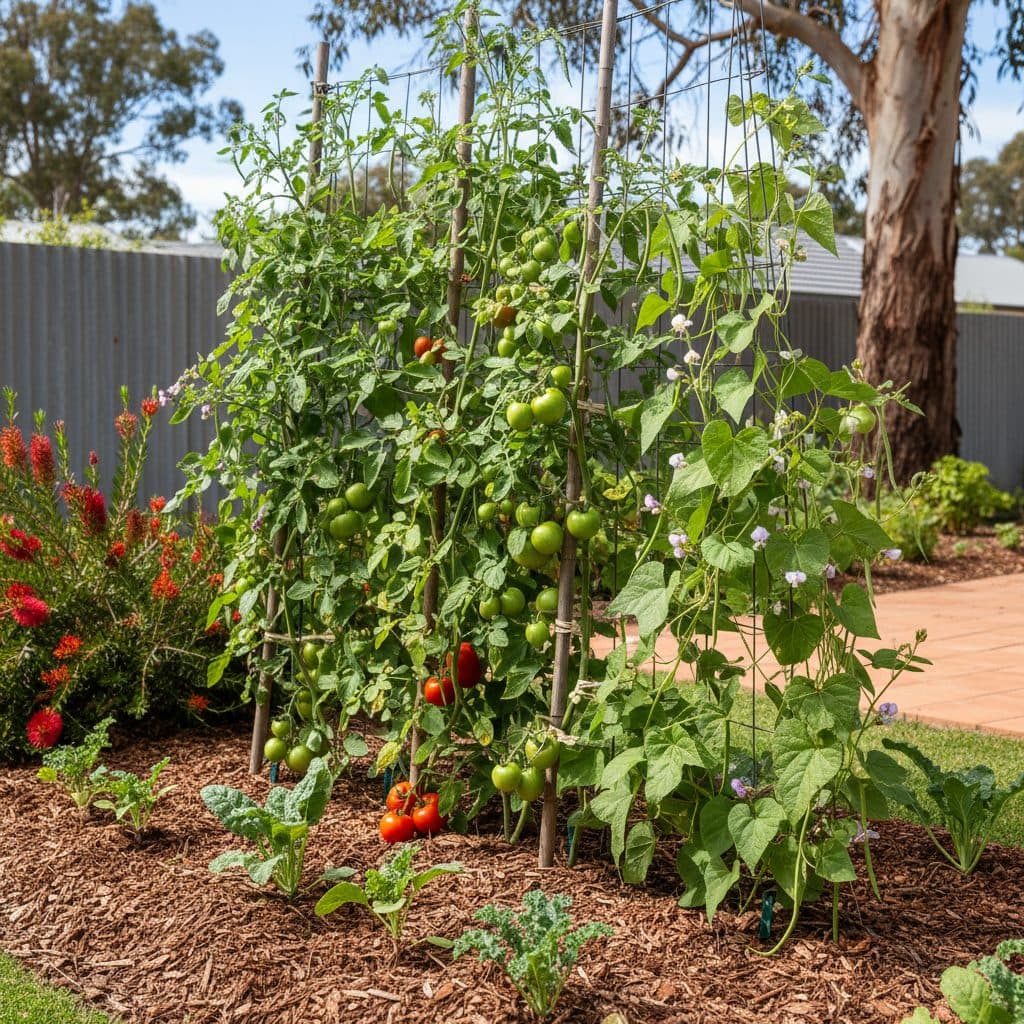
- Plant heat-loving solanaceous crops including tomatoes, capsicums, chillies, and eggplants into warm garden beds across all temperate regions.
- Direct-sow heavy-yielding warm-season staples such as climbing beans, sweet corn, zucchini, cucumbers, pumpkins, and watermelons.
- Lay down drip irrigation systems and apply a 7 cm layer of sugar cane or lucerne mulch before scorching December summer heatwaves arrive.
- In tropical northern regions, transition garden beds toward monsoon-hardy species like snake beans, cassava, sweet potato, and roselle.
Quick answer: Deciding what to plant in November Australia revolves around maximizing late-spring warmth as soil temperatures consistently exceed 18°C across the continent. Gardeners in temperate and cool zones (Sydney, Melbourne, Adelaide, Perth, Hobart) transplant warm-season staples such as tomatoes, capsicums, eggplants, sweet corn, climbing beans, and pumpkins. In subtropical and tropical northern regions, growers plant heat-proof greens, sweet potatoes, ginger, and snake beans before peak summer rains.
November is one of the most energetic and productive months for Australian gardeners. As the Southern Hemisphere spring draws to a close, lengthening days and rising soil temperatures create optimal conditions for rapid root growth and vigorous vegetative expansion.
In southern and coastal temperate states, traditional garden lore recommends planting frost-sensitive summer crops around Melbourne Cup Day (early November), once the risk of late spring frost has completely passed.
By matching crop varieties to your regional climate zone, setting up Queensland fruit fly exclusion netting, and installing protective mulch and irrigation now, your vegetable patch will produce heavy harvests throughout summer and into autumn.
Australian climate zones: November planting matrix
Because Australian regional climates vary from cool alpine valleys to tropical savannas, planting schedules must suit regional temperatures.
+--------------------+-------------------------+-------------------------------------------------+
| Climate Zone       | Representative Cities   | Key November Planting Tasks                     |
+--------------------+-------------------------+-------------------------------------------------+
| Tropical           | Darwin, Cairns, Broome  | Snake beans, sweet potato, cassava, roselle     |
| Subtropical        | Brisbane, Gold Coast    | Ginger, turmeric, sweet corn, okra, capsicum    |
| Warm Temperate     | Sydney, Perth, Central  | Tomatoes, capsicums, zucchini, beans, cucumbers |
| Cool Temperate     | Melbourne, Hobart, ACT  | Tomatoes, eggplants, pumpkins, sweet corn, basil|
| Arid / Inland      | Adelaide, Dubbo, Mildura| Melons, pumpkins, okra, heat-hardy tomatoes     |
+--------------------+-------------------------+-------------------------------------------------+
+-------------------------------------------------------------------+
| SOUTHERN HEMISPHERE NOVEMBER CROP CYCLE |
| |
| [Late-Spring Warming Soil] ---> Transplants Establish Fast |
| | |
| v |
| [Apply Thick Summer Mulch] ---> Retains Soil Water & Coolness |
| | |
| v |
| [Dec - Feb Summer Harvest] ---> Heavy Fruiting & Abundance |
+-------------------------------------------------------------------+Temperate climates: Sydney, Melbourne, Adelaide and Perth
November is the cornerstone month for planting warm-season fruiting vegetables across southern and coastal Australia.
+--------------------+-------------------+--------------------+------------------------+
| Crop               | Planting Method   | Soil Temp Needed   | Key Management Action  |
+--------------------+-------------------+--------------------+------------------------+
| Tomatoes (Staked)  | Transplant        | 16°C to 24°C       | Install sturdy stakes  |
| Capsicum & Chilli  | Transplant        | 18°C to 26°C       | Full sun; free drainage|
| Climbing Beans     | Direct sowing     | 16°C to 22°C       | Build vertical trellis |
| Sweet Corn         | Direct in blocks  | 18°C to 24°C       | Plant in grid blocks   |
| Zucchini & Squash  | Direct or pots    | 18°C to 25°C       | Allow 1 metre spread   |
| Basil & Marigolds  | Seedlings / seed  | 18°C to 25°C       | Companion for tomatoes |
+--------------------+-------------------+--------------------+------------------------+
Direct sowing sweet corn in grid blocks
Sweet corn is wind-pollinated. Never sow sweet corn in a single long, narrow row, as passing breezes blow pollen away from developing ear silks, resulting in patchy, half-filled cobs. Instead, sow corn in square blocks of at least sixteen plants spaced 30 cm apart in each direction.
Interplant French marigolds and sweet basil alongside tomato and capsicum beds. Marigold root exudates suppress harmful root-knot nematodes in warm sandy soils, while flowering basil attracts native blue-banded bees to buzz-pollinate solanaceous blossoms.
Protect establishing transplants during sudden early summer temperature spikes using strategies from watering seedlings transplants extreme heat.
Cool temperate and mountain regions: Hobart, Canberra and Ballarat
In cool temperate zones, November provides the first reliable window to move tender summer crops from protected greenhouses into open garden beds without risking frost damage.
+------------------------+-----------------------------------+-------------------------+
| Crop Group             | Planting Technique                | Autumn Harvest Goal     |
+------------------------+-----------------------------------+-------------------------+
| Heirloom Tomatoes      | Harden off seedlings; deep plant  | Ripe fruit (Feb-Apr)    |
| Pumpkins (Butternut)   | Direct seed on warm compost mounds| Winter storage squash   |
| Cucumbers (Lebanese)   | Trellised seedlings               | Crisp summer salads     |
| French Dwarf Beans     | Direct sow every 3 weeks          | Continuous pod harvest  |
| Beetroot & Carrots     | Direct drilled in stone-free rows | Sweet summer root crops |
+------------------------+-----------------------------------+-------------------------+
When planting tomato seedlings in cool southern soils, bury the lower third of the main stem into the soil. The buried stem quickly develops adventitious roots along its length, creating an extensive root architecture capable of supporting heavy summer fruit loads.
Subtropical and tropical climates: Brisbane to Darwin
In subtropical and tropical northern Australia, November marks the build-up to the monsoonal wet season. Gardeners should prioritize heat-loving perennials and tropical crops.
+--------------------+-------------------------+--------------------+------------------------+
| Tropical Crop      | Propagation Method      | Soil Requirement   | Culinary Harvest       |
+--------------------+-------------------------+--------------------+------------------------+
| Ginger & Turmeric  | Plant sprouted rhizomes | High compost/mulch | Tender autumn rhizomes |
| Sweet Potato       | Plant rooted vine slips | Sandy loam mound   | Tubers & young leaves  |
| Snake Beans        | Direct seed on trellis  | Free-draining loam | Continuous pod pick    |
| Roselle Hibiscus   | Seedling transplants    | Moderate fertility | Calyx for syrups/jams  |
| Cassava            | Woody stem cuttings     | Deep friable soil  | Starchy root staple    |
+--------------------+-------------------------+--------------------+------------------------+
Planting ginger and turmeric rhizomes beneath the dappled shade of fruit trees or tall corn allows them to thrive through intense tropical downpours. Pair your tropical plantings with perennial fruit species detailed in growing bananas in australia.
For water-efficient container growing in hot, dry regions, install wicking beds self watering.
Soil preparation, mulching and pest management
Preparing your soil structure in November protects root zones from extreme evaporation during December, January, and February heatwaves.
+-------------------------------------------------------------------+
|               LATE-SPRING SOIL DEFENSE CHECKLIST                  |
+-------------------------------------------------------------------+
| 1. Deep Organic Manuring: Work in 5 kg compost/manure per sq m    |
| 2. Sub-Surface Drip Lines: Install drip irrigation beneath mulch  |
| 3. Heavy Mulch Layer:     Spread 7 cm sugar cane or lucerne mulch |
| 4. Vertical Trellising:   Erect timber/wire climbing frames early |
| 5. Wildlife Netting Prep: Fit 5 mm white wildlife-safe netting    |
+-------------------------------------------------------------------+
Never leave bare soil exposed to direct Australian summer sun. Baking sun destroys beneficial soil microbiology, compacts the surface, and doubles irrigation requirements. Apply a thick layer of organic sugar cane, pea straw, or lucerne mulch immediately after planting.
Be mindful of local municipal council water restrictions by installing tap timers scheduled for early morning operation before 8:00 AM. Setting up drip systems beneath thick mulch delivers water directly to root zones with zero wind drift or surface evaporation.
Biosecurity and pest awareness
In eastern Australia, November brings rising activity from Queensland fruit fly (Bactrocera tryoni), while gardeners in Western Australia face Mediterranean fruit fly (Ceratitis capitata). Hang organic male pheromone traps to monitor adult population emergence, and bag developing tomatoes, chillies, and capsicums with fine exclusion bags before fruits begin to change colour and soften.
Ensure your fruit trees and berry bushes comply with state wildlife safety laws by reviewing fruit tree netting.
Planning the summer succession schedule
To avoid an overwhelming glut followed by empty beds, stagger your warm-season plantings.
+--------------------+-------------------+--------------------+------------------------+
| Crop               | First Sowing      | Second Sowing      | Final Autumn Crop      |
+--------------------+-------------------+--------------------+------------------------+
| Bush Green Beans   | Early November    | Early December     | Late January           |
| Lebanese Cucumber  | Early November    | Late December      | Late January           |
| Sweet Corn         | Early November    | Early December     | Early January          |
| Zucchini           | Early November    | Mid December       | Late January           |
+--------------------+-------------------+--------------------+------------------------+
Plan your full-year garden rotation by checking our late-summer planting guide in what to plant in february australia to maintain a continuous supply of homegrown produce throughout the year.