Key takeaways
- Dehydration removes 80-95% of water, concentrating flavor and nutrients.
- Maintain specific temperatures, typically 125-145°F, for safe and effective drying.
- Pre-treat fruits like apples and peaches to prevent browning and extend shelf life.
- Store dehydrated foods in airtight containers in a cool, dark place for up to 12 months.
- Proper preparation, including uniform slicing, matters for even drying.
- Dehydrating reduces food volume by up to 90%, saving significant storage space.
Quick answer: Dehydrating your garden harvest involves removing 80-95% of water content at specific temperatures (125-145°F) to preserve food, concentrate flavors, and enable long-term storage without refrigeration.
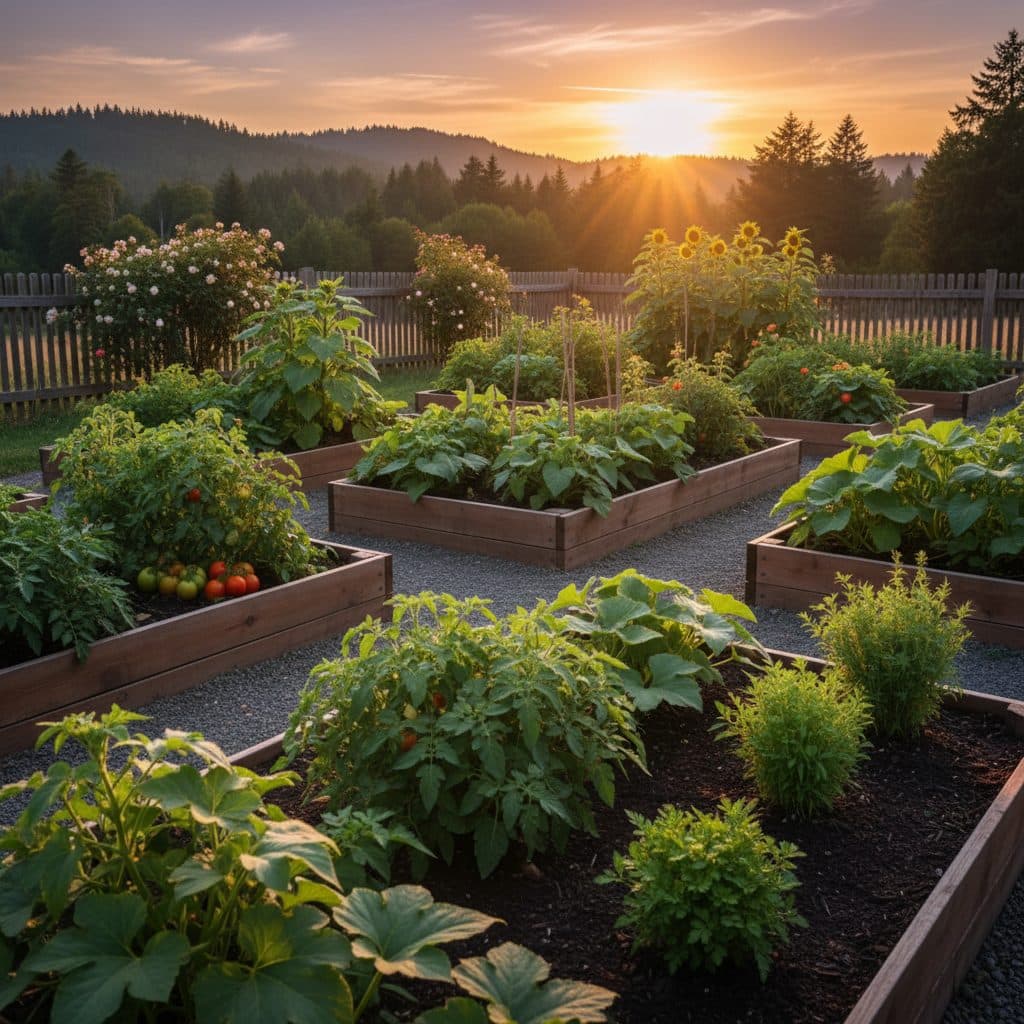
In the heart of the growing season, a typical garden in central Pennsylvania, USDA Zone 6b, can produce an abundance of tomatoes, peppers, herbs, and fruits. When the harvest comes in faster than you can eat it fresh, dehydrating offers a practical solution to preserve that bounty. This method removes 80-95% of the water content from food, concentrating flavors and allowing for long-term storage without refrigeration, which can reduce food waste by up to 30% for many home growers.
Dehydration is an ancient preservation technique, adapted for modern homes with electric dehydrators that maintain precise temperatures, usually between 125°F and 145°F. Whether you’re dealing with a surplus of ‘Roma’ tomatoes, a bushel of ‘Bell’ peppers, or a fragrant crop of basil, learning to dry your produce means you can enjoy the taste of summer throughout the colder months, potentially saving hundreds of dollars on groceries over a 12-month period.
The basics of dehydration: principles and equipment
Dehydration works by removing moisture from food, inhibiting the growth of bacteria, yeasts, and molds. This reduces water activity below 0.60, a critical threshold for microbial stability. A fresh tomato, for instance, is about 95% water, but a properly dried one contains less than 10% moisture, extending its shelf life from days to over 12 months. This process concentrates natural sugars and flavors, making dried produce a potent ingredient.
Understanding temperature and airflow
Maintaining a consistent temperature, typically 125°F to 145°F, matters most. Too low, and spoilage occurs; too high, and case hardening traps moisture. Good airflow carries away evaporated moisture efficiently. A standard electric dehydrator, often with 5-10 trays and a fan, processes 5-15 pounds of produce, usually between 500 and 1000 watts. In arid regions like Arizona, solar dehydrators can reach 110-140°F on sunny days.
Ensure produce is clean and uniformly prepared. Slicing fruits and vegetables to a consistent 1/8 to 1/4 inch thickness ensures even drying. This is vital for items like apples or zucchini, where inconsistent thickness leads to uneven results. A 1/4-inch apple slice dries in 8-12 hours at 135°F, while a 1/2-inch slice might take 18 hours. Uniform preparation can reduce drying time by up to 25%.
- electric dehydrator: offers precise temperature control and consistent airflow.
- sharp knife or mandoline: for uniform slicing, critical for even drying.
- airtight containers: for long-term storage, preventing moisture reabsorption.
- parchment paper or non-stick sheets: for sticky fruits or small herbs.
Dehydrating tomatoes and peppers for year-round flavor
Tomatoes and peppers are prime candidates for dehydration, offering concentrated flavor. ‘Roma’ or paste varieties like ‘San Marzano’ are ideal, yielding 1 pound of dried tomatoes from 10-12 pounds of fresh fruit. Wash thoroughly, then slice 1/4 to 3/8 inch thick. Smaller cherry tomatoes can be halved. Blanching for 30-60 seconds in boiling water can prevent case hardening and reduce drying time by up to 20%. Arrange slices on trays at 135°F. Drying typically takes 8-16 hours. Find more details at how to grow tomatoes and how to grow peppers.
Preparing peppers for drying
Peppers, sweet and hot, dry well. ‘Bell’ peppers, ‘Jalapeños,’ and ‘Cayenne’ are popular. Wash and remove stems, seeds, and membranes. Slice sweet peppers into 1/4-inch strips or dice. Hot peppers can be dried whole if small, or halved. Wear gloves for hot peppers like ‘Habaneros’ (over 1,000,000 Scoville Heat Units). Arrange on trays at 125°F. Sweet peppers dry in 6-12 hours; hot peppers may take 10-20 hours. Properly dried peppers are brittle, reducing fresh weight by 85-90%.
Cool dried tomatoes and peppers completely before storing in airtight containers. Glass jars are excellent, preserving quality for 6-12 months. Add a food-grade desiccant packet for extra protection. In humid climates, like the Gulf Coast, vacuum sealing extends shelf life to 18-24 months. Remember, 1 cup of dried produce can substitute for 3-4 cups fresh.
- ‘Roma’ tomatoes: ideal for their low moisture content, yielding more dried product.
- ‘Bell’ peppers: versatile for slicing into strips or dicing.
- ‘Jalapeño’ peppers: can be dried whole or halved for a spicy kick.
- ‘Cayenne’ peppers: excellent for making homemade chili flakes or powder.
Dehydrating garden herbs: capturing aromatic flavors
Drying herbs is a simple, rewarding preservation method, capturing peak garden flavor. Basil, oregano, thyme, and sage are excellent. A ‘Genovese’ basil plant in USDA Zone 7 can yield 2-3 pounds of fresh leaves, drying to 3-5 ounces. Harvest herbs in the morning after dew dries, when essential oil content is highest. Wash gently and pat dry, aiming for less than 5% surface moisture.
Air drying vs. dehydrator drying
Low-moisture herbs like rosemary and thyme can be air-dried. Bundle small bunches (5-10 stems) and hang in a warm, dry, well-ventilated area (e.g., pantry) with temperatures above 70°F and humidity below 60%. This takes 1-3 weeks. For high-moisture herbs like mint or basil, or in humid climates (e.g., Florida), a dehydrator is more efficient. Set to 95-105°F to preserve delicate oils and color. Drying takes 2-4 hours. Explore easy-to-grow herbs at starting a herb garden, including ‘Garden Sage’ (Salvia officinalis).
Dried herbs should be brittle and crumble easily. Remove leaves from stems and store whole or lightly crushed in airtight containers away from sunlight and heat. Whole leaves retain flavor longer; whole dried basil maintains potency for 12 months, while powdered might lose flavor after 6 months. Label containers. A 1-ounce jar of dried oregano can replace several store-bought packets, saving $5-10 per season.
- basil: best dried in a dehydrator at low temperatures to preserve color.
- oregano: can be air-dried in bunches or machine-dried for faster results.
- rosemary: easily air-dried due to its low moisture content and sturdy leaves.
- thyme: dries quickly, retaining its strong aromatic qualities.
Dehydrating fruits: sweet snacks and baking ingredients
Dehydrated fruits make excellent snacks and baking ingredients. Apples, bananas, berries, and peaches are popular. A 50-pound bushel of apples from a New York orchard can reduce to 5-7 pounds of dried rings. Wash thoroughly, remove bruised spots. Apples and pears should be cored and sliced into 1/4-inch rings. Bananas are best sliced 1/8 to 1/4 inch thick. Berries like strawberries can be halved; blueberries may benefit from a quick blanch (30 seconds) or pricking skins, reducing drying time by up to 30%.
Pre-treatment for color and quality
Many fruits, especially apples, pears, and peaches, brown during drying due to enzymatic oxidation. Pre-treat them by dipping slices in a solution of 1 part lemon juice to 4 parts water for 5-10 minutes, or use ascorbic acid. Pat dry, then arrange on dehydrator trays. Set to 135°F. Drying times vary: 6-12 hours for thin apple slices, 18-24 hours for thicker peach halves. Properly dried fruit is pliable but not sticky, with 15-20% moisture. ‘Honeycrisp’ apples might take 10 hours, ‘Red Delicious’ 12 hours.
Cool fruits completely before conditioning—placing loosely in an airtight container for 7-10 days, shaking daily to equalize residual moisture. Store in airtight containers in a cool, dark pantry below 70°F. Properly stored, dehydrated fruit lasts 6-12 months. ‘Passion Fruit’ (Passiflora edulis) is challenging to dehydrate whole. More tips are at dehydrating food.
- apples: slice into 1/4-inch rings and pre-treat with lemon juice.
- bananas: slice 1/8-1/4 inch thick; no pre-treatment needed.
- strawberries: halve or slice; can be dried without pre-treatment.
- peaches: slice and pre-treat to prevent browning.
Storing and rehydrating your dehydrated harvest
Proper storage is critical for dehydrated food longevity, protecting it from moisture, light, oxygen, and pests. Store in airtight containers like glass jars, Mylar bags, or vacuum-sealed bags. Maintain storage temperatures below 70°F, ideally in a dark pantry. Fluctuating temperatures cause condensation, risking spoilage. Dried apples at 70°F might last 12 months, but at 85°F, only 6 months. In humid areas like coastal Georgia, vacuum sealing extends shelf life by 50% or more, often reaching 18-24 months.
Rehydrating for cooking
Rehydrating dried foods restores their usable texture. Use 1 part dried food to 2 parts water or broth. Vegetables like carrots or peas (Pisum sativum) soak in hot water for 20-30 minutes, or simmer for 10-15 minutes. Dried tomatoes and peppers rehydrate in warm water for 15-20 minutes, or directly in soups. Dried fruits soak for 15-30 minutes. A 1/2 cup of dried vegetables typically rehydrates to 1.5 cups fresh volume, making them space-efficient.
Always check rehydrated foods for proper texture. If firm, continue soaking. Treat rehydrated foods like fresh produce; consume within 2-3 days or refrigerate. Do not rehydrate more than needed immediately. This method, alongside root cellaring, can reduce reliance on store-bought produce, potentially cutting grocery bills by 10-15% annually for a family of four.
- glass jars: excellent for long-term storage, providing a good seal.
- Mylar bags: offer superior protection against oxygen and light, especially with oxygen absorbers.
- vacuum-sealed bags: ideal for humid climates, extending shelf life significantly.
- food-grade desiccant packets: absorb residual moisture, further preventing spoilage.
Comparison of Dehydration Methods
Method | Temperature Range | Typical Drying Time | Best For |
|---|---|---|---|
Electric Dehydrator | 95-160°F | 4-24 hours | Fruits, Vegetables, Herbs, Meats |
Air Drying | 70-85°F | 1-3 weeks | Low-moisture Herbs |
Oven Drying (Low) | 100-150°F | 6-12 hours | Fruits, Vegetables (less consistent) |
Solar Dehydrator | 110-140°F | 1-3 days | Fruits, Vegetables (in sunny, arid climates) |
Flavor Concentration: Dehydration removes 80-95% of water, concentrating flavors and reducing food volume by up to 90% for efficient storage.
Shelf Life: Properly stored dehydrated foods can last 6-12 months, and up to 24 months with vacuum sealing in optimal conditions.
Frequently asked questions
What is the ideal temperature range for dehydrating most vegetables?
Most vegetables, such as carrots or zucchini, dehydrate best at a consistent temperature of 125°F. This range ensures thorough drying without cooking the produce, typically taking 6-12 hours depending on thickness and moisture content.
How much fresh produce does it take to make a cup of dried product?
The ratio varies by produce type, but generally, it takes about 10-12 pounds of fresh tomatoes to yield 1 pound of dried tomatoes, which is roughly 4-5 cups. For herbs, 2-3 pounds of fresh basil might reduce to just 3-5 ounces dried.
Can I dehydrate food without an electric dehydrator?
Yes, some foods can be air-dried, especially herbs like rosemary or thyme, in a warm, dry room with temperatures above 70°F and humidity below 60%. Oven drying at the lowest setting (around 100-150°F) with the door ajar is also an option, though less efficient and consistent than a dedicated dehydrator.
How long do dehydrated foods last in storage?
When properly dried and stored in airtight containers in a cool, dark place below 70°F, most dehydrated fruits and vegetables will maintain quality for 6-12 months. Vacuum sealing can extend this shelf life to 18-24 months for many items.
Why do some fruits need pre-treatment before dehydrating?
Fruits like apples and peaches contain enzymes that cause browning when exposed to air, affecting their appearance. Pre-treating with a lemon juice solution (1 part lemon juice to 4 parts water) for 5-10 minutes can prevent this oxidation, preserving their natural color.
References
- Garden and farm crops (2024). Garden and farm crops.
- The best garden plants for bees (2024). The best garden plants for bees.
- A world outside your back door (2024). A world outside your back door.
- Beekeeping for Gardeners (2024). Beekeeping for Gardeners.
- Introduction (2024). Introduction.
- USDA Natural Resources Conservation Service (2024). USDA Natural Resources Conservation Service.