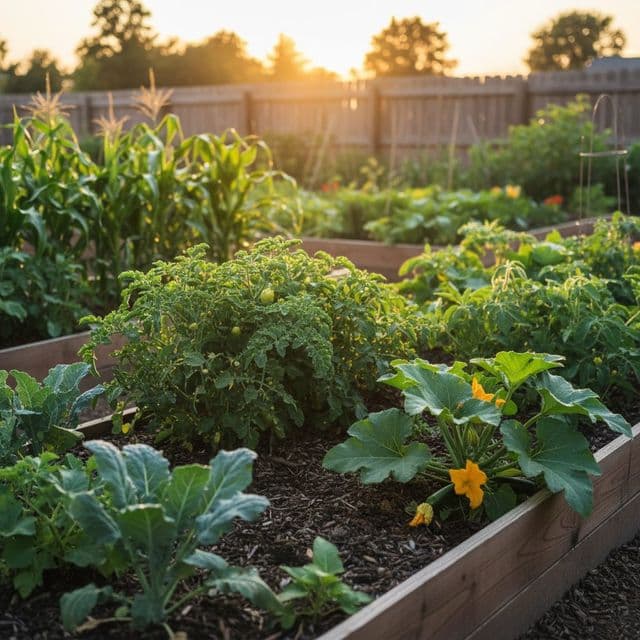
Charge Biochar with Compost Tea for Better Garden Yields
Learn how to charge biochar with compost tea or vermicompost leachate to boost soil health, water retention, and potentially increase crop yields by 10-20% in your garden.
Tag
641 articles in this tag on agripure. — page 23 of 27
Learn how to charge biochar with compost tea or vermicompost leachate to boost soil health, water retention, and potentially increase crop yields by 10-20% in your garden.
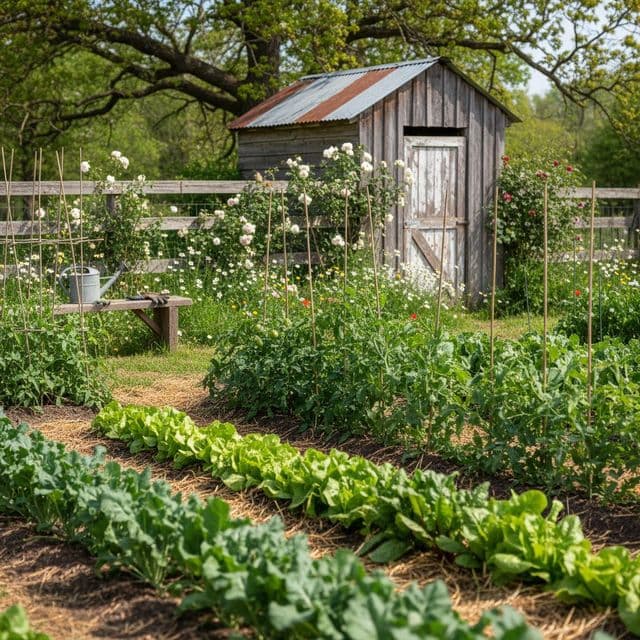
Make DIY fish emulsion and seaweed feeds for garden soil fertility, providing nitrogen, micronutrients, and growth hormones using homemade organic fertilizers.
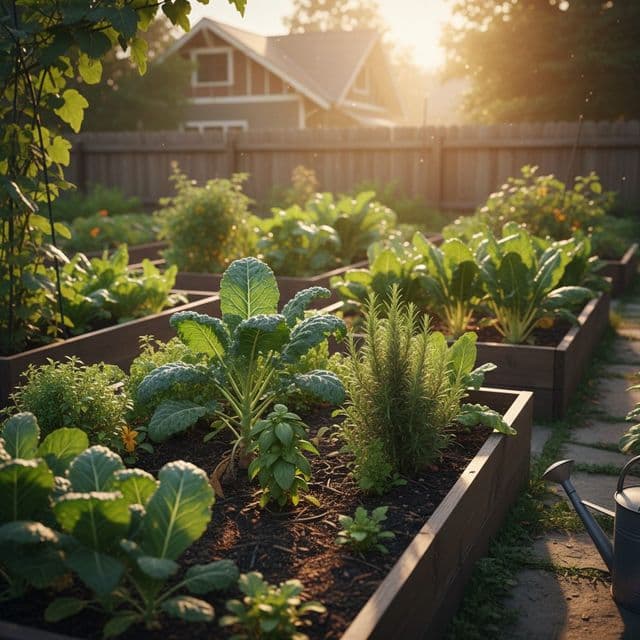
How to brew and apply worm casting tea for healthier plants and improved soil, including application rates, brewing steps, and soil drench techniques.
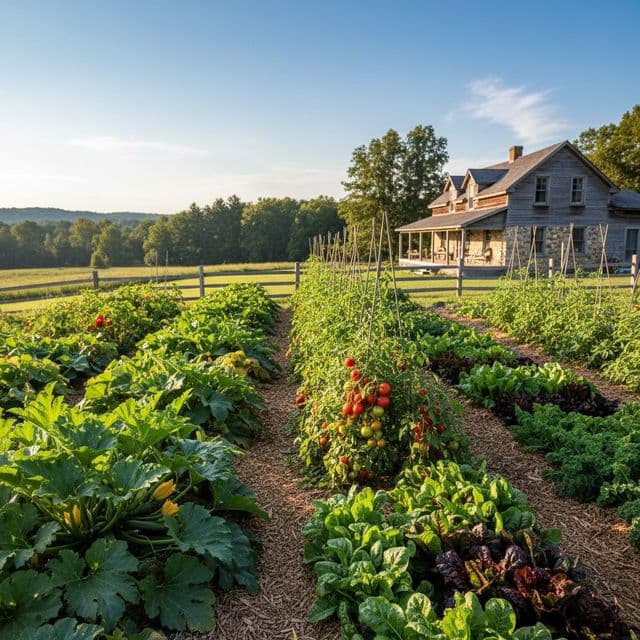
Learn how to make effective kitchen scrap liquid feeds from banana peels & eggshells to boost zucchini growth in your USDA zone 6 garden. Reduce waste & improve soil.
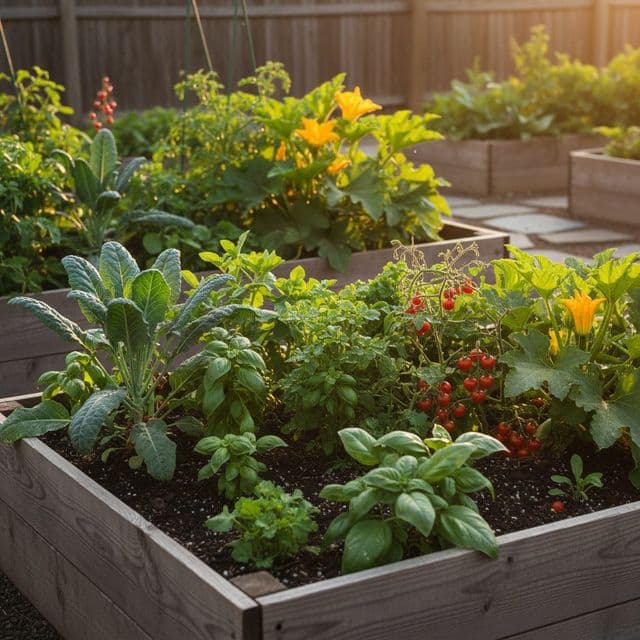
Learn to grow Bocking 14 comfrey and make potent ‘comfrey tea’ liquid fertilizer. This sterile hybrid boosts soil fertility in USDA zones 4-9, providing essential nutrients for your garden.
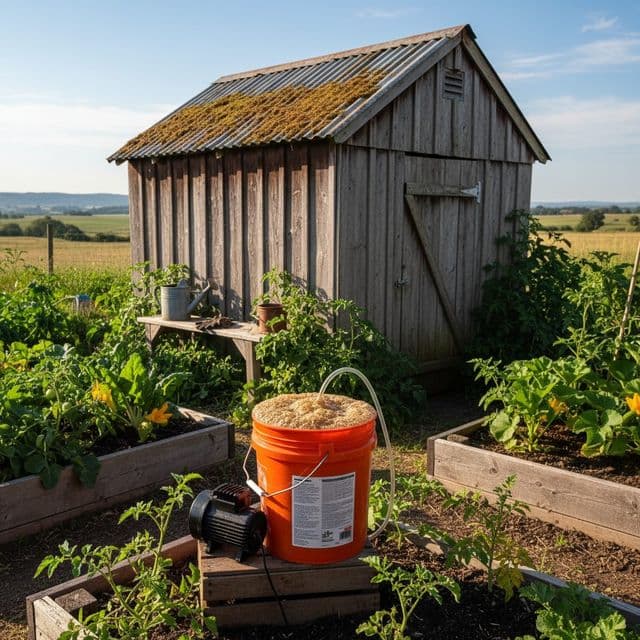
Learn to brew aerated compost tea for healthier plants and increased yields. This guide covers equipment, ingredients, and application for disease suppression and nutrient uptake in your garden.
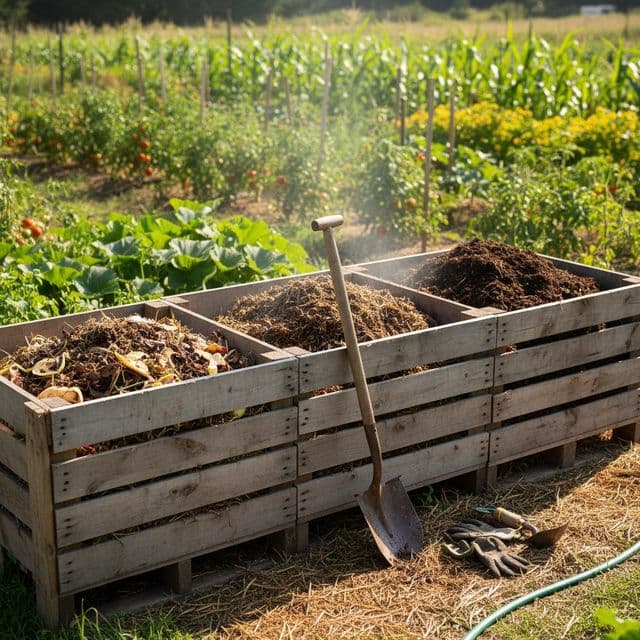
A 3-bin pallet composting system converts organic waste into finished compost, sourcing heat-treated pallets to boost garden yields by 10-20%.
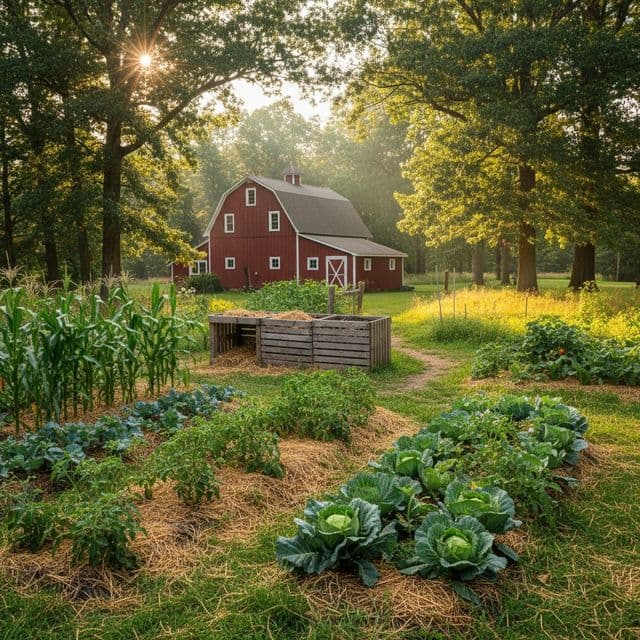
Compare DIY vs. store-bought compost bins for your garden. Learn about optimal 30:1 C:N ratios, moisture, and aeration for efficient composting. Find the best compost bin for your needs.
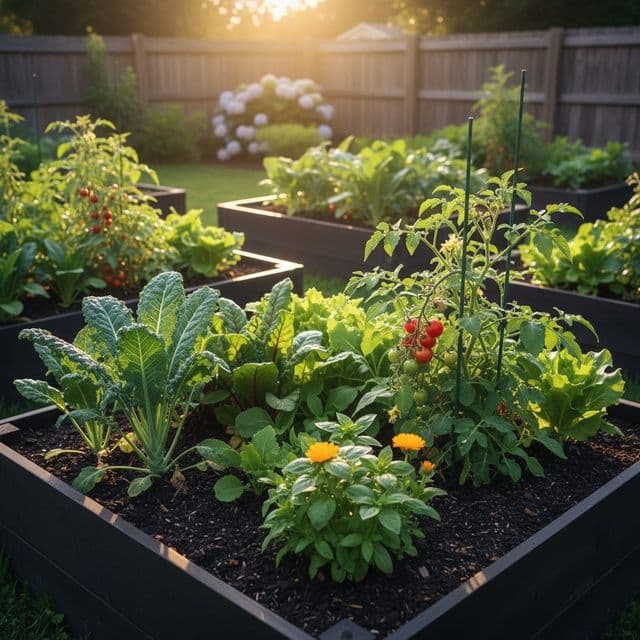
Master Midwest winter composting in USDA zones 4-6. Learn to insulate piles, maintain 30:1 C:N ratios, and use vermicomposting for nutrient-rich soil year-round.
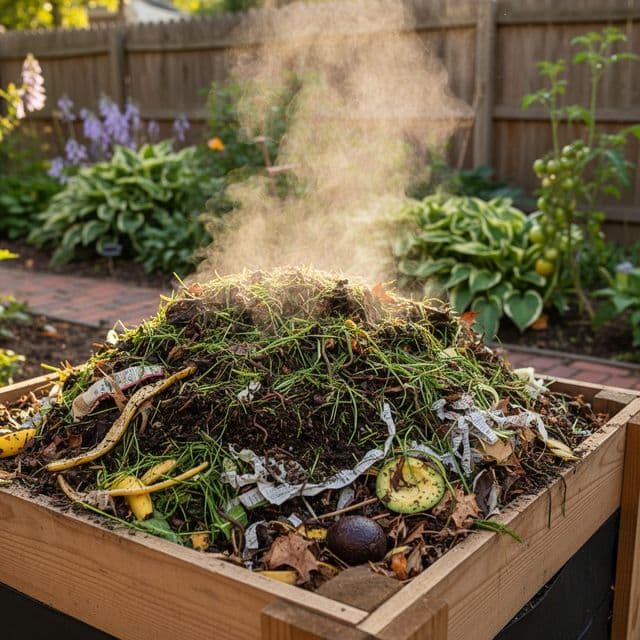
Learn how to balance the carbon-to-nitrogen (C:N) ratio in your compost pile for efficient decomposition. Discover ideal ratios for browns & greens to create nutrient-rich soil.
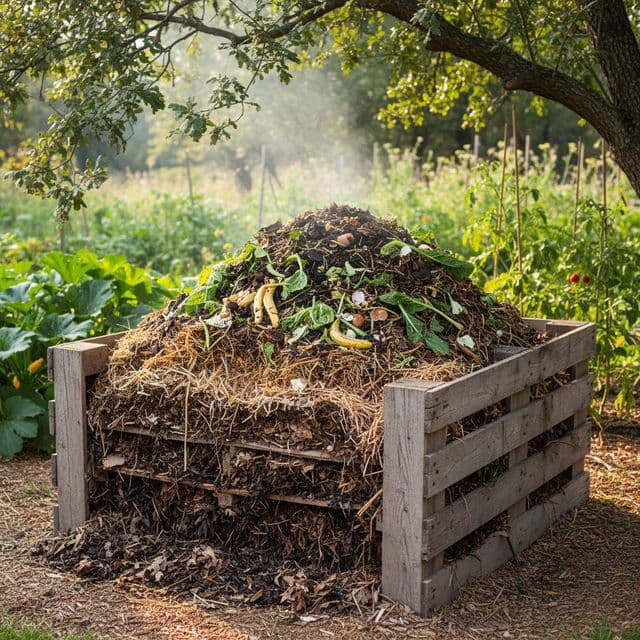
Discover cold composting, a low-effort method to create nutrient-rich soil. Learn how passive composting works, its benefits, and how to set up your pile for success in USDA zones 4-10.
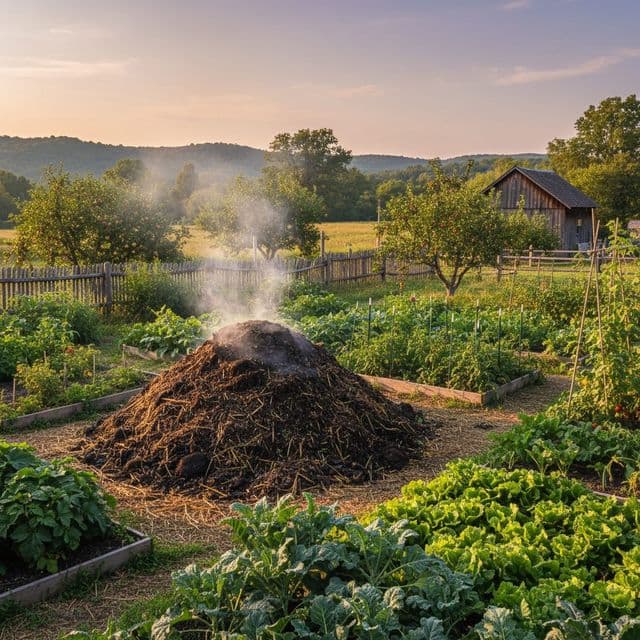
Master hot composting with the Berkeley method. Achieve 130-160°F temperatures to create nutrient-rich compost in 18 days, improving soil structure & fertility.
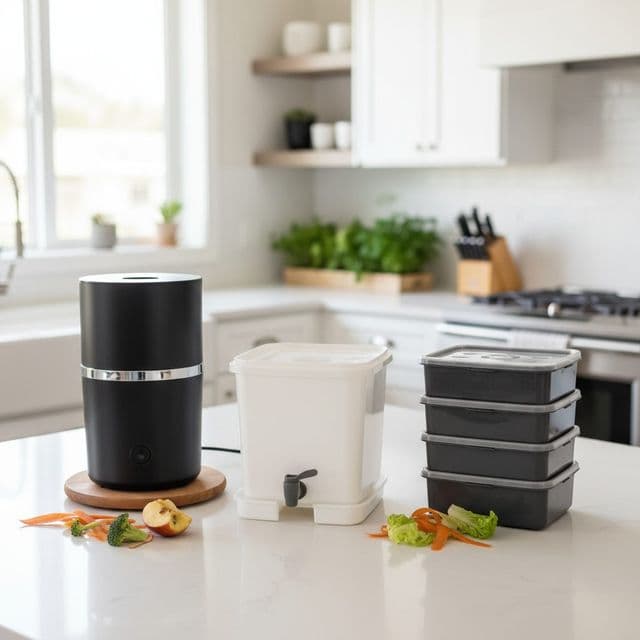
Indoor composting systems like bokashi, vermicomposting, and electric composters reduce household waste. Compare methods to choose the best option for your home.
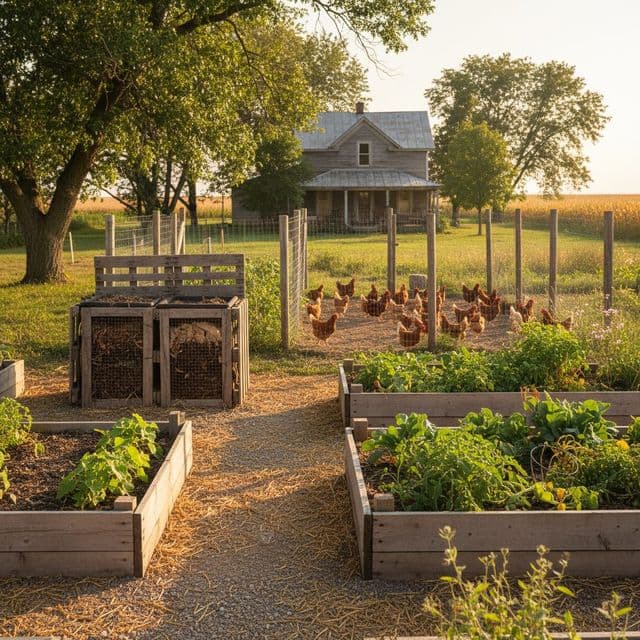
How to make homemade bokashi bran and save up to 75% on soil amendments, enriching garden soil and fermenting kitchen scraps anaerobically.
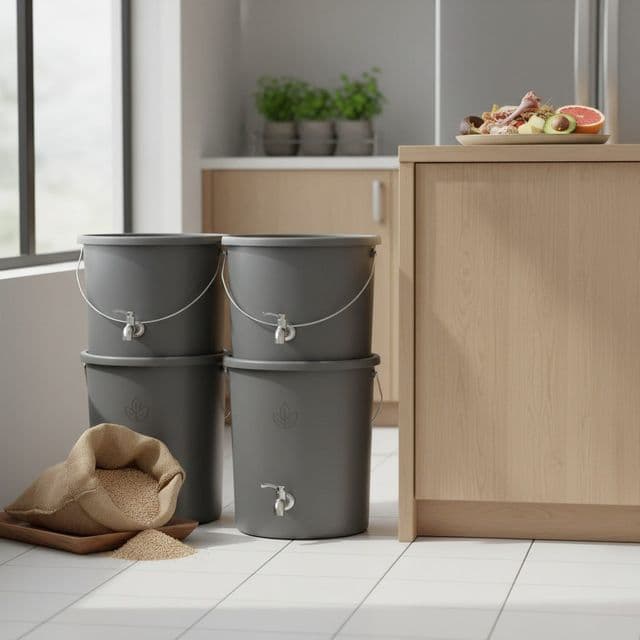
Learn Bokashi composting for US growers. Ferment all kitchen scraps, including meat & dairy, indoors. Reduce waste, create nutrient-rich soil, and avoid odors & pests.
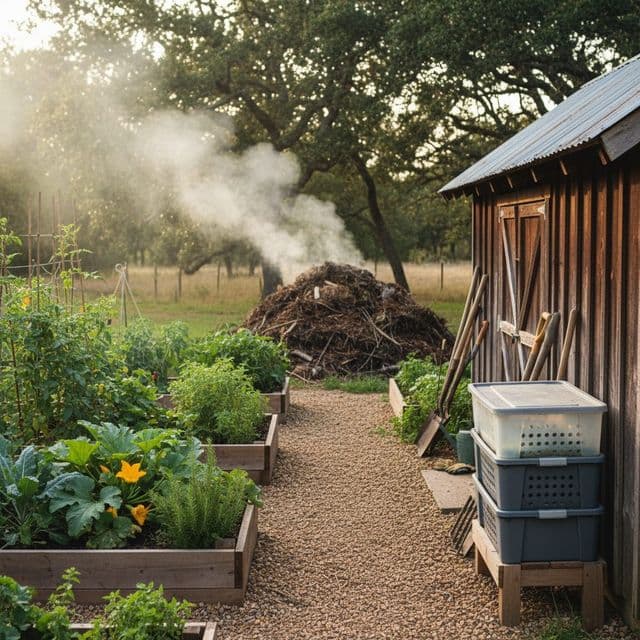
How vermicompost compares with traditional compost for soil organic matter, nutrient availability, and water retention in vineyards and garden beds.
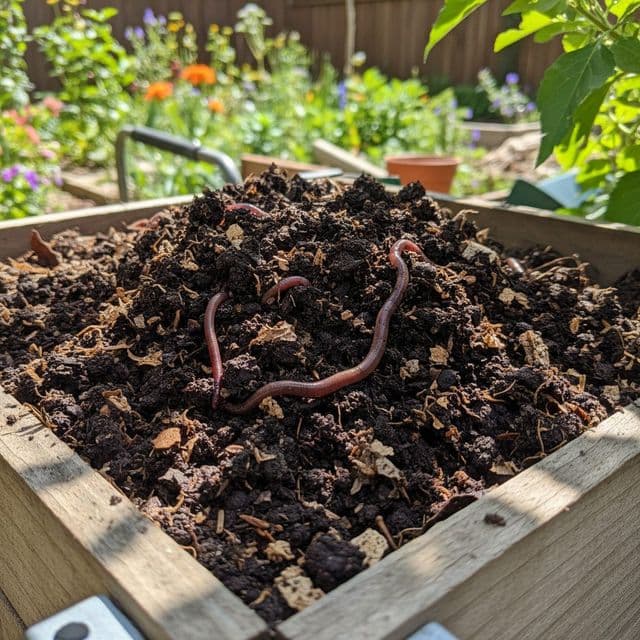
Learn four effective methods for harvesting worm castings from your backyard bin. Boost soil health, nutrient availability, and garden yields by up to 20% with nutrient-rich vermicompost.
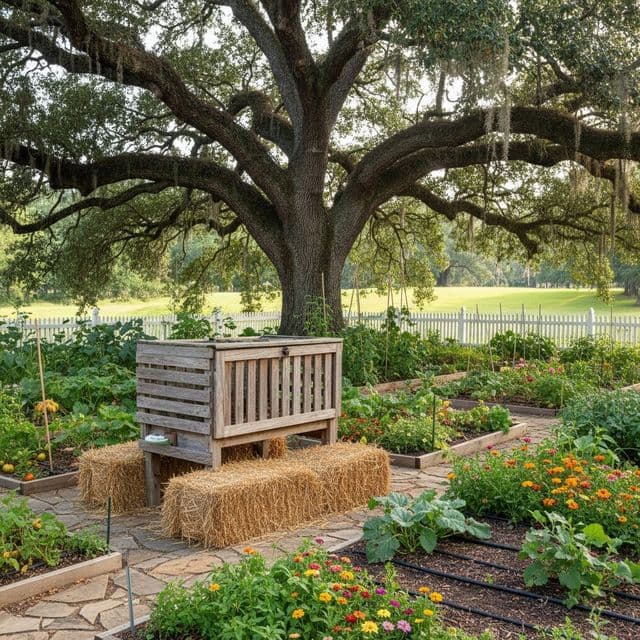
Learn essential strategies for worm bin cooling in Southern US zones 8-10 during summer. Protect red wigglers from extreme heat with placement, moisture, insulation, and biochar tips.
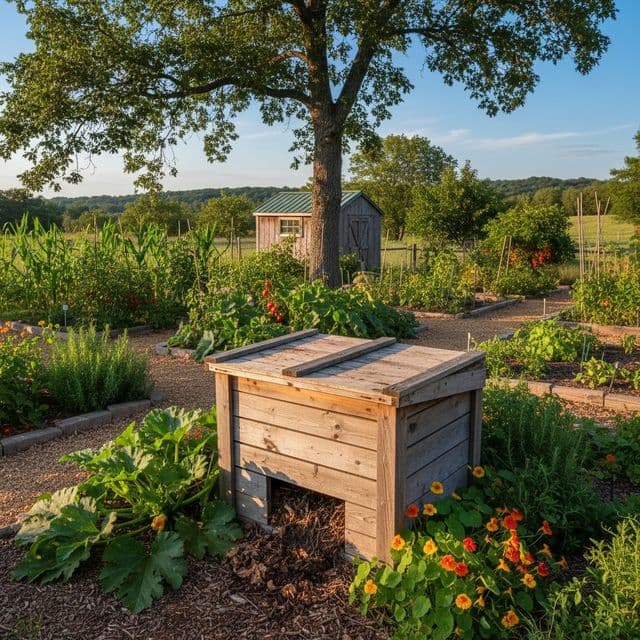
Learn how to effectively feed composting worms with our comprehensive guide. Discover ideal foods, what to avoid, and tips for nutrient-rich vermicompost to boost your garden yields.
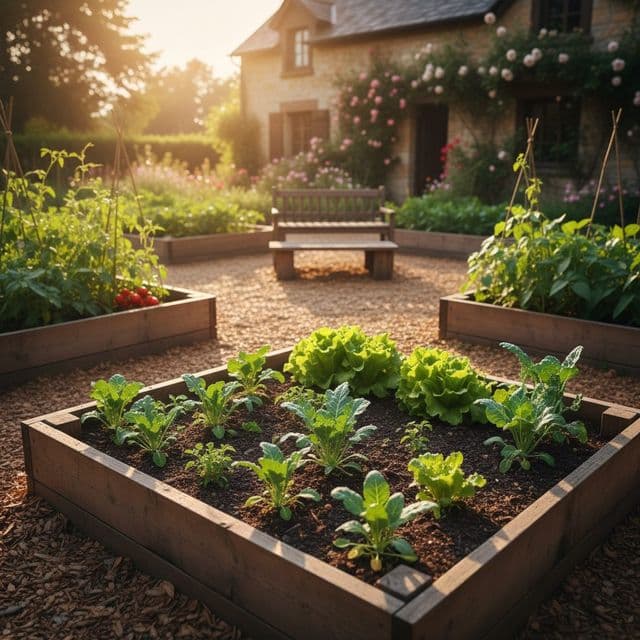
How to choose composting worms for your climate, comparing red wigglers, European nightcrawlers, and African nightcrawlers across temperature ranges from 45°F to 85°F.
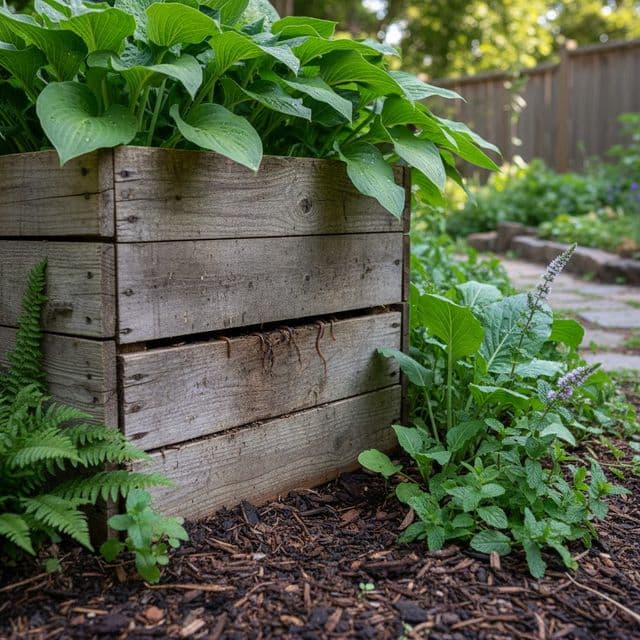
Learn how vermicomposting in US homes can transform kitchen scraps into nutrient-rich soil. This guide covers setting up a worm bin, feeding red wigglers, and harvesting castings to reduce food was…
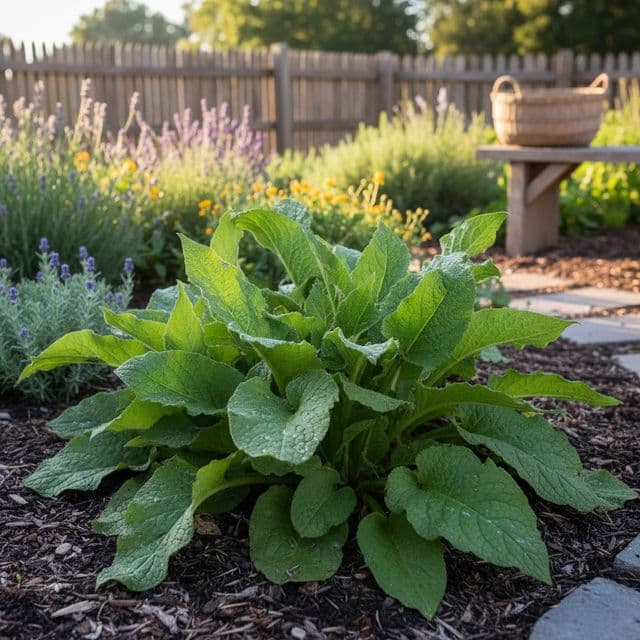
Learn to grow comfrey (Symphytum officinale) for medicinal use in USDA zones 3-9. Discover cultivation, harvesting, and safe external applications for your home apothecary.
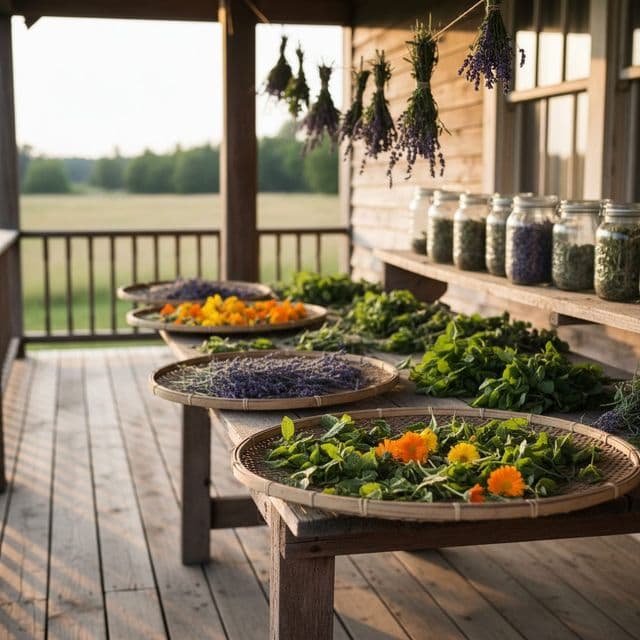
Learn essential techniques for harvesting, drying, and storing medicinal herbs to maximize potency. Our guide covers optimal timing, methods, and storage tips for effective medicinal herb preservat…
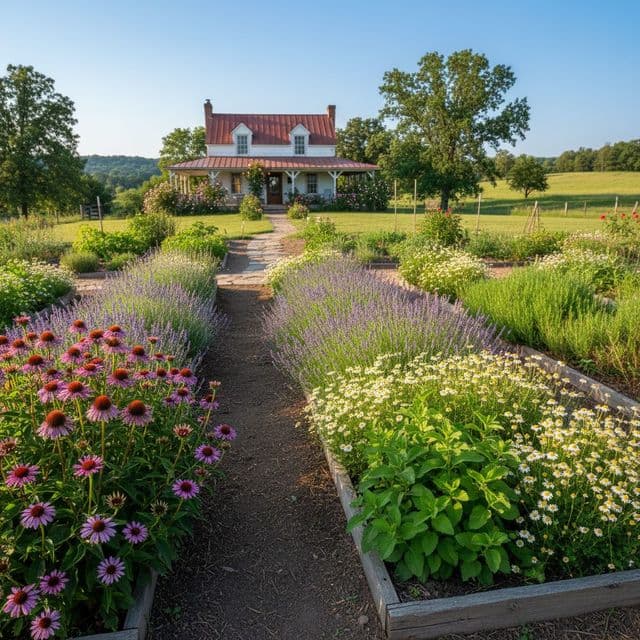
Cultivating a medicinal herb garden provides ingredients for immune-boosting and calming teas. Twelve herbs thrive across USDA zones 4-9, with straightforward methods for growing, drying, and blend…