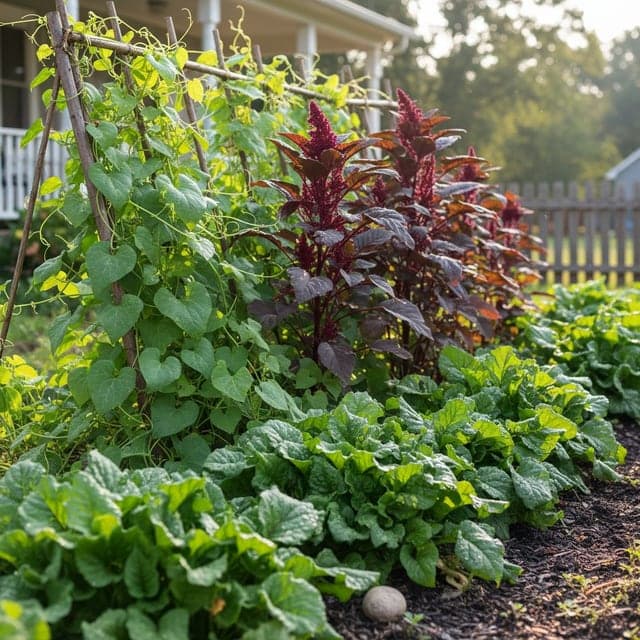
Heat-Tolerant Greens: Malabar, Amaranth, NZ Spinach for Summer
Extend your summer harvest in USDA zones 7-10 with resilient heat-tolerant greens like Malabar spinach, amaranth, and New Zealand spinach. Learn to grow them for continuous yields.
Tag
192 articles in this tag on agripure. — page 4 of 8
Extend your summer harvest in USDA zones 7-10 with resilient heat-tolerant greens like Malabar spinach, amaranth, and New Zealand spinach. Learn to grow them for continuous yields.
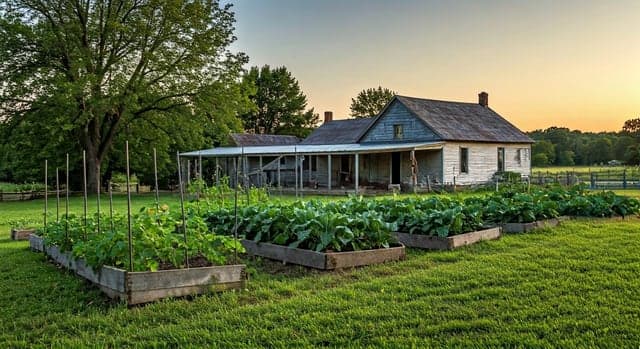
Prevent premature bolting in lettuce & spinach across USDA zones 3-9. Learn strategic shade, watering, and planting techniques to extend your harvest and keep greens fresh.
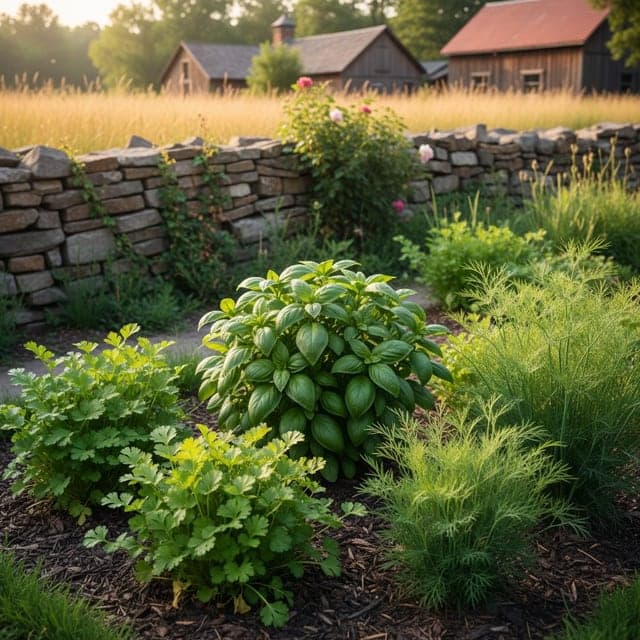
Learn how to prevent herb bolting in cilantro, basil, and dill. Use succession planting, crop rotation, and shade to extend your fresh herb harvests by weeks, especially in USDA Zone 7.
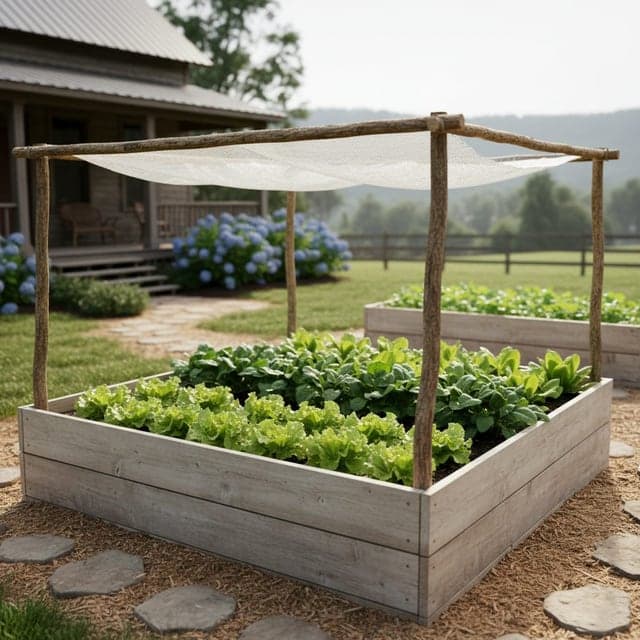
Master strategies to prevent lettuce and spinach bolting in USDA Zones 3-9. Learn succession planting, shade, and variety selection for continuous, tender greens all season.
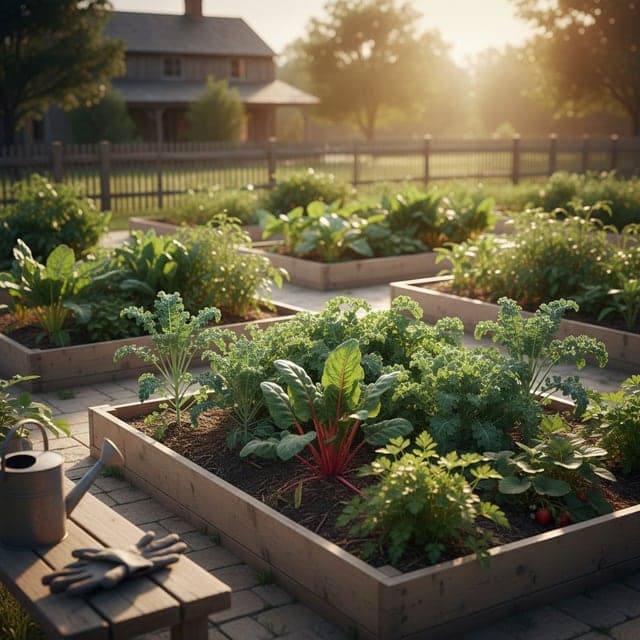
Learn how to prevent bolting in lettuce, spinach, and other cool-season crops. Understand triggers like heat and day length, and apply strategies to maximize your garden’s harvest.
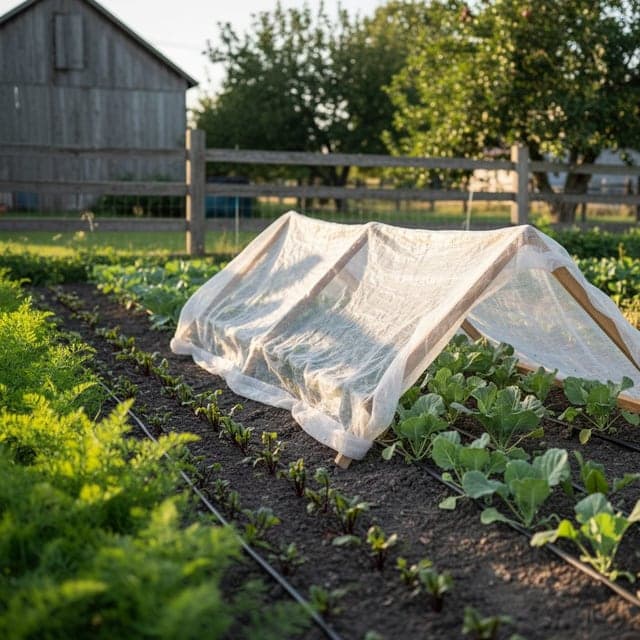
Extend your harvest with midsummer sowing. Learn to plant fall brassicas, carrots, and beets in USDA zones 4-9 for a bountiful autumn and winter yield. Get expert tips.
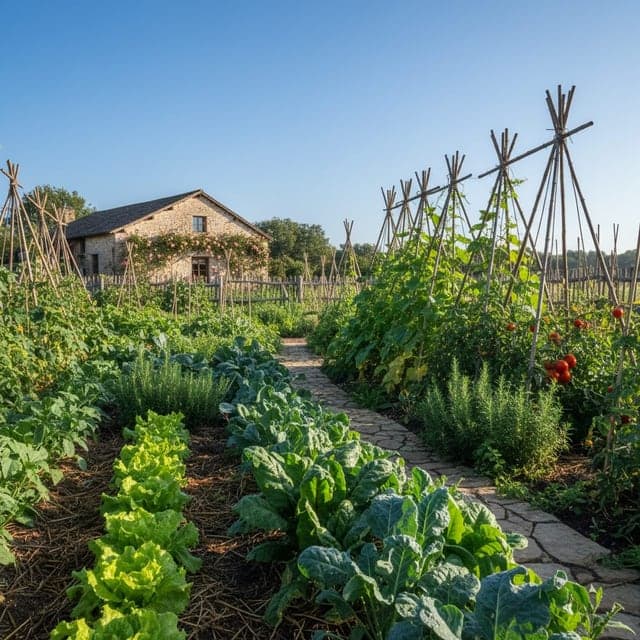
Invert the northern garden calendar for USDA Zones 9–10: run October–April as your main vegetable season, split Humid Florida from Arid California and Arizona windows, and use June–August solarizat…
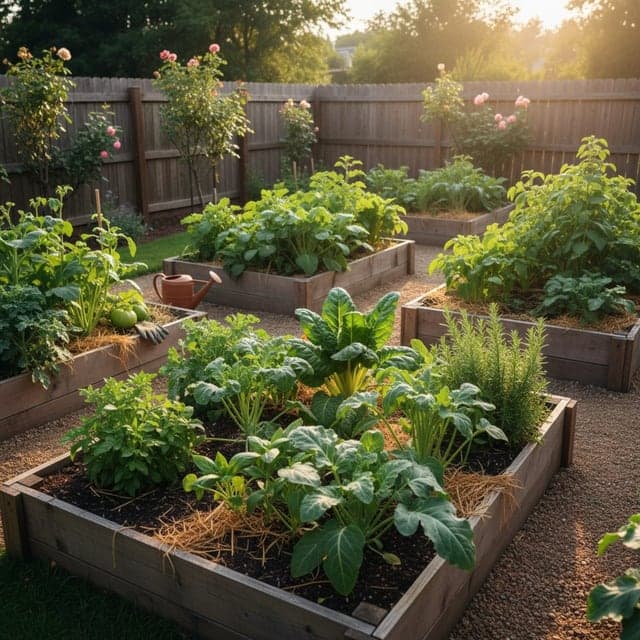
Master successful plant division in USDA Zone 6 with this guide. Learn optimal timing, tools, and aftercare for sturdy establishment and healthy garden growth.
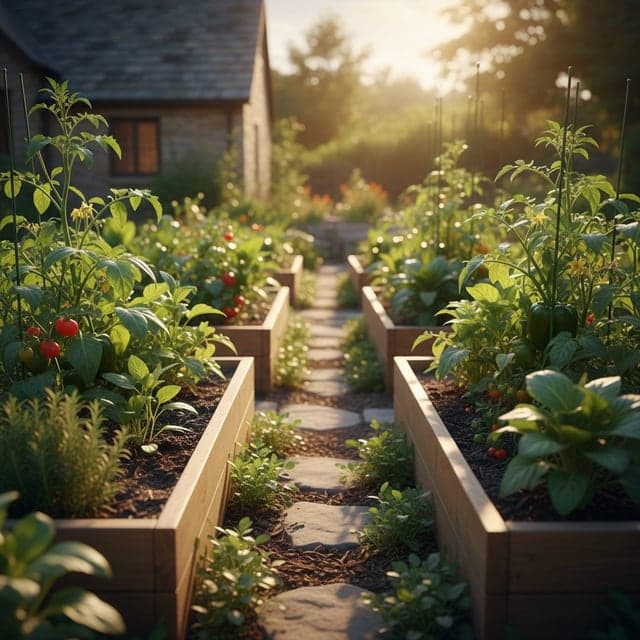
Growing blueberries in USDA Zone 5: manage soil pH (4.5-5.5) with sulfur and peat moss for nutrient uptake and a 20% yield boost, and select varieties suited to your climate.

Rank true Zone 7a–8b citrus freeze tolerance empirically from Flying Dragon (-15°F) and Ichang papeda (0–5°F) to Yuzu, Arctic Frost, and Satsumas—debunk Meyer lemon outdoors in Zone 7, build bare-e…
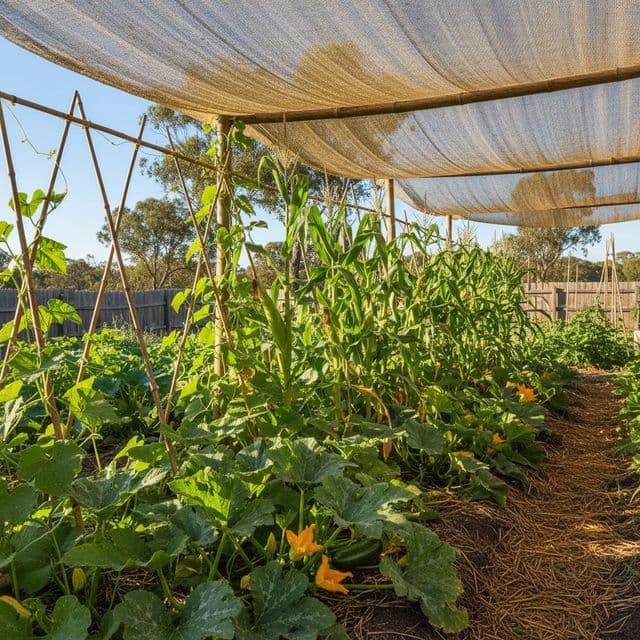
January brings peak midsummer gardening across Australia, focusing on heat-hardy vegetables, shade management, deep irrigation, and succession sowing.
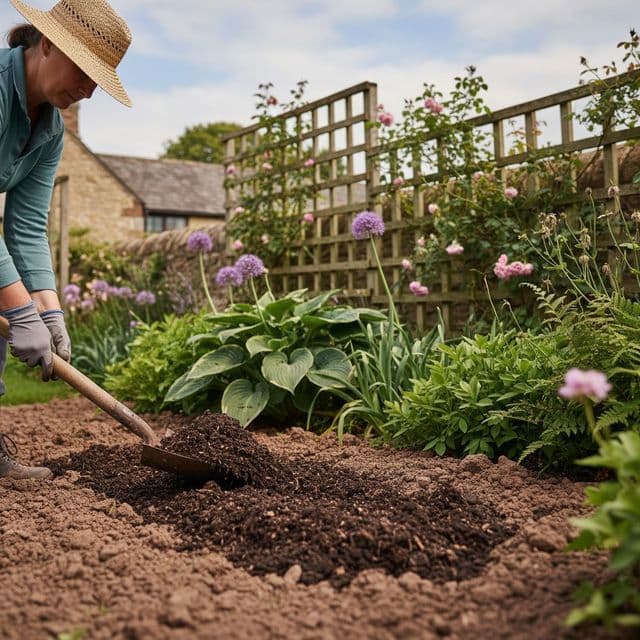
Transform heavy UK clay soil without back-breaking double digging: RHS organic mulch depths (5–15 cm), spring °C pre-warming, £/10 m² costs, and why sharp sand and gypsum fail.
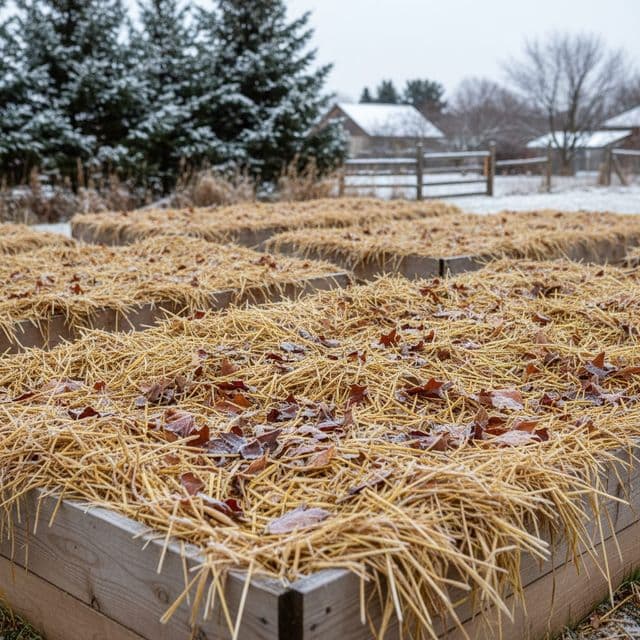
Learn how to winterize your garden in Canada with deep mulching, raised bed insulation, perennial protection, and irrigation shutdowns for freezing winters.
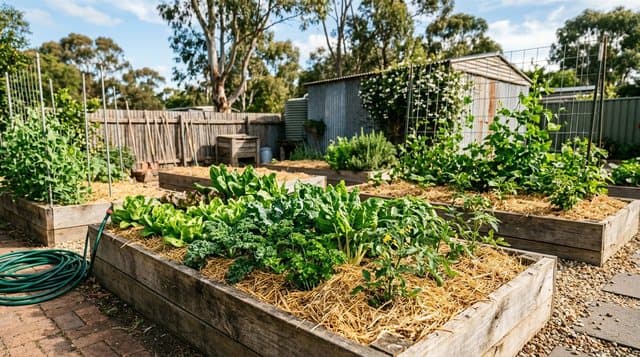
Learn how to use sugar cane mulch in Australian veggie patches with comparisons against pea straw and lucerne, application depths, and heat protection tips.
First-year fruit tree watering schedule for USDA zones 4-9, covering how soil type, climate, and mulch impact young tree survival and root establishment.
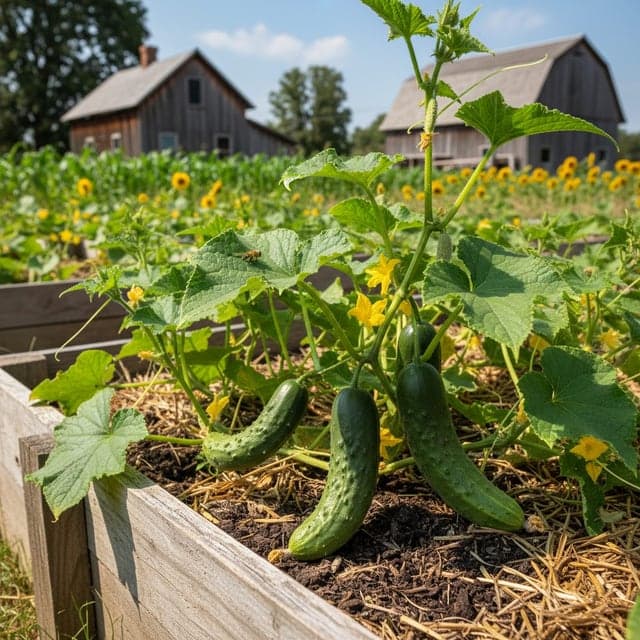
Troubled by misshapen cucumbers? Learn why poor pollination and inconsistent watering cause deformities in USDA zones 4-9. Discover solutions to boost yield and grow perfect fruit.
Is your pepper plant not flowering? Discover why heat, excess nitrogen, and root-bound conditions stall growth. Learn how to get your pepper plants to produce fruit.
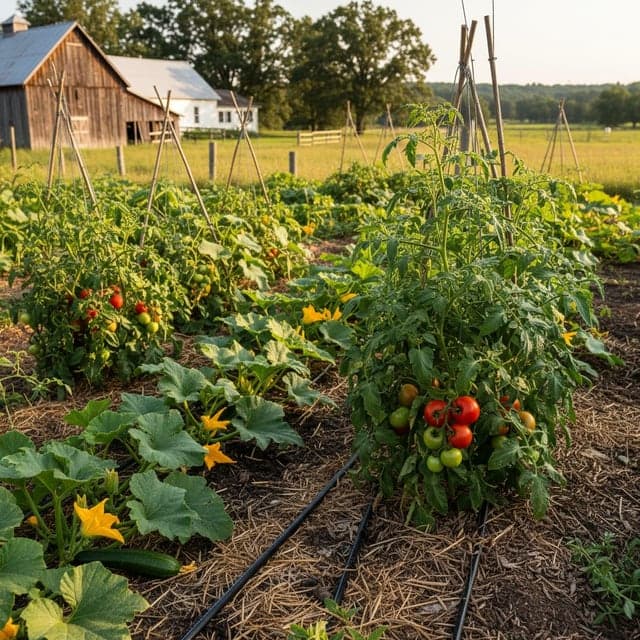
Master tomato watering for healthy fruit-set. Learn to adjust schedules based on soil type (clay, sandy, loam) and USDA zone. Prevent issues like blossom end rot and optimize growth.

Struggling with low yields in hot climates? Discover heat-tolerant tomato and pepper varieties for USDA zones 7-10. Learn how to boost harvests with specific cultivars, watering tips, and shade str…
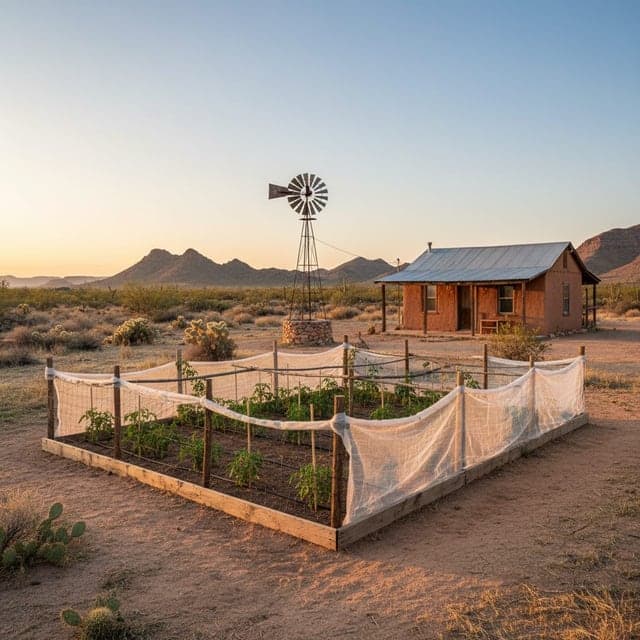
Master gardening in Southwest & Texas heat. Learn to use shade cloth, strategic planting times, and heat-set varieties to ensure fruit set and bountiful harvests above 90°F.
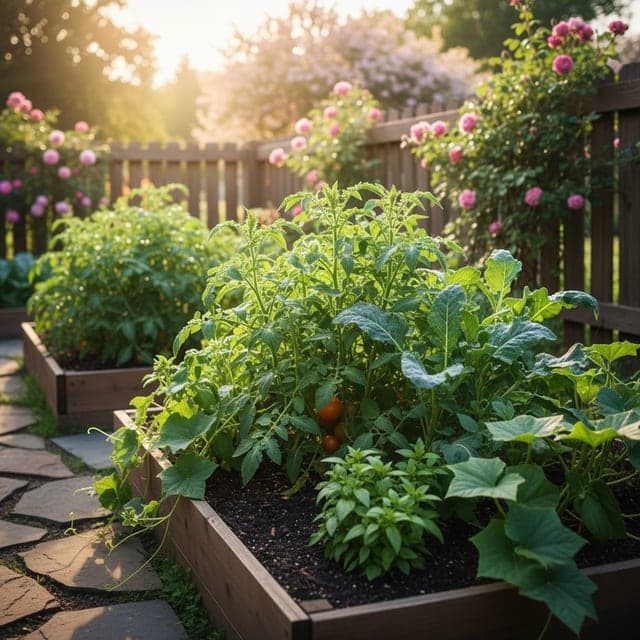
Learn how to prevent tomato cracking and catfacing, common issues reducing yields. Discover strategies like consistent watering, cultivar selection, and cold protection for healthier tomatoes.
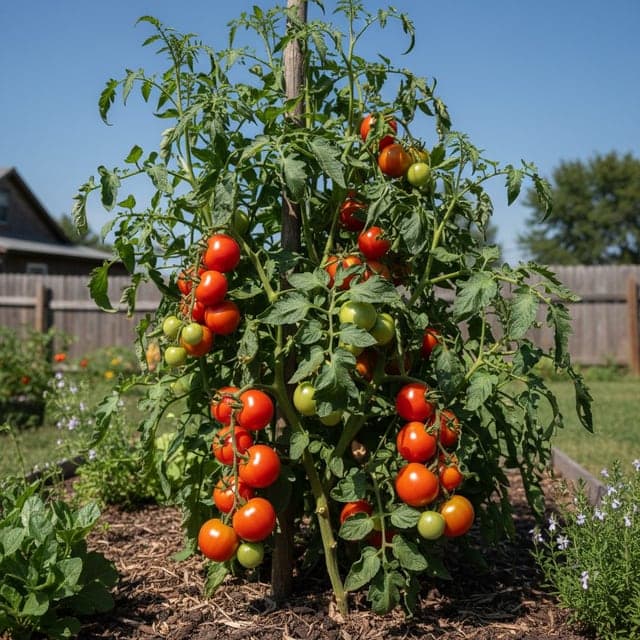
Diagnose tomato leaf curl in your USDA Zone 7 garden. Learn to distinguish between heat stress, herbicide drift, and viral infections with clear symptoms and effective solutions to save your crop.
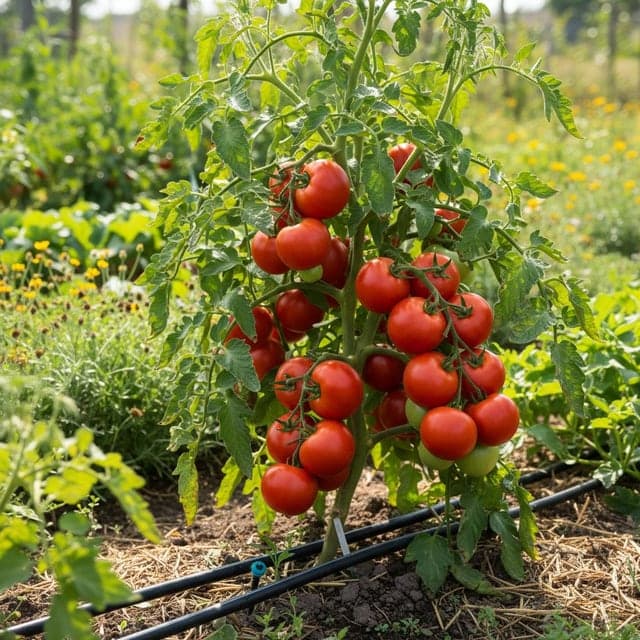
Learn how to prevent blossom-end rot in tomatoes and other fruiting vegetables. Discover the primary cause (inconsistent water) and effective strategies like mulching to boost your harvest.
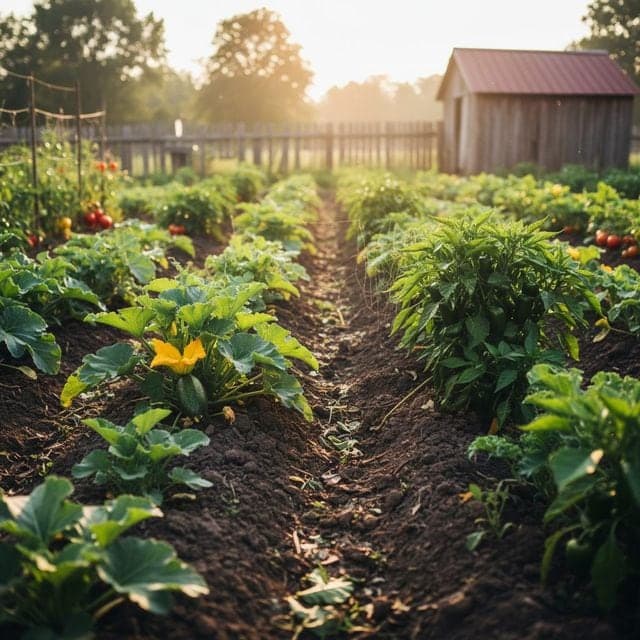
How biofungicides like Trichoderma and mycorrhizal fungi protect plants from root diseases in USDA Zone 7, reducing chemical use and supporting soil health.