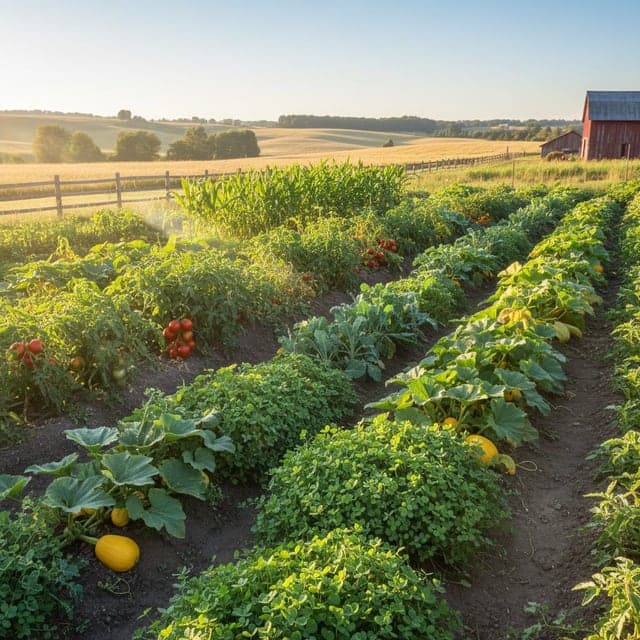
Build soil: green manures & cover crops guide
Improve your USDA zone 6 garden’s soil with green manures and cover crops. Improve fertility, structure, and water retention using permaculture principles for a resilient garden.
Tag
192 articles in this tag on agripure. — page 3 of 8
Improve your USDA zone 6 garden’s soil with green manures and cover crops. Improve fertility, structure, and water retention using permaculture principles for a resilient garden.

Learn to build an herb spiral, a permaculture design creating diverse microclimates for herbs in small spaces. Maximize sun, water, and yield in your USDA Zone 6 garden.
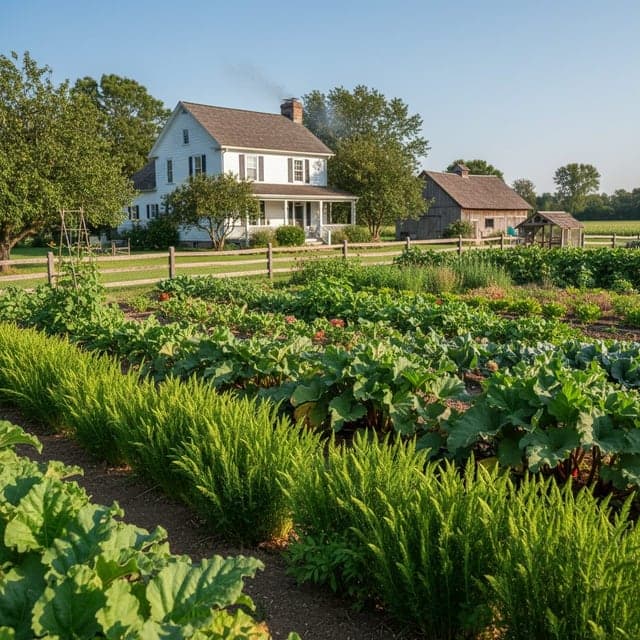
How to cultivate perennial vegetables for a low-maintenance garden, covering site prep, soil health, and top picks for long-term yields in USDA Zone 6 and beyond.
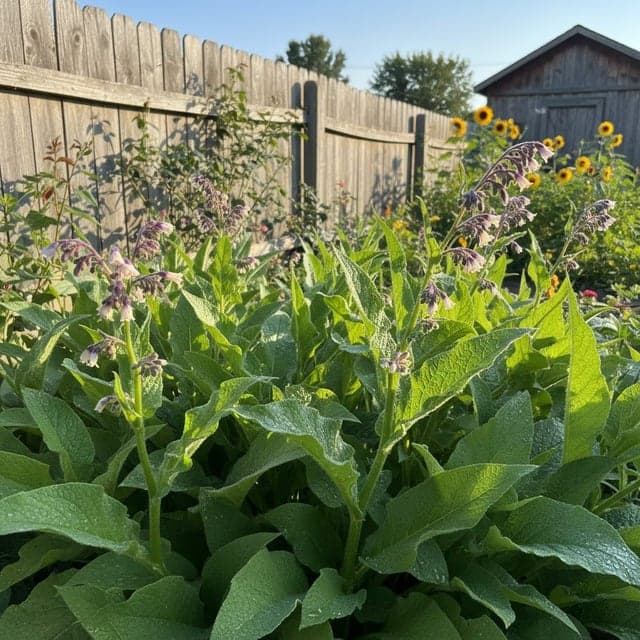
Unlock soil health with Comfrey, a sterile hybrid (Bocking 14) for USDA zones 4-9. Its deep roots mine nutrients, making it a powerful compost activator and water-saving mulch.
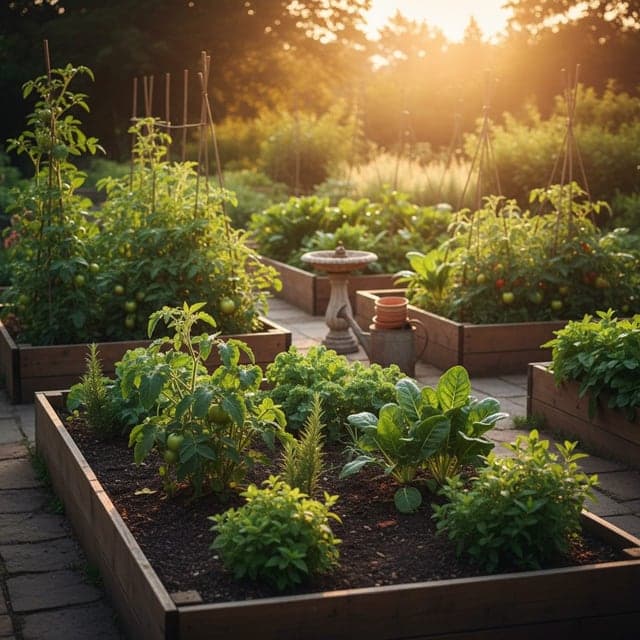
How to grow sterile Russian comfrey (Symphytum × uplandicum 'Bocking 14') without root takeover: never-till placement, 24-inch barriers, full-season eradication, potassium tea math, and FDA/NIH liv…
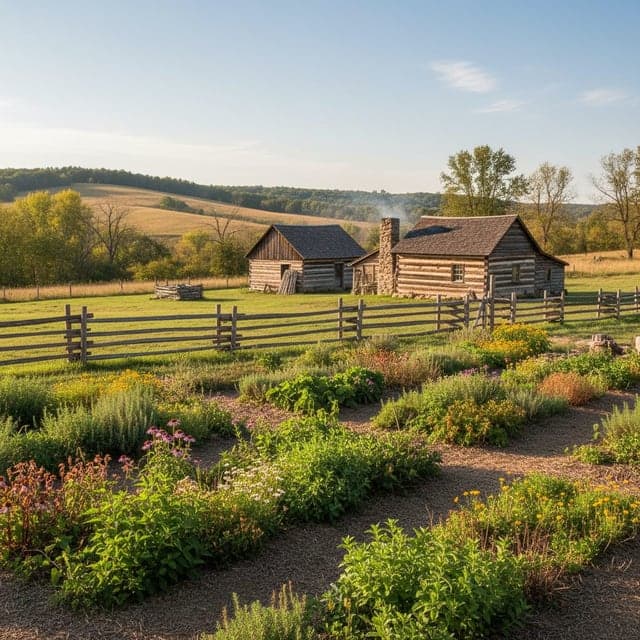
Cultivate a thriving medicinal herb garden in USDA Zones 3-5. Learn plant selection, soil management, and preservation for a home apothecary in cold climates.
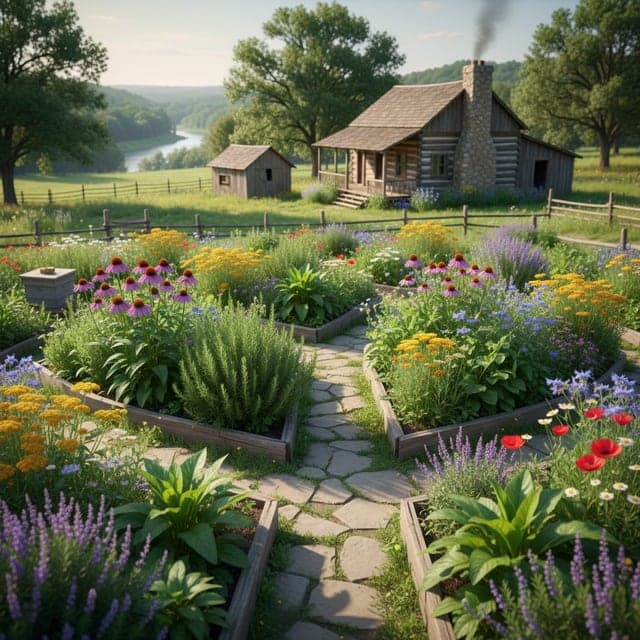
Decide between perennial and annual medicinal herbs for your home apothecary. Learn about their life cycles, cultivation needs, and best choices for USDA zones 3-10 to create a thriving herb garden.
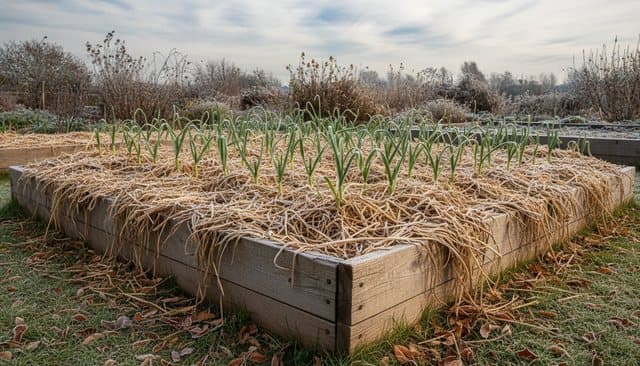
Complete US November planting guide organized by soil temperature across USDA Zones 3–11: winter-sown prairie milk jugs, indoor LED greens, garlic, bare-root fruit trees, cover crops, cool-season r…
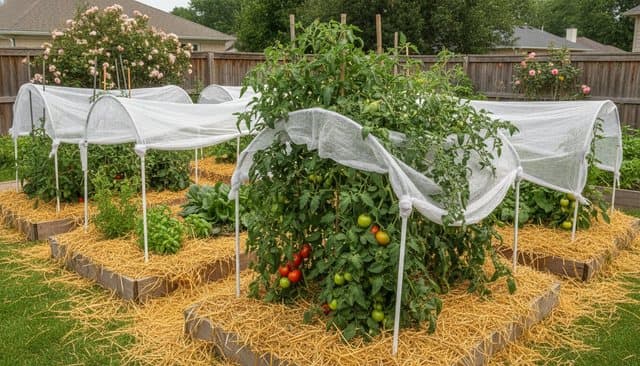
What to plant in July in the US, featuring targeted sowing schedules for USDA zones 3 through 10, succession strategies, and essential summer garden maintenance.
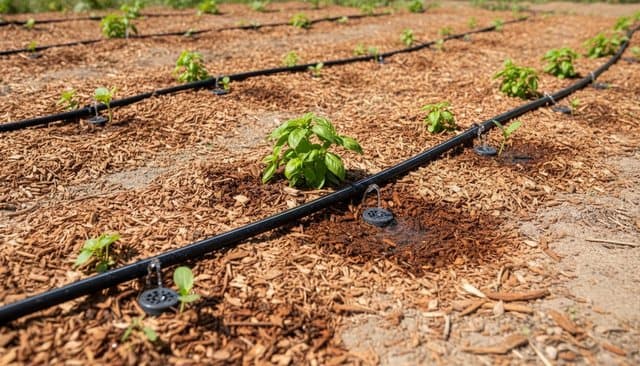
Keep your Gulf garden alive in extreme heat using precise drip irrigation, pre-dawn watering schedules, and safe domestic greywater diversion for hardy ornamentals.
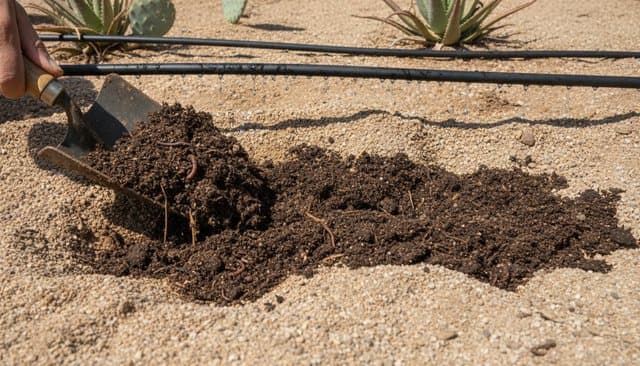
Building productive soil in Gulf desert sand requires consistent organic matter, heavy windproof mulches, and permanent biochar structures to hold water and nutrients.
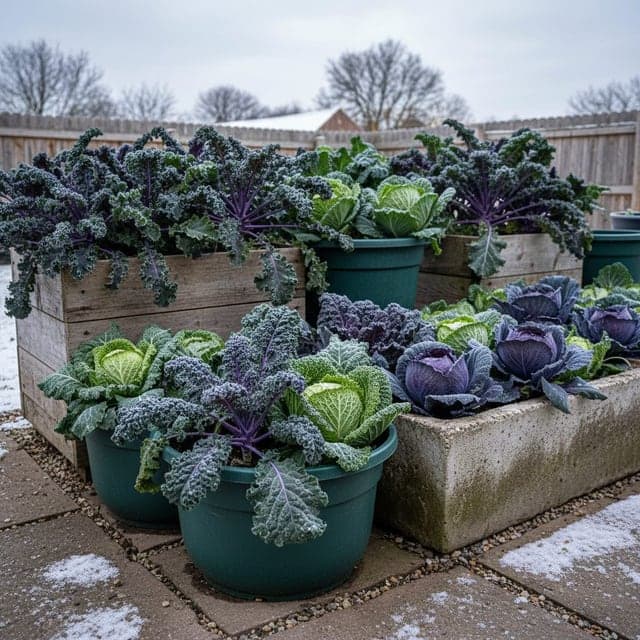
Select genuinely frost-proof outdoor planters for USDA Zones 3–8 using 9% water-to-ice expansion physics, an 8-material durability and US pricing matrix, rim geometry rules, 2-zone root hardiness m…
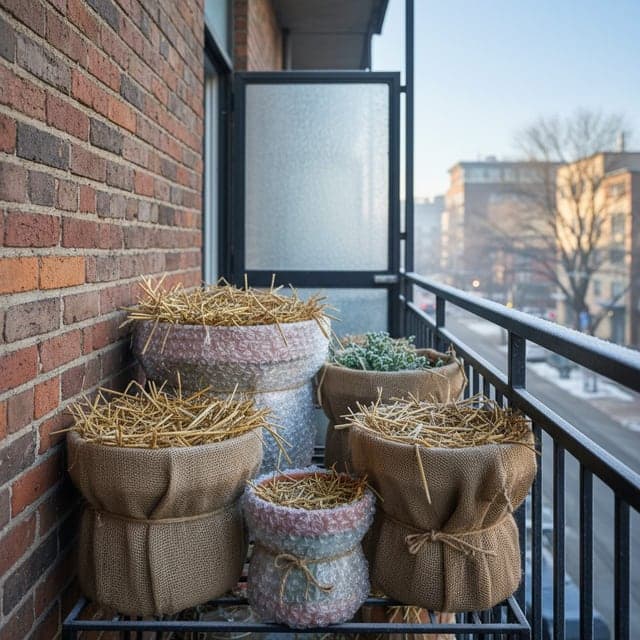
Overwinter potted perennials, herbs, shrubs, and tender plants across USDA Zones 3–9: apply the 2-zone hardiness rule, choose between in-ground plunging, 25–40°F garage storage, and pot-wall wrappi…
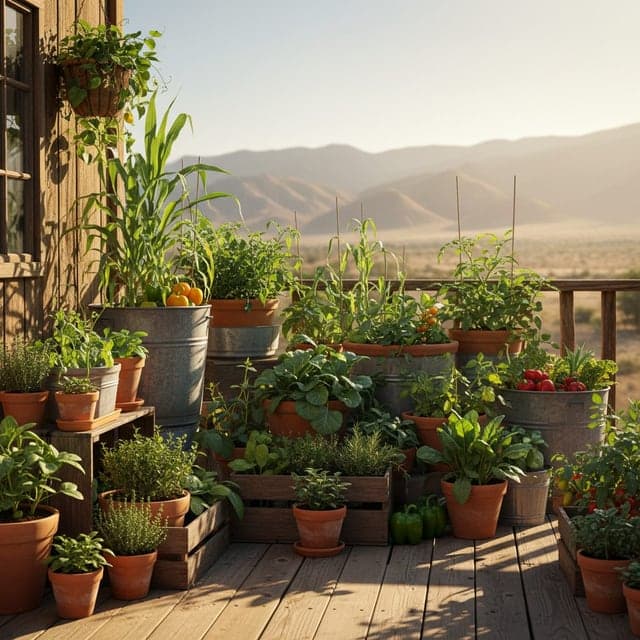
Cut container evaporation by 20–35% and drop rootzone temperatures 10–20°F using rim-to-rim pot grouping, sacrificial outer shields, pot-in-pot bark buffers, 1–2" foliage airflow gaps, drip manifol…
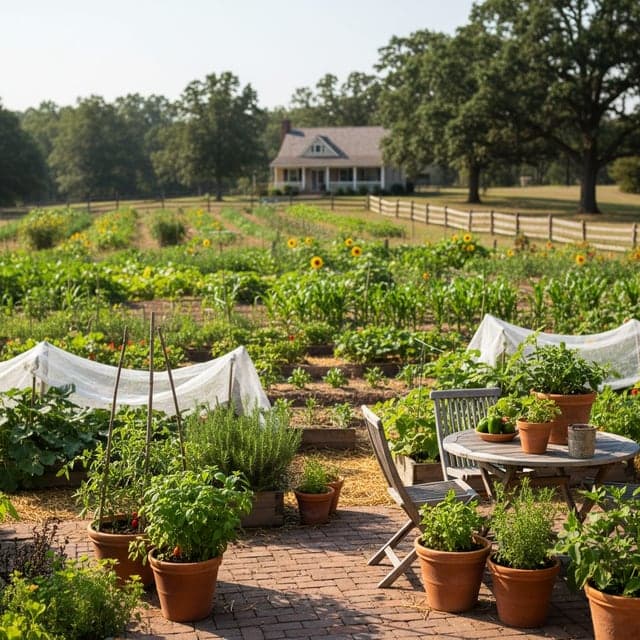
Grow productive patio vegetables past 95–100°F days and 85°F nights: heat-set tomatoes, true thermophilic crops, 10–25 gal light grow bags vs. >110°F black pots, 30–40% shade cloth, drip salt flush…

Learn how to protect container plants from extreme heat (100°F+) in USDA Zones 8-10. Discover shade cloth tips, watering strategies, and placement for container plant heat protection.
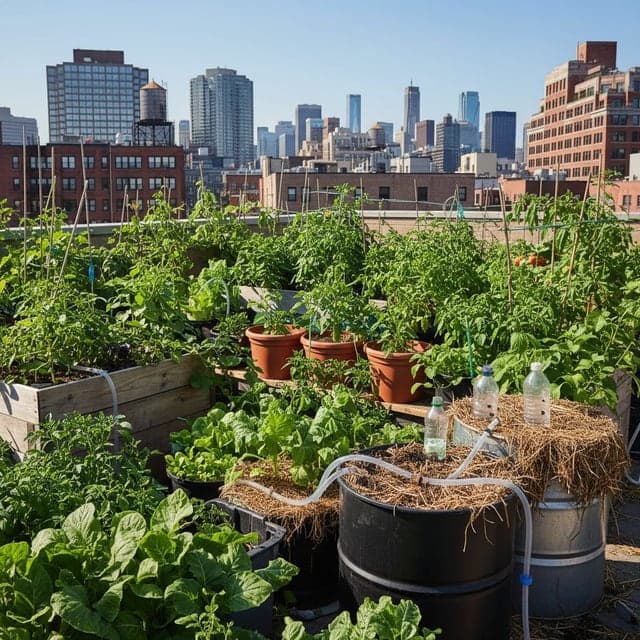
How to keep container plants thriving for two weeks in USDA Zone 7 without daily watering, using container sizing, shade, mulch, and passive wicking systems.
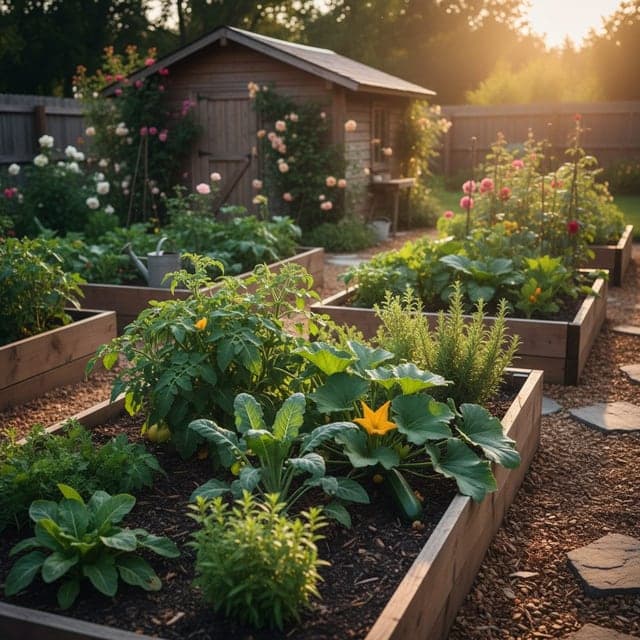
Master container garden watering in hot climates like USDA Zone 7. Learn how pot size, material, and weather impact frequency to keep your plants thriving.
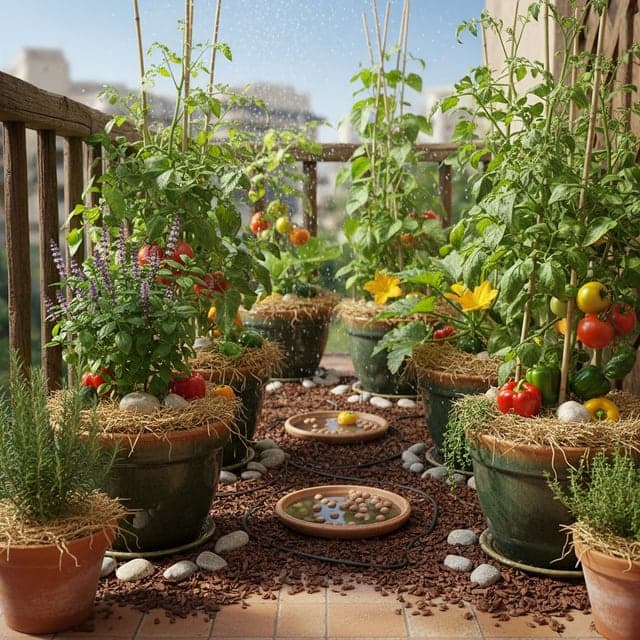
How double-potting and surface mulching reduce container root temperatures in USDA Zones 8-10, protecting plants from heat stress and stabilizing soil moisture.
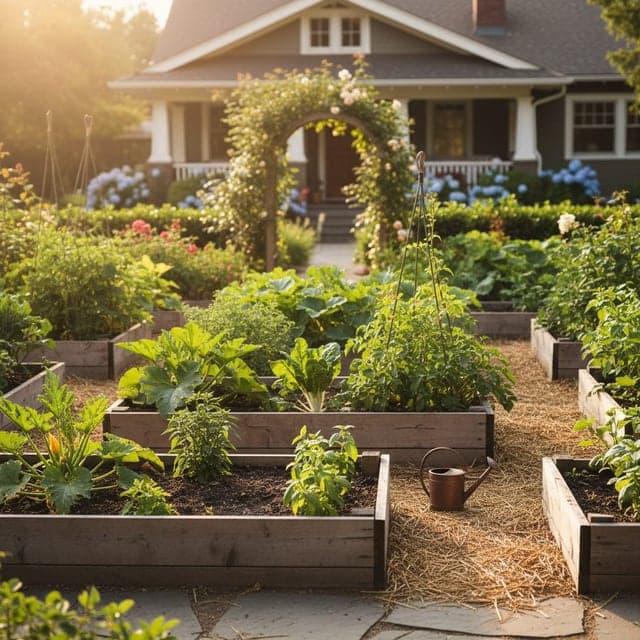
Master rooftop container gardening by learning how to reduce soil temperatures. Discover practical tips for pot selection, elevation, and shading to protect roots and boost yields in hot climates.
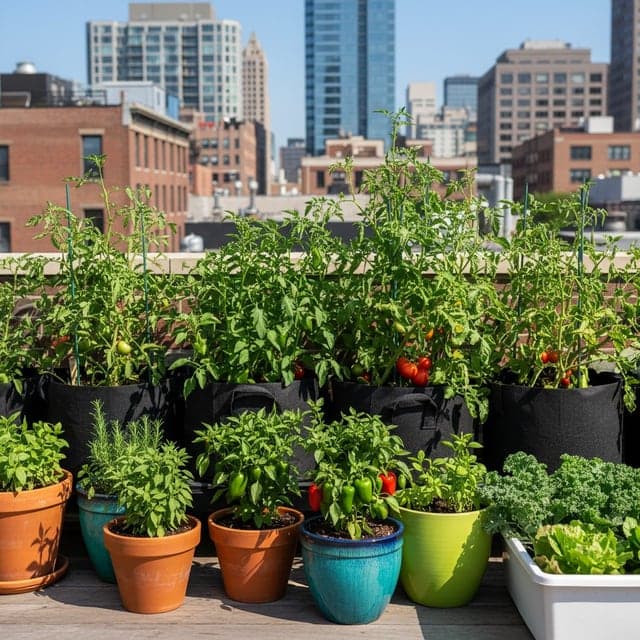
How fabric grow bags, black vs. white plastic, unglazed terracotta, and glazed pots perform in 95°F US summer heat: root-zone temperature thresholds, tomato gallon minimums, and cooling retrofits.

How to use a hot-season planting calendar in USDA Zones 8-10, covering crop rotation, succession planting, and heat management for continuous harvests in Florida & California.

Master succession planting in USDA Zone 8 during 100°F heatwaves. Learn strategies for heat-tolerant crops, soil health, water management, and timing to ensure continuous harvests.
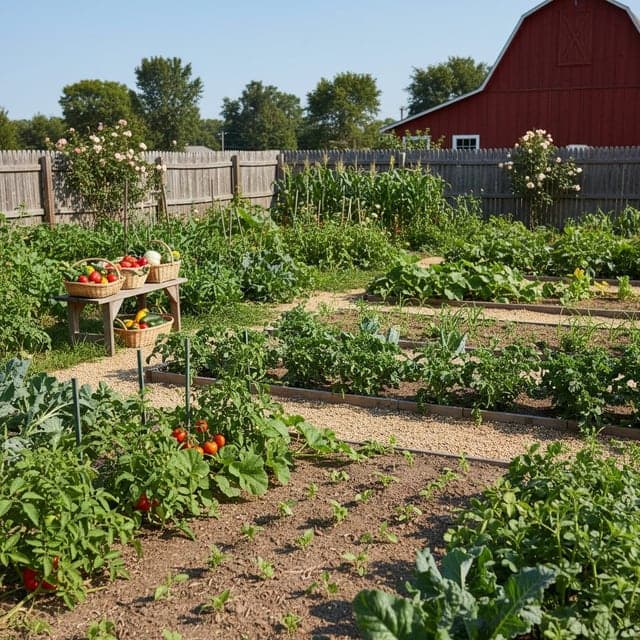
Succession planting produces continuous summer harvests in USDA Zones 5-9. Stagger fast-maturing crops to maintain yields, improve soil health, and reduce pests.