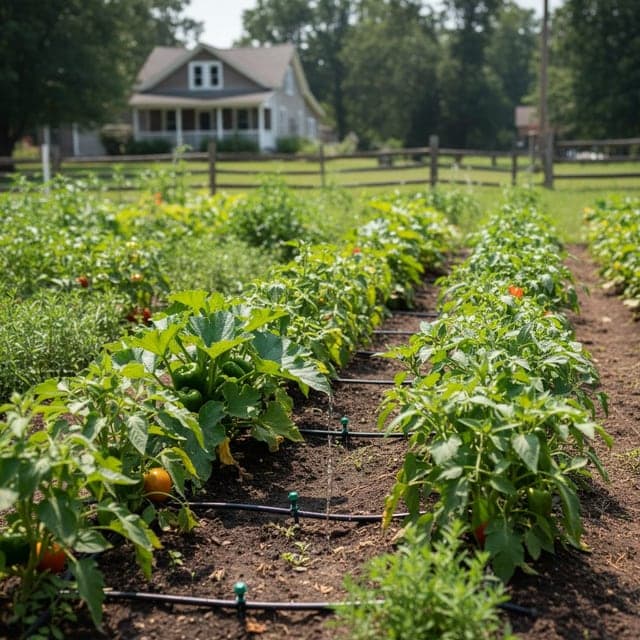
Heatwave Watering: Deep Roots
Master heatwave watering for resilient gardens. Learn deep watering to 6-12 inches, optimal morning times, soil health tips, and drip irrigation for USDA Zone 7.
Tag
192 articles in this tag on agripure. — page 7 of 8
Master heatwave watering for resilient gardens. Learn deep watering to 6-12 inches, optimal morning times, soil health tips, and drip irrigation for USDA Zone 7.
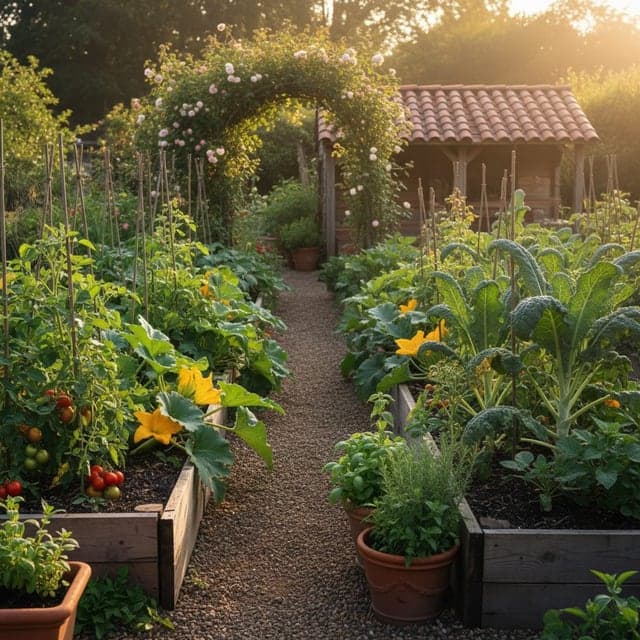
Learn effective strategies to slow water loss in your USDA zone 7 garden. Discover how grouping pots, mulching, and strategic shade can keep plants healthy, even when you’re away.

Compare Hugelkultur, raised beds, and in-ground gardens for yields, longevity, and water use in USDA Zone 6. Optimize gardening water use with passive irrigation.
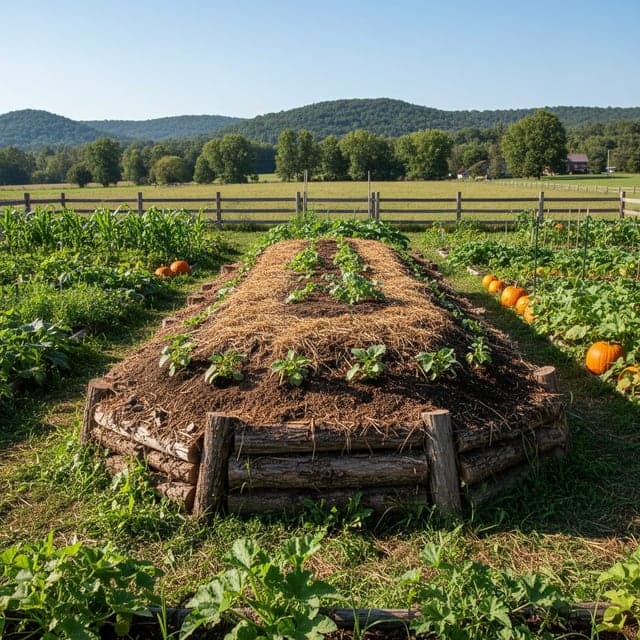
Optimize your hugelkultur beds for maximum water retention in USDA zones 5-8. Learn which woods to use and avoid for long-term success and reduced irrigation needs.
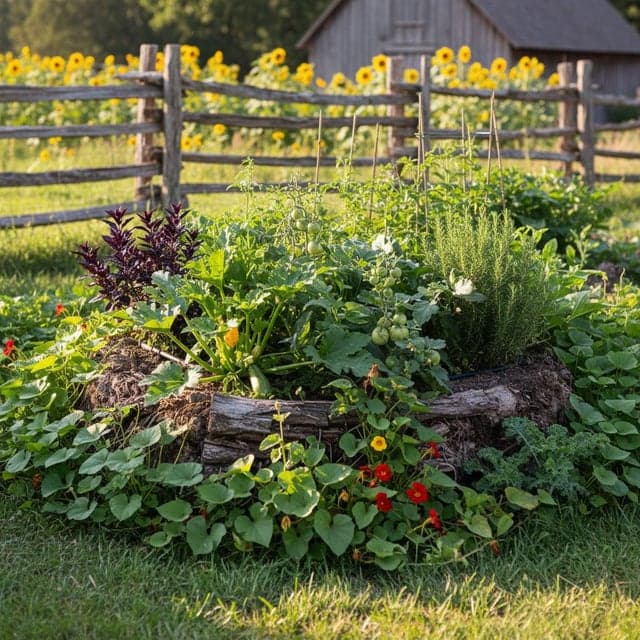
Discover how hugelkultur mounds reduce garden irrigation by up to 50%, build soil fertility for decades, and extend growing seasons. Learn to build water-efficient, self-sustaining garden beds.
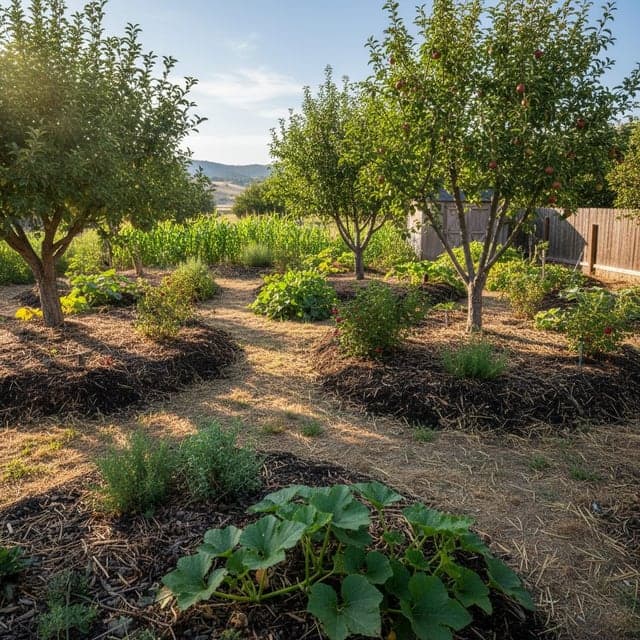
Learn how mulch basins efficiently distribute greywater in USDA Zone 8 gardens, reducing water use by up to 50%. Discover design tips, benefits for soil health, and maintenance for sustainable home…
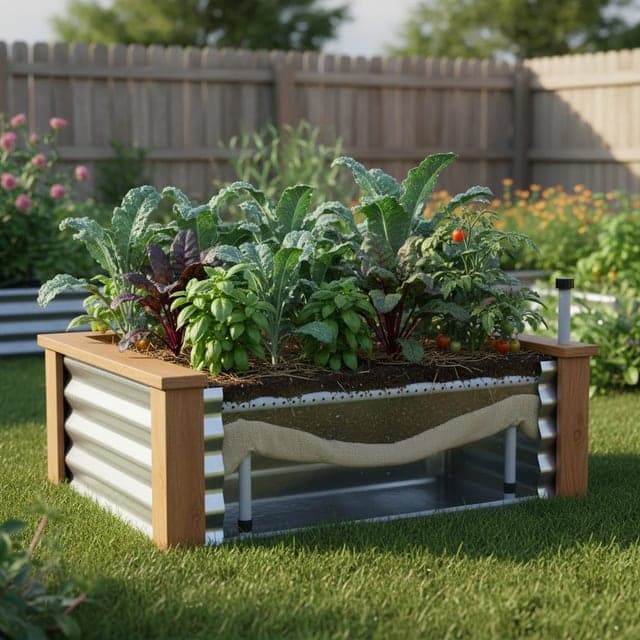
How wicking beds reduce water consumption by 50% or more in arid USDA zones 8-10, covering system components, reservoir construction, and soil layering.
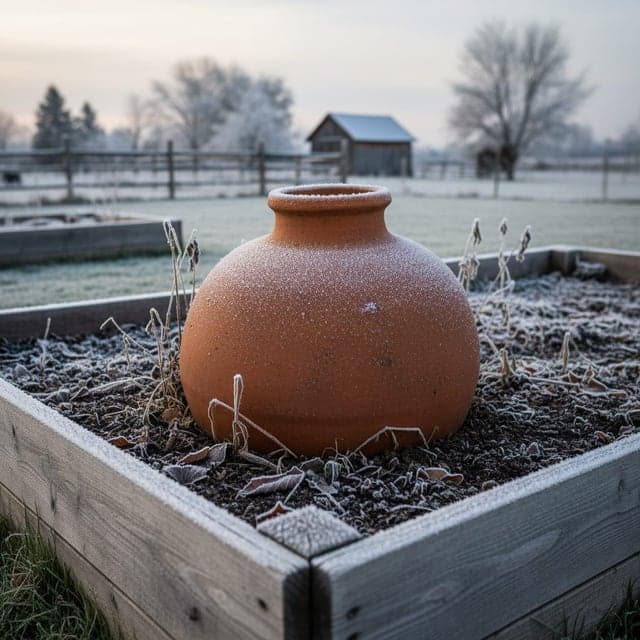
Protect unglazed terracotta ollas from 9% pore-ice expansion (~30,000+ psi) across USDA Zones 3–11: exact zone lift cutoffs, root-safe removal next to perennials, 24-hour vinegar descaling, 48–72 h…
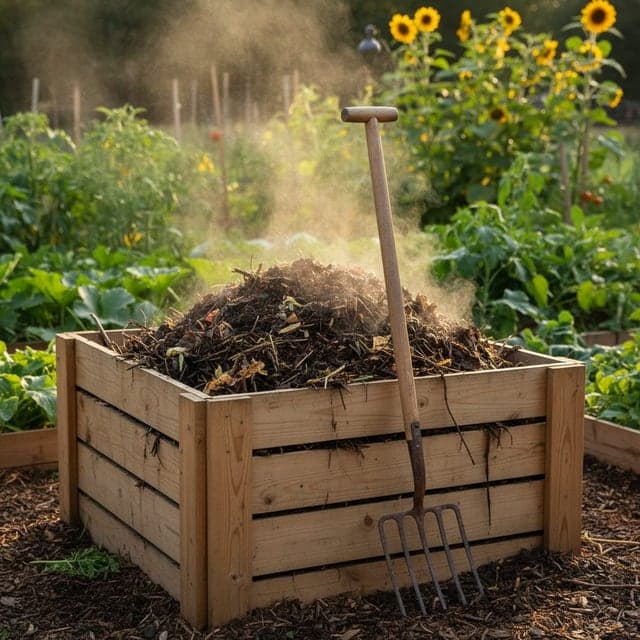
Why compost smells like ammonia or rotten eggs, and how to balance C:N ratios, improve aeration, and manage moisture for odor-free decomposition.
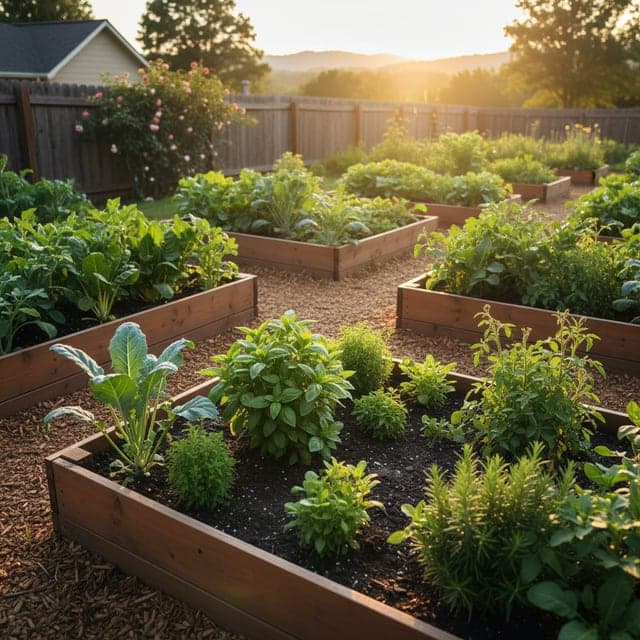
Turn fallen autumn leaves into free garden soil fertility across the US using a mulching lawn mower or dedicated leaf shredder: 4:1–16:1 volume reduction, turf mulching, 30:1 hot compost, fungal le…
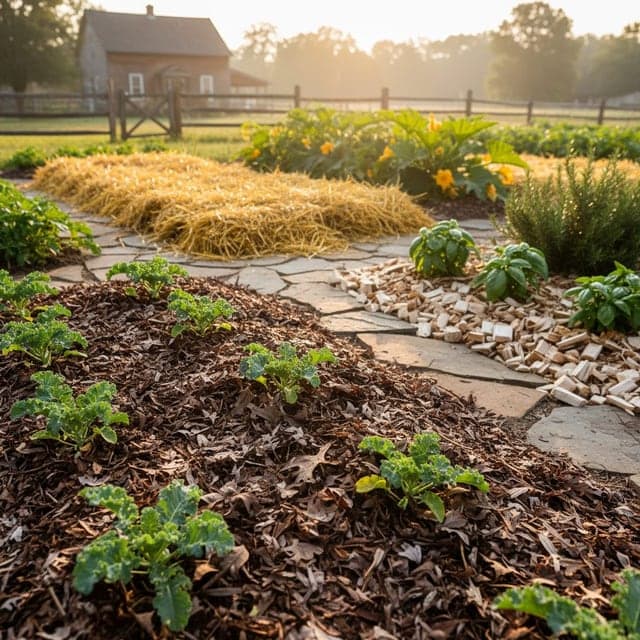
How shredded leaves, wood chips, and straw improve soil moisture, suppress weeds, and boost fertility in a homestead garden.
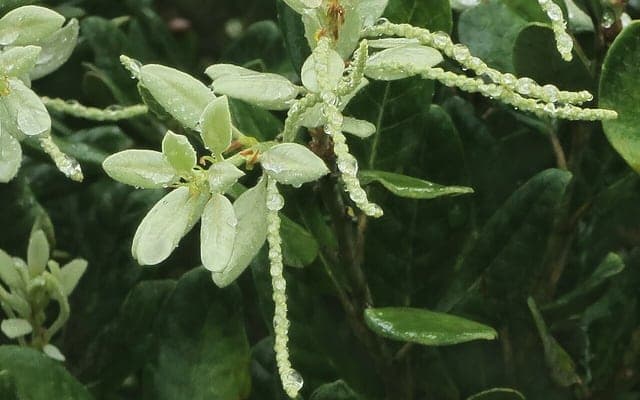
Choose the best US tree leaves for cold fungal leaf mold (1–2 yr, C:N 40–80:1). Compare fast sugar maple and linden vs. oak, beech, magnolia, live oak, and pine needles—plus black walnut juglone, p…
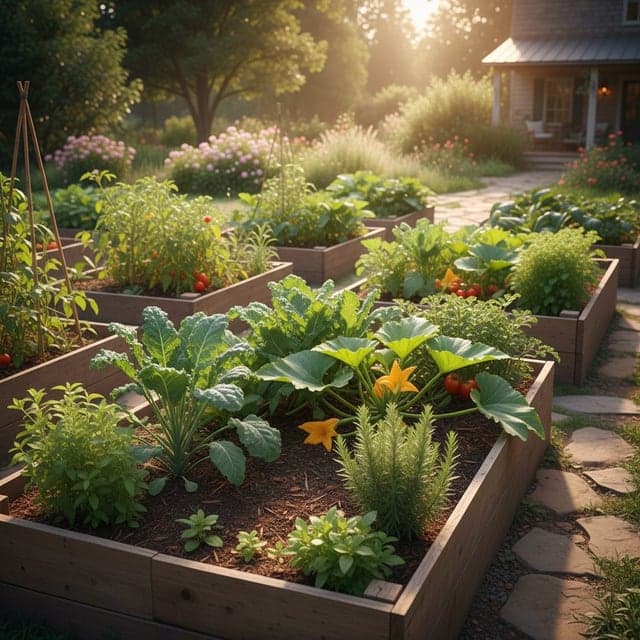
Learn to make leaf mold from fallen leaves. This free, fungal-dominated soil conditioner improves soil structure & water retention, reducing irrigation needs for your garden.
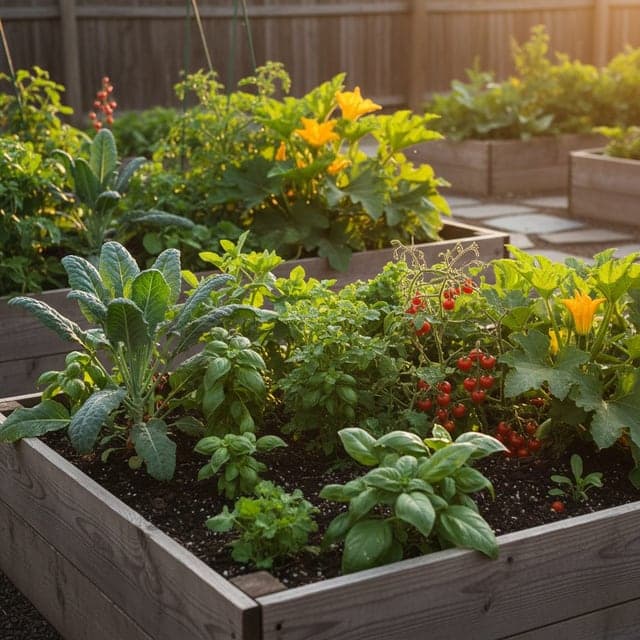
Learn to grow Bocking 14 comfrey and make potent ‘comfrey tea’ liquid fertilizer. This sterile hybrid boosts soil fertility in USDA zones 4-9, providing essential nutrients for your garden.
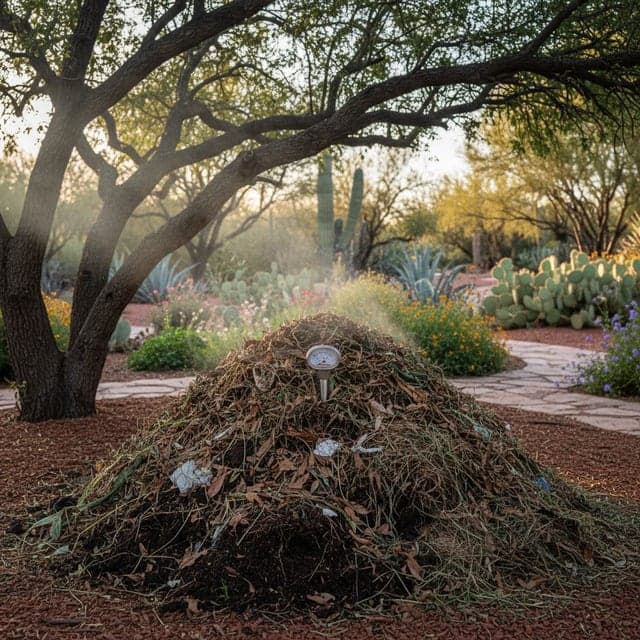
Master desert composting in USDA zones 8-10. Learn essential strategies for moisture retention, shade, and temperature regulation to create nutrient-rich humus in arid climates.
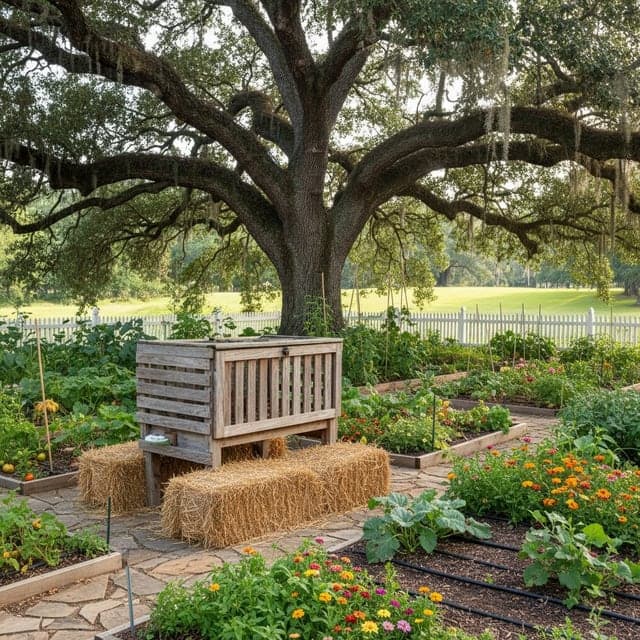
Learn essential strategies for worm bin cooling in Southern US zones 8-10 during summer. Protect red wigglers from extreme heat with placement, moisture, insulation, and biochar tips.
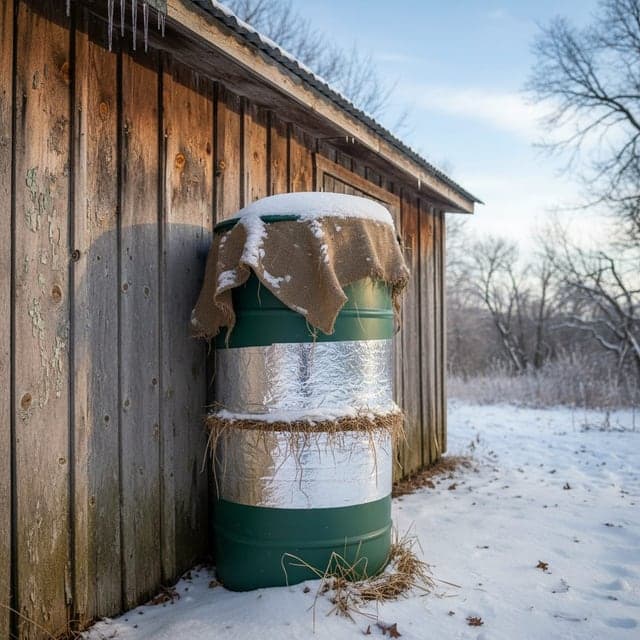
Learn how to keep your outdoor worm bin thriving through a USDA Zone 3 winter. Discover insulation techniques, feeding adjustments, and location tips for successful cold-weather vermicomposting.
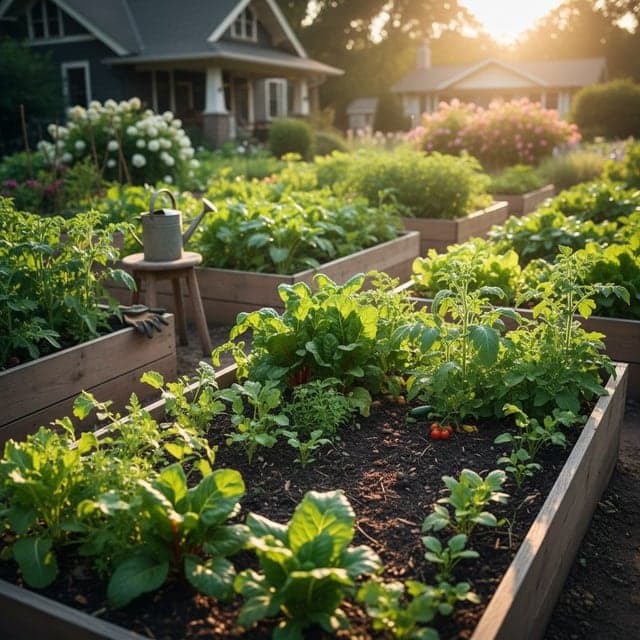
Survive Northern US winters in USDA Zones 3–6 with container root-lethality math (15–25°F vs. -20°F shoots), 4 overwintering tracks, terracotta freeze-spall protection, ≥40°F thaw watering, 1/4-inc…
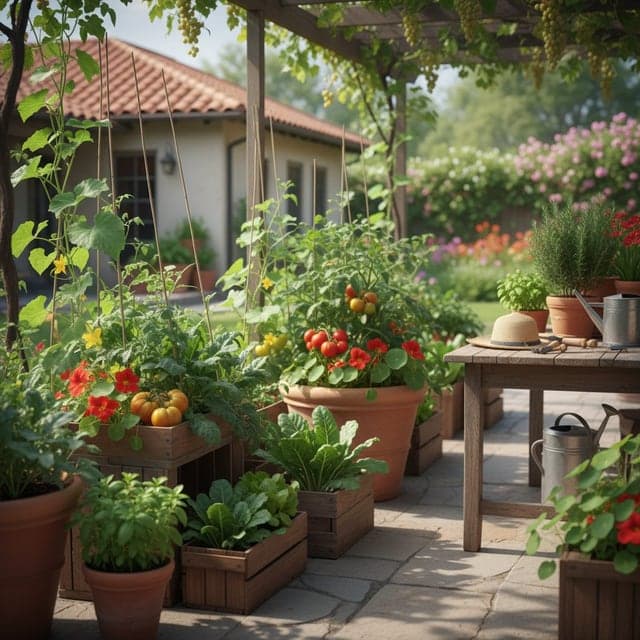
Master container gardening in US summer heat. Learn expert tips for watering, soil, container choice, and shade to keep your potted plants thriving and productive, even above 90°F.
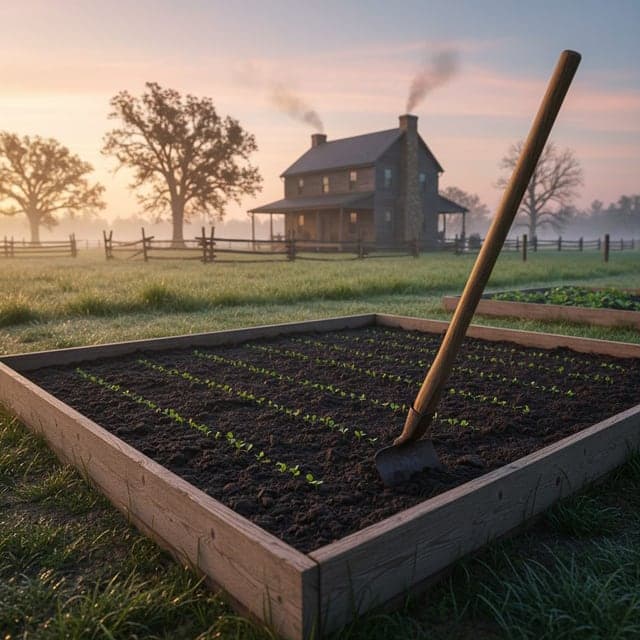
Cut early garden weeds 70–85% before sowing with stale seedbed engineering: <=0.5–1" zero-inversion hoeing, 1-sec flame cell-rupture, 2–4 wk silage tarps, carrot glass-pane test, and poison ivy fir…

Master succession planting and crop rotation to keep your US garden productive all summer. Learn strategies for heat-tolerant crops, soil health, and continuous harvests in challenging climates.
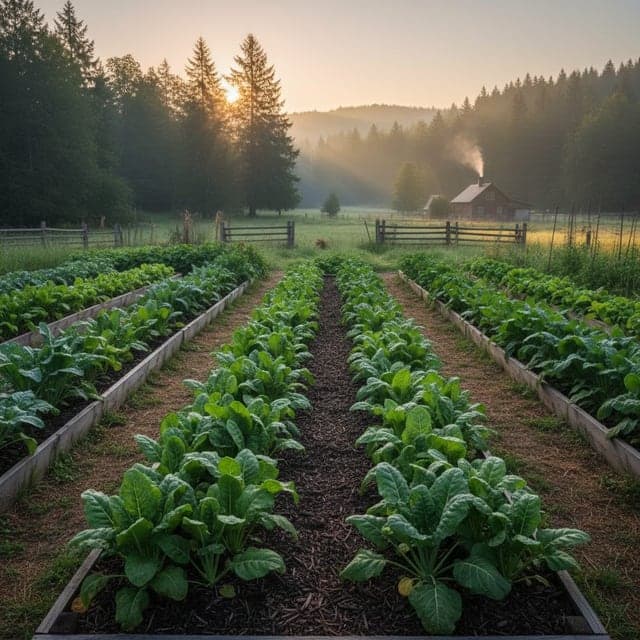
Stop premature flowering in leafy greens and herbs. Learn strategic planting, variety selection, and soil health tips to prevent bolting and extend your harvest in all USDA zones.
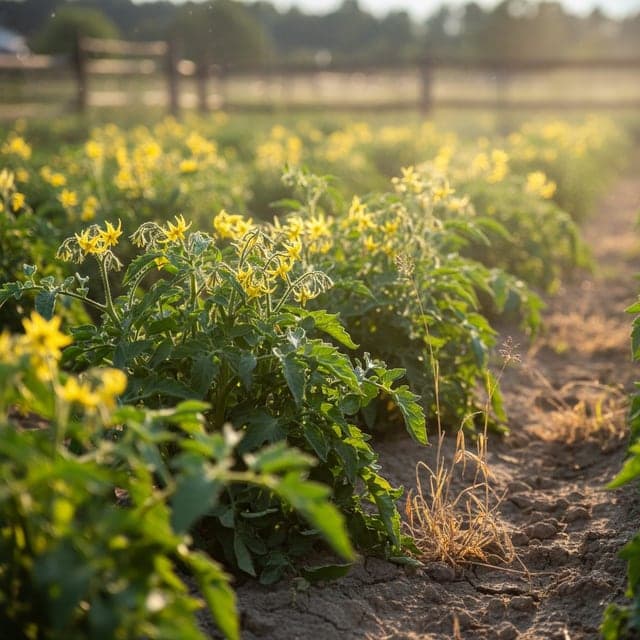
Discover why tomatoes & cucurbits fail to set fruit above 90°F. Learn how heat stress impacts pollen, pollinators, and what cultural practices can save your harvest.
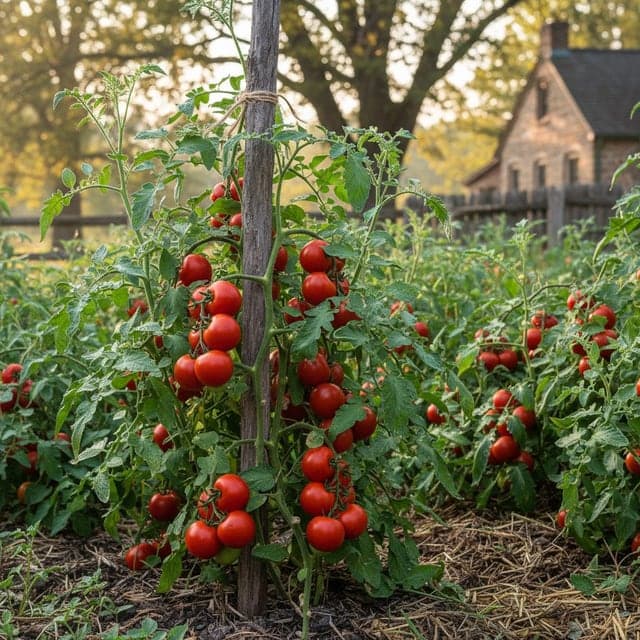
How to protect tomato crops from blights, wilts, and leaf spots using organic cultural methods, resistant varieties, and preventative sprays.