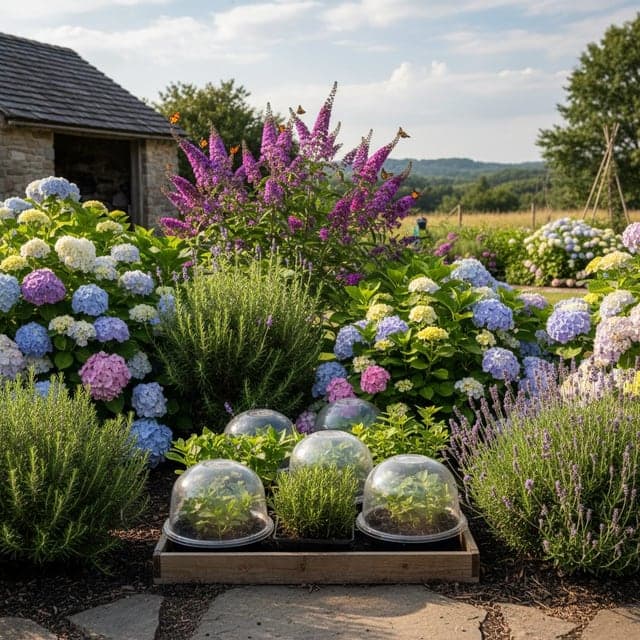
Rooting hydrangea, rosemary, lavender: 80%+ success in zones 5-9
Propagate hydrangea, rosemary, and lavender from softwood and semi-hardwood cuttings, with 80%+ rooting rates across USDA zones 5-9.
Tag
627 articles in this tag on agripure. — page 14 of 27
Propagate hydrangea, rosemary, and lavender from softwood and semi-hardwood cuttings, with 80%+ rooting rates across USDA zones 5-9.
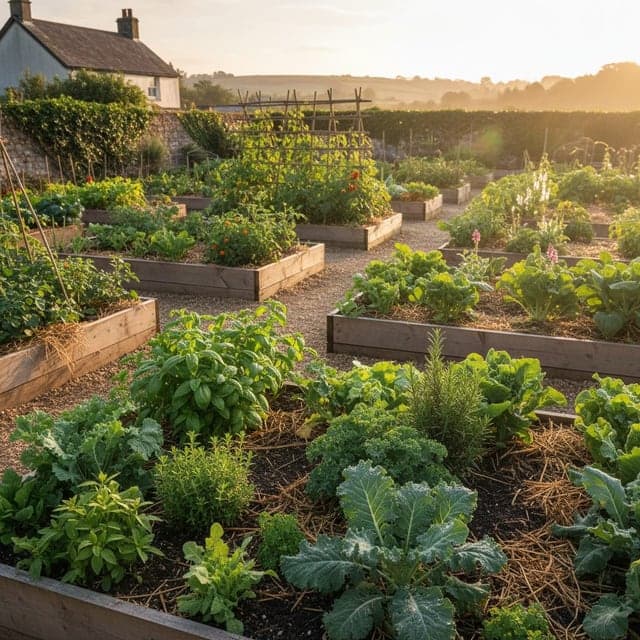
Achieve 90%+ success rooting herbaceous cuttings like basil, tomato, and mint. Learn optimal techniques, media, and hormones for fast root development in USDA zones 4-10.
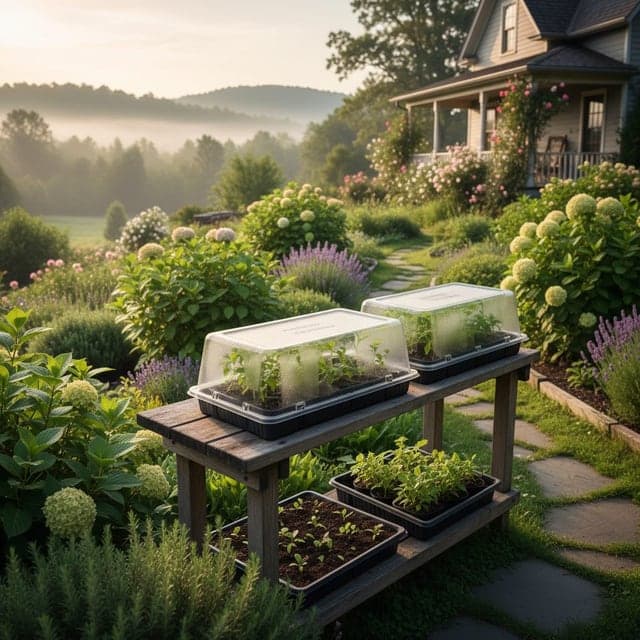
Master shrub cuttings propagation across USDA zones 4-9. Learn techniques for softwood, semi-hardwood, and hardwood cuttings to clone plants, save money, and boost success rates.
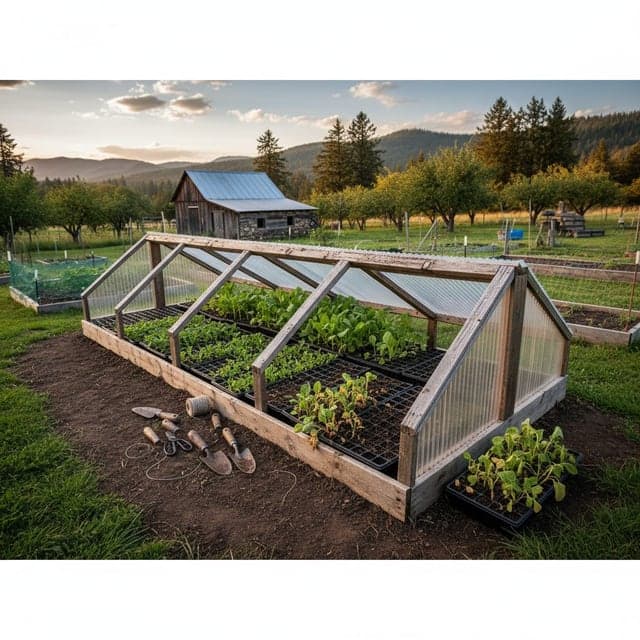
How to save collapsing seedlings by identifying early signs of distress, correcting watering and light issues, and transplanting viable plants before rot spreads.
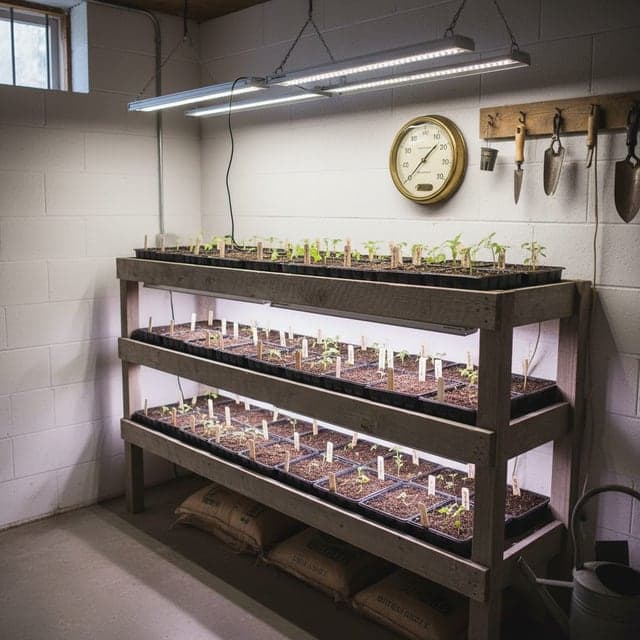
Master seed starting timing across US regions. Learn how cold basements in Maine differ from warm patios in Florida for successful germination and plant growth.
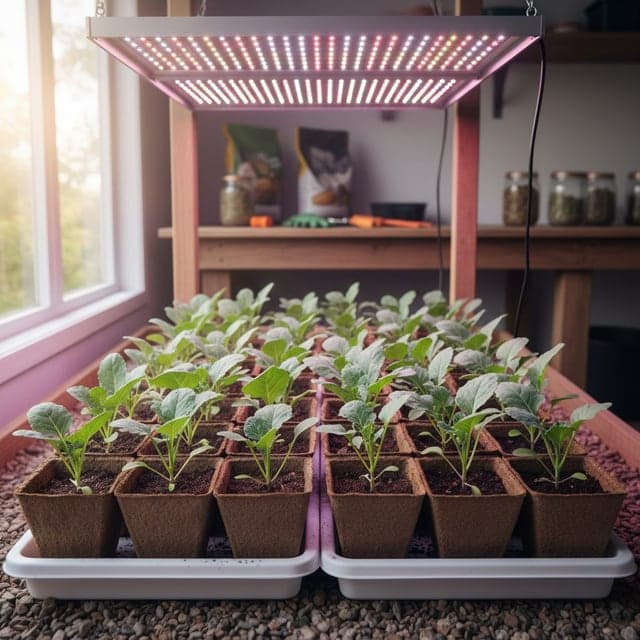
Master the art of potting up tomato seedlings in USDA Zone 6. Learn key techniques for healthy root development, preventing shock, and ensuring sturdy summer growth.
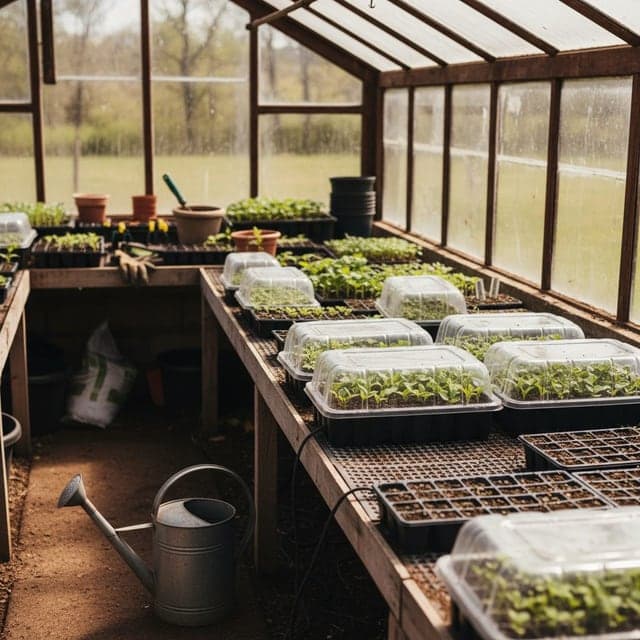
Boost plant starts germination to 90% in USDA Zone 6 with heat mats, humidity domes, and bottom-watering. Learn techniques for healthier seedlings & higher success rates.

How to build a budget grow-light shelf to prevent leggy seedlings and produce sturdy plant starts, with lighting and shelving options for USDA Zone 6.
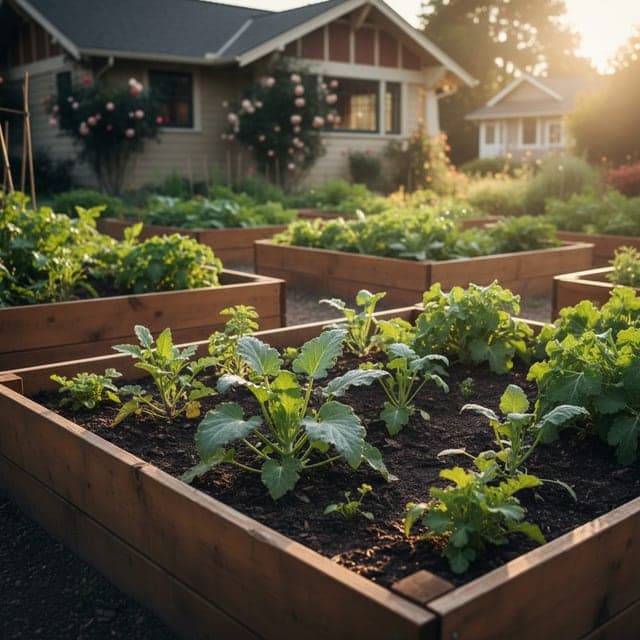
Master seed starting for your US garden. Learn the ‘count-back’ method using your last frost date to time warm & cool-season crops. Includes a seed starting chart for optimal growth.
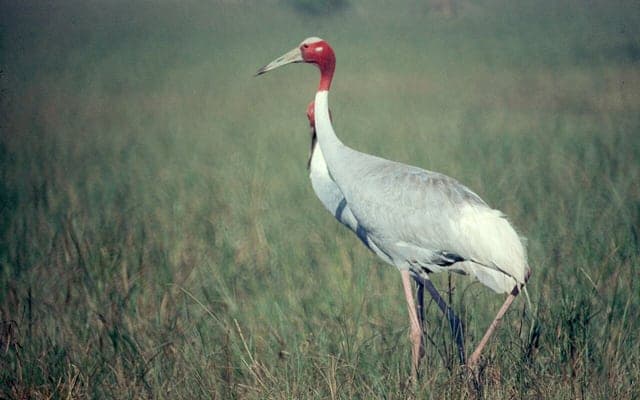
Learn effective strategies to protect your backyard berries in USDA Zone 6 from common pests like birds, spotted wing drosophila (SWD), and Japanese beetles. Implement netting, sanitation, and IPM…
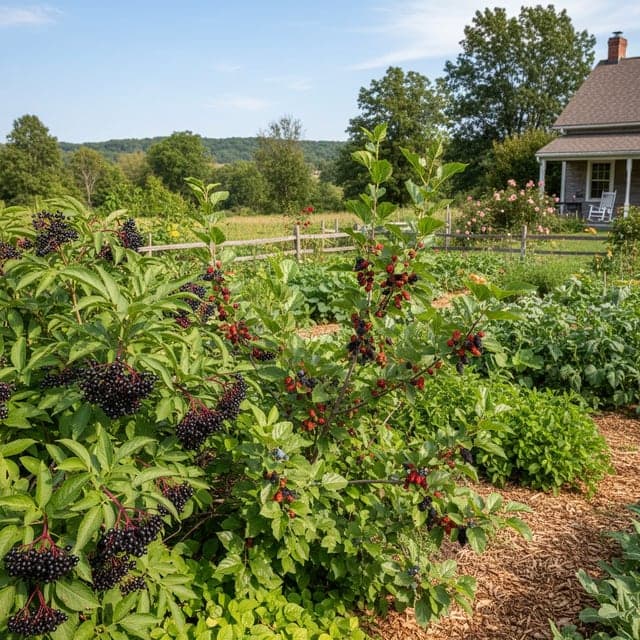
Plant a low-input US native berry guild across Zones 2–9: reconcile American elderberry cyanogenic safety and home-canning rules, separate native Red Mulberry (Morus rubra) from invasive White Mulb…
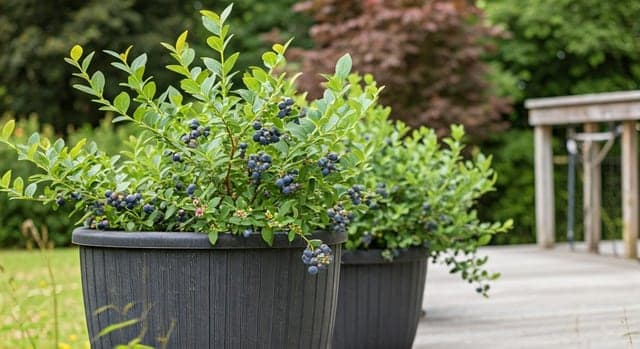
Alkaline soil? Grow blueberries in containers. Learn how to select pots, create acidic soil mixes, and care for thriving blueberry plants, even in challenging USDA zones.
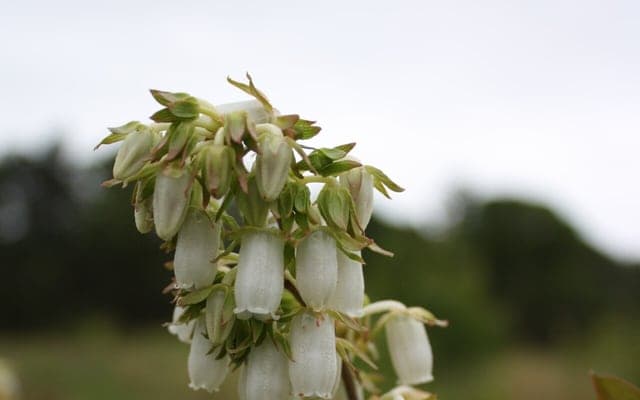
Discover the best blueberry varieties—Northern Highbush, Rabbiteye, Southern Highbush—for your USDA zone. Learn about chilling hours, soil pH, and care for a bountiful harvest.
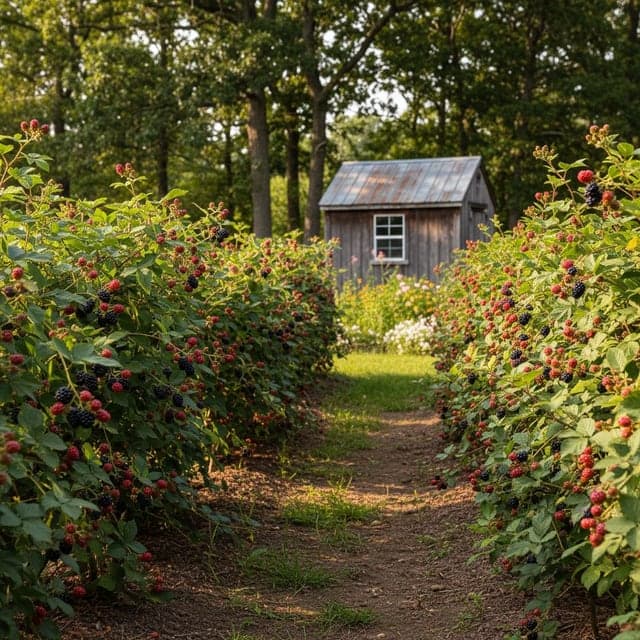
Master growing thornless blackberries for abundant harvests. This guide covers types, planting, pruning, and care for US home growers to achieve 10-15 lbs per plant annually.
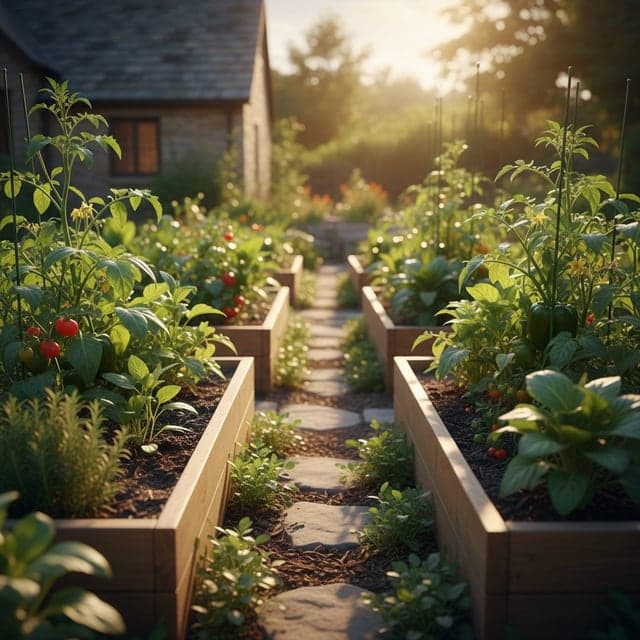
Growing blueberries in USDA Zone 5: manage soil pH (4.5-5.5) with sulfur and peat moss for nutrient uptake and a 20% yield boost, and select varieties suited to your climate.
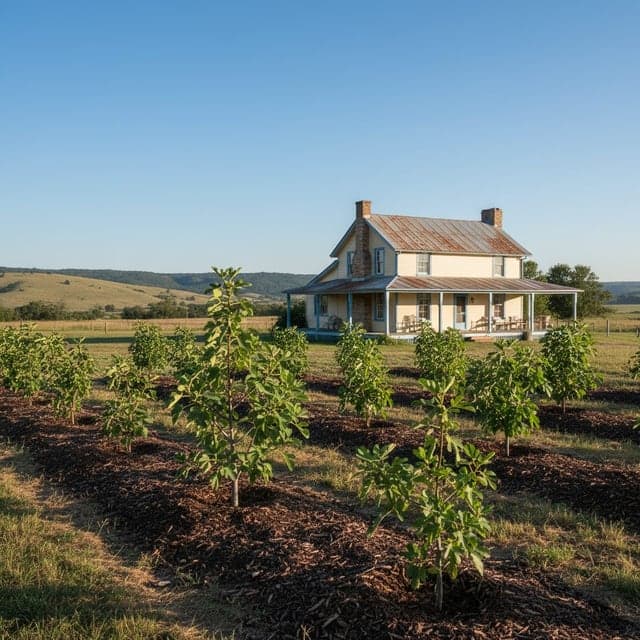
Pair cold-hardy figs ('Chicago Hardy', 'Ronde de Bordeaux', 'Marseilles Black VS') with Russian pomegranates ('Salavatski', 'Kazake', 'Sverkhranniy') in USDA Zones 6a–7b. Master south brick-wall si…
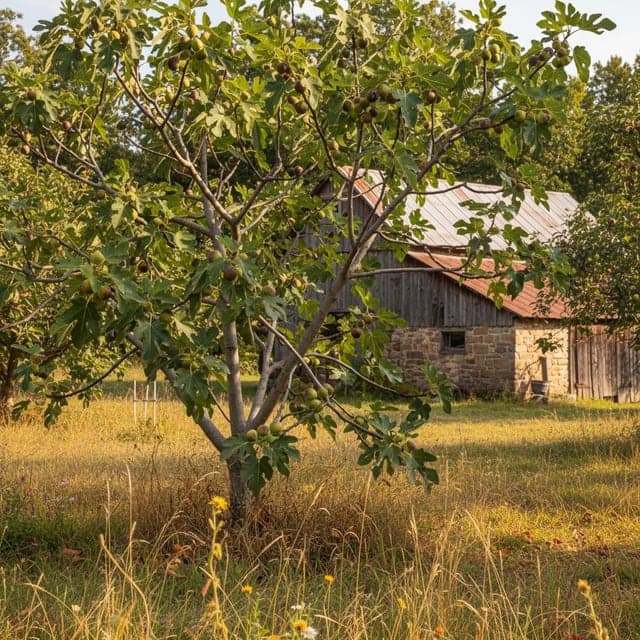
Prevent fig fruit drop in USDA Zone 7. Learn common causes like inconsistent watering, nutrient imbalances, and pests. Discover solutions for a bountiful fig harvest.
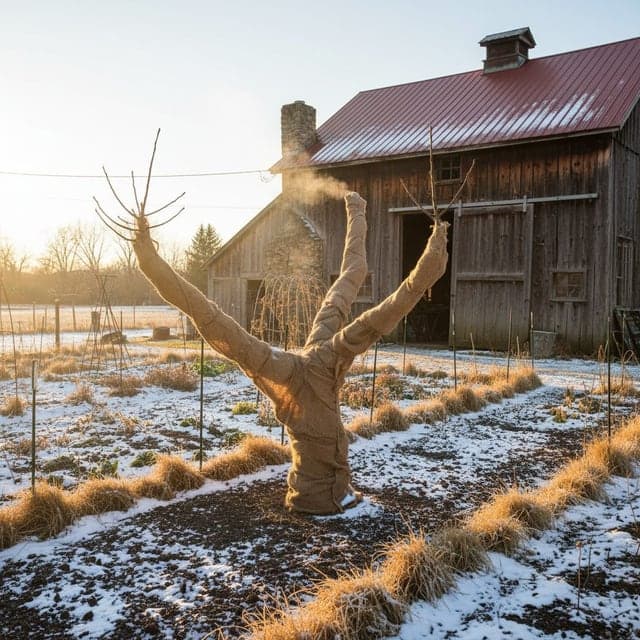
Protect Ficus carica across USDA Zones 4–7b: dormant wood thresholds, breba vs. main-crop nodes, 4 winter systems, spring unwrap rules, and fig-sap burn PPE.
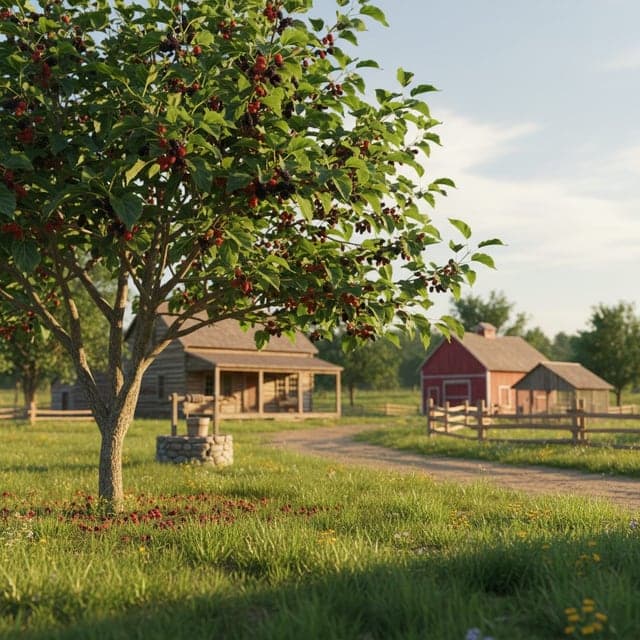
Keep mulberry trees at a pickable 6–8 ft for multiple summer crops across US USDA Zones 4–10 using safe low-invasion hybrids, sap-timed pruning, >=20–30 ft root setbacks, and latex/unripe berry saf…
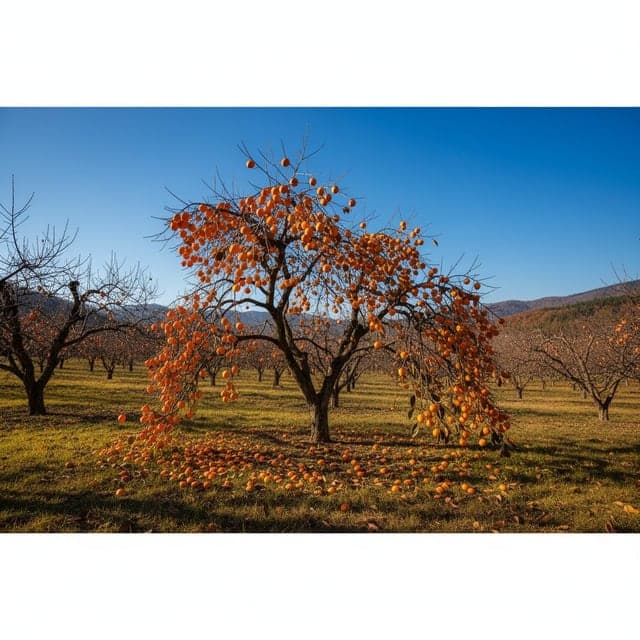
Grow American (Diospyros virginiana, Zones 4–9) and Asian (D. kaki, Zones 7–10) persimmons: PCNA, PVNA, and PCA classes, rootstocks, nitrogen restraint, bletting, CO2/ethanol de-astringency, and di…
Learn how to effectively prune fig trees in US Zone 7 for a heavier breba and main crop. Discover timing, techniques, and structural tips to boost your fig harvest.
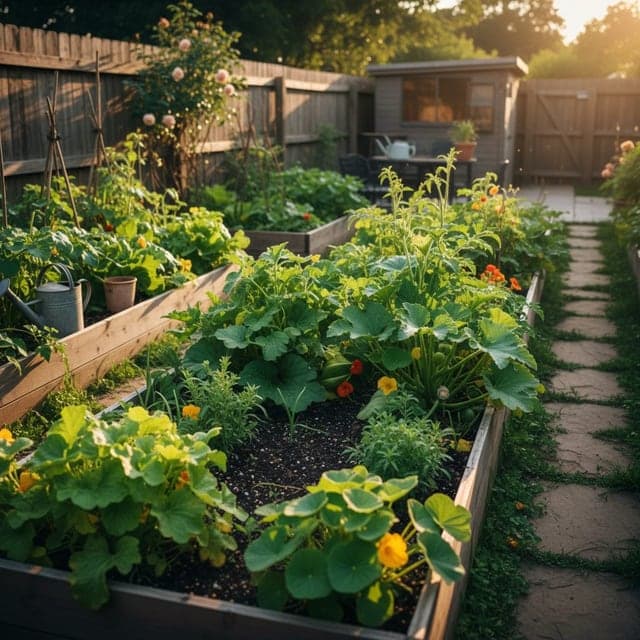
Learn how to ensure successful fruit set in your orchard or backyard. Discover self-fertile vs. cross-pollinating fruit trees, compatible varieties, and bloom times for a bountiful harvest.

Master Backyard Orchard Culture to grow diverse, productive fruit trees in small spaces. Learn summer pruning techniques to keep trees 6-8 ft tall for continuous harvest in USDA Zone 7.
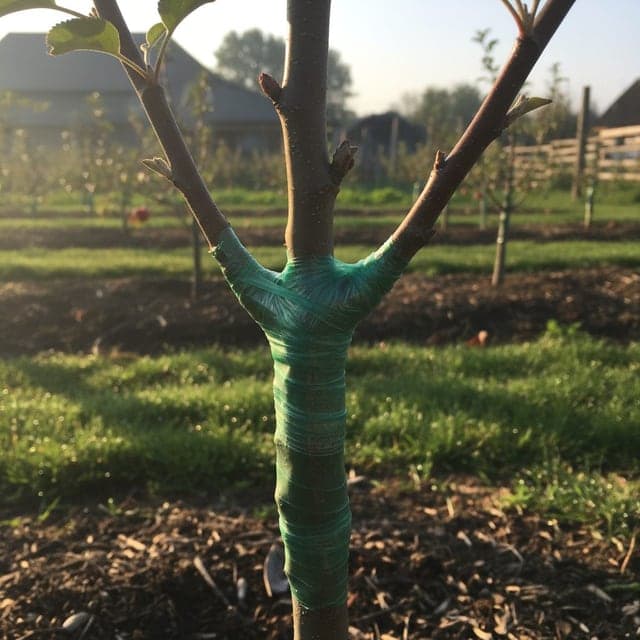
Master whip-and-tongue grafting for apples and pears. Achieve high success rates with this step-by-step guide for home growers, covering tools, scionwood, and precise cuts.